

Conservation Works When We Work Together: Turtles Prove It. Now It’s the Arctic’s Turn
Every update to the International Union for Conservation of Nature (IUCN) Red List is a snapshot of our planet’s health — where conservation is working, where it isn’t yet and where action can’t wait. The newest update delivers both good news and hard truth: green sea turtles have improved globally after decades of protection, while multiple Arctic seal species have moved closer to extinction risk as sea ice vanishes.
Conservation works: The green sea turtle rebound
The IUCN reports that the global green sea turtle population has rebounded enough to improve its Red List status. This is an achievement built on long-term safeguards like beach protection, nest monitoring, bycatch reduction and coordinated rehabilitation. It’s a reminder that when science, policy and communities pull in the same direction, wildlife can recover.
At Georgia Aquarium, we see this story up close. Our teams care for cold-stunned sea turtles, often juveniles swept into sudden cold snaps, providing the heat, space and expert veterinary support animals need to regain strength and return to the ocean. Over the past five years, we’ve taken in over 40 cold-stunned sea turtles, each one a step toward protecting a species still at risk in U.S. waters.
Green sea turtles benefit from a broad network of facilities that provide recovery and release. Loggerheads, however, remain endangered and—due to their size and specialized care needs—are supported by far fewer centers nationwide. That gap is exactly where Georgia Aquarium leans in. We’re increasing investment, we’d expanded space, and we have dedicated capacity to receive, rehabilitate, and return loggerhead turtles to the wild. Our goal is simple: accelerate recovery so that loggerheads can move off the endangered list.
Recovery takes decades and continued vigilance. Even as green turtles improve globally, local populations can face boat strikes, entanglement, habitat loss and climate-driven cold-stunning. Your support keeps the arc of recovery bending in the right direction.
A cautionary tale: Arctic seals on thinner ice
The same Red List update highlights a different trajectory in the far North. Three Arctic seal species shifted to higher risk categories due to shrinking sea ice, critical habitat for breeding, resting and feeding. Specifically, hooded seals are now Endangered, while bearded and harp seals are listed as Near Threatened, underscoring the speed at which climate change is reshaping Arctic ecosystems.
Georgia Aquarium is investing in Arctic research for precisely this reason. It’s not just sea ice we need to worry about—warmer Arctic waters can fuel harmful algal blooms that produce deadly toxins, adding new biological threats on top of habitat loss. Our research scientist Dr. Patrick Charapata and collaborators study how these warming conditions enable toxic blooms to creep north, introducing new risks into marine food webs relied upon by wildlife and Indigenous communities. Recent work examines toxin exposure pathways in species such as walruses, helping anticipate health impacts in a rapidly changing sea.
In the Arctic, climate change isn’t abstract. It is habitat loss measured in miles of missing ice and new biological threats expanding with warmer water. Science here is an early-warning system, and action anywhere that reduces carbon emissions helps protect life everywhere.
How aquariums support wildlife rescue and research
Public aquariums are uniquely positioned to turn concern into capacity: trained teams, purpose-built facilities and partnerships that move animals and knowledge where they’re needed most. At the same time, our scientists contribute to peer-reviewed research and multi-institution collaborations through IUCN’s Species Survival Commission networks and other programs.
That mix matters. Rehabilitation returns individual animals to the wild today. Research and policy partnerships help ensure those animals still have places to live tomorrow.
How you can help right now
- Leave beaches turtle-safe. Knock down sandcastles, fill in holes and flatten ruts before you leave. These obstacles can block nesting females and trap hatchlings on their way to the ocean.
- Keep it dark near the shore. If you live or stay near a beach, turn off (or shield) outdoor lights at night. Artificial light can disorient hatchlings, who navigate by the moon’s glow over the water.
- Fish and play responsibly. Pack out fishing line, nets and plastic – entanglement is a serious risk for sea turtles and other wildlife.
- Boat with wildlife in mind. In turtle and manatee zones, follow local “turtle-friendly” guidance: idle near shorelines and inlets, keep a sharp lookout and avoid disturbing resting or surfacing animals.
- Report animals in distress. If you see a stranded, injured or entangled sea turtle, contact your local stranding network or wildlife hotline immediately.
- Support the science. Donations and memberships fuel Georgia Aquarium’s rescue work and Arctic research, including studies that guide practical protections for seals, walruses and other ice-dependent species. Donations are tax-deductible.
- Make climate-smart choices. From energy efficiency at home to supporting policies that lower emissions, everyday actions ladder up to safer seas for Arctic and temperate wildlife.
The new Red List is both a celebration and a call to action. Green sea turtles show that conservation works when we commit for the long haul. Arctic seals remind us that the work is urgent, and the window is now. At Georgia Aquarium, we’ll keep doing what we do best: pairing world-class animal care with rigorous science on our coast and in the Arctic so the next Red List snapshot shows more species on the road to recovery.
Ocean Acidification Crossed a Key Threshold
What That Means for Corals and How Georgia Aquarium Is Helping
When the ocean absorbs carbon dioxide (CO₂) from the air, seawater becomes slightly more acidic. Increasing amounts of CO₂ means more acidic water. That shift matters for corals and other shell-building animals that need calcium carbonate to grow and heal. Potsdam Institute for Climate Impact Research reported in their latest annual assessment that global ocean acidity has crossed a critical threshold for marine life—putting extra pressure on reefs that are already challenged by warmer waters, increasing exposure to disease and more intense storms.
“This matters because coral reefs are nurseries for fish, buffers for coasts, and a foundation for local economies,” said Kim Stone, director of fishes and invertebrates at Georgia Aquarium. “As acidity rises, corals spend more energy maintaining their skeletons and less on growth and reproduction. Over time, that weakens reefs and everything that depends on them, from reef fish to the people who rely on healthy oceans.”
Georgia Aquarium’s leadership response to the coral crisis
- Long-term commitment: Georgia Aquarium has been actively involved in coral restoration and conservation since 2010, recognizing coral’s crucial role in healthy marine ecosystems.
- Research and rescue that inform action: Our teams conduct coral rescue and study health and resilience in corals so partners can implement effective conservation strategies. We’ve guided and developed coral care techniques behind the scenes and supported nursery strategies on the reef. We also help care for corals confiscated from illegal trade, working with U.S. Fish and Wildlife Service when animals need immediate critical care. Georgia Aquarium has received over 1,000 confiscated aquatic animals, more than half of them corals.
- Training more experts: We are teaching how to care for coral to expand the number of experts and partners involved in coral rescue and care worldwide. Georgia Aquarium hosts aquarists on-site for coral program training annually. It is a practical way to grow the network of people who can care for, rescue and restore threatened corals so more places have the expertise they need.
- Partnerships and field impact: Georgia Aquarium is a leading participant in the Association of Zoos and Aquariums Florida Reef Tract Rescue Project, a multi-institution effort responding to the lethal, fast-spreading stony coral tissue loss disease in the Caribbean and Atlantic, including off Florida. This work is tracked on a dynamic dashboard following over 2,300 rescue colonies, including where the animals live, how big they are and DNA typing. We also partnered with Coral Restoration Foundation to grow coral fragments in underwater nurseries, with the goal of outplanting healthy corals back to the reef. To move nursery corals safely, Georgia Aquarium introduced the “Coral Bus”, a specialized aquarium trailer system that reduces stress and supports survival during transport.
- Inspiring care through connection: In our Tropical Diver gallery, guests see living corals up close. Turning big-picture climate science into a personal experience is one of the most powerful ways to spark action. Our aquarists also propagate corals for our live reef wall, which supports education and conservation goals inside the Aquarium.
“Coral reefs are living infrastructure for the ocean, and more acidity makes it harder for them to build and heal,” Stone shared. “We are investing in people, partnerships and science to help reefs hold on and bounce back.”
What you can do today
- Lower your carbon footprint where you can. Small choices add up. A few small actions include walking and biking instead of driving when possible, eating locally-sourced foods and reducing food waste. When swimming in the ocean, use reef-safe sunblock.
- Choose sustainable seafood using trusted guides and certifications. Georgia Aquarium’s Seafood Savvy program promotes choosing sustainable seafood from sources that minimize environmental impacts, ensure fair working conditions, and support the entire supply chain.
- Support coral programs through donations or membership.
- Learn and share. Visit Georgia Aquarium, explore our coral resources and talk about why reefs matter.
Hope looks like skilled hands, good science, and strong partnerships. From behind the scenes to reef nurseries, Georgia Aquarium and our partners are working to protect corals when it matters most.
Twenty Years in the Heart of Atlanta: Georgia Aquarium’s Economic & Community Impact
Walk through our doors on any given morning and you’ll feel it—the hum of families starting their day together, field-trip chatter, out-of-towners awe-struck as they see our world-class galleries for the first time. Since opening in November 2005, Georgia Aquarium has been more than an underwater world; it’s been a reason to come downtown and stay awhile.
A Downtown Ripple Effect
When the Aquarium opened at Pemberton Place, it sparked a revitalization period in Atlanta creating a growing “tourism arc” around Centennial Olympic Park, which had unfortunately stagnated following the 1996 Summer Olympics. The opening of the World of Coca-Cola followed, along with multiple nearby restaurants and hotels.
Independent economic analyses show that momentum compounds. Since 2005, billions of dollars of new investment have been completed in the Centennial Olympic Park area, with more still to come. For years, city leaders have credited the Aquarium with helping knit together the Centennial Park district. “The aquarium was a catalyst for growth… an anchor for downtown Atlanta,” said William Pate, President & CEO of the Atlanta Convention & Visitors Bureau, in 2018. It’s a legacy we’re proud to build on. Georgia Aquarium’s impact will have far-reaching implications to not only the Centennial Olympic Park area, but the city of Atlanta and the entire state.
The Aquarium’s opening 20 years ago led to an economic boom year for Georgia, driving visitors to the state — which has continued for years — pouring money into our communities that helps it thrive. “Tourism is a powerful economic generator for Georgia,” said then Governor Sonny Perdue in 2006 following the opening of Georgia Aquarium.
Two decades—and more than 45 million guests later—people are attracted to Atlanta to enjoy a full weekend of activities.
Neighbors, Partners and Purpose
Economic impact is only one layer. Atlanta is our community. Over the last twenty years, we’ve teamed up with hometown sports teams—cheering alongside the Atlanta Braves during their 2021 title run, celebrating big moments with the Atlanta Hawks, and joining Atlanta United FC for #5StripeFriday—supported local nonprofits from Atlanta Humane Society to Shepherd Center and Children’s Healthcare of Atlanta, and welcomed students through hands-on education programs that bring ocean science alive.
By our first decade, more than 1.3 million students and educators had visited. Today, access remains central to our mission: approximately 45,000 students each year participate in Georgia Aquarium’s Sponsored Education Admissions (SEA) grant program, which offers free or reduced admission to Title I schools and select nonprofits across Georgia. Annually, we welcome about 1,600 schools serving roughly 120,000 students for field trips and instructor-led programs—turning curiosity into confidence in STEM classrooms statewide.
From SEA to the Veterans Immersion Program and our Military Salute Programming, our mission is evident in real life.
The best part of being downtown is that your day doesn’t end when you exit our galleries. Grab a bite at a local spot, head to a game or stroll the park. Whether you’re a first-time visitor or a neighbor who knows the best times to watch the sea lions, your ticket helps power education, conservation and a healthier downtown economy.
What’s Next
“We’re grateful for two decades of support from this city and its visitors. Thank you for making Georgia Aquarium part of your lives,” shared Travis Burke, President & CEO, Georgia Aquarium. “As we look ahead, we’re focused on the next twenty years: advancing conservation, education, and helping a vibrant, welcoming downtown thrive.”
In the years ahead, we’re doubling down on what works: an awe-inspiring experience, meaningful community partnerships, educational programs and conservation efforts that make a difference. Downtown is evolving again—new hotels, new restaurants, big events on the horizon—and we’re proud to be part of that energy.
Published on Oct 6, 2025.
A Smarter Way to Play: How Georgia Aquarium is Advancing Sea Otter Enrichment
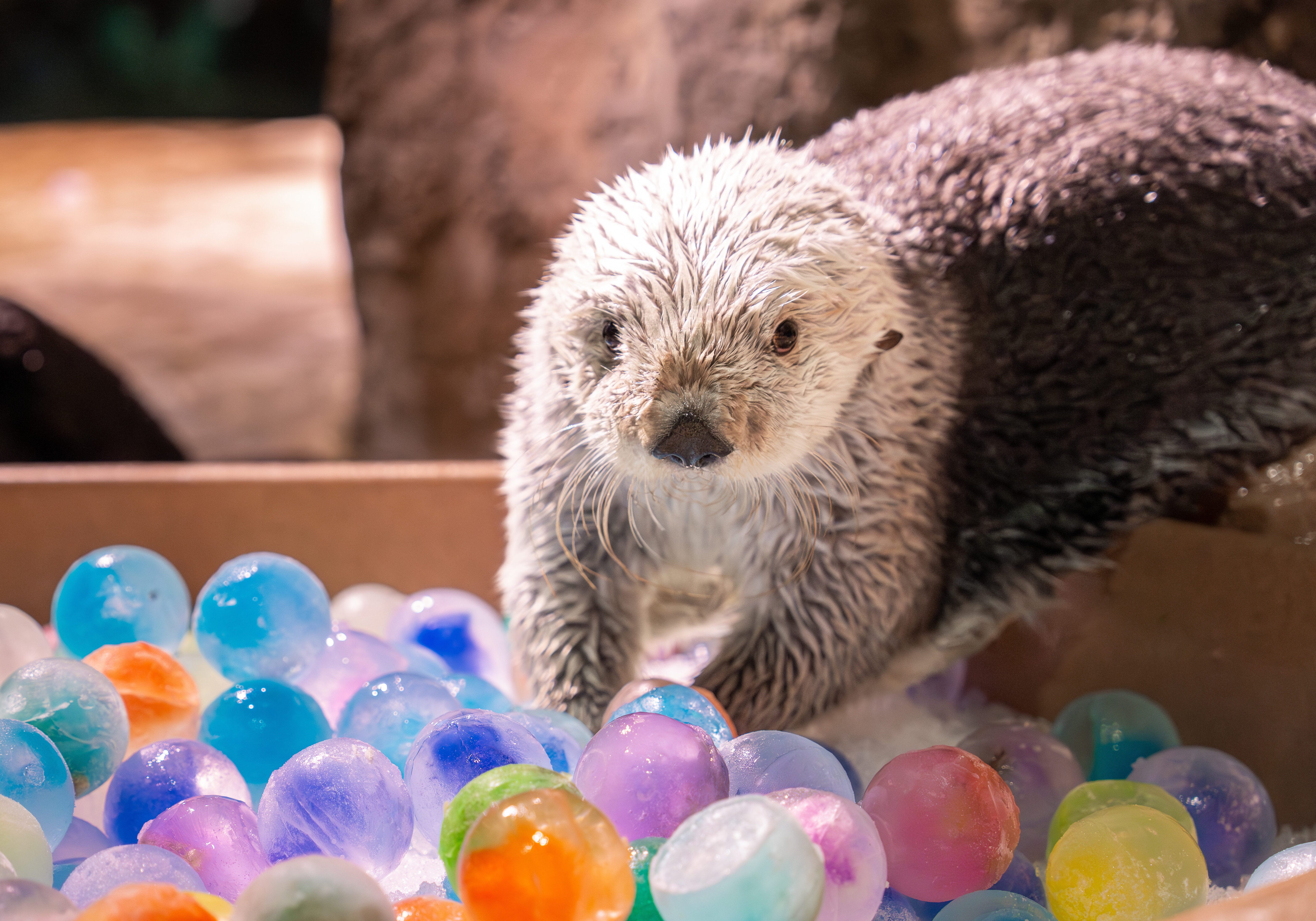
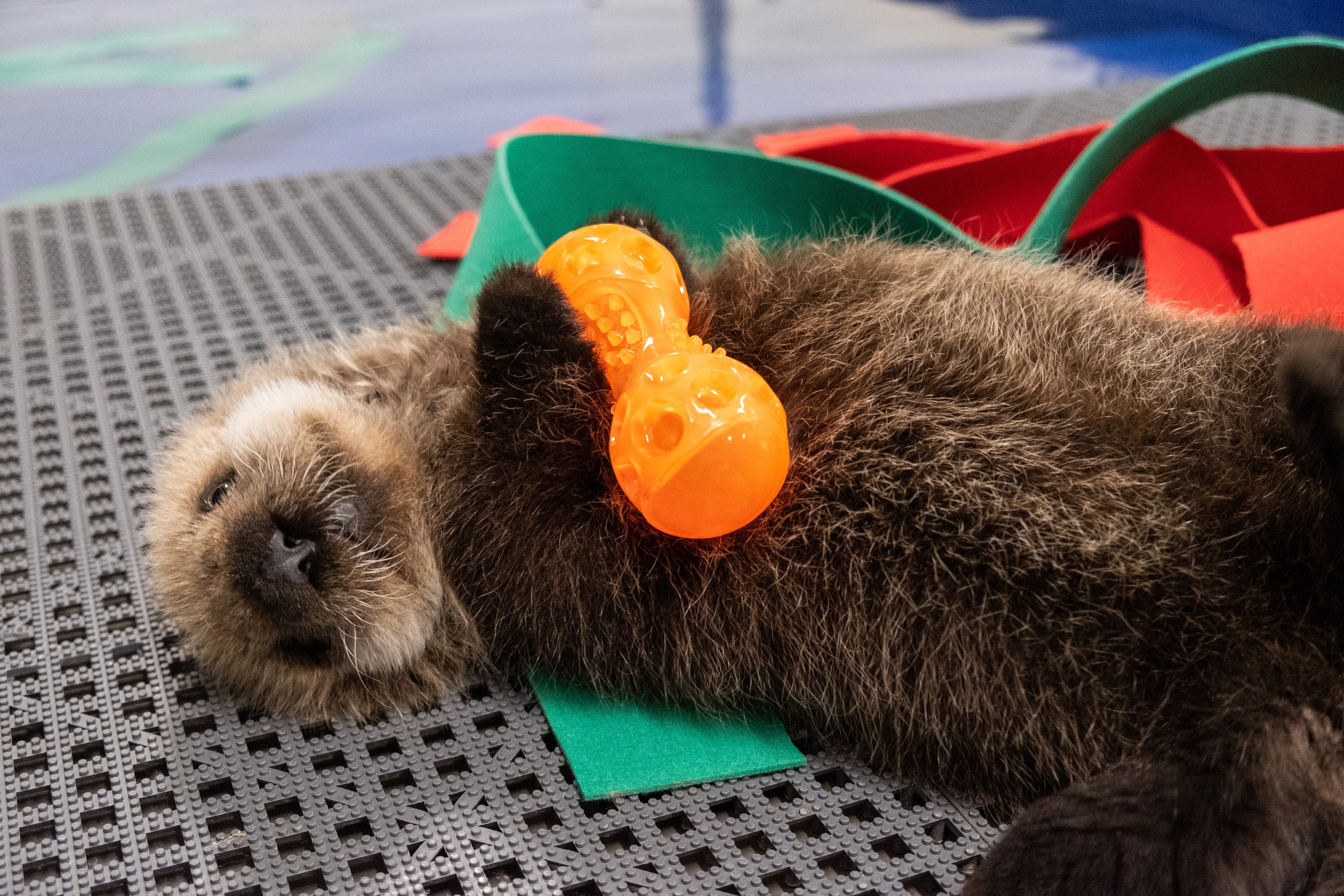
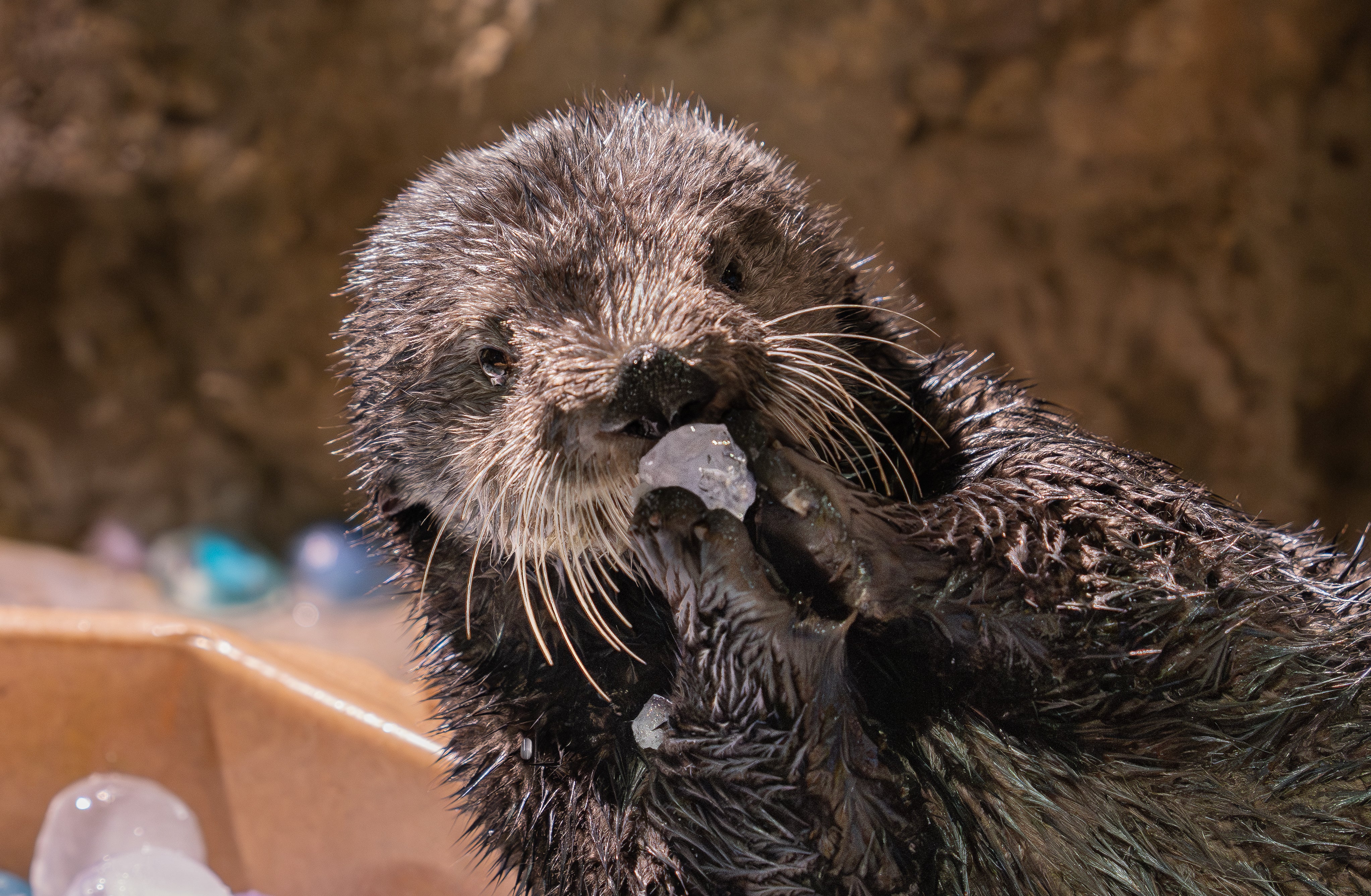
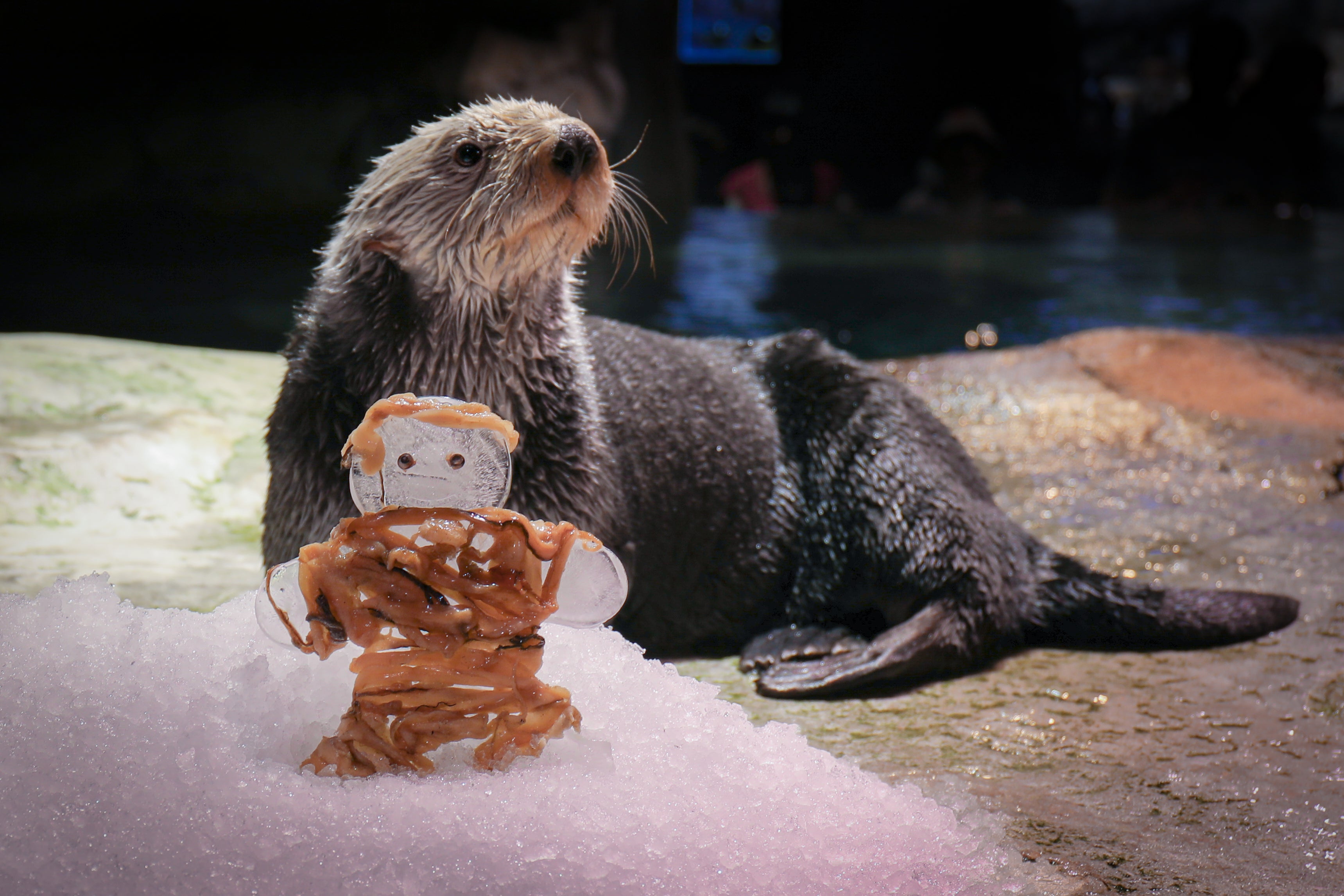
At Georgia Aquarium, enrichment is more than just fun and games. It’s an essential part of exceptional animal care. For our spirited sea otters, activities that challenge their minds and encourage natural behaviors are key to their health and well-being. This Sea Otter Awareness Week, we are spotlighting an innovative research collaboration that blends science, technology and play to better understand how our otters engage with the world around them.
Working alongside researchers from Georgia Tech, our animal care team tested a new approach using instrumented enrichment devices. These highly specialized and purpose-created items are embedded with motion sensors to track how otters interact, learn and adapt over time. The pilot study was conducted at Georgia Aquarium with five sea otters (Enhydra lutris).
The goal was to explore whether custom-designed, species-specific enrichment devices could provide new insights to support the Aquarium’s already robust enrichment program. By collecting valuable behavioral data, researchers aimed to help further fine-tune enrichment strategies and identify subtle changes that might signal shifts in an animal’s health or well-being.
Putting Play to the Test
During the study, each otter received two types of enrichment items. The first was a familiar favorite, a food-dispensing KONG Genius Leo dog enrichment tool that our sea otters have used before. The second was a brand-new challenge, a custom-built scallop-shaped device created specifically for the study.
Both were fitted with motion sensors to measure interaction time and intensity. Food rewards were weighed before and after play to determine how efficiently each otter accessed them. Our team also used video to capture the unique strategies and personalities on display.
The results were fascinating. On average, the otters took longer to get less food from the scallop-shaped device, suggesting a learning curve with new enrichment. One otter, Bixby, even decided to skip the scallop entirely. “Otters, much like people, each have their own personalities, perspectives, and preferences,” said Jason Jones, Curator of Mammals & Birds. “They interact with other otters, their trainers, and their environment in unique ways. In this study, for example, we noticed that Bixby shows little interest in some of the newer enrichment items and instead tends to favor more familiar ones. Getting to know the individuals and recognizing their distinct traits and behavior is part of what makes our work so engaging, fun, and rewarding.”
Why This Matters
While the study confirmed that embedded sensors can capture reliable, real-world behavioral data, the groundbreaking aspect was using motion-sensor technology within enrichment devices. This allowed the team to measure interaction patterns with precision, turning playful activities into a potential early-warning system for changes in behavior that might reflect shifts in health or well-being. It’s an added layer of insight that builds on the Aquarium’s existing expertise in species-specific enrichment, offering new opportunities to refine care through technology.
As an accredited member of the Association of Zoos and Aquariums (AZA), Georgia Aquarium follows strict enrichment standards. This research could help refine those guidelines, ensuring they are backed by measurable, data-driven insights.
Our collaboration with Georgia Tech is just the beginning. Future studies will track how otter interactions evolve over weeks or months, helping us design enrichment that adapts alongside the animals themselves. It is a perfect example of how technology can enhance animal welfare while deepening our understanding of these charismatic marine mammals.
Join Us in Celebrating Sea Otter Awareness Week
Sea Otter Awareness Week is a time to honor the resilience and charm of these endangered animals and to commit to their protection in the wild. By blending innovation with expert care, Georgia Aquarium is working to give our sea otters the best possible quality of life while inspiring guests to protect their ocean home.
Published on Sep 24, 2025.
Protecting Dolphins and Our Ocean
Protecting Dolphins and Our Ocean: Georgia Aquarium’s Legacy Dolphin Health Research Program
At Georgia Aquarium, we believe caring for the ocean begins with understanding it. For over a decade, our scientists and veterinarians led one of the most important dolphin health studies ever undertaken, the Health and Environmental Risk Assessment (HERA) project. This groundbreaking work not only deepened our knowledge of dolphins but also revealed powerful connections between the health of marine animals, their ecosystems, and the people who share those waters.
What Is HERA?
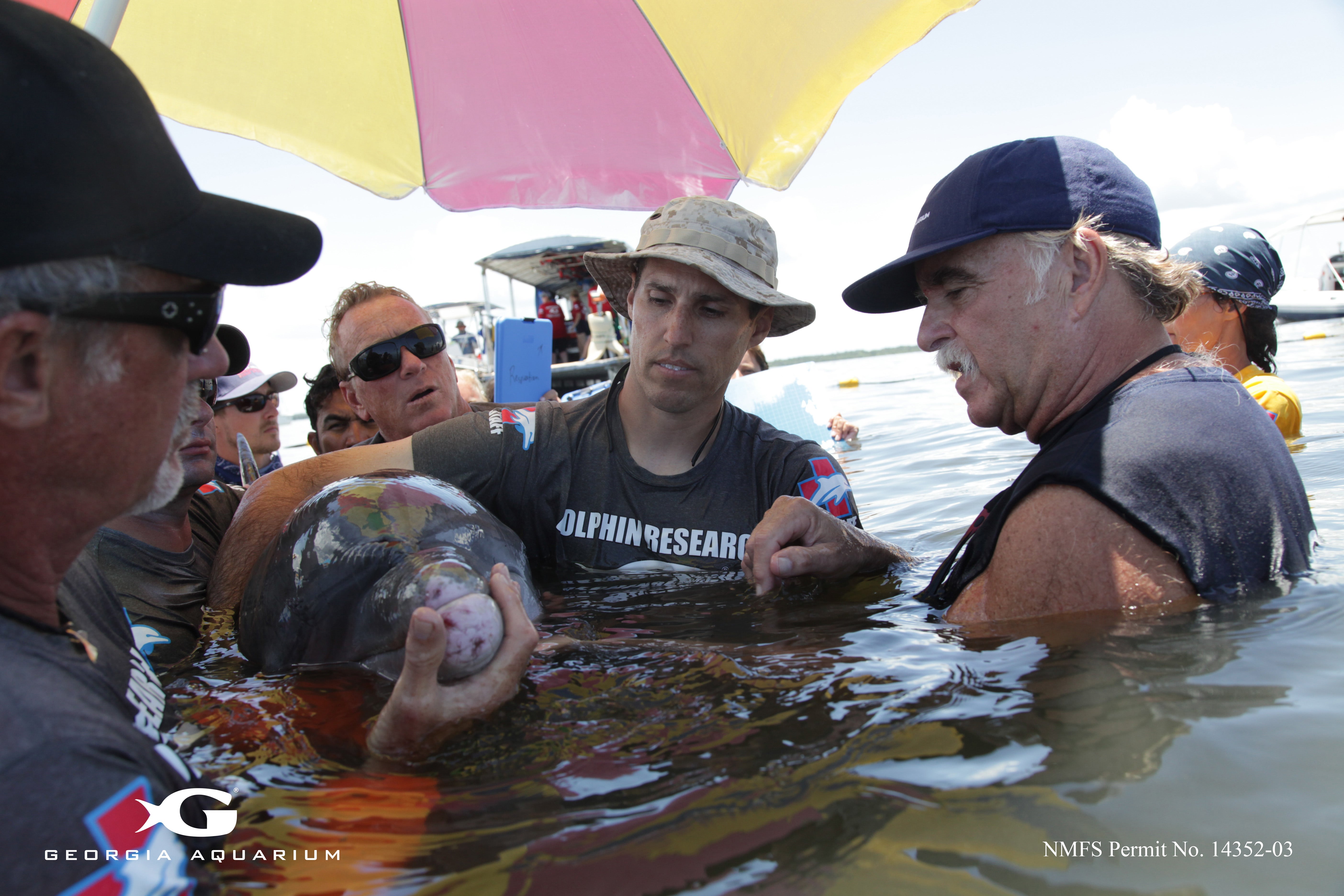
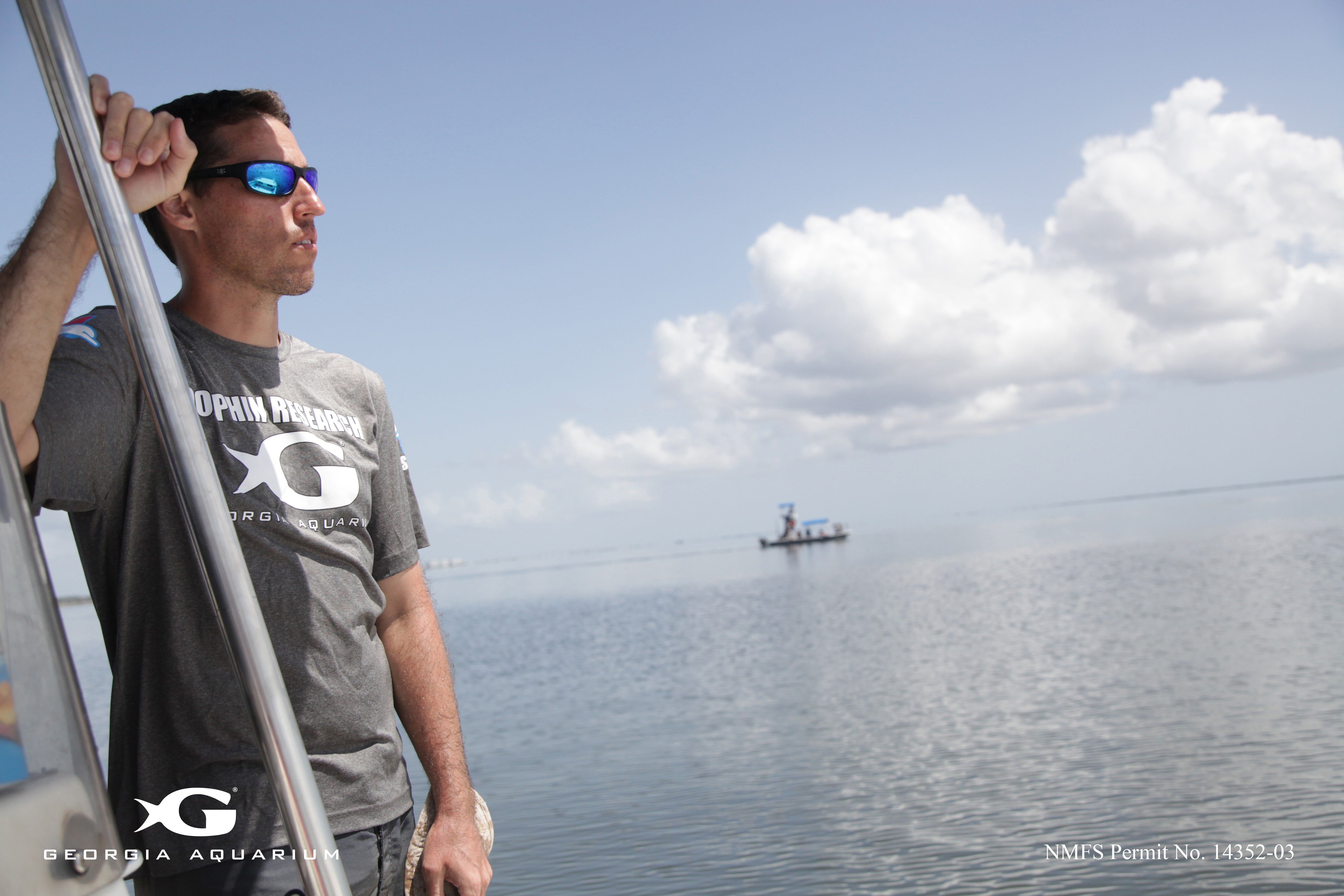
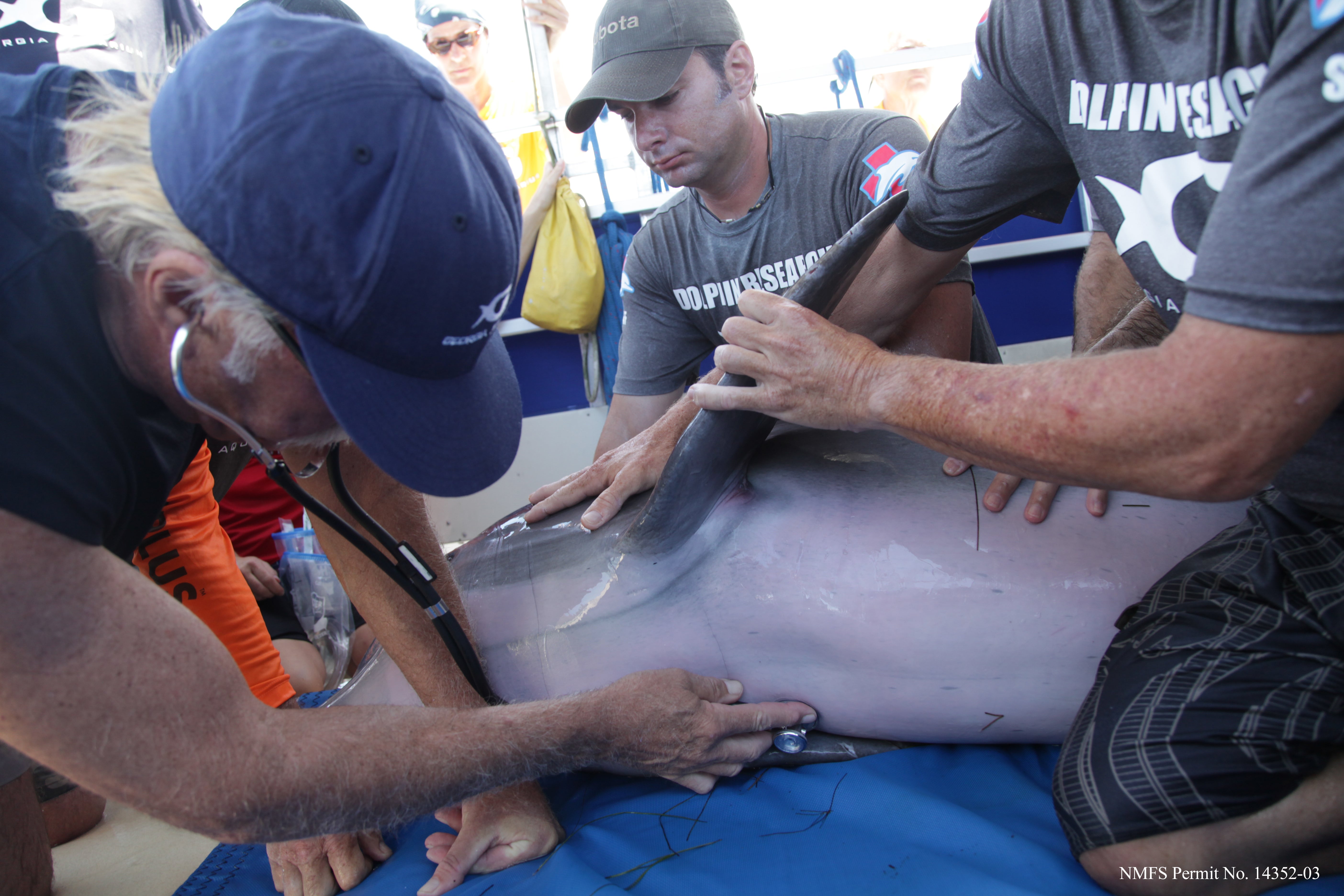
Beginning in 2003, Georgia Aquarium and its partners launched HERA, a first-of-its-kind research program studying wild bottlenose dolphins in Florida’s Indian River Lagoon and South Carolina’s Charleston Harbor. Over the years, experts examined several hundred dolphins, gathering vital information about their health, exposure to pollutants, and resilience in the face of environmental change.
Every dolphin was carefully examined and then returned safely to its home waters, helping scientists collaborating from dozens of scientific research organizations build a living picture of how these animals, and the ecosystems they represent, are faring.
Why It Matters
HERA proved what many scientists had long believed: dolphin health offers early warnings about the health of our ocean and the communities that depend on it. The project uncovered:
- High levels of pollutants such as mercury and long-banned toxic chemicals, raising concerns for both dolphins and people who rely on local seafood.
- Signs of immune challenges and disease, including antibiotic-resistant bacteria and exposure to viruses that can spread quickly through wild populations.
- First detection of triclosan, an anti-bacterial compound, in dolphins at levels similar to those reported for humans, adding evidence on the persistence of these antimicrobials. This finding contributed in part to an FDA rule removing these chemicals from over-the-counter antibacterial soaps.
- Connections between dolphin health and human health, reminding us that a healthy ocean is essential for all life.
The data collected continues to guide conservation and public health decisions today, long after the last dolphin exam was completed.
A Visionary Leader: Dr. Gregory Bossart
At the heart of HERA was the leadership of Dr. Gregory Bossart, Georgia Aquarium’s Senior Vice President and Chief Veterinary Officer. Dr. Bossart was more than a brilliant scientist; he was a visionary who believed in the “One Health” approach, which is the idea that the health of people, animals, and the environment is deeply connected.
Through his leadership, Georgia Aquarium became a world leader in conservation medicine. He inspired countless colleagues and students with his belief that caring for dolphins and protecting the ocean are inseparable from caring for one another.
Though Dr. Bossart passed away in 2019, his legacy lives on. To celebrate his life and continue his mission, Georgia Aquarium created the Dr. Gregory Bossart Memorial Scholarship. This scholarship supports students in veterinary and marine sciences who share a passion for wildlife conservation and the health of our planet. New scholars carry Dr. Bossart’s vision forward each year, ensuring that the spirit of HERA continues to inspire and protect for generations to come.
Carrying the Work Forward
The lessons of HERA remain as relevant today as when the first dolphin was examined. Georgia Aquarium is proud to honor Dr. Bossart’s extraordinary leadership and to continue his life’s work: protecting animals, conserving nature, and inspiring hope for a healthier ocean.
Published on Sep 15, 2025.