
Meet the Species: African Penguins

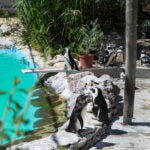
African penguins are a small but unmistakable species found along the rocky coastlines of southwestern Africa, where they nest, forage, and raise their young close to shore. While their playful personalities make them easy to love, their struggle for survival is increasingly urgent. These charismatic penguins are facing serious challenges. Georgia Aquarium is deeply committed to supporting research, rescue, and conservation efforts aimed at protecting the future of this critically endangered species through partnerships and long-term conservation initiatives.
About African Penguins

Fact:
African penguins are the only penguin species found on the African continent.

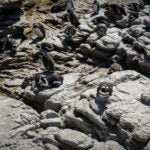
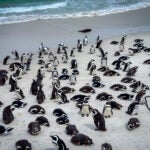
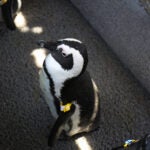
African penguins are the only penguins native to Africa. These small but mighty birds stand 18–25 inches tall and weigh 6–7 pounds. Adapted to warmer climates, they live along temperate coastlines where water temperatures range from 40 to 70 degrees. Their diet consists mainly of fish and squid, and they hunt by swimming as far as nine miles from shore. At the Aquarium, guests can see these behaviors up close and learn about the penguins’ biology, social structure, and care.
A Species in Crisis

Fact:
Wild African penguin populations have declined by more than 90% over the last century, with only 8,300 breeding pairs remaining.

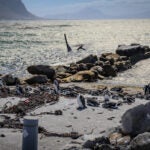
African penguins are currently listed as Critically Endangered on the IUCN Red List, with wild populations declining rapidly over the last century. The species faces a combination of human-driven threats, including overfishing, habitat loss, oil spills, and warming ocean waters, which reduce their food supply.

They also face challenges at their nesting sites. The historical collection of guano—nutrient-rich bird droppings—has long been harvested from penguin nesting areas and sold globally as fertilizer. This practice degrades critical breeding habitats, leaving eggs and chicks more vulnerable to predators and harsh weather conditions.
Conservation Efforts in Action

Fact:
Georgia Aquarium has partnered with the Southern African Foundation for the Conservation of Coastal Birds (SANCCOB) to support ongoing rescue and rehabilitation efforts.

Conservation organizations and governments have taken important steps to protect African penguins and their breeding grounds. Many nesting sites are now designated as national parks or nature reserves, with restrictions or bans on egg and guano collection in critical areas. Additionally, marine protected zones have been established to limit fishing near vital foraging grounds.

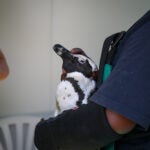
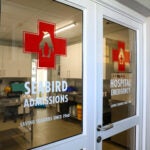
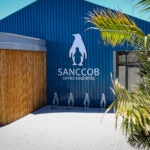
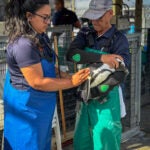
The Southern African Foundation for the Conservation of Coastal Birds (SANCCOB) is an organization dedicated to rescuing, rehabilitating, and releasing seabirds affected by oil spills, injuries, and food shortages. Georgia Aquarium proudly partners with SANCCOB to provide support, collaboration, and shared expertise, advancing SANCCOB’s critical work in the field.
Why Rehabilitation Matters

Fact:
African penguins are listed as Critically Endangered on the IUCN Red List.
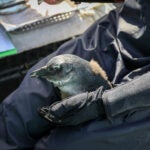
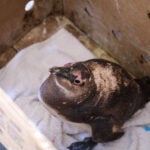
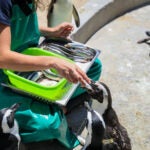
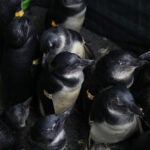
Wildlife rehabilitation plays a vital role in stabilizing and rebuilding vulnerable seabird populations. For critically endangered species such as the African penguin, each individual matters. Rescue and rehabilitation efforts not only save lives in the short term but also support long-term goals to reverse population decline and restore healthy coastal ecosystems in Africa.

Looking Ahead

African penguins may be small, but protecting their future is a global responsibility. Despite significant challenges, collaborative conservation efforts are making a real difference. Georgia Aquarium is dedicated to inspiring action through education, research, and partnerships that safeguard this critically endangered species. 

By learning about African penguins and supporting conservation initiatives, we can all play a role in helping secure a future for these remarkable birds.


Learn more about African penguins and our conservation initiatives at georgiaaquarium.org. Or explore how SANCCOB is making a direct impact through rescue and rehabilitation work at sanccob.co.za. Together, we can help ensure African penguins continue to thrive in the wild for generations to come.
 

Protecting Dolphins and Our Ocean

Protecting Dolphins and Our Ocean: Georgia Aquarium’s Legacy Dolphin Health Research Program

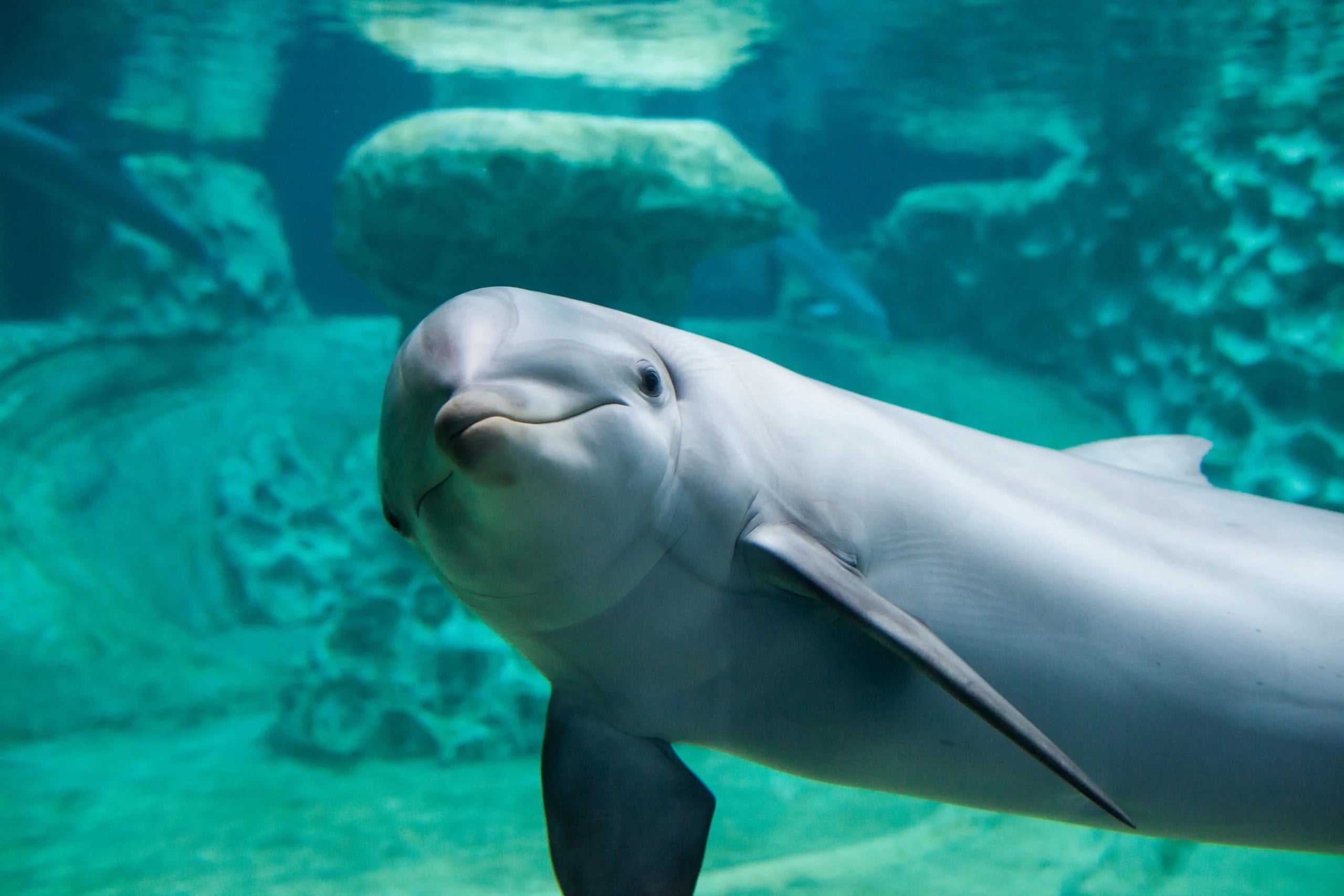
At Georgia Aquarium, we believe caring for the ocean begins with understanding it. For over a decade, our scientists and veterinarians led one of the most important dolphin health studies ever undertaken, the Health and Environmental Risk Assessment (HERA) project. This groundbreaking work not only deepened our knowledge of dolphins but also revealed powerful connections between the health of marine animals, their ecosystems, and the people who share those waters.

What Is HERA?

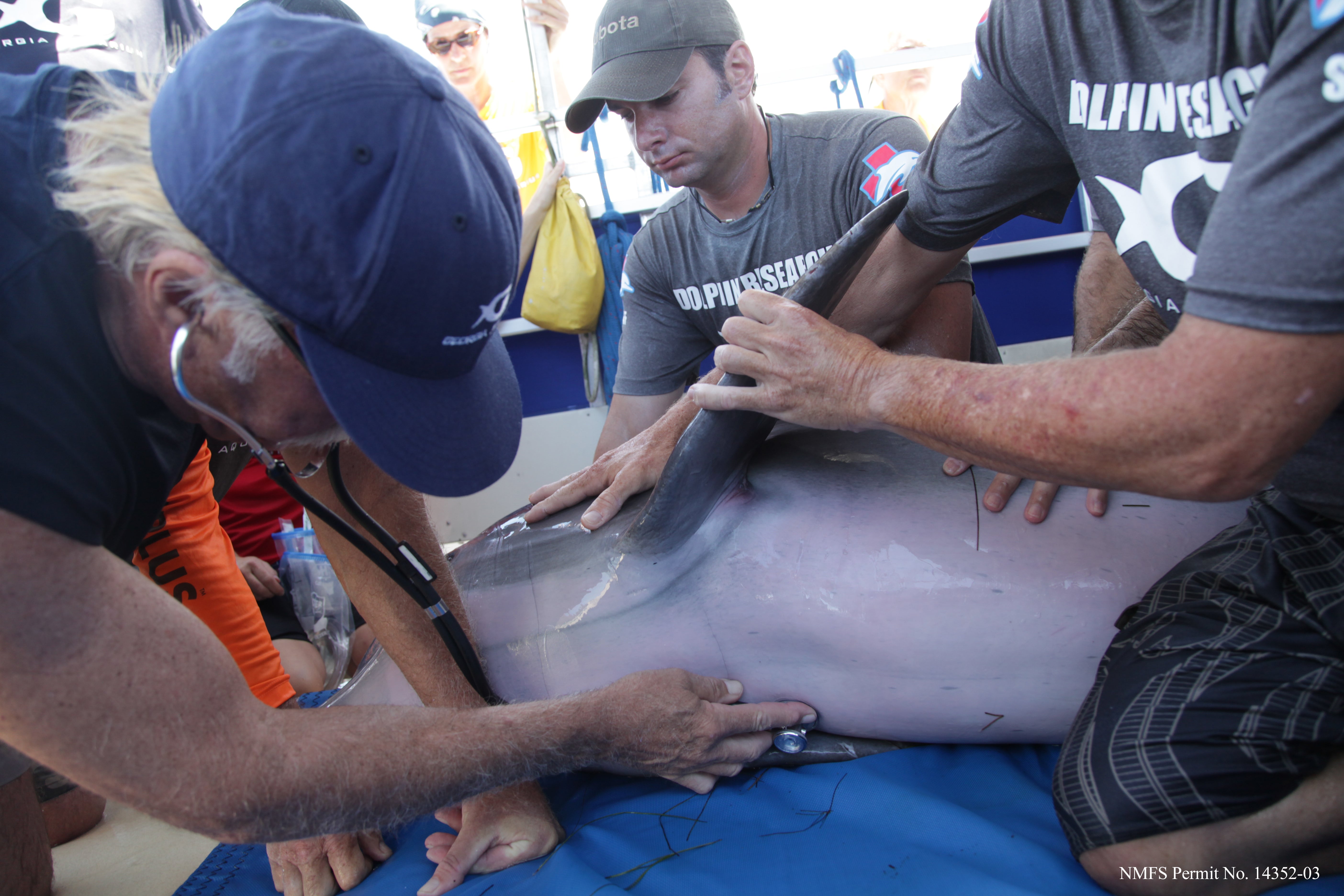
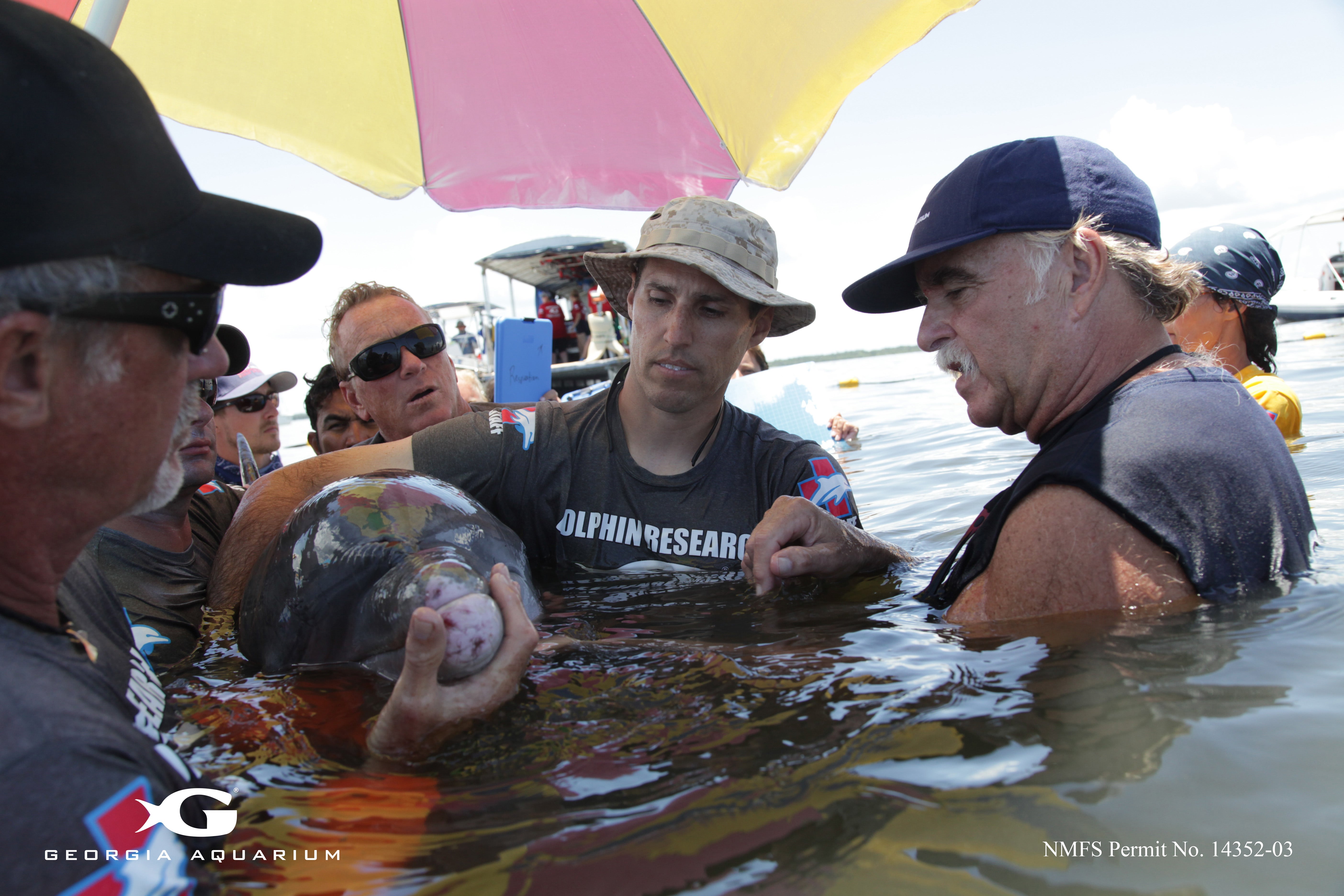
Beginning in 2003, Georgia Aquarium and its partners launched HERA, a first-of-its-kind research program studying wild bottlenose dolphins in Florida’s Indian River Lagoon and South Carolina’s Charleston Harbor. Over the years, experts examined several hundred dolphins, gathering vital information about their health, exposure to pollutants, and resilience in the face of environmental change.

Every dolphin was carefully examined and then returned safely to its home waters, helping scientists collaborating from dozens of scientific research organizations build a living picture of how these animals, and the ecosystems they represent, are faring.

Why It Matters

HERA proved what many scientists had long believed: dolphin health offers early warnings about the health of our ocean and the communities that depend on it. The project uncovered:

  • High levels of pollutants such as mercury and long-banned toxic chemicals, raising concerns for both dolphins and people who rely on local seafood.
  • Signs of immune challenges and disease, including antibiotic-resistant bacteria and exposure to viruses that can spread quickly through wild populations.
  • First detection of triclosan, an anti-bacterial compound, in dolphins at levels similar to those reported for humans, adding evidence on the persistence of these antimicrobials. This finding contributed in part to an FDA rule removing these chemicals from over-the-counter antibacterial soaps.
  • Connections between dolphin health and human health, reminding us that a healthy ocean is essential for all life.

The data collected continues to guide conservation and public health decisions today, long after the last dolphin exam was completed.

A Visionary Leader: Dr. Gregory Bossart

At the heart of HERA was the leadership of Dr. Gregory Bossart, Georgia Aquarium’s Senior Vice President and Chief Veterinary Officer. Dr. Bossart was more than a brilliant scientist; he was a visionary who believed in the “One Health” approach, which is the idea that the health of people, animals, and the environment is deeply connected.

Through his leadership, Georgia Aquarium became a world leader in conservation medicine. He inspired countless colleagues and students with his belief that caring for dolphins and protecting the ocean are inseparable from caring for one another.

Though Dr. Bossart passed away in 2019, his legacy lives on. To celebrate his life and continue his mission, Georgia Aquarium created the Dr. Gregory Bossart Memorial Scholarship. This scholarship supports students in veterinary and marine sciences who share a passion for wildlife conservation and the health of our planet. New scholars carry Dr. Bossart’s vision forward each year, ensuring that the spirit of HERA continues to inspire and protect for generations to come.

Carrying the Work Forward

The lessons of HERA remain as relevant today as when the first dolphin was examined. Georgia Aquarium is proud to honor Dr. Bossart’s extraordinary leadership and to continue his life’s work: protecting animals, conserving nature, and inspiring hope for a healthier ocean.