
Twenty Years in the Heart of Atlanta: Georgia Aquarium’s Economic & Community Impact

Walk through our doors on any given morning and you’ll feel it—the hum of families starting their day together, field-trip chatter, out-of-towners awe-struck as they see our world-class galleries for the first time. Since opening in November 2005, Georgia Aquarium has been more than an underwater world; it’s been a reason to come downtown and stay awhile.

A Downtown Ripple Effect

When the Aquarium opened at Pemberton Place, it sparked a revitalization period in Atlanta creating a growing “tourism arc” around Centennial Olympic Park, which had unfortunately stagnated following the 1996 Summer Olympics. The opening of the World of Coca-Cola followed, along with multiple nearby restaurants and hotels.

Independent economic analyses show that momentum compounds. Since 2005, billions of dollars of new investment have been completed in the Centennial Olympic Park area, with more still to come. For years, city leaders have credited the Aquarium with helping knit together the Centennial Park district. “The aquarium was a catalyst for growth… an anchor for downtown Atlanta,” said William Pate, President & CEO of the Atlanta Convention & Visitors Bureau, in 2018. It’s a legacy we’re proud to build on. Georgia Aquarium’s impact will have far-reaching implications to not only the Centennial Olympic Park area, but the city of Atlanta and the entire state.

The Aquarium’s opening 20 years ago led to an economic boom year for Georgia, driving visitors to the state — which has continued for years — pouring money into our communities that helps it thrive. “Tourism is a powerful economic generator for Georgia,” said then Governor Sonny Perdue in 2006 following the opening of Georgia Aquarium.

Two decades—and more than 45 million guests later—people are attracted to Atlanta to enjoy a full weekend of activities.

Neighbors, Partners and Purpose

Economic impact is only one layer. Atlanta is our community. Over the last twenty years, we’ve teamed up with hometown sports teams—cheering alongside the Atlanta Braves during their 2021 title run, celebrating big moments with the Atlanta Hawks, and joining Atlanta United FC for #5StripeFriday—supported local nonprofits from Atlanta Humane Society to Shepherd Center and Children’s Healthcare of Atlanta, and welcomed students through hands-on education programs that bring ocean science alive.

By our first decade, more than 1.3 million students and educators had visited. Today, access remains central to our mission: approximately 45,000 students each year participate in Georgia Aquarium’s Sponsored Education Admissions (SEA) grant program, which offers free or reduced admission to Title I schools and select nonprofits across Georgia. Annually, we welcome about 1,600 schools serving roughly 120,000 students for field trips and instructor-led programs—turning curiosity into confidence in STEM classrooms statewide.

From SEA to the Veterans Immersion Program and our Military Salute Programming, our mission is evident in real life.

The best part of being downtown is that your day doesn’t end when you exit our galleries. Grab a bite at a local spot, head to a game or stroll the park. Whether you’re a first-time visitor or a neighbor who knows the best times to watch the sea lions, your ticket helps power education, conservation and a healthier downtown economy.

What’s Next

“We’re grateful for two decades of support from this city and its visitors. Thank you for making Georgia Aquarium part of your lives,” shared Travis Burke, President & CEO, Georgia Aquarium. “As we look ahead, we’re focused on the next twenty years: advancing conservation, education, and helping a vibrant, welcoming downtown thrive.”

In the years ahead, we’re doubling down on what works: an awe-inspiring experience, meaningful community partnerships, educational programs and conservation efforts that make a difference. Downtown is evolving again—new hotels, new restaurants, big events on the horizon—and we’re proud to be part of that energy.

Published on Oct 6, 2025.
A Smarter Way to Play: How Georgia Aquarium is Advancing Sea Otter Enrichment

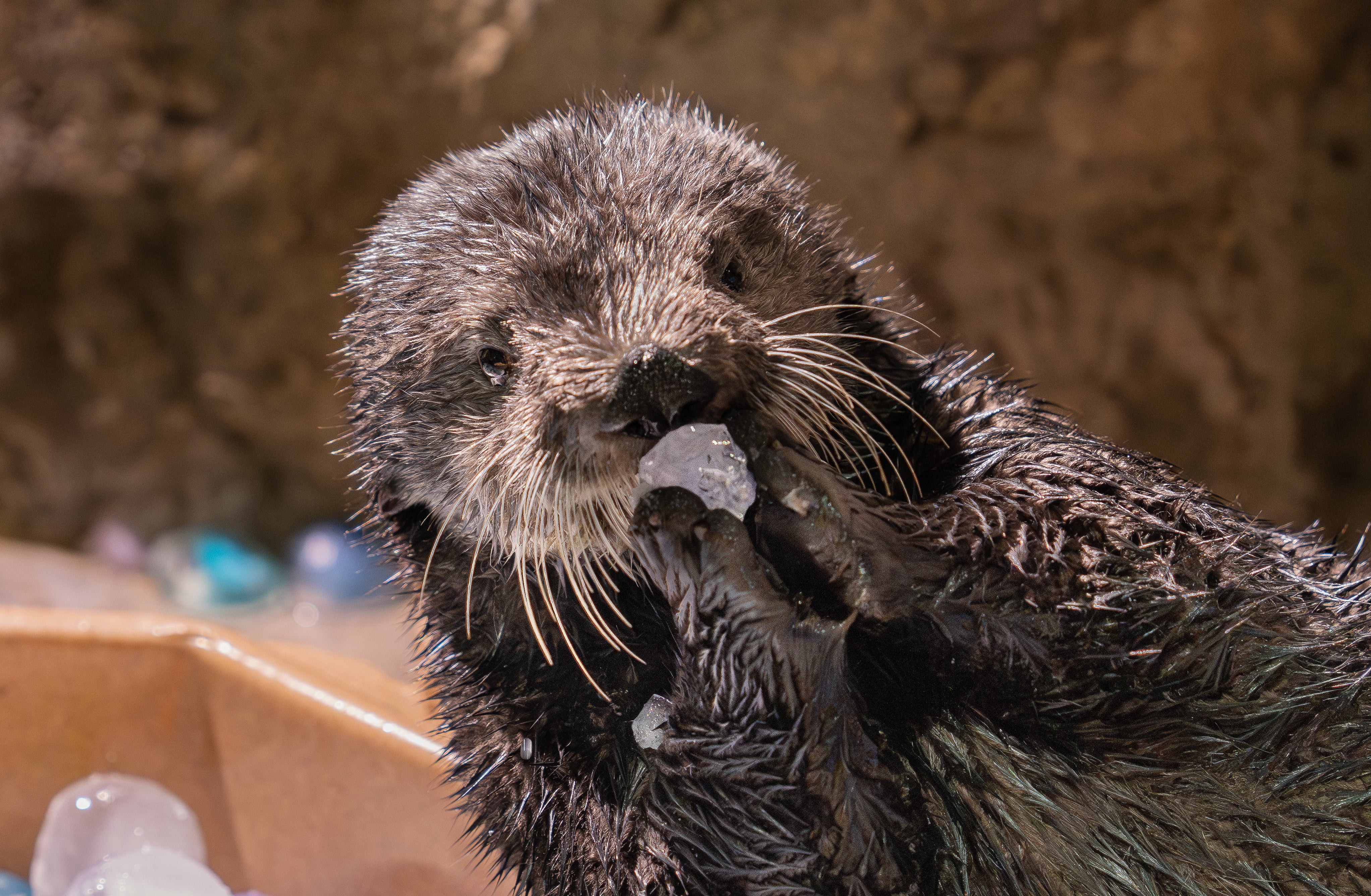
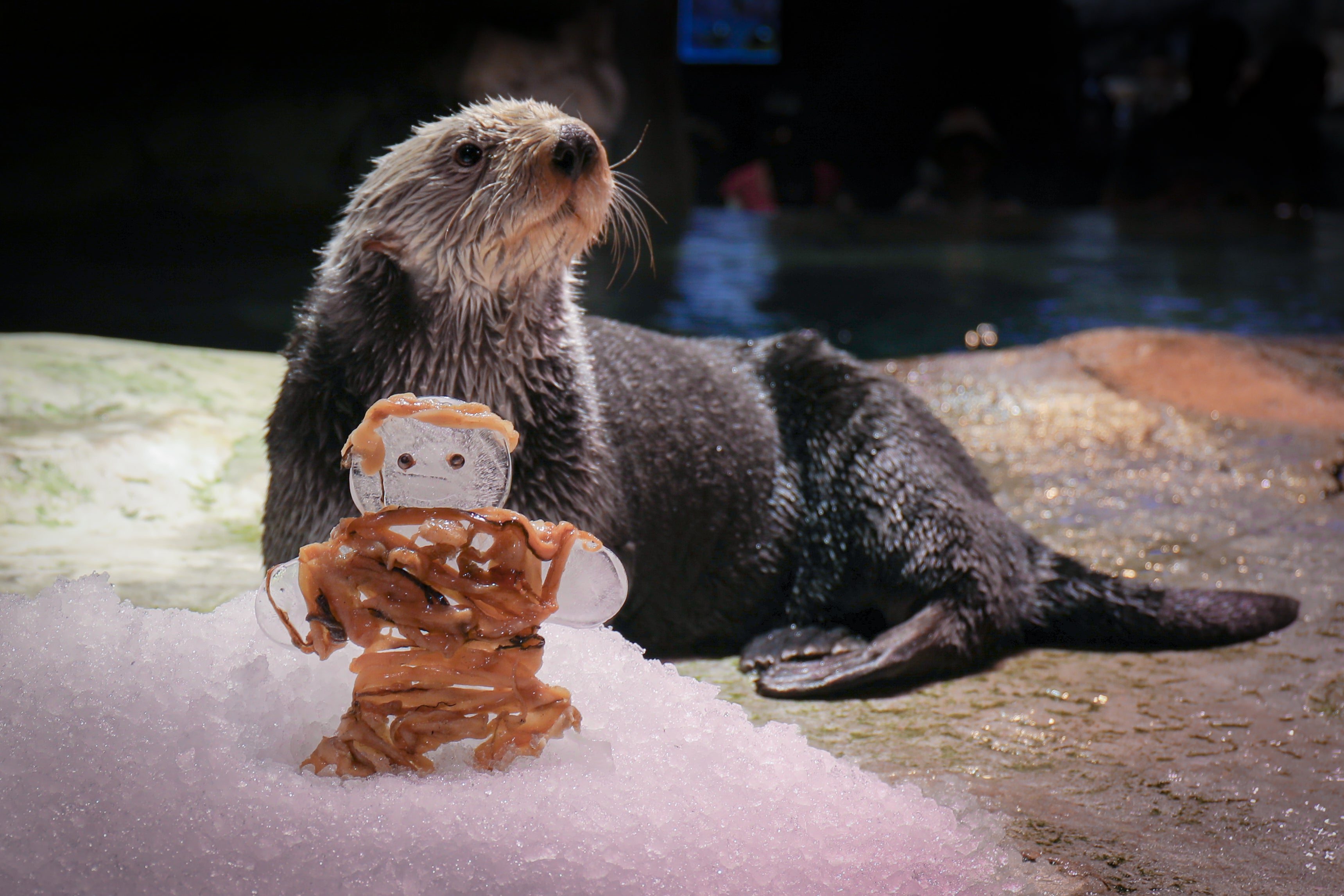
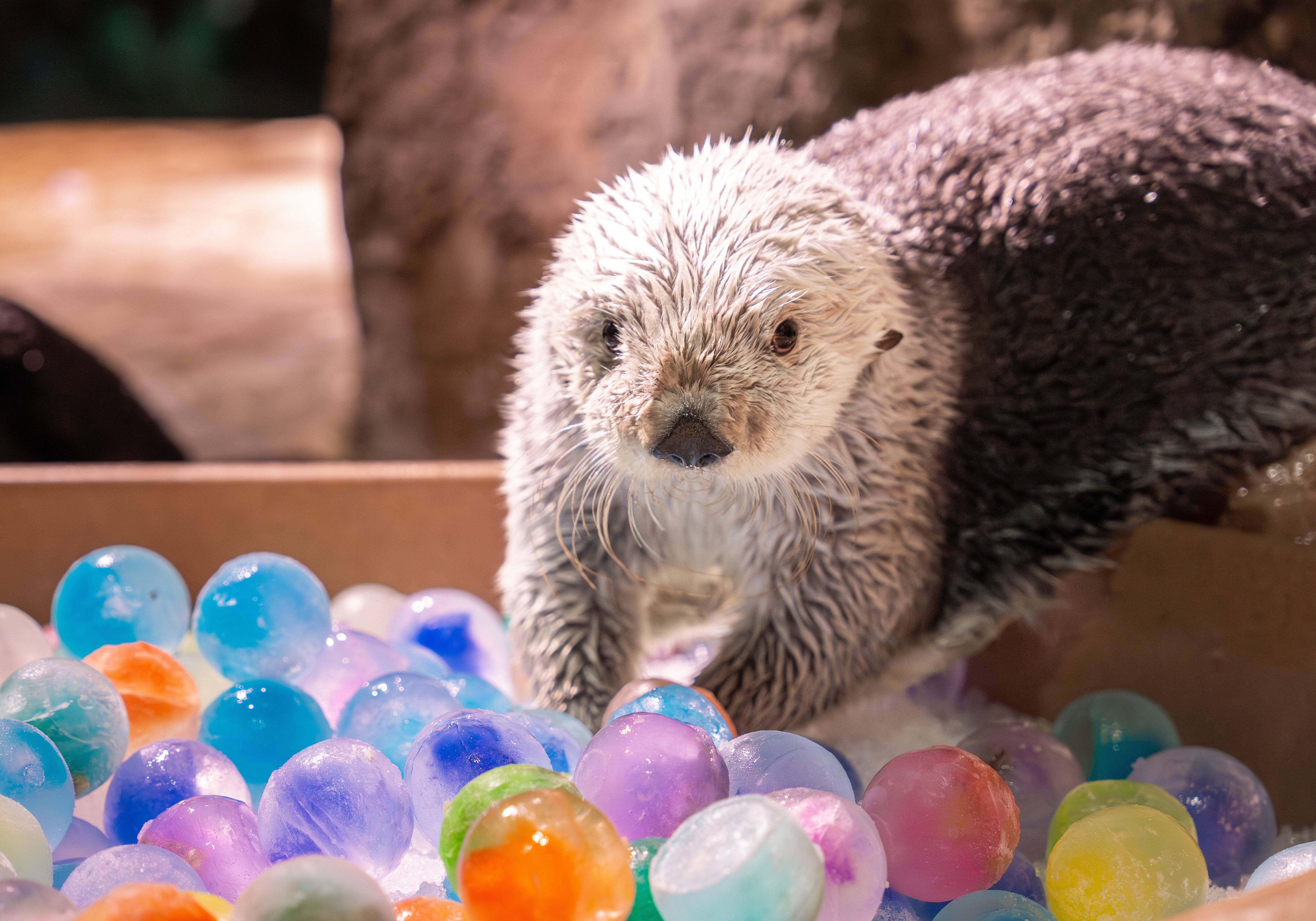
At Georgia Aquarium, enrichment is more than just fun and games. It’s an essential part of exceptional animal care. For our spirited sea otters, activities that challenge their minds and encourage natural behaviors are key to their health and well-being. This Sea Otter Awareness Week, we are spotlighting an innovative research collaboration that blends science, technology and play to better understand how our otters engage with the world around them.

Working alongside researchers from Georgia Tech, our animal care team tested a new approach using instrumented enrichment devices. These highly specialized and purpose-created items are embedded with motion sensors to track how otters interact, learn and adapt over time. The pilot study was conducted at Georgia Aquarium with five sea otters (Enhydra lutris).

The goal was to explore whether custom-designed, species-specific enrichment devices could provide new insights to support the Aquarium’s already robust enrichment program. By collecting valuable behavioral data, researchers aimed to help further fine-tune enrichment strategies and identify subtle changes that might signal shifts in an animal’s health or well-being.

Putting Play to the Test

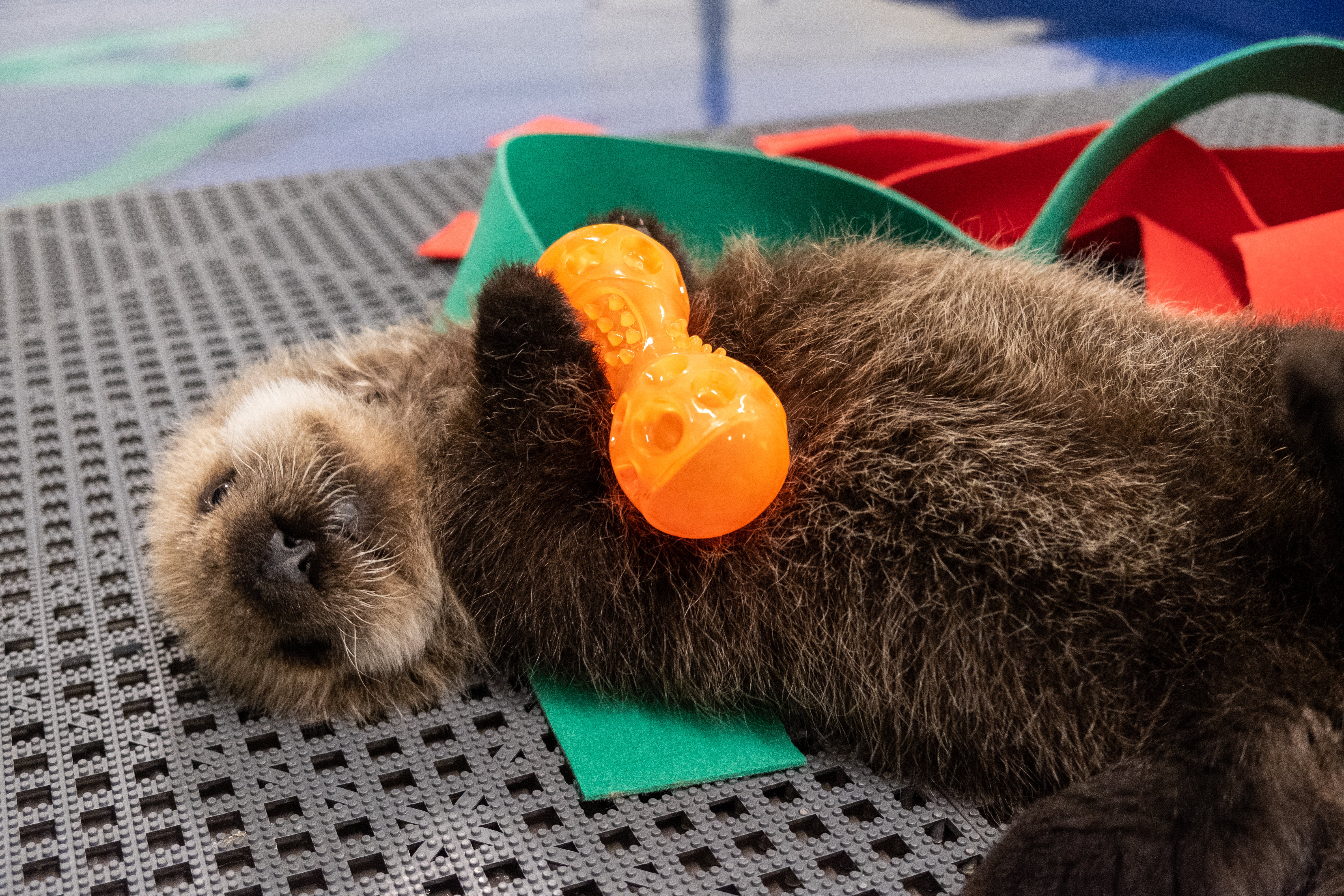
During the study, each otter received two types of enrichment items. The first was a familiar favorite, a food-dispensing KONG Genius Leo dog enrichment tool that our sea otters have used before. The second was a brand-new challenge, a custom-built scallop-shaped device created specifically for the study.

Both were fitted with motion sensors to measure interaction time and intensity. Food rewards were weighed before and after play to determine how efficiently each otter accessed them. Our team also used video to capture the unique strategies and personalities on display.

The results were fascinating. On average, the otters took longer to get less food from the scallop-shaped device, suggesting a learning curve with new enrichment. One otter, Bixby, even decided to skip the scallop entirely. “Otters, much like people, each have their own personalities, perspectives, and preferences,” said Jason Jones, Curator of Mammals & Birds. “They interact with other otters, their trainers, and their environment in unique ways. In this study, for example, we noticed that Bixby shows little interest in some of the newer enrichment items and instead tends to favor more familiar ones. Getting to know the individuals and recognizing their distinct traits and behavior is part of what makes our work so engaging, fun, and rewarding.”

Why This Matters

While the study confirmed that embedded sensors can capture reliable, real-world behavioral data, the groundbreaking aspect was using motion-sensor technology within enrichment devices. This allowed the team to measure interaction patterns with precision, turning playful activities into a potential early-warning system for changes in behavior that might reflect shifts in health or well-being. It’s an added layer of insight that builds on the Aquarium’s existing expertise in species-specific enrichment, offering new opportunities to refine care through technology.

As an accredited member of the Association of Zoos and Aquariums (AZA), Georgia Aquarium follows strict enrichment standards. This research could help refine those guidelines, ensuring they are backed by measurable, data-driven insights.

Our collaboration with Georgia Tech is just the beginning. Future studies will track how otter interactions evolve over weeks or months, helping us design enrichment that adapts alongside the animals themselves. It is a perfect example of how technology can enhance animal welfare while deepening our understanding of these charismatic marine mammals.

Join Us in Celebrating Sea Otter Awareness Week

Sea Otter Awareness Week is a time to honor the resilience and charm of these endangered animals and to commit to their protection in the wild. By blending innovation with expert care, Georgia Aquarium is working to give our sea otters the best possible quality of life while inspiring guests to protect their ocean home.

Published on Sep 24, 2025.

In the Field: A Week in Thailand

By Leah Neal, Curator of Fish and Invertebrates at Georgia Aquarium

In the Field: A Week in Thailand

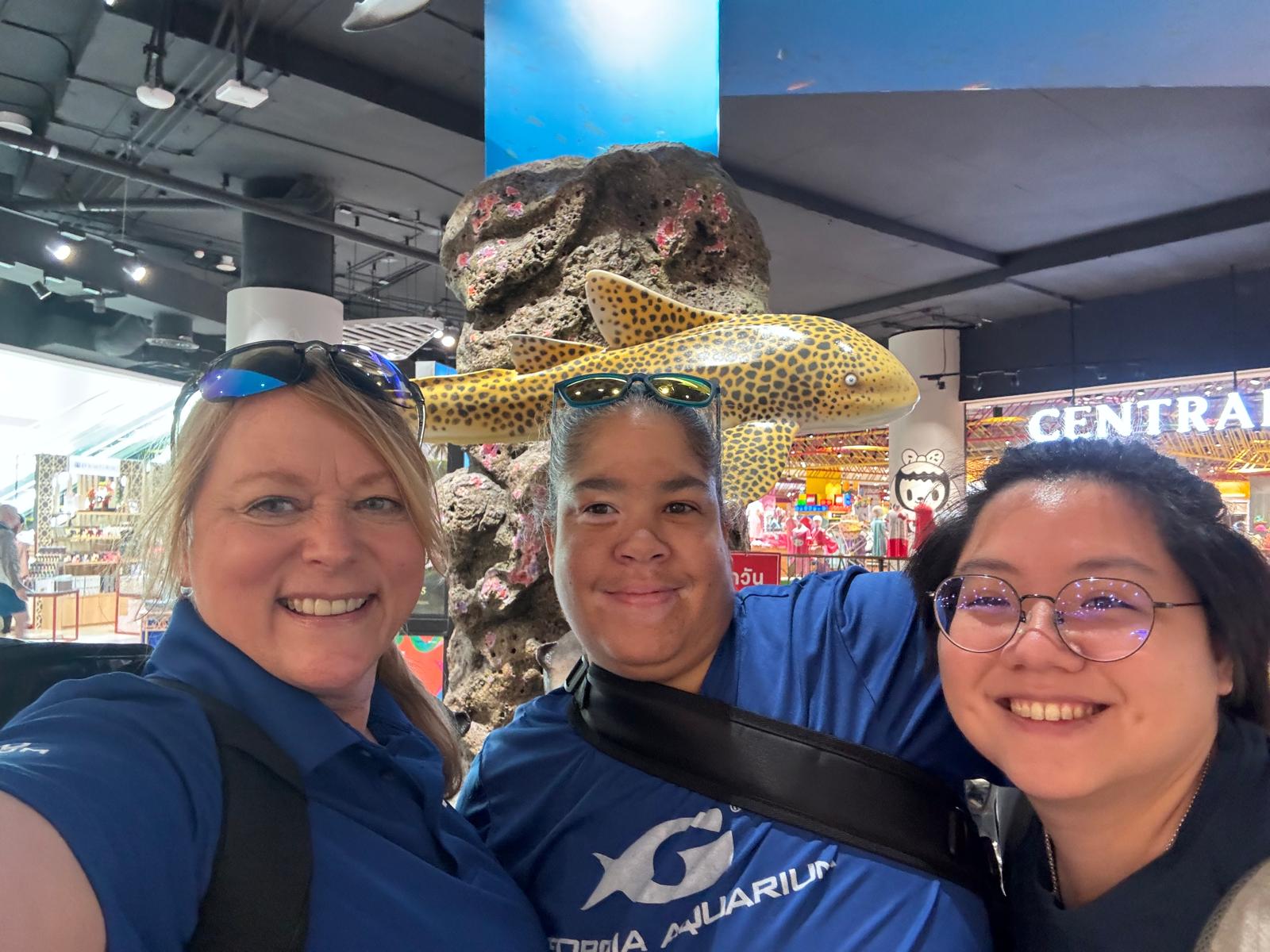
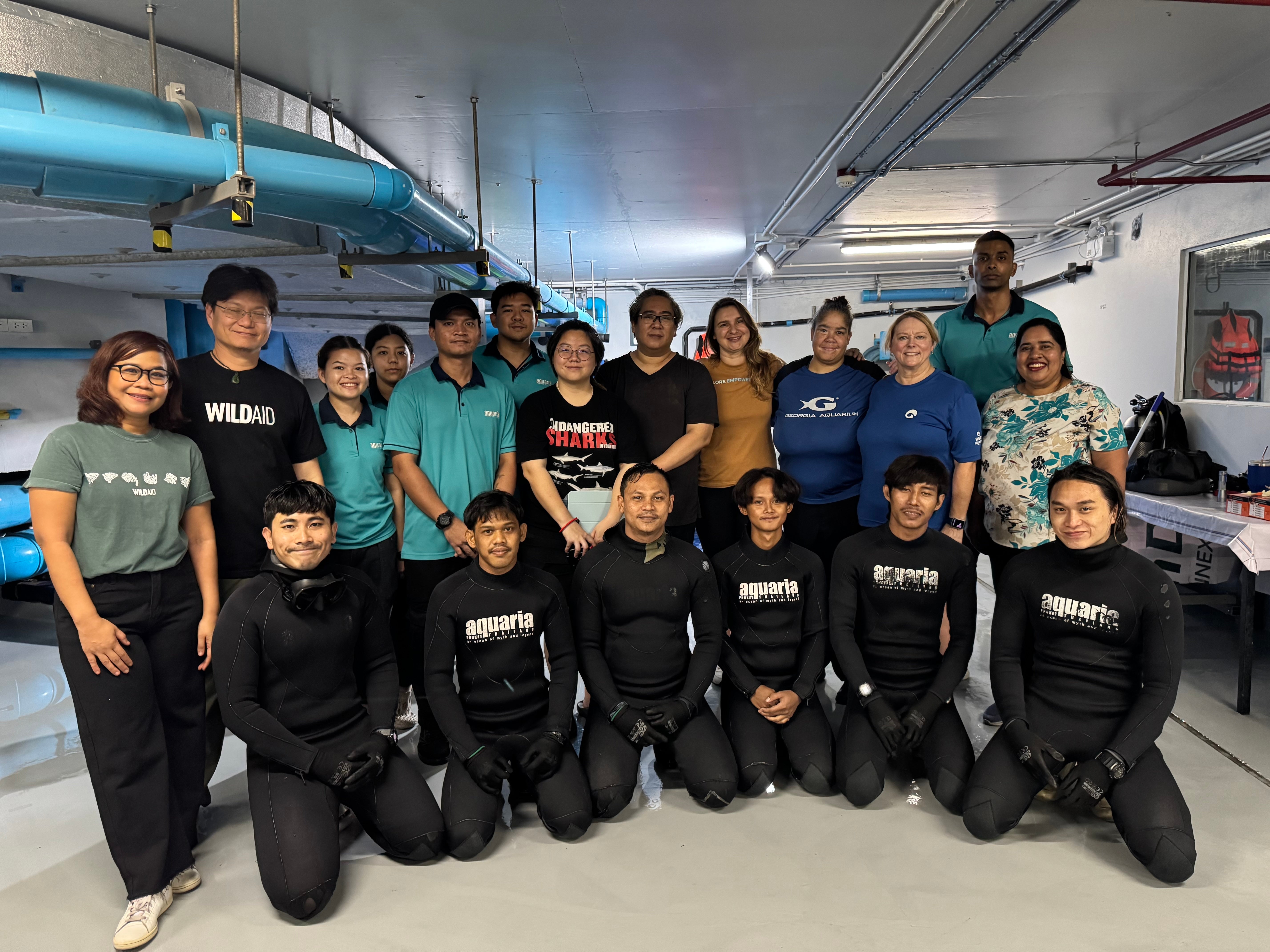
I recently had the incredible opportunity to spend a week in Thailand working alongside dedicated conservation professionals as part of the ongoing ReShark StaR (Stegostoma tigrinum Augmentation and Recovery) Project—a global, collaborative initiative to restore zebra shark populations in their native Indo-Pacific habitats.

Georgia Aquarium is a proud partner of the project, and I’ve been fortunate to be involved from the beginning. From contributing zebra shark eggs to sharing our expertise in husbandry and research, our role spans from the lab to the field. This trip to Thailand was an important step forward for the StaR Project’s expansion.

Setting Standards for Global Conservation

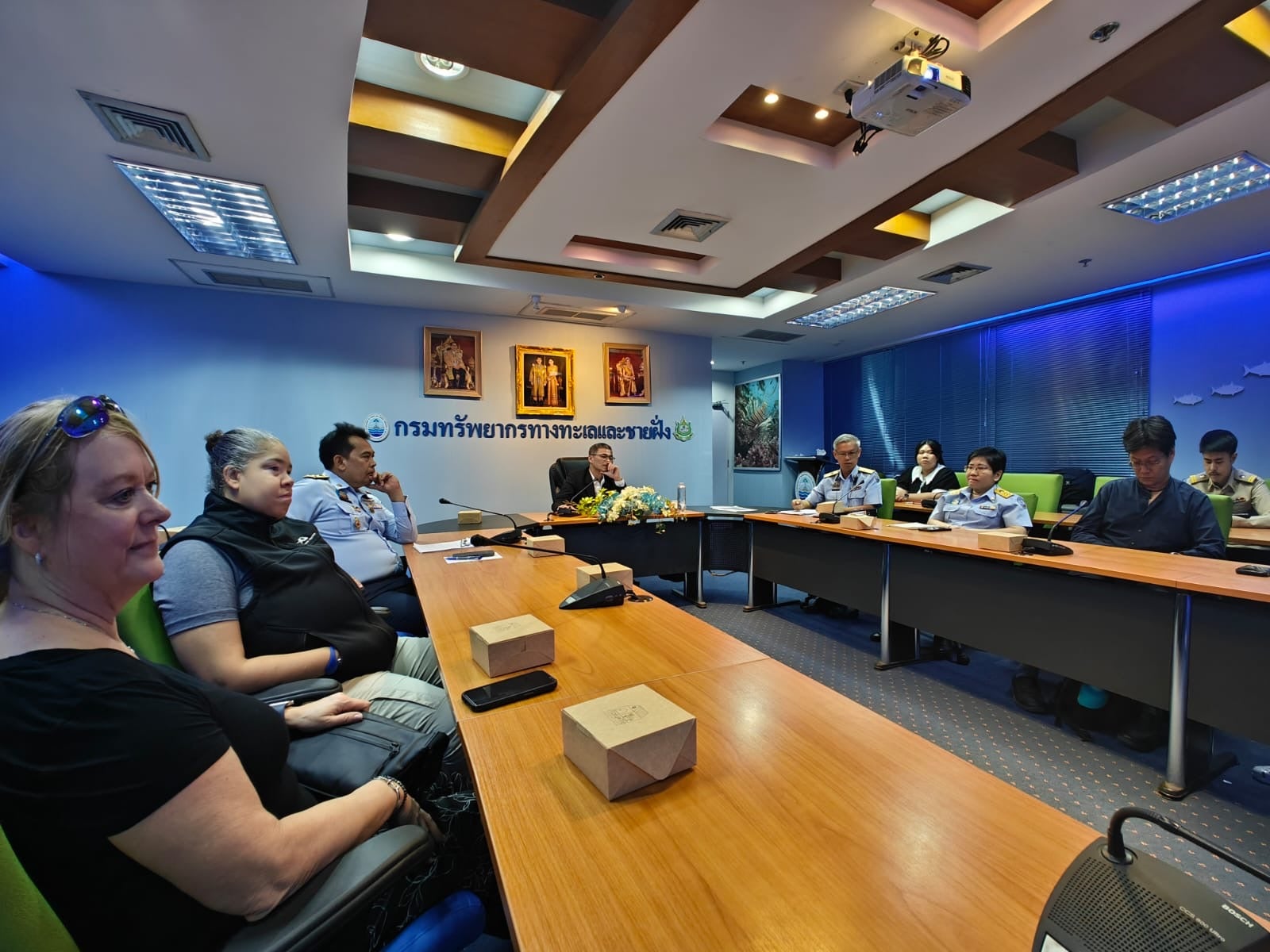
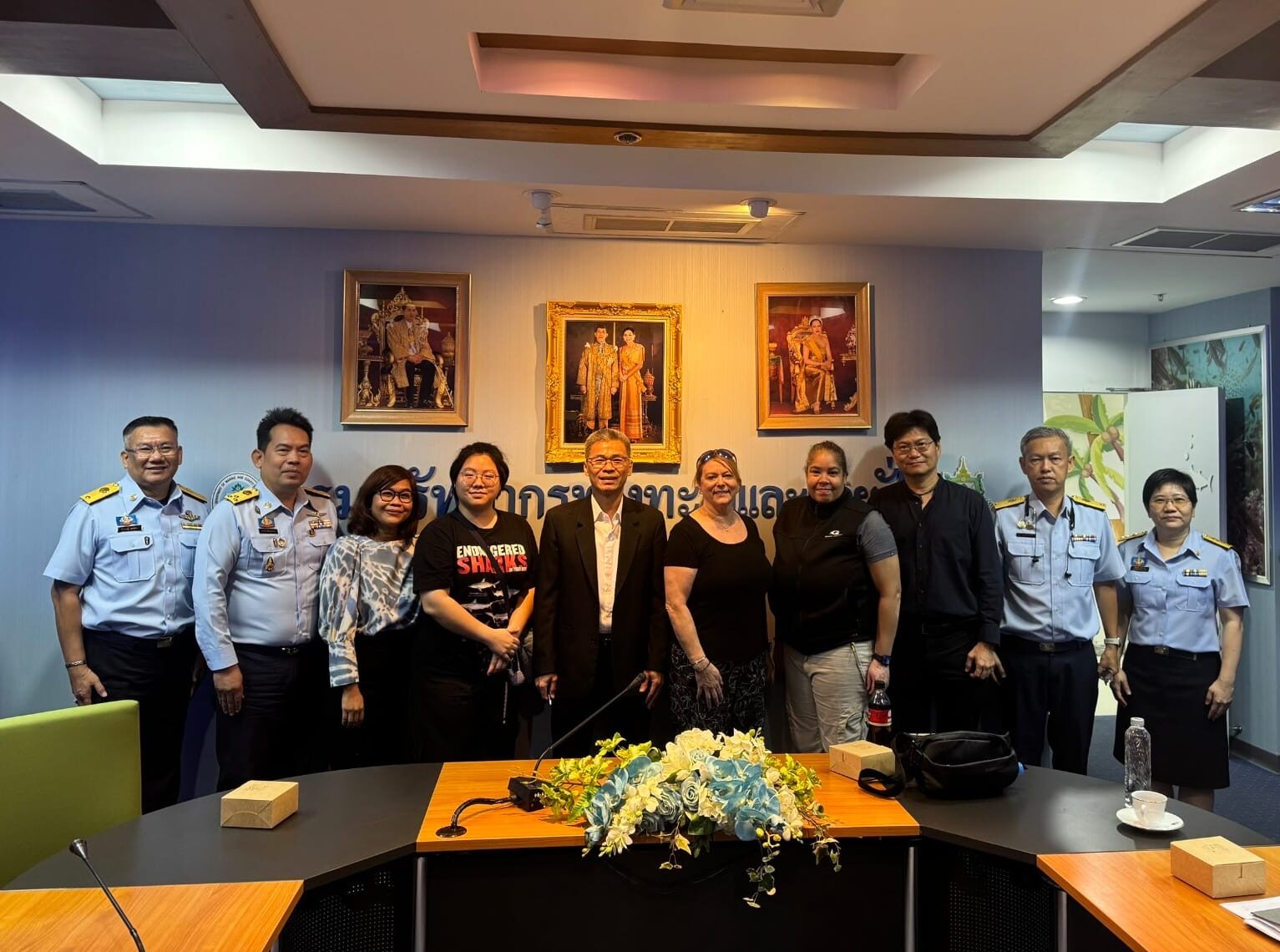
One of my main goals on this trip was to assist in the inspection of an aquarium in Southeast Asia being considered as a potential new egg donor facility. Unlike facilities accredited by the Association of Zoos and Aquariums (AZA) in the United States, many aquariums in Southeast Asia don’t have an accrediting body. That means it falls to us and our partners to ensure they meet the rigorous animal care, safety, and welfare standards necessary for participation.

After thoroughly reviewing husbandry protocols, environmental conditions, and staff practices, I’m pleased to say the facility was approved. This exciting development will help expand genetic diversity for future releases.

Knowledge Sharing in Action

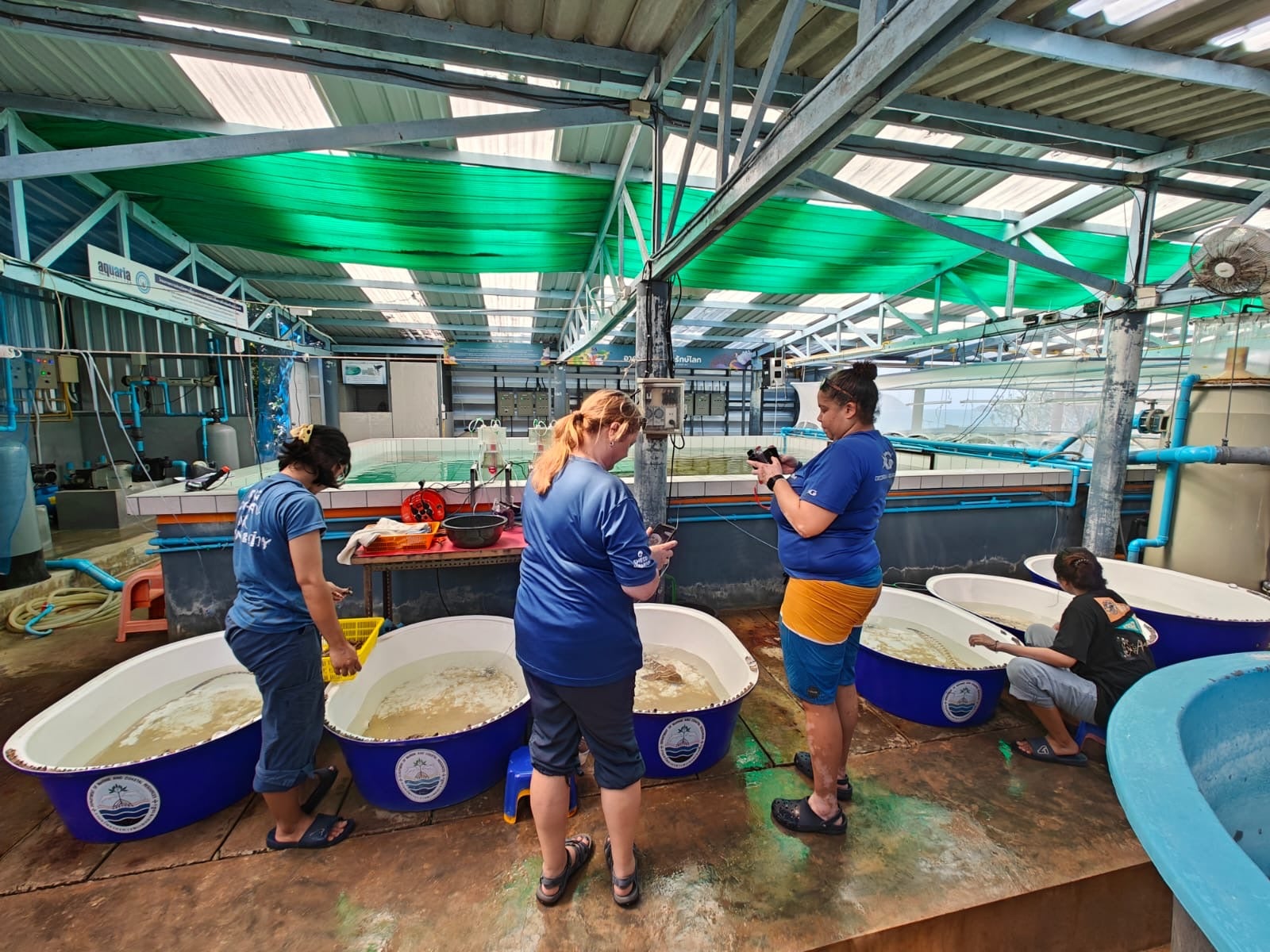
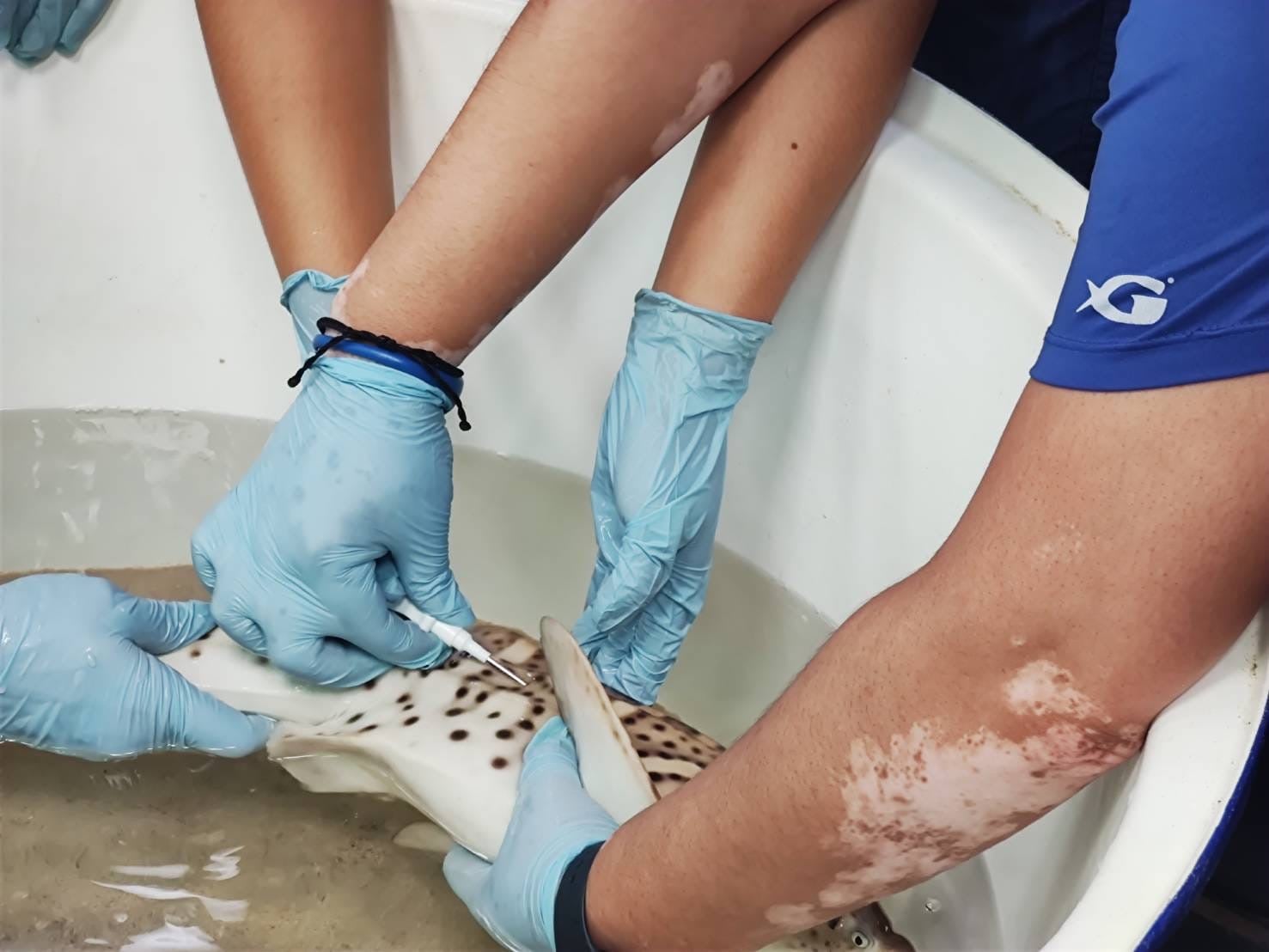
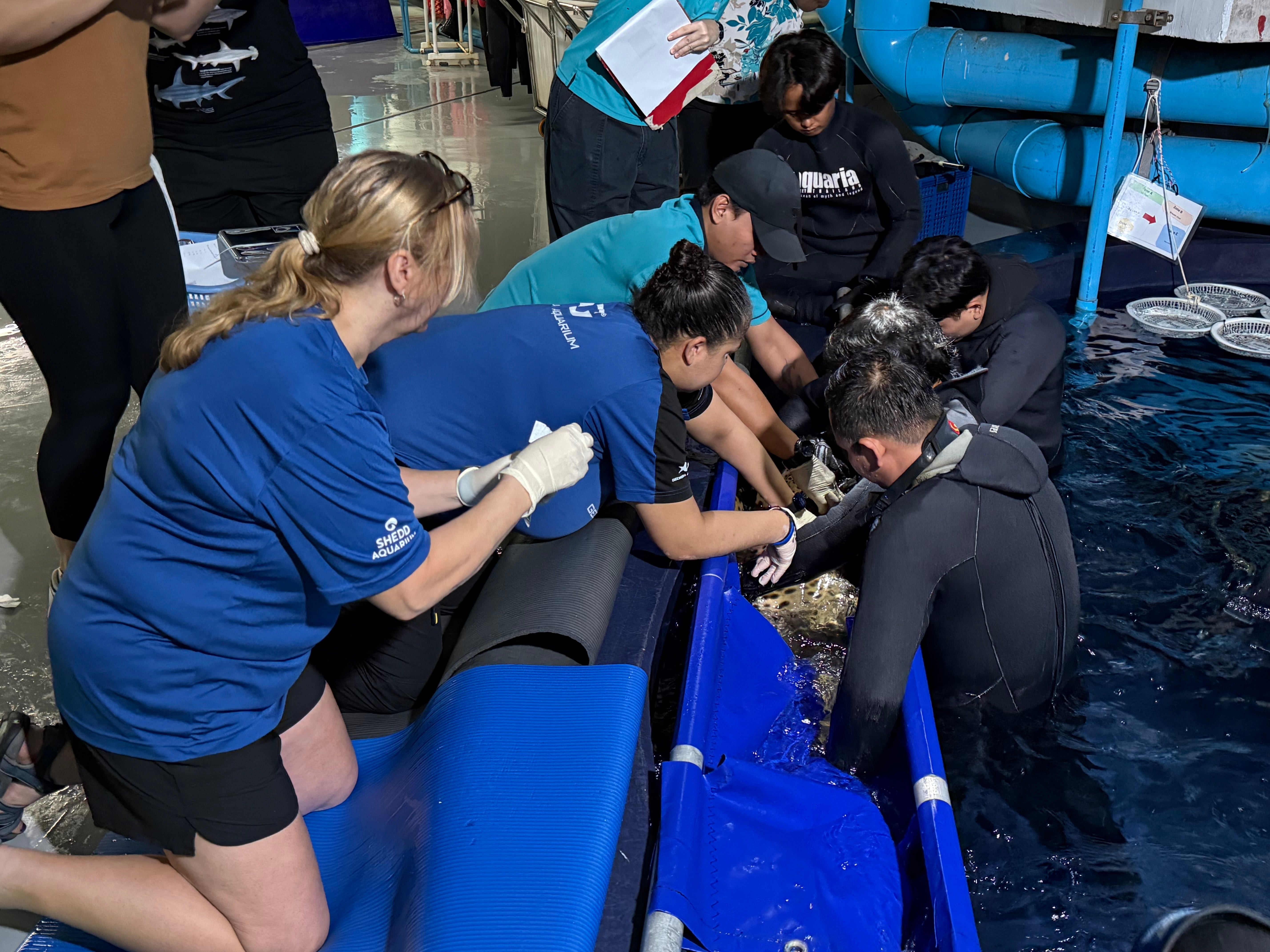
Equally important was the opportunity to work hands-on with staff at both the donor facility and the Phuket Marine Biological Center (PMBC)—a potential future holding site for zebra shark pups. I assisted with training sessions on essential practices like zebra shark blood collection, microchipping, and general animal handling. Many of the staff at PMBC were hired specifically for the StaR Project. It was incredibly rewarding to help them build the skills and confidence needed to care for these animals.

Training and collaboration are vital components of any long-term conservation effort. By sharing best practices, we ensure a consistent approach to shark care and data collection, no matter where in the world it’s happening.

Diving Into the Future

My final stop was Mai Ton Island, a private island off the coast of Phuket. Our team evaluated a site for a future sea pen—an enclosed, ocean-based holding area that serves as an intermediate step for zebra sharks before their full release. After diving the site, I helped assess the environmental conditions and suitability for animal care. I’m happy to share that the sea pen was approved and is now successfully housing zebra sharks.

Looking ahead, we’re now exploring the possibility of building a hatchery near the sea pen. This would allow for even greater on-site care and monitoring before transfer or release.

What’s Next

Later this year, I plan to return to Indonesia, where the StaR Project began, to assist with the release of zebra sharks. Seeing these animals swim free in their native waters after years of careful planning, collaboration, and care is the ultimate goal. It is also an unforgettable moment for everyone involved.

At Georgia Aquarium, we’re deeply committed to the success of this project. Conservation doesn’t happen in isolation—it happens through partnership, knowledge-sharing, and a global commitment to restoration. I’m proud and grateful for the opportunity to help bring zebra sharks back to their native reefs.

To learn more about the ReShark StaR Project and Georgia Aquarium’s role in global shark conservation, visit reshark.org/star-project.

Published on Sep 24, 2025.

Protecting Dolphins and Our Ocean

Protecting Dolphins and Our Ocean: Georgia Aquarium’s Legacy Dolphin Health Research Program

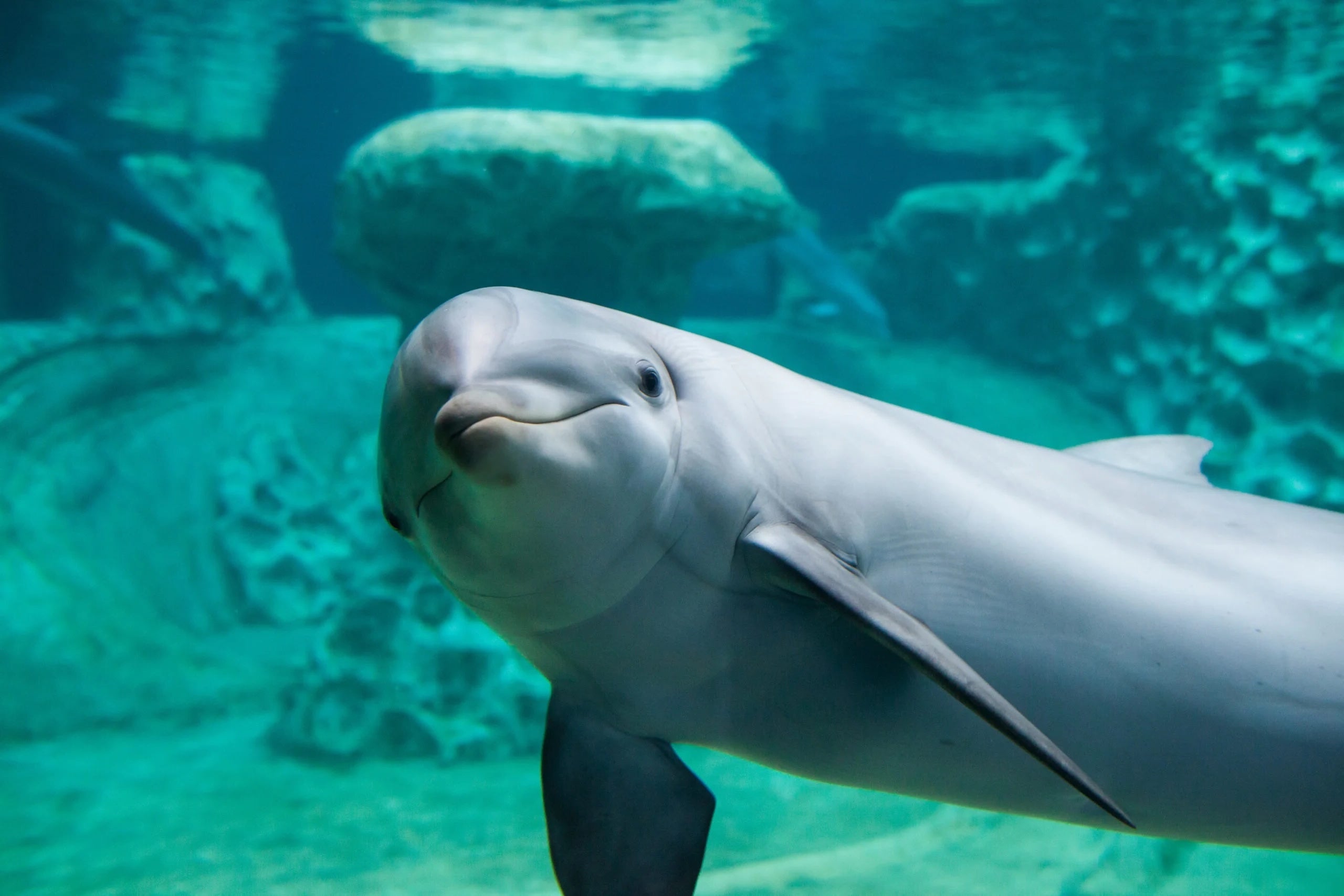
At Georgia Aquarium, we believe caring for the ocean begins with understanding it. For over a decade, our scientists and veterinarians led one of the most important dolphin health studies ever undertaken, the Health and Environmental Risk Assessment (HERA) project. This groundbreaking work not only deepened our knowledge of dolphins but also revealed powerful connections between the health of marine animals, their ecosystems, and the people who share those waters.

What Is HERA?

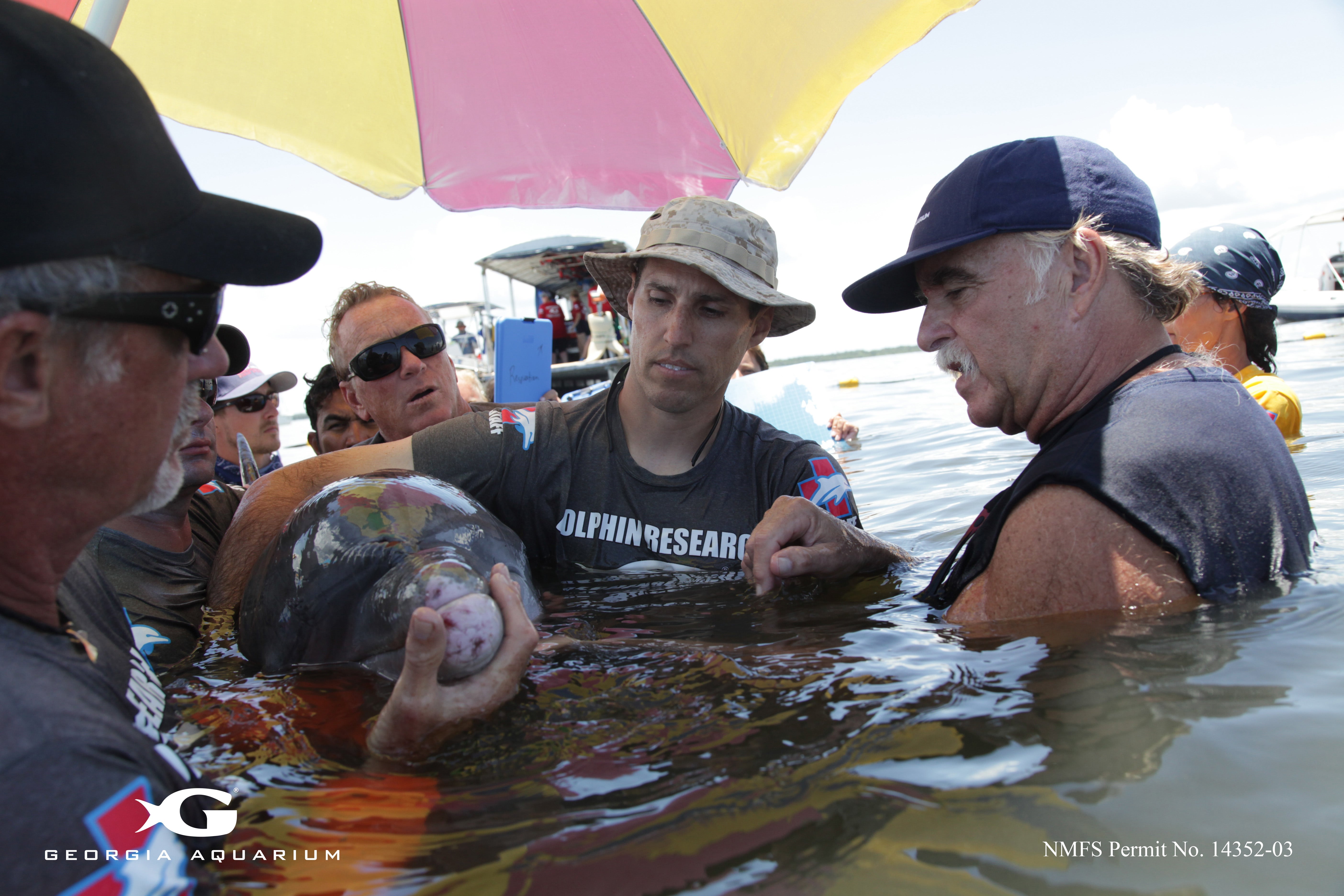
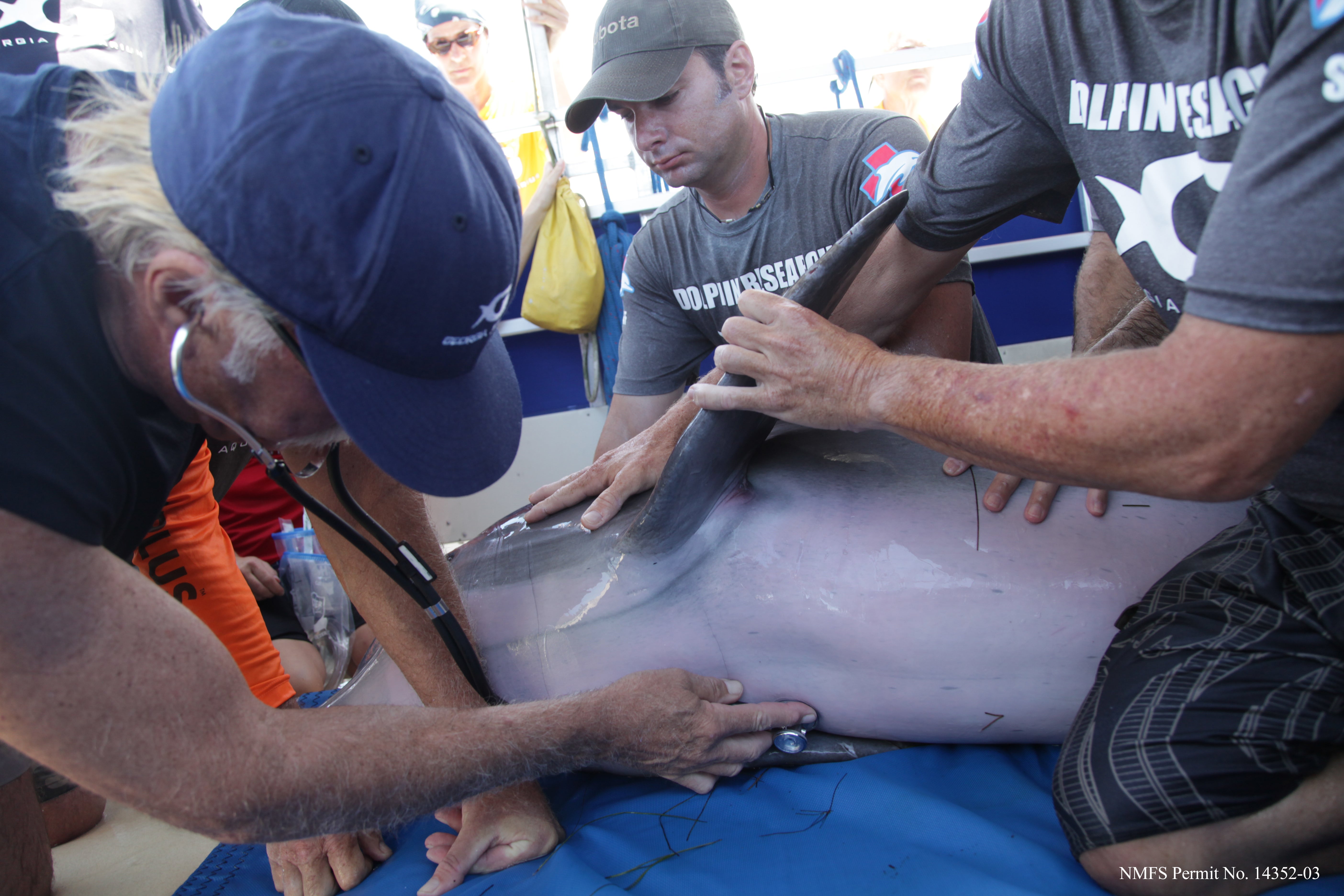
Beginning in 2003, Georgia Aquarium and its partners launched HERA, a first-of-its-kind research program studying wild bottlenose dolphins in Florida’s Indian River Lagoon and South Carolina’s Charleston Harbor. Over the years, experts examined several hundred dolphins, gathering vital information about their health, exposure to pollutants, and resilience in the face of environmental change.

Every dolphin was carefully examined and then returned safely to its home waters, helping scientists collaborating from dozens of scientific research organizations build a living picture of how these animals, and the ecosystems they represent, are faring.

Why It Matters

HERA proved what many scientists had long believed: dolphin health offers early warnings about the health of our ocean and the communities that depend on it. The project uncovered:

  • High levels of pollutants such as mercury and long-banned toxic chemicals, raising concerns for both dolphins and people who rely on local seafood.
  • Signs of immune challenges and disease, including antibiotic-resistant bacteria and exposure to viruses that can spread quickly through wild populations.
  • First detection of triclosan, an anti-bacterial compound, in dolphins at levels similar to those reported for humans, adding evidence on the persistence of these antimicrobials. This finding contributed in part to an FDA rule removing these chemicals from over-the-counter antibacterial soaps.
  • Connections between dolphin health and human health, reminding us that a healthy ocean is essential for all life.

The data collected continues to guide conservation and public health decisions today, long after the last dolphin exam was completed.

A Visionary Leader: Dr. Gregory Bossart

At the heart of HERA was the leadership of Dr. Gregory Bossart, Georgia Aquarium’s Senior Vice President and Chief Veterinary Officer. Dr. Bossart was more than a brilliant scientist; he was a visionary who believed in the “One Health” approach, which is the idea that the health of people, animals, and the environment is deeply connected.

Through his leadership, Georgia Aquarium became a world leader in conservation medicine. He inspired countless colleagues and students with his belief that caring for dolphins and protecting the ocean are inseparable from caring for one another.

Though Dr. Bossart passed away in 2019, his legacy lives on. To celebrate his life and continue his mission, Georgia Aquarium created the Dr. Gregory Bossart Memorial Scholarship. This scholarship supports students in veterinary and marine sciences who share a passion for wildlife conservation and the health of our planet. New scholars carry Dr. Bossart’s vision forward each year, ensuring that the spirit of HERA continues to inspire and protect for generations to come.

Carrying the Work Forward

The lessons of HERA remain as relevant today as when the first dolphin was examined. Georgia Aquarium is proud to honor Dr. Bossart’s extraordinary leadership and to continue his life’s work: protecting animals, conserving nature, and inspiring hope for a healthier ocean.

Published on Sep 15, 2025.

Georgia Aquarium’s Haunted Seas Returns This October!

Get ready to dive into a sea of spine-tingling fun – Haunted Seas returns at Georgia Aquarium from October 2 through November 1, 2026! This fang-tastic seasonal takeover transforms the Aquarium into a hauntingly immersive undersea adventure for guests of all ages.

Haunted Seas is included with general admission.

Georgia Aquarium’s Haunted Seas Returns! 13What’s Under the Haunted Waves?

Throughout the month, the Aquarium will be reimagined with eerie décor and spook-tacular surprises. Families can explore a pirate-haunted shipwreck in Ocean Voyager, encounter the mystical Mermaids Grotto inside Tropical Diver, and wander through the Haunted Jungle Cruise in River Scout. Adding to the excitement, dolphins and sea lions will take the stage for themed presentations filled with spooky effects.

On weekends, families can enjoy seasonal crafts, scavenger hunts with haunting prizes, and trick-or-treating from 2-6 p.m. On Saturdays and Sundays, from 11 a.m. to 6 p.m., guests can also enjoy continuous strolling entertainment featuring musicians, acrobats, sideshow performers, pirates, mermaids, skeletons, and other fantastical characters. Keep your eyes peeled for Captain Squidd and Scuttlebones, the First Mate, as you explore the Aquarium and encounter unexpected surprises along the way.

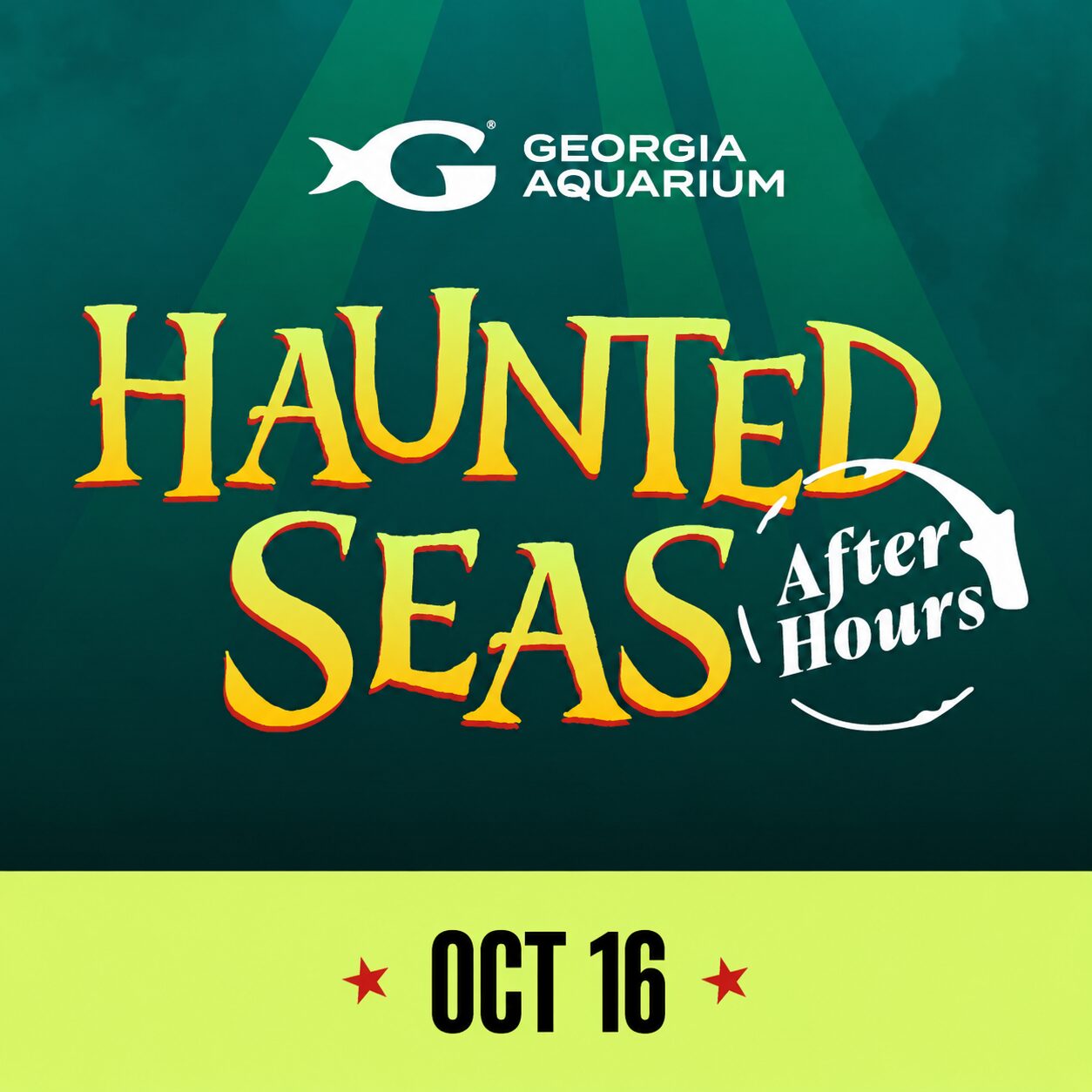
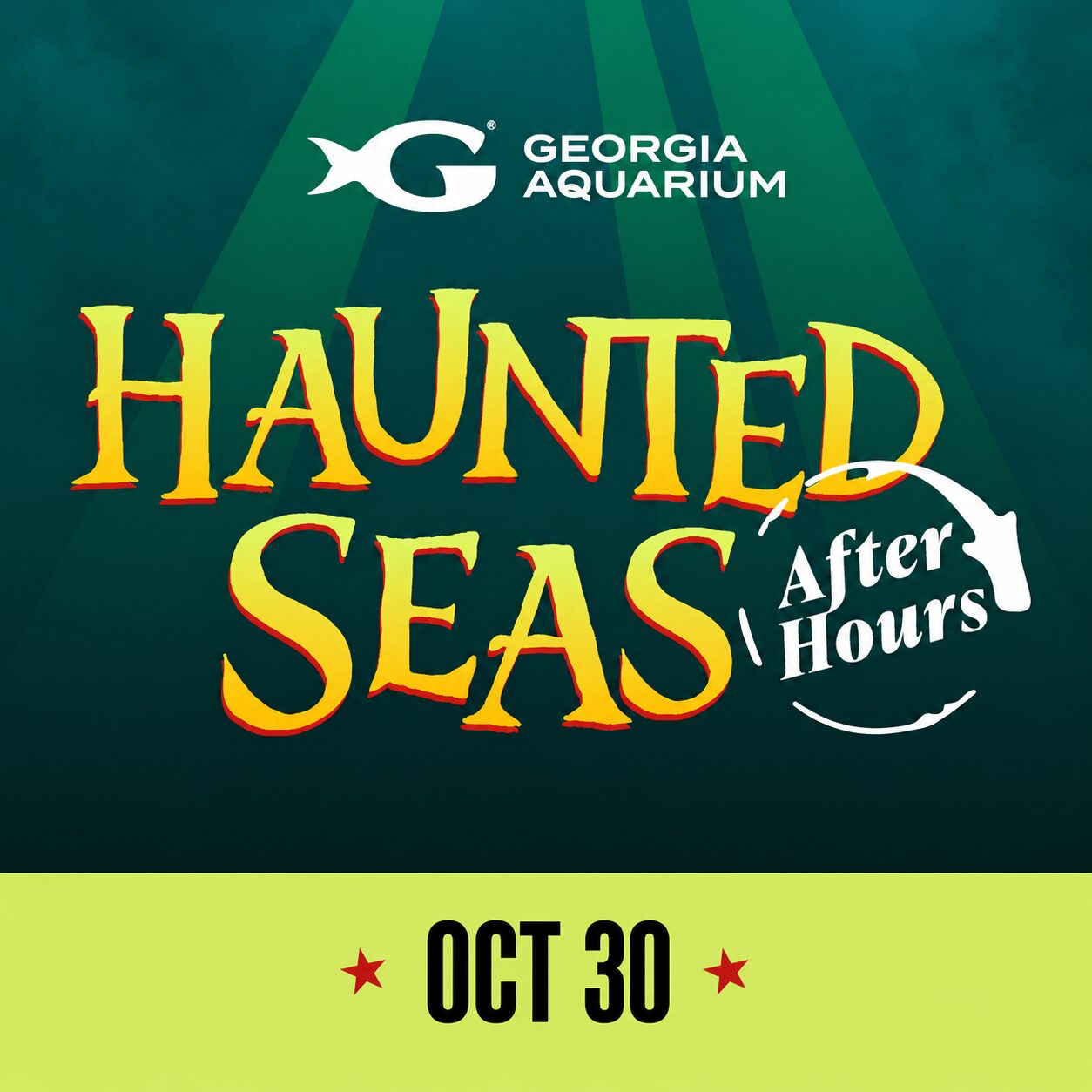
For our guests 18 and older, prepare your costumes for a truly spook-tacular after-hours experience: Haunted Seas After Hours! On October 16th and 30th, enjoy specially themed cocktails, mocktails, a live DJ, and terrifying décor throughout the Aquarium.


Why Haunted Seas Is Not to Be Missed

👻 Family-Friendly Frights

With Halloween-themed animal presentations, trick-or-treating, scavenger hunts, crafts, strolling entertainment, and plenty of spooky surprises, Haunted Seas offers something for every member of the family.


🎃 A Completely Transformed Aquarium

From pirate adventures and mermaid magic to a haunted jungle cruise and a spookified atrium, Halloween décor and immersive details will surround guests throughout their visit.


🍬 Weekend Halloween Fun

Visit on a Saturday or Sunday for even more seasonal fun, including trick-or-treating from 2 to 6 p.m., scavenger hunts and crafts from 10 a.m. to 1 p.m., and strolling entertainment from 11 a.m. to 6 p.m.


🎟️ Included with General Admission

No separate ticket is needed! Haunted Seas is free with general admission.


Haunted Seas After Hours

Ready to take your Halloween night to the next level? Join us after the Aquarium closes for Haunted Seas After Hours on select Friday nights.

On Friday, October 16 and Friday, October 30, from 7:30 to 10:30 p.m., guests can experience Haunted Seas after dark during a special after-hours event.

With the Aquarium’s eerie Halloween décor as your backdrop, After Hours offers a chance to experience the spooky season in a more grown-up, after-dark atmosphere.

Haunted Seas After Hours
📅 Friday, October 16 & Friday, October 30
⏰ 7:30–10:30 p.m.

Learn more and get your tickets here!


Planning Tips for A Spook-tacular Visit

Plan Your Weekends Ahead

For the full Haunted Seas experience, plan your visit for a Saturday or Sunday between October 2 and November 1. That’s when you’ll find trick-or-treating, scavenger hunts, crafts, and strolling entertainment throughout the Aquarium.


Don’t Miss the Seasonal Presentations

Dolphin and sea lion seasonal presentations will run daily throughout Haunted Seas. Be sure to check presentation information when planning your visit so you can make time for these special Halloween-themed shows. Presentations are included with your admission ticket, but seating is limited and available on a first-come, first-served basis. Make your seat reservation here at no additional cost.


Save Room for a Spooky Treat

From Kraken-inspired bites and Halloween-themed drinks to colorful sweets and treats, there are plenty of seasonal food and beverage options to add a little extra flavor to your Haunted Seas adventure.


Ready to Dive In?

Unlock a haunted adventure like no other—where a sea of spook-tacular surprises awaits around every corner.

Discover Haunted Seas at Georgia Aquarium


20 Years of Wonder: Georgia Aquarium’s Global Impact on Whale Shark Conservation and Discovery

When Georgia Aquarium opened its doors in 2005, it introduced the United States to an awe-inspiring marvel of the natural world: the whale shark. At the time, this gentle giant — the largest fish in the sea — was one of the least understood species in marine biology. Fast-forward 20 years, and whale sharks are now beloved ocean ambassadors, captivating millions of guests and inspiring a generation of conservationists, researchers and advocates.

As we approach a milestone anniversary, we’re not just reflecting on two decades of pioneering research and extraordinary scientific partnerships but also celebrating our unwavering dedication to protecting an endangered species that still holds many mysteries.

A First in the World—and Still the Only One in the U.S.

Georgia Aquarium made history as the first aquarium outside of Asia to care for whale sharks and remains the only place in the United States where people can see these incredible fish up close. From that moment, public awareness and fascination with whale sharks skyrocketed, helping to shift the species from obscure to iconic.

But Georgia Aquarium’s role extends far beyond public engagement. It is a leader in conservation science that has helped shape what the world knows about whale sharks today.

From Curiosity to Conservation Science

In the early 2000s, whale sharks were largely a mystery. Although they were known to be the world’s largest fish, very little was understood about their biology, behavior, or even how many existed in the ocean. Since then, Georgia Aquarium has led and contributed to some of the world’s most important whale shark research.

Among the most significant achievements was the creation of the first-ever complete shark genome, accomplished through a groundbreaking collaboration with Georgia Institute of Technology and Emory University. This achievement was built on earlier work by Georgia Aquarium’s veterinary and animal health teams, who developed safe and sophisticated techniques for collecting and analyzing blood and tissue samples from whale sharks in their care—methods that are now also used to assess the health of wild populations.

These health assessments provide a critical window into whale shark biology, revealing insights into nutrition, pollutant exposure, immune function and overall well-being. Today, this knowledge informs care standards for whale sharks and strengthens conservation strategies for wild populations.

Tracking Giants Across the Globe

Understanding where whale sharks go and why has been a focus of Georgia Aquarium’s conservation efforts. Working with international partners, the Aquarium has deployed satellite tags to track whale shark movements in far-reaching locations including St. Helena, Mexico, the Galápagos, Indonesia, Australia, Taiwan and Oman. These efforts have provided a clearer picture of the species’ migratory patterns and ecological needs, revealing how these sharks travel vast distances and depend on multiple international waters to survive.

One of the most pressing conservation concerns uncovered through this research is the risk of ship strikes. In 2024, Georgia Aquarium co-authored a pivotal study that mapped whale shark aggregation sites against global shipping lanes, identifying high-risk areas where deadly collisions are most likely. This work offers critical data to policymakers and marine traffic planners working to reduce threats to whale sharks in vulnerable regions.

Discoveries Still to Come

Over the past two decades, researchers have identified up to 30 major aggregation sites (places where whale sharks gather seasonally to feed). These discoveries have vastly improved our ability to study the species in the wild. Yet, challenges remain: most sharks observed at these sites are juvenile males. Adult females remain elusive, and no one knows exactly where they give birth.

Earlier this year, Georgia Aquarium researchers contributed to the discovery of a new aggregation site in the Coral Sea. This exciting development expands the map of where these animals travel and congregate. Every new discovery brings us one step closer to unlocking the full life history of the whale shark and, ultimately, how to protect it.

Inspiring the Next Generation

Beyond the research labs and fieldwork expeditions, Georgia Aquarium’s impact can be seen in the faces of the millions of guests who have stood in awe before a whale shark for the first time. Public curiosity has evolved into care—and care into action. Through hands-on learning, immersive exhibits, educational programming, and advocacy, the Aquarium is shaping tomorrow’s conservation leaders.

As we approach 20 years of leadership in whale shark conservation, Georgia Aquarium remains as committed as ever to exploring the unknown, advocating for solutions, and inspiring people everywhere to care for the ocean’s largest fish. There is still so much to learn—and so much to protect. Here’s to the next 20 years of discovery, innovation, and stewardship.

Published on Aug 7, 2025.