

Animals After Dark
Come check out what our animals are up to in the evenings!
The animal kingdom is as active at night as it is during the day. As the sun dips below the horizon, the oceanic world transforms. Bioluminescent creatures come alive, lighting up the dark waters. Nighttime hunters, such as sharks and eels, emerge from the depths, taking advantage of the cover of darkness to ambush their prey. The bustling daytime ecosystem of coral reefs gives way to a different cast of nocturnal inhabitants, including shrimps and crabs, all navigating the shadows in search of food.
Meanwhile, the silent glide of stingrays and the rhythmic movements of schools of fish display a dynamic underwater world that flourishes in the cover of night. Life continues its relentless, captivating dance in these darkened waters, reminding us of the ocean’s boundless wonders. Witness the enchanting evening routines of our aquatic residents and relish a more intimate atmosphere.
Check out some species that are more active at night:
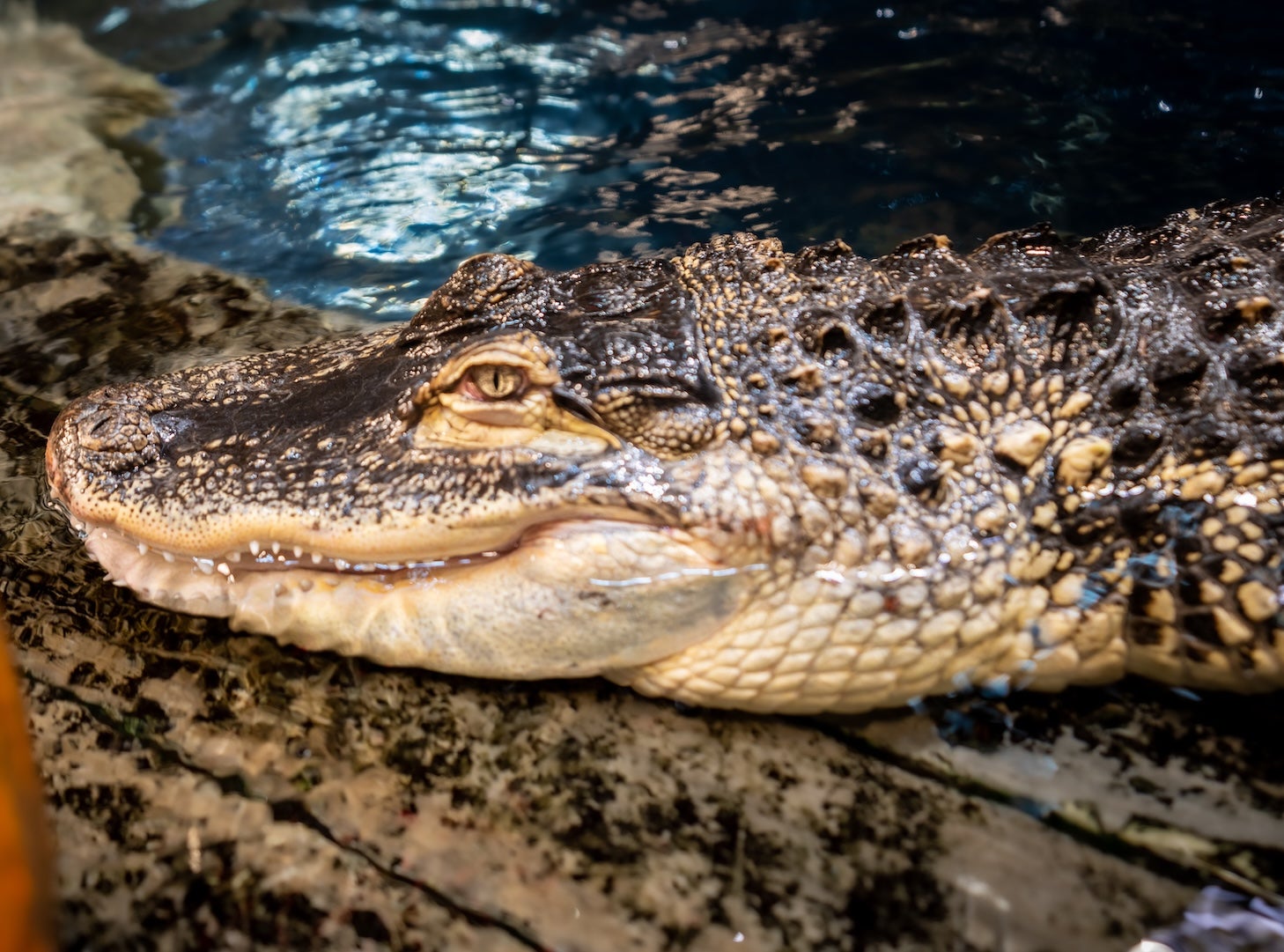 American Alligators
American alligators are diurnal and nocturnal, meaning they are active both day and night. They hunt predominantly at night, but they are also commonly seen basking in the sunlight during the spring and summer.
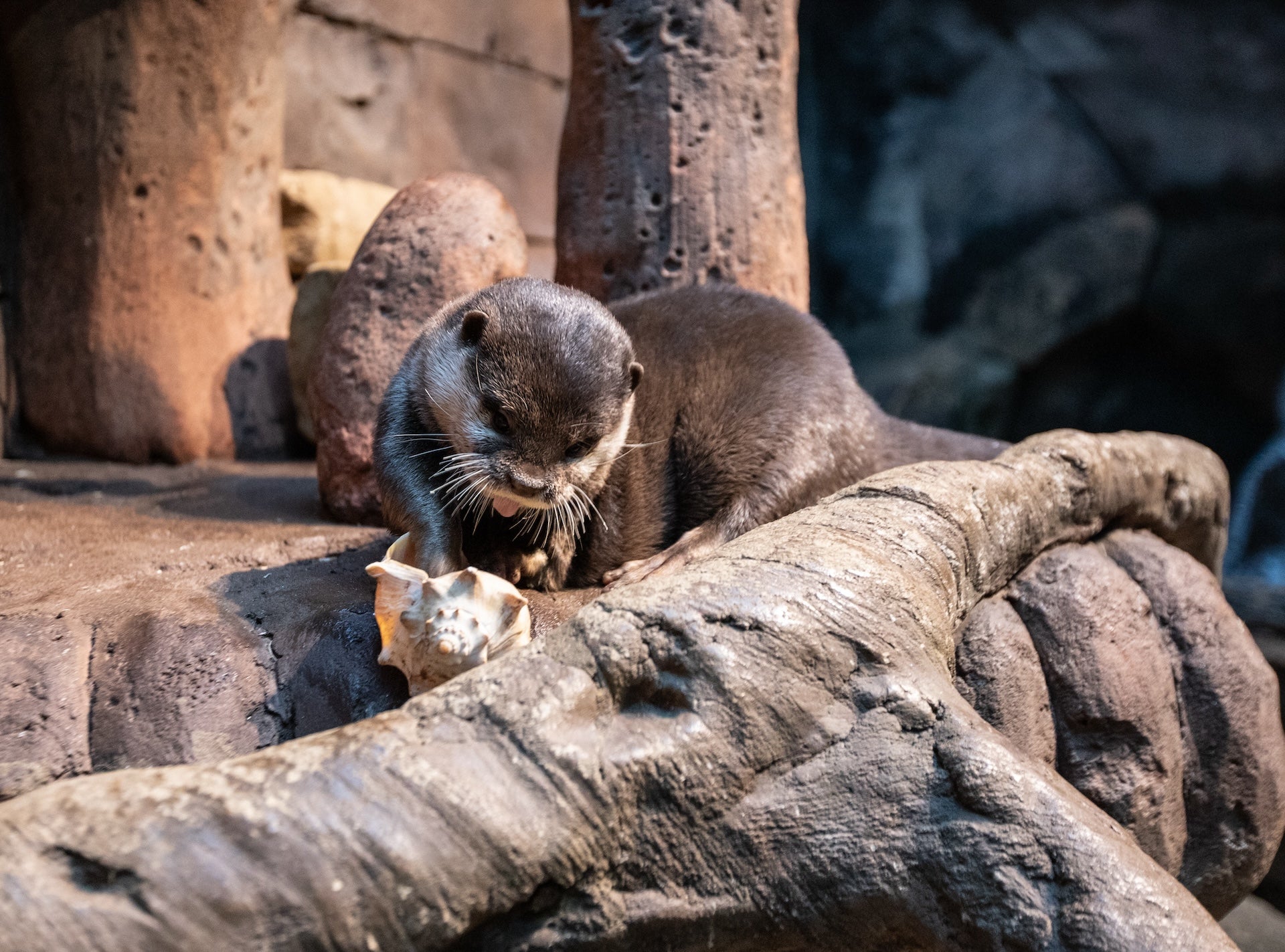 Asian Smalled Clawed Otter
Asian small-clawed otters are active during the day but are primarily nocturnal animals. Our otters often nap throughout the day, but if you visit in the evening, you might catch them playing in the water or with their enrichment items!
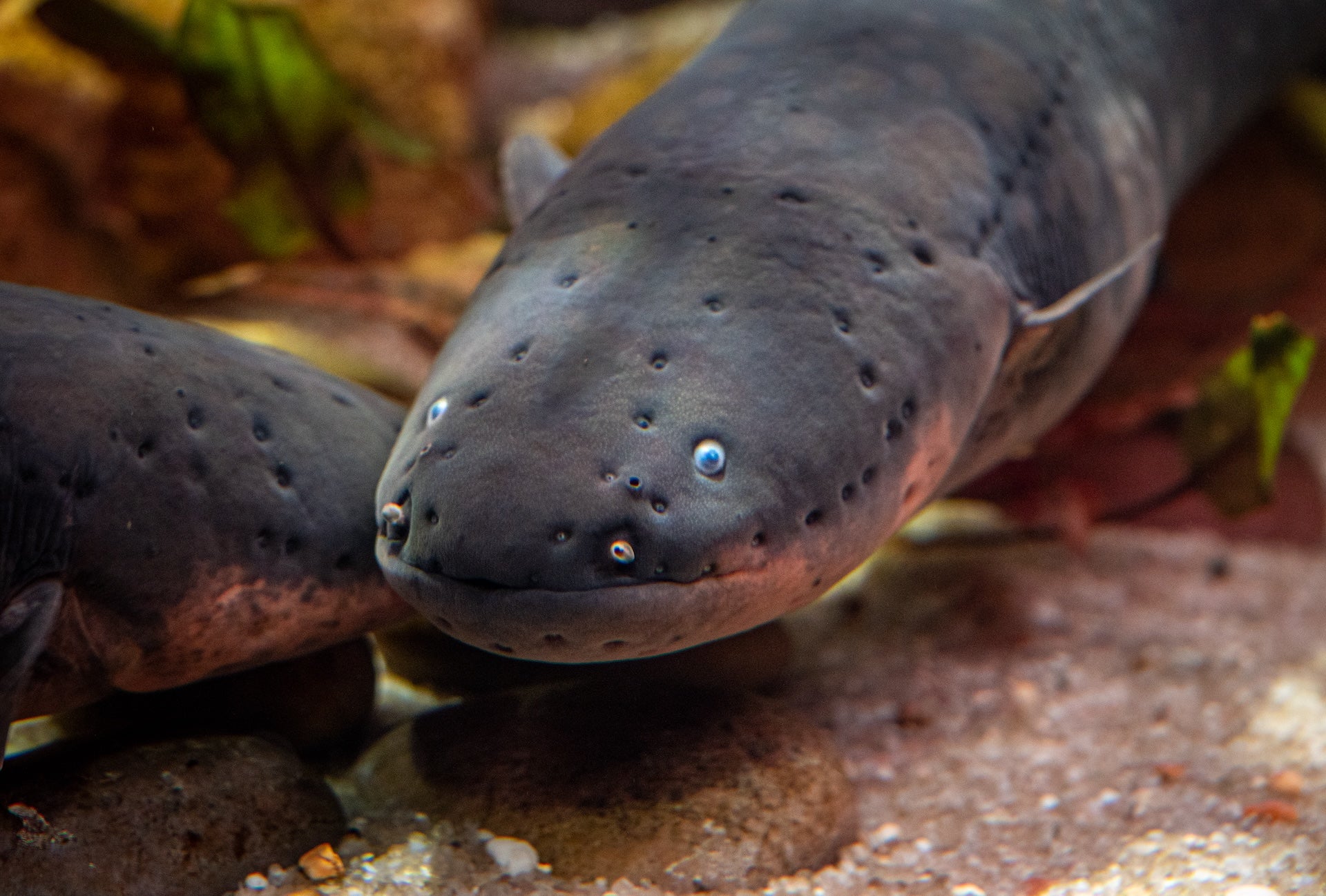 Electric Eel
The electric eel is a nocturnal species, hiding under shelter or in holes during the day and hunting for prey at night. Because they have poor eyesight, they emit a weak electric signal, which they use like radar to navigate, find a mate, and find prey.
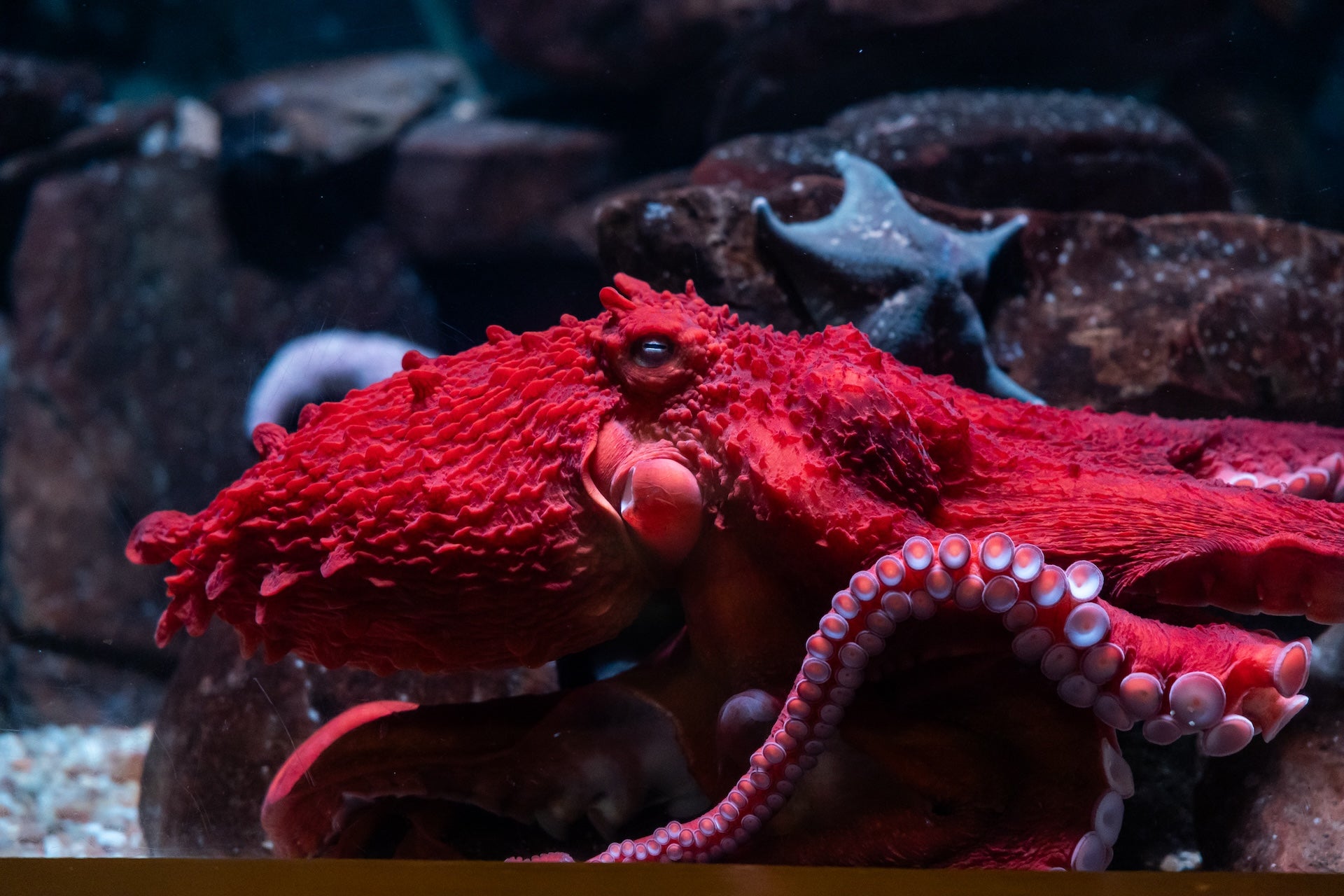 Giant Pacific Octopus
Generally nocturnal, giant Pacific octopuses move about and do their hunting at night. They use their arms, each covered with approximately 200 suckers, to find and hold their prey.
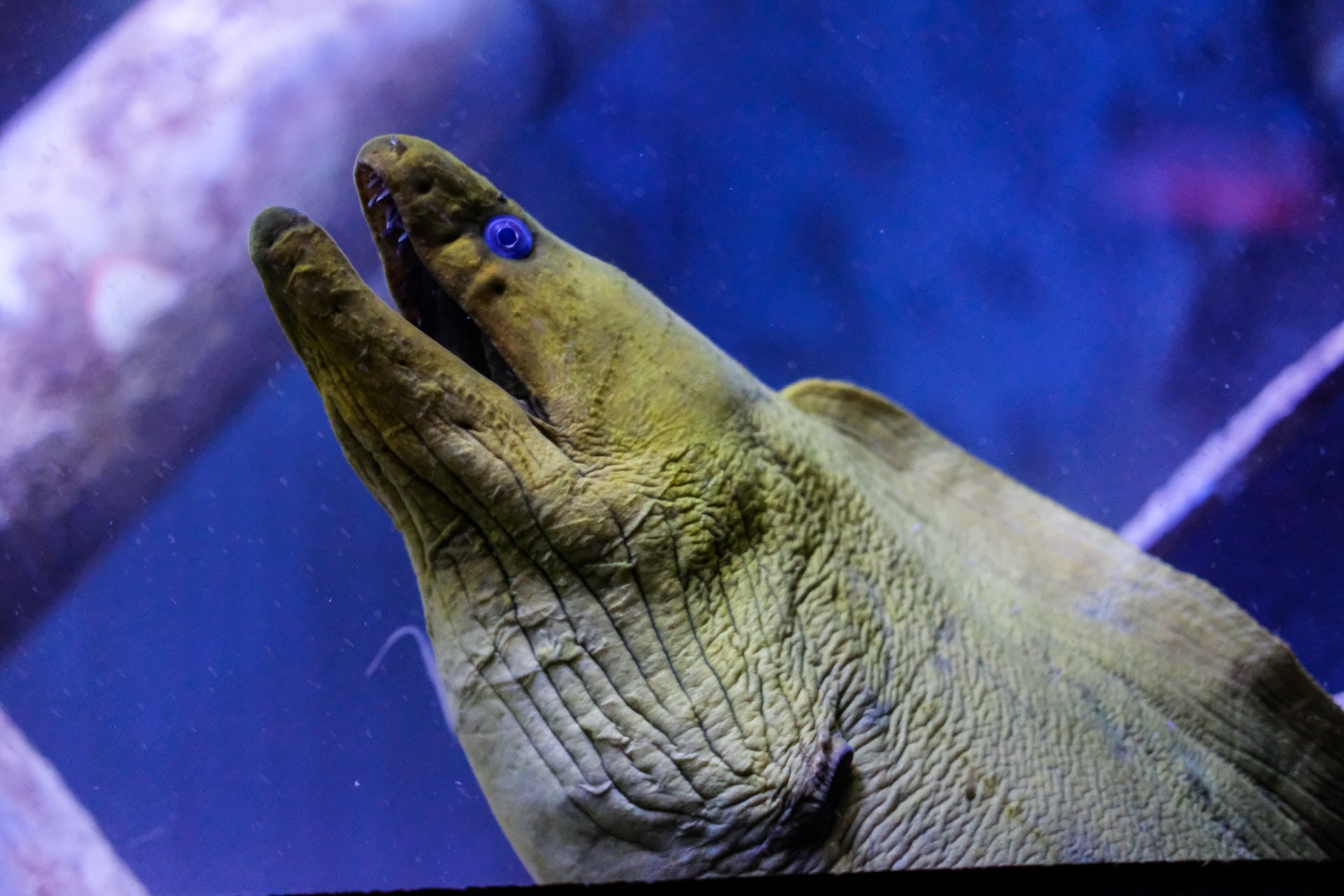 Green Moray Eel
The green moray eel is a nocturnal predator. During the day, it hides in a hole in the rocks. It uses its sense of smell to find its prey because moray eels have poor vision. It does not go hunting for its prey; instead, it sits and waits for the prey to cross its path.
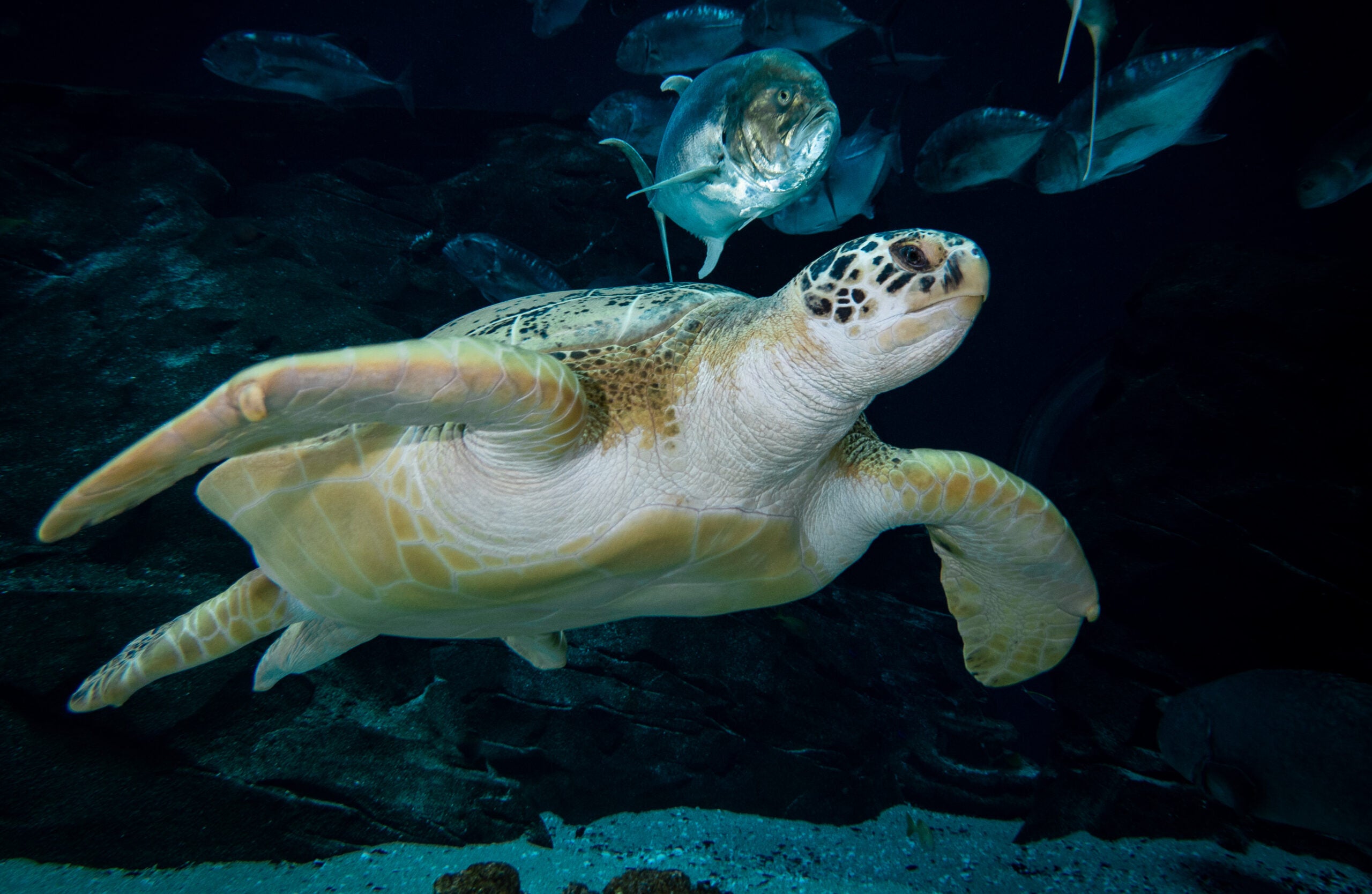 Green Sea Turtle
Green sea turtles (Chelonia mydas) are typically diurnal but can also exhibit nocturnal activity, including feeding, nesting, and breeding.
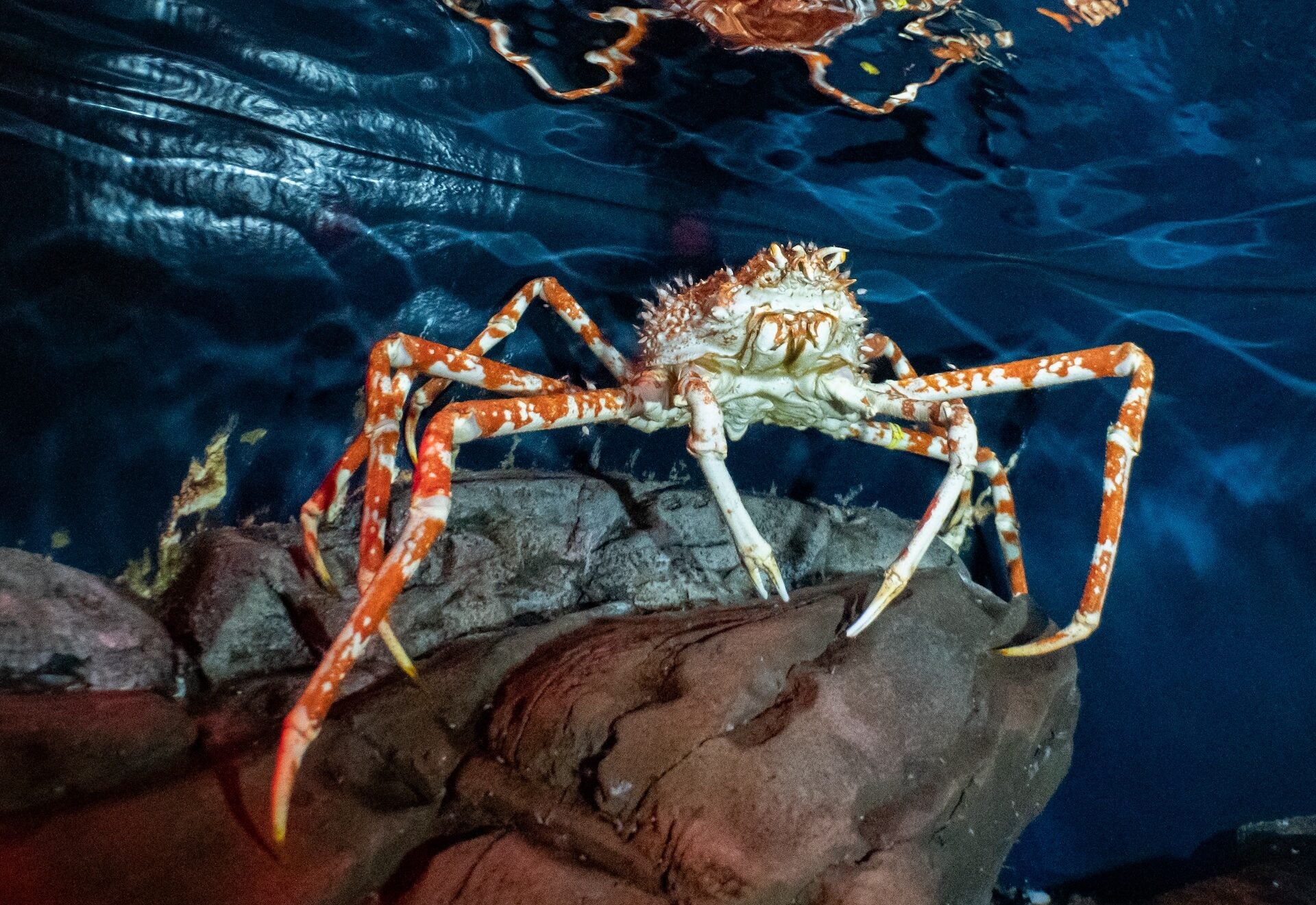 Japanese Spider Crabs
Japanese spider crabs are active at night to avoid predators rather than to camouflage themselves when hunting prey. They live on the ocean floor along Japan’s Pacific coast, primarily on the sandy and rocky continental shelf and slope.
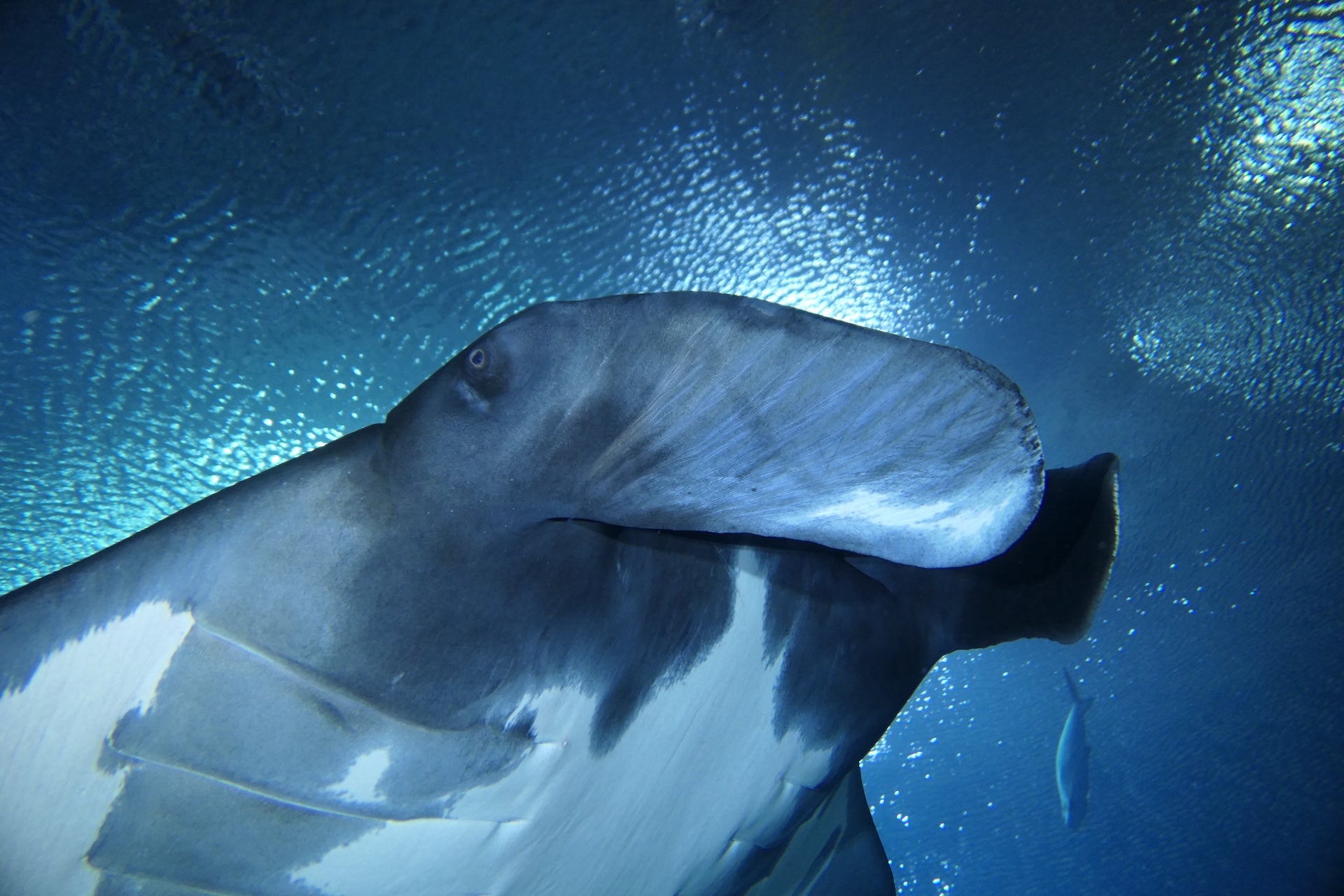 Manta Rays
Manta rays are filter feeders and are most active at night when they feed. Some say the best time to see manta rays up close in the ocean is at night when they come together in large numbers to feed.
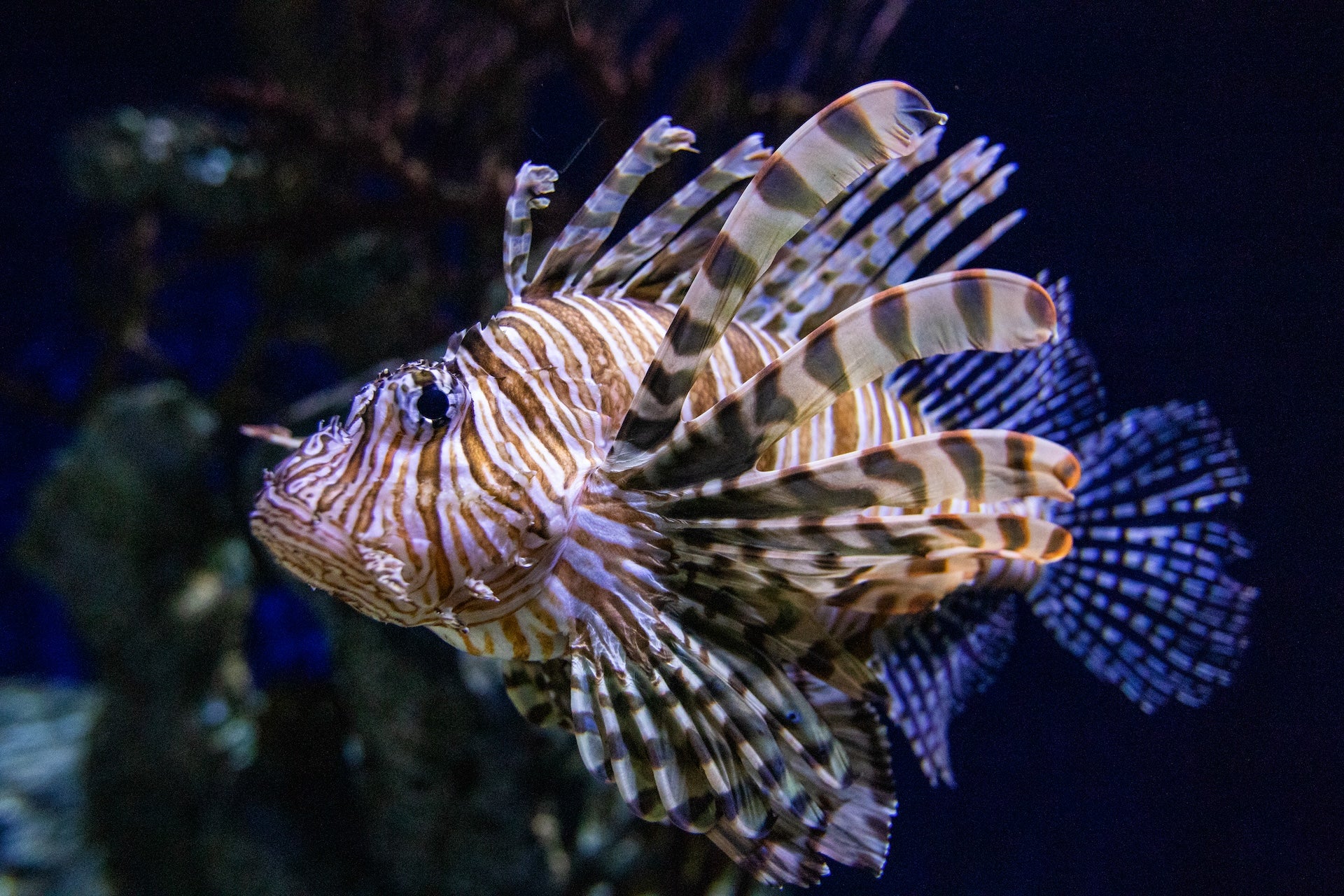 Red Lion Fish
This species is a solitary, nocturnal hunter that stalks its prey and corners it using outstretched and expanded pectoral fins.
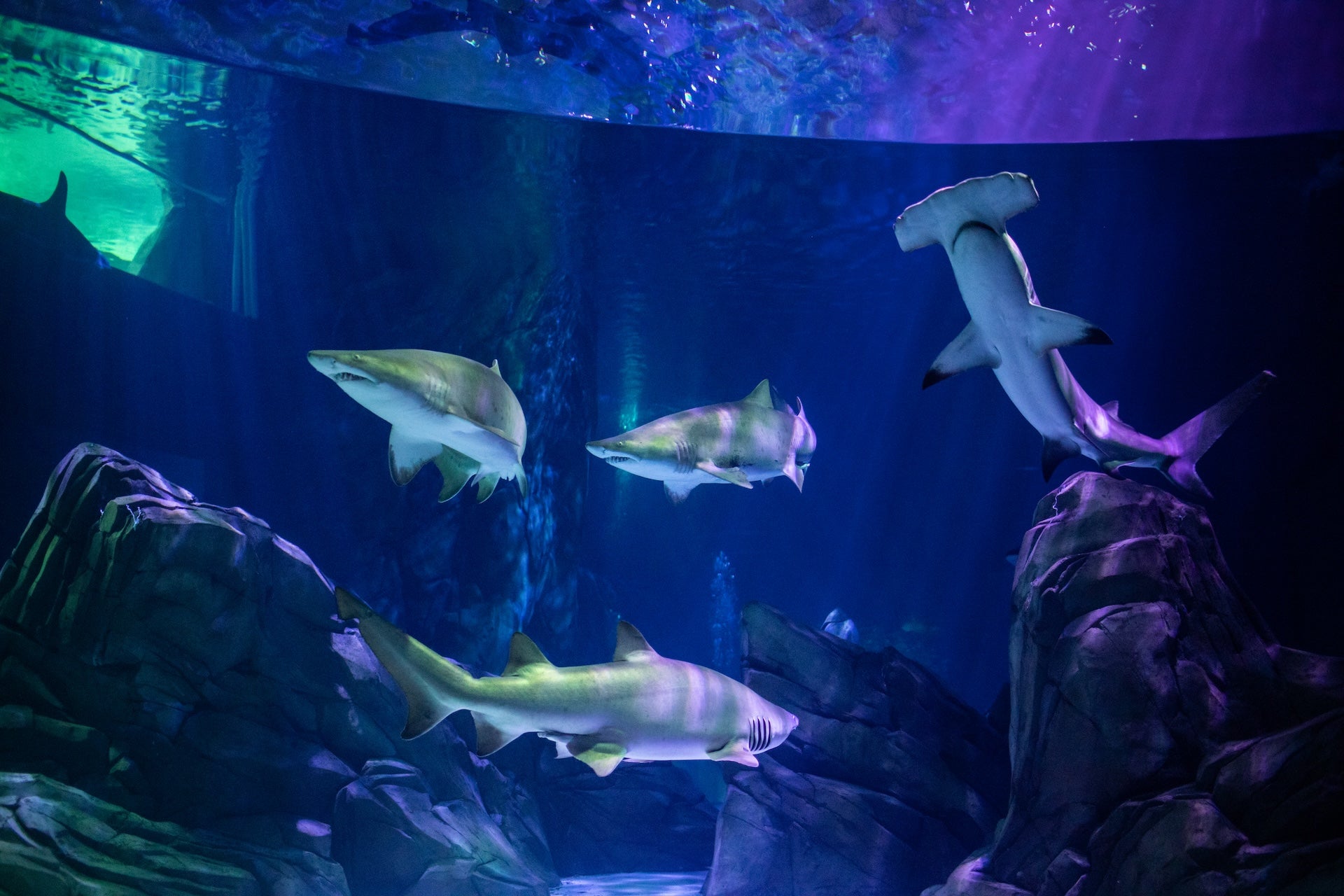 Sharks
Many sharks are active and feed during low light hours (dawn or dusk) and at night.
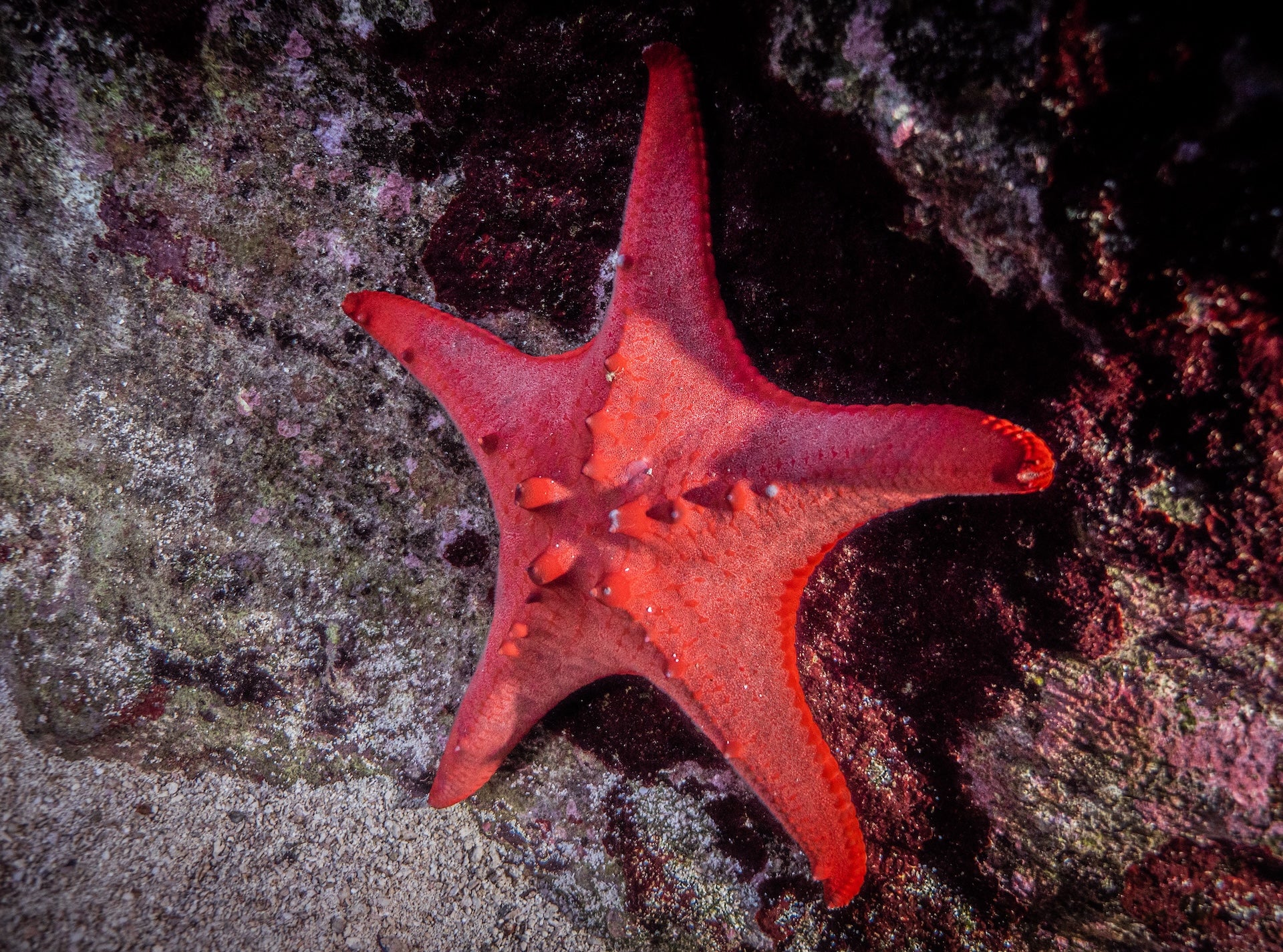 Starfish
Some species of starfish are nocturnal and become more active at night. Recent research published in the journal Proceedings of the Royal Society B highlighted that starfish have eyes and can even see in the dark.
Georgia Aquarium is home to all of these unique and spectacular species and many more! It’s the perfect opportunity to explore the ocean’s depths without the usual daytime bustle. Take advantage of this unique, serene adventure and make your summer nights unforgettable!
Published on Jun 17, 2024.
LEGO Building Workshops
Whale Sharks 101
From Rescue to Release
Georgia Aquarium and Zoo Tampa Unite to Release Rehabilitated Manatees
As part of the Manatee Rescue & Rehabilitation Partnership, Georgia Aquarium and Zoo Tampa collaborate to release two rehabilitated manatees to their natural habitat after a journey of care and recovery.
The story of these majestic sea creatures unfolds as they are released back into the ocean waters:
Where it all started:
Their journey began when the Zoo Tampa team rescued these young, stranded manatees after being found stranded, cold-stunned, and emaciated. They provided initial health assessments and care for several weeks. However, due to their fragile state, it was deemed necessary for the manatees to gain additional weight and vitality before being released back into their natural habitat.
As part of the Manatee Rescue & Rehabilitation Partnership, Georgia Aquarium staff stepped in to help provide a haven for these marine mammals while nurturing them back to health at our off-site facility.
See their journey from Zoo Tampa to Georgia Aquarium:
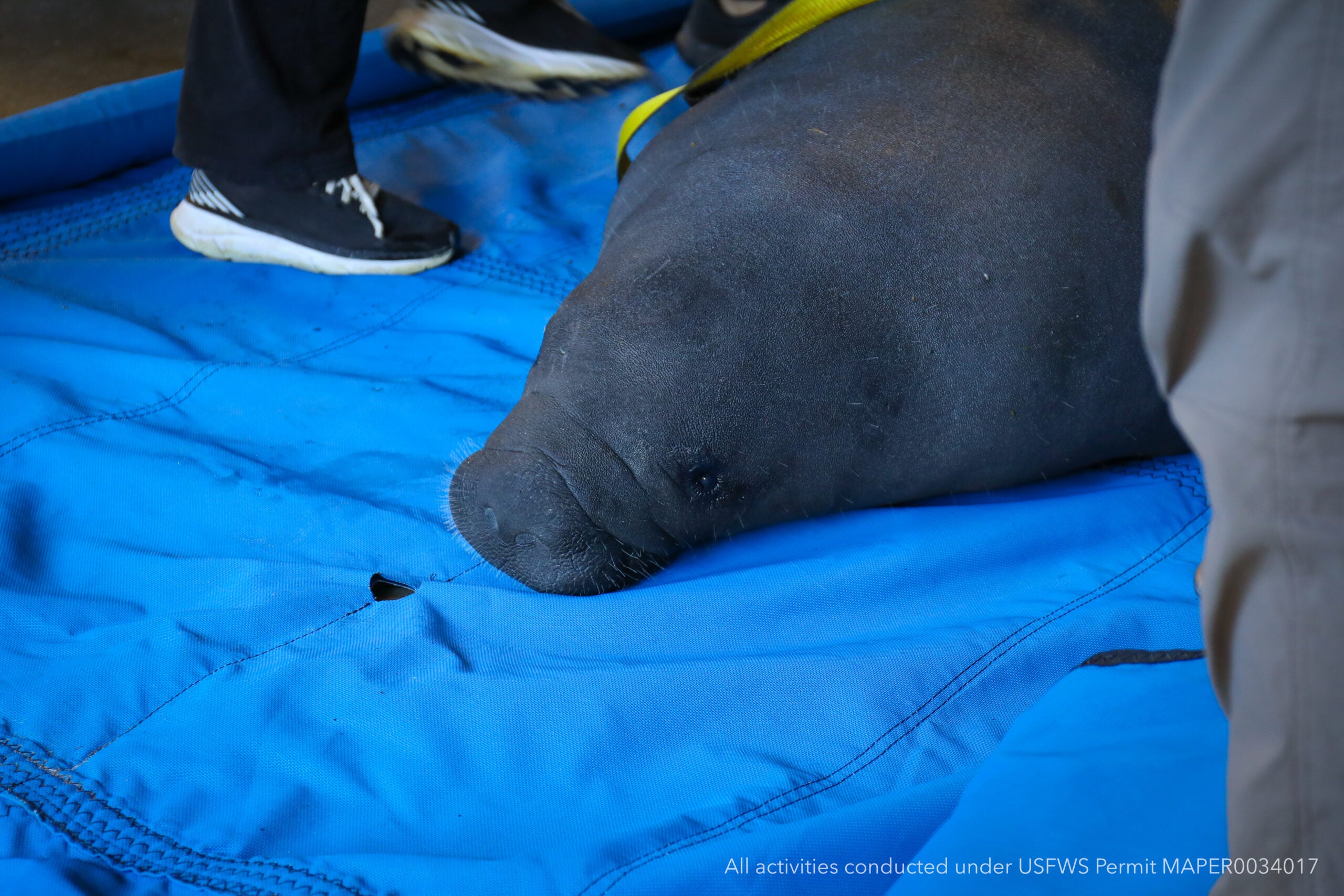
Turning a new (lettuce) leaf:
Under the watchful eye of Georgia Aquarium staff, the manatees underwent an attentive rehabilitation process to ensure they were ready to return to the ocean. Over the past several months, the dedicated care and attention of the Aquarium team paid off. The manatees gained substantial weight and strength.
Before being officially approved for release, the manatees underwent thorough health assessments to ensure they were in peak condition. These assessments, combined with the unwavering care from the Zoo Tampa and Georgia Aquarium teams, ensure that these manatees have the best possible chance for survival.
Check in with our manatees before their release:
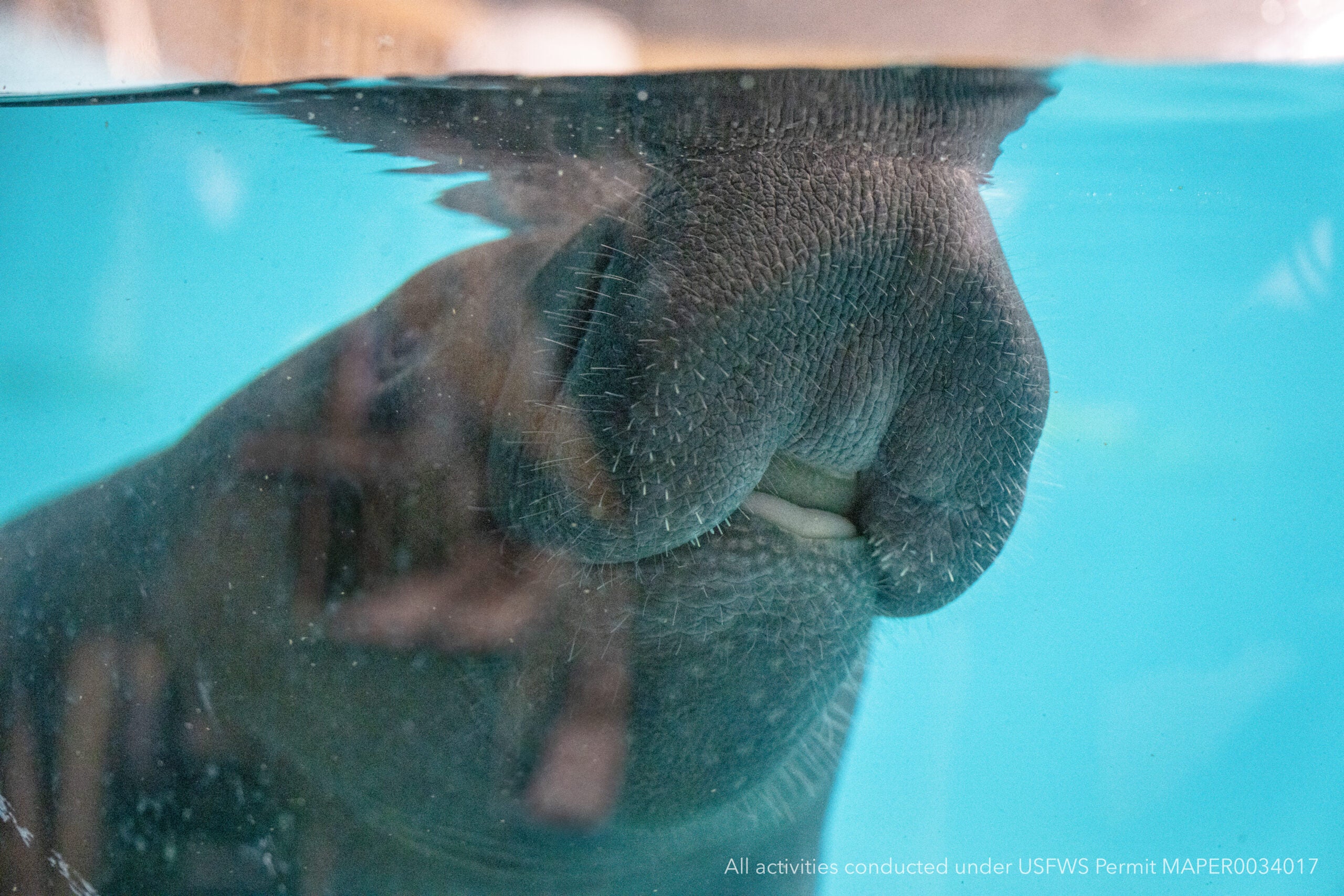
A manatee-tale ending:
The time has finally come!
Reuniting with the team at Zoo Tampa, this story comes full circle. On January 30, the Georgia Aquarium team traveled to the coast of Tampa, FL. Joining Zoo Tampa staff and other partners in releasing these two manatees back into their home waters.
The successful rehabilitation and release of these two manatees symbolizes a beacon of hope for the ongoing efforts to protect and preserve marine life. Its also a reminder of the impact that collaborative initiatives and compassionate care can have on the lives of these and other species, contributing to a healthier and more vibrant marine ecosystem.
Take a look at their heartwarming release (get the tissues ready):
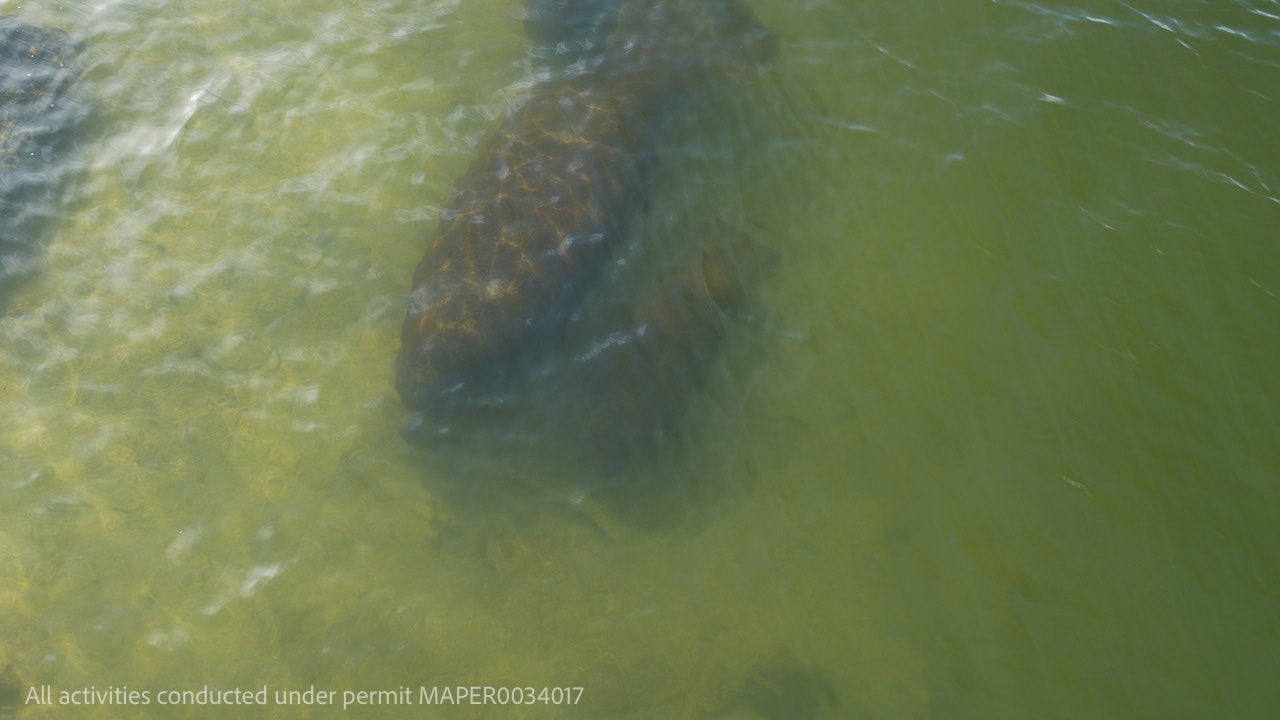
This story is not only a testament to the successful collaboration between two renowned institutions, but also a celebration of the Manatee Rescue & Rehabilitation Partnership’s mission to provide a safe haven for manatees in need. Georgia Aquarium takes pride in being a valuable member of this partnership, contributing to the conservation and well-being of these incredible marine mammals.
Published on Feb 1, 2024.