

Day in the Life of a Dolphin Trainer at Georgia Aquarium
Take a look behind the scenes into a day in the life of a dolphin trainer at Georgia Aquarium. 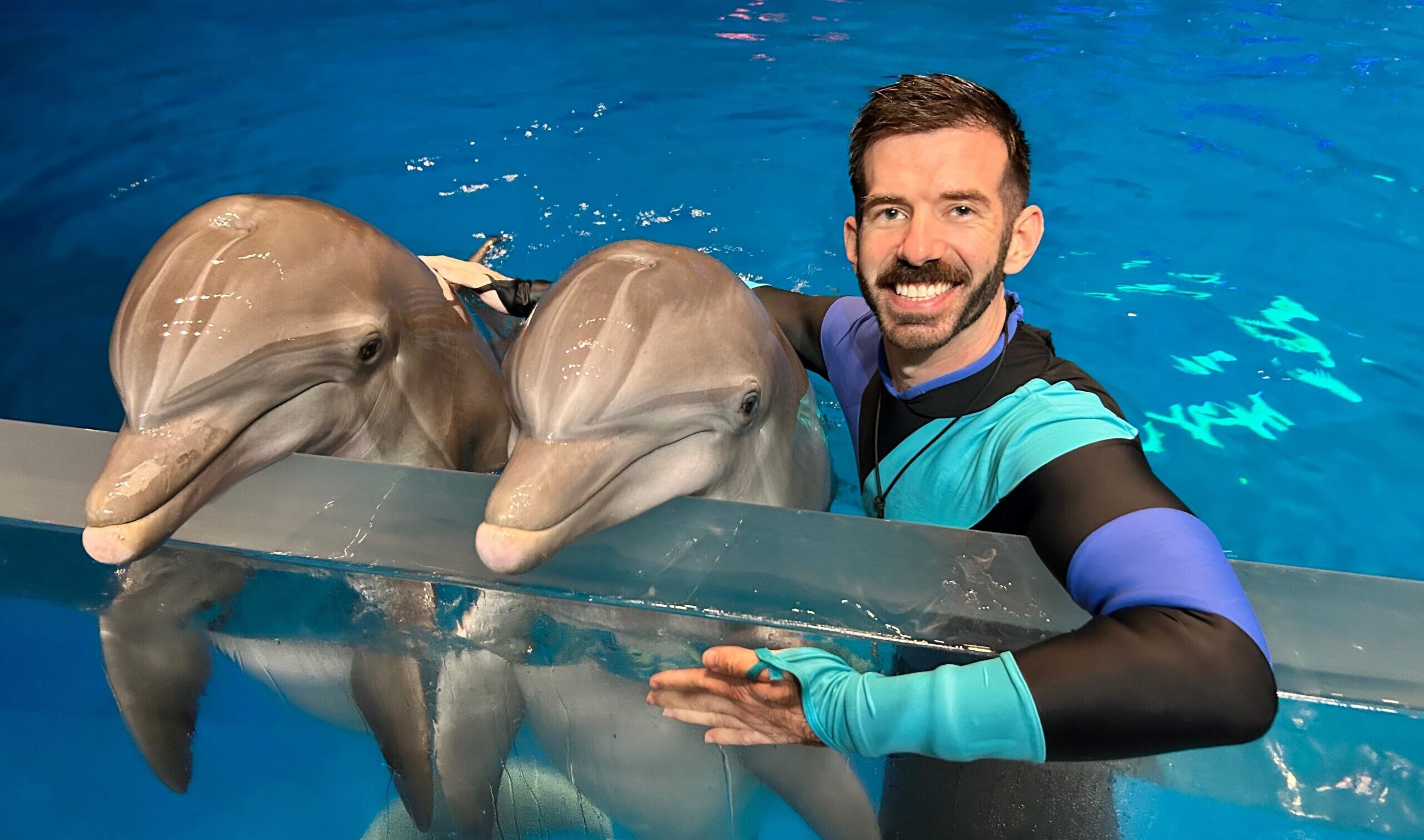 By: Stephen Fischer, Associate Curator, Dolphin
As a kid, most of our family vacations were to Orlando to visit Disney and SeaWorld. As I got older, these parks continued to be a favorite destination, but I started to see them in a different light. During an animal presentation at SeaWorld, I realized the unique relationship required to work with these aquatic animals. Seeing how closely the trainer and animal worked together inspired me. I remember 14-year-old Stephen every time I perform in our presentations, and I think of the thousands of people in our audience. The trainer I watched and admired as a kid will never know how she impacted me. I hope I can have a similar effect on our guests and young aspiring animal trainers.
While pursuing this career, I spent my summer interning at different animal parks to gain hands-on experience in the field. After graduation, I was hired at a marine park near my hometown, working with dolphins and sea lions. I then met one of the trainers in Georgia Aquarium’s dolphin area and was invited to shadow them. I was so impressed with the Aquarium and its animals that I knew this was where I wanted to be.
A typical day on the dolphin team starts very early. We begin by sorting hundreds of pounds of fish to make individualized diets for each of our animals. Once their diets are ready, we begin each day with visual exams and collecting any medical samples our vets may need to ensure all our dolphins are healthy. The best part is every day is different – it is our job to ensure our dolphins never know what’s coming next because this keeps them excited, engaged, and active throughout the day. Their day may include participating in presentations, guest programs, new behavior training sessions, play sessions with some of their favorite toys, or sessions focused on continuing to build bonds between our animals and trainers.
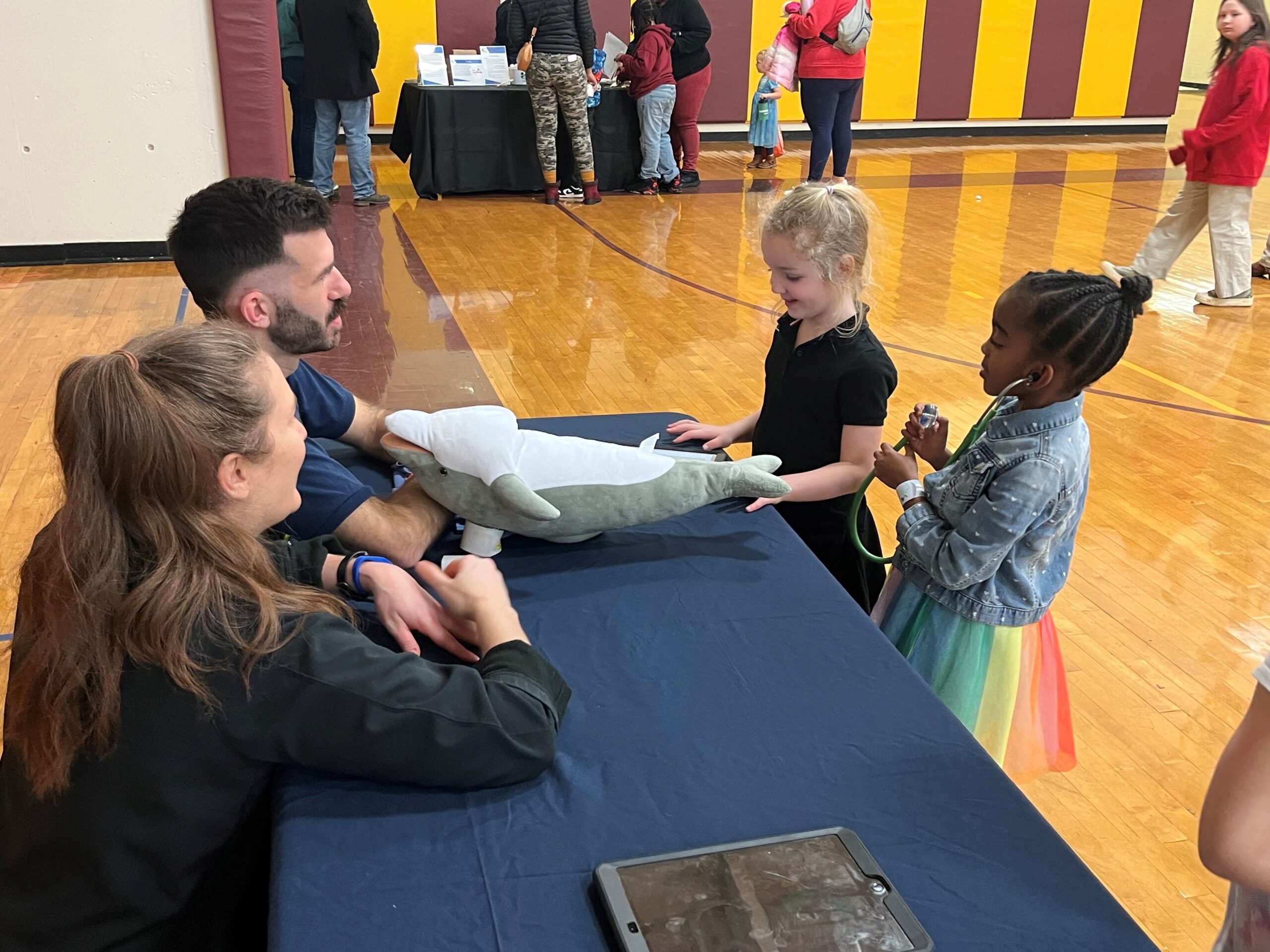
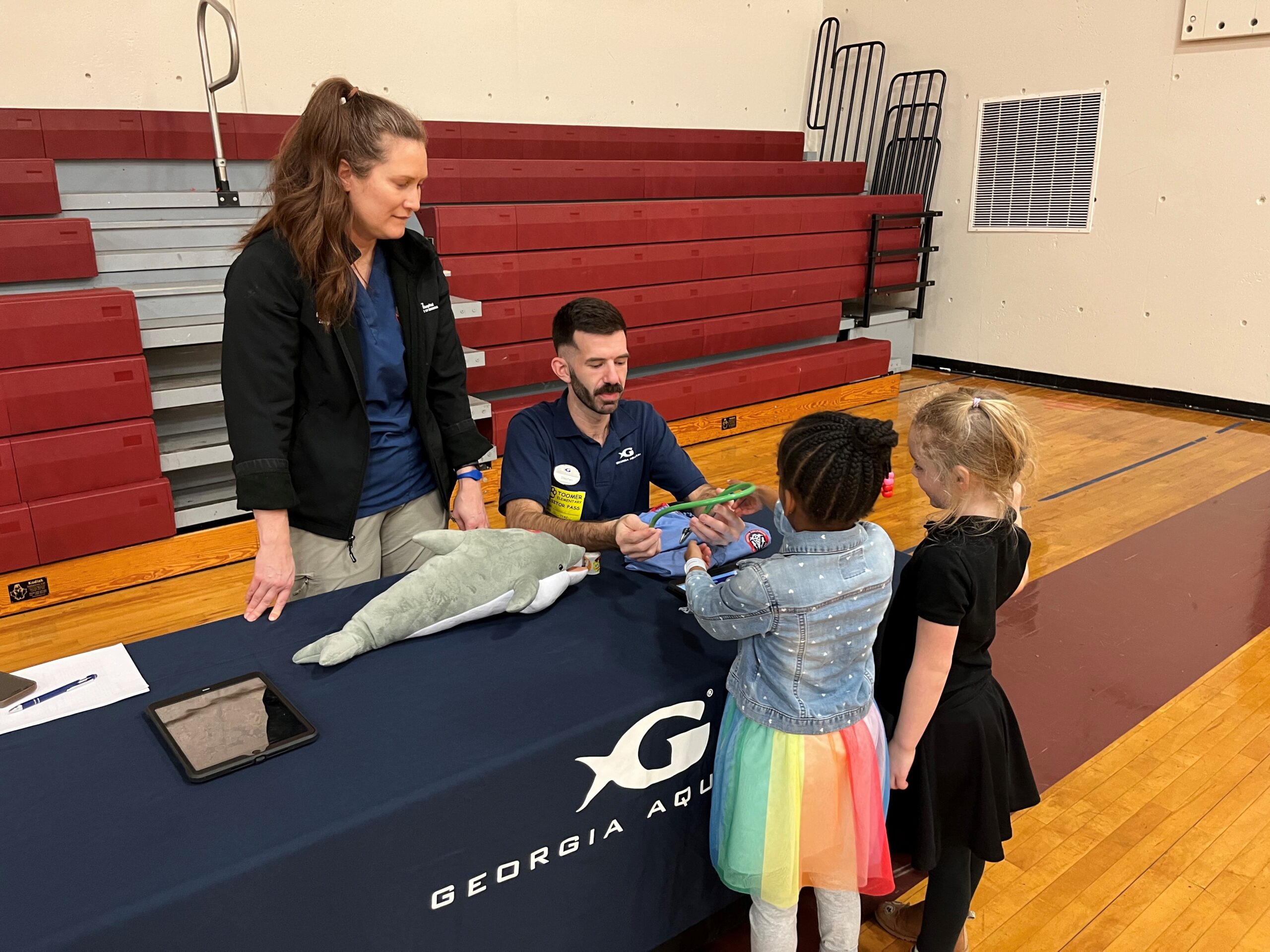
Occasionally, I get the incredible opportunity to go out into the community and share my passion for these animals. This will be my fourth year joining Toomer Elementary School at their Science Night. Science Night is an entertaining and informative STEAM-filled event hosted by volunteers from the Atlanta community. These are opportunities for the kids to have hands-on exposure to the various fields of science. Our education department also recently hosted students from Booker T Washington at the Aquarium so they could learn more about careers in the field of STEM from our staff and experts.
Living in Atlanta, many of these students may never see animals like ours up close. The Aquarium provides an opportunity to learn more about our animals, their habitats, and what we can do to protect them. Though some of these students may have seen our dolphin presentation, they may still need to learn what it takes to care for these animals.
Events like this allow them to ask questions and get more inspired by what they learn. Many of our firmest habits develop at an early age. Working with kids at this age helps form habits of conservation that become a way of life. I secretly hope these kids go home and bug their parents to start recycling, too.
Being an animal caretaker is an incredibly rewarding career. The animals I work with truly depend on me, and that inspires me to give them my all every day. The bonds we form make these animals more like family than co-workers. I love seeing the smiles on our guests’ faces as they leave our presentations, and knowing what I do brings joy to their day.
For anyone interested in working with dolphins or other marine mammals, I recommend pursuing a degree in psychology, biology, marine biology, or another life science-related field. You will also want strong swimming skills and a SCUBA certification. Most importantly, look for ways to volunteer or internships working with animals to gain some hands-on experience. These programs will also help you ensure you are passionate about this. Working with these animals is a lot of fun. But heads up – it’s also a lot of hard work (and a LOT of cleaning).
Breaking Barriers in Veterinary Medicine
Veterinary medicine remains one of the least diverse professions in the United States.
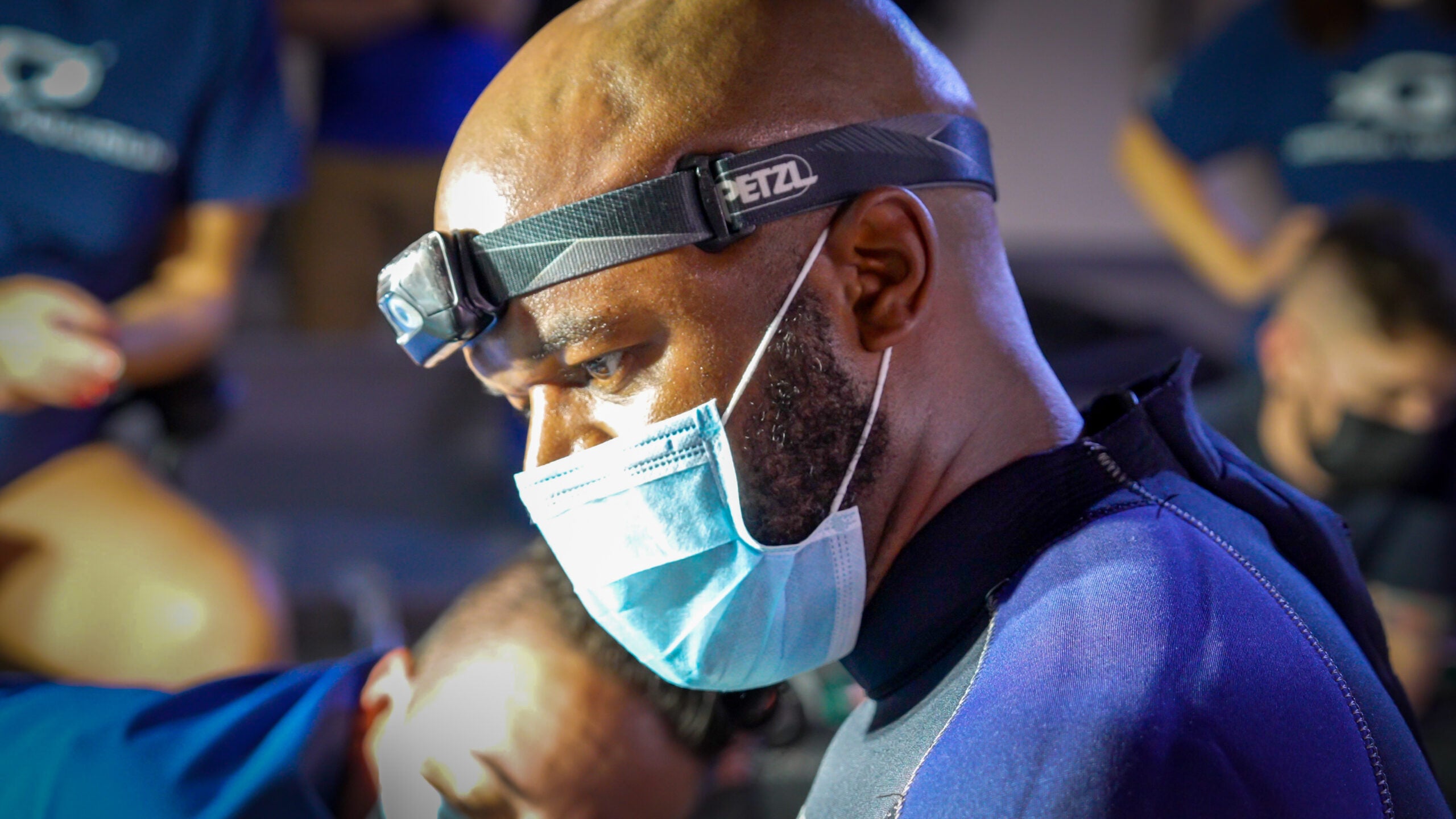
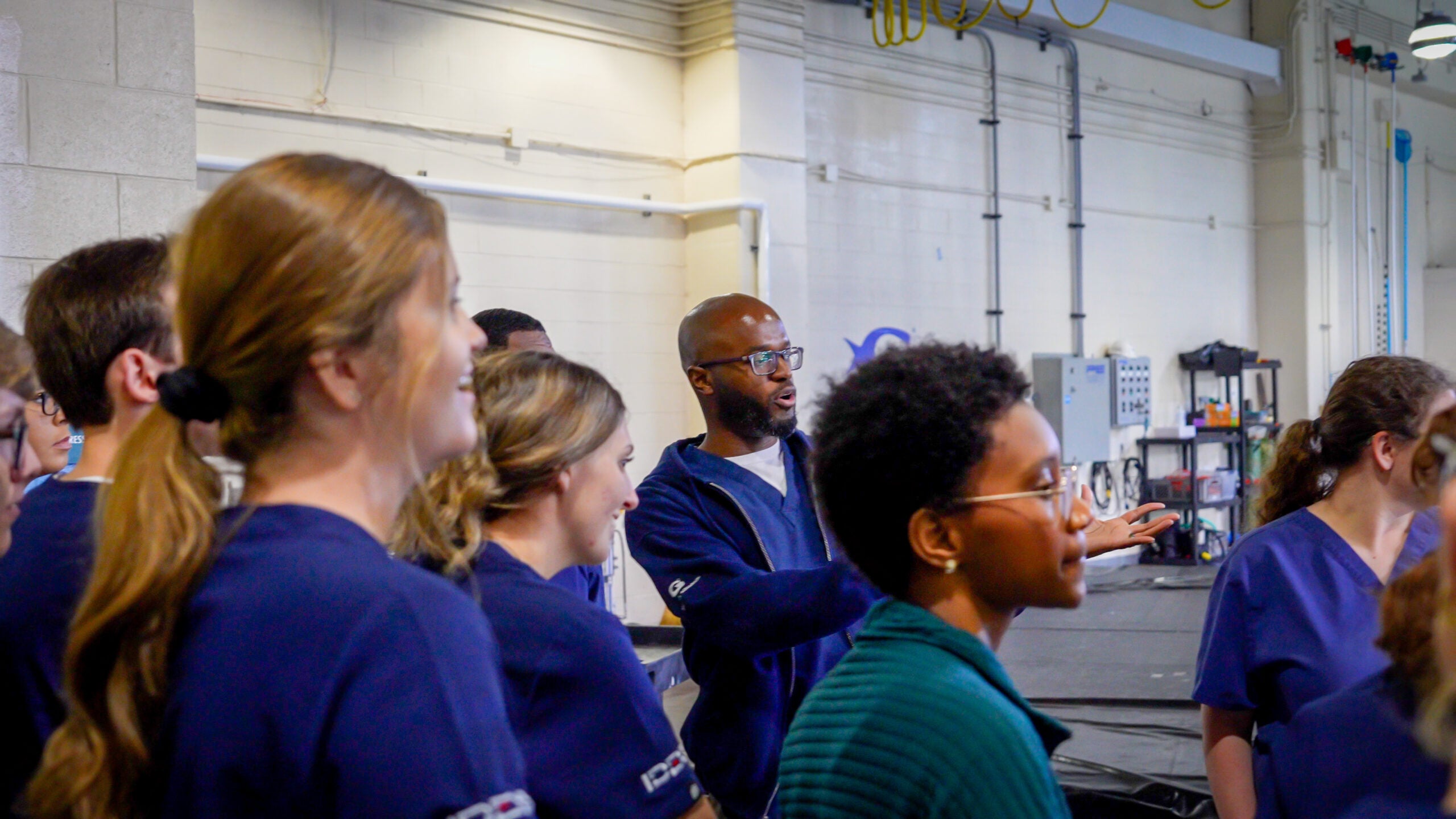
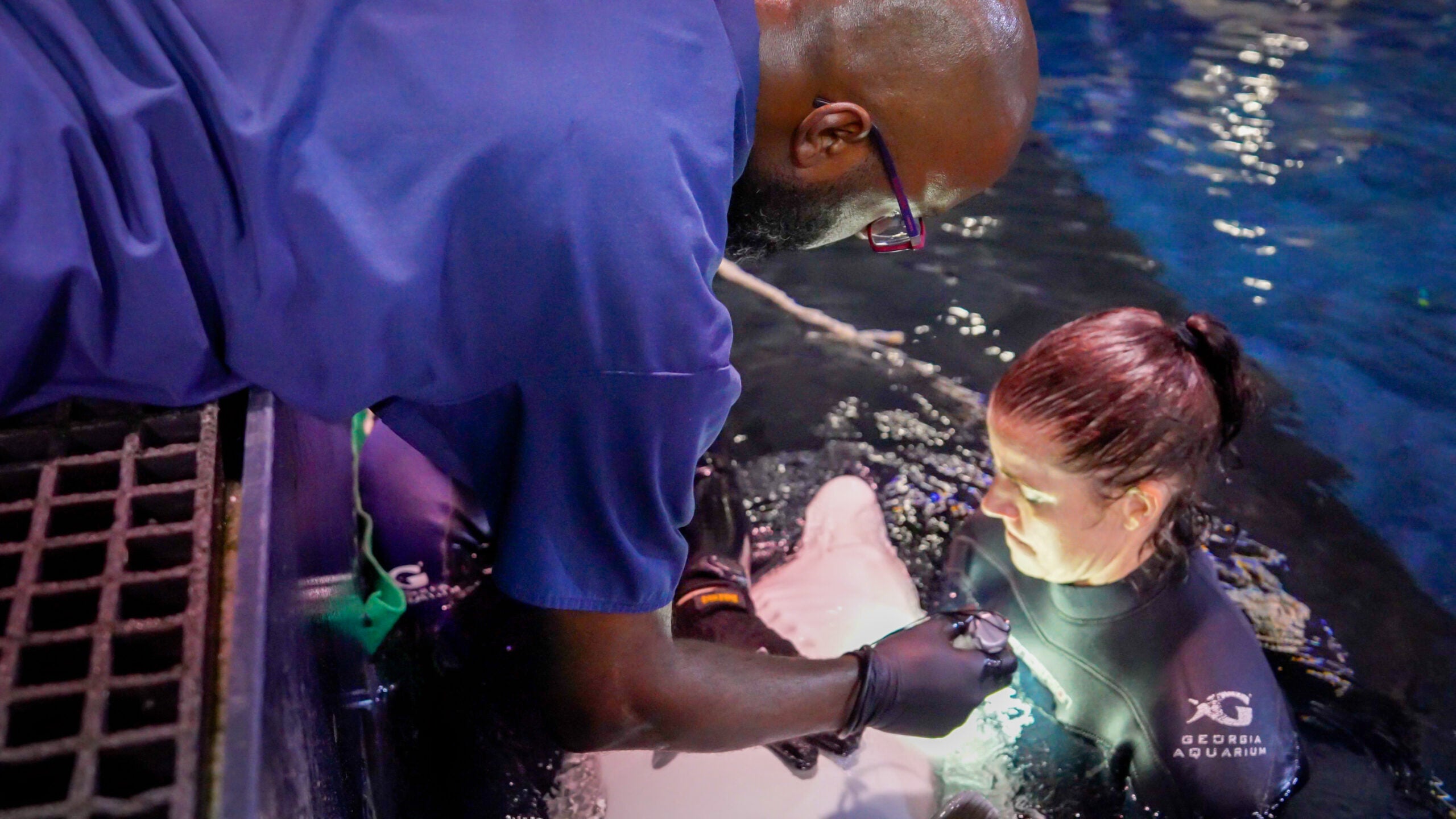
By Gregory Scott, DVM, DACZM, Sr. Associate Veterinarian at Georgia Aquarium
My journey to veterinary medicine was not an easy or straight path.
I have wanted to work with animals for as long as I can remember. Although I did not always want to be a veterinarian. As a young kid, I was interested in becoming a zookeeper. However, when telling people you love animals, the most common response is, “You should be a veterinarian!”. I heard this comment so often I internalized it despite having doubts about whether this career was right for me. At the time, I thought vets cared for dogs and cats and wasn’t sure that’s what I wanted to do. I was more interested in working with exotic animals or in a zoo setting. I struggled with deciding to become a veterinarian even through the start of college.
Upon starting college, it was the first time I truly dove into what it would take to become a veterinarian. It became clear that I would need to work incredibly hard and devote a lot of time. I still had not yet realized becoming a zoological veterinarian was possible and questioned whether the requirements would be worth it for a career I was so uncertain about. Ultimately, I decided to pursue an alternative major. Eventually, after a few years of unsuccessfully trying to navigate a different career path, I came back to the idea of becoming a veterinarian.
This time, I researched to see if there was a space in this field where I could see myself. I started by looking into veterinarians’ work in zoo settings – where my passion originated. While learning more about a zoological veterinary career, the light bulb went off. It was the closest experience to a “eureka moment” when I realized this was the perfect career for me.
As I began my journey at North Carolina State University College of Veterinary Medicine, I became even more exposed to veterinarians’ various roles and specialties – including aquatic animals. I was lucky enough to learn from some experienced professors who specialized in aquatic animal medicine. I was very open to learning about how to care for a vast variety of creatures. Steadily, I gained more exposure to the aquatic side of veterinary medicine and continued down that path. Eventually, this led me to Georgia Aquarium.
Navigating the lack of diversity.
I believe a crucial element is exposing students to diversity in this field at a young age. As a minority, having visual role models in your career is essential. I was lucky enough to have a mentor who was a Black veterinarian from the time I was in elementary school. My mom knew the extraneous factors that could potentially chip away at my self-belief. She proactively provided me with ways to pursue my passions, ensuring those factors did not deter my aspirations.
Unfortunately, not all students of a minority have that support or experience. Programs like Auburn University’s Veterinary Intensive Program are crucial in shifting the trajectory of diversity in the field of veterinary sciences. The goal is to capture students at a young age, expose them to this career, and support them in their journey. We hope this demonstrates to aspiring veterinarians that, though they may not see people representing their demographic in the field, they can succeed in this career. I truly believe this experience is essential in demonstrating the ability for all to thrive and succeed in this career. As a representative of diversity, I want to inspire young veterinarians and open their minds to the possible avenues.
My hopes for the future of veterinary medicine.
While continuing to reach out to young minorities for mentorship will always be necessary. Hopefully, speaking about veterinary medicine in this context will not be. Everyone should have simple access to animal health as a service to the public, the environment, and for conservation. One great way to help accomplish this is by having ample representation of various demographics in the field as service providers. Because of the variety of backgrounds and life experiences we all have, diversity increases the number of people we can reach. My job is to contextualize the message for different people to understand and connect with.
Practicing veterinary medicine at the Aquarium offers a fun and unique opportunity to work with some amazing animals – it’s hard not to be inspired being in their presence. But veterinary medicine is just one of many pieces of a larger machine that helps the Aquarium accomplish its mission. The importance of spreading awareness of our ocean’s health increases each year. All of us working at Georgia Aquarium have an opportunity to inspire ideas and actions that can make a real difference in the world. We get the incredible opportunity to touch not only a lot of animals’ lives but also people’s. I hope to share this message with future generations and inspire them to follow their passions and overcome any visible or invisible barriers.
Five Manatees Return to Florida Waters After Several Years of Rehabilitation
The Manatee Rescue & Rehabilitation Partnership, in collaboration with SeaWorld Orlando and six other zoological and manatee care organizations, achieved a successful release.
DOWNLOAD HIGH-RES IMAGES HERE. Photo credits are contained in the file name.
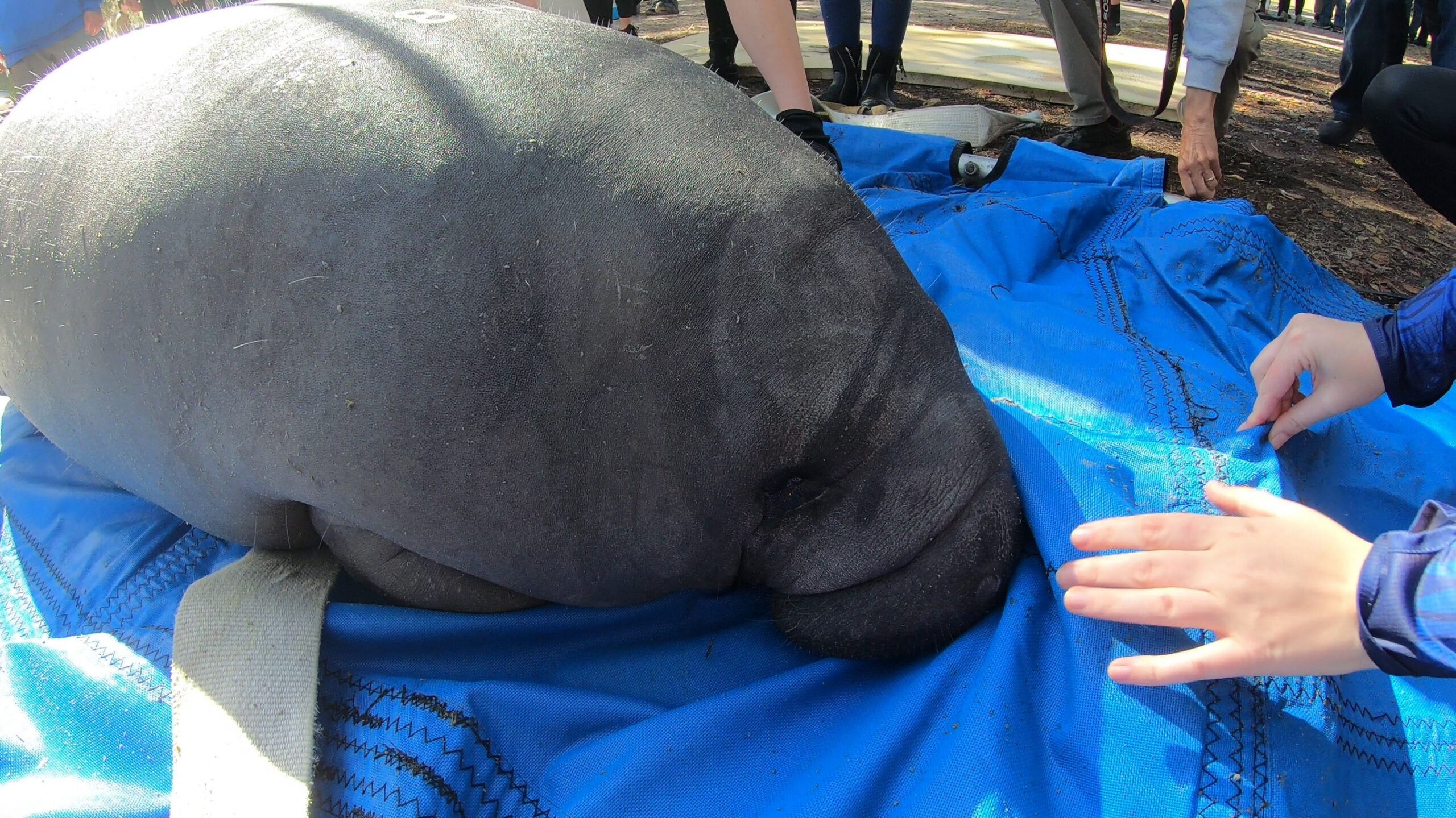
Yesterday, the Manatee Rescue & Rehabilitation Partnership (MRP), a cooperative group of non-profit, private, state, and federal entities who work together to rescue, rehabilitate, release, and monitor sick and injured manatees– successfully released five orphaned manatees to Blue Spring State Park in Florida after a years’ long journey of rehabilitation by multiple members of the partnership.
The manatees were originally rescued by the Florida Fish and Wildlife Conservation Commission (FWC) and MRP Partners between 2020 and 2021. SeaWorld Orlando, The Columbus Zoo and Aquarium, Brevard Zoo, Georgia Aquarium, Clearwater Marine Aquarium Research Institute, U.S. Fish and Wildlife Service, and Save the Manatee Club, partnered closely for several years to provide treatment to fully rehabilitate these orphaned calves. In a complex release operation that took all day to complete, the sea cows are now safely home in Florida waters.
“Over the past several years, we have been called upon to rescue an increasing number of injured, sick, and orphaned manatees,” said Virginia Edmonds, President of the Manatee Rescue and Rehabilitation Partnership. “We are grateful to our partners for stepping up to the plate to not only rescue animals in need but to commit countless hours to the collective rehabilitation of these animals, which enabled the releases today. But our work doesn’t stop here.
Every animal returned today will be fitted with a GPS tracking device that will allow researchers the ability to monitor their movements and ensure their acclimation to their natural habitat for the next year. These releases come at a critical time for the species as Florida manatees are at high risk from natural and human-caused threats.
“We pride ourselves on our nearly 50-year legacy to the rescue, rehabilitation, and return of manatees to save these beloved Florida icons who play a critical role in our ecosystem,” said Dr. Joseph Gaspard, Vice President of Zoological Operations at SeaWorld Orlando & Vice Chairman of the MRP. “While we are thrilled to lead this effort, it would not be made possible without close collaboration with our partners in the Manatee Rescue & Rehabilitation Partnership. This was truly a team effort among the zoological community to ensure the best care was provided to return these manatees back to their natural habitat.”
Manatees that were transferred back to Florida waters:
|
Manatee |
Rescued |
Today |
|
Squirrel • Rehabilitated at SeaWorld Orlando, Miami Seaquarium and Columbus Zoo and Aquarium
• Transported by Ideal Lease
|
May 2020 in Tavernier, Fla. Weight when found: 66 pounds Weight when moved to Columbus Zoo: 116 pounds |
Weight: 960 pounds |
|
Lizzie • Rehabilitated at SeaWorld Orlando and Columbus Zooand Aquarium
• Transported by Florida Fish and Wildlife Conservation Commission
|
July 2020 in Palm Coast, Fla. Weight: 63 pounds |
Weight: 855 pounds |
|
MaryKate • Rehabilitated at SeaWorld Orlando and Columbus Zooand Aquarium
• Transported by Florida Fish and Wildlife Conservation Commission
|
Found swimming alone in January 2021 in Blue SpringState Park, Fla. Weight: 107 pounds |
Weight: 815 pounds |
|
Clank • Rehabilitated at SeaWorld Orlando and Georgia Aquarium
• Transported by SeaWorld
|
December 2021 in Port St. John, Fla. Weight: 128 pounds |
Weight: 725 pounds |
|
TinkTink • Rehabilitated at SeaWorld Orlando and Georgia Aquarium
• Transported by SeaWorld
|
December 2021 in Blue Spring State Park, Fla. Weight: 124 pounds |
Weight: 840 pounds |
From Rescue to Release
Georgia Aquarium and Zoo Tampa Unite to Release Rehabilitated Manatees
As part of the Manatee Rescue & Rehabilitation Partnership, Georgia Aquarium and Zoo Tampa collaborate to release two rehabilitated manatees to their natural habitat after a journey of care and recovery.
The story of these majestic sea creatures unfolds as they are released back into the ocean waters:
Where it all started:
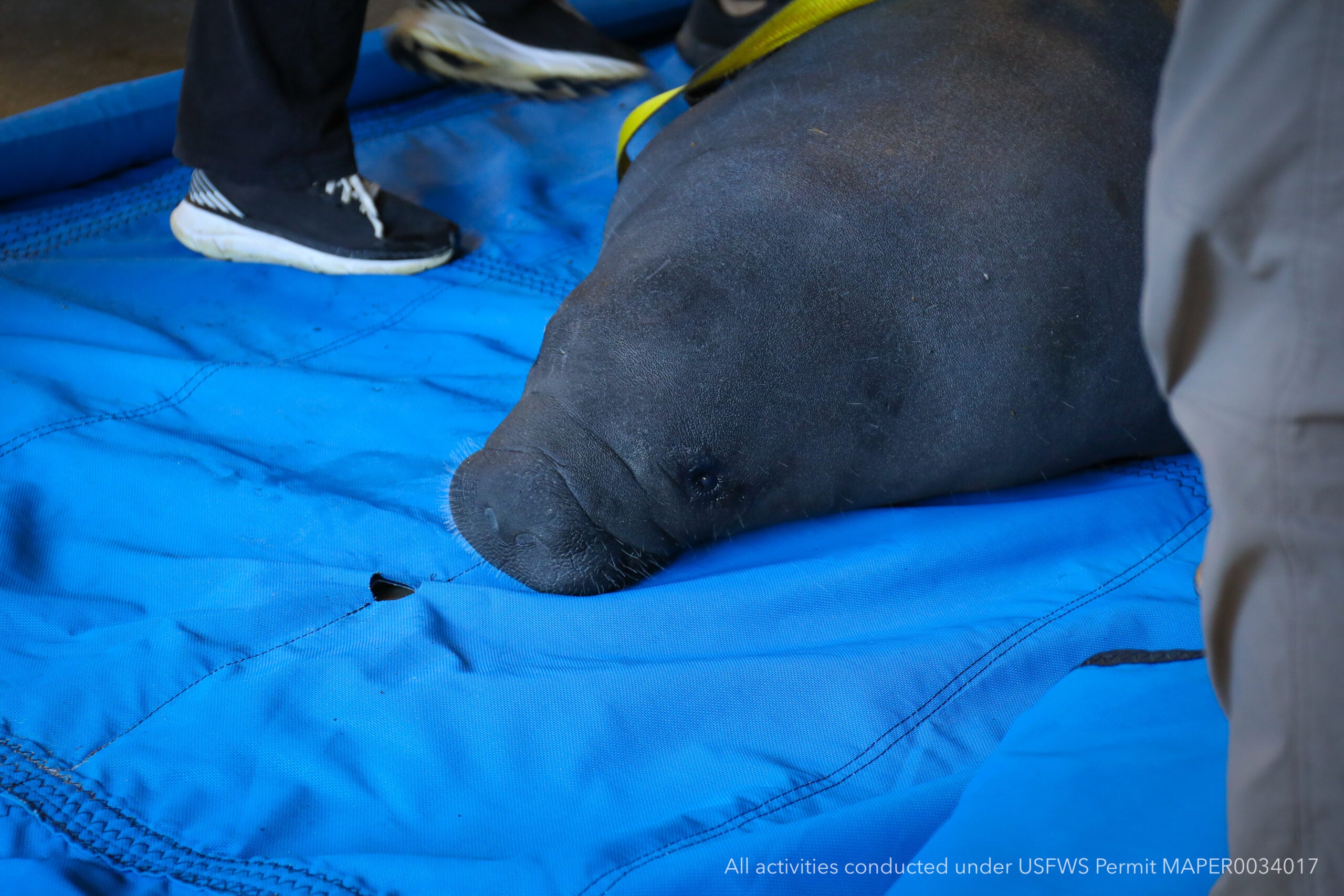
Their journey began when the Zoo Tampa team rescued these young, stranded manatees after being found stranded, cold-stunned, and emaciated. They provided initial health assessments and care for several weeks. However, due to their fragile state, it was deemed necessary for the manatees to gain additional weight and vitality before being released back into their natural habitat.
As part of the Manatee Rescue & Rehabilitation Partnership, Georgia Aquarium staff stepped in to help provide a haven for these marine mammals while nurturing them back to health at our off-site facility.
See their journey from Zoo Tampa to Georgia Aquarium:
Turning a new (lettuce) leaf:
Under the watchful eye of Georgia Aquarium staff, the manatees underwent an attentive rehabilitation process to ensure they were ready to return to the ocean. Over the past several months, the dedicated care and attention of the Aquarium team paid off. The manatees gained substantial weight and strength.
Before being officially approved for release, the manatees underwent thorough health assessments to ensure they were in peak condition. These assessments, combined with the unwavering care from the Zoo Tampa and Georgia Aquarium teams, ensure that these manatees have the best possible chance for survival.
Check in with our manatees before their release:
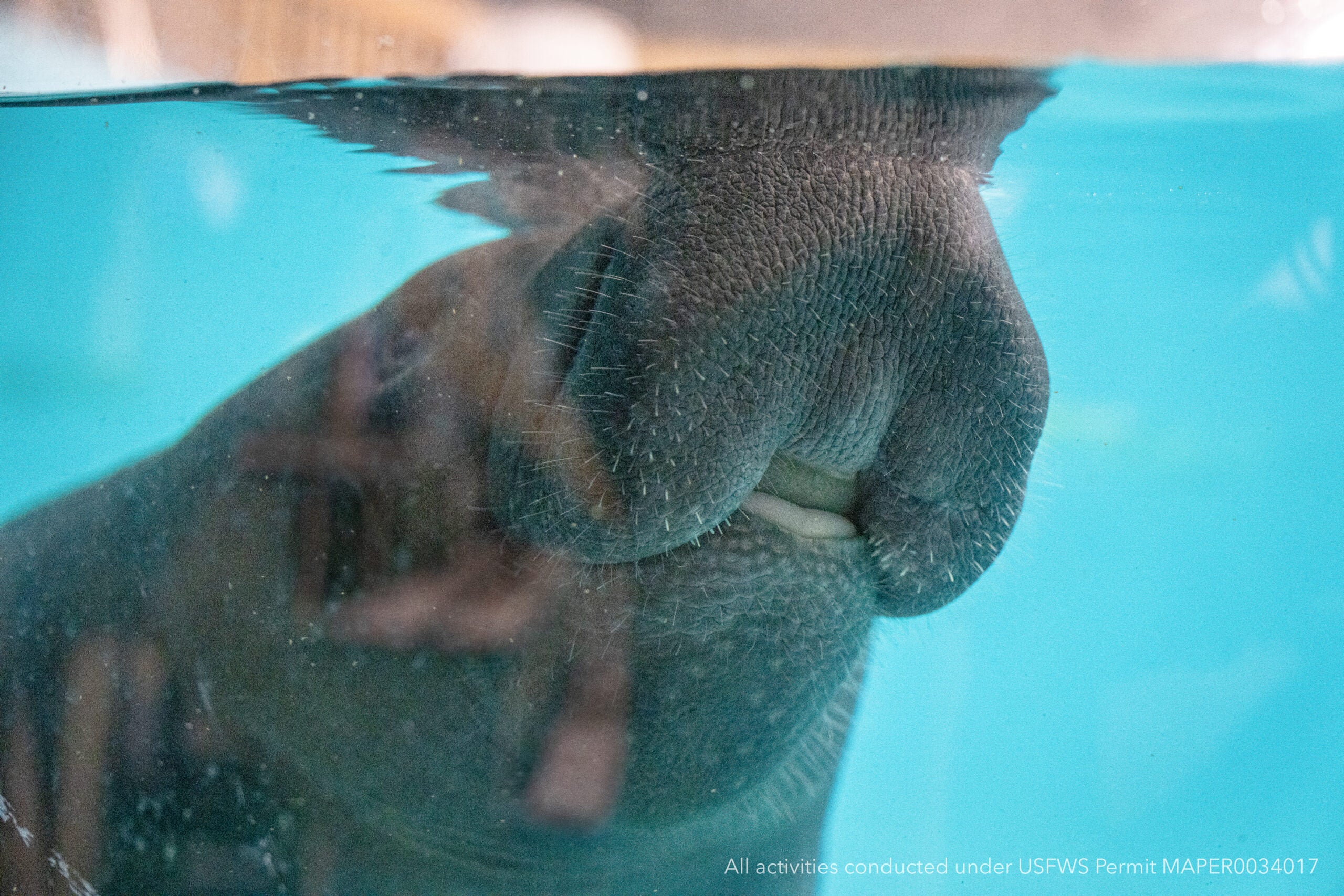
A manatee-tale ending:
The time has finally come!
Reuniting with the team at Zoo Tampa, this story comes full circle. On January 30, the Georgia Aquarium team traveled to the coast of Tampa, FL. Joining Zoo Tampa staff and other partners in releasing these two manatees back into their home waters.
The successful rehabilitation and release of these two manatees symbolizes a beacon of hope for the ongoing efforts to protect and preserve marine life. Its also a reminder of the impact that collaborative initiatives and compassionate care can have on the lives of these and other species, contributing to a healthier and more vibrant marine ecosystem.
Take a look at their heartwarming release (get the tissues ready):
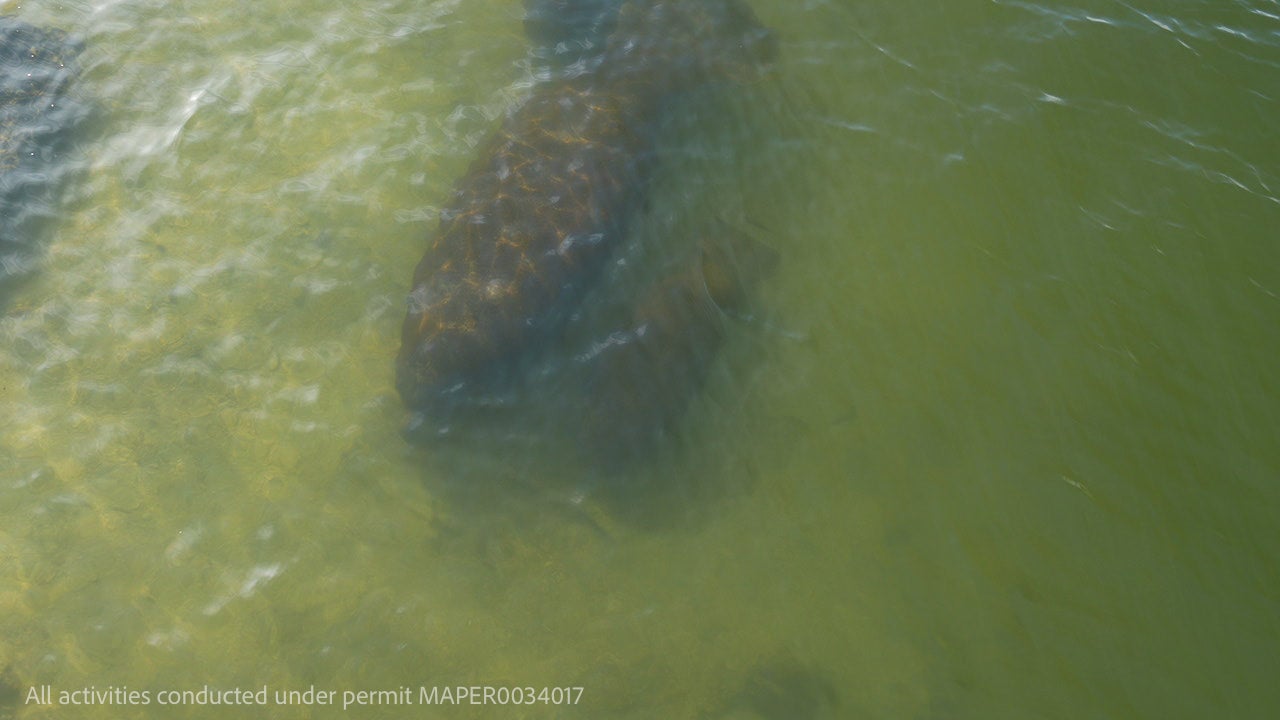
This story is not only a testament to the successful collaboration between two renowned institutions, but also a celebration of the Manatee Rescue & Rehabilitation Partnership’s mission to provide a safe haven for manatees in need. Georgia Aquarium takes pride in being a valuable member of this partnership, contributing to the conservation and well-being of these incredible marine mammals.
Georgia Aquarium Partners with Southern Conservation Trust on Box Turtle Nesting Research
A collaborative conservation effort between Georgia Aquarium staff and the Southern Conservation Trust resulted in a record box turtle nesting season at The Ridge Nature Preserve.
This extraordinary partnership set out to protect the delicate box turtle nests within The Ridge Nature Preserve and gather data to better understand the substantial box turtle population in the area. The results have been nothing short of spectacular. With a total of 23 box turtle nests safeguarded throughout the nesting season. The success of this collaboration demonstrates the power of teamwork and a shared commitment to preserving this remarkable species.
The highlight of this year’s endeavor is the remarkable success in hatching. More than 40 hatchlings have resulted from this collaborative effort, marking a significant increase in the box turtle population within the region. Nesting season for box turtles generally starts in the spring and concludes with hatching in the fall. Last year, 12 nests were protected in The Ridge Nature Area, with nine hatchlings. The dense population of box turtles in one area is significant. The data collected from this population will provide insight into the local environment’s health and aid researchers in determining practices to help conserve this species in other areas.
Box turtles benefit greatly from protected areas – which maintain natural habitats and protect them from predators, visitors, and vehicles. However, habitat loss, traffic incidents, and collection for the pet trade are all factors that can contribute to species decline. Georgia prohibits Eastern Box Turtles from being taken as pets because they are considered vulnerable on the IUCN red list.
If you come across a box turtle, do not disturb them unless removing them from the road. Box turtles have a homing instinct which gives them the ability to navigate to a “home base” despite being in an unfamiliar area. Box Turtles will wander continuously until they reach their home base if they become separated from it.
The partners hope to continue this success in the coming years. The success of the 2023 box turtle nesting season is not only a testament to the hard work and dedication of the individuals involved but also a celebration of the vibrant and diverse ecosystem that The Ridge Nature Area sustains.
For more information on this exciting project, view our video.