
Georgia Aquarium Receives Recertification from American Humane Society

Georgia Aquarium was one of the first zoological facilities to be Humane Certified and has reached nearly 10 years of certification

American Humane Society, the United States’ first national humane organization and the world’s largest certifier of animal welfare practices, announced today that Georgia Aquarium has earned recertification through the American Humane Certified Zoos and Aquariums program.

American Humane Society is the United States’ first national humane organization and the world’s largest certifier of animal welfare practices. Georgia Aquarium has continuously maintained its certification since first becoming Humane Certified™ in 2016.

“We are proud to continue recognizing Georgia Aquarium as a Humane Certified facility,” said Dr. Robin Ganzert, President and CEO of American Humane Society. “Zoos, aquariums, and conservation parks around the world play an important role in the animal welfare movement, and this recertification further signifies Georgia Aquarium as a leader in aquatic care and conservation.”

Rigorous Certification Standards:

To be recognized as Humane Certified, Georgia Aquarium passed a rigorous independent assessment that reviewed the wellbeing of animals in their care and demonstrated overall excellence in their animal care and welfare practices. The unique process is guided by the latest science and best practices and is informed by respected veterinarians and experts in the fields of animal welfare, animal science, zoology, and ethics who have decades of experience in protecting animals.

The independent validation process—which goes above and beyond to help protect animals—provides visitors with confidence that the institution is meeting a high benchmark of care. The process includes submission of a pre-audit application, followed by an onsite audit that assesses animal welfare. Factors considered during the audit include, but are not limited to, housing, nutrition, water, lighting, shade, sound, activity levels, and the training of staff who are interacting with the animals. The benchmarks are species specific.

“Receiving our recertification as Humane Certified by American Humane Society is a testament to our commitment to the care and wellbeing of all our animals,” said Travis Burke, President and CEO of Georgia Aquarium. “It also recognizes the hard work and dedication that goes into training, veterinary care, nutrition, habitat support, and overall animal care to ensure these standards are constantly upheld.”
The American Humane Certified™ program is the first certification effort solely dedicated to helping verify the welfare and humane treatment of animals living in zoos, aquariums and conservation centers across the globe. The program enforces rigorous, science-based, and comprehensive criteria for animal welfare that are reviewed by an independent Scientific Advisory Committee comprised of world-renowned leaders in the fields of animal science, animal behavior and animal ethics. The audit helps to verify good practices at deserving zoos and aquariums and offers increased assurance to visitors that the institution they are visiting is worthy of their support.
In a Warming Arctic, Walruses Face a New Toxin Risk

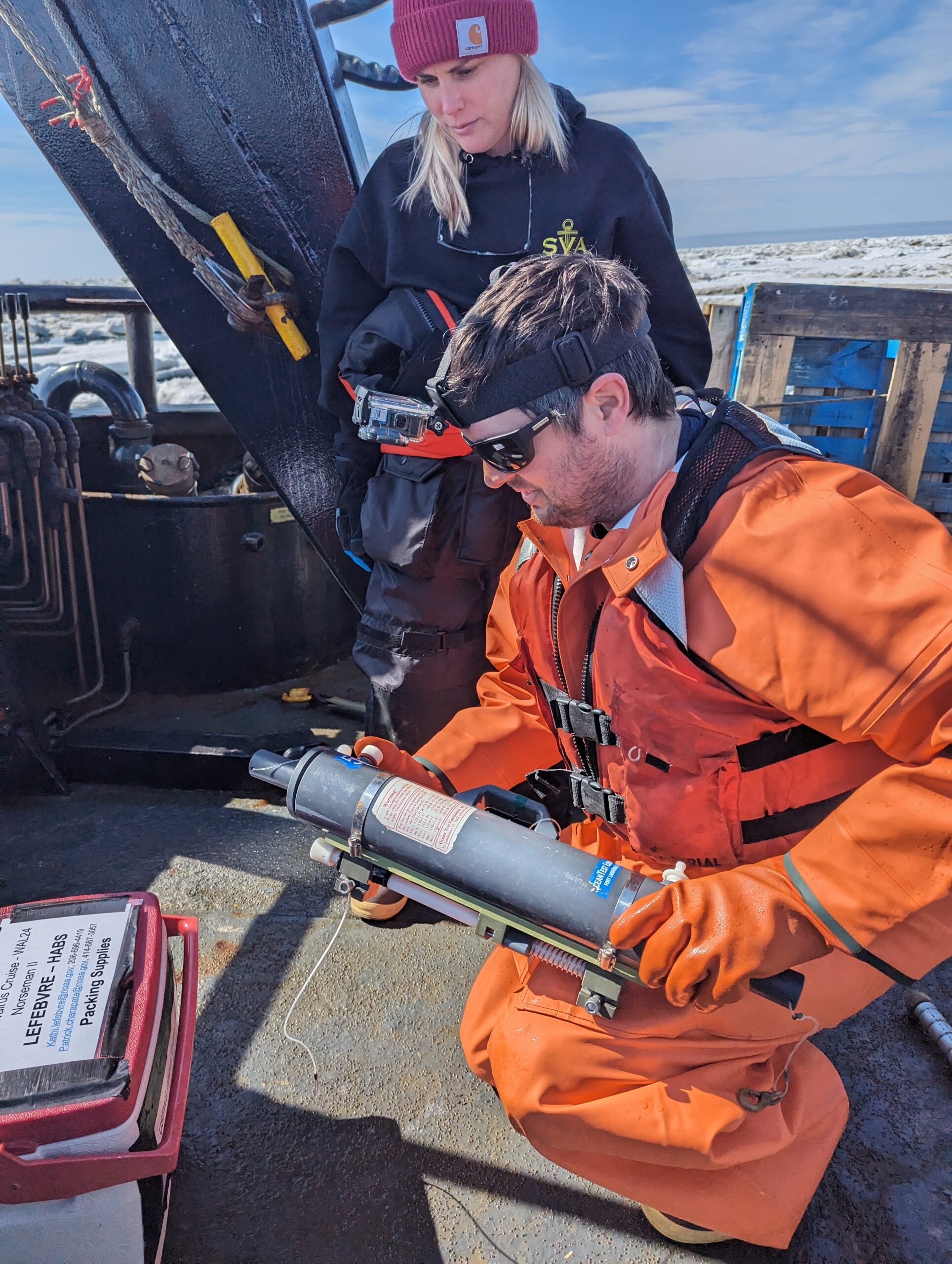
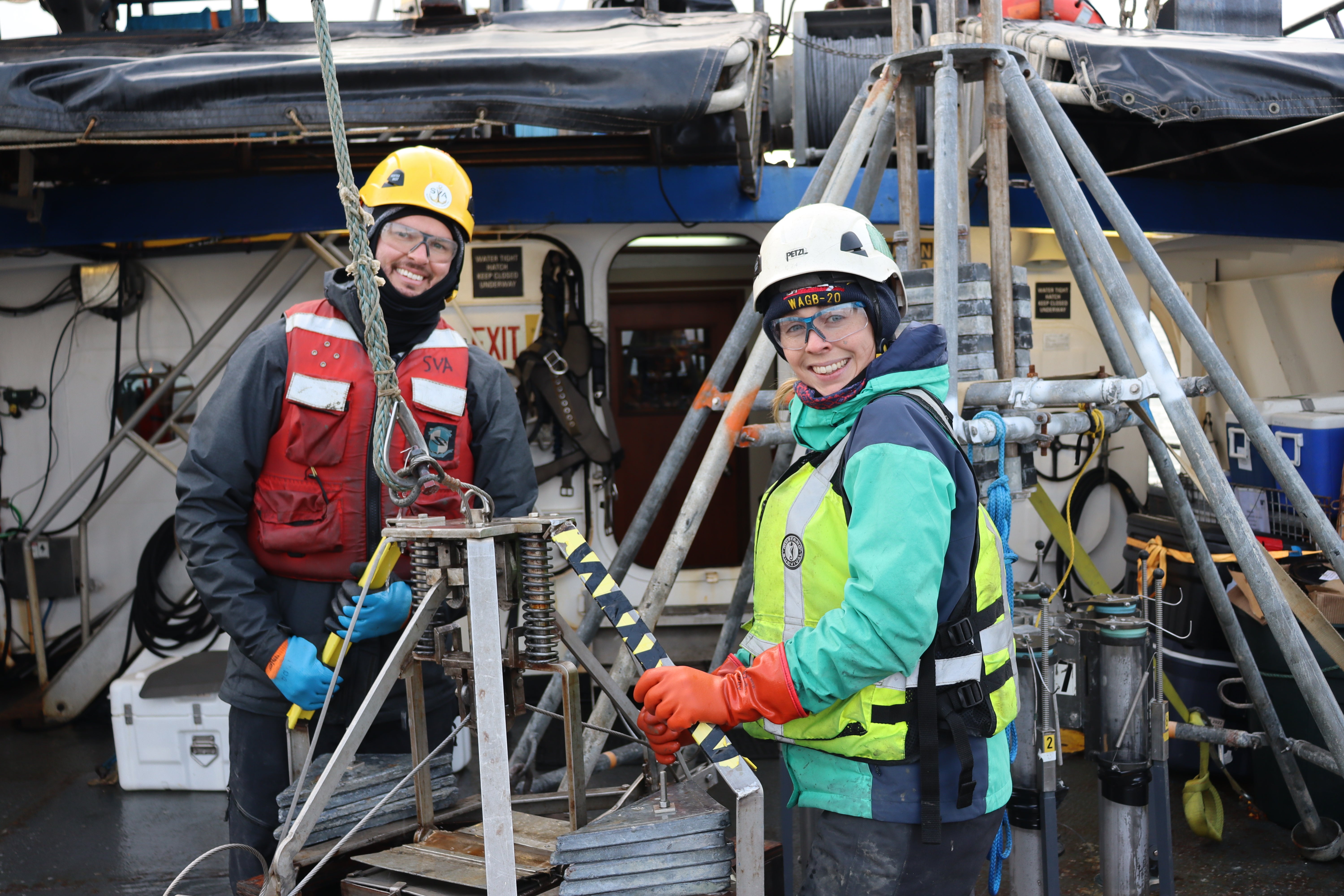
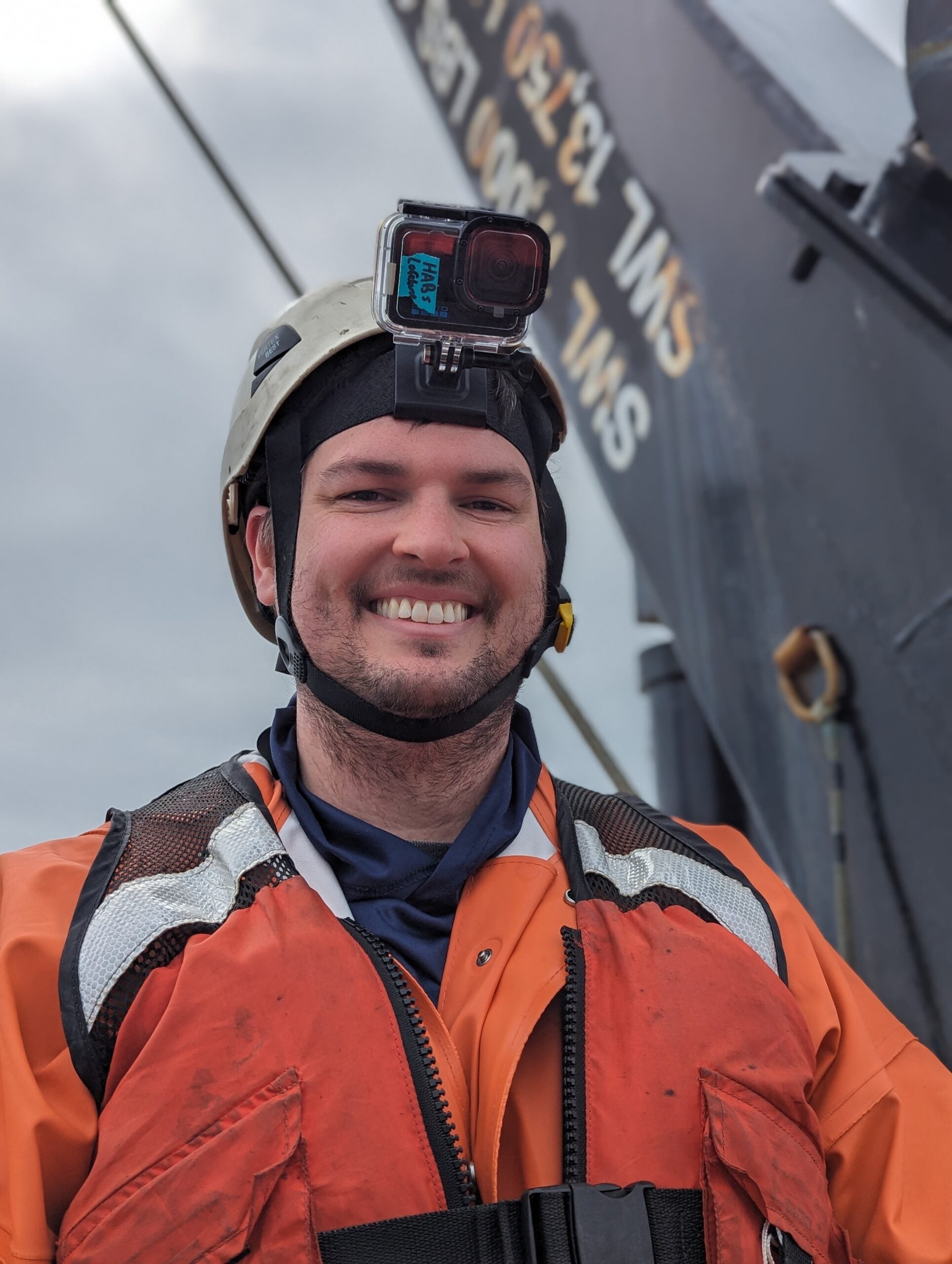
Dr. Patrick Charapata, a research scientist at Georgia Aquarium, led a study that was just published in the journal Harmful Algae investigating the implications of harmful algal blooms in the Arctic, and what that means for the health of walrus who consume the nerve toxins while eating shellfish. This wasn’t an issue of concern decades ago, but as waters warm and harmful algae move into Arctic waters, researchers are working to uncover what this means for the health of wildlife, and also the food system that Indigenous people depend upon.

In a Warming Arctic, Walruses Face a New Toxin Risk 1

Why Ocean Warming Matters for Walruses

As Arctic waters warm, harmful algal blooms are appearing more often and in new places. Some algae—such as Alexandrium catenella—produce paralytic shellfish toxins (PSTs), a powerful nerve toxin. Think of the toxin’s path like a relay: tiny algae make it, clams and worms on the seafloor eat the algae and can hold onto it, and when walruses eat those invertebrates, they may take in the toxin along with their meal. Dr. Charapata spent three years building an easy-to-use way to estimate how much toxin could reach walruses during a bloom and where exposure might be higher depending on where walruses eat/forage.

How the Study Worked and What it Revealed

Using data from two confirmed Arctic bloom years (2019 and 2022), researchers modeled a typical day of feeding for a walrus. This approach produced estimates of daily toxin ingestion and mapped places and times where exposure was likely to be elevated.

Results indicate that during bloom periods, walruses are likely to ingest enough toxin to potentially affect their health. One important caveat remains: the exact dose that harms walruses has not yet been established, so these findings characterize exposure rather than a confirmed health threshold.

“These models give us our clearest picture yet of how a microscopic algae can become a potential macro-level health threat for walruses,” said Dr. Charapata. “They help us identify where risks may spike as Arctic conditions shift and where monitoring can protect both wildlife and the food-security and food-safety of people.”

For People and Communities: What Comes Next

This work reflects a One Health perspective, where animal, human, and environmental health are connected. The same modeling framework can help assess toxin risks for marine subsistence foods important to Native Alaskan communities and can support more informed decisions during future blooms.

Researchers plan to refine estimates as new toxicity data become available, especially walrus-specific thresholds, and to apply the approach to additional bloom scenarios so partners can use it for planning and early warning.

Georgia Aquarium partners with ReBokeh to provide free assistive tech for visitors and staff

Partnership will empower low vision visitors to explore the largest aquarium in the Western Hemisphere using their own eyesight.


Georgia Aquarium is launching an accessibility partnership with Baltimore-based ReBokeh Vision Technologies to offer free access to ReBokeh’s empowerment-driven assistive technology software for people with low vision. The partnership provides all Aquarium guests and staff with free, automatic, and unlimited access to ReBokeh, a mobile-app based assistive tech software which helps people with low vision to adjust the appearance of the world around them in order to fit their specific needs. The partnership makes Georgia Aquarium the first aquarium in the US to offer ReBokeh’s sole-source technology.

Home to more than five hundred species and thousands of animals, Georgia Aquarium is the largest aquarium in the Western Hemisphere, having hosted more than 42 million guests since opening its doors in 2005. This partnership will expand the Aquarium’s offerings even further, empowering the 90% of low vision individuals who retain functional vision to experience the wide range of animals and exhibits using their own vision, rather than defaulting to tactile or audio descriptions. This empowerment-driven approach creates a more accessible and enjoyable experience for visitors, since many low vision individuals struggle to capture information through sight-replacing options, like audio or tactile only options. It also provides visitors of any visual ability the option to customize their viewing experience in unique and creative ways.

“Our key mission is to unlock the ocean for all; that includes providing features and opportunities like ReBokeh’s technology for guests so they can experience our larger-than-life animals and the wonder they invoke. This partnership with ReBokeh is integral to our continued commitment to accessibility for all,” said Sam Herman, Director of Guest Programs at Georgia Aquarium. 

ReBokeh’s technology works by allowing users to leverage the live camera feed from their mobile devices with overlayed, customized filters that adjust aspects like contrast, color hue, zoom, and lighting to meet the needs of low vision users. ReBokeh AI, a new feature, also offers the opportunity for lengthened interactions with ReBokeh’s custom-built AI tool. Users can ask ReBokeh AI personalized questions about what’s around them and what they’re seeing. ReBokeh AI also works in multiple languages and will default to whichever language is selected in the user’s general mobile device settings, allowing ReBokeh AI to work as a translation tool for signage, information, and visual surroundings.

By leveraging ReBokeh at the Aquarium, visitors can improve their experience in terms of enjoyment and  accessibility; low vision individuals can use the software to see the animals in each exhibit more clearly, or to read navigational signs, information plaques, cafe menus, and much more

“A day at the Aquarium is an opportunity to see the magic of our oceans and the incredible variety of wildlife that call the sea home,” said Rebecca Rosenberg, the low vision founder of ReBokeh. “Being able to see and interact with each exhibit using your own eyesight can be an incredibly powerful experience for people with low vision. We couldn’t be more excited to partner with Georgia Aquarium to make them the first aquarium on the planet to create these new and immersive experiences for the low vision community.”

ReBokeh is extending this partnership opportunity to other museums, zoos, and public spaces in an effort to make low vision accessibility the rule rather than the exception. Organizations who are interested in partnering with ReBokeh can contact the team at partnerships@rebokeh.com.

20 Years of Wonder: Georgia Aquarium’s Global Impact on Whale Shark Conservation and Discovery

When Georgia Aquarium opened its doors in 2005, it introduced the United States to an awe-inspiring marvel of the natural world: the whale shark. At the time, this gentle giant — the largest fish in the sea — was one of the least understood species in marine biology. Fast-forward 20 years, and whale sharks are now beloved ocean ambassadors, captivating millions of guests and inspiring a generation of conservationists, researchers and advocates.

As we approach a milestone anniversary, we’re not just reflecting on two decades of pioneering research and extraordinary scientific partnerships but also celebrating our unwavering dedication to protecting an endangered species that still holds many mysteries.

A First in the World—and Still the Only One in the U.S.

Georgia Aquarium made history as the first aquarium outside of Asia to care for whale sharks and remains the only place in the United States where people can see these incredible fish up close. From that moment, public awareness and fascination with whale sharks skyrocketed, helping to shift the species from obscure to iconic.

But Georgia Aquarium’s role extends far beyond public engagement. It is a leader in conservation science that has helped shape what the world knows about whale sharks today.

From Curiosity to Conservation Science

In the early 2000s, whale sharks were largely a mystery. Although they were known to be the world’s largest fish, very little was understood about their biology, behavior, or even how many existed in the ocean. Since then, Georgia Aquarium has led and contributed to some of the world’s most important whale shark research.

Among the most significant achievements was the creation of the first-ever complete shark genome, accomplished through a groundbreaking collaboration with Georgia Institute of Technology and Emory University. This achievement was built on earlier work by Georgia Aquarium’s veterinary and animal health teams, who developed safe and sophisticated techniques for collecting and analyzing blood and tissue samples from whale sharks in their care—methods that are now also used to assess the health of wild populations.

These health assessments provide a critical window into whale shark biology, revealing insights into nutrition, pollutant exposure, immune function and overall well-being. Today, this knowledge informs care standards for whale sharks and strengthens conservation strategies for wild populations.

Tracking Giants Across the Globe

Understanding where whale sharks go and why has been a focus of Georgia Aquarium’s conservation efforts. Working with international partners, the Aquarium has deployed satellite tags to track whale shark movements in far-reaching locations including St. Helena, Mexico, the Galápagos, Indonesia, Australia, Taiwan and Oman. These efforts have provided a clearer picture of the species’ migratory patterns and ecological needs, revealing how these sharks travel vast distances and depend on multiple international waters to survive.

One of the most pressing conservation concerns uncovered through this research is the risk of ship strikes. In 2024, Georgia Aquarium co-authored a pivotal study that mapped whale shark aggregation sites against global shipping lanes, identifying high-risk areas where deadly collisions are most likely. This work offers critical data to policymakers and marine traffic planners working to reduce threats to whale sharks in vulnerable regions.

Discoveries Still to Come

Over the past two decades, researchers have identified up to 30 major aggregation sites (places where whale sharks gather seasonally to feed). These discoveries have vastly improved our ability to study the species in the wild. Yet, challenges remain: most sharks observed at these sites are juvenile males. Adult females remain elusive, and no one knows exactly where they give birth.

Earlier this year, Georgia Aquarium researchers contributed to the discovery of a new aggregation site in the Coral Sea. This exciting development expands the map of where these animals travel and congregate. Every new discovery brings us one step closer to unlocking the full life history of the whale shark and, ultimately, how to protect it.

Inspiring the Next Generation

Beyond the research labs and fieldwork expeditions, Georgia Aquarium’s impact can be seen in the faces of the millions of guests who have stood in awe before a whale shark for the first time. Public curiosity has evolved into care—and care into action. Through hands-on learning, immersive exhibits, educational programming, and advocacy, the Aquarium is shaping tomorrow’s conservation leaders.

As we approach 20 years of leadership in whale shark conservation, Georgia Aquarium remains as committed as ever to exploring the unknown, advocating for solutions, and inspiring people everywhere to care for the ocean’s largest fish. There is still so much to learn—and so much to protect. Here’s to the next 20 years of discovery, innovation, and stewardship.

Uncovering a Hidden Threat in Arctic Waters

Meet Dr. Patrick Charapata: Georgia Aquarium’s Scientist Tracking Marine Toxins in a Warming Arctic

The impacts of climate change on the Arctic go beyond the loss of sea ice. This week, a newly published study in the prestigious scientific journal Nature reveals a disturbing link between warming Arctic waters and rising levels of toxic algal blooms, following a nearly 20-year study of bowhead whales. This study is one of many recent studies that Georgia Aquarium has contributed to, digging into the emerging threat of toxic algae on Arctic wildlife and food systems that Indigenous communities depend upon.


Georgia Aquarium’s newest research scientist, Dr. Patrick Charapata, is part of a broader scientific effort working to understand how warming waters are allowing toxic algae to spread into the Arctic—regions once thought too cold to support them. These changes introduce harmful toxins into fragile ecosystems, sickening marine life and posing new risks for people who rely on healthy oceans for survival.


Dr. Charapata joined Georgia Aquarium in late 2024, bringing years of experience working with the National Oceanic and Atmospheric Administration and has a specialty in marine toxin research. His work spans polar region species like leopard seals, northern fur seals, walrus, whales, and clams – organisms at the center of fragile food webs that are now being disrupted by warming waters and toxic algae.

Algal Blooms Are Moving North

In Southern waters, algal bloom threats are intensifying, and researchers are now seeing more evidence that harmful algal blooms are pushing into the Arctic. These blooms can release potent toxins like saxitoxin and domoic acid, accumulating in fish, clams, and other species. The impacts are increasingly hard to ignore as these toxins work their way up the food chain—affecting everything from plankton to whales, as demonstrated in the recent bowhead whale study.

Another new study co-authored by Dr. Charapata documents a large-scale mortality event involving northern fur seals on St. Paul Island, Alaska. Dozens of seals were found dead alongside fish on the shoreline. Tests confirmed high levels of saxitoxin in seal tissues and in nearly all local fish, clams, and zooplankton—a clear link to an algal bloom driven by shifting ocean conditions.

“The Arctic is changing fast,” says Dr. Charapata. “And toxic algae are moving into waters where they’ve rarely been seen. That creates new risks for animals and for the people who rely on them.”

Understanding Toxins in the Food Web

In a related study published earlier this year, Dr. Charapata examined how paralytic shellfish toxins are affecting Arctic clams, an essential food source for walrus, seabirds, and humans. Using two different detection methods, he and co-authors found that more than half of the sampled clams had toxin levels above what’s considered safe for consumption. These findings provide new and important information that will inform monitoring systems for the Arctic food web to protect marine life and people.

This study lays the groundwork for future research already underway, including a follow-up study focusing on toxic accumulation in walruses.

Beyond animal health, these studies have clear implications for people. Many Indigenous communities in Alaska depend on subsistence hunting and fishing. As marine toxins become more common, food security and public health are increasingly at risk.

Georgia Aquarium’s Role & Looking Ahead

Georgia Aquarium is committed to advancing marine science and conservation, especially in under-researched areas like the Arctic. Dr. Charapata’s work strengthens that mission, adding expertise in a field that’s gaining global attention.

Together with new insights emerging from other research teams—including those behind the recent bowhead whale findings—his work helps paint a clearer picture of how climate-driven ocean changes are impacting marine ecosystems from the bottom of the food chain to the top.

Survey: World of Coca-Cola & Georgia Aquarium Combo Tickets

We want to hear from you!

You recently purchased combo tickets to Georgia Aquarium and World of Coca-Cola. As you answer the questions below, please think specifically about your experience with the combo ticket promotion.