Georgia Aquarium Formalizes International Partnerships to Promote Marine Conservation

Georgia Aquarium, the largest aquarium in the Western Hemisphere, recently formalized conservation partnerships with two of Japan’s preeminent aquariums. The three aquariums share a unique distinction: their care for endangered whale sharks and manta rays. It’s a unique privilege and responsibility that few zoological organizations in the world share.

Georgia Aquarium is partnering with Okinawa Churashima Research Foundation, including its Okinawa Churaumi Aquarium and Osaka Kaiyukan Aquarium, to collaborate on marine conservation strategies, share learnings, and exchange expertise. The partnership between the organizations will focus on endangered species, including whale sharks, manta rays, and coral reefs.

“We are proud to formalize our partnership in a joint quest to protect marine biodiversity,” said Brian Davis, Ph.D., president and CEO of Georgia Aquarium. “Together, we can leverage our combined expertise and resources to foster groundbreaking research and conservation initiatives that promise a brighter future for marine ecosystems worldwide.”

The agreement fosters long-term cooperation in research, conservation, animal care, and staff development. It includes commitments for joint research programs, data sharing, staff exchanges, and public education initiatives. With an initial term of 10 years and options for renewal, the partnership is intended to make a lasting impact on the health and well-being of marine environments.

Representatives from Osaka Aquarium Kaiyukan also visited Georgia Aquarium to get a first-hand look at operations here. “The exchange of staff and expertise between our two aquariums will foster innovation and new approaches to protecting marine life,” Davis added. “Our collaboration also promises to amplify our public education efforts, raising awareness about the critical need for marine conservation and inspiring action within our communities.”

From Chill to Thrill

Helping Rescue and Rehabilitate Cold-Stunned Sea Turtles

Over the past several years, hundreds of sea turtles have been found stranded off the North East coastline in the winter months. Without the intervention of rescue facilities, these animals would perish.cold-stunned sea turtles
What is happening to sea turtles?

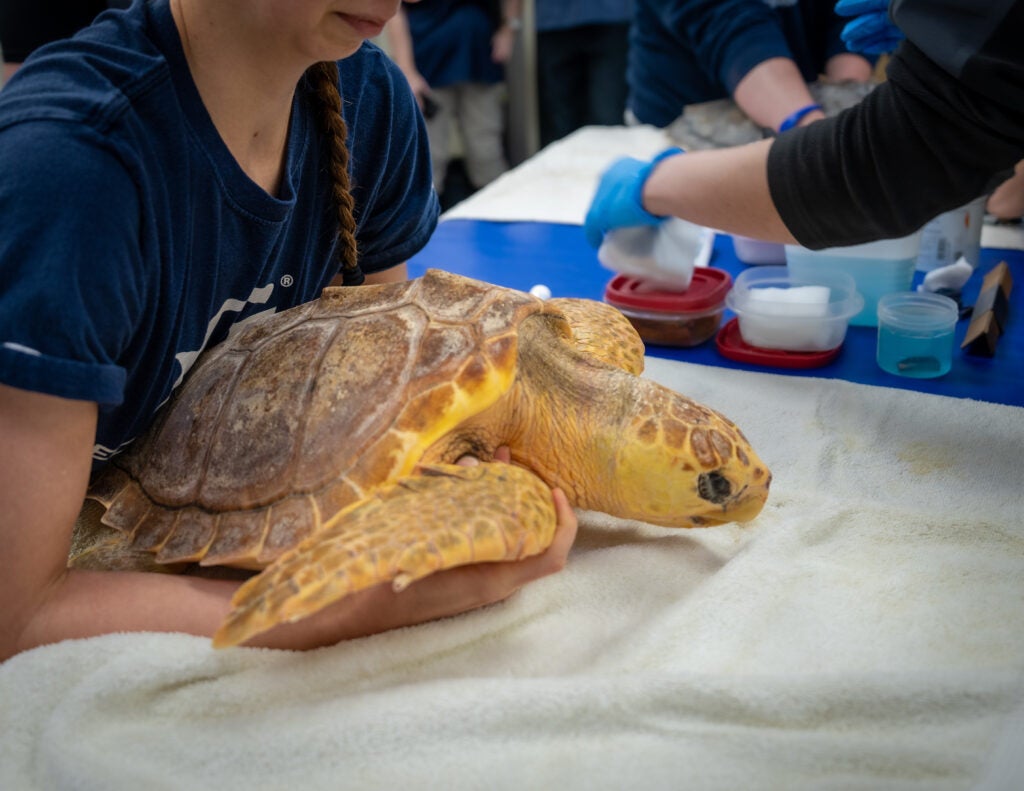
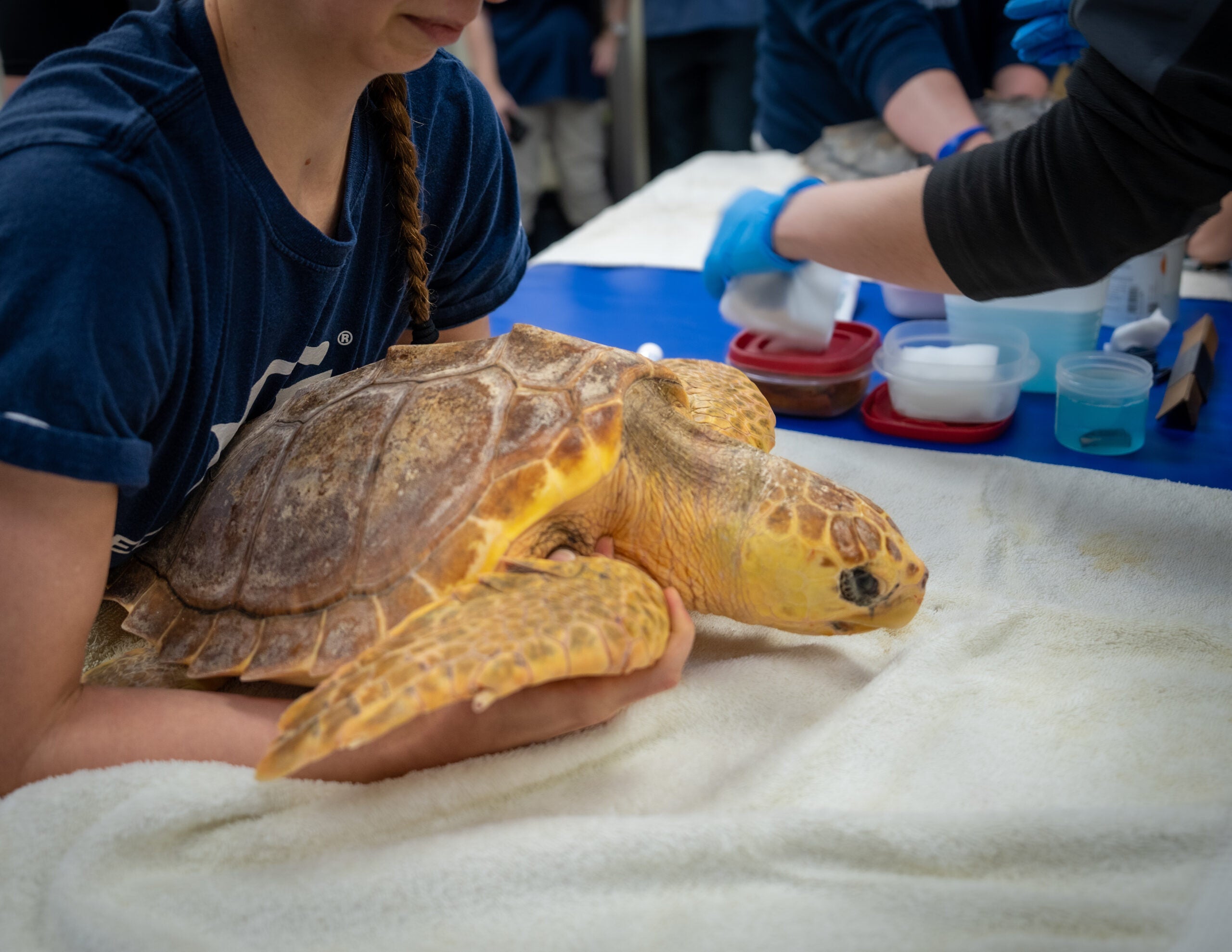
Each year, sea turtles instinctively migrate south for the winter. But recently, more and more turtles become stuck along the coast of Cape Cod, unable to make it to the safety of warmer waters. As their body temperatures drop, the turtles become weak and inactive – a condition known as “cold-stunning.” Without intervention, these animals could die.

According to data from Mass Audubon, the number of cold-stunned sea turtles in the Northeast has increased dramatically over the past ten years, and it’s not expected to slow any time soon. Experts predict that by 2031, more than 2,300 sea turtles may experience cold stunning annually on Cape Cod.

Over 200 sea turtles were brought to the Sea Turtle Hospital at the New England Aquarium for triage this past year. Turtles suffering from cold-stunning must be treated and cared for, typically for several weeks, until they can be released back into the ocean. With so many turtles needing care, several animals are relocated to secondary rehabilitation facilities around the East Coast, like Georgia Aquarium.

  • The National Oceanic and Atmospheric Administration (NOAA) serves as the command center and arranges transportation and facilities for these turtles. 
  • Turtles Fly Too aids in coordinating transport needs by connecting private pilots and their planes with facilities around the country.

In the United States, there are 15 sea turtle rehabilitation facilities, including the Georgia Sea Turtle Center, which aid in rescuing and rehabilitating these sea turtles. In addition, several partner facilities care for cold stun patients during the winter months. Georgia Aquarium, the Georgia Sea Turtle Center, and other organizations all play a crucial part in this larger effort each year.
sea turtles release

About the Georgia Sea Turtle Center

The mission of the Georgia Sea Turtle Center is education, research, and rehabilitation of sick and injured animals. Since 2007, the Georgia Sea Turtle Center has helped over 3,000 sick, stranded, or injured turtles. The Georgia Sea Turtle Center and Georgia Aquarium have been partners since 2016; after the evacuation of Hurricane Mathew, staff and animals from the Center took shelter at the Aquarium to ride out the storm. Since then, the Aquarium and Georgia Sea Turtle Center have worked together to provide longer-term care for cold-stunned sea turtles and eventual release back into the ocean. 


What goes into the rehabilitation of these turtles? 

The rehabilitation process is determined case-by-case and may look different for each turtle. 

  • Cold-stunned patients go through a prolonged rewarming process. 
  • If their temperature is raised too quickly, it can cause stress or shock. 
  • Patients also receive supportive care that could include blood work, radiographs, diagnostics, and wound management (if present)
  • Once their temperatures are regulated and they regain enough strength, veterinary staff clear the turtles for release.

The recovery timeline and eventual release depend on the turtle’s health and response to care. While release is always the goal, it is not guaranteed. Depending on their injury, some patients require routine care or physical therapy to maintain their health. Some of these animals are transferred to a long-term care facility and serve as educational animals. 
From Chill to Thrill 1

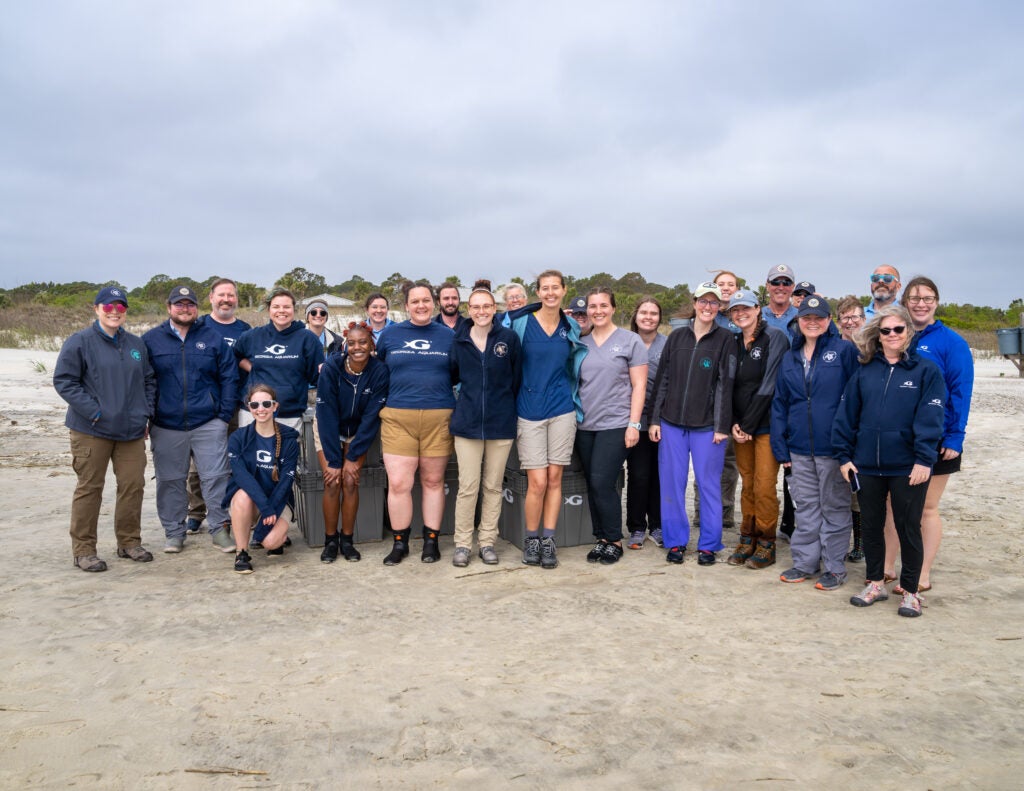
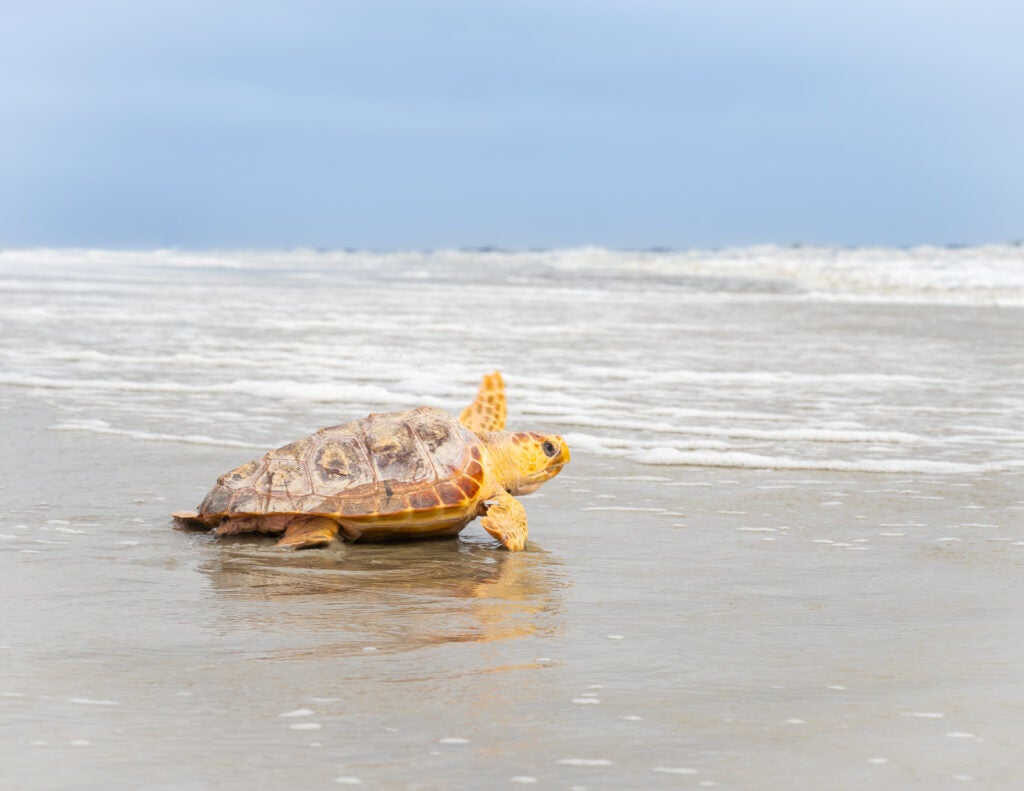
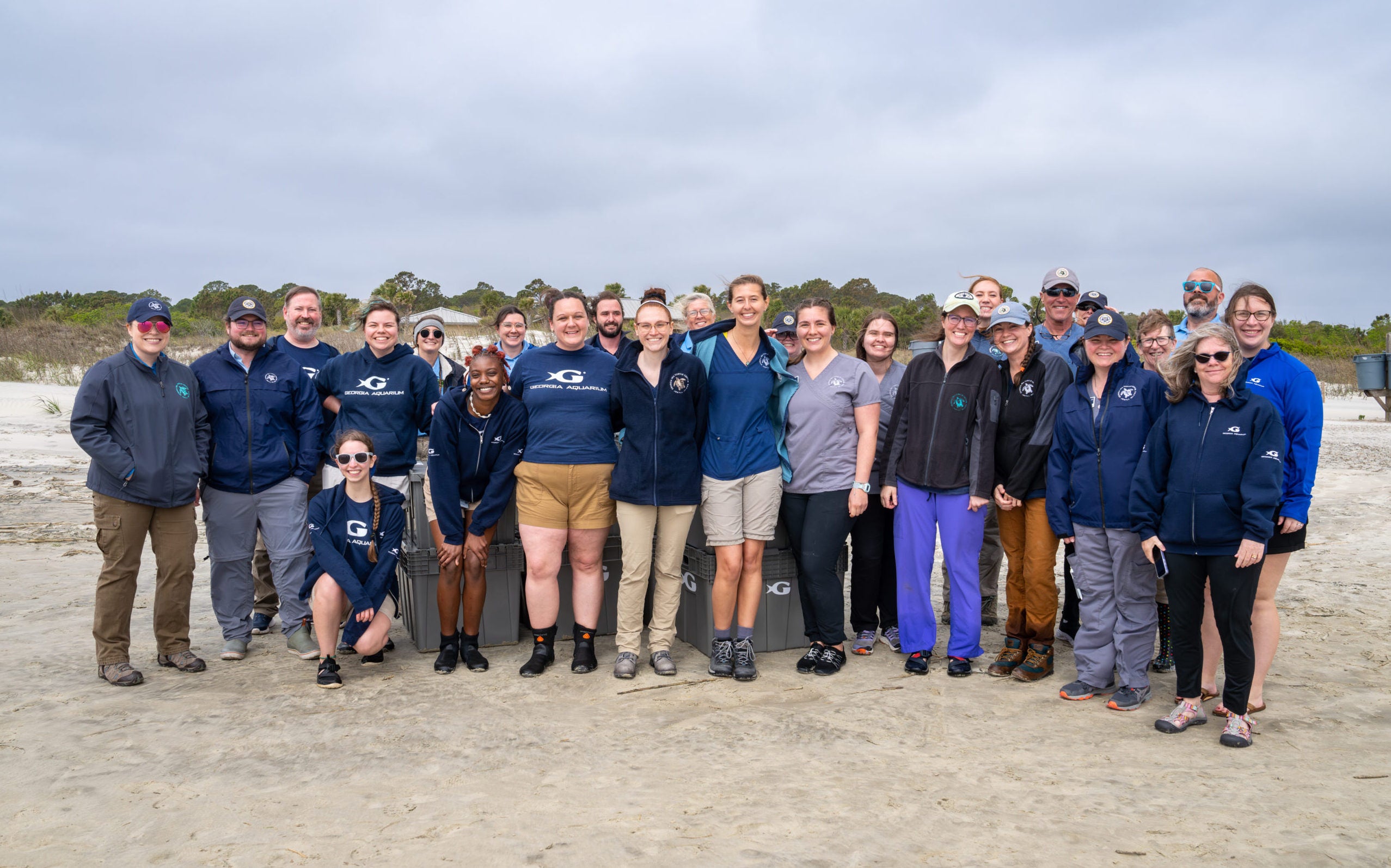
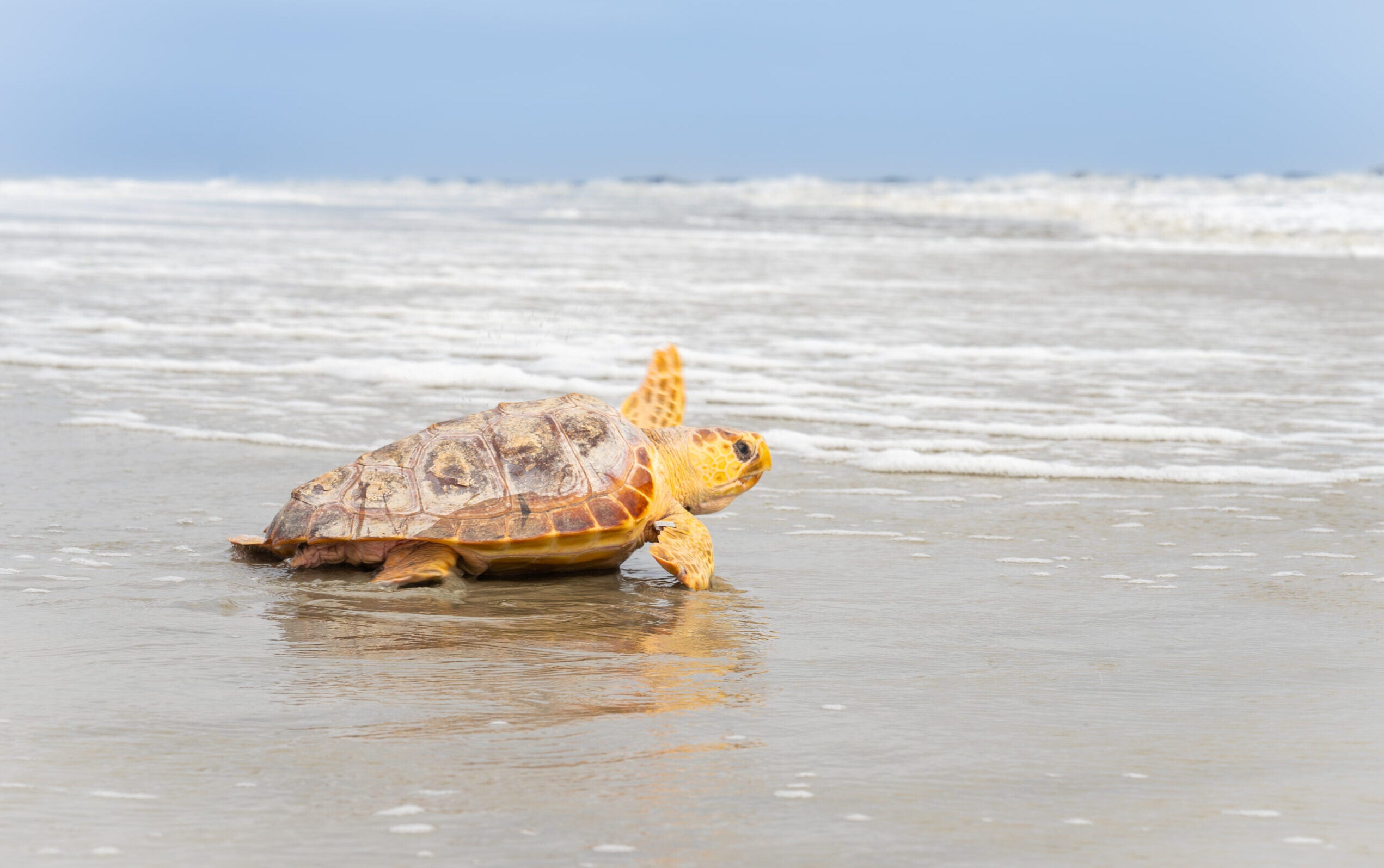
In March 2024, Georgia Aquarium and the Georgia Sea Turtle Center successfully released eight sea turtles back into the ocean. After being cared for by Georgia Aquarium staff at their off-site facility, all eight turtles made a full recovery and were cleared for release. With the help of Georgia Sea Turtle Center staff, these turtles were transported to Jekyll Island, GA, and released into the warmer waters. 


Why is this mission important? 

Several sea turtle species rescued during these efforts, including loggerhead and Kemp’s ridley, are endangered. These species play an essential role in our ocean’s ecosystem. Efforts to rescue, rehabilitate, and release these stranded turtles are vital for their continued conservation. By studying cold-stunned turtles, researchers can gather valuable data on behavior, physiology, and responses to cold temperatures. Working through partnerships benefits all as it improves rehabilitation efforts and fosters medical innovations. Through education, research, and rehabilitation, we can engage with our communities and inspire conservation efforts that span the globe. 


How can you help? 

Fortunately, the U.S. has a well-established network of government agencies, organizations, and volunteers that collaborate during cold-stunning events. This network actively plans for cold-stunning events. With alert systems to help organize and deploy people to look for and assist stranded turtles.

Help efforts to save these endangered sea turtles year-round: 

  • Reduce, Reuse, and Recycle.
  • Participate in beach cleanups.
  • Visit the Georgia Sea Turtle Center or Georgia Aquarium and learn more about research and conservation efforts.
  • Become an adoptive turtle parent at the Georgia Sea Turtle Center. 
    • By symbolically adopting a turtle, you’ll receive updates on its health and rehabilitation journey. Proceeds from this adoption program directly support operational expenses such as food and medical care.
  • Spread the message!

“Visiting the Georgia Sea Turtle Center is truly a one-of-a-kind experience,” says Michelle Kaylor, Director of the Georgia Sea Turtle Center. “The Center offers the public a chance to learn about sea turtles and see rehabilitation in action with various interactive exhibits and experiences.” The Center also offers year-round indoor and outdoor programs for guests of all ages. Visitors to the Center support the mission of rehabilitation, research, and education of sea turtles and wildlife on the Georgia coast.

Please remember all sea turtles are threatened or endangered under the U.S. Endangered Species Act, and a permit is required to work with these animals. If you see a sick, injured, or stranded sea turtle, immediately contact your local stranding network.


Georgia Aquarium Receives Fourth Consecutive Accreditation from the Association of Zoos & Aquariums

Prestigious recognition highlights commitment to animal welfare and conservation initiatives.

In an important recognition of its commitment to exceptional animal welfare, conservation, and educational initiatives, Georgia Aquarium has once again been accredited by the Association of Zoos & Aquariums (AZA), the organization announced yesterday.  This prestigious accreditation underscores Georgia Aquarium’s adherence to the highest standards in the zoological community.

The Aquarium was first accredited by the AZA in 2008 and subsequently in 2013 and 2018, affirming its status as an elite institution and a beacon of excellence and inspiration for others in the zoological field. AZA’s standards are continuously revised to reflect cutting-edge zoological practices based on the latest animal well-being science and research.

“Accreditation by the AZA is not merely a badge of honor; it’s a clear indication of our unwavering commitment to the highest standards of animal care and welfare,” said Brian Davis, Ph.D., President and CEO of Georgia Aquarium. “This recognition further fuels our dedication to conservation and showcases our efforts to provide educational and inspiring experiences for our guests.”

AZA accreditation requires a thorough review, including an on-site, multi-day inspection by an independent team of zoological professionals who evaluated all aspects of Georgia Aquarium’s operations, including animal welfare and wellbeing; veterinary care; keeper training; safety for visitors, staff, and animals; educational programs; conservation efforts; financial stability; risk management; governance; and guest services. AZA requires zoos and aquariums to successfully complete this rigorous accreditation process every five years to meet evolving standards and maintain membership in the association.

“Conservation and the well-being of animals is at the core of everything we do.,” said Georgia Aquarium’s Chief Animal Officer, Michael Boos. “This accreditation is a testament to our team’s hard work, the innovative practices we employ to ensure the health and happiness of our animals, and the ongoing effort we put into global conservation initiatives.”

To learn more about Georgia Aquarium, click here.

New research at Georgia Aquarium helps conserve endangered beluga whales in Alaska

Metabolic and caloric measurements show belugas have big caloric needs to maintain their cold-water lifestyle.

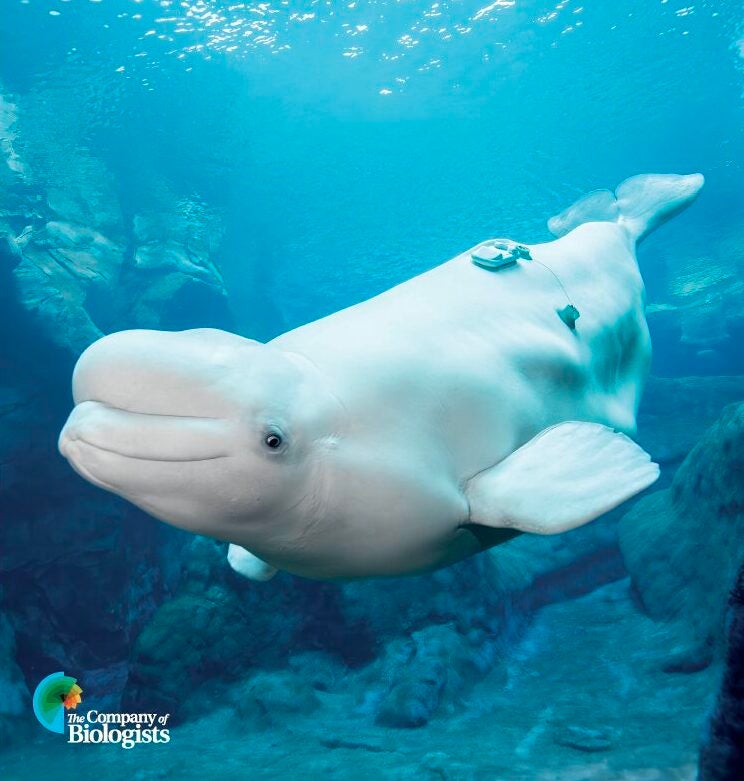
New data provided by studying the beluga whales at Georgia Aquarium helps close a key information gap about how much food these whales need to thrive. The information will inform important management decisions for their counterparts in Alaska’s Cook Inlet, which are protected under the U.S. Endangered Species Act (ESA).

A new study released in the Journal of Experimental Biology, led by Terrie M. Williams, Director of the Integrative Carnivore EcoPhysiology Lab, with her graduate student Jason John at the University of California-Santa Cruz in partnership with Georgia Aquarium, reveals that the whales’ unique metabolism and elevated caloric needs may limit their ability to escape from potential human disturbances.

beluga research

The Cook Inlet beluga population was listed as endangered in 2008 due to a decline from over-harvesting by Alaska’s native hunters. But despite a cessation in whaling and other efforts to help the population recover, their numbers have not increased, and it is unknown why.


Difficulty collecting this type of data on belugas in the wild has made it hard for scientists to identify why they have failed to recover from excessive harvest. This study, which started in 2018, was a collaboration between U.C. Santa Cruz and Georgia Aquarium with the Alaska Region of NOAA Fisheries, which has management authority for Cook Inlet belugas. Scientists collected data about energy output from the aquarium’s one adult male and two adult female belugas while resting in metabolic domes, during submerged swimming, and when diving for food.


“We are losing large wild species all over the world,” said Williams. “One way that we might be able to prevent wholesale extinctions is to do the basic science that allows us to predict what these animals need to live in this crazy, changing world.”


“This study is one element we can do here to create a better understanding of how these animals take in and use energy,” said Dennis Christen, Georgia Aquarium’s Senior Director, Mammals and Birds. “That’s a measurement that’s nearly impossible to get in the wild. By understanding their metabolism, we can get an understanding of what they have to feed on in the wild and whether it is enough.”


“Taking these baseline measurements – which are the gold standard for conservation modeling – helps us to understand how these whales are built,” Williams explained. “There aren’t many facilities like Georgia Aquarium that have the capabilities and research mindset to conduct this type of research.”


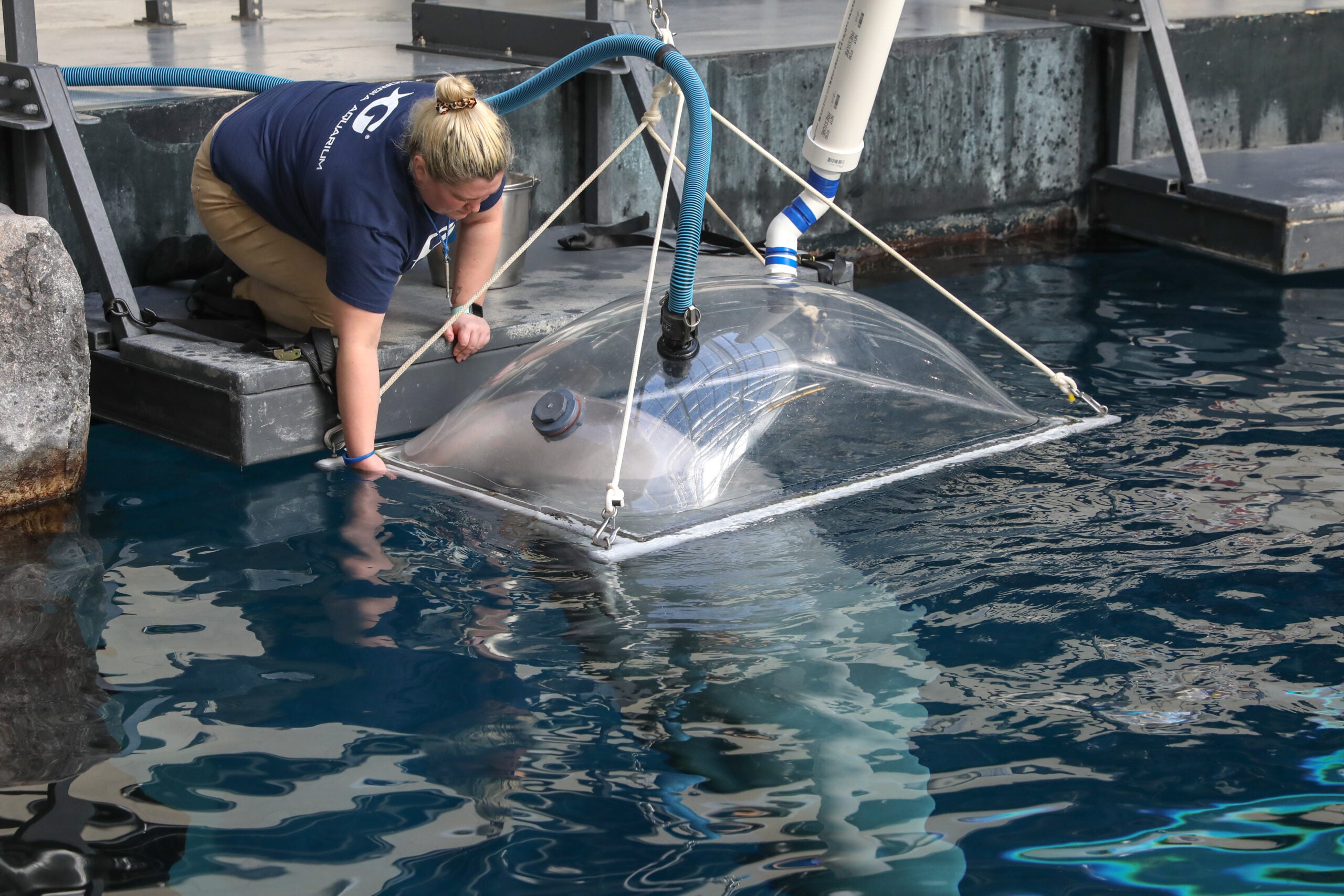
Georgia Aquarium scientists prepared the belugas for the study over a six-month period, using positive reinforcement and operant conditioning techniques to measure their resting and active metabolic rates in different states. Open flow respirometry was used to measure oxygen consumption using a plexiglass dome for the animals to breathe in, and accelerometers were used to measure movement and swim stroke rates in the water.

New research at Georgia Aquarium helps conserve endangered  beluga whales in Alaska 2

Data gleaned from this research will help create predictive energy models to evaluate the potential impact of human activities on beluga whales, and a close relative, Arctic narwhals.


The metabolic study conducted by this collaboration is helping to inform measures to ensure Cook Inlet belugas have adequate resources to fuel their caloric needs. Under the ESA, any action that is funded or permitted by the federal government that has the potential to impact a threatened or endangered species must be reviewed. This includes activities like oil and gas exploration and development, marine construction, and commercial fishing. This review includes mitigations to reduce impacts on ESA species. Obtaining a baseline on the calorie needs of Cook Inlet belugas will help inform these mitigations to reduce the effects of these activities on Cook Inlet belugas.


“Wild belugas typically use the calories from ingesting fish to fuel growth, activity, maintaining their health and reproducing,” said Williams. “With increased human disturbance, calories will have to be diverted to respond to perceived threats. Such energy imbalance cannot be sustained for long periods without negative consequences.”


“The whales at Georgia Aquarium are ambassadors for their species. Getting the opportunity to participate in a research study like this one means a lot,” said Katie Flammer, associate curator, Mammals and Birds. “These animals, and our training team, are helping beluga whales globally.”


To learn more about Georgia Aquarium’s conservation work, click here.

Shark Liver Oil Study

Could cosmetics and health supplements drive sharks to extinction? A new study in the journal Science raises alarm.

Overfishing of deepwater sharks and rays to harvest their liver oil for use in consumer health and beauty products is driving these species rapidly toward extinction, and immediate trade and fishing regulations are essential to prevent irreversible damage, according to researchers of a new study slated to publish in the journal Science on March 8. The study was led by Dr. Brittany Finucci from the National Institute of Water and Atmospheric Research in Wellington, New Zealand, and included the research of dozens of scientific partners globally, including Georgia Aquarium.

Squalene, an organic compound derived from shark liver oil, has become a popular ingredient in skincare products, supplements, and vaccine compounds. It’s especially buzzy with skincare enthusiasts ranging from tweens to those seeking anti-aging solutions for its moisturizing, antioxidant, and immune-boosting properties. Consumer demand is driving overfishing of these species to dangerous levels, and their numbers are in steep decline, the researchers suggest.

“One-third of the endangered species in this group are specifically hunted, and half of those targeted for liver oil are at risk of extinction.”
- said Katelyn Herman, a co-author of the paper and the Manager of Conservation Programs at Georgia Aquarium.
“On top of that, deepwater sharks and rays grow and reproduce very slowly and tend to have long lifespans. For example, on average, maximum population growth rates are half that of coastal sharks,” she noted. “This means steep population declines cannot be easily reversed.”

Despite the existence of plant-based and synthetic alternatives, shark-derived squalene remains in high demand. However, using shark liver oil for medical purposes is controversial not only due to conservation concerns but also due to potential health risks to people since deepwater sharks accumulate heavy metals and other contaminants in their bodies, which can reach unsafe levels.

The study calculated threats to these deepwater predators by comparing them to other exploited marine vertebrae to gauge how they’re affected by environmental changes and threats. It also looked at how the numbers of these sharks and rays have been changing, using assessments on the International Union for Conservation of Nature Red List of Threatened Species Categories and Criteria. The authors then identified the conservation benefits of stricter trade regulations and limitations on fishing activities.

Because fisheries are extracting resources that are not renewable, their business is not sustainable, the study noted. “To prevent the loss of these species and to help their numbers recover, there is an urgent need for stricter trade and fishing regulations,” Herman said. “Enforcing depth and spatial limits to fishing alongside catch regulations and trade rules is imperative to preventing irreversible loss and promoting recovery.”