Georgia Aquarium staff have dedicated thousands of field and laboratory hours to help give corals a chance not only to survive but to thrive in a challenging, changing environment.
Coral reefs face many challenges. As carbon dioxide levels rise, ocean waters are becoming more acidic and it is getting harder for corals to build the hard skeletons that make up the reefs on which so many species depend. Global warming can cause bleaching and deaths of corals, while sewage runoff and sedimentation from coastal lands can smother them with algae or infect them with lethal diseases like white pox. Careless practices when boating, diving, snorkeling and fishing can also damage reefs. Many countries are still involved in the business of coral mining for souvenirs, sale to hobbyists or for use in construction materials.
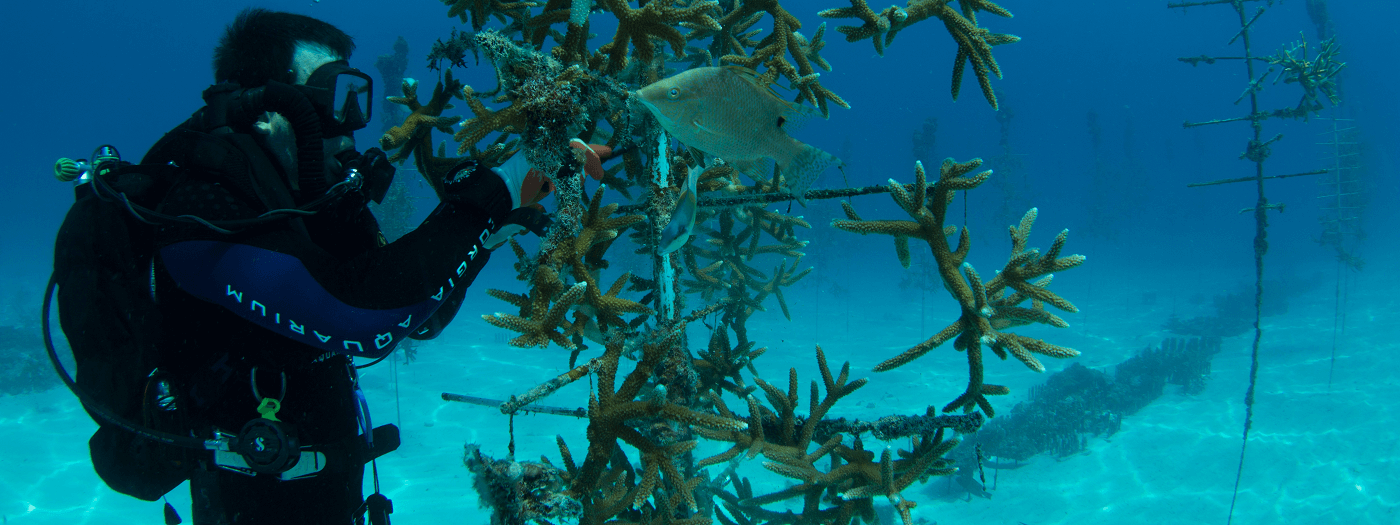
With so many problems facing coral reefs, it’s crucial to intervene on their behalf and work to restore this heavily damaged yet very important ecosystem. Since 2010, Georgia Aquarium staff and volunteers have logged over 1000 hours underwater assisting the Coral Restoration Foundation with their efforts to effectively grow coral fragments in an underwater nursery near Molasses Reef in the Florida Keys National Marine Sanctuary. These fragments are then transplanted to Molasses Reef and other affected reefs to spur growth of healthy corals and restore the breeding population.
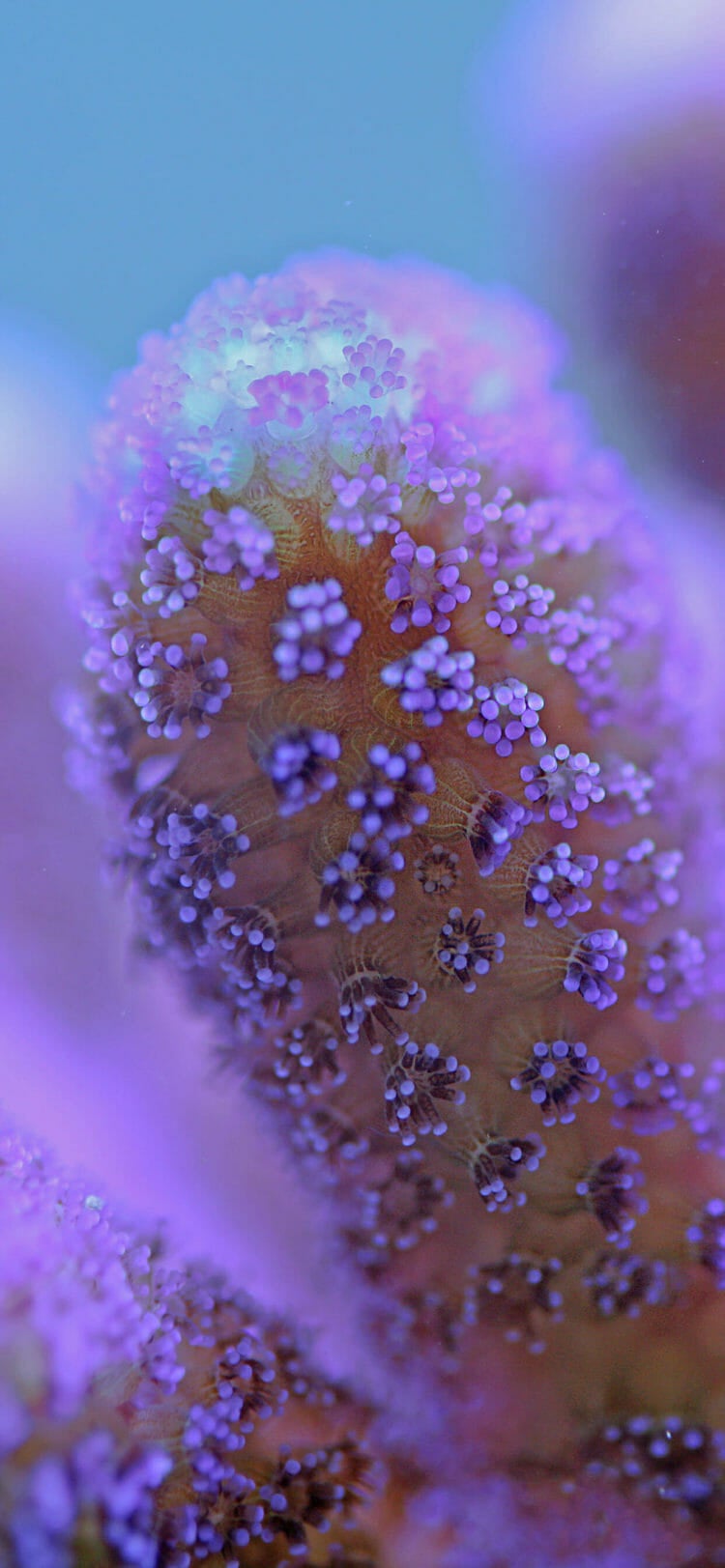
In 2011, Georgia Aquarium became involved in the SECORE Foundation (SExual COral Reproduction), a non-profit initiative of public aquariums and coral scientists that harnesses the power of the coral’s own spawning behavior to supplement natural populations with laboratory-reared baby corals.