Celebrating International Whale Shark Day with Fun Facts!

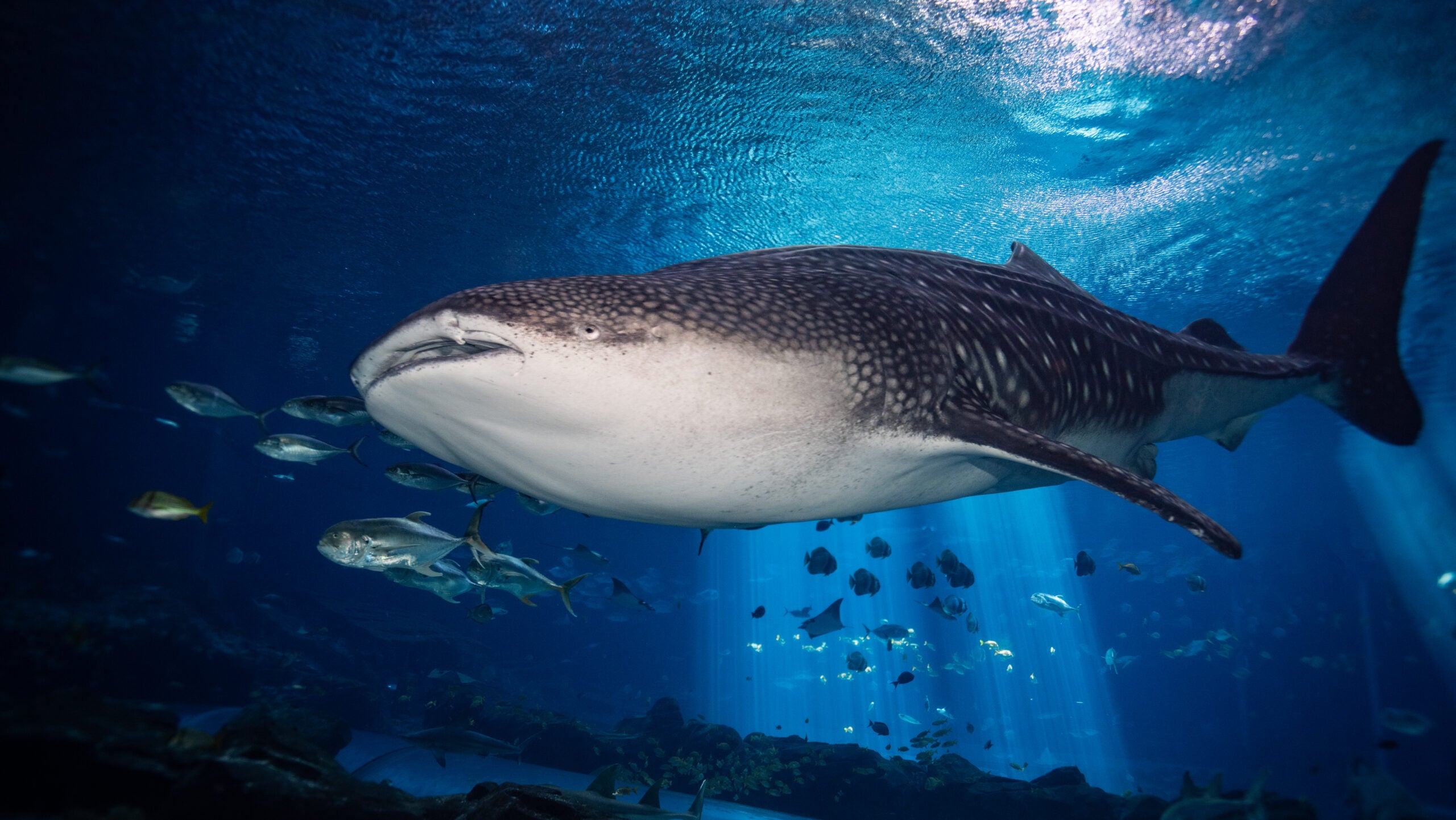
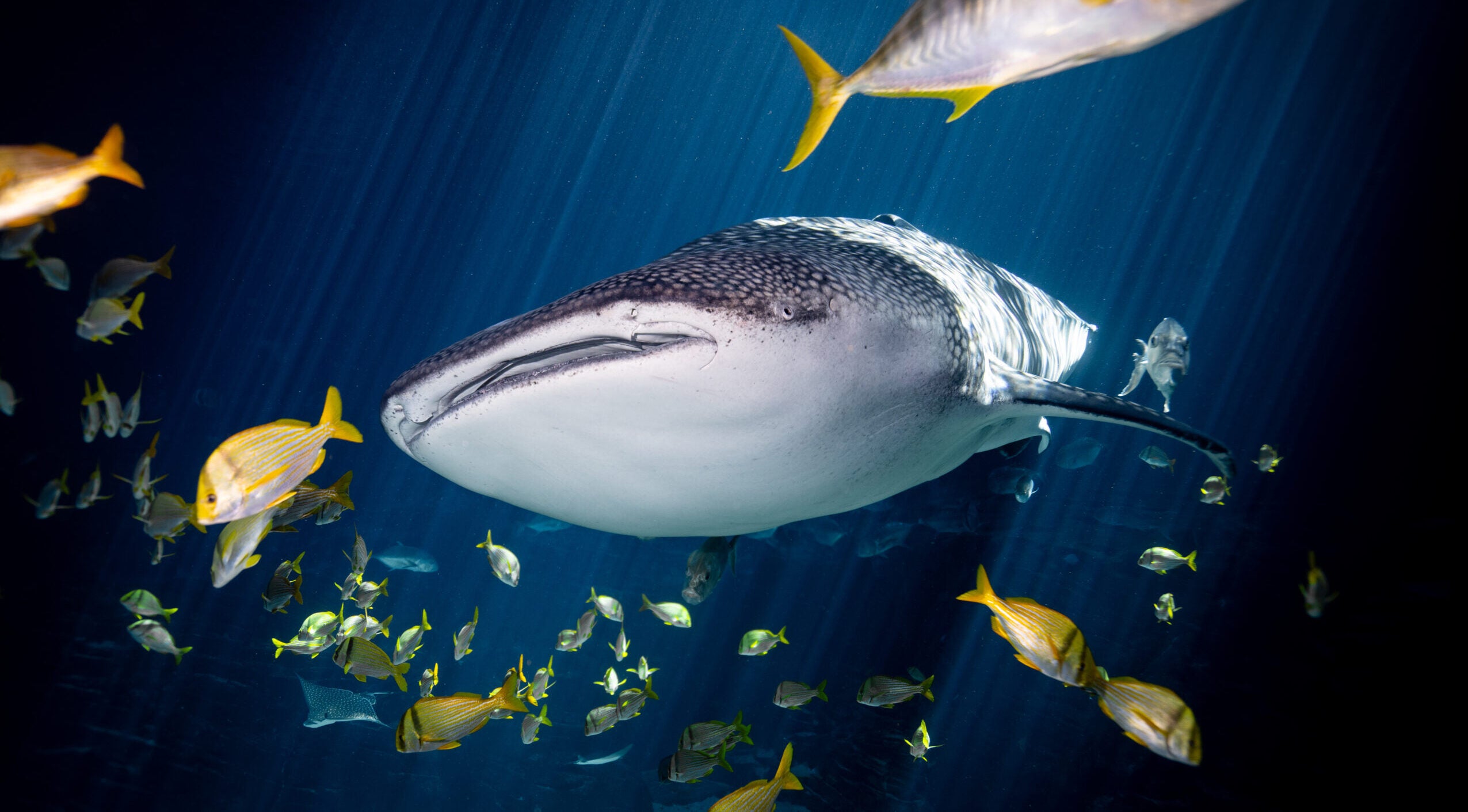
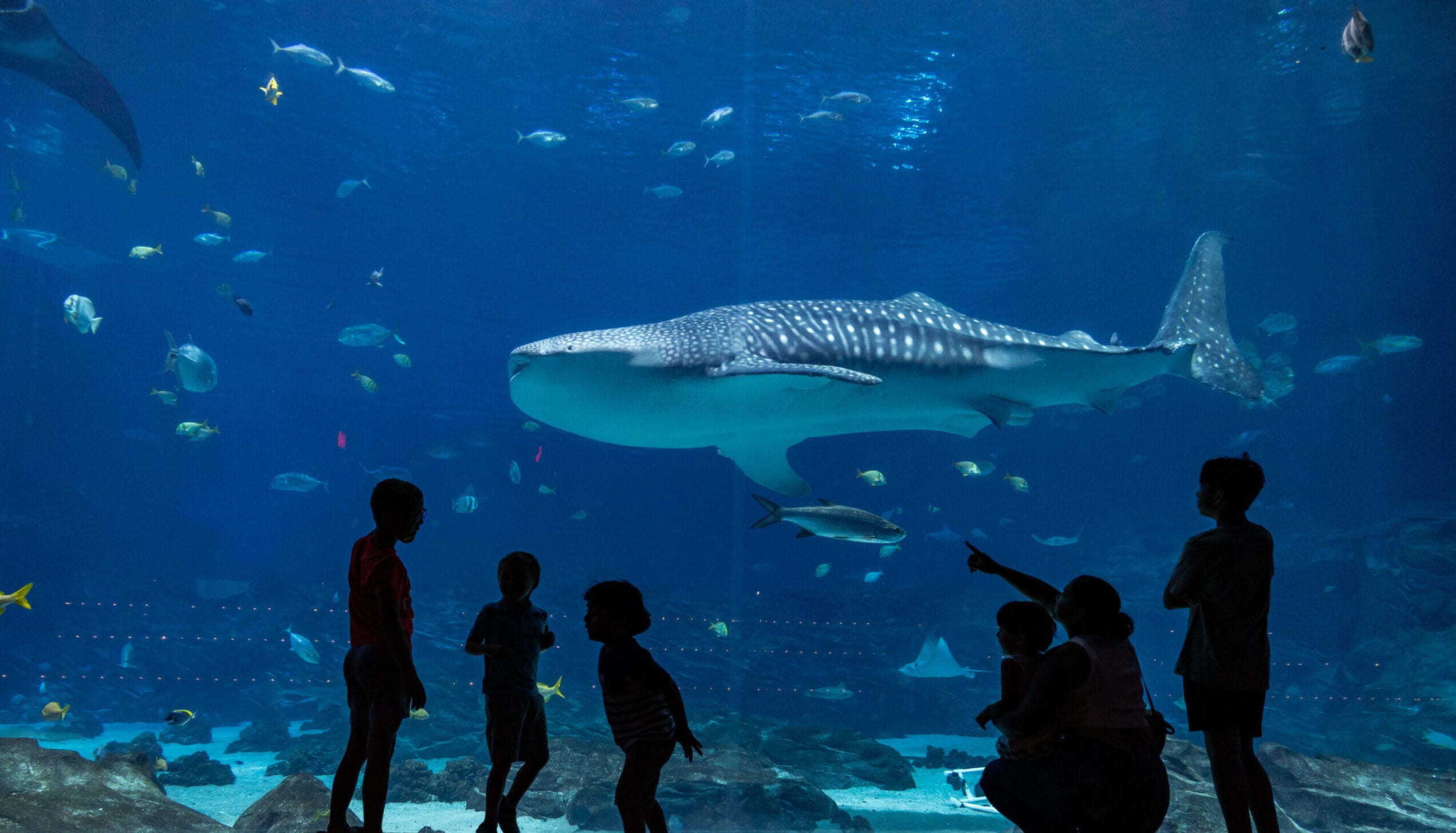
International Whale Shark Day is a perfect occasion to dive into the fascinating world of the largest fish in the sea! Whale sharks, with their distinctive spotted patterns and gentle nature, are a marvel of the ocean.

Here are some fun facts you might not know about these incredible creatures:

1. Gentle Giants of the Ocean

Despite their enormous size, whale sharks are known for their gentle nature. They feed on tiny prey, making them harmless to humans. Sadly, whale sharks are endangered due to a combination of environmental stressors and human threats such as fishing, climate change, and habitat loss.

Celebrating International Whale Shark Day with Fun Facts! 52. Record-Breaking Size

Whale sharks hold the record for being the largest fish in the world. They can grow up to 40 feet long and weigh as much as 20.6 tons! Imagine a fish longer than a school bus.

Celebrating International Whale Shark Day with Fun Facts!3. A Diet of Tiny Prey

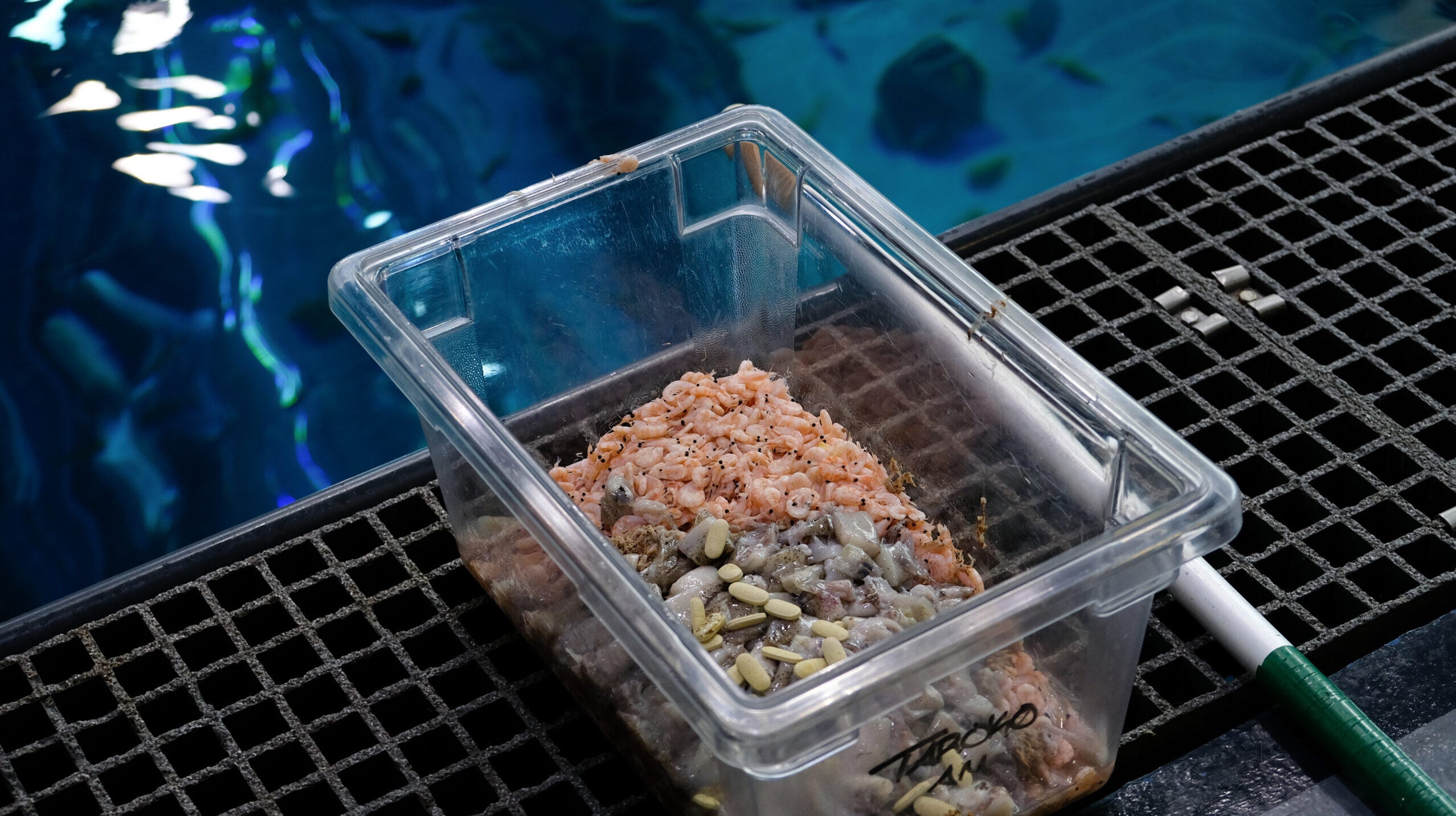
Whale sharks eat mainly plankton, tiny fish, and occasionally small squid. They can only swallow small prey because their throats are very narrow, often compared to the size of a quarter.

Celebrating International Whale Shark Day with Fun Facts! 64. Unique Spot Patterns

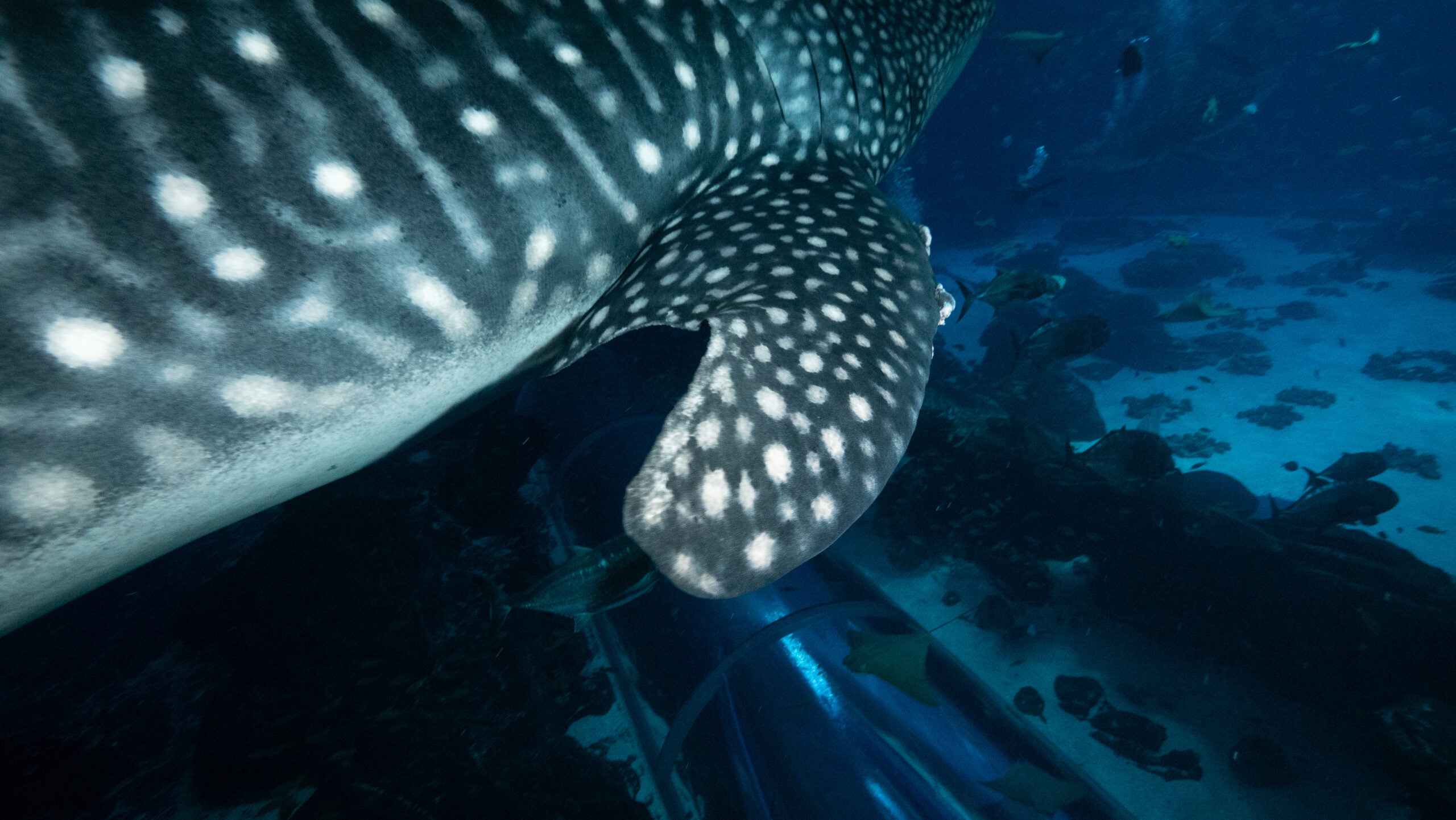
Each whale shark has a unique pattern of spots and stripes, much like human fingerprints. Researchers use these patterns to identify and track individual sharks in the ocean.

Celebrating International Whale Shark Day with Fun Facts! 45. World-wide Whales

Whale sharks can be seen worldwide in the tropical Atlantic, Pacific, and Indian Oceans. Our research teams have traveled the world to conduct research on whale sharks in the Galapagos, Mexico, St. Helena, and Indonesia. 

6. Slow and Steady Swimmers

Despite their size, whale sharks are not particularly fast swimmers. The usual swim speed when feeding at the surface is roughly 2.3 mph, when cruising about 3 mph. When alarmed, the whale shark has been observed accelerating to a body length per second for very short bursts, but they cannot sustain fast swimming for long.

Celebrating International Whale Shark Day with Fun Facts! 37. Georgia Aquarium’s Majestic Residents

The Georgia Aquarium is home to several whale sharks, offering visitors a chance to see this endangered species up close. The Aquarium provides these gentle giants with a safe and enriching environment and contributes to global research and conservation efforts.


As we celebrate International Whale Shark Day, remember the importance of protecting these gentle giants and their ocean habitats. Visit the Georgia Aquarium to learn more about whale sharks and how you can contribute to their conservation. 

For more information, check out our whale shark animal guide.

Remembering Brian L. Davis., Ph.D.

Brian L. Davis, Ph.D., was the president and CEO of Georgia Aquarium in Atlanta. Brian was a leader, friend, and mentor and an exceptionally talented and intelligent individual who left a tremendous imprint on the educational and zoological fields. He was a dynamic thinker and always pushed the boundaries of what we could achieve together. He was a beautifully compassionate human being who lifted others up and dedicated himself to creating caring and diverse spaces – whether in the classroom or at the Western hemisphere’s largest aquarium. Brian was a giant in leadership and touched so many lives through his compassion and infectious personality. We are all better for having known Brian.

Brian was one of the first employees at Georgia Aquarium in 2003 at its founding. He was integral in the planning of the Aquarium’s 2005 opening in his role as director of education, later serving as vice president of education and then executive vice president of operations.

Prior to becoming president and CEO of Georgia Aquarium in 2020, Brian served as president and CEO at Maritime Aquarium in Norwalk, CT where he oversaw the enhancement of that aquarium’s footprint.

A fierce advocate for public education and educational opportunity, Brian was a teacher and administrator in the Cobb County school system in Georgia and served as adjunct professor at the College of Education at Georgia State University and Mercer University. He also helped develop education programs at New York Aquarium and Zoo Atlanta.

During his impressive tenure at Georgia Aquarium, Brian championed the planning and opening of one of the largest shark galleries in the world and one of Georgia Aquarium’s largest expansions to date: Sharks! Predators of the Deep in late 2020. Not only was Brian at the helm during the construction of the one-million-gallon shark expansion, but he also took the reins of CEO at the start of the COVID-19 pandemic. As the world faced uncertainty, Brian led with tenacity and stability – even as the Aquarium closed its doors for three months, and reopened with precautions to keep staff, guests, and animals safe.

Under Brian’s leadership, Georgia Aquarium became the first aquarium to be designated a Certified Autism Center, equipped with facilities and options for those with sensory sensitivities, and to be designated as a Center for Species Survival serving as a regional hub for species conservation. In 2024, Georgia Aquarium unveiled a new dolphin presentation and opened a new exhibit, Explorers Cove, under Brian’s tutelage.

One of the last recognitions awarded to Georgia Aquarium under Brian’s leadership was being named a Top Workplace by the Atlanta Journal-Constitution and being awarded the DEI Award. Both honors came from staff feedback and the efforts put forth by leadership to remedy pain points and champion successes.

Brian served as chair of Central Atlanta Progress and sat on the boards of the Metro Atlanta Chamber, the Atlanta Convention and Visitors Bureau, and the Association of Zoos and Aquariums. He was also on the Georgia Tourism Board, of which he was appointed by Georgia Governor, Brian Kemp. Brian also served on the boards of Centennial Place Elementary School in Atlanta, Open Door Shelter, and NorwalkACTS.

Brian was the first Black CEO of an aquarium when he took the role at Maritime Aquarium and was the first Black chairman of the Association of Zoos and Aquariums board when he sat as its chair from 2021-2022. His family was immensely important to him, and he was unwavering in his commitment to his wife, children, and grandchildren.

A native of New Jersey, Brian graduated from Rutgers University with a Bachelor of Science in environmental science, later earning his Master of Education and his Ph.D. in secondary science education at Georgia State University.

Brian’s passion for the ocean began at a young age during family vacations on the Jersey shore. A lifelong learner and educator, we are honoring Brian’s love for the ocean, science, and learning by providing opportunity to future generations.

As we remember him and continue his dedication to education access, Georgia Aquarium is establishing The Dr. Brian L. Davis Marine Biology, Conservation, and Education Scholarship Fund.

Aquatic Athletes: The Ocean’s Olympic Champions

The aquatic animal world is teeming with species that exhibit Olympic-worthy attributes like strength, speed, agility, and precision. Let’s compare some of these aquatic champions to their Olympian counterparts and see where you can find them at Georgia Aquarium. 

Penguins: Swimmers of the Sea

Aquatic Athletes: The Ocean’s Olympic Champions

Olympic Event: Speed Swimming

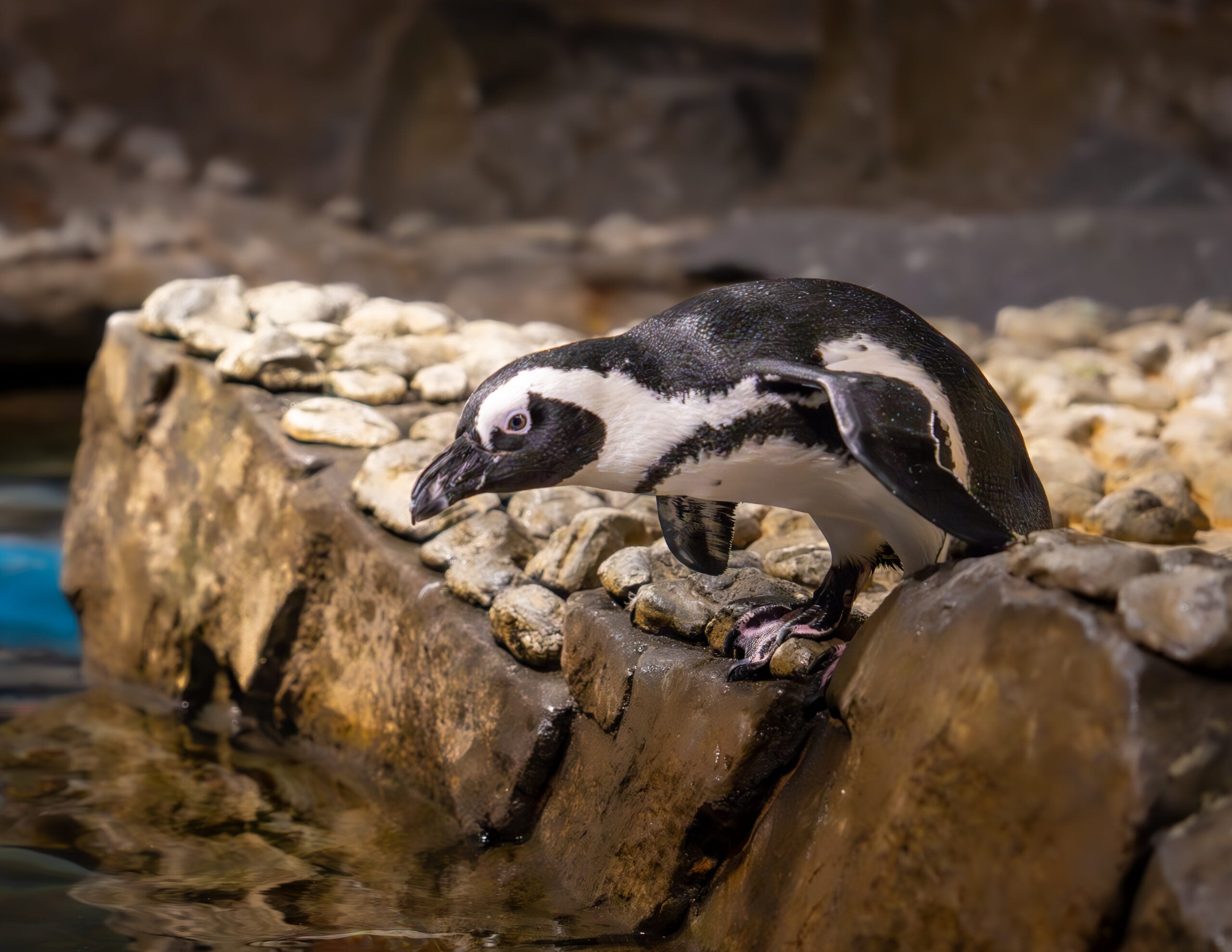
Penguins may waddle awkwardly on land, but once they dive into the water, they become torpedoes of speed. Emperor penguins, for instance, can reach speeds of up to 9 miles per hour underwater, using their flippers to propel themselves with remarkable agility.

In comparison, Michael Phelps, the most decorated Olympian in history, averaged a swim speed of 4.7 miles per hour. 


You can find these sleek swimmers training for the 2024 Paris games in our Cold Water Quest gallery.

Sea Lions: The Gymnasts of the Ocean

Aquatic Athletes: The Ocean’s Olympic Champions 2

Olympic Event: Gymnastics

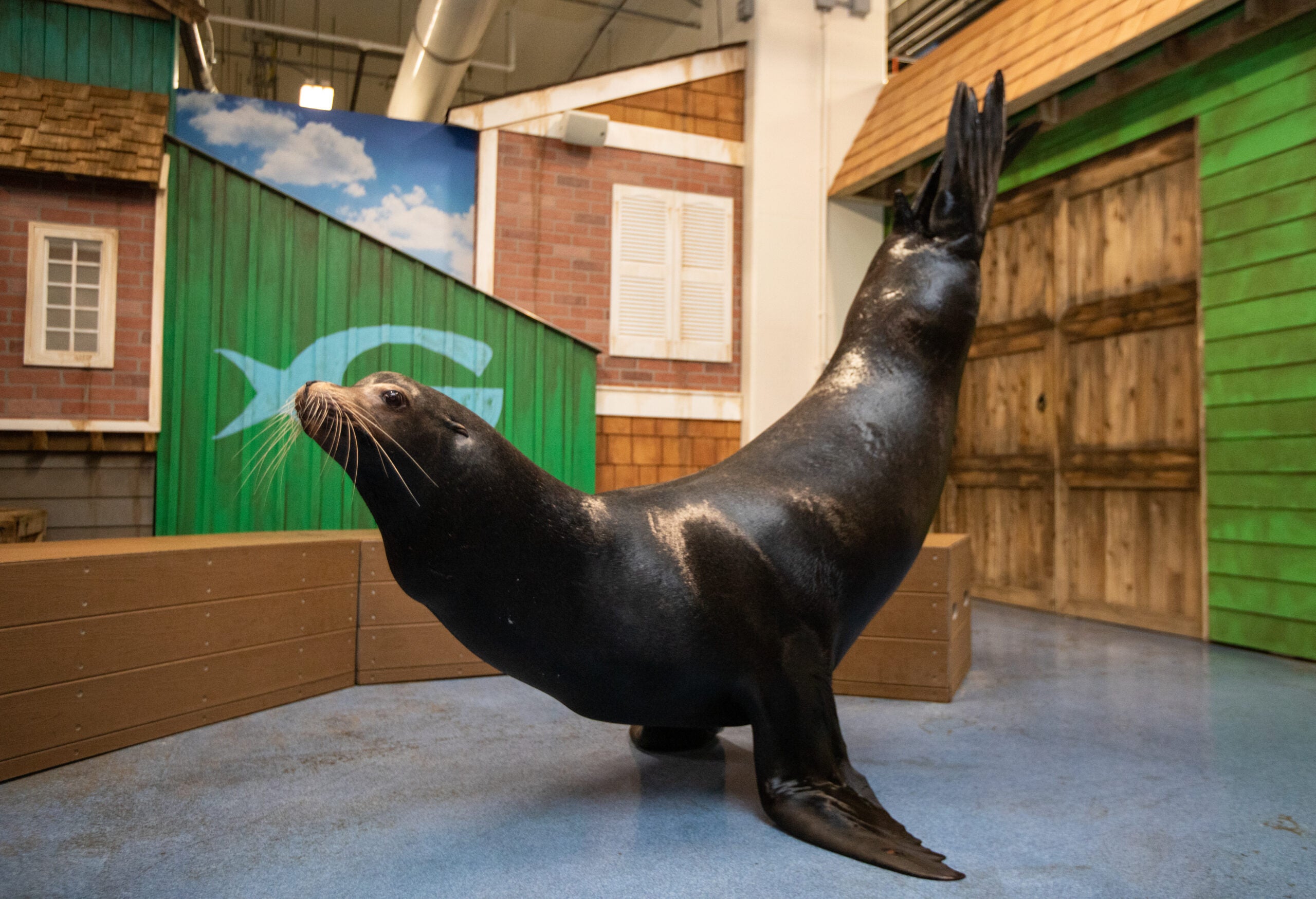
Sea lions are known for their playful and agile nature. They can showcase a variety of spins and flips, highlighting their incredible flexibility and control. Their strength is nearly unmatched. Sea lions are able to hold their entire body weight on their powerful front flippers—similar to a gymnast’s handstand.

Simone Biles’s extraordinary balance, strength, and coordination mirror the acrobatic abilities of sea lions. 

You can catch a glimpse of our sea lions and their impressive moves at Pier 225 or in our Sea Lion Presentation.

Archerfish: The Marksmen of the Water

Aquatic Athletes: The Ocean’s Olympic Champions 3

Olympic Event: Archery

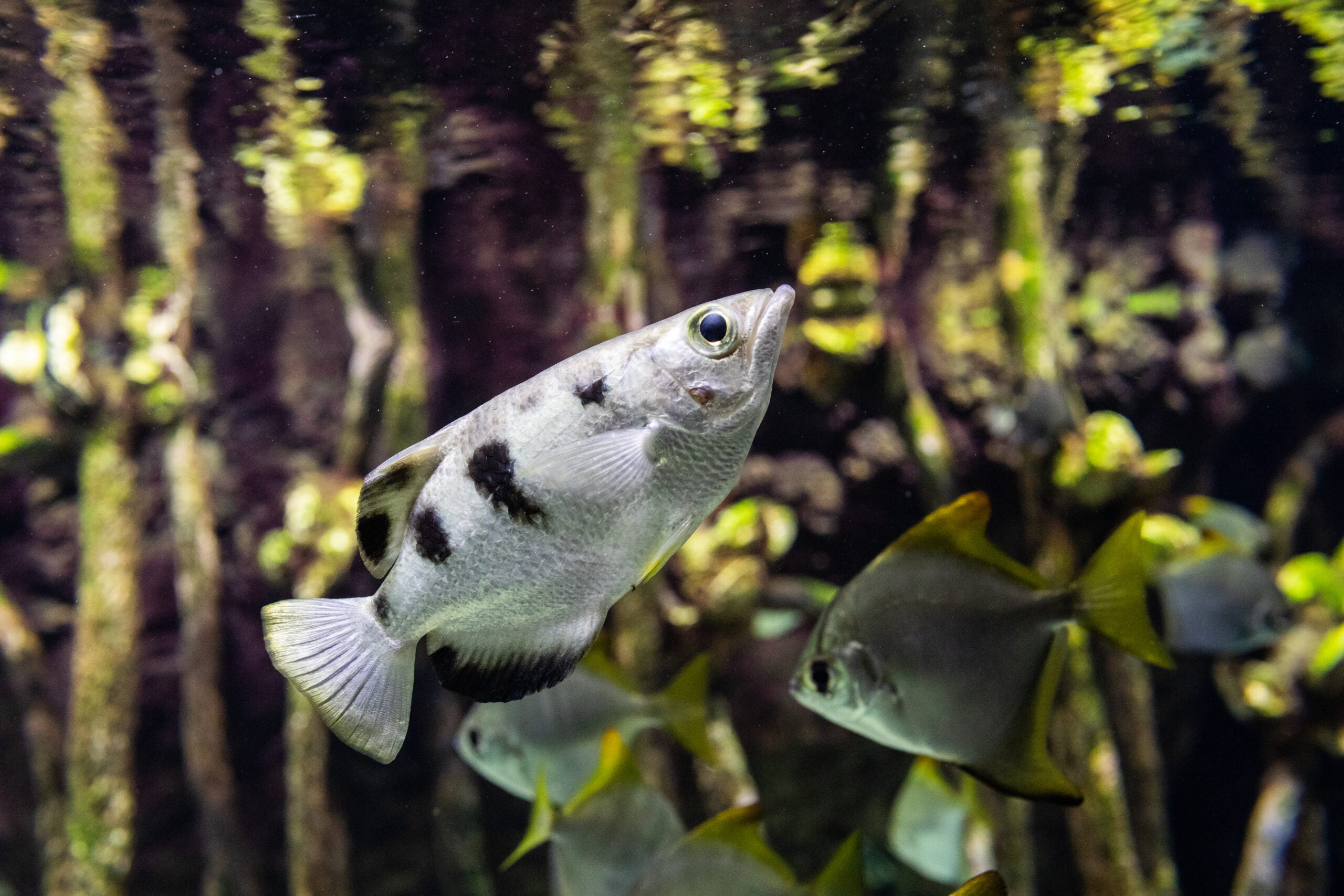
Archerfish have a unique hunting method that involves shooting jets of water to knock their insect prey off branches. They can accurately hit targets up to several feet away, displaying remarkable precision and control. Akin to the calculated accuracy required in Olympic archery.

Brady Ellison, a skilled archer, embodies the precision and focus seen in archerfish.

These impressive marksmen can be found showing off their skills in our Behind the Seas Tour on top of our Tropical Diver gallery.

Discus Fish: The Divers of the Depths

Aquatic Athletes: The Ocean’s Olympic Champions 4

Olympic Event: Discus

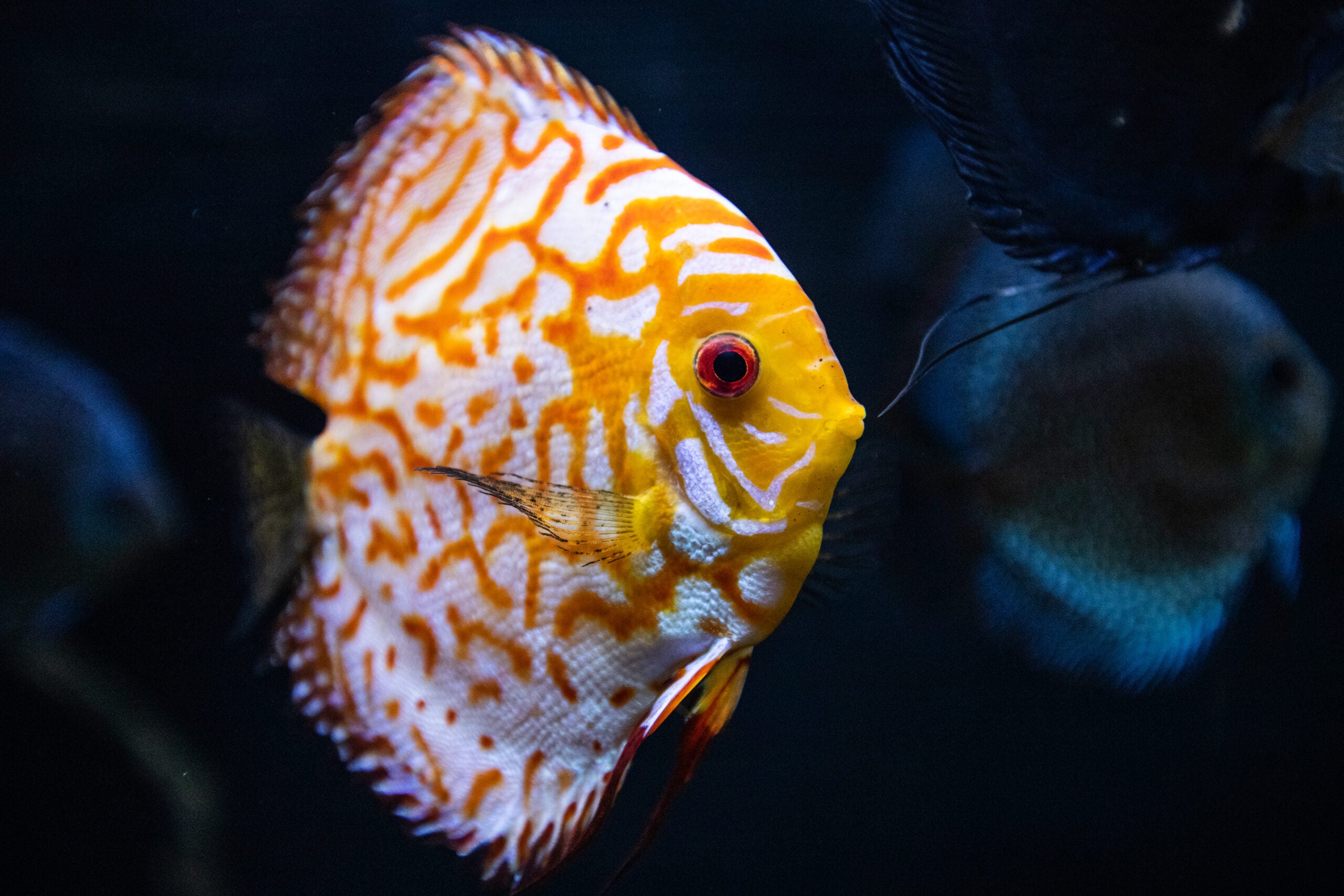
Discus fish, known for their disc-shaped bodies and vibrant colors – named after the Olympic discus throw. These unique fish can navigate tight spaces with ease and display graceful movements. Possessing impressive coordination and flexibility.

One of the top Olympic discus throwers, Al Oerter, displayed that precise coordination is essential for a successful throw. Maintaining balance and control is important for generating power while flexibility is needed to achieve full range of motion.

Check out these delightful discus in our newly renovated River Scout gallery.


Dolphins: The Olympians of the Animal Kingdom

Aquatic Athletes: The Ocean’s Olympic Champions 1

Olympic Event: Swimming, Gymnastics, Diving, Sprinting

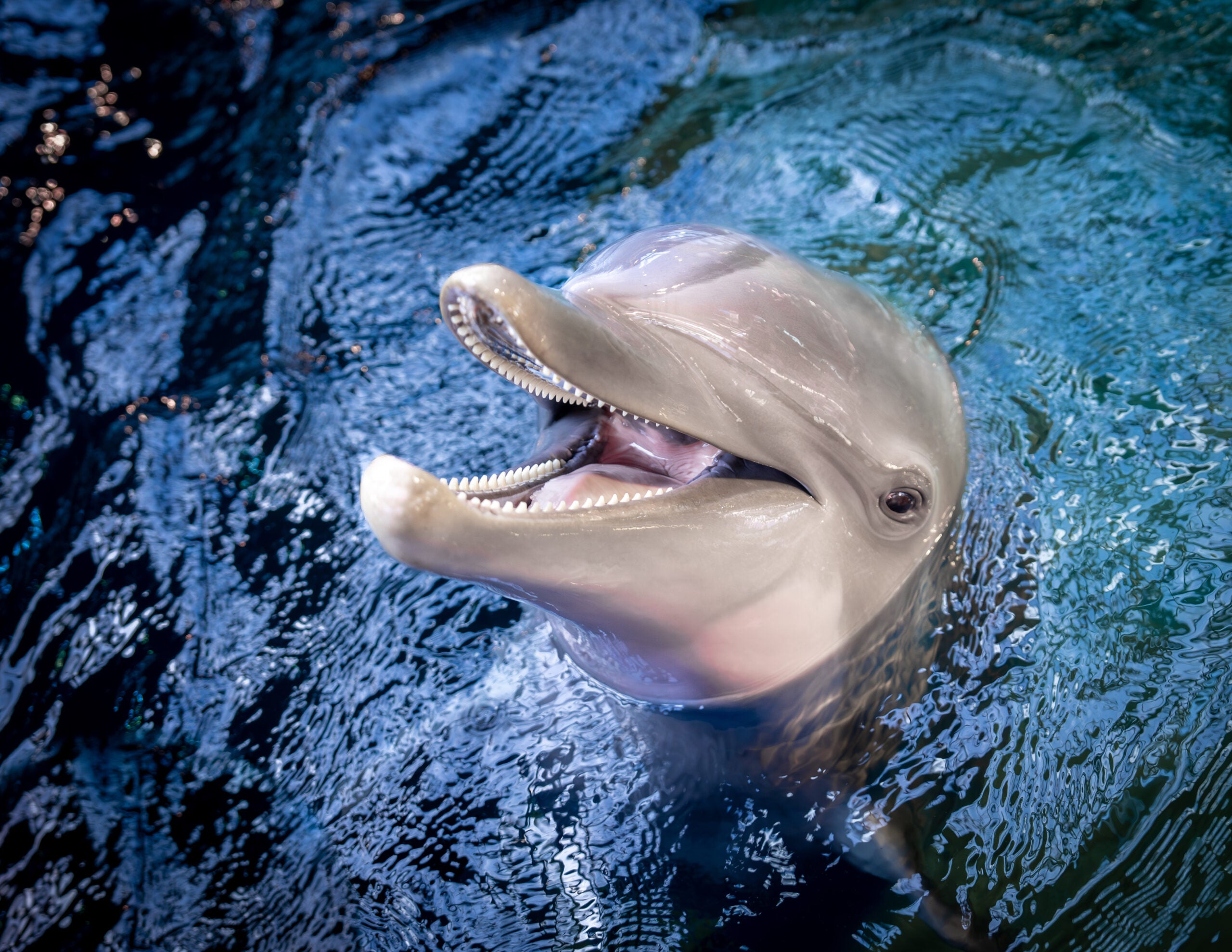
With their remarkable agility, speed, and strength dolphins take home the gold as the Olympic athletes of the ocean. Their streamlined bodies and powerful tails, are akin to Olympic swimmers, capable of reaching speeds up to 37 mph. Their agility and ability to perform acrobatic leaps several feet out of the water resemble the skills of gymnasts, showcasing strength, flexibility, and precision. And dolphins’ diving capabilities, reaching depths of up to nearly 900 feet and holding their breath for up to 15 minutes, parallel the endurance and breath control seen in elite divers and underwater sports athletes.

Beyond physical ability, both dolphins and Olympic athletes exhibit advanced cognitive skills and social coordination. Dolphins’ ability to work together in groups to herd fish mirrors the teamwork seen in sports like basketball or soccer, where strategic coordination is key to success. In essence, both dolphins and Olympic athletes epitomize a blend of physical excellence, strategic intelligence, and adaptive prowess, making them outstanding in their respective worlds.

Cheer on these elite athletes during a Dolphin Presentation.

Conclusion

The aquatic world is filled with incredible creatures that rival the abilities of Olympic athletes. From the speed and agility of dolphins and penguins to the precision of archerfish and the acrobatics of sea lions, these underwater champions demonstrate that athleticism knows no bounds. As we celebrate human achievements in sports, let’s also take a moment to appreciate the natural Olympians that grace our oceans and inspire us with their remarkable feats.Be sure to check out these animals and their skills during your next visit to Georgia Aquarium!

Animals After Dark

Come check out what our animals are up to in the evenings! 

The animal kingdom is as active at night as it is during the day. As the sun dips below the horizon, the oceanic world transforms. Bioluminescent creatures come alive, lighting up the dark waters. Nighttime hunters, such as sharks and eels, emerge from the depths, taking advantage of the cover of darkness to ambush their prey. The bustling daytime ecosystem of coral reefs gives way to a different cast of nocturnal inhabitants, including shrimps and crabs, all navigating the shadows in search of food.

Meanwhile, the silent glide of stingrays and the rhythmic movements of schools of fish display a dynamic underwater world that flourishes in the cover of night. Life continues its relentless, captivating dance in these darkened waters, reminding us of the ocean’s boundless wonders. Witness the enchanting evening routines of our aquatic residents and relish a more intimate atmosphere. 

Check out some species that are more active at night:

Animals After DarkAmerican Alligators

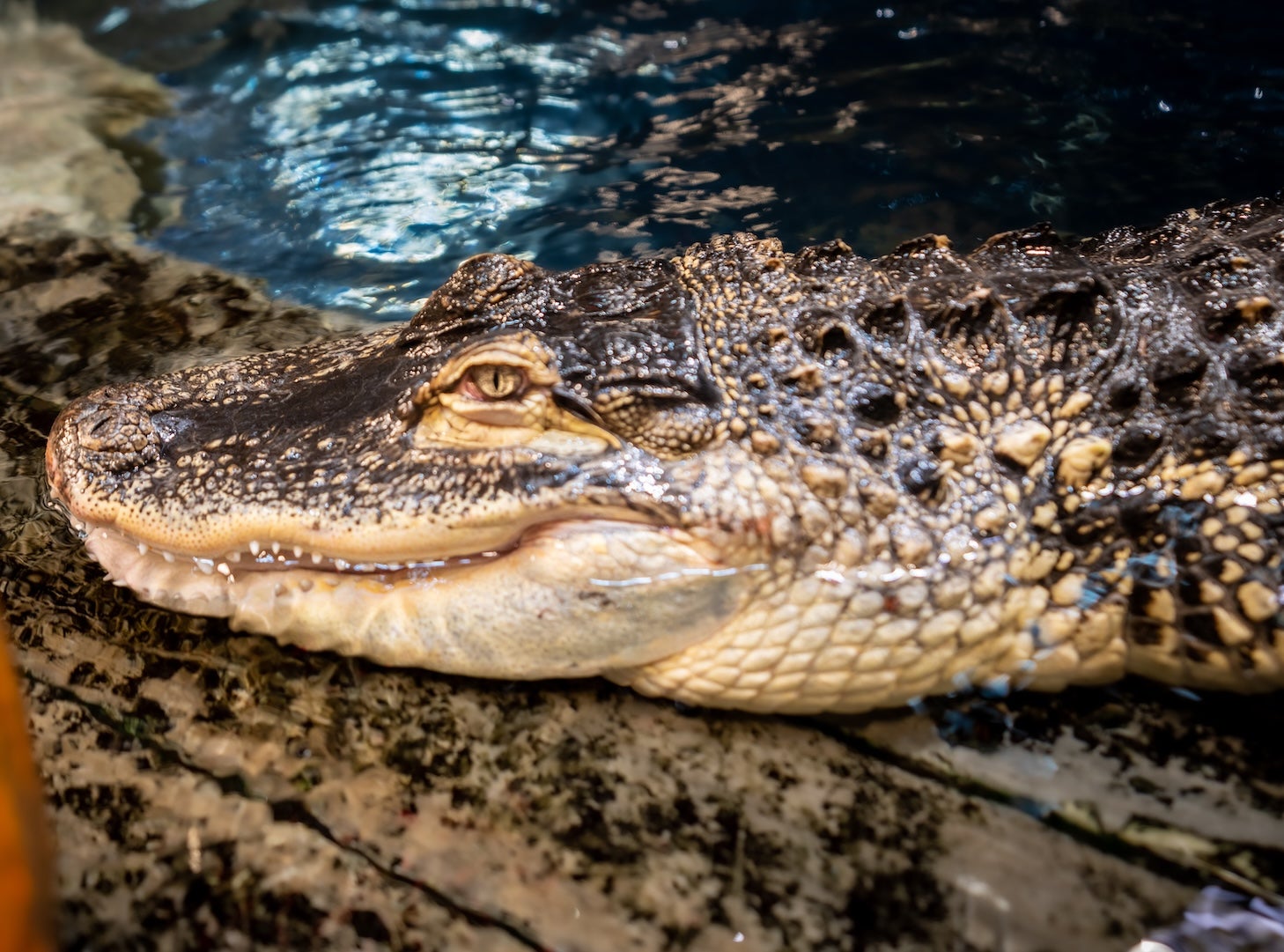
American alligators are diurnal and nocturnal, meaning they are active both day and night. They hunt predominantly at night, but they are also commonly seen basking in the sunlight during the spring and summer. 

Animals After Dark 1Asian Smalled Clawed Otter

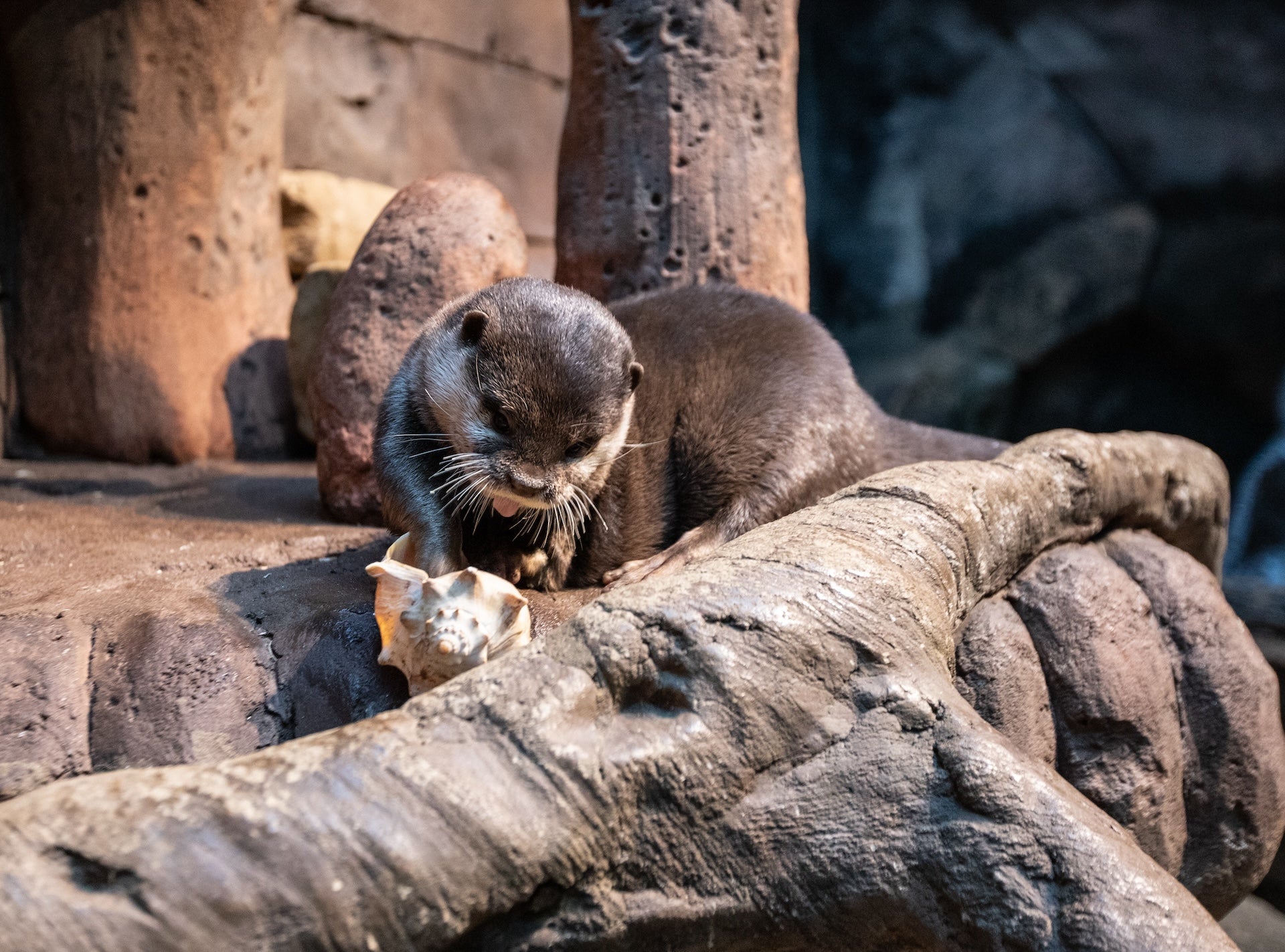
Asian small-clawed otters are active during the day but are primarily nocturnal animals. Our otters often nap throughout the day, but if you visit in the evening, you might catch them playing in the water or with their enrichment items! 

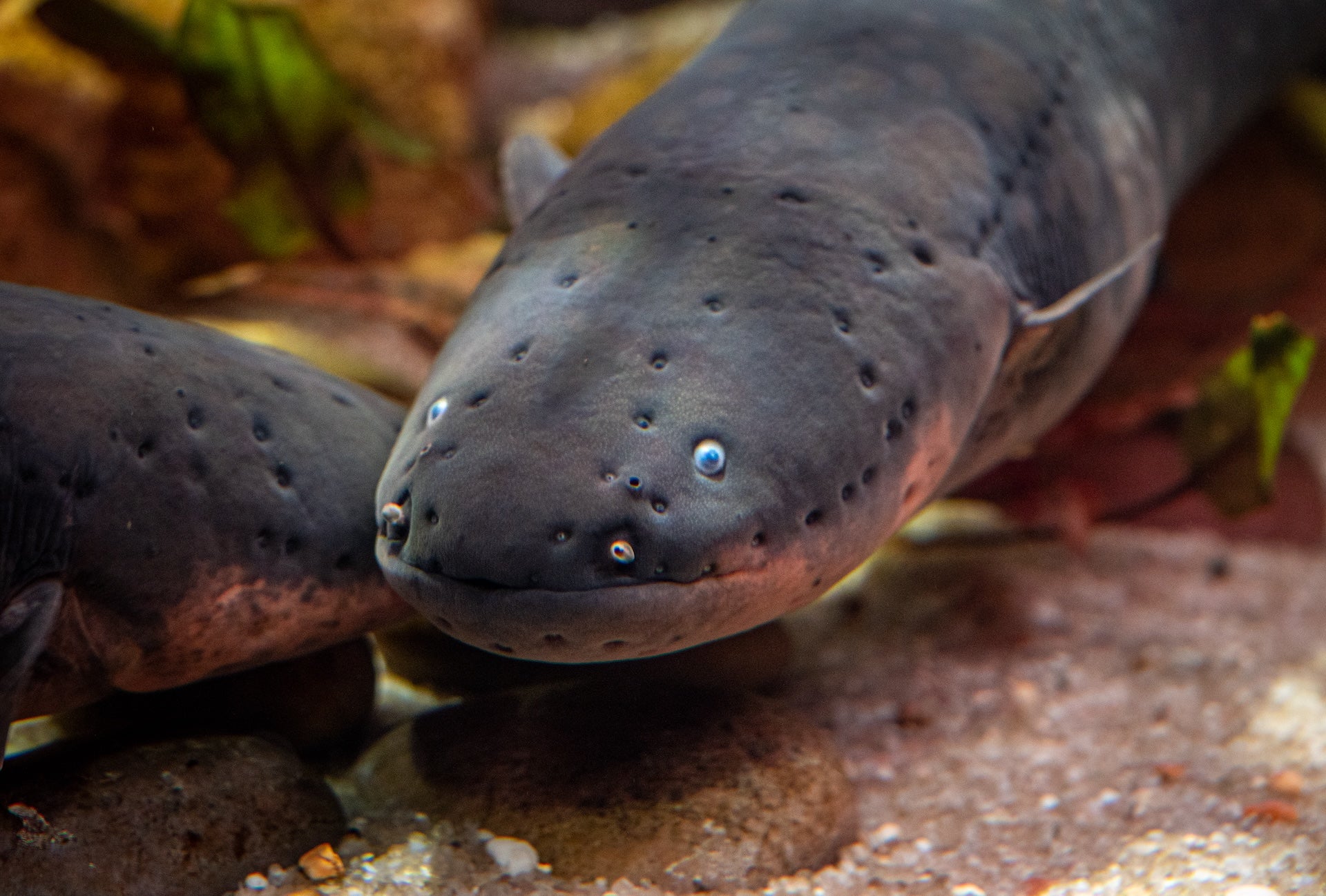
Animals After Dark 5Electric Eel

The electric eel is a nocturnal species, hiding under shelter or in holes during the day and hunting for prey at night. Because they have poor eyesight, they emit a weak electric signal, which they use like radar to navigate, find a mate, and find prey.

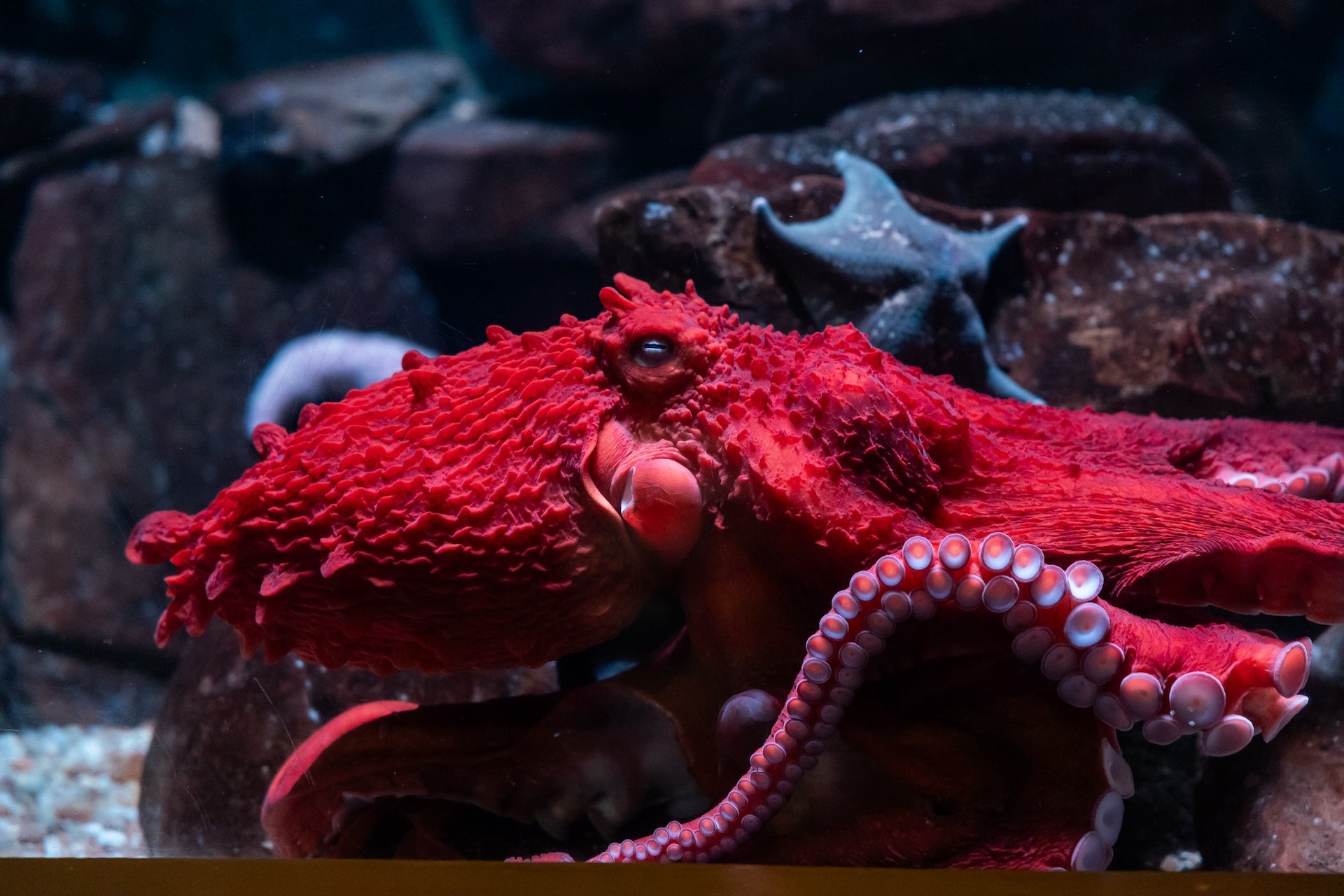
Animals After Dark 9Giant Pacific Octopus

Generally nocturnal, giant Pacific octopuses move about and do their hunting at night. They use their arms, each covered with approximately 200 suckers, to find and hold their prey.

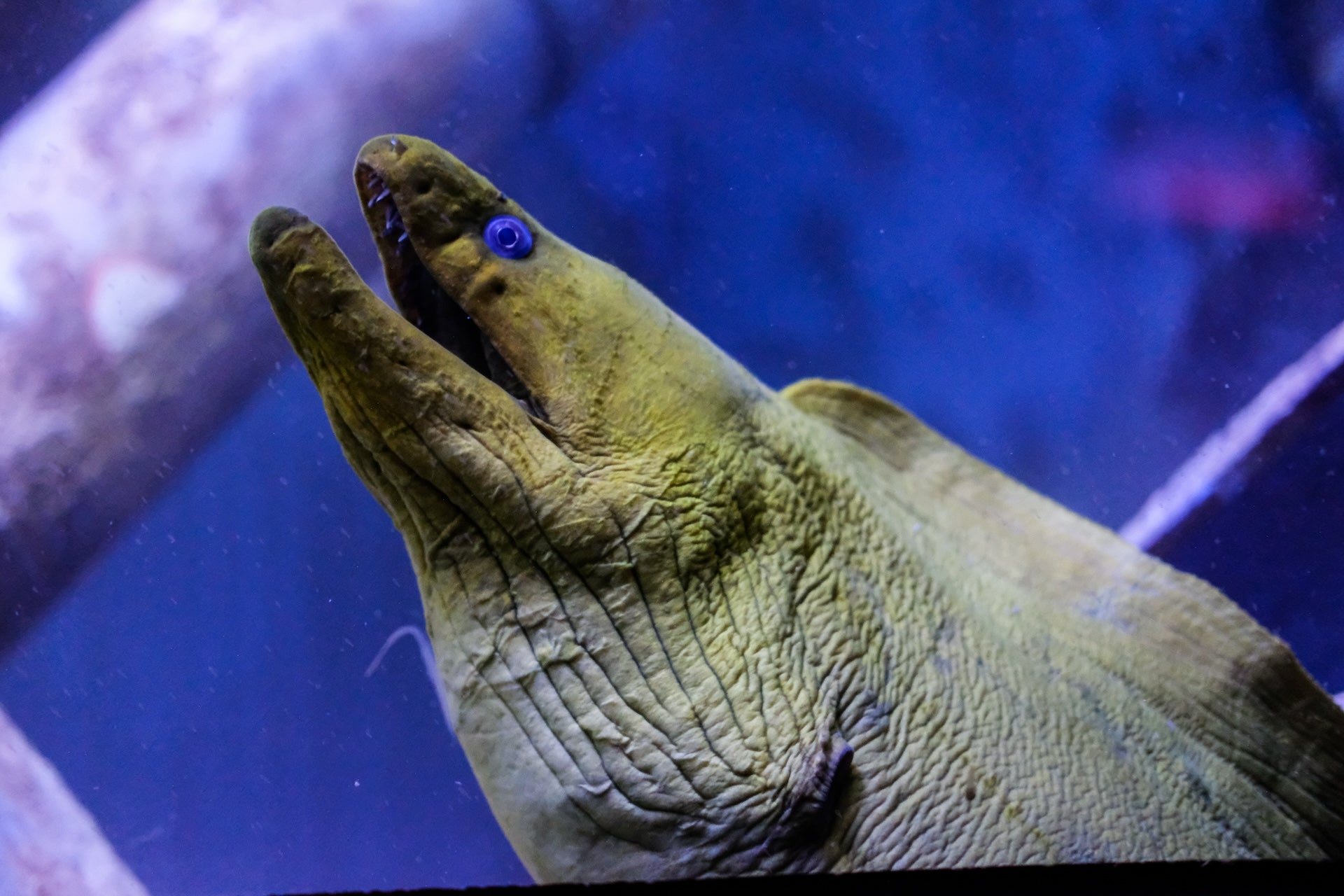
Animals After Dark 2Green Moray Eel

The green moray eel is a nocturnal predator.  During the day, it hides in a hole in the rocks.  It uses its sense of smell to find its prey because moray eels have poor vision.  It does not go hunting for its prey; instead, it sits and waits for the prey to cross its path.

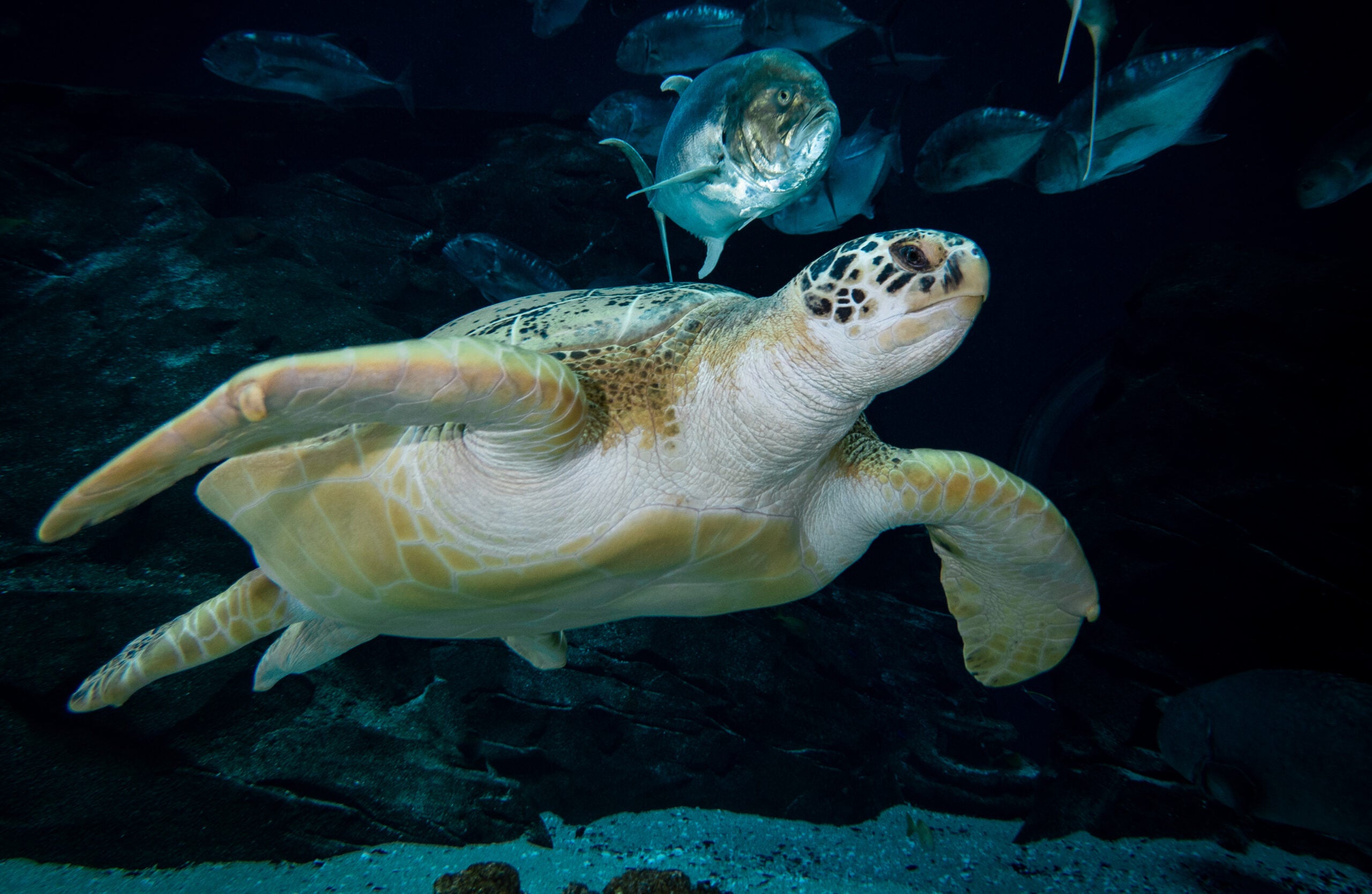
Animals After Dark 10Green Sea Turtle

Green sea turtles (Chelonia mydas) are typically diurnal but can also exhibit nocturnal activity, including feeding, nesting, and breeding.

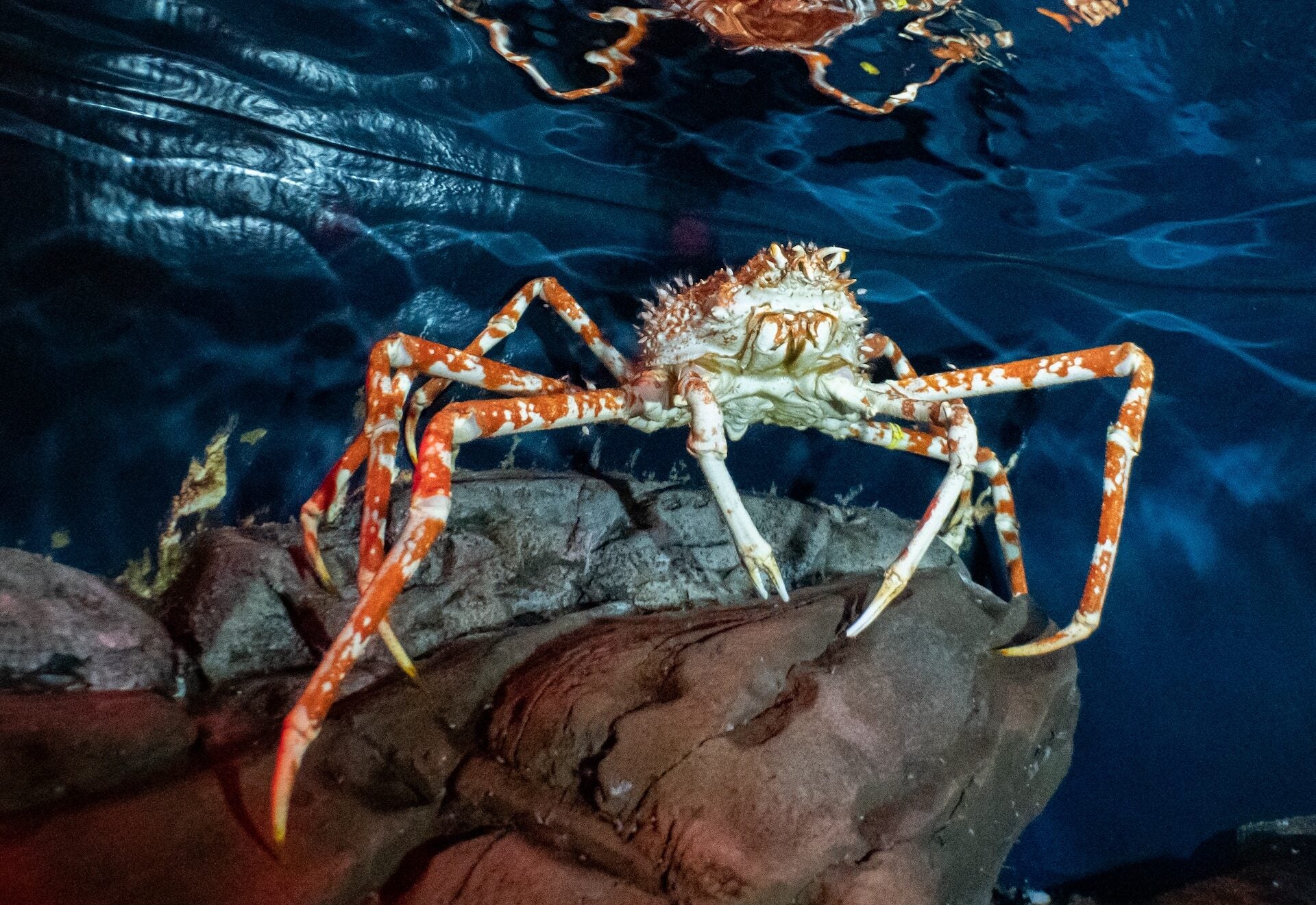
Animals After Dark 8Japanese Spider Crabs

Japanese spider crabs are active at night to avoid predators rather than to camouflage themselves when hunting prey. They live on the ocean floor along Japan’s Pacific coast, primarily on the sandy and rocky continental shelf and slope. 

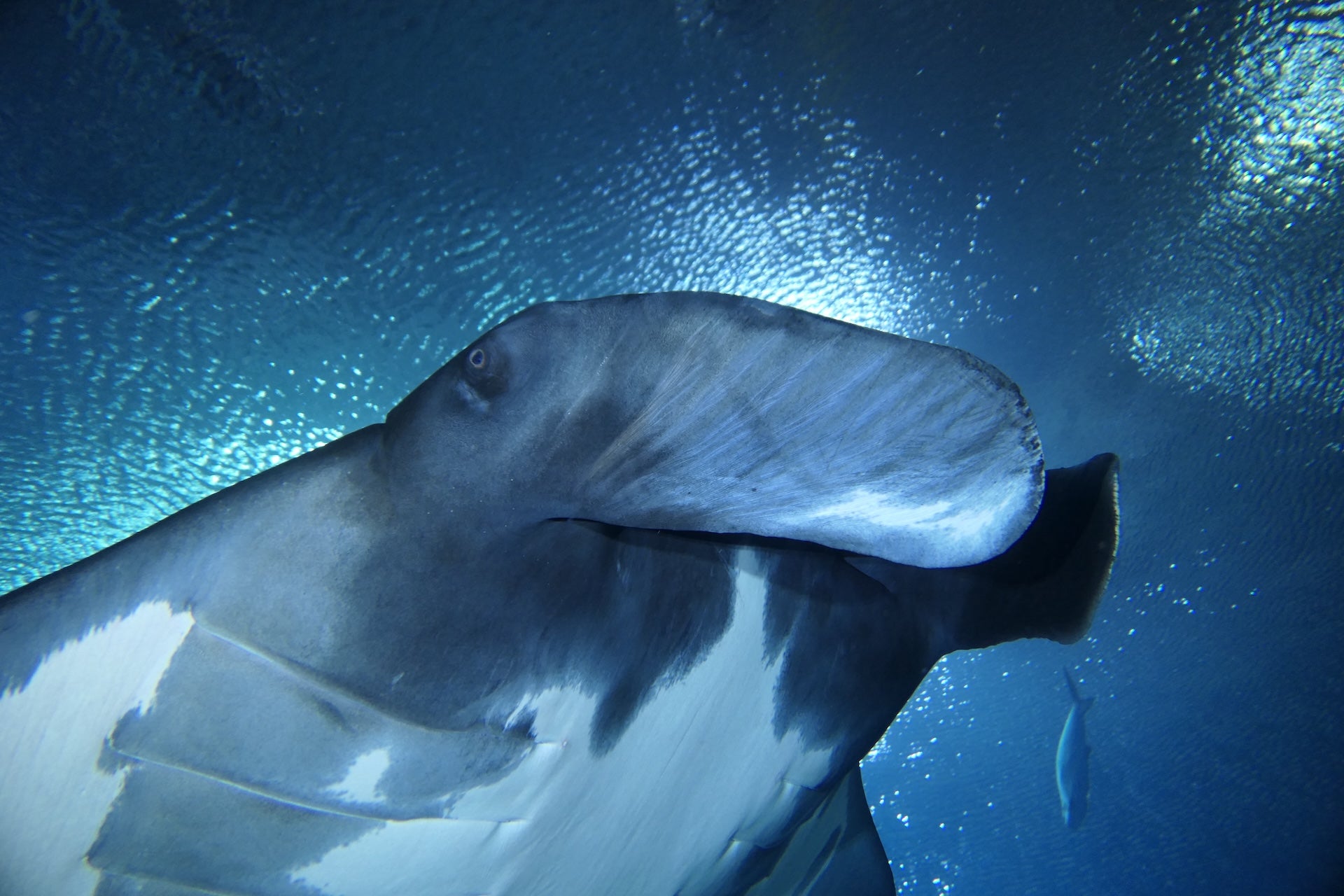
Animals After Dark 7Manta Rays

Manta rays are filter feeders and are most active at night when they feed. Some say the best time to see manta rays up close in the ocean is at night when they come together in large numbers to feed. 

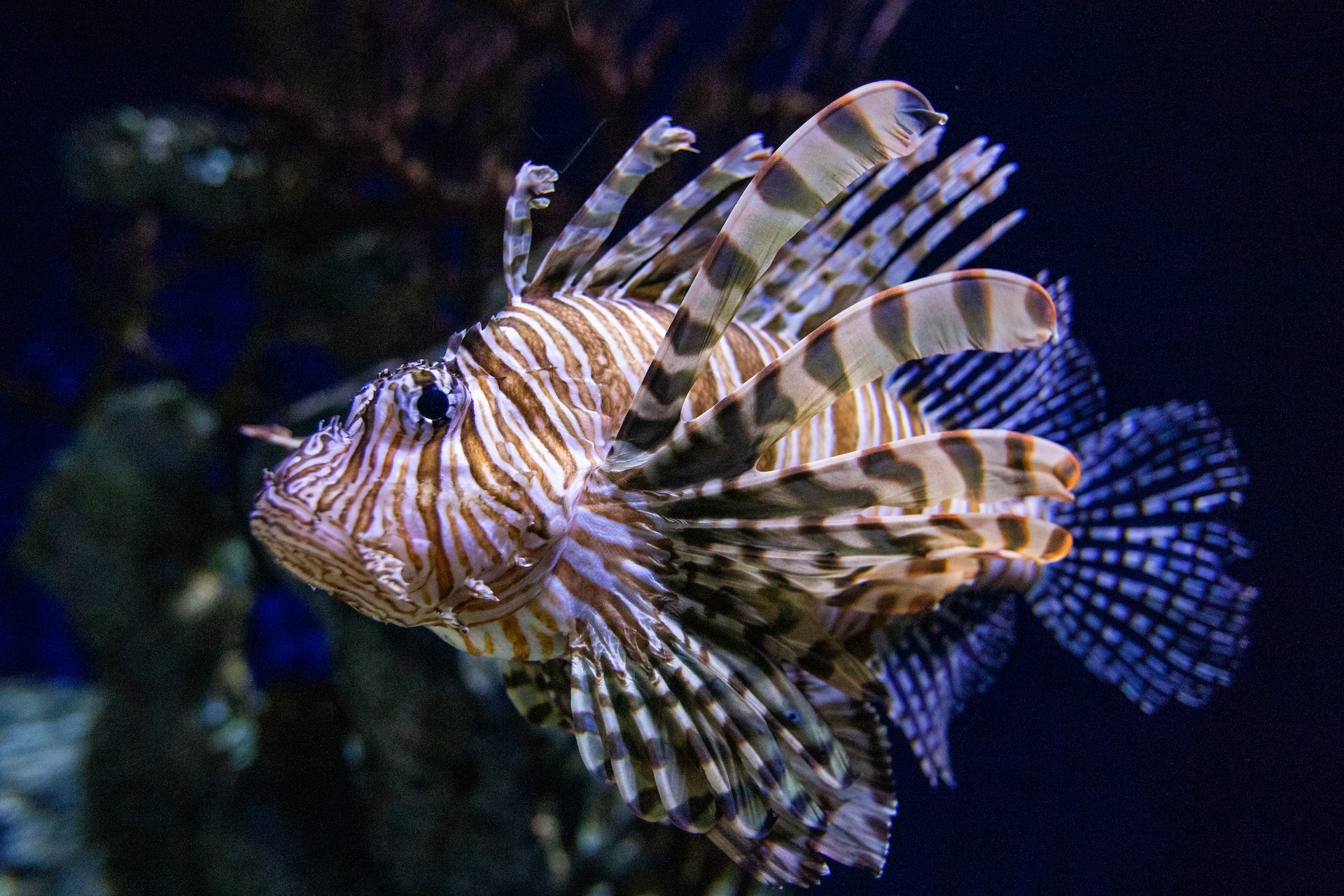
Animals After Dark 4Red Lion Fish

This species is a solitary, nocturnal hunter that stalks its prey and corners it using outstretched and expanded pectoral fins.

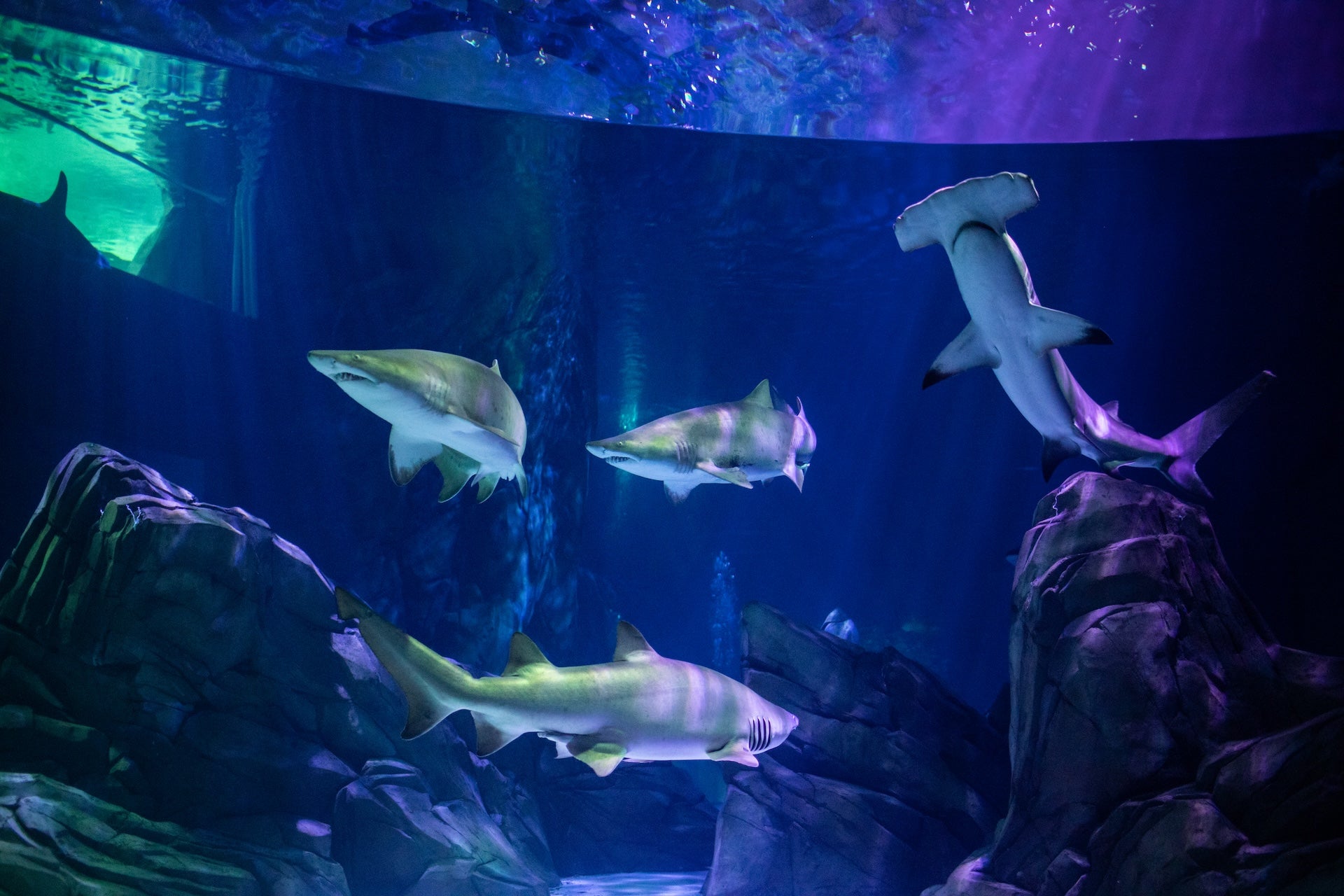
Animals After Dark 3Sharks

Many sharks are active and feed during low light hours (dawn or dusk) and at night.

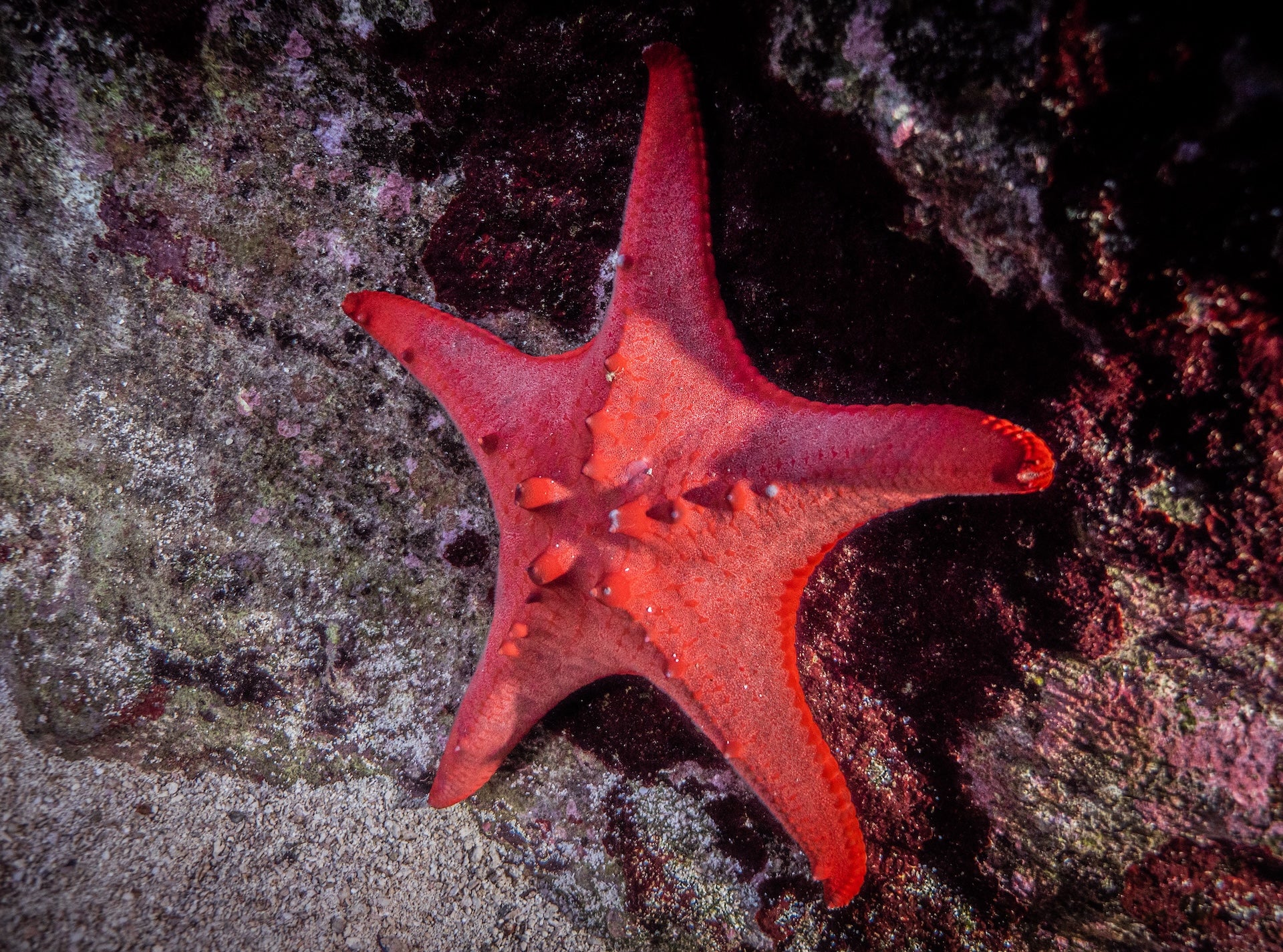
Animals After Dark 6Starfish

Some species of starfish are nocturnal and become more active at night. Recent research published in the journal Proceedings of the Royal Society B highlighted that starfish have eyes and can even see in the dark. 


Georgia Aquarium is home to all of these unique and spectacular species and many more! It’s the perfect opportunity to explore the ocean’s depths without the usual daytime bustle. Take advantage of this unique, serene adventure and make your summer nights unforgettable!

From Chill to Thrill

Helping Rescue and Rehabilitate Cold-Stunned Sea Turtles

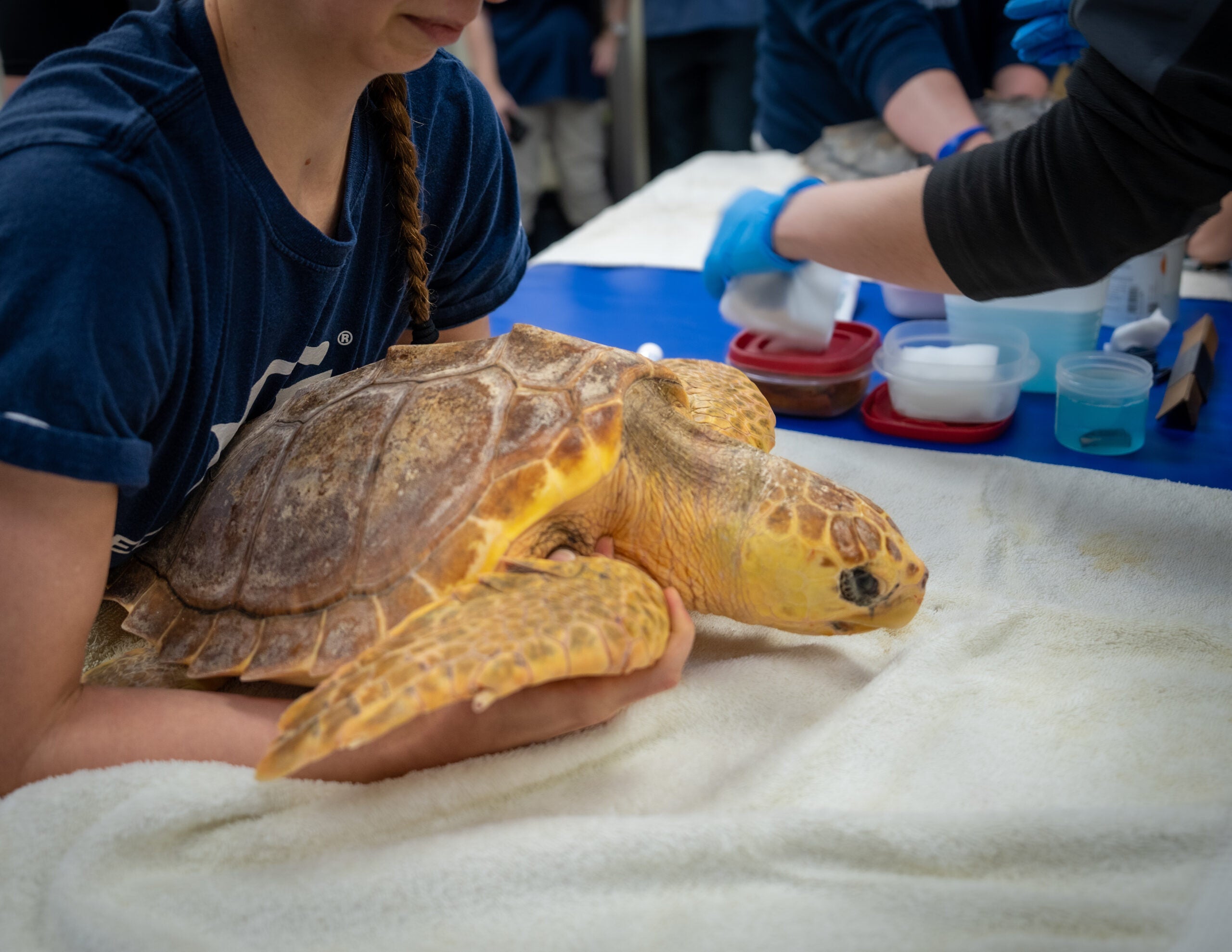
Over the past several years, hundreds of sea turtles have been found stranded off the North East coastline in the winter months. Without the intervention of rescue facilities, these animals would perish.cold-stunned sea turtles
What is happening to sea turtles?

Each year, sea turtles instinctively migrate south for the winter. But recently, more and more turtles become stuck along the coast of Cape Cod, unable to make it to the safety of warmer waters. As their body temperatures drop, the turtles become weak and inactive – a condition known as “cold-stunning.” Without intervention, these animals could die.

According to data from Mass Audubon, the number of cold-stunned sea turtles in the Northeast has increased dramatically over the past ten years, and it’s not expected to slow any time soon. Experts predict that by 2031, more than 2,300 sea turtles may experience cold stunning annually on Cape Cod.

Over 200 sea turtles were brought to the Sea Turtle Hospital at the New England Aquarium for triage this past year. Turtles suffering from cold-stunning must be treated and cared for, typically for several weeks, until they can be released back into the ocean. With so many turtles needing care, several animals are relocated to secondary rehabilitation facilities around the East Coast, like Georgia Aquarium.

  • The National Oceanic and Atmospheric Administration (NOAA) serves as the command center and arranges transportation and facilities for these turtles. 
  • Turtles Fly Too aids in coordinating transport needs by connecting private pilots and their planes with facilities around the country.

In the United States, there are 15 sea turtle rehabilitation facilities, including the Georgia Sea Turtle Center, which aid in rescuing and rehabilitating these sea turtles. In addition, several partner facilities care for cold stun patients during the winter months. Georgia Aquarium, the Georgia Sea Turtle Center, and other organizations all play a crucial part in this larger effort each year.
sea turtles release

About the Georgia Sea Turtle Center

The mission of the Georgia Sea Turtle Center is education, research, and rehabilitation of sick and injured animals. Since 2007, the Georgia Sea Turtle Center has helped over 3,000 sick, stranded, or injured turtles. The Georgia Sea Turtle Center and Georgia Aquarium have been partners since 2016; after the evacuation of Hurricane Mathew, staff and animals from the Center took shelter at the Aquarium to ride out the storm. Since then, the Aquarium and Georgia Sea Turtle Center have worked together to provide longer-term care for cold-stunned sea turtles and eventual release back into the ocean. 


What goes into the rehabilitation of these turtles? 

The rehabilitation process is determined case-by-case and may look different for each turtle. 

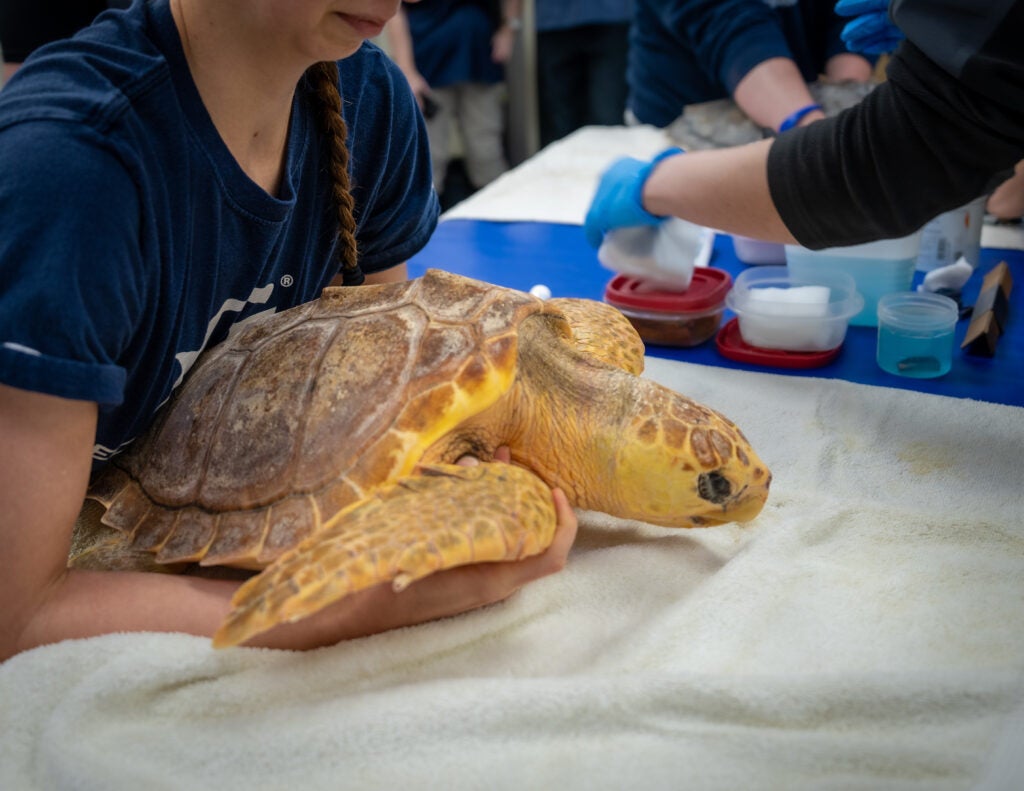
  • Cold-stunned patients go through a prolonged rewarming process. 
  • If their temperature is raised too quickly, it can cause stress or shock. 
  • Patients also receive supportive care that could include blood work, radiographs, diagnostics, and wound management (if present)
  • Once their temperatures are regulated and they regain enough strength, veterinary staff clear the turtles for release.

The recovery timeline and eventual release depend on the turtle’s health and response to care. While release is always the goal, it is not guaranteed. Depending on their injury, some patients require routine care or physical therapy to maintain their health. Some of these animals are transferred to a long-term care facility and serve as educational animals. 
From Chill to Thrill 1

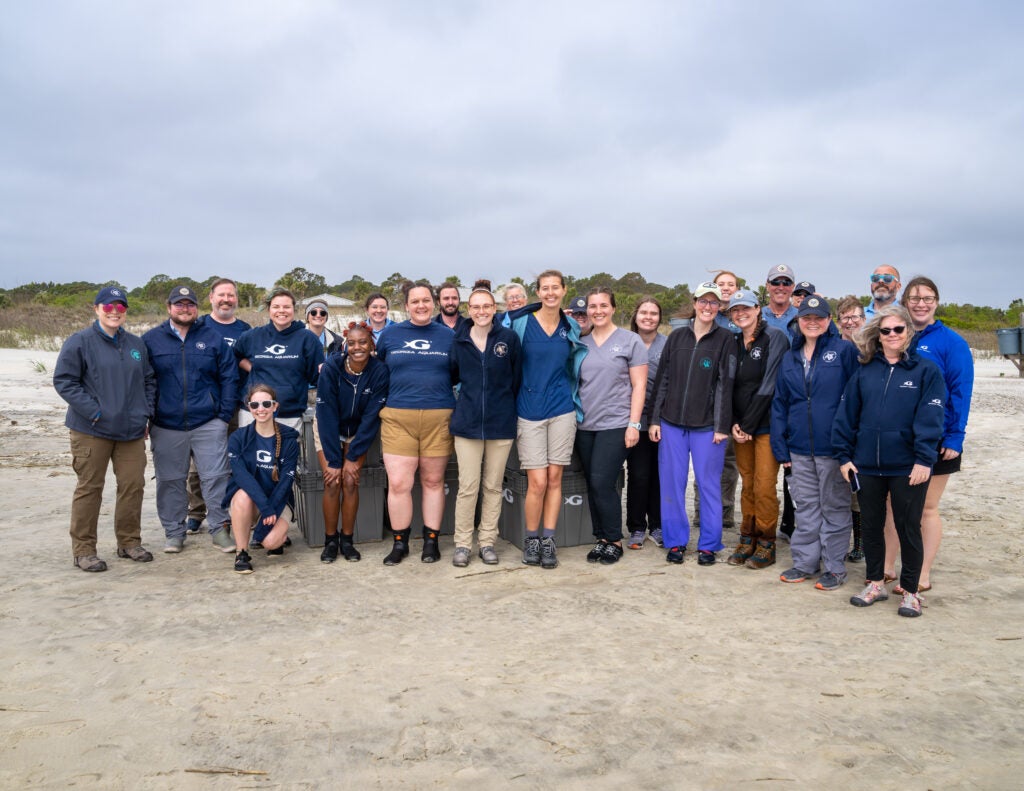
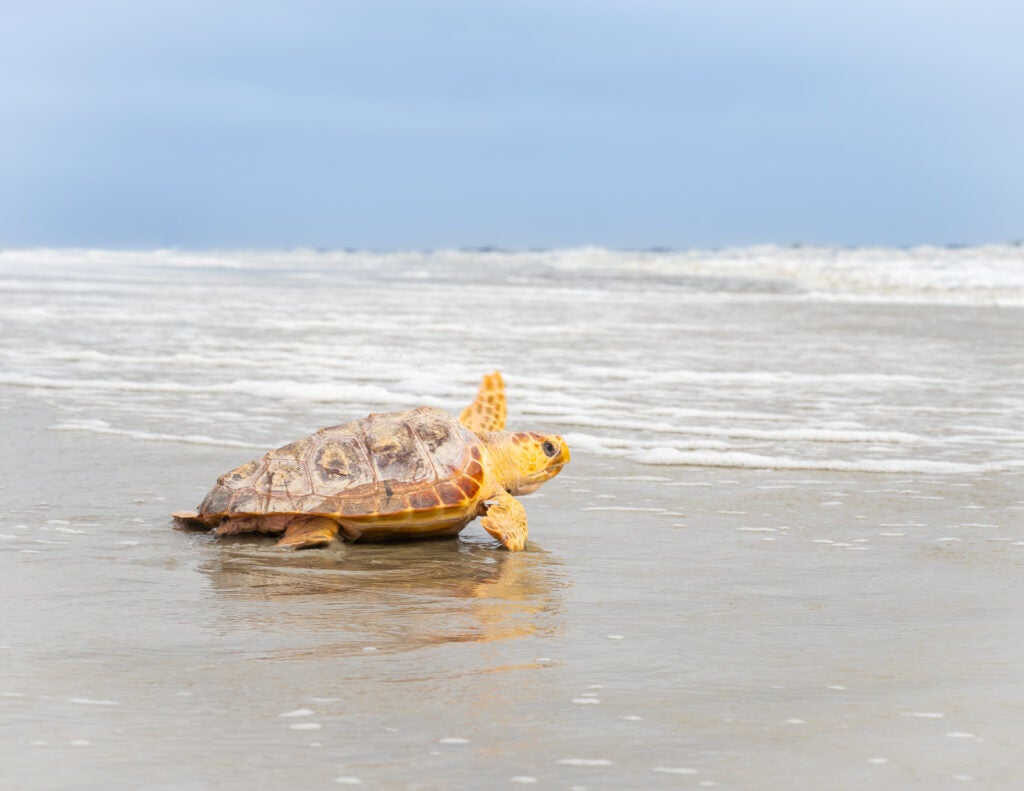
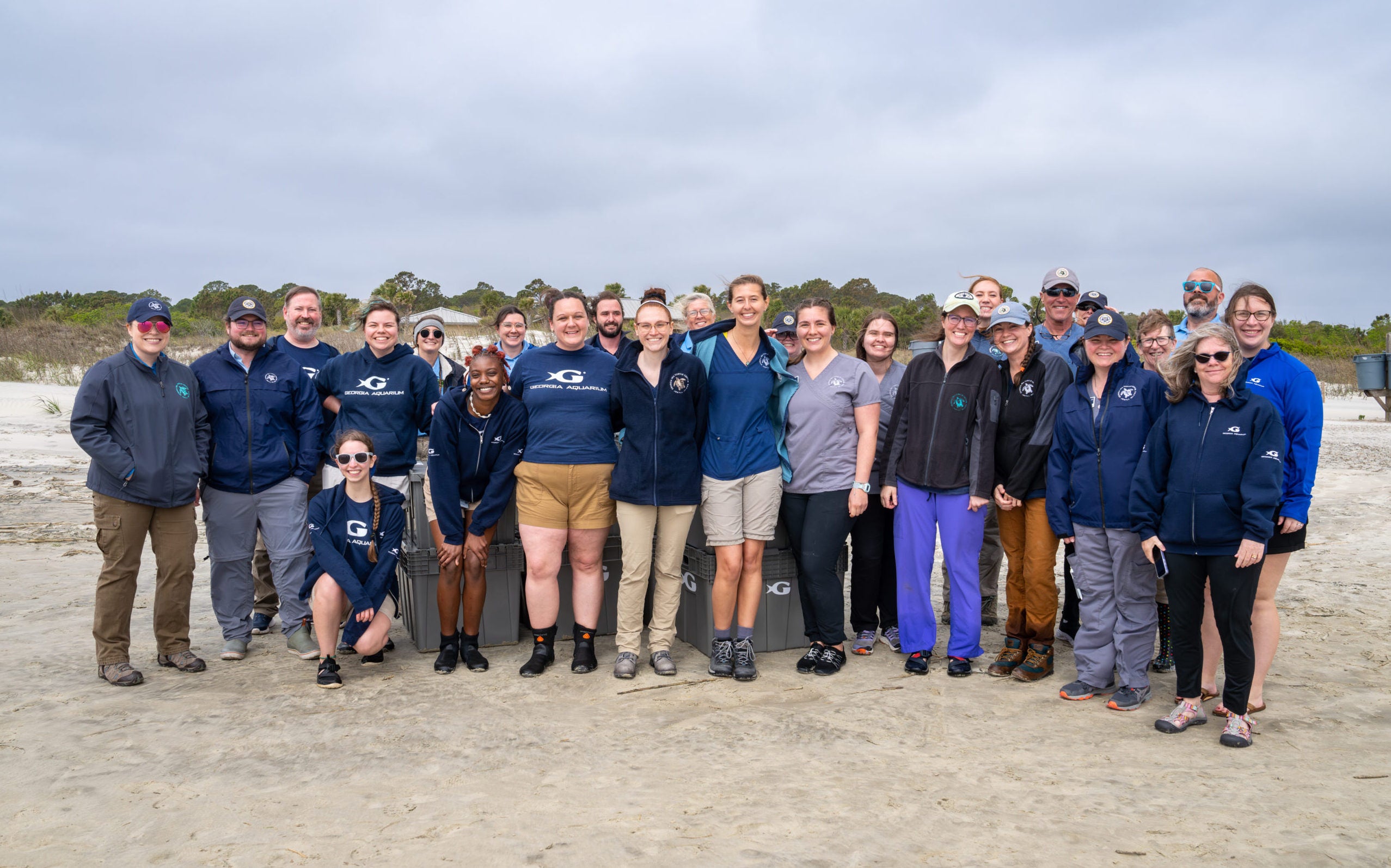
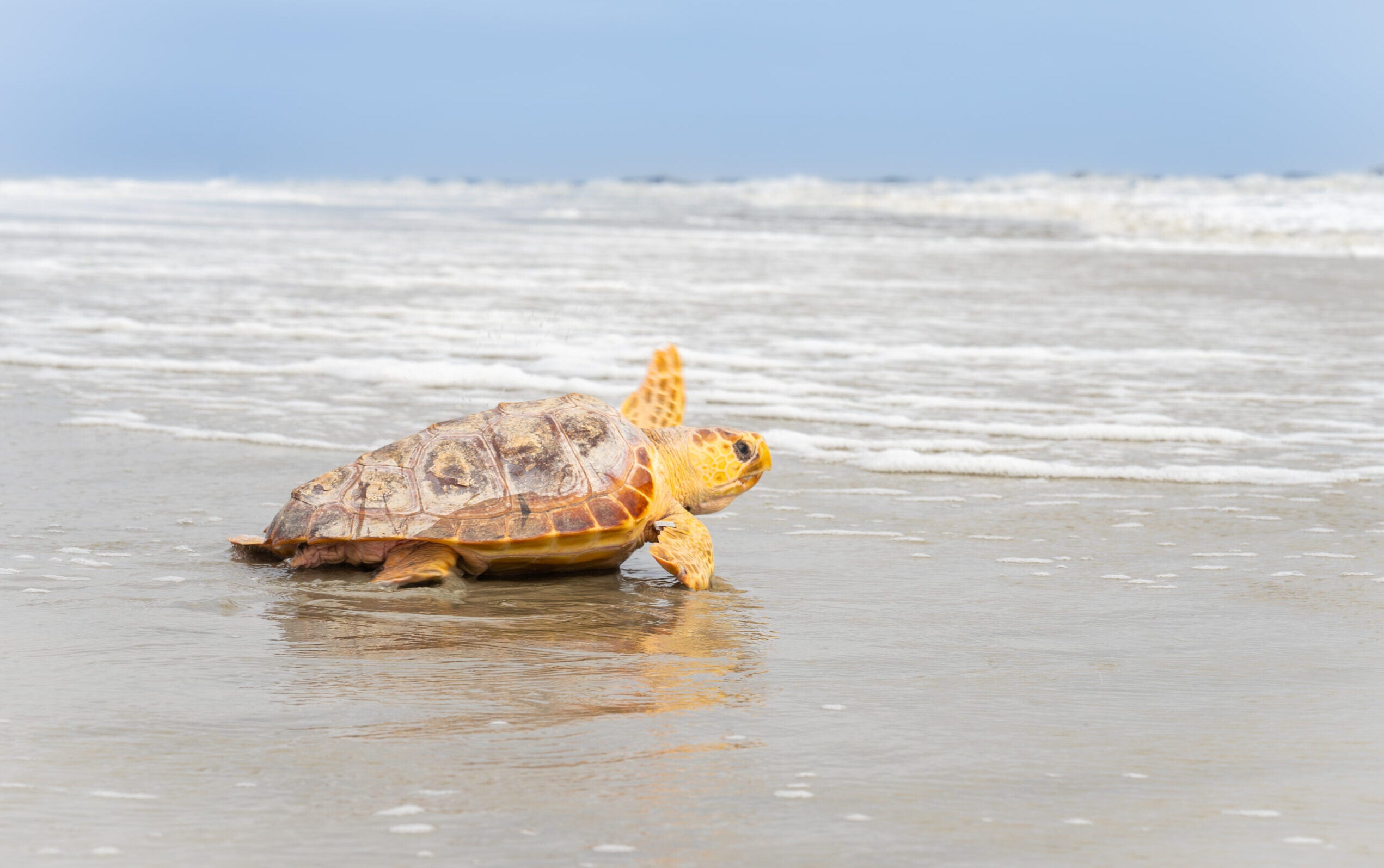
In March 2024, Georgia Aquarium and the Georgia Sea Turtle Center successfully released eight sea turtles back into the ocean. After being cared for by Georgia Aquarium staff at their off-site facility, all eight turtles made a full recovery and were cleared for release. With the help of Georgia Sea Turtle Center staff, these turtles were transported to Jekyll Island, GA, and released into the warmer waters. 


Why is this mission important? 

Several sea turtle species rescued during these efforts, including loggerhead and Kemp’s ridley, are endangered. These species play an essential role in our ocean’s ecosystem. Efforts to rescue, rehabilitate, and release these stranded turtles are vital for their continued conservation. By studying cold-stunned turtles, researchers can gather valuable data on behavior, physiology, and responses to cold temperatures. Working through partnerships benefits all as it improves rehabilitation efforts and fosters medical innovations. Through education, research, and rehabilitation, we can engage with our communities and inspire conservation efforts that span the globe. 


How can you help? 

Fortunately, the U.S. has a well-established network of government agencies, organizations, and volunteers that collaborate during cold-stunning events. This network actively plans for cold-stunning events. With alert systems to help organize and deploy people to look for and assist stranded turtles.

Help efforts to save these endangered sea turtles year-round: 

  • Reduce, Reuse, and Recycle.
  • Participate in beach cleanups.
  • Visit the Georgia Sea Turtle Center or Georgia Aquarium and learn more about research and conservation efforts.
  • Become an adoptive turtle parent at the Georgia Sea Turtle Center. 
    • By symbolically adopting a turtle, you’ll receive updates on its health and rehabilitation journey. Proceeds from this adoption program directly support operational expenses such as food and medical care.
  • Spread the message!

“Visiting the Georgia Sea Turtle Center is truly a one-of-a-kind experience,” says Michelle Kaylor, Director of the Georgia Sea Turtle Center. “The Center offers the public a chance to learn about sea turtles and see rehabilitation in action with various interactive exhibits and experiences.” The Center also offers year-round indoor and outdoor programs for guests of all ages. Visitors to the Center support the mission of rehabilitation, research, and education of sea turtles and wildlife on the Georgia coast.

Please remember all sea turtles are threatened or endangered under the U.S. Endangered Species Act, and a permit is required to work with these animals. If you see a sick, injured, or stranded sea turtle, immediately contact your local stranding network.