
Ocean Acidification Crossed a Key Threshold

What That Means for Corals and How Georgia Aquarium Is Helping

When the ocean absorbs carbon dioxide (CO₂) from the air, seawater becomes slightly more acidic. Increasing amounts of CO₂ means more acidic water. That shift matters for corals and other shell-building animals that need calcium carbonate to grow and heal. Potsdam Institute for Climate Impact Research reported in their latest annual assessment that global ocean acidity has crossed a critical threshold for marine life—putting extra pressure on reefs that are already challenged by warmer waters, increasing exposure to disease and more intense storms.

“This matters because coral reefs are nurseries for fish, buffers for coasts, and a foundation for local economies,” said Kim Stone, director of fishes and invertebrates at Georgia Aquarium. “As acidity rises, corals spend more energy maintaining their skeletons and less on growth and reproduction. Over time, that weakens reefs and everything that depends on them, from reef fish to the people who rely on healthy oceans.”


Georgia Aquarium’s leadership response to the coral crisis
  • Long-term commitment: Georgia Aquarium has been actively involved in coral restoration and conservation since 2010, recognizing coral’s crucial role in healthy marine ecosystems.
  • Research and rescue that inform action: Our teams conduct coral rescue and study health and resilience in corals so partners can implement effective conservation strategies. We’ve guided and developed coral care techniques behind the scenes and supported nursery strategies on the reef. We also help care for corals confiscated from illegal trade, working with U.S. Fish and Wildlife Service when animals need immediate critical care. Georgia Aquarium has received over 1,000 confiscated aquatic animals, more than half of them corals.
  • Training more experts: We are teaching how to care for coral to expand the number of experts and partners involved in coral rescue and care worldwide. Georgia Aquarium hosts aquarists on-site for coral program training annually. It is a practical way to grow the network of people who can care for, rescue and restore threatened corals so more places have the expertise they need.
  • Partnerships and field impact: Georgia Aquarium is a leading participant in the Association of Zoos and Aquariums Florida Reef Tract Rescue Project, a multi-institution effort responding to the lethal, fast-spreading stony coral tissue loss disease in the Caribbean and Atlantic, including off Florida. This work is tracked on a dynamic dashboard following over 2,300 rescue colonies, including where the animals live, how big they are and DNA typing. We also partnered with Coral Restoration Foundation to grow coral fragments in underwater nurseries, with the goal of outplanting healthy corals back to the reef. To move nursery corals safely, Georgia Aquarium introduced the “Coral Bus”, a specialized aquarium trailer system that reduces stress and supports survival during transport.
  • Inspiring care through connection: In our Tropical Diver gallery, guests see living corals up close. Turning big-picture climate science into a personal experience is one of the most powerful ways to spark action. Our aquarists also propagate corals for our live reef wall, which supports education and conservation goals inside the Aquarium.

“Coral reefs are living infrastructure for the ocean, and more acidity makes it harder for them to build and heal,” Stone shared. “We are investing in people, partnerships and science to help reefs hold on and bounce back.”


What you can do today
  • Lower your carbon footprint where you can. Small choices add up. A few small actions include walking and biking instead of driving when possible, eating locally-sourced foods and reducing food waste. When swimming in the ocean, use reef-safe sunblock.
  • Choose sustainable seafood using trusted guides and certifications. Georgia Aquarium’s Seafood Savvy program promotes choosing sustainable seafood from sources that minimize environmental impacts, ensure fair working conditions, and support the entire supply chain.
  • Support coral programs through donations or membership.
  • Learn and share. Visit Georgia Aquarium, explore our coral resources and talk about why reefs matter.


Hope looks like skilled hands, good science, and strong partnerships. From behind the scenes to reef nurseries, Georgia Aquarium and our partners are working to protect corals when it matters most.

In the Field: A Week in Thailand

By Leah Neal, Curator of Fish and Invertebrates at Georgia Aquarium

In the Field: A Week in Thailand

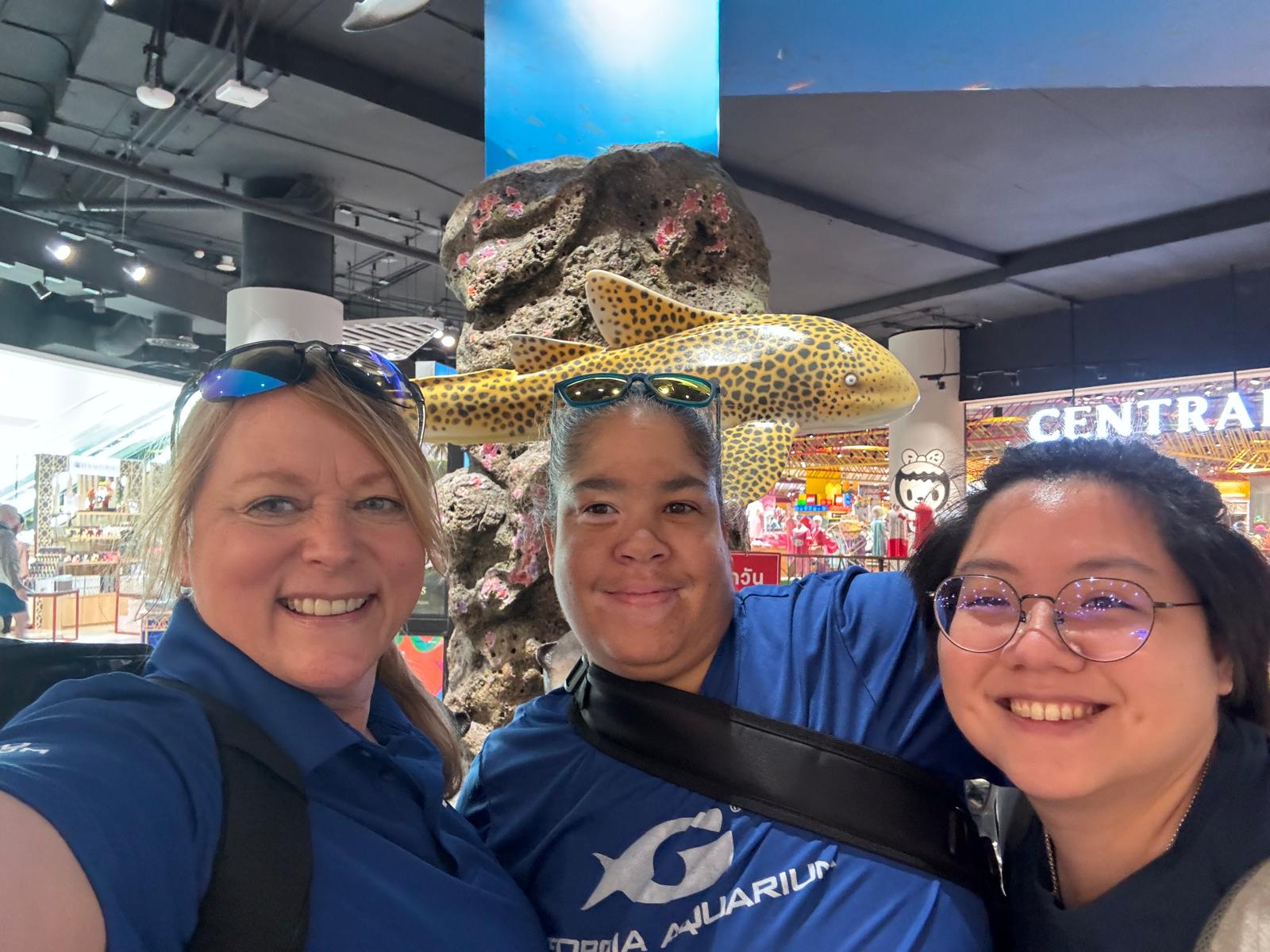
I recently had the incredible opportunity to spend a week in Thailand working alongside dedicated conservation professionals as part of the ongoing ReShark StaR (Stegostoma tigrinum Augmentation and Recovery) Project—a global, collaborative initiative to restore zebra shark populations in their native Indo-Pacific habitats.

Georgia Aquarium is a proud partner of the project, and I’ve been fortunate to be involved from the beginning. From contributing zebra shark eggs to sharing our expertise in husbandry and research, our role spans from the lab to the field. This trip to Thailand was an important step forward for the StaR Project’s expansion.

Setting Standards for Global Conservation

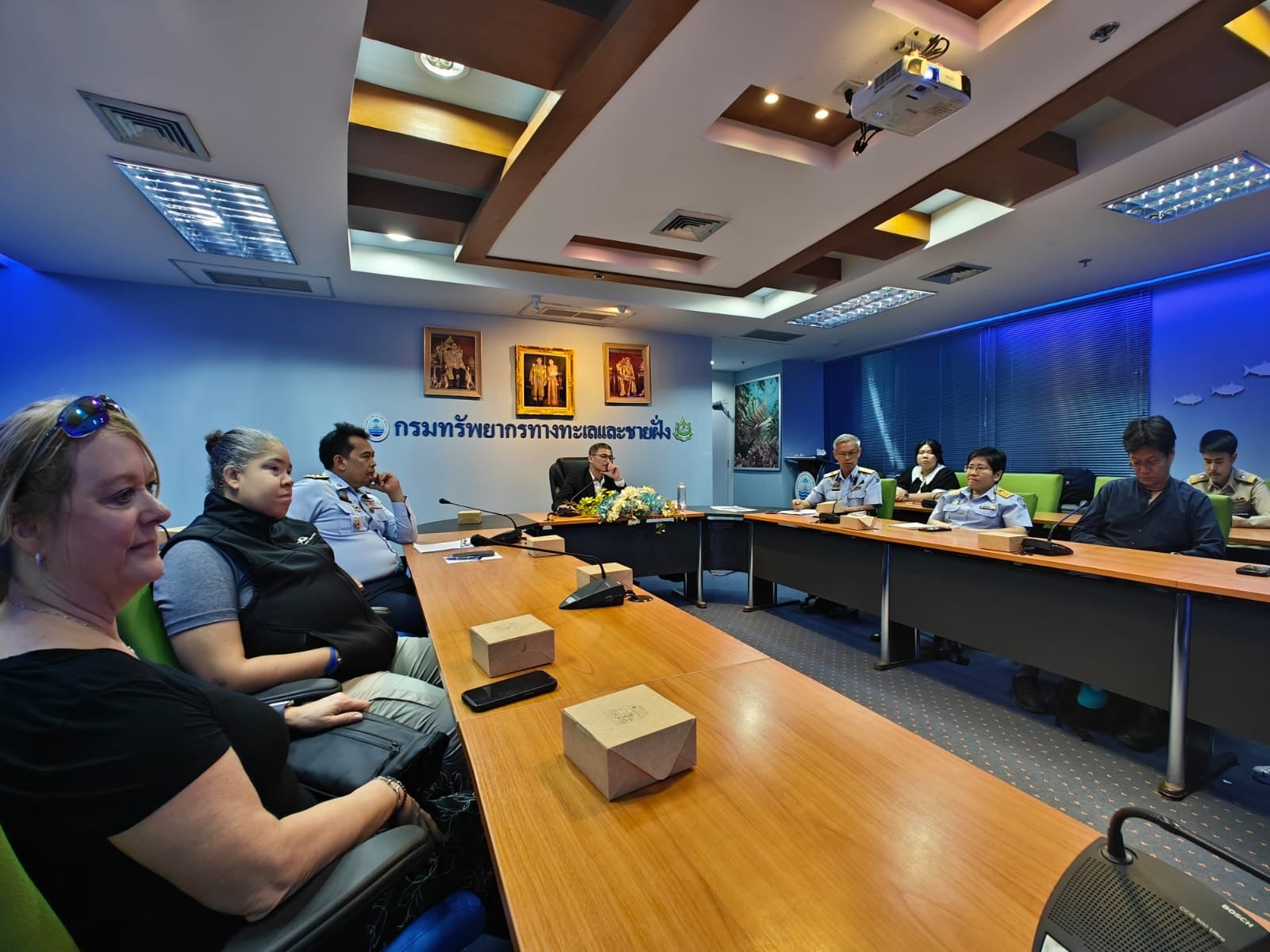
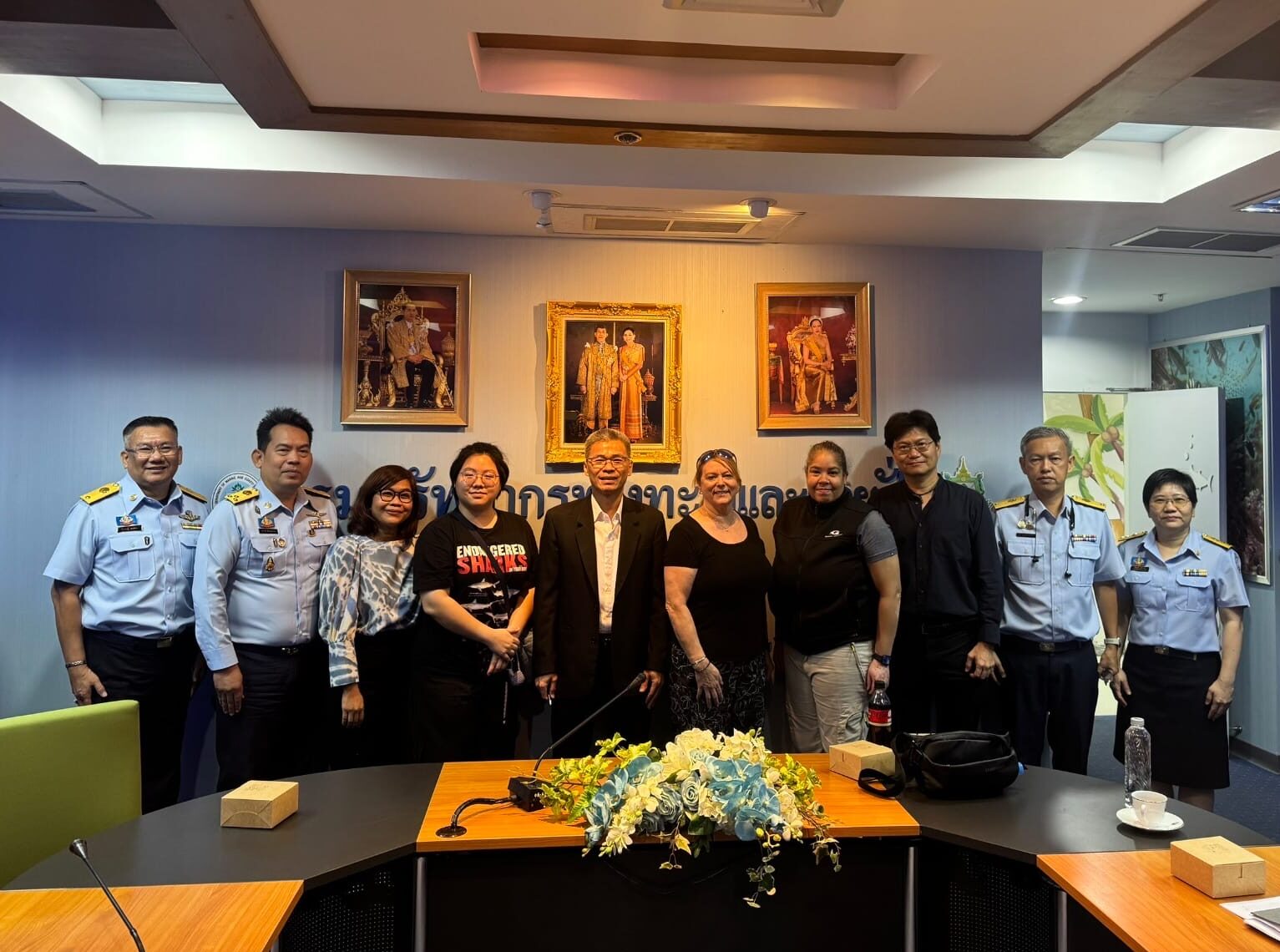
One of my main goals on this trip was to assist in the inspection of an aquarium in Southeast Asia being considered as a potential new egg donor facility. Unlike facilities accredited by the Association of Zoos and Aquariums (AZA) in the United States, many aquariums in Southeast Asia don’t have an accrediting body. That means it falls to us and our partners to ensure they meet the rigorous animal care, safety, and welfare standards necessary for participation.

After thoroughly reviewing husbandry protocols, environmental conditions, and staff practices, I’m pleased to say the facility was approved. This exciting development will help expand genetic diversity for future releases.

Knowledge Sharing in Action

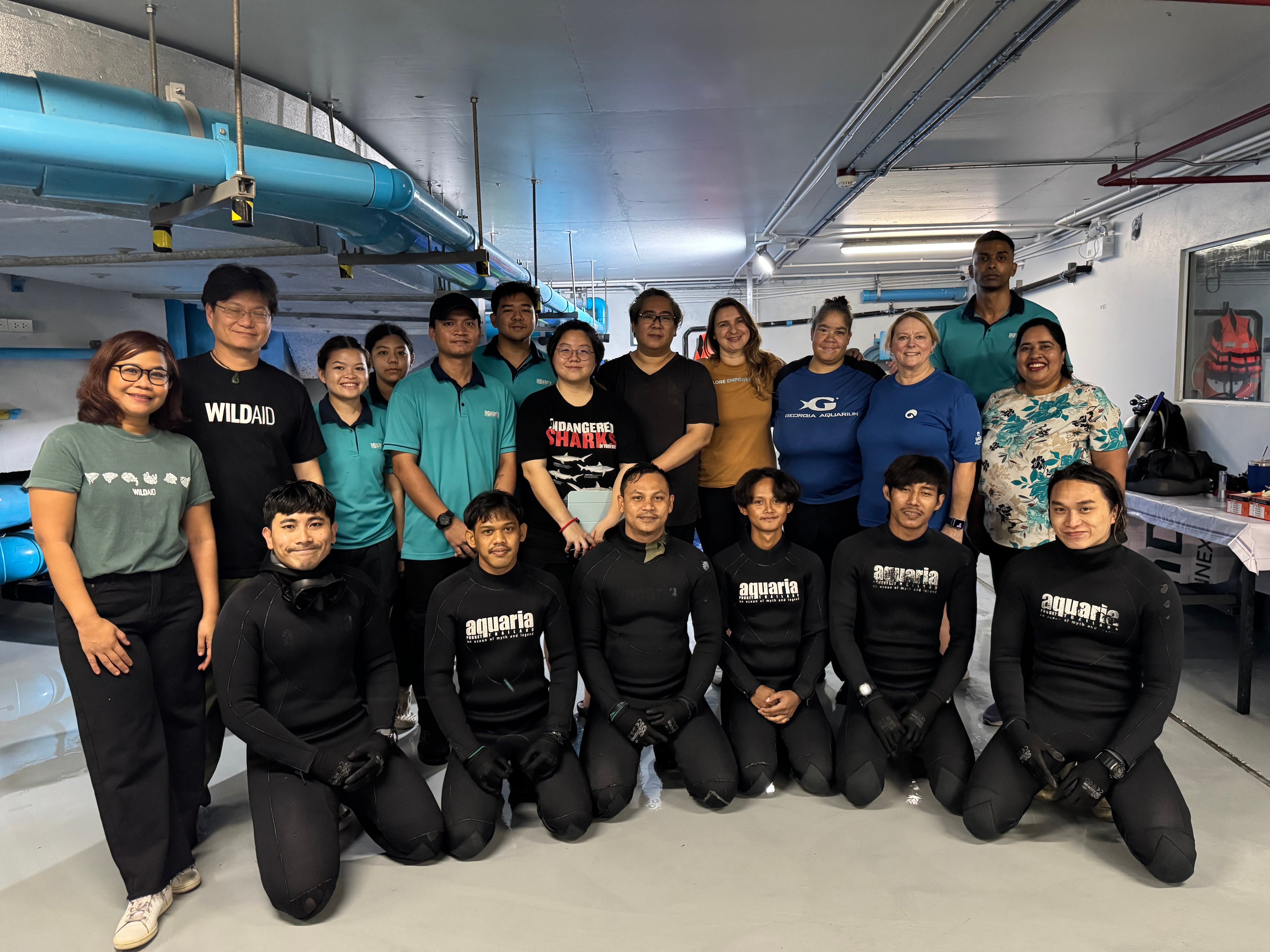
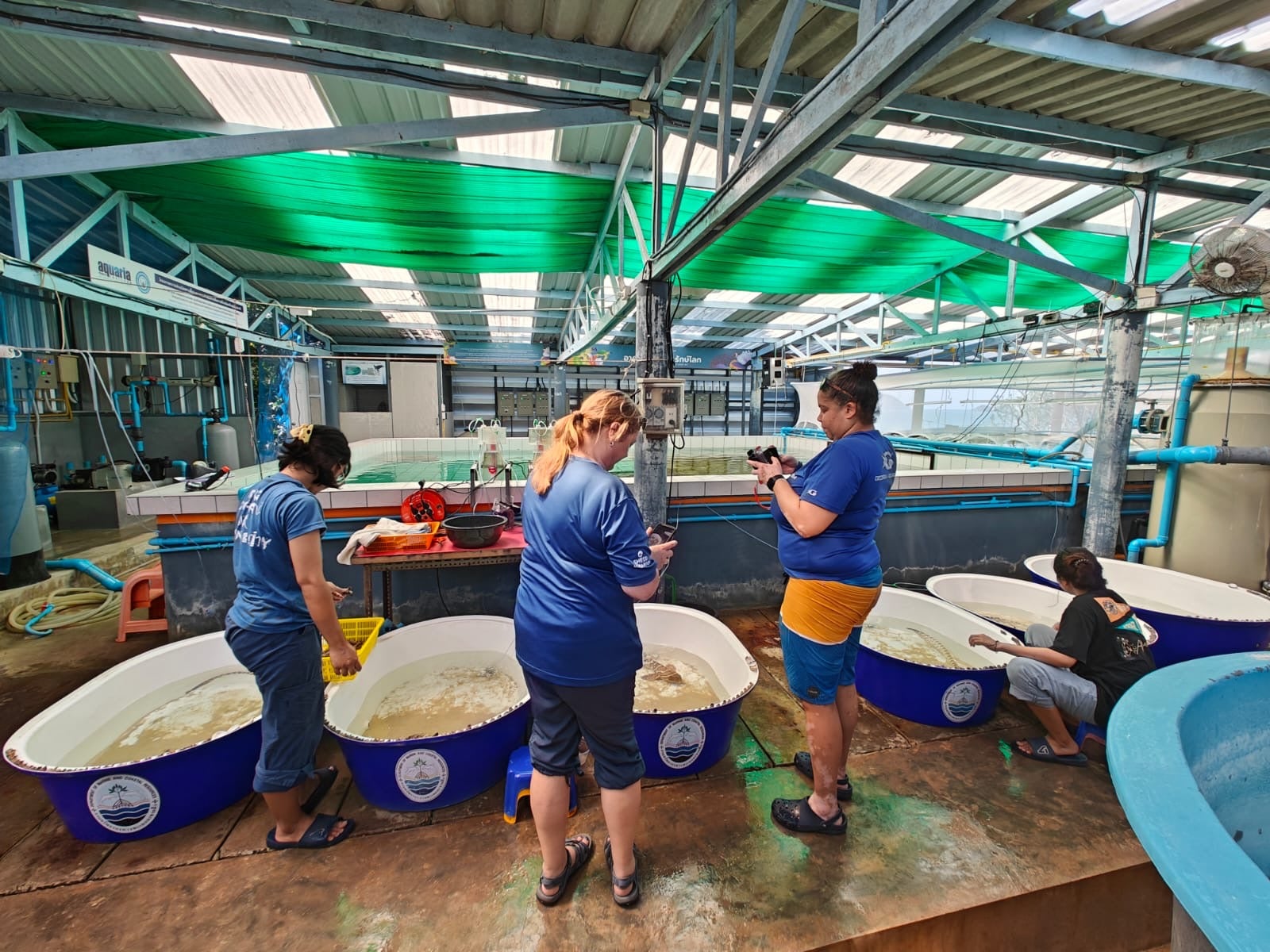
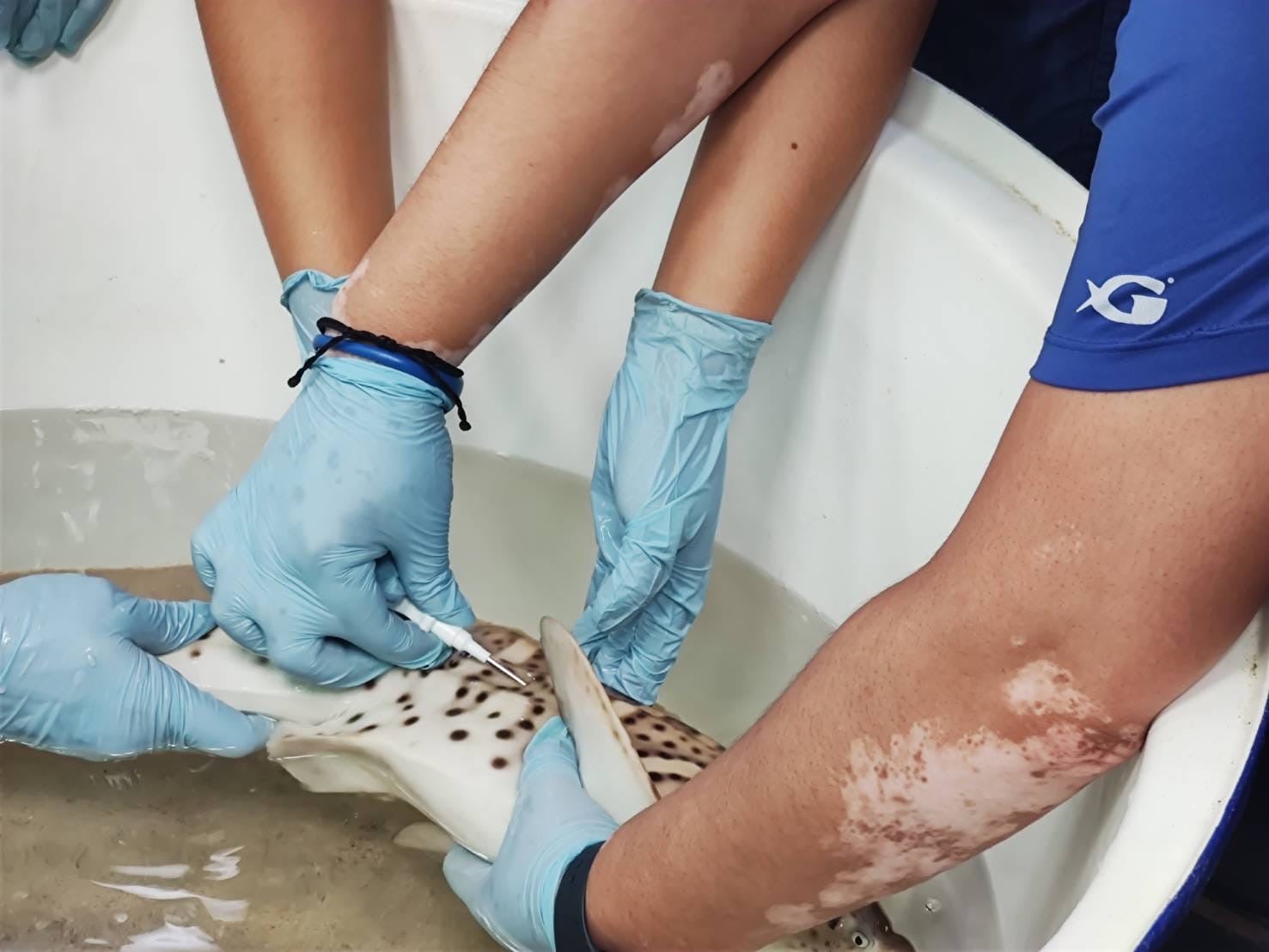
Equally important was the opportunity to work hands-on with staff at both the donor facility and the Phuket Marine Biological Center (PMBC)—a potential future holding site for zebra shark pups. I assisted with training sessions on essential practices like zebra shark blood collection, microchipping, and general animal handling. Many of the staff at PMBC were hired specifically for the StaR Project. It was incredibly rewarding to help them build the skills and confidence needed to care for these animals.

Training and collaboration are vital components of any long-term conservation effort. By sharing best practices, we ensure a consistent approach to shark care and data collection, no matter where in the world it’s happening.

Diving Into the Future

My final stop was Mai Ton Island, a private island off the coast of Phuket. Our team evaluated a site for a future sea pen—an enclosed, ocean-based holding area that serves as an intermediate step for zebra sharks before their full release. After diving the site, I helped assess the environmental conditions and suitability for animal care. I’m happy to share that the sea pen was approved and is now successfully housing zebra sharks.

Looking ahead, we’re now exploring the possibility of building a hatchery near the sea pen. This would allow for even greater on-site care and monitoring before transfer or release.

What’s Next

Later this year, I plan to return to Indonesia, where the StaR Project began, to assist with the release of zebra sharks. Seeing these animals swim free in their native waters after years of careful planning, collaboration, and care is the ultimate goal. It is also an unforgettable moment for everyone involved.

At Georgia Aquarium, we’re deeply committed to the success of this project. Conservation doesn’t happen in isolation—it happens through partnership, knowledge-sharing, and a global commitment to restoration. I’m proud and grateful for the opportunity to help bring zebra sharks back to their native reefs.

To learn more about the ReShark StaR Project and Georgia Aquarium’s role in global shark conservation, visit reshark.org/star-project.

Protecting Dolphins and Our Ocean

Protecting Dolphins and Our Ocean: Georgia Aquarium’s Legacy Dolphin Health Research Program

At Georgia Aquarium, we believe caring for the ocean begins with understanding it. For over a decade, our scientists and veterinarians led one of the most important dolphin health studies ever undertaken, the Health and Environmental Risk Assessment (HERA) project. This groundbreaking work not only deepened our knowledge of dolphins but also revealed powerful connections between the health of marine animals, their ecosystems, and the people who share those waters.

What Is HERA?

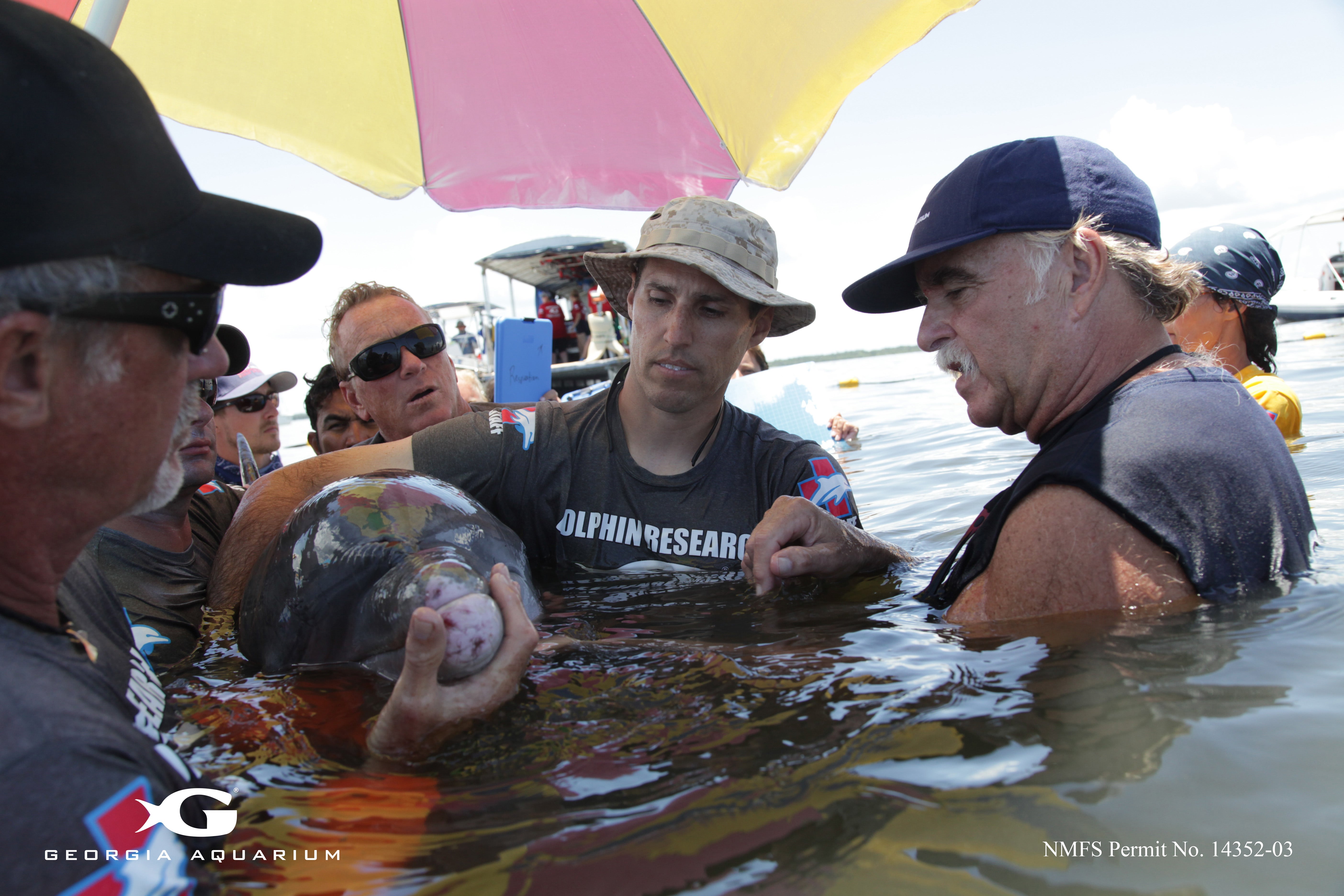
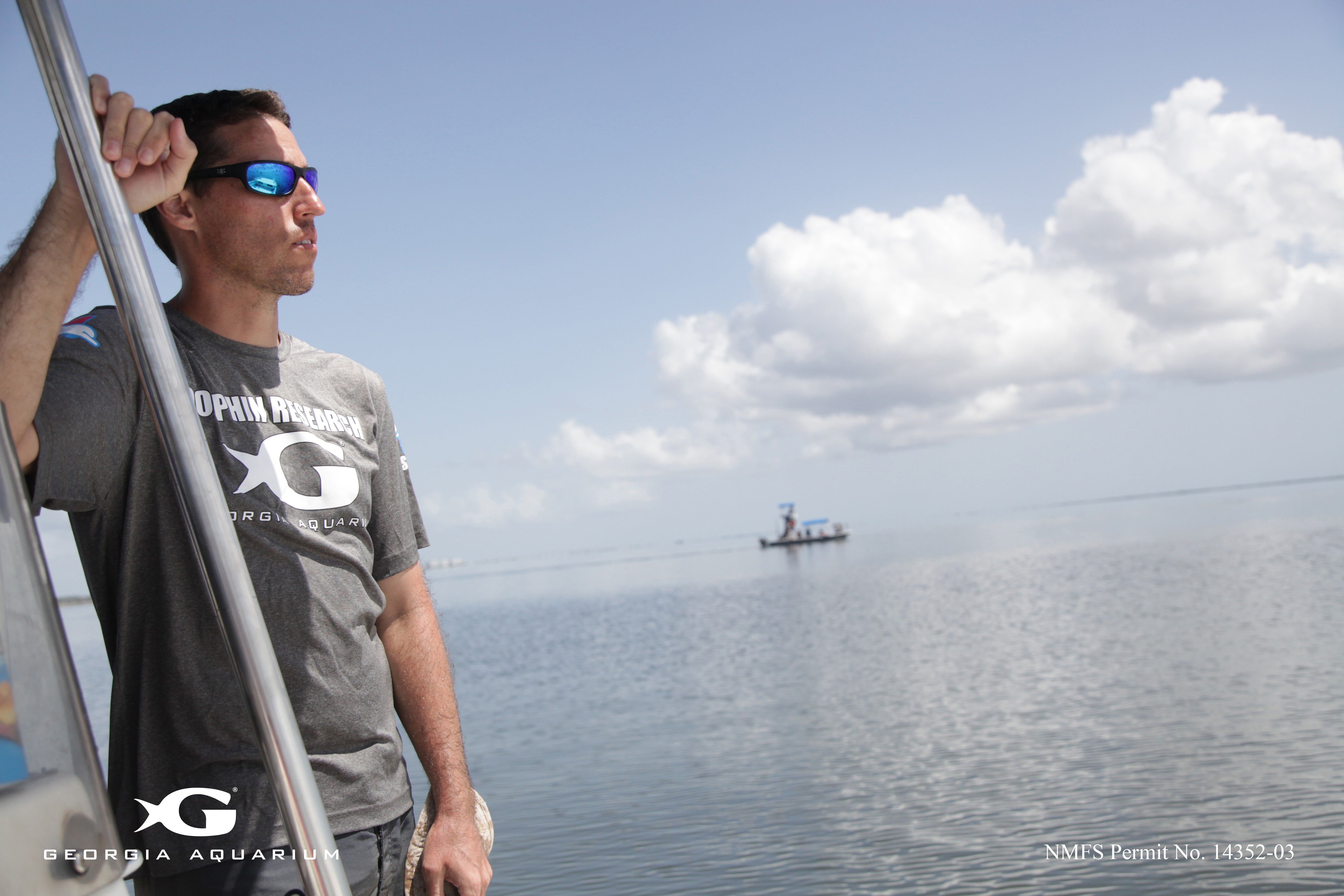
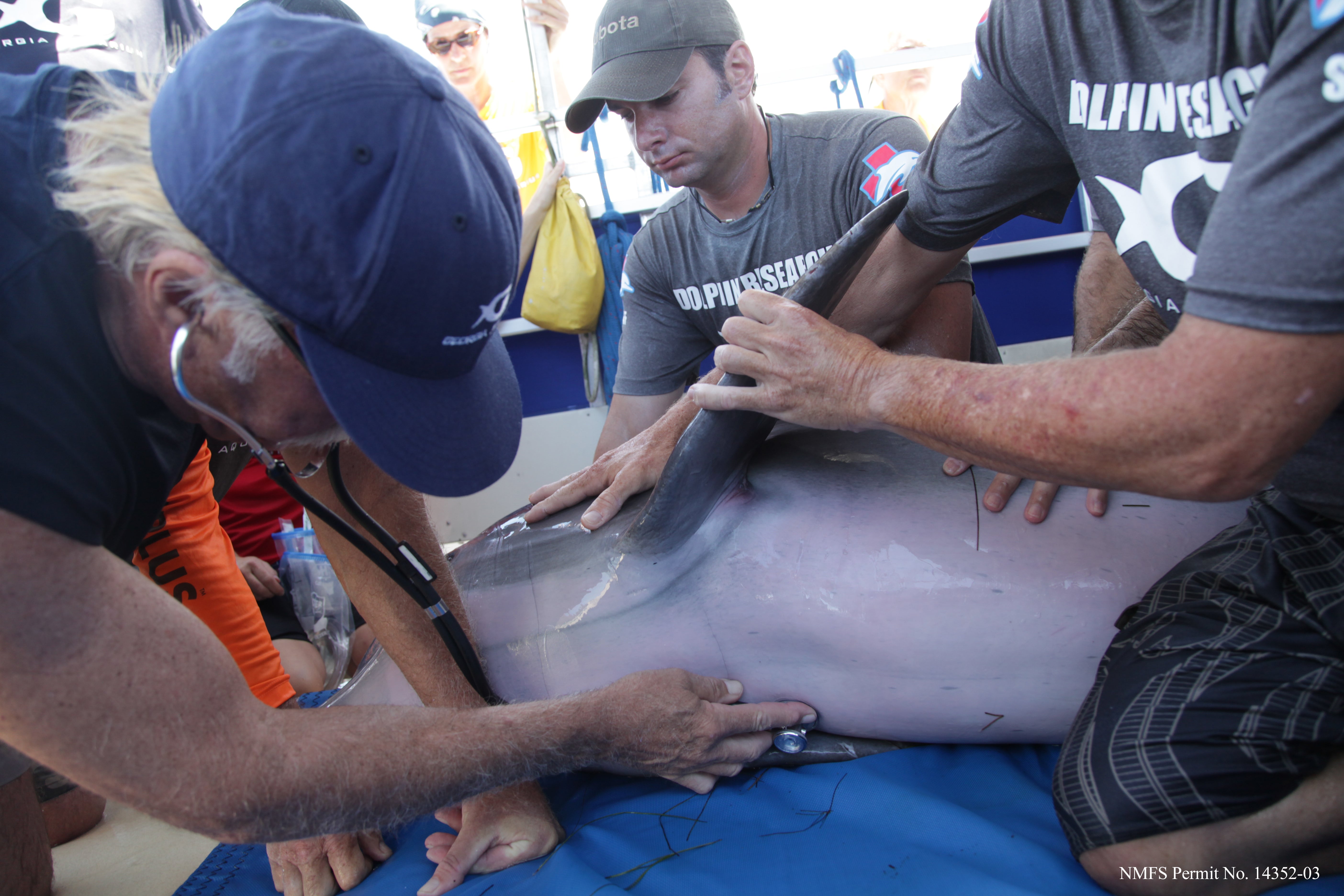
Beginning in 2003, Georgia Aquarium and its partners launched HERA, a first-of-its-kind research program studying wild bottlenose dolphins in Florida’s Indian River Lagoon and South Carolina’s Charleston Harbor. Over the years, experts examined several hundred dolphins, gathering vital information about their health, exposure to pollutants, and resilience in the face of environmental change.

Every dolphin was carefully examined and then returned safely to its home waters, helping scientists collaborating from dozens of scientific research organizations build a living picture of how these animals, and the ecosystems they represent, are faring.

Why It Matters

HERA proved what many scientists had long believed: dolphin health offers early warnings about the health of our ocean and the communities that depend on it. The project uncovered:

  • High levels of pollutants such as mercury and long-banned toxic chemicals, raising concerns for both dolphins and people who rely on local seafood.
  • Signs of immune challenges and disease, including antibiotic-resistant bacteria and exposure to viruses that can spread quickly through wild populations.
  • First detection of triclosan, an anti-bacterial compound, in dolphins at levels similar to those reported for humans, adding evidence on the persistence of these antimicrobials. This finding contributed in part to an FDA rule removing these chemicals from over-the-counter antibacterial soaps.
  • Connections between dolphin health and human health, reminding us that a healthy ocean is essential for all life.

The data collected continues to guide conservation and public health decisions today, long after the last dolphin exam was completed.

A Visionary Leader: Dr. Gregory Bossart

At the heart of HERA was the leadership of Dr. Gregory Bossart, Georgia Aquarium’s Senior Vice President and Chief Veterinary Officer. Dr. Bossart was more than a brilliant scientist; he was a visionary who believed in the “One Health” approach, which is the idea that the health of people, animals, and the environment is deeply connected.

Through his leadership, Georgia Aquarium became a world leader in conservation medicine. He inspired countless colleagues and students with his belief that caring for dolphins and protecting the ocean are inseparable from caring for one another.

Though Dr. Bossart passed away in 2019, his legacy lives on. To celebrate his life and continue his mission, Georgia Aquarium created the Dr. Gregory Bossart Memorial Scholarship. This scholarship supports students in veterinary and marine sciences who share a passion for wildlife conservation and the health of our planet. New scholars carry Dr. Bossart’s vision forward each year, ensuring that the spirit of HERA continues to inspire and protect for generations to come.

Carrying the Work Forward

The lessons of HERA remain as relevant today as when the first dolphin was examined. Georgia Aquarium is proud to honor Dr. Bossart’s extraordinary leadership and to continue his life’s work: protecting animals, conserving nature, and inspiring hope for a healthier ocean.

In a Warming Arctic, Walruses Face a New Toxin Risk

Dr. Patrick Charapata, a research scientist at Georgia Aquarium, led a study that was just published in the journal Harmful Algae investigating the implications of harmful algal blooms in the Arctic, and what that means for the health of walrus who consume the nerve toxins while eating shellfish. This wasn’t an issue of concern decades ago, but as waters warm and harmful algae move into Arctic waters, researchers are working to uncover what this means for the health of wildlife, and also the food system that Indigenous people depend upon.

In a Warming Arctic, Walruses Face a New Toxin Risk 1

Why Ocean Warming Matters for Walruses

As Arctic waters warm, harmful algal blooms are appearing more often and in new places. Some algae—such as Alexandrium catenella—produce paralytic shellfish toxins (PSTs), a powerful nerve toxin. Think of the toxin’s path like a relay: tiny algae make it, clams and worms on the seafloor eat the algae and can hold onto it, and when walruses eat those invertebrates, they may take in the toxin along with their meal. Dr. Charapata spent three years building an easy-to-use way to estimate how much toxin could reach walruses during a bloom and where exposure might be higher depending on where walruses eat/forage.

How the Study Worked and What it Revealed

Using data from two confirmed Arctic bloom years (2019 and 2022), researchers modeled a typical day of feeding for a walrus. This approach produced estimates of daily toxin ingestion and mapped places and times where exposure was likely to be elevated.

Results indicate that during bloom periods, walruses are likely to ingest enough toxin to potentially affect their health. One important caveat remains: the exact dose that harms walruses has not yet been established, so these findings characterize exposure rather than a confirmed health threshold.

“These models give us our clearest picture yet of how a microscopic algae can become a potential macro-level health threat for walruses,” said Dr. Charapata. “They help us identify where risks may spike as Arctic conditions shift and where monitoring can protect both wildlife and the food-security and food-safety of people.”

For People and Communities: What Comes Next

This work reflects a One Health perspective, where animal, human, and environmental health are connected. The same modeling framework can help assess toxin risks for marine subsistence foods important to Native Alaskan communities and can support more informed decisions during future blooms.

Researchers plan to refine estimates as new toxicity data become available, especially walrus-specific thresholds, and to apply the approach to additional bloom scenarios so partners can use it for planning and early warning.

20 Years of Wonder: Georgia Aquarium’s Global Impact on Whale Shark Conservation and Discovery

When Georgia Aquarium opened its doors in 2005, it introduced the United States to an awe-inspiring marvel of the natural world: the whale shark. At the time, this gentle giant — the largest fish in the sea — was one of the least understood species in marine biology. Fast-forward 20 years, and whale sharks are now beloved ocean ambassadors, captivating millions of guests and inspiring a generation of conservationists, researchers and advocates.

As we approach a milestone anniversary, we’re not just reflecting on two decades of pioneering research and extraordinary scientific partnerships but also celebrating our unwavering dedication to protecting an endangered species that still holds many mysteries.

A First in the World—and Still the Only One in the U.S.

Georgia Aquarium made history as the first aquarium outside of Asia to care for whale sharks and remains the only place in the United States where people can see these incredible fish up close. From that moment, public awareness and fascination with whale sharks skyrocketed, helping to shift the species from obscure to iconic.

But Georgia Aquarium’s role extends far beyond public engagement. It is a leader in conservation science that has helped shape what the world knows about whale sharks today.

From Curiosity to Conservation Science

In the early 2000s, whale sharks were largely a mystery. Although they were known to be the world’s largest fish, very little was understood about their biology, behavior, or even how many existed in the ocean. Since then, Georgia Aquarium has led and contributed to some of the world’s most important whale shark research.

Among the most significant achievements was the creation of the first-ever complete shark genome, accomplished through a groundbreaking collaboration with Georgia Institute of Technology and Emory University. This achievement was built on earlier work by Georgia Aquarium’s veterinary and animal health teams, who developed safe and sophisticated techniques for collecting and analyzing blood and tissue samples from whale sharks in their care—methods that are now also used to assess the health of wild populations.

These health assessments provide a critical window into whale shark biology, revealing insights into nutrition, pollutant exposure, immune function and overall well-being. Today, this knowledge informs care standards for whale sharks and strengthens conservation strategies for wild populations.

Tracking Giants Across the Globe

Understanding where whale sharks go and why has been a focus of Georgia Aquarium’s conservation efforts. Working with international partners, the Aquarium has deployed satellite tags to track whale shark movements in far-reaching locations including St. Helena, Mexico, the Galápagos, Indonesia, Australia, Taiwan and Oman. These efforts have provided a clearer picture of the species’ migratory patterns and ecological needs, revealing how these sharks travel vast distances and depend on multiple international waters to survive.

One of the most pressing conservation concerns uncovered through this research is the risk of ship strikes. In 2024, Georgia Aquarium co-authored a pivotal study that mapped whale shark aggregation sites against global shipping lanes, identifying high-risk areas where deadly collisions are most likely. This work offers critical data to policymakers and marine traffic planners working to reduce threats to whale sharks in vulnerable regions.

Discoveries Still to Come

Over the past two decades, researchers have identified up to 30 major aggregation sites (places where whale sharks gather seasonally to feed). These discoveries have vastly improved our ability to study the species in the wild. Yet, challenges remain: most sharks observed at these sites are juvenile males. Adult females remain elusive, and no one knows exactly where they give birth.

Earlier this year, Georgia Aquarium researchers contributed to the discovery of a new aggregation site in the Coral Sea. This exciting development expands the map of where these animals travel and congregate. Every new discovery brings us one step closer to unlocking the full life history of the whale shark and, ultimately, how to protect it.

Inspiring the Next Generation

Beyond the research labs and fieldwork expeditions, Georgia Aquarium’s impact can be seen in the faces of the millions of guests who have stood in awe before a whale shark for the first time. Public curiosity has evolved into care—and care into action. Through hands-on learning, immersive exhibits, educational programming, and advocacy, the Aquarium is shaping tomorrow’s conservation leaders.

As we approach 20 years of leadership in whale shark conservation, Georgia Aquarium remains as committed as ever to exploring the unknown, advocating for solutions, and inspiring people everywhere to care for the ocean’s largest fish. There is still so much to learn—and so much to protect. Here’s to the next 20 years of discovery, innovation, and stewardship.

Uncovering a Hidden Threat in Arctic Waters

Meet Dr. Patrick Charapata: Georgia Aquarium’s Scientist Tracking Marine Toxins in a Warming Arctic

The impacts of climate change on the Arctic go beyond the loss of sea ice. This week, a newly published study in the prestigious scientific journal Nature reveals a disturbing link between warming Arctic waters and rising levels of toxic algal blooms, following a nearly 20-year study of bowhead whales. This study is one of many recent studies that Georgia Aquarium has contributed to, digging into the emerging threat of toxic algae on Arctic wildlife and food systems that Indigenous communities depend upon.


Georgia Aquarium’s newest research scientist, Dr. Patrick Charapata, is part of a broader scientific effort working to understand how warming waters are allowing toxic algae to spread into the Arctic—regions once thought too cold to support them. These changes introduce harmful toxins into fragile ecosystems, sickening marine life and posing new risks for people who rely on healthy oceans for survival.


Dr. Charapata joined Georgia Aquarium in late 2024, bringing years of experience working with the National Oceanic and Atmospheric Administration and has a specialty in marine toxin research. His work spans polar region species like leopard seals, northern fur seals, walrus, whales, and clams – organisms at the center of fragile food webs that are now being disrupted by warming waters and toxic algae.

Algal Blooms Are Moving North

In Southern waters, algal bloom threats are intensifying, and researchers are now seeing more evidence that harmful algal blooms are pushing into the Arctic. These blooms can release potent toxins like saxitoxin and domoic acid, accumulating in fish, clams, and other species. The impacts are increasingly hard to ignore as these toxins work their way up the food chain—affecting everything from plankton to whales, as demonstrated in the recent bowhead whale study.

Another new study co-authored by Dr. Charapata documents a large-scale mortality event involving northern fur seals on St. Paul Island, Alaska. Dozens of seals were found dead alongside fish on the shoreline. Tests confirmed high levels of saxitoxin in seal tissues and in nearly all local fish, clams, and zooplankton—a clear link to an algal bloom driven by shifting ocean conditions.

“The Arctic is changing fast,” says Dr. Charapata. “And toxic algae are moving into waters where they’ve rarely been seen. That creates new risks for animals and for the people who rely on them.”

Understanding Toxins in the Food Web

In a related study published earlier this year, Dr. Charapata examined how paralytic shellfish toxins are affecting Arctic clams, an essential food source for walrus, seabirds, and humans. Using two different detection methods, he and co-authors found that more than half of the sampled clams had toxin levels above what’s considered safe for consumption. These findings provide new and important information that will inform monitoring systems for the Arctic food web to protect marine life and people.

This study lays the groundwork for future research already underway, including a follow-up study focusing on toxic accumulation in walruses.

Beyond animal health, these studies have clear implications for people. Many Indigenous communities in Alaska depend on subsistence hunting and fishing. As marine toxins become more common, food security and public health are increasingly at risk.

Georgia Aquarium’s Role & Looking Ahead

Georgia Aquarium is committed to advancing marine science and conservation, especially in under-researched areas like the Arctic. Dr. Charapata’s work strengthens that mission, adding expertise in a field that’s gaining global attention.

Together with new insights emerging from other research teams—including those behind the recent bowhead whale findings—his work helps paint a clearer picture of how climate-driven ocean changes are impacting marine ecosystems from the bottom of the food chain to the top.