
Tracking the Gentle Giants: Georgia Aquarium’s Role in Mapping the Ocean’s Hidden Highways

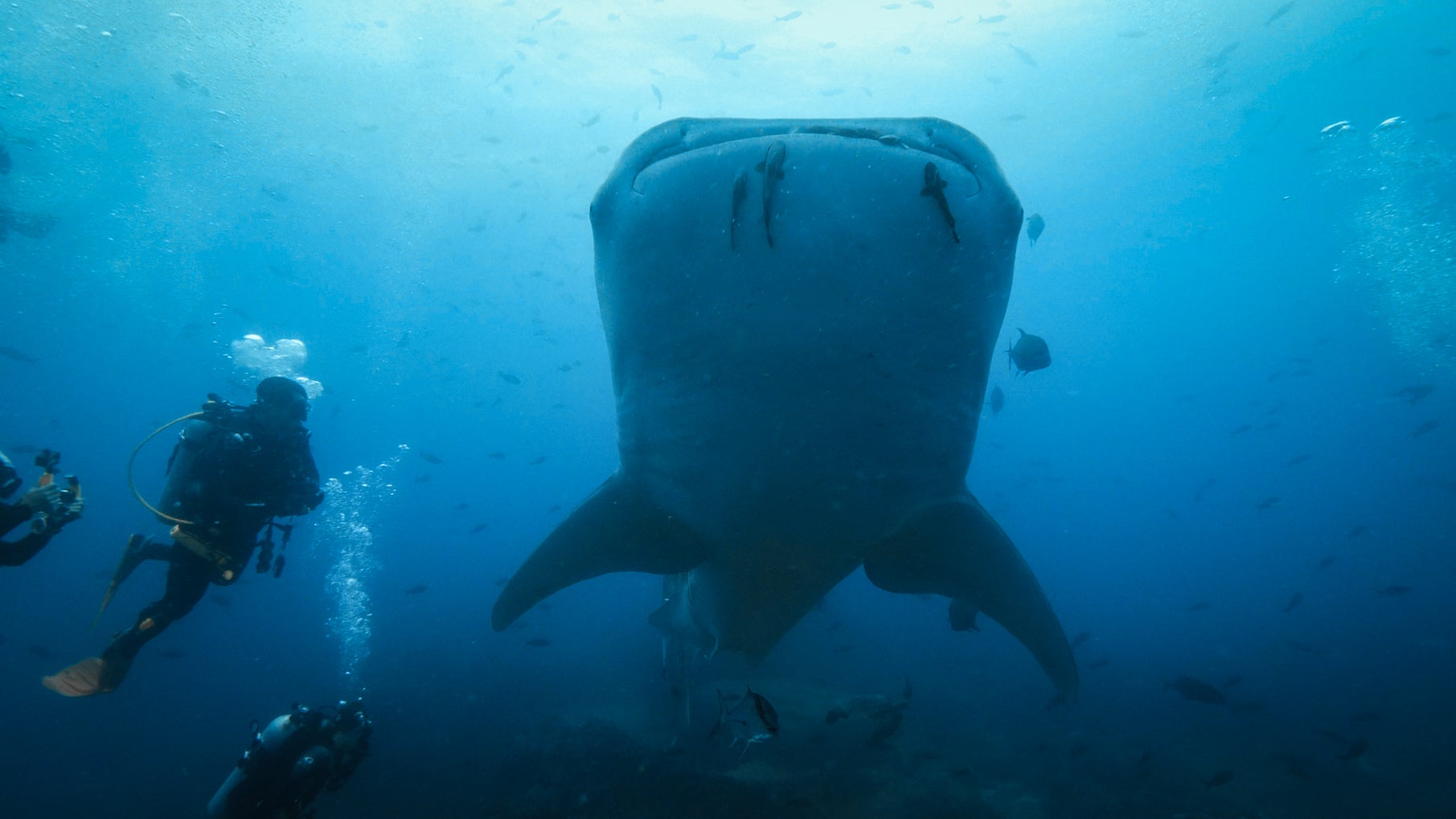
A newly published global study in Science has charted a groundbreaking path for the conservation of the ocean’s largest fish and marine mammals (known as marine megafauna) — and Georgia Aquarium is proud to have contributed vital data and expertise, particularly on the world’s largest fish: the whale shark.

Tracking the Gentle Giants: Georgia Aquarium’s Role in Mapping the Ocean’s Hidden Highways 4

The research, part of the MegaMove project, represents the efforts of nearly 400 scientists from over 50 countries who analyzed the movements of more than 13,000 individual animals across over 100 species of marine megafauna, including sharks, whales, turtles, and seals. By compiling three decades of satellite tracking data, the project has created the most comprehensive map to date of critical ocean areas used by these animals for migration, foraging, breeding, and resting.

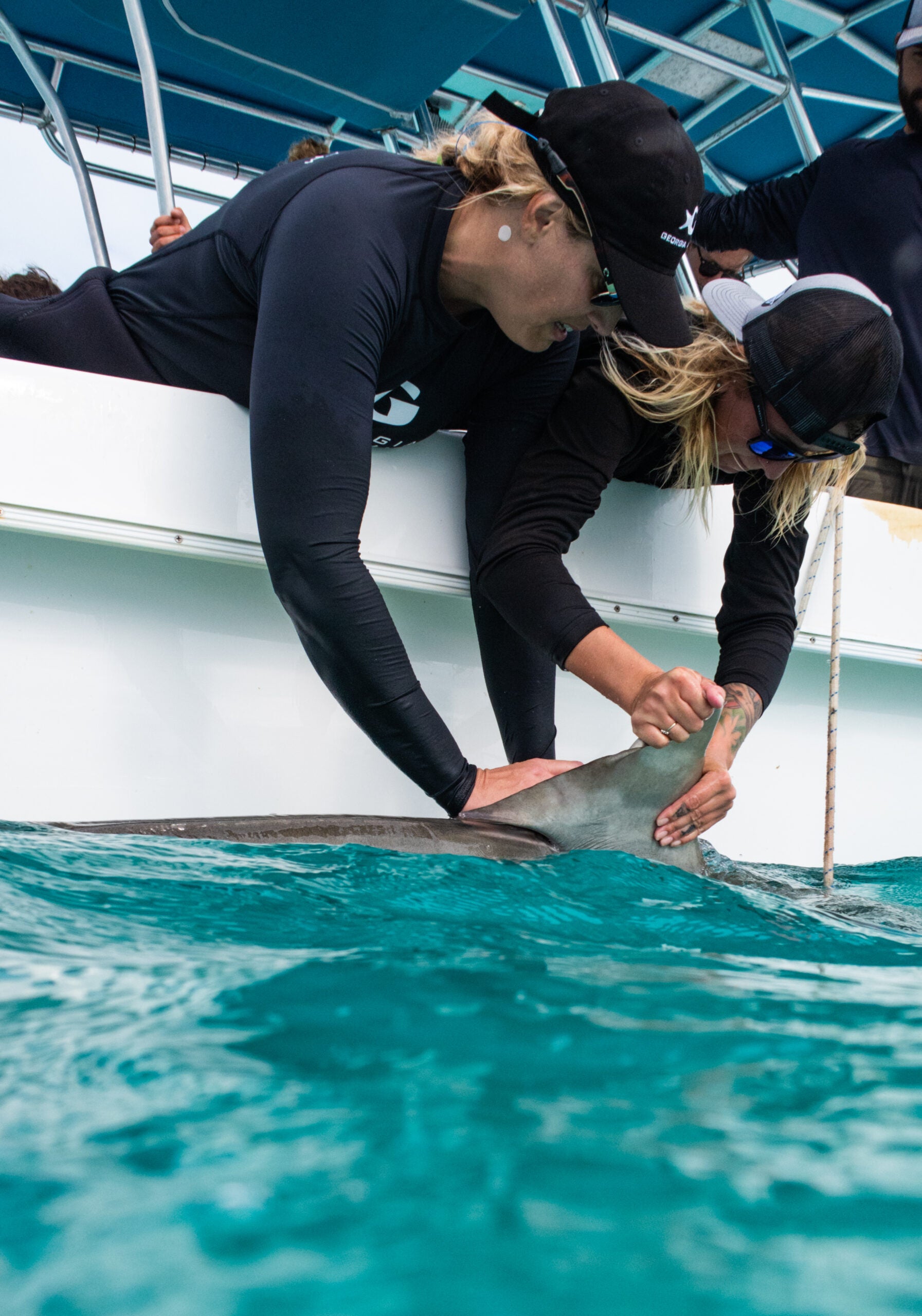
Georgia Aquarium’s contributions centered on whale sharks, a species the Aquarium is committed to researching and conserving. Working with international partners, Georgia Aquarium has tracked whale sharks in the Caribbean, Atlantic and Indian Ocean to better understand how these gentle giants navigate vast ocean spaces — often crossing multiple countries’ waters and spending significant time in unprotected high seas.

“Whale sharks are a sentinel species,” said Dr. Lisa Hoopes, Georgia Aquarium’s Senior Director of Research & Conservation. “Their movement patterns offer insight into the overall health of our ocean and how interconnected marine ecosystems really are. By contributing long-term satellite tracking data to the MegaMove study, we’re helping inform international conservation decisions grounded in real science.”

The study found that many of the areas most used by marine megafauna are outside existing marine protected areas (MPAs). While the UN’s High Seas Treaty aims to increase protection to 30% of the ocean by 2030, the research shows that even if those targets are met, additional strategies are still needed. Migratory species like whale sharks face overlapping threats from fishing gear, vessel strikes, plastic pollution, and warming seas — risks that transcend any single jurisdiction.

“What’s clear from this research is that protecting migratory species like the whale shark requires a truly global perspective,” added Dr. Hoopes. “We are committed to working with partners worldwide to ensure that conservation efforts match the scale and movement of the species we aim to protect.”

Georgia Aquarium will continue advancing whale shark science, contributing to collaborative efforts like MegaMove that offer a blueprint for protecting the ocean’s most iconic travelers.

Buy a Fish, Save a Tree: Georgia Aquarium Explores the Amazon Basin in Support of Sustainable Tetra Fisheries

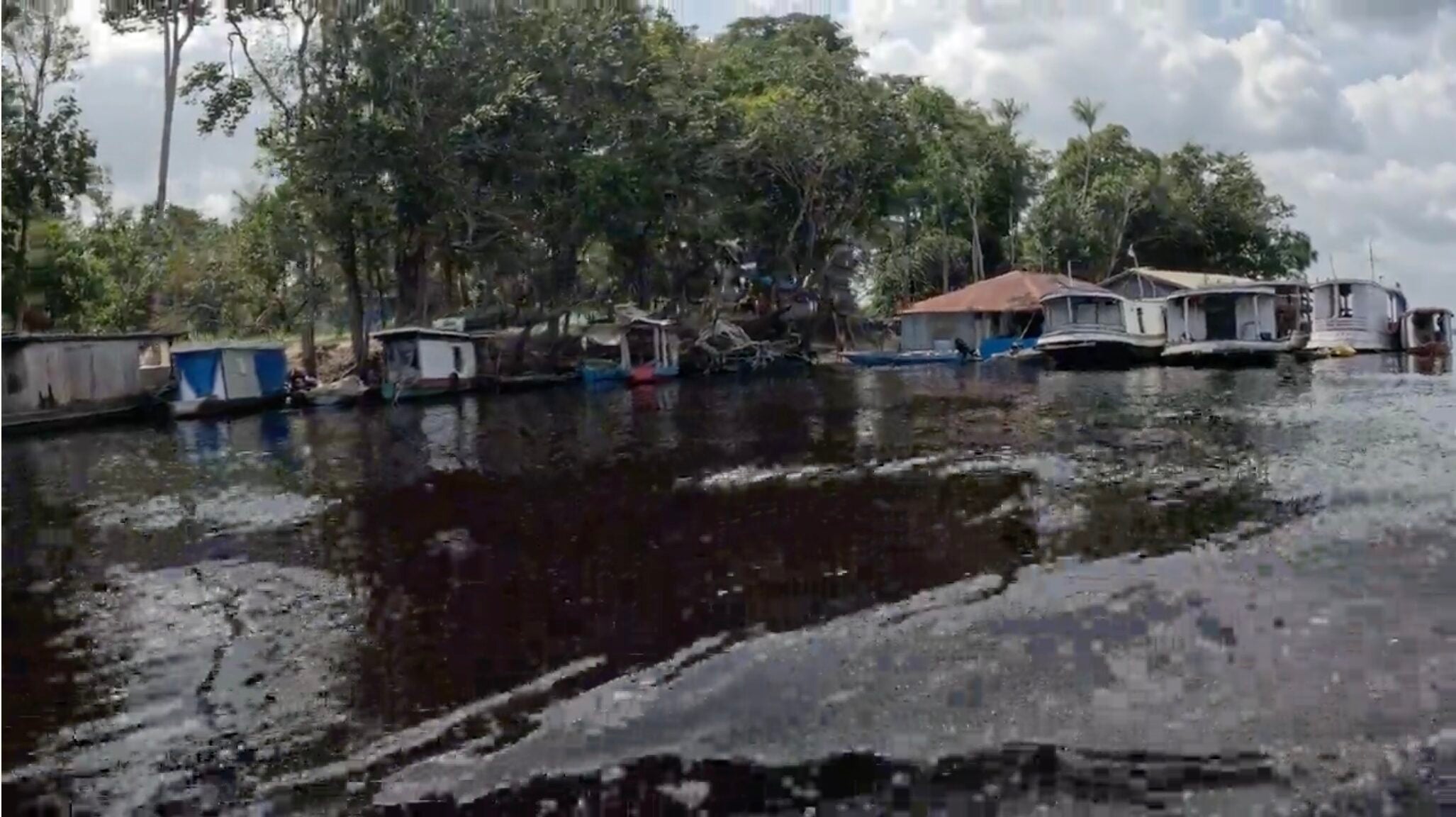
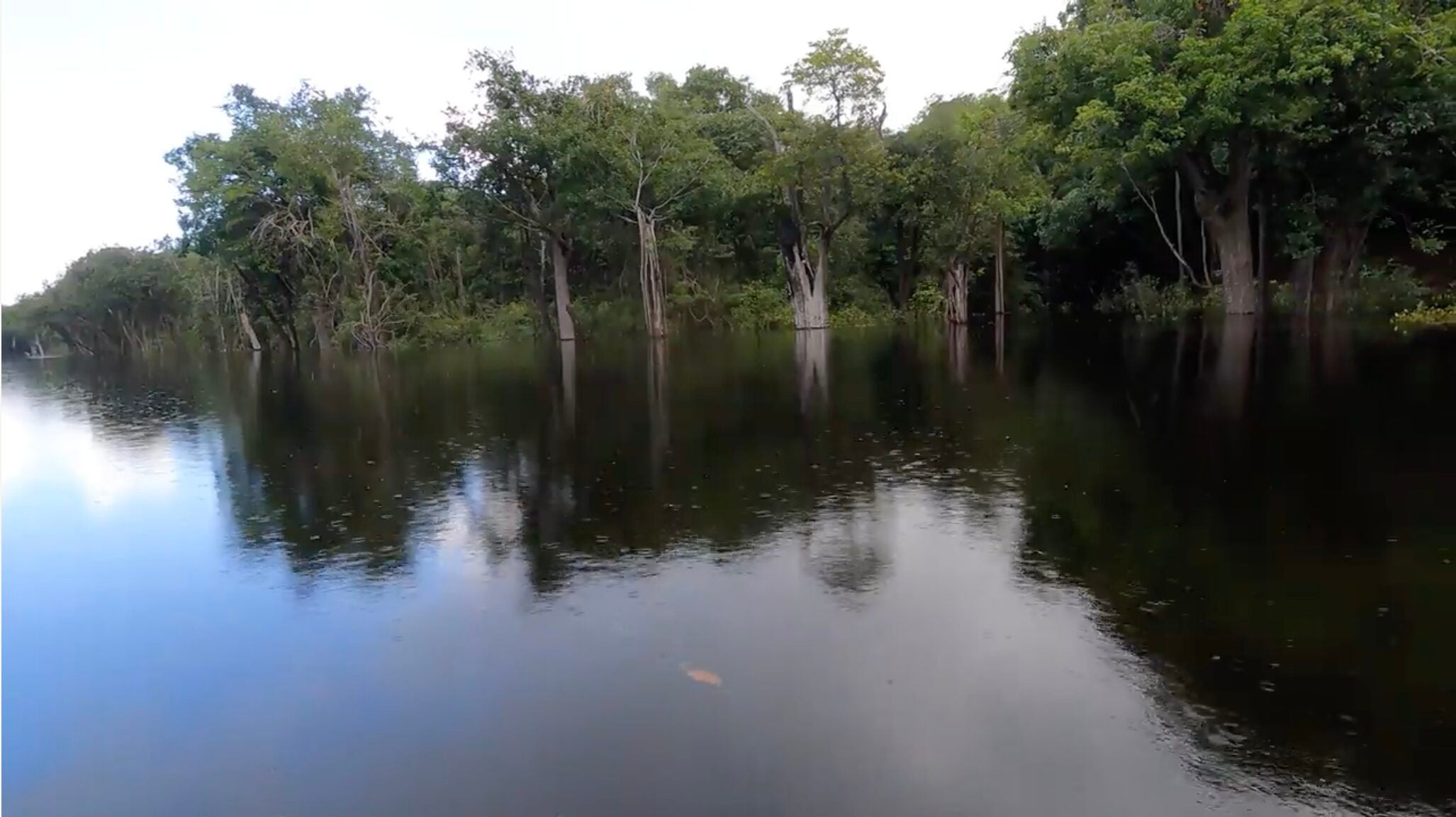
Two members of our Fish and Invertebrates team — Nathan Farnau and Zelie Wooten — recently traveled deep into South America’s Amazon Basin, along the Rio Negro, to participate in a decades-long conservation initiative known as Project Piaba, supporting sustainable fisheries in the area.

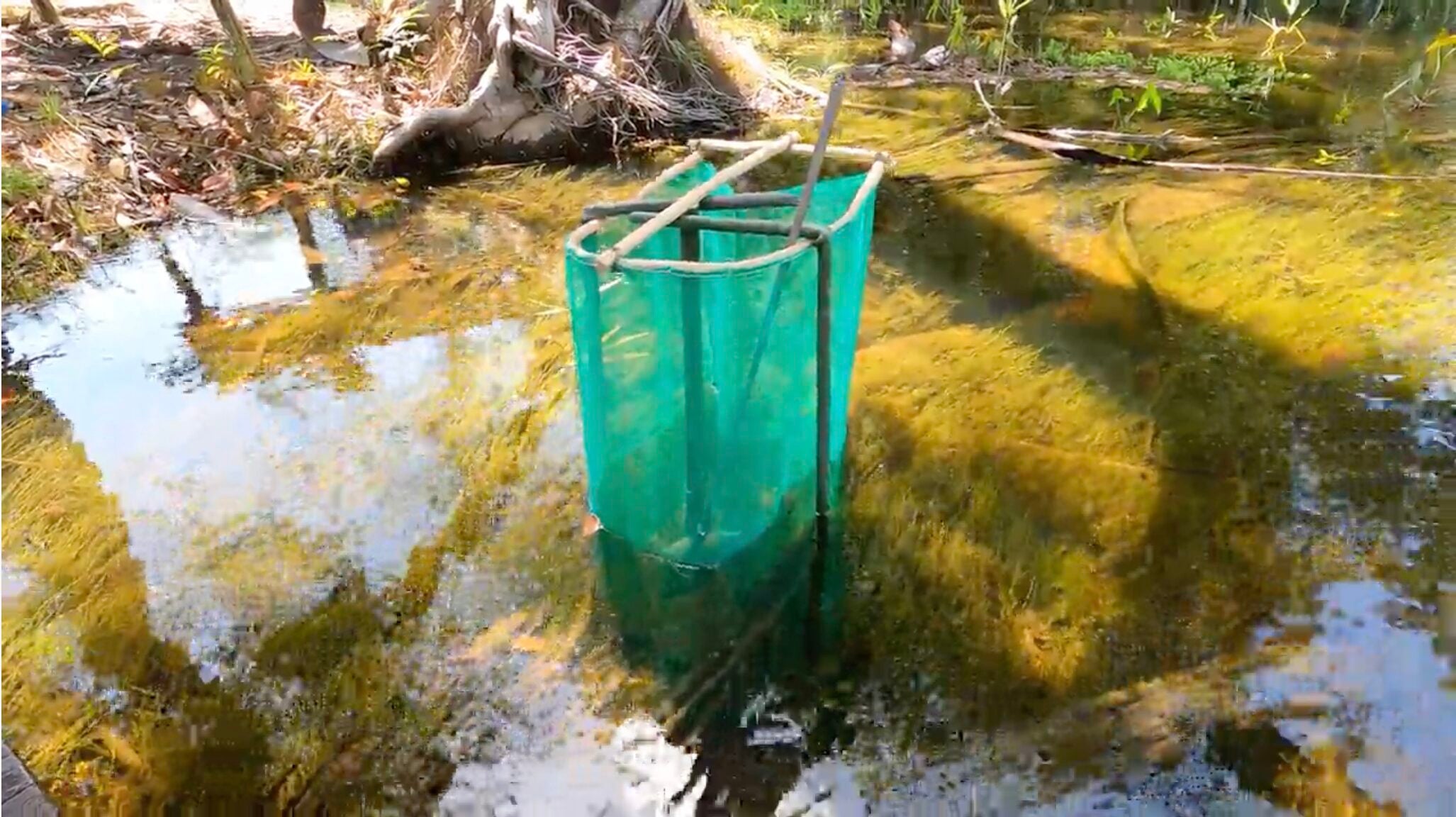
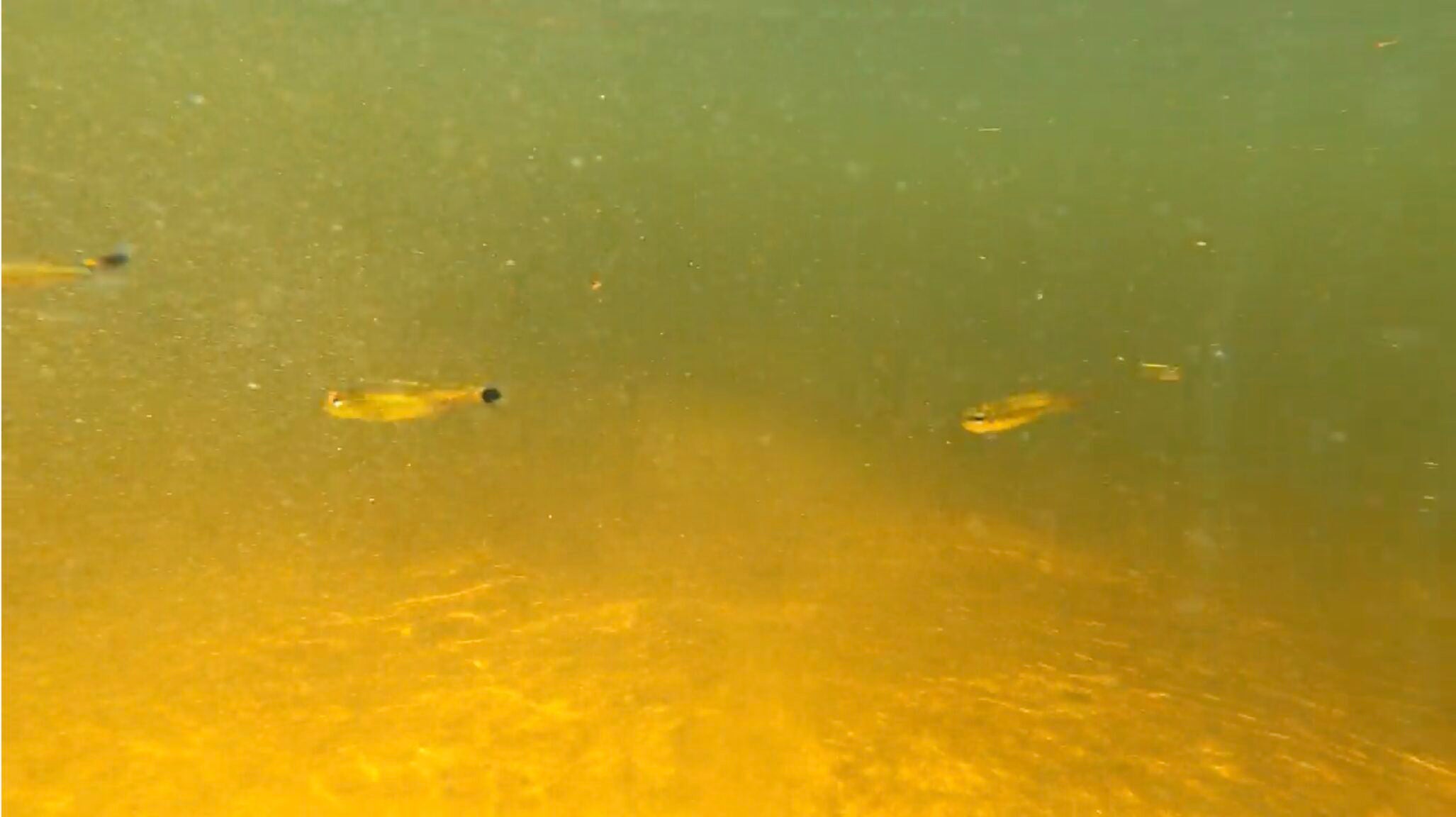
This groundbreaking project, started over 30 years ago, focuses on the tiny but mighty tetra — a popular freshwater fish beloved by home aquarists worldwide. Since the 1950s and ’60s, demand for these shimmering swimmers has supported a sustainable livelihood for local fishers. In a rare twist in global aquaculture, this fish trade has become a surprising ally in rainforest protection.

Instead of turning to agriculture or logging to survive, communities along the Rio Negro have created a niche economy centered around catching wild tetras. Not only does this reduce pressure on the rainforest, but it actively incentivizes its preservation. One of Project Piaba’s core messages states: Buy a fish, save a tree.”

A Living Lab in the Amazon

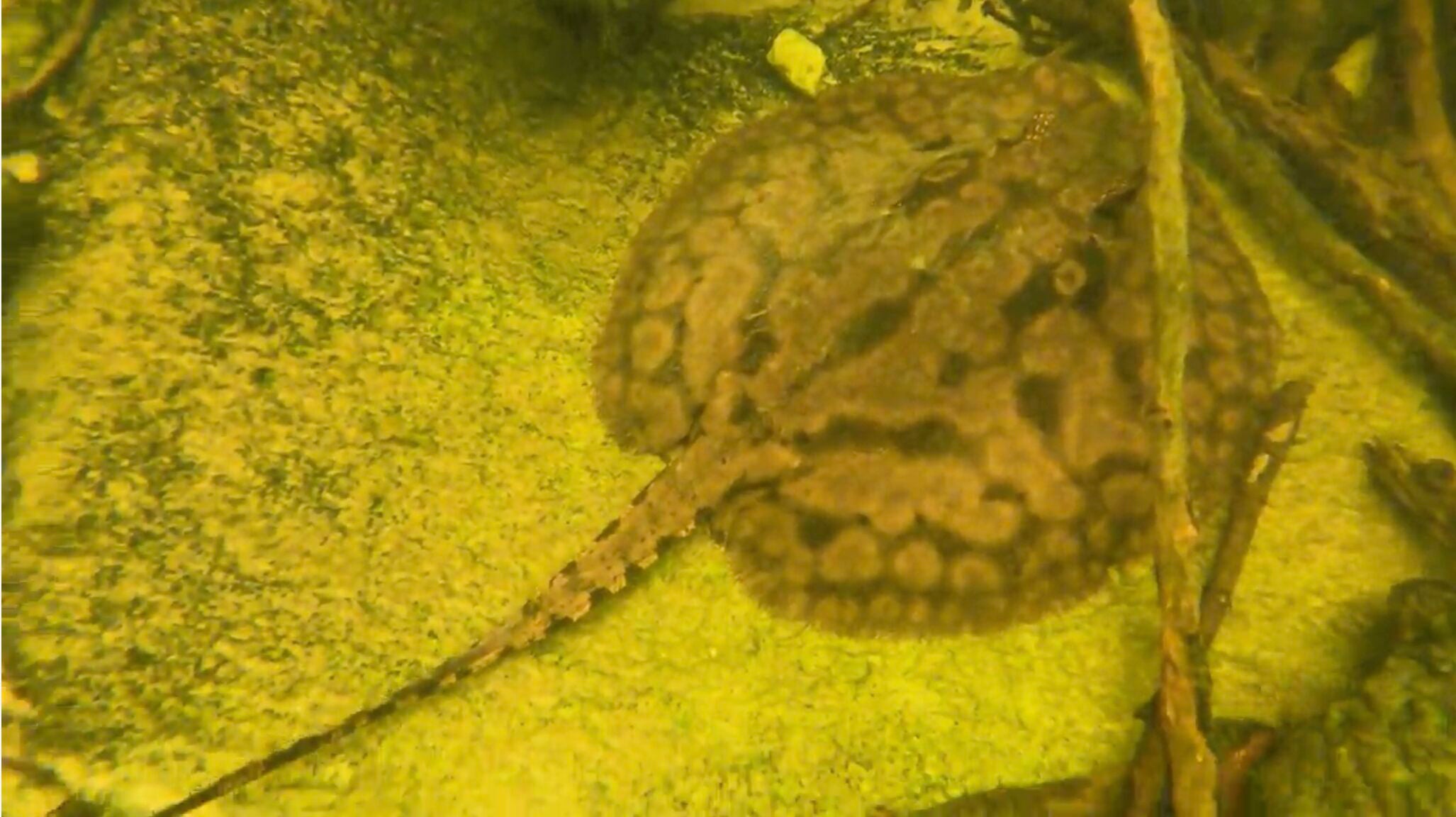
Nathan and Zelie spent two weeks aboard a liveaboard research vessel, navigating the winding waterways and immersing themselves in the region’s diverse ecosystems. From canoeing through narrow tributaries to snorkeling in murky waters, they encountered the remarkable wildlife of the Amazon—pink river dolphins, rays, caiman, vibrant bird species, and, of course, an abundance of freshwater fish.

During their travels, they had the chance to visit fishing communities and witness firsthand the importance of sustainable fish harvesting practices. The trip aligned perfectly with the annual Fish Festival, where local traditions shine through songs, dances, and dress inspired by native fish species. It’s a vivid reminder of how deeply intertwined the people and the river truly are.

Innovation That Sustains

By working with local fishers and exporters, they’re helping implement more sustainable practices in transport, handling, and fish care. One such initiative is a 30-day conditioning period for tetras. During this time, the fish acclimate to new water conditions, receive immune-boosting nutrients, and are carefully monitored to optimize their health throughout transport.

Another exciting advancement is the introduction of a traceability study. Each container of fish is tagged with a unique barcode and scanned at every step in the supply chain — from the moment it leaves the river to when it reaches a retailer. This transparency not only ensures higher fish welfare standards but also adds value for consumers who can now learn the story behind each fish they purchase.

A Fragile Future, A Powerful Message

Despite Project Piaba’s long-running success, the region faces new challenges. Prolonged droughts and the influx of commercially farmed tetras from Southeast Asia have threatened the environment and the livelihoods of the communities that depend on this delicate ecosystem. Supporting sustainable wild-caught fish might be the key to ensuring rainforest preservation remains a viable economic model.

Looking ahead, Georgia Aquarium is excited to support a major PR initiative this September, designed to raise awareness about the project and encourage consumers to buy from these eco-conscious sources.

Rethinking Conservation

This trip served as a powerful reminder that conservation isn’t one-size-fits-all. In this case, responsible extraction, when done with care and community, helps both people and nature thrive.

In a world where aquaculture often gets a bad reputation, this is an inspiring exception. This fishery is not only sustainable, it’s essential to livelihoods, biodiversity, and the rainforest itself.

So next time you’re looking to add a new member to your home aquarium, remember:
Buy a fish, save a tree.

Loggerhead Sea Turtles Return Home After Rehabilitation Journey

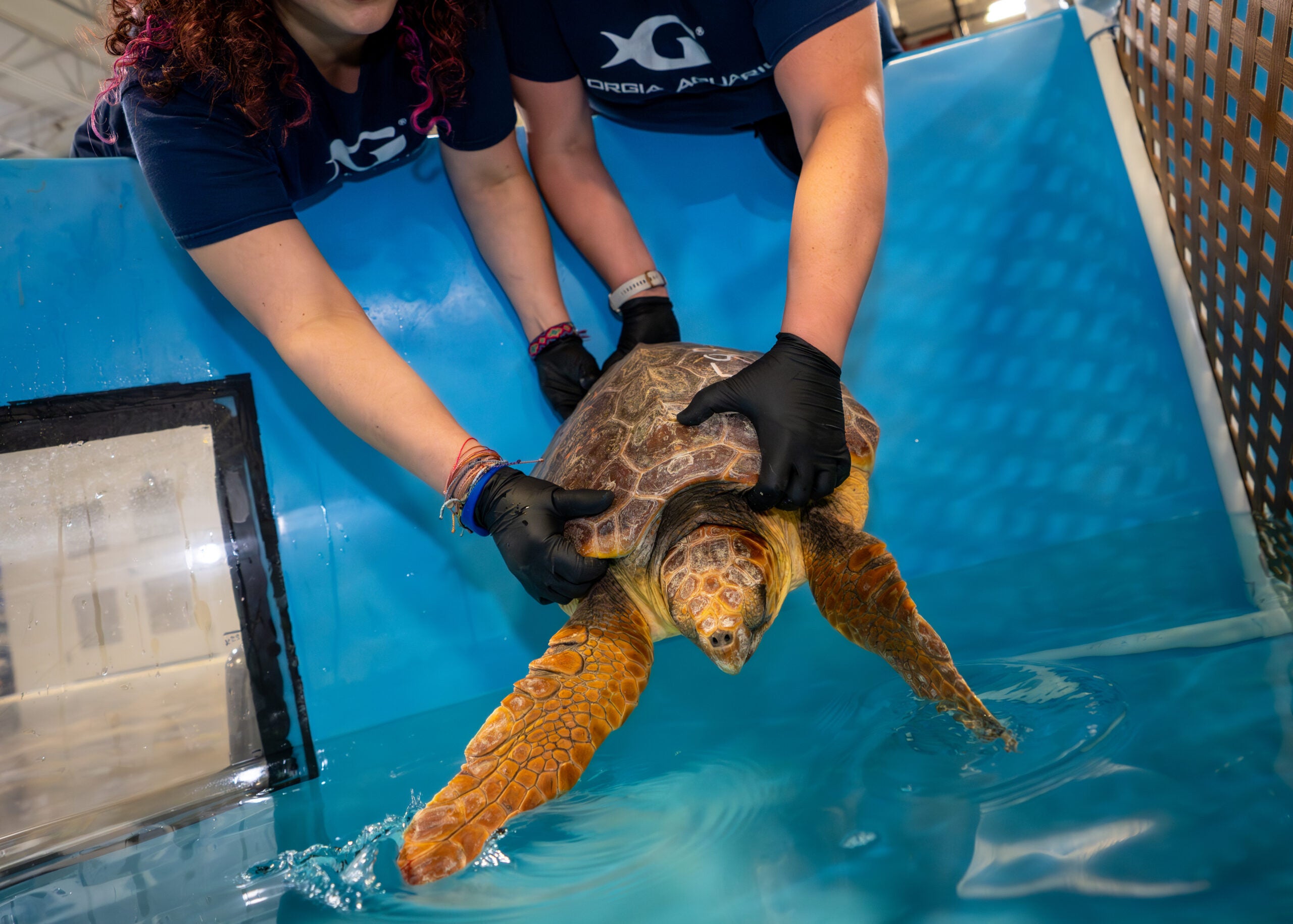
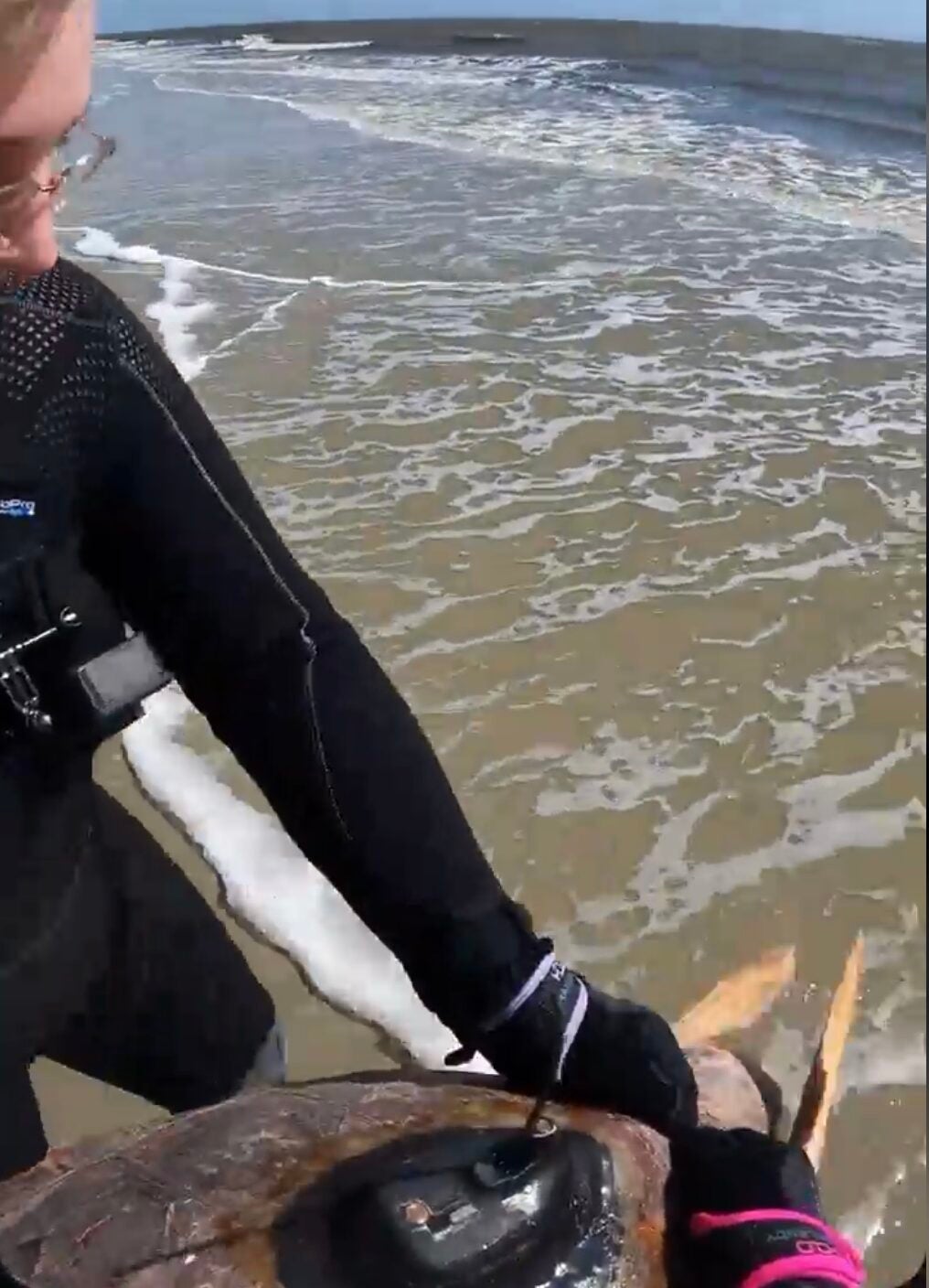
This spring, Georgia Aquarium celebrated a milestone in sea turtle conservation – the release of eight rehabilitated loggerhead sea turtles into the Atlantic Ocean, just off the shores of Jekyll Island.

These turtles’ journey began in early December 2024, when they were found cold-stunned in the icy waters off Cape Cod. Like all sea turtle species, loggerheads are cold-blooded and rely on warm ocean temperatures. When the water drops too quickly, they can become hypothermic, weak, and unable to swim – a life-threatening condition called cold-stunning.

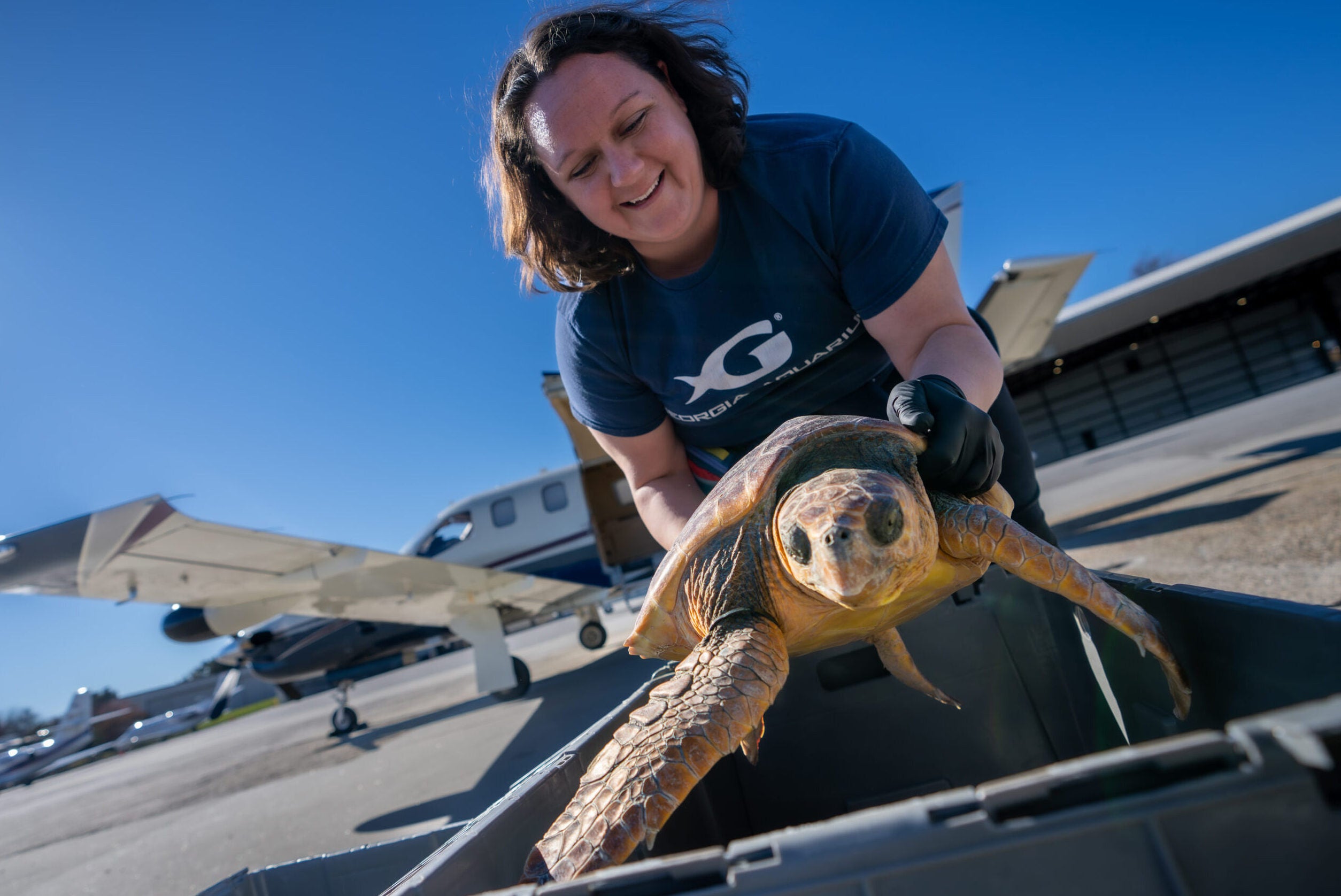
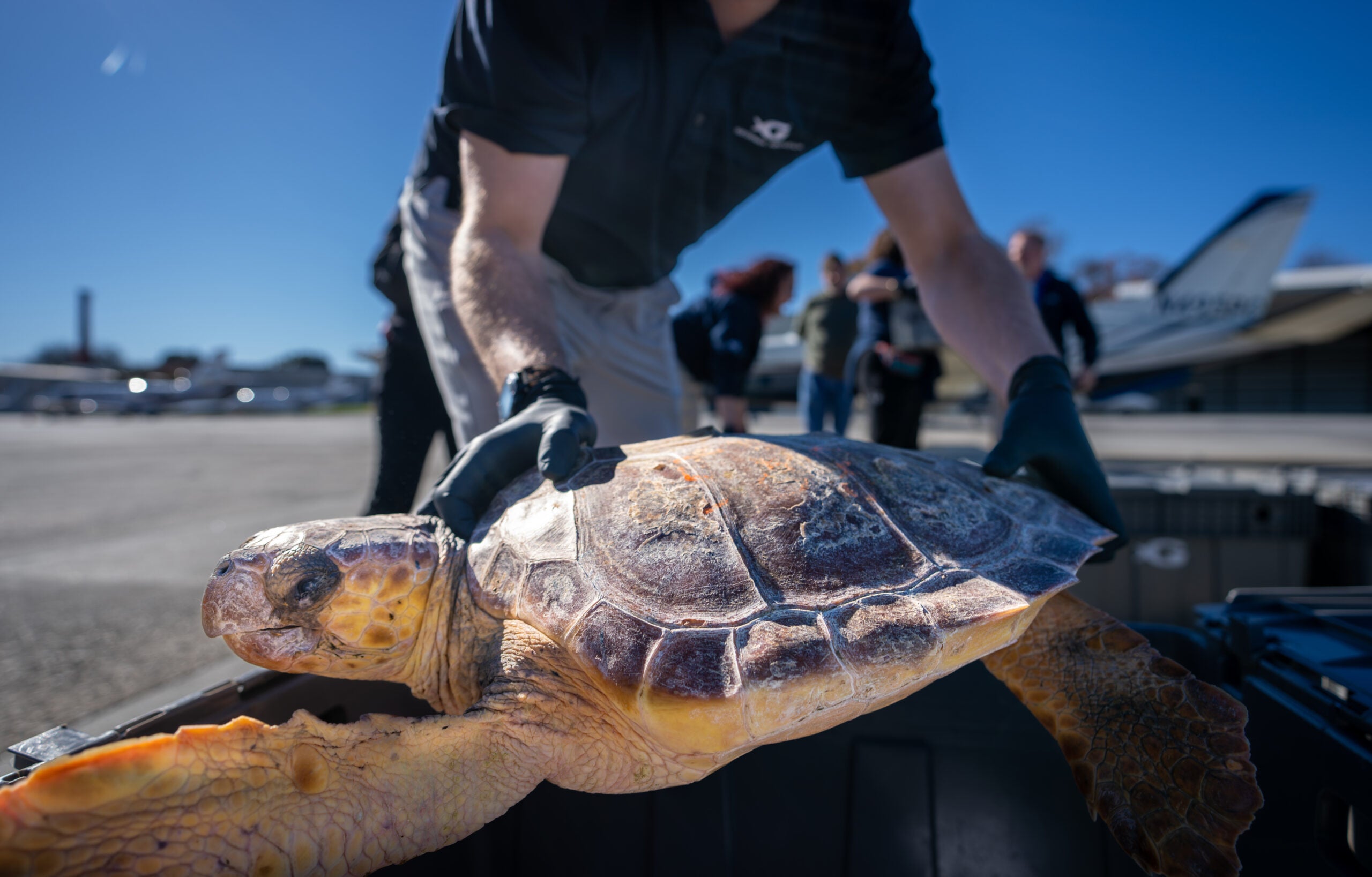
The turtles received the initial round of life-saving care at the New England Aquarium (NEAQ) before being transported to Georgia Aquarium’s off-site animal care facility in mid-December. Their cross-country trip was made possible thanks to the incredible volunteer pilots from Turtles Fly Too, who routinely transport sea turtles to warmer waters and second-stage care facilities nationwide. The trip itself is a remarkable story of teamwork and just the beginning of their road to recovery.

Why Loggerheads? Why Georgia Aquarium?

Loggerhead sea turtles are one of the largest species of sea turtle. Because of their size and strength, not every facility can accommodate them. Georgia Aquarium’s off-site animal care facility is one of only a few U.S. facilities with the specialized space and expertise to care for these endangered giants. The facility is uniquely equipped to give them the room, warmth, and expert veterinary attention needed to heal. The Aquarium’s aquatic sustainability team cared for them with feedings, monitoring their health, and additional animal care support for the entirety of their stay at the off-site facility.

Over the past five years, Georgia Aquarium has taken in a total of 44 cold-stunned sea turtles – each one a step toward protecting this species, which is endangered in the United States.

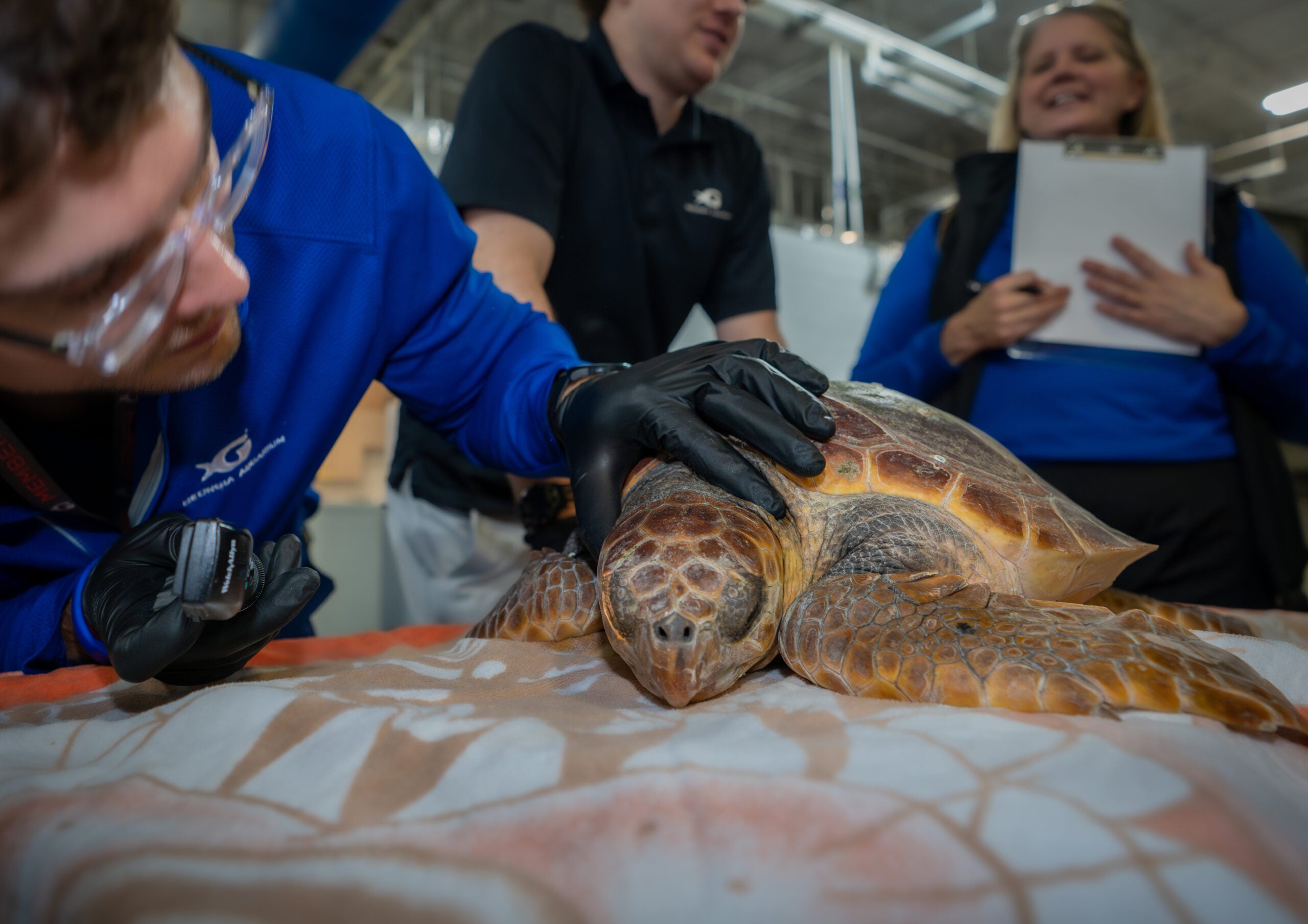
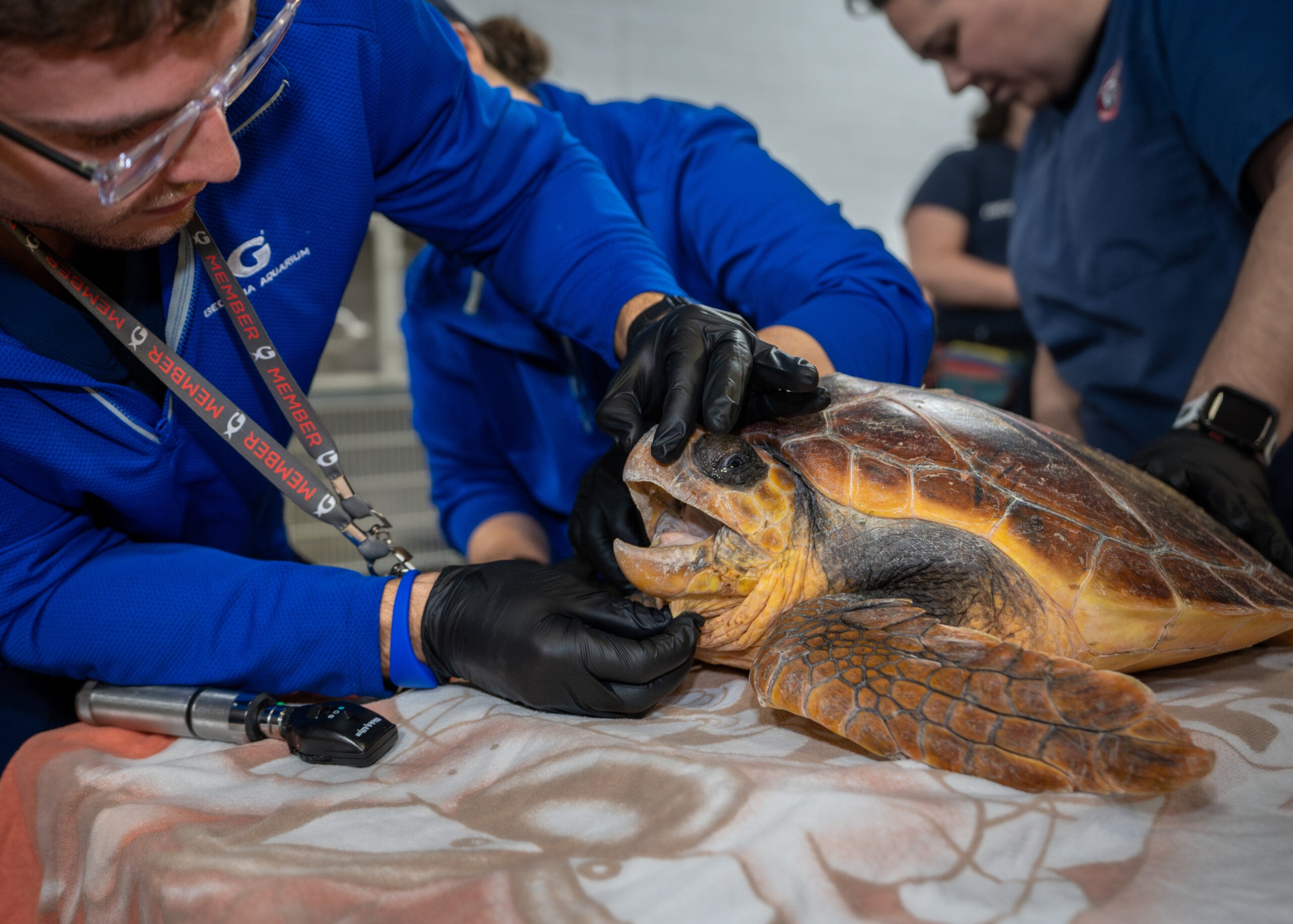
Upon arrival, the turtles were carefully assessed and treated for various cold-stunning complications, including pneumonia. Each turtle responded quickly to care, regained strength, and began eating well – signs of a hopeful outcome. While each loggerhead had its own story, their resilience was a common thread.

Ready to be Released

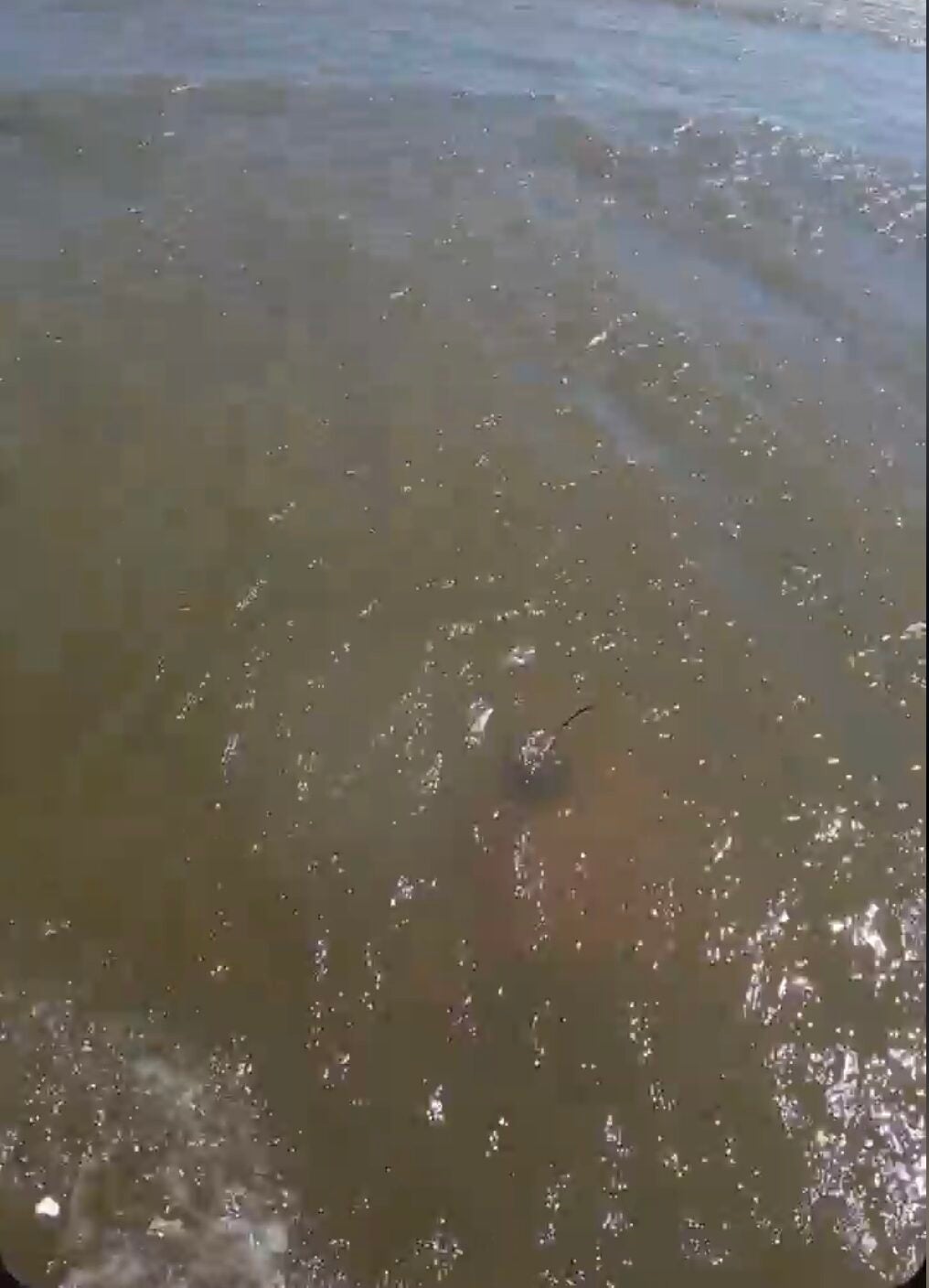
After being cleared by our veterinary staff, the turtles were prepped for release. Before their big return to the ocean, all eight were fitted with flipper tags to help identify them if they are reencountered. Two turtles, affectionately named Poblano and Bell, were also equipped with satellite tracking devices. These tags will provide valuable data on their movements and help scientists better understand the migratory patterns of this species.

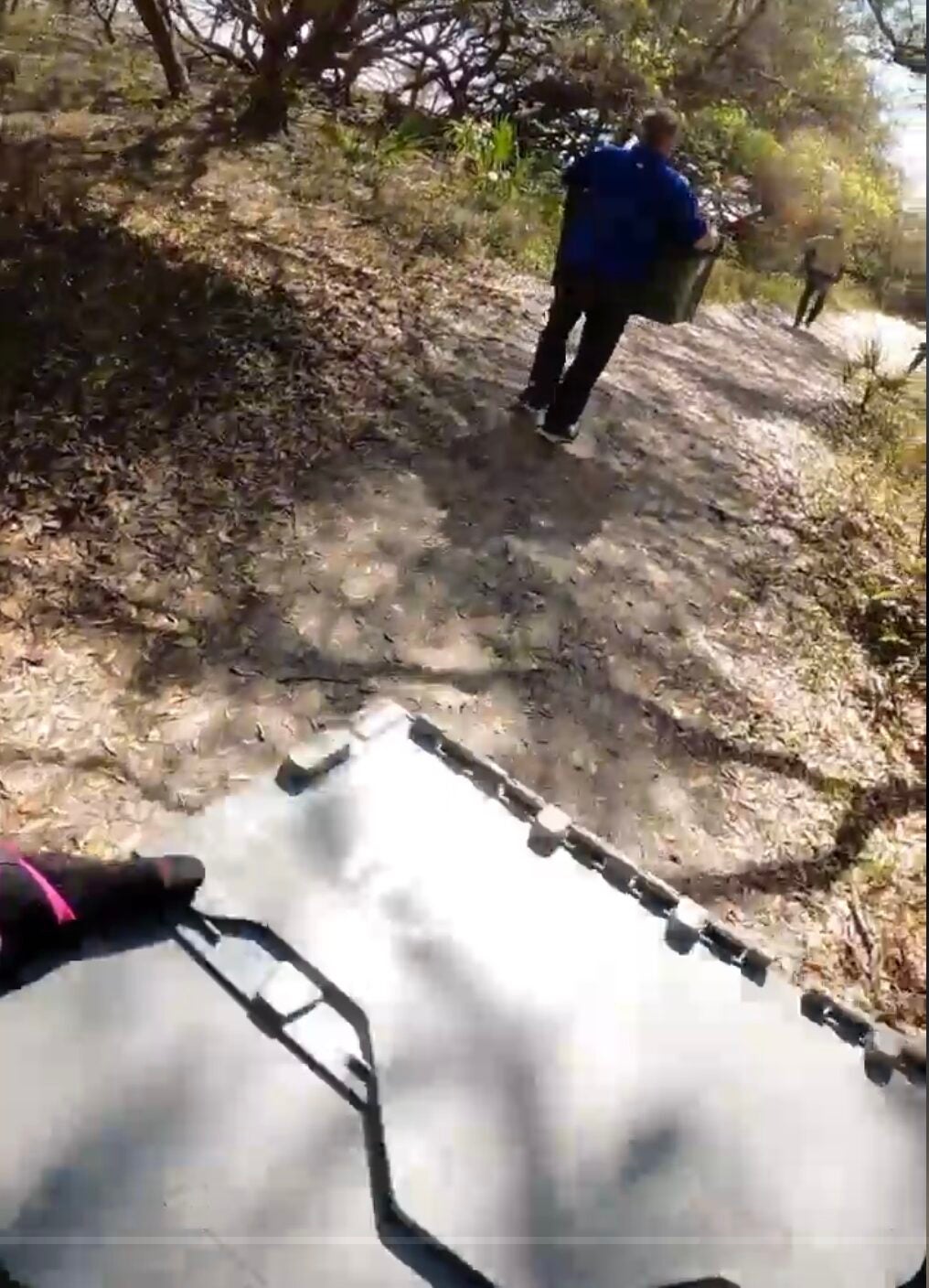
At the end of March, with the support of our longtime partners at the Georgia Department of Natural Resources (DNR), our aquatic sustainability team – including Mark Olsen, Polly Strott, and Stephanie Salter – traveled to Great Dunes Beach on Jekyll Island to witness the turtles’ long-awaited return to the Atlantic.

The day of the release brought clear skies and a brisk ocean breeze. While the windy conditions meant the team couldn’t release from the boat, it made for a beautiful, shoreline send-off. “Watching them swim away never gets old,” shared Mark Olsen, associate curator of aquatic sustainability at Georgia Aquarium. “It’s a reminder of why we do this work and how far these animals have come.”

How You Can Help

Like many sea turtle species, loggerhead sea turtles face numerous threats in the wild, from climate change to habitat loss and marine debris. Each turtle we rescue and release plays a role in restoring balance to our marine ecosystems, and every success story is a testament to what we can achieve together.

Fortunately, the U.S. has a strong network of government agencies, organizations, and volunteers that work together during cold-stunning events. This network not only plans for these emergencies in advance but also uses alert systems to mobilize people to search for and assist stranded turtles.

You can help protect sea turtles year-round:

  • Reduce, reuse, and recycle.
  • Join a beach cleanup in your area.
  • Visit the Georgia Sea Turtle Center or Georgia Aquarium to learn more about ongoing research and conservation efforts.
  • Spread the word! Share what you’ve learned and encourage others to get involved.

Learn more about how you can contribute to Georgia Aquarium’s conservation mission at georgiaaquarium.org.

Celebrating Earth Day and 20 Years of Conservation: Georgia Aquarium Gives Back

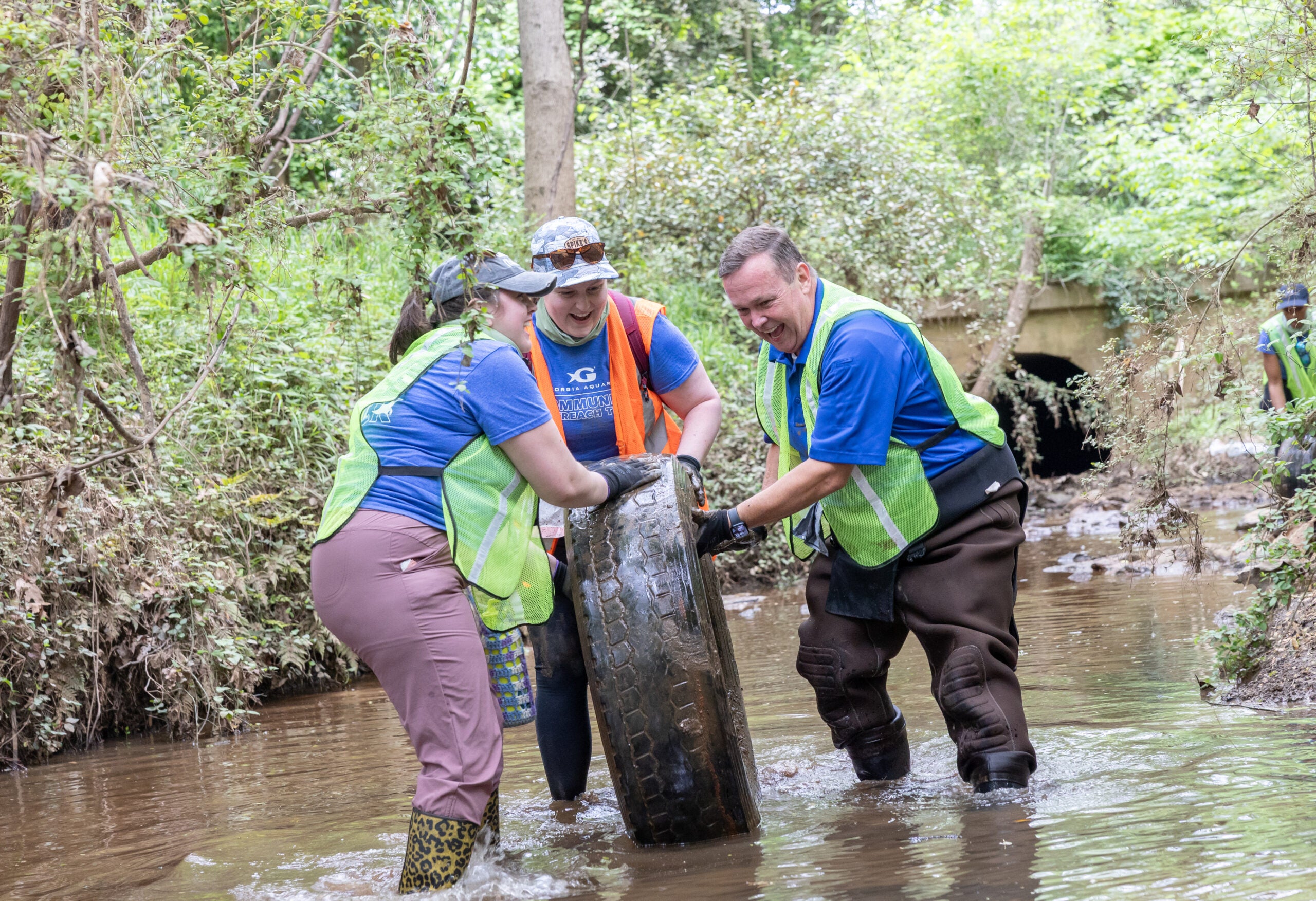
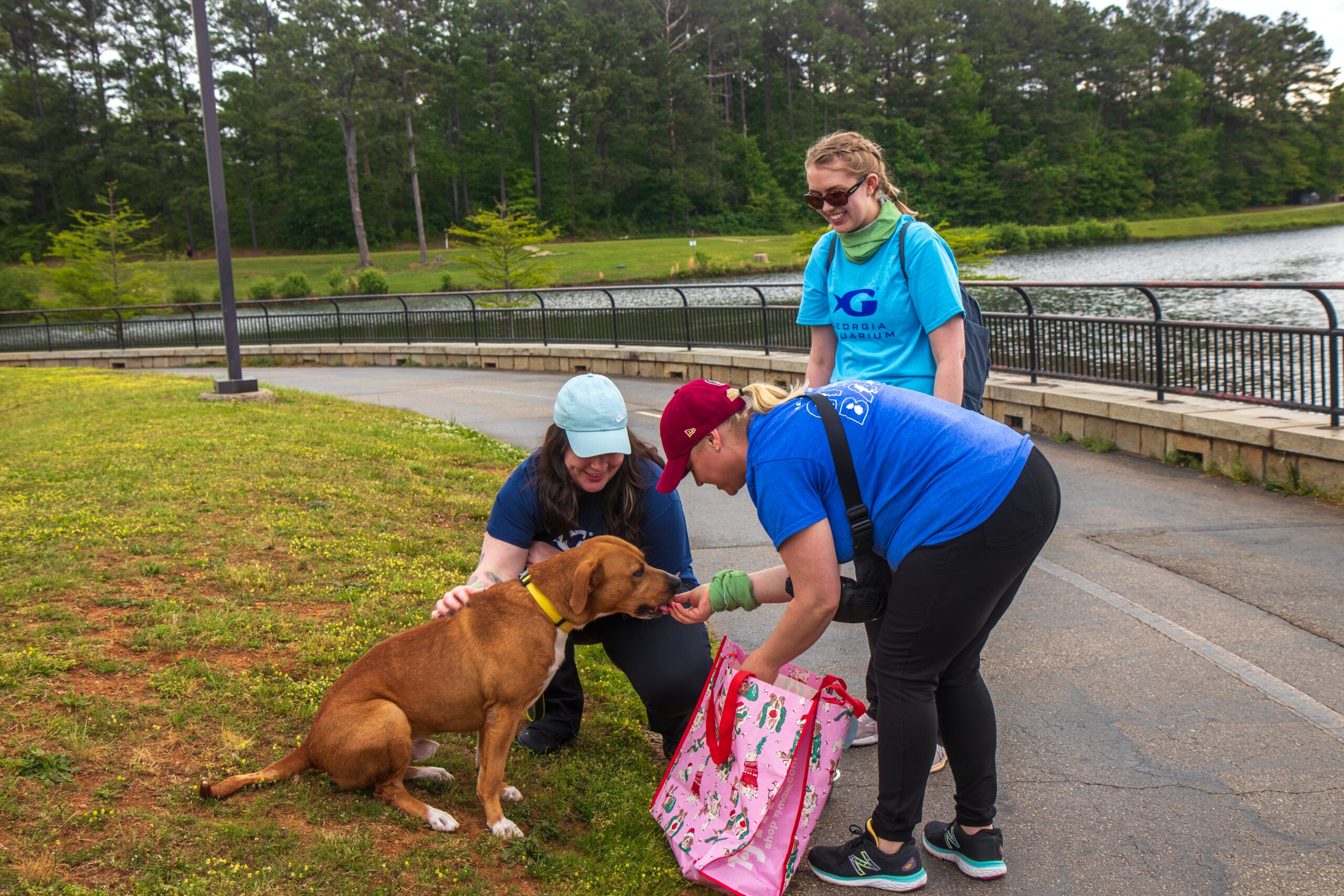
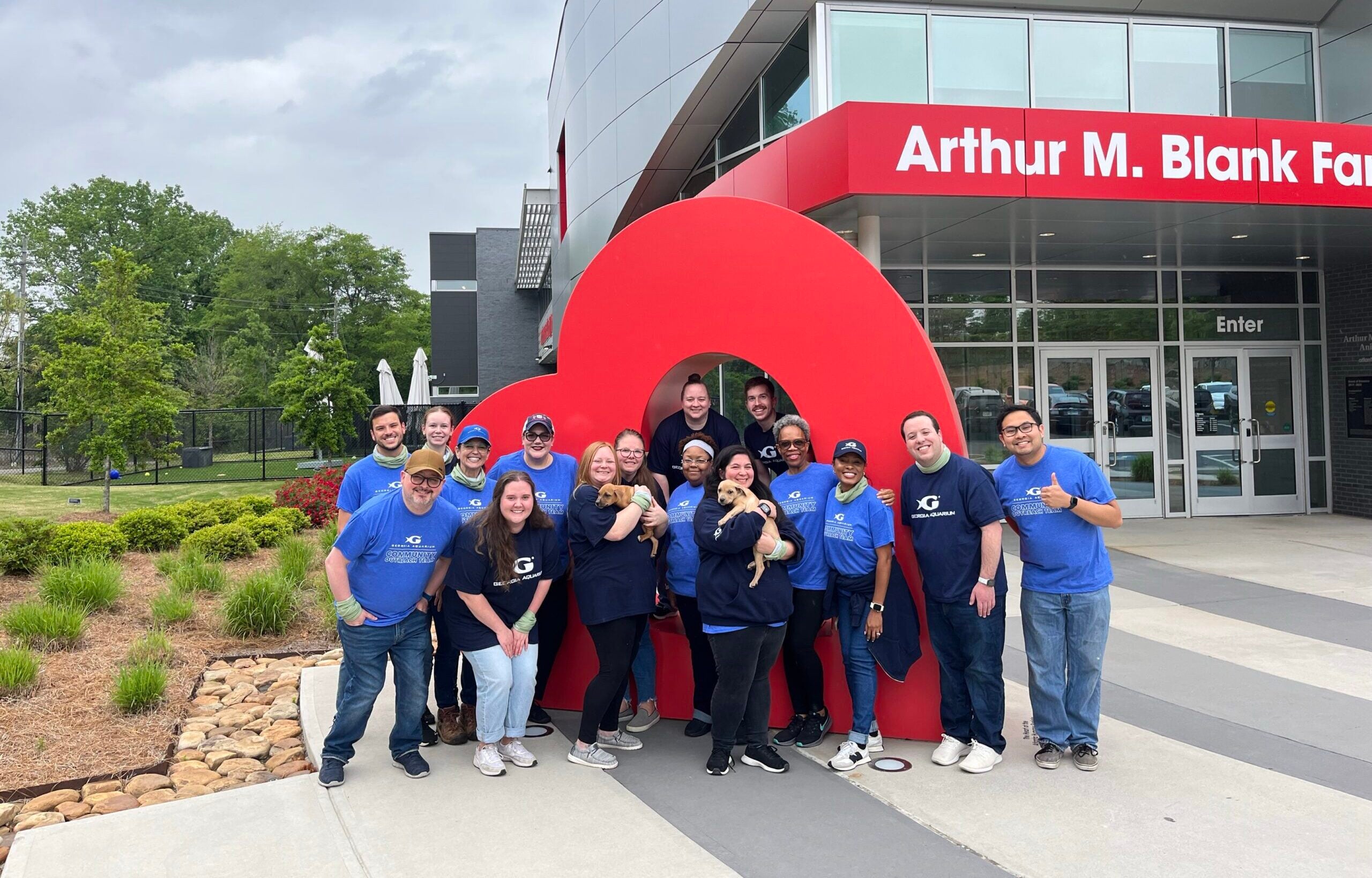
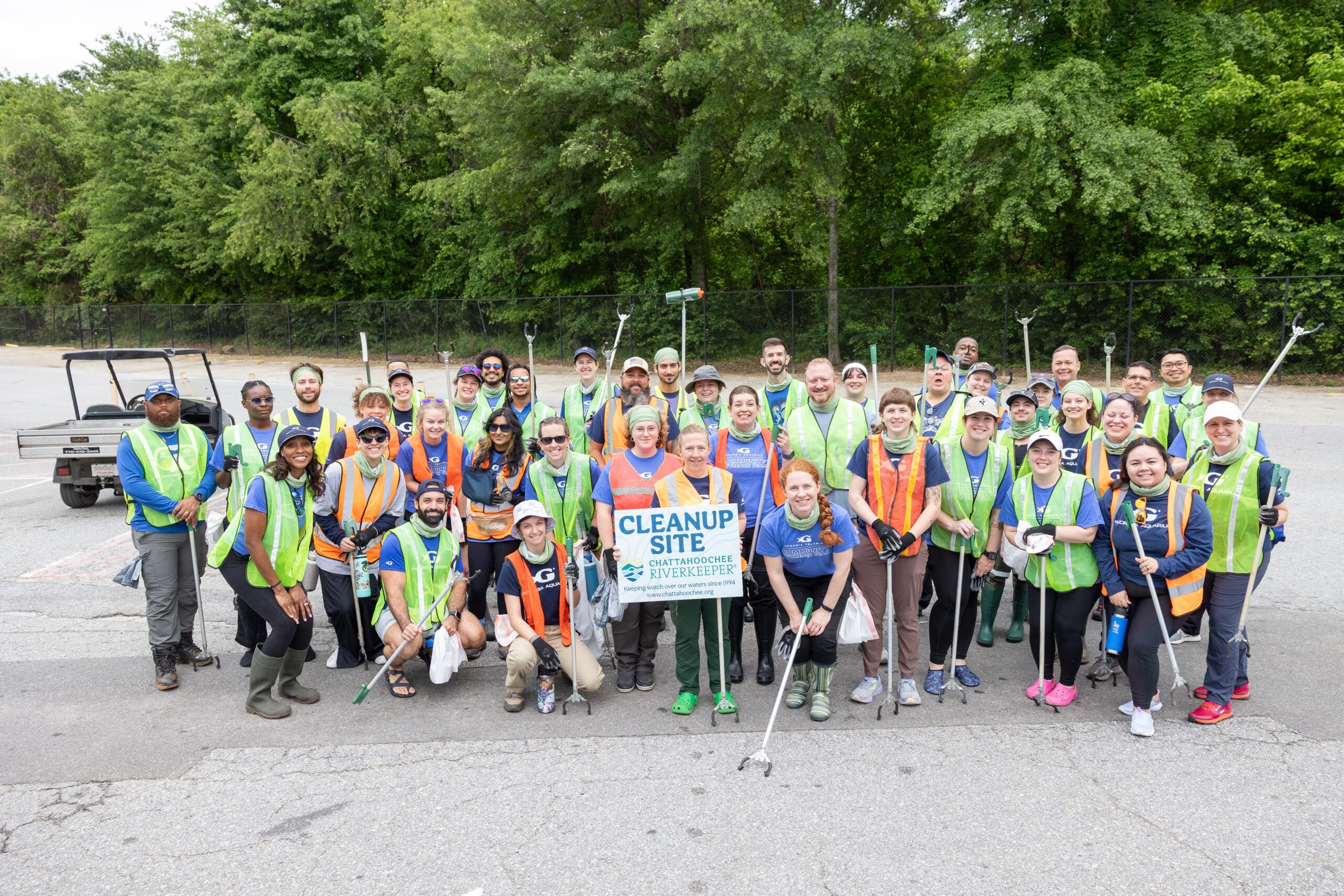
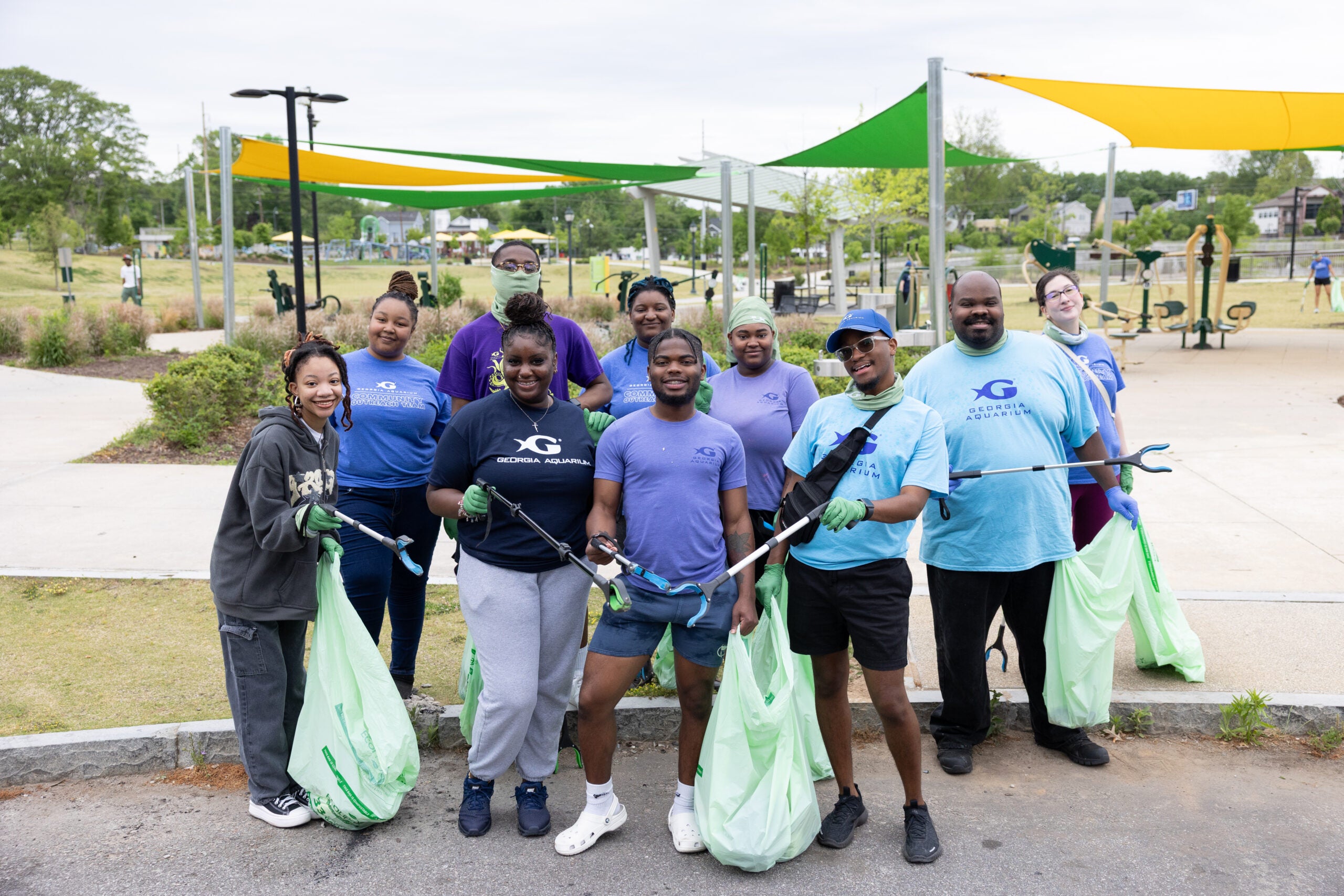
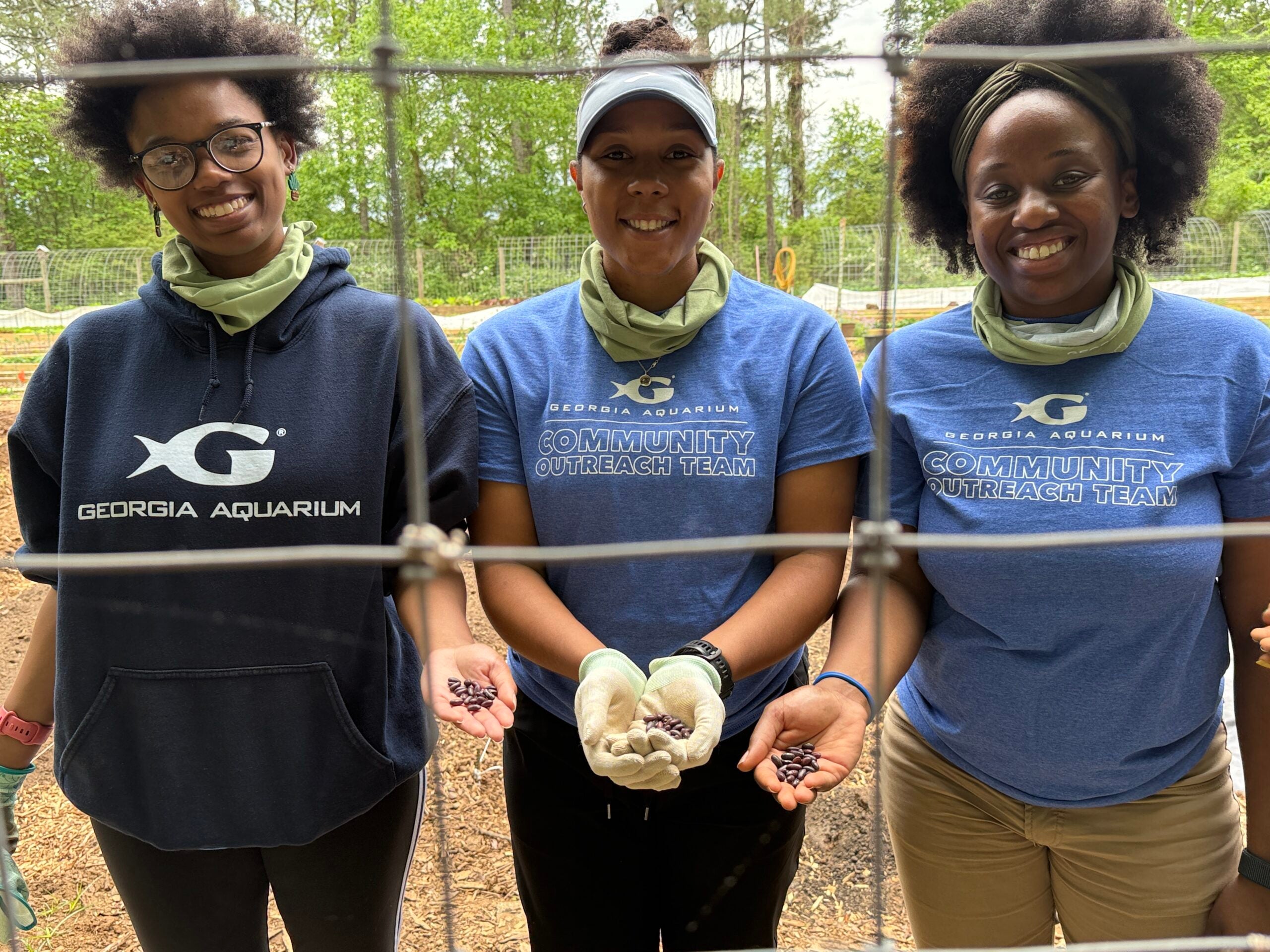
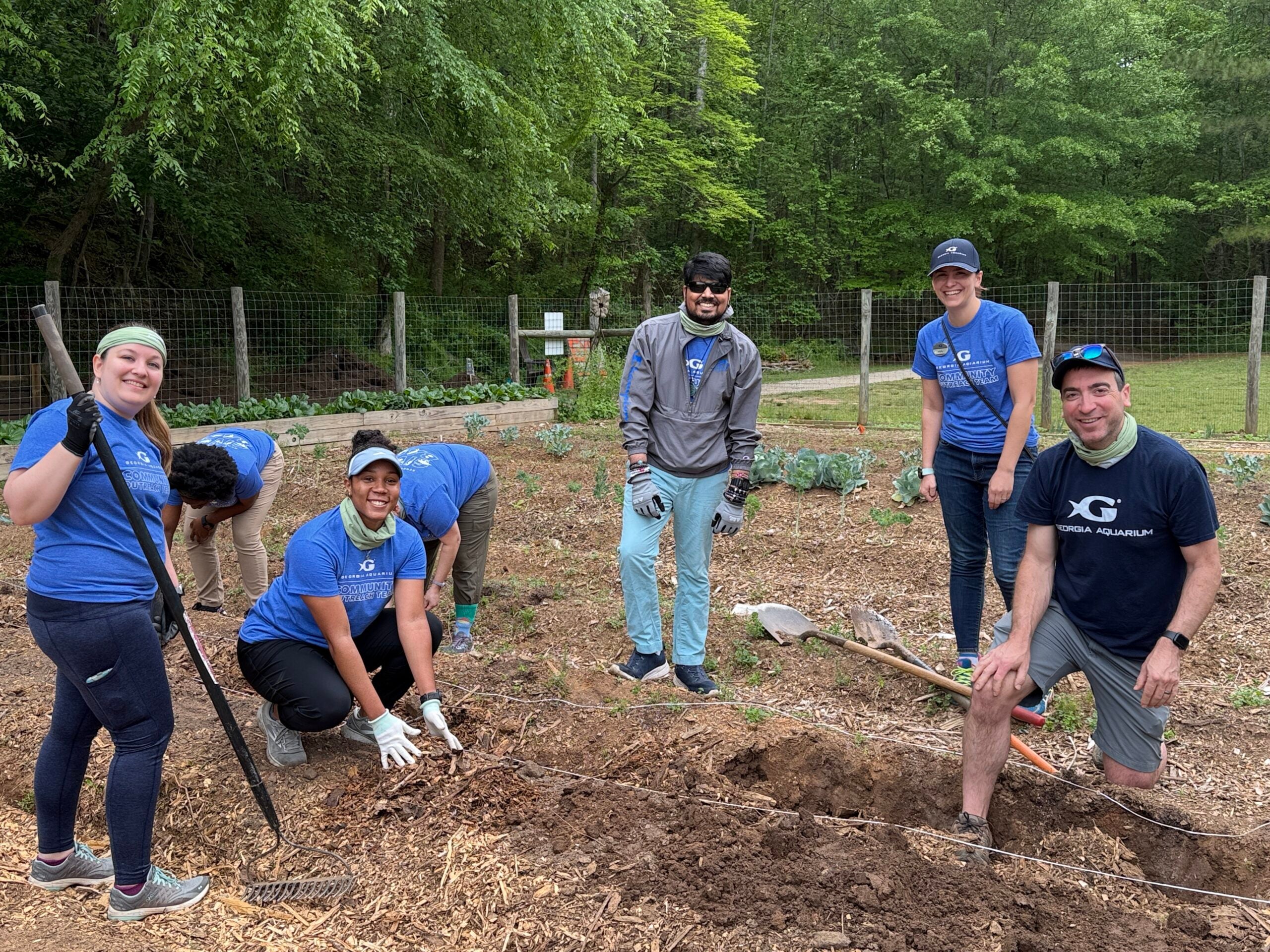
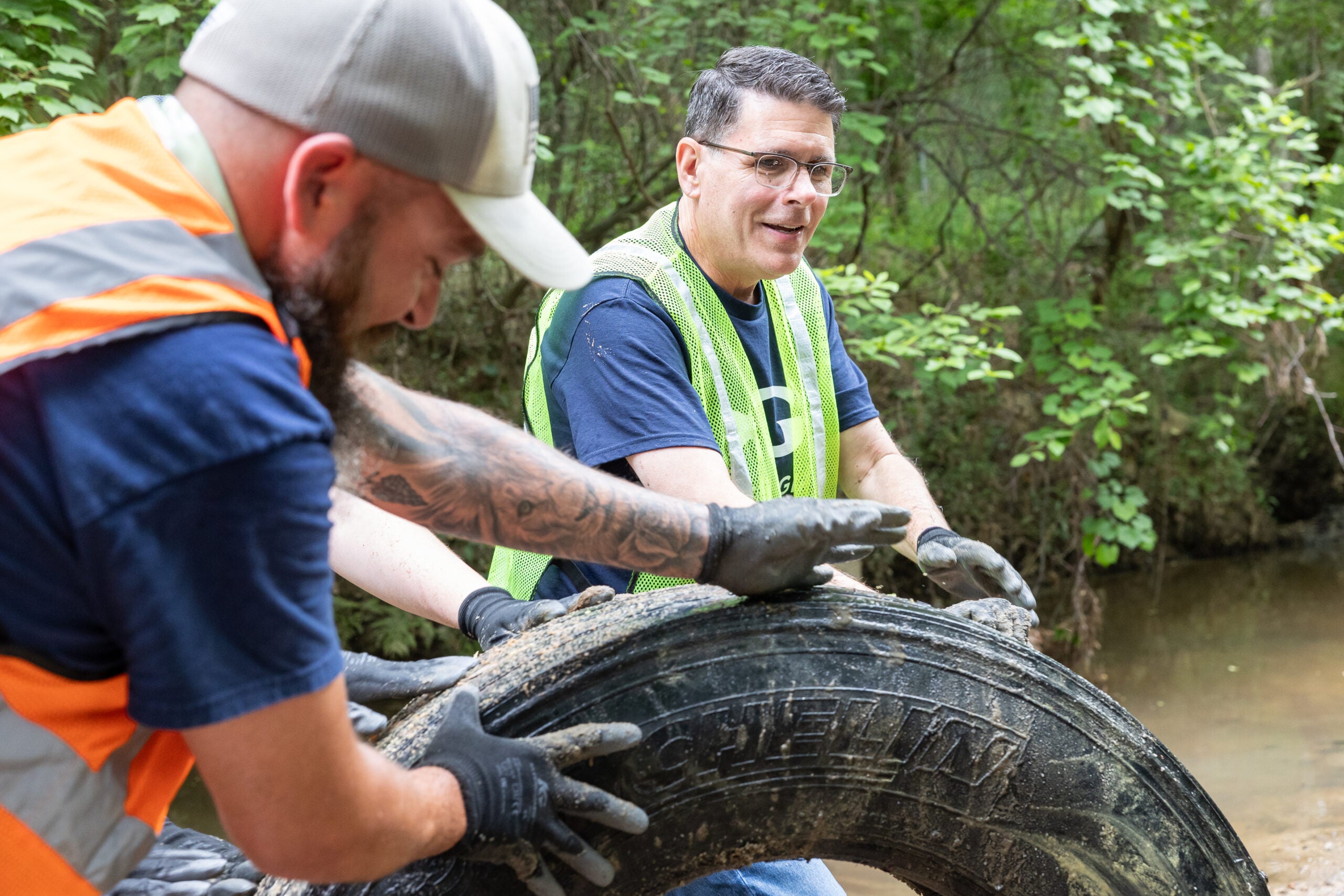
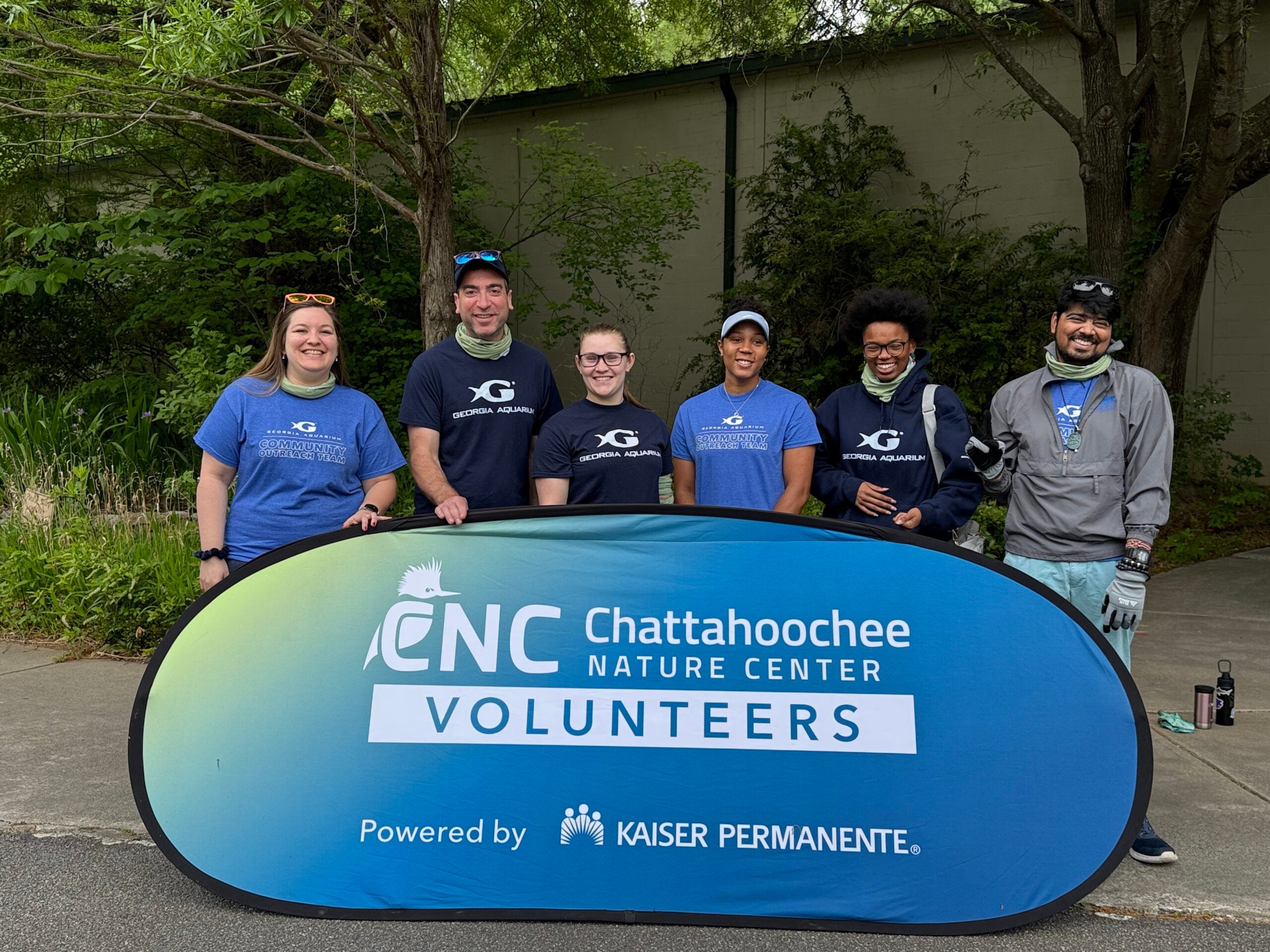
On April 22, 2025, Georgia Aquarium was closed to the public in honor of Earth Day. Our incredible staff volunteered with local organizations in support of a healthier planet and as a nod to our 20 years of global conservation. 

Aquarium staff members volunteered across Georgia, participating in environmental cleanups, animal shelter support, and local restoration projects. Together, we’re building a legacy that protects not just our oceans but our shared home.

Earth Day has never been just one day for the Aquarium. It’s woven into everything we do—from marine conservation to sustainable practices behind the scenes. This year being our 20th anniversary year, we’re proud to take that commitment beyond our walls. This is more than a day of service—it’s a celebration of two decades of conservation, community, and connection. We’re so grateful to the Atlanta community for supporting us over the years, and this is one small way we can give back. 

Happy Earth Day, Atlanta—let’s keep making waves for good. 🌎💙

The Secret Journeys of Giant Tiger Sharks

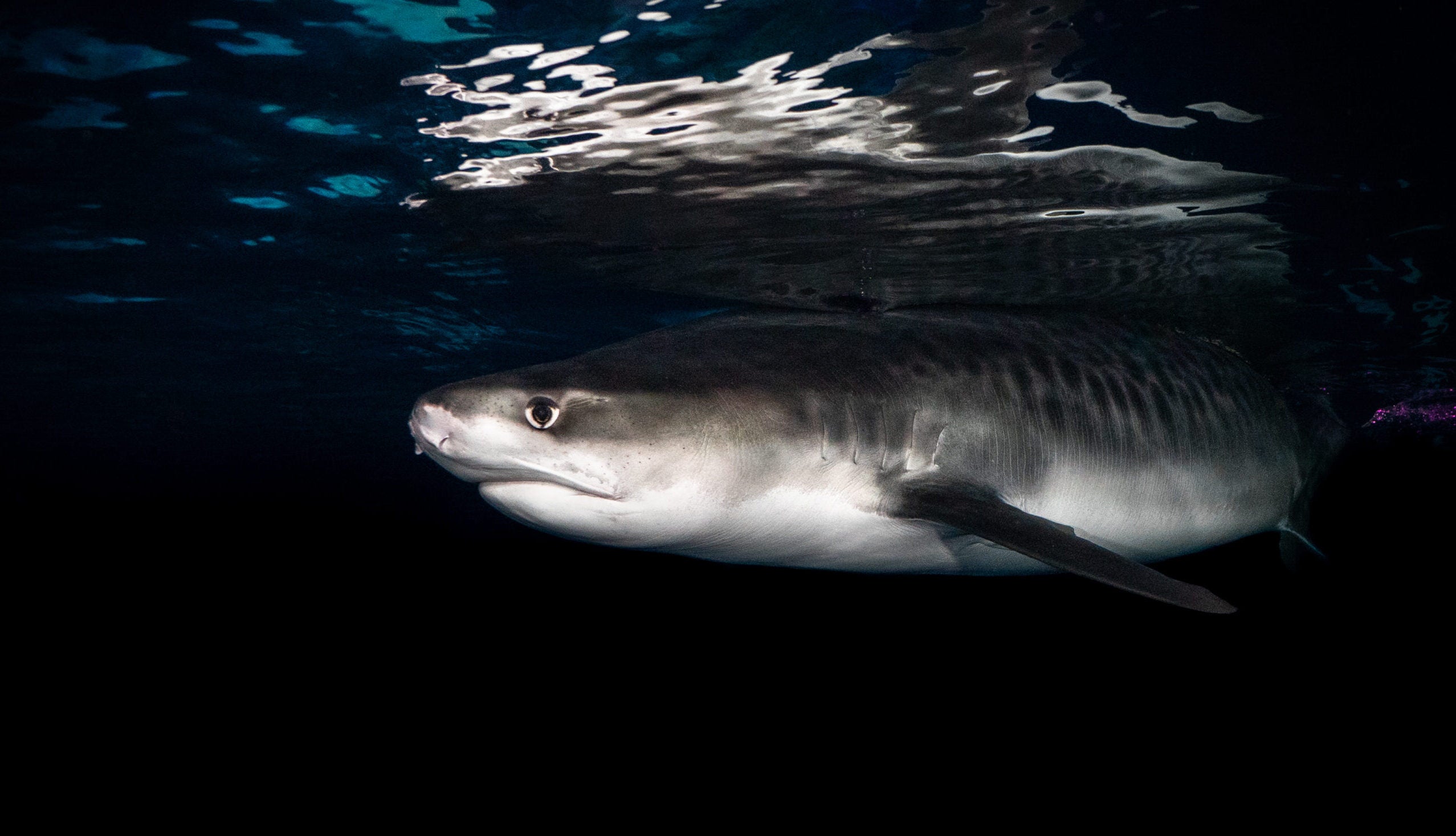
Adult tiger sharks, as big as cars, swim thousands of miles across the ocean every year, but their migration patterns have been elusive. Scientists have been studying tiger sharks for years, including Dr. Lisa Hoopes, senior director of research and conservation at Georgia Aquarium. Recently, special satellite tags have been used to track their movements to learn where these sharks go and why. A new study, published in the science journal Marine Environment Research, followed 35 of the largest tiger sharks ever monitored (most of them adult females), and what they discovered was astounding.

Super Travelers of the Sea

Tiger sharks are like long-distance ocean explorers. The longest journey recorded in this study was over 17,000 kilometers (10,500 miles) in 468 days—that’s like swimming from New York to Australia!

Despite their long journeys, these sharks exhibit a strong tendency to return to the same place —Norfolk Island, a small island in the Pacific Ocean. Nearly 90% of the tracked sharks revisited this location after their travels.

Why Do They Keep Coming Back?

Scientists found that water temperature plays a big role in when the sharks leave and when they return. Just like birds migrate to warmer places in winter, tiger sharks seem to time their movements based on ocean conditions. The study showed that the sharks usually arrive at Norfolk Island in December and leave around May.

What remains a mystery—and an area for future study—is whether reproductive factors influence their migration patterns.

When not at Norfolk Island, these sharks’ favorite destinations include New Caledonia, the Great Barrier Reef, Fiji, and even New Zealand.

Coastal Areas Are Important for Sharks

Another big discovery in the study was that tiger sharks love hanging out near coastal areas. These places seem to be important for them, possibly because they provide food and shelter.

Scientists now understand that Norfolk Island and other nearshore areas are critical for these tiger sharks, especially large females. Protecting these areas can help ensure these top predators continue to play their important role in the ocean’s ecosystem.

Why Does This Matter?

Sharks are often misunderstood, but they are key players in keeping the ocean healthy. They help control fish populations and keep marine life in balance. Learning about where they go and what influences their movements can help scientists and conservationists protect them.

This research provides new insights into the lives of these incredible ocean wanderers and their secret migration patterns. Thanks to satellite tracking, researchers are finally learning where they go, when, and why.

This study on tiger sharks was done in collaboration and with support from Flinders University in Adelaide, Australia, Biopixel Oceans Foundation, Norfolk Island National Park, New South Wales Department of Primary Industries and Regional Development Port Stephens Fisheries Institute, and Georgia Aquarium.

The Secret Journeys of Giant Tiger Sharks 1

Exploring the Mysteries of Whale Sharks: A Groundbreaking Expedition to Wreck Bay

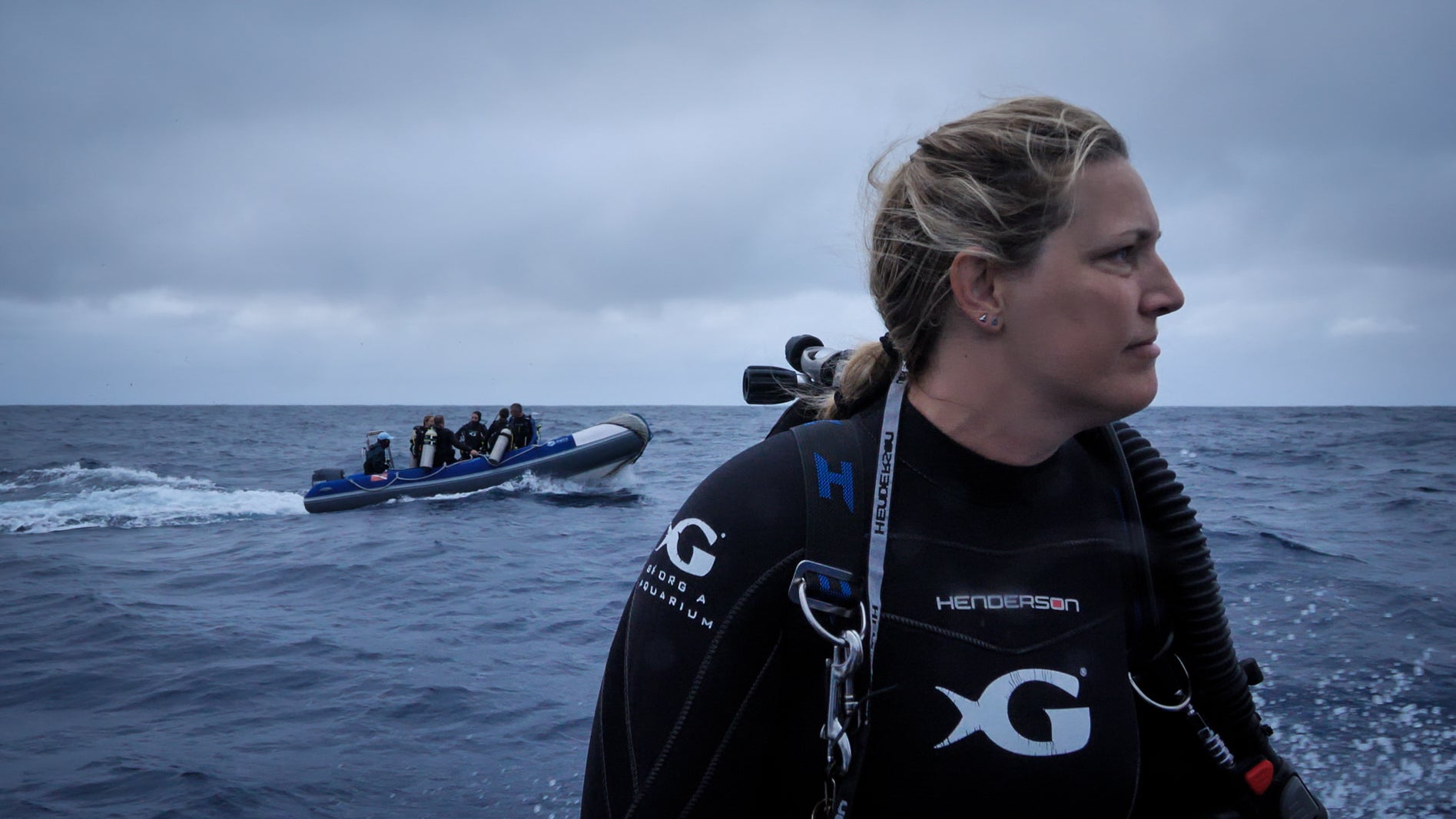
In the remote northern reaches of the Great Barrier Reef lies a previously unknown whale shark aggregation in an area called Wreck Bay. Recently, Dr. Cameron Perry, a research scientist from Georgia Aquarium’s conservation team, embarked on a 10-day expedition to this secluded region. The goal? To deepen our understanding of whale sharks and their elusive behaviors, while also furthering conservation efforts.

Exploring the Mysteries of Whale Sharks: A Groundbreaking Expedition to Wreck Bay

A Needle in a Vast Ocean

The story of discovering whale sharks in Wreck Bay is nothing short of remarkable. Finding whale sharks within a large ocean basin is literally equivalent to finding a needle in a haystack. While Ningaloo Reef in Western Australia has long been a hub for whale shark research, the lack of whale shark sightings along the eastern coast represented a large data gap for whale shark populations in the southwest Pacific. 

However, researchers from Biopixel Ocean Foundation, Georgia Aquarium’s partner on this project, suspected suitable habitats existed along the eastern coast of Australia. Using environmental modeling—analyzing sea surface temperature, bathymetry, and marine productivity—they were able to identify a potential whale shark habitat. Thus, the first expeditions to Wreck Bay began.

Uncovering the Mysteries at Wreck Bay: Expedition Highlights

Over seven days in Wreck Bay, the research team encountered 45 whale sharks, identifying over 25 unique individuals and nearly doubling previous photo-ID records. But numbers tell only part of the story.

Groundbreaking Research Techniques

We deployed 15 tags on 14 individuals, using a mix of tracking technologies:

  • Location tracking tags (SPOT)
  • Advanced movement and environmental data tags (SPLASH10)
  • Five special deep-dive tags capable of withstanding pressures at 2,500 meters depth

“This trip was incredibly successful,” said Dr. Perry. “Not only did we identify new individuals, but we also deployed 15 cutting-edge tags to track their vertical and horizontal movements, as well as environmental data.” 

Particularly noteworthy is the potential to document the deepest whale shark dive to date, surpassing the current record of 1,928 meters. 

Why This Matters

Wreck Bay’s story is one of persistence and discovery. For years, researchers believed that whale sharks were confined to Western Australia. Identifying Wreck Bay as an aggregation site has sparked numerous expeditions, providing valuable insights and data on whale shark movement patterns.

“Studying this population is crucial because it fills a critical data gap for whale sharks in the Southwest Pacific,” Dr. Perry explained. “While there are still significant data gaps in our understanding of whale shark populations. This expedition helps us build a more comprehensive picture of their movements, behaviors, and potential threats.”

The team also conducted pioneering research during this expedition, including:

  • The first camera tag deployment on whale sharks along Eastern Australia
  • Capturing microplastic samples to assess potential threats
  • Collection of 17 biopsy samples – which will be used to study the genetics and feeding ecology of whale sharks within Wreck Bay

A Collaborative Effort

Field research on this scale requires a village. Georgia Aquarium, in partnership with organizations like Conservation International, Marine Megafauna Foundation, and Biopixel Ocean Foundation, pooled resources to make this expedition possible. 

“This expedition exemplifies the power of collaborative research,” said Dr. Perry. “By combining resources from other organizations, we maximize our potential for discovery.” 

The team’s efforts also extended beyond whale sharks. They tagged tiger sharks in southern reefs, collected genetic samples, and tracked sightings of other marine megafauna, such as oceanic manta rays and the rare Omura’s whale.

Looking Ahead

Georgia Aquarium’s work in Wreck Bay is just the beginning. The next steps include analyzing data from the tags, expanding habitat suitability models, and engaging with local communities to deepen understanding of whale shark movements. Plans are already underway to explore new regions further south, with the help of Marlin fishermen who report occasional sightings of these gentle giants.

For Dr. Perry, the mystery of whale sharks is what keeps him passionate about this work. “They’re the largest fish in the sea, yet we know so little about them.”

This expedition underscores Georgia Aquarium’s commitment to advancing marine conservation on a global scale. By bridging gaps in knowledge and fostering collaborations, these efforts help protect not only whale sharks but the ecosystems they call home.

Curious to see where these gentle giants roam? Follow along with BioPixel’s BioTracker to explore the journeys of whale sharks and other sharks across the globe!  


For more updates and behind-the-scenes insights into Georgia Aquarium’s conservation work, visit our Newsroom.  


Alongside Georgia Aquarium, thank you to the additional funders of this expedition: the Queensland Government’s Threatened Species Research (round 1) program, The Sapphire Project, Blancpain, Conservation International, SeaWorld Foundation, and the Slattery family trust.