
Tracking Sharks and Rays: A Collaborative Dive into Marine Research with Chi-Ju Yu (Debbie)

In the vast mysteries surrounding ocean life, few creatures captivate the imagination like sharks and rays. But beyond fascination lies the crucial work of research and conservation—a mission that Chi-Ju Yu (Debbie), a postdoctoral researcher from Dr. Shoou-Jeng Joung’s lab at National Taiwan Ocean University, knows well. Her journey in marine research began 13 years ago and has taken her across continents, most recently bringing her to Georgia Aquarium for a collaborative project aimed at improving the understanding and management of these species.

A Passion Born in the Classroom  

Debbie’s love for sharks was ignited during a Fisheries Dynamic and Chondrichthyes class taught by Dr. Joung. “Through the course, I realized Taiwan needs more researchers focusing on sustainable fisheries management,” she explains. This realization propelled her to join Dr. Joung’s team and dedicate herself to shark and ray research. 

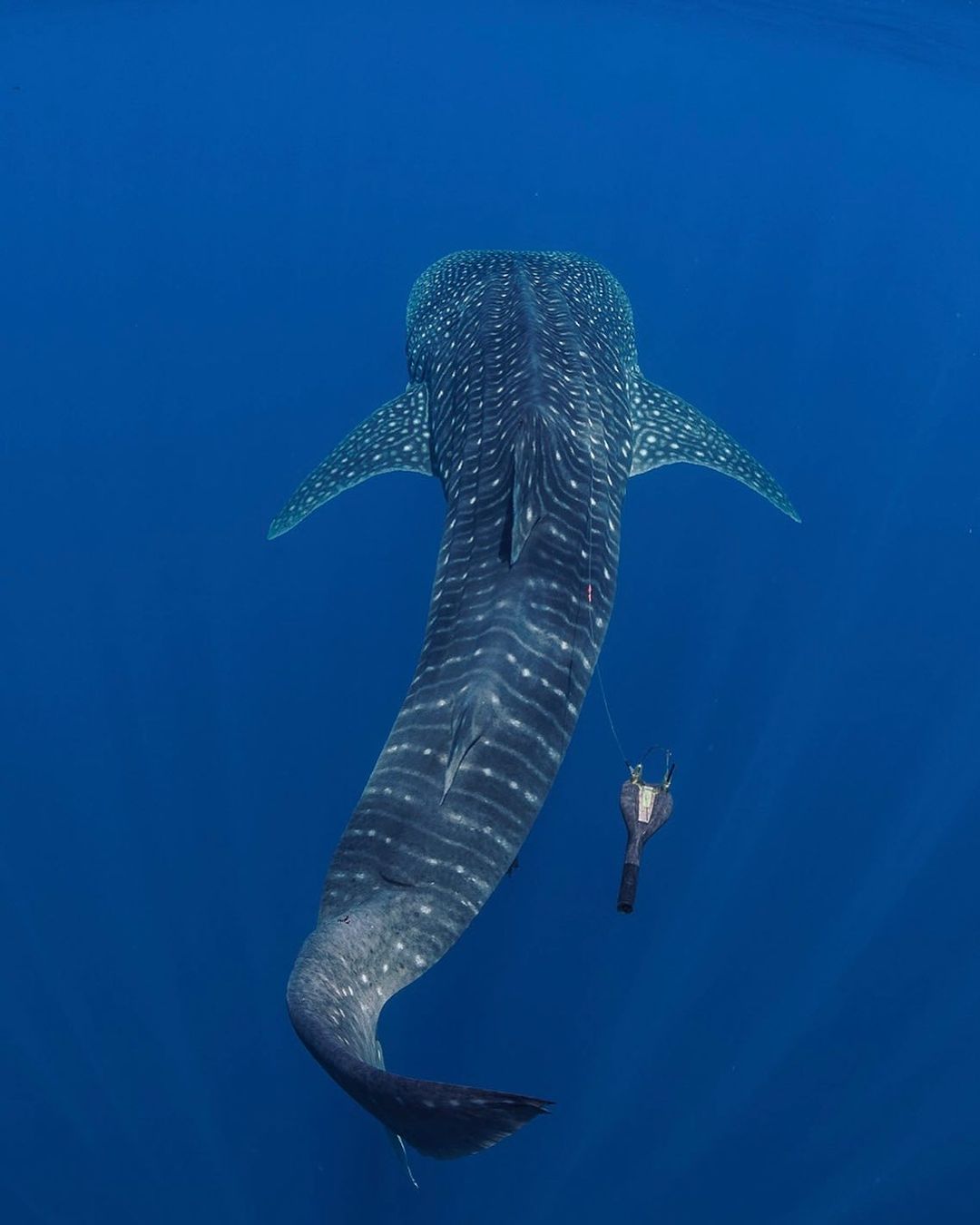
Her postdoctoral work currently involves using acoustic telemetry, a technique that tracks animal movements by attaching tags that communicate with underwater receivers. Supported by the Georgia Aquarium, this project aims to monitor large species, such as whale sharks and Taiwanese wedgefish, within Taiwan’s waters.  

Collaborative Research Across Oceans  

Debbie’s research goes beyond tracking sharks. She’s working with the Fisheries Research Institute (FRI) and Georgia Aquarium to deploy acoustic receivers around Taiwan. These tools help detect tagged marine animals and gather data on their movements and behaviors. “I’ve also participated in satellite tagging programs for whale sharks and studies on the scalloped hammerhead shark in Western Taiwan,” she adds. 

Her visit to Georgia Aquarium offered invaluable insights. “I wanted to observe the Aquarium’s animal monitoring, handling techniques, and fieldwork,” Debbie shares. It also provided an opportunity to explore future collaborative projects. “Research challenges differ between regions, and Taiwan’s work is often limited by funding, staff, and techniques. Collaborating with Georgia Aquarium helps us address these gaps and fosters a mutual exchange.”

Tracking Sharks and Rays: A Collaborative Dive into Marine Research with Chi-Ju Yu (Debbie) 1
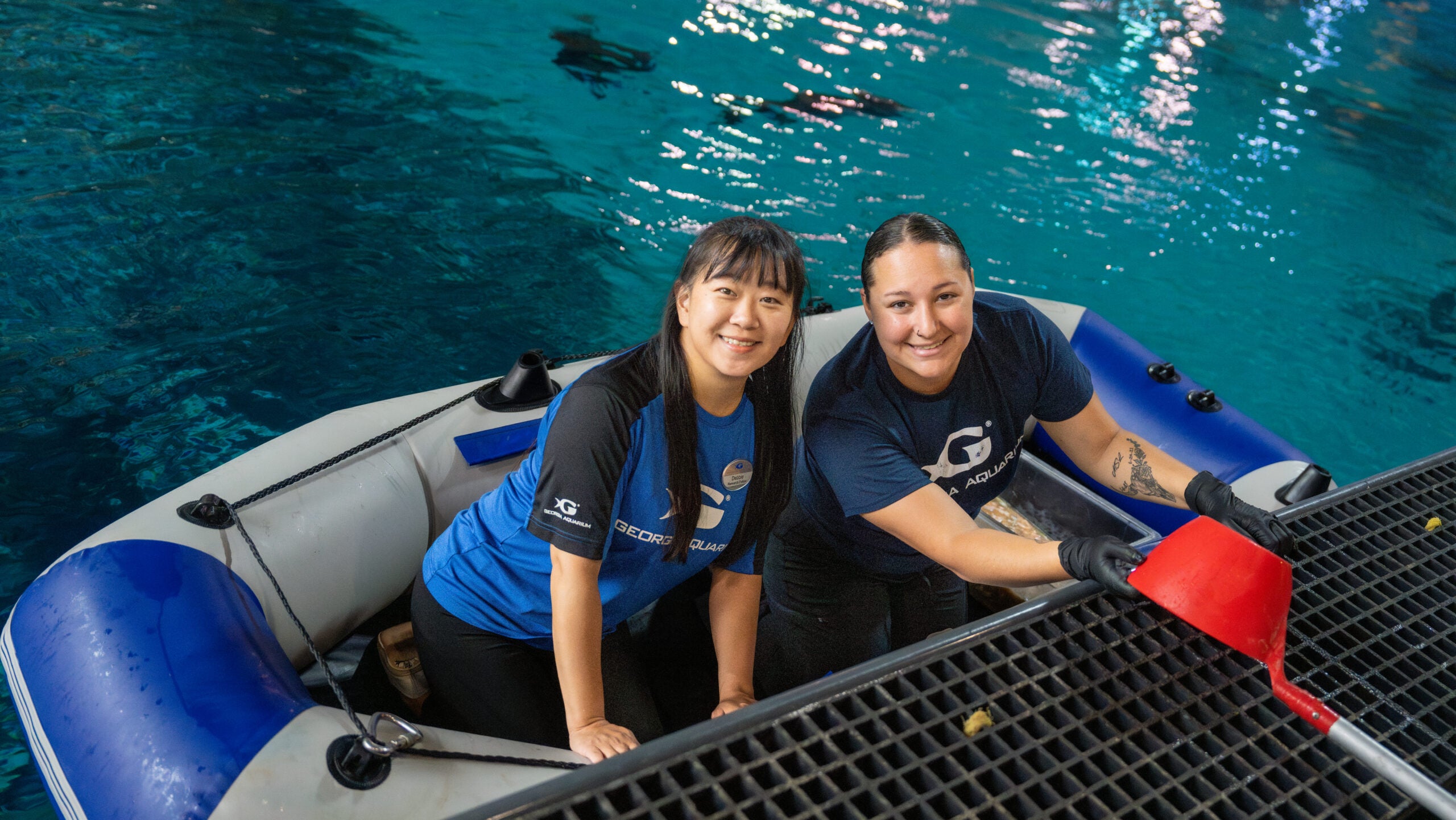
Chi-Ju Yu (Debbie) pictured left alongside Georgia Aquarium aquarist, Mya

Learning from the Experts  

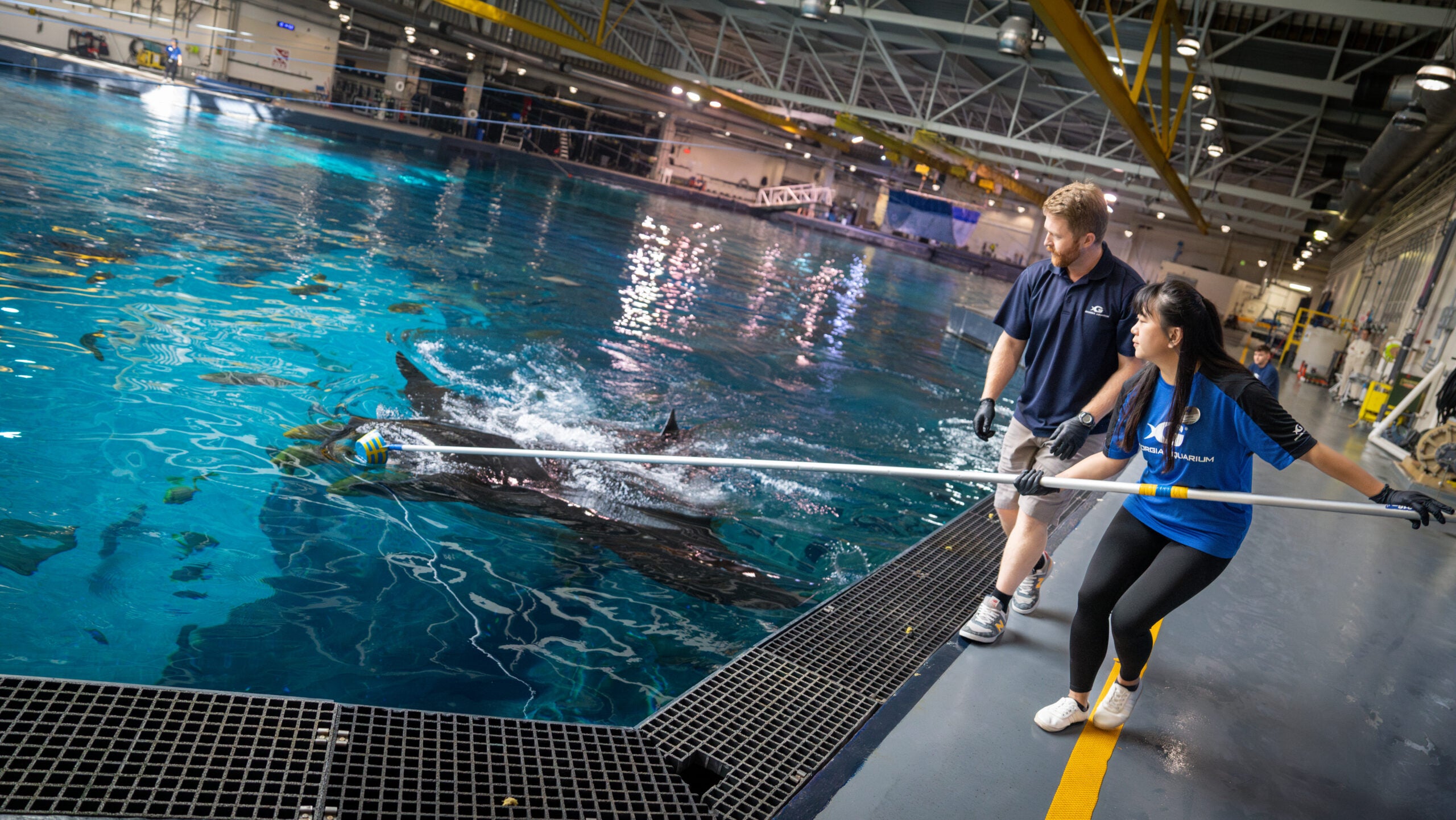
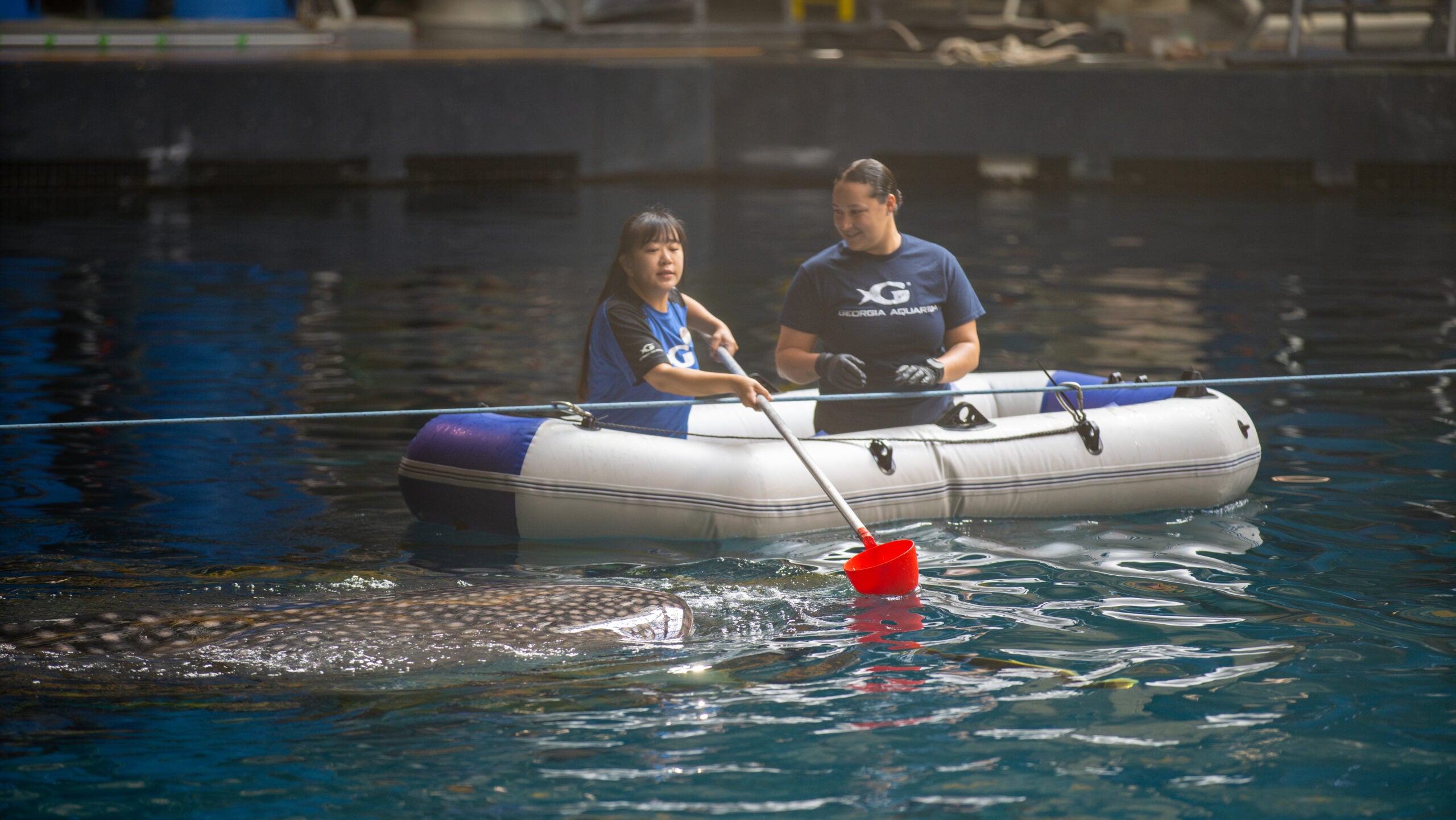
While at Georgia Aquarium, Debbie immersed herself in various activities, from feeding animals in the Ocean Voyager exhibit to assisting with assessments in the field. “I even got to take my first blood sample from a shark and implant an acoustic transmitter with Dr. Lisa Hoopes and Dr. Kady Lyons,” she recalls fondly. 

Her time with the Aquarium’s teams reinforced the importance of different monitoring techniques—ultrasound examinations, behavior tracking, and data analysis—all essential tools for understanding marine life. “Although I couldn’t observe everything the Aquarium’s team does, every moment spent here was priceless.”

Facing Challenges in Shark Research  

Field research presents unique hurdles, from safety risks to the unpredictability of wildlife encounters. “The biggest challenge is that you can’t always get the sample or data you need,” Debbie reflects. In Taiwan, habitat destruction and fishing practices also pose significant threats to sharks. However, the country has adopted sustainable management strategies, including whole-fish utilization and bycatch monitoring under international guidelines. Despite these efforts, Debbie notes that traditional surveys remain insufficient, underlining the need for continued research and international collaboration.

A Global Vision for Shark Conservation  

Debbie’s work highlights how acoustic tracking programs foster global conservation efforts. “Our receivers might detect species tagged by other research teams, and our tagged sharks could be tracked in other regions,” she explains. Connecting nations like Taiwan, Australia, the Philippines, and Japan could yield crucial insights into the movement patterns, population structures, and life stages of marine animals. “These collaborative efforts will help us develop sustainable resource management strategies.” 

Priceless Memories and a Hopeful Future  

For Debbie, her time with Georgia Aquarium wasn’t just about research—it was also about meaningful experiences. “I saw how the Ocean Voyager team creates unique feeding plans for the whale sharks and conducts regular health checks. I even got to dive with the team and assist in training activities.” 

Her gratitude for the experience is evident. “This opportunity to learn and explore means so much to me. I hope to meet everyone again soon, and they’re always welcome to visit me in Taiwan.”  

Debbie’s work is a testament to the power of collaboration in advancing marine conservation. With every tag deployed and every data point collected, she moves one step closer to ensuring the future of these majestic creatures—both in Taiwan’s waters and across the globe.

Georgia Aquarium Lends a Helping Hand in Walrus Rehabilitation Efforts

At Georgia Aquarium, conservation and rehabilitation efforts extend far beyond the walls of our exhibits. This commitment was recently put into action when we partnered with the Alaska SeaLife Center to help care for an abandoned walrus calf that needed immediate, specialized attention.

Georgia Aquarium Lends a Helping Hand in Walrus Rehabilitation EffortsA Calf in Need

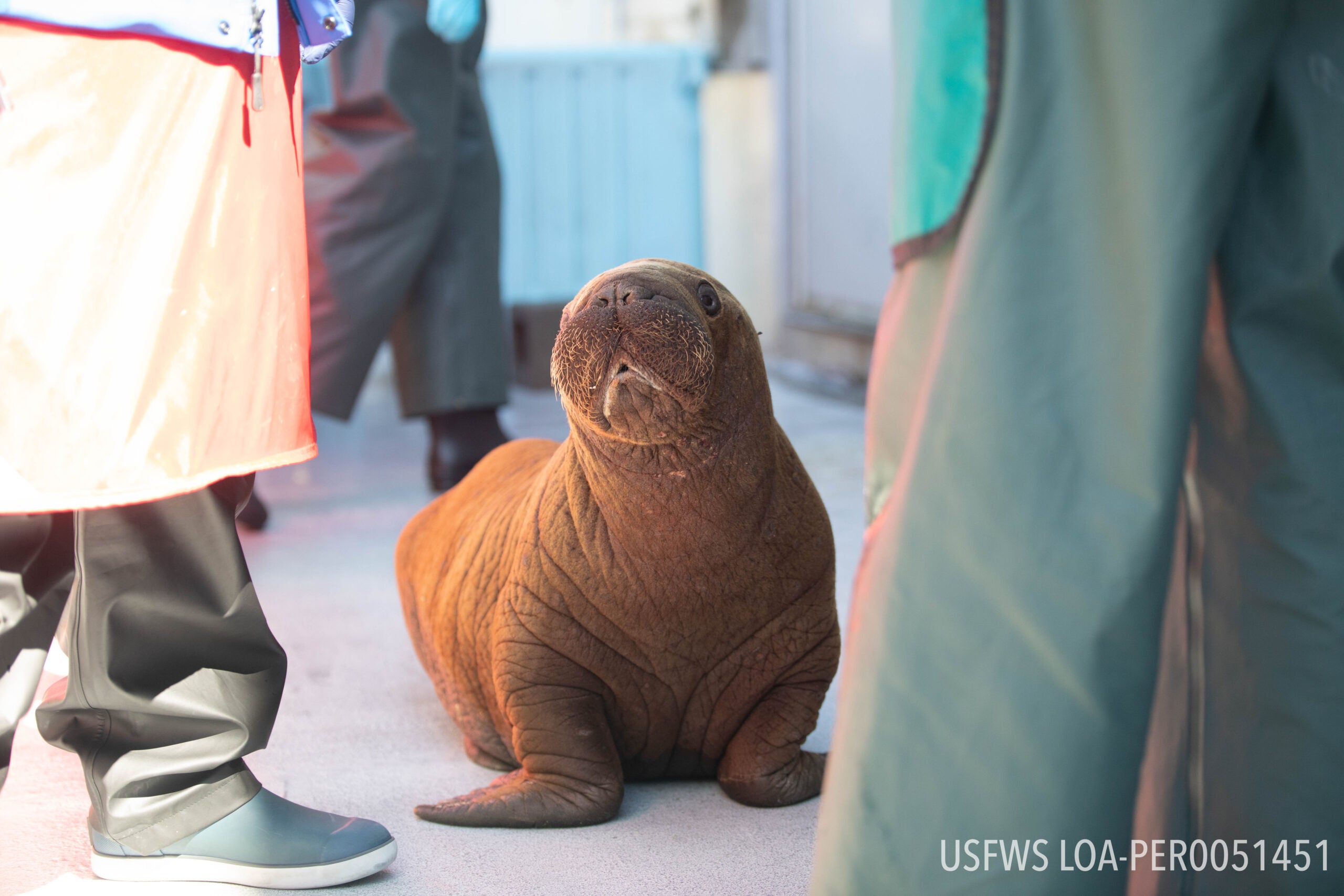
Earlier this summer, the Alaska SeaLife Center (ASLC) was alerted to a walrus calf in distress, stranded without its mother, and in need of urgent care. The calf, estimated to be just a few weeks old, was dehydrated and underweight, requiring round-the-clock attention from the ASLC team. Walrus calves, who typically remain with their mothers for up to five years, are particularly vulnerable when orphaned. Their survival depends on specialized 24/7 care.

Pacific walruses are a highly social species, often found in tightly huddled herds, lying in direct contact with one another. Because of this social need, the rehabilitation team must offer 24/7 companionship and contact while also providing intensive health support. This kind of care and need for close contact with humans means that any orphaned walrus calf admitted to rehabilitation will not be a candidate for release. However, they will continue to receive incredible care and serve as an important ambassador for their species, raising awareness about the challenges faced by Pacific walruses and the ecosystems they live in.

Recognizing the need for additional hands-on expertise, ASLC contacted its network of partners, including Georgia Aquarium.

Georgia Aquarium’s Role

As a key partner in wildlife rehabilitation efforts, Georgia Aquarium was eager to assist. Our team has worked closely with the ASLC in the past, and this case was no different. We provided resources and expertise, ensuring that the calf received the best possible care. The partnership between Georgia Aquarium and the ASLC is based on a shared commitment to protect marine species, particularly those in dire situations like this young walrus.

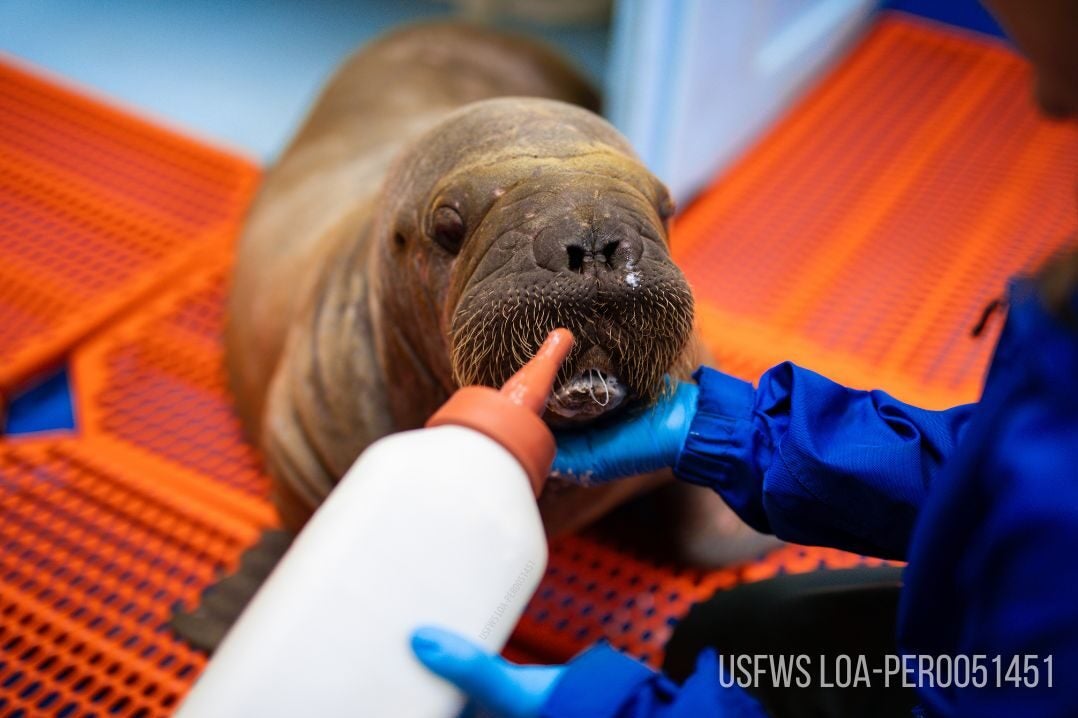
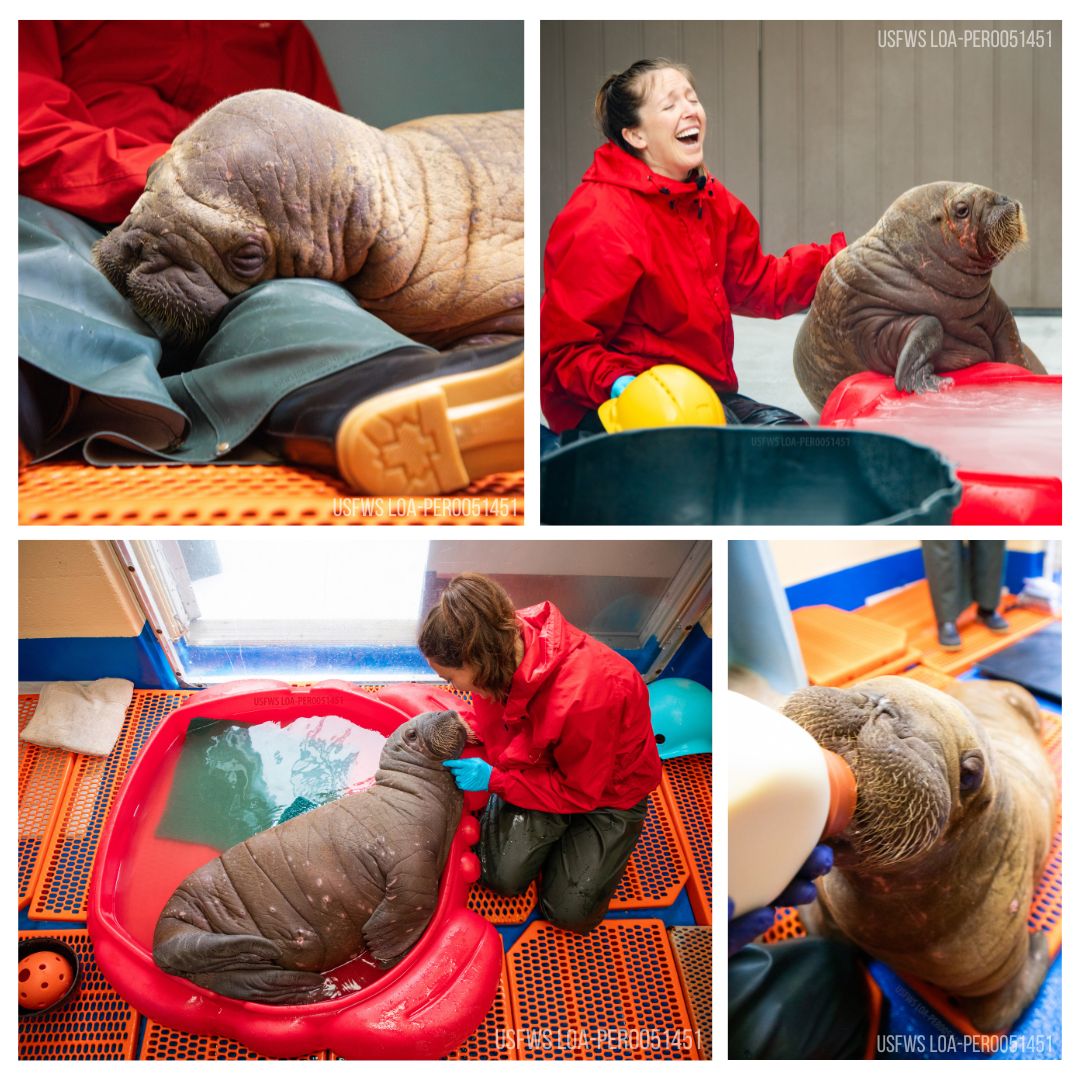
Over the past few months, several of our animal care staff made the trip from Georgia to Alaska to help care for the walrus calf around the clock. Our team helped to create and follow a personalized care plan, which included bottle feedings of a formula mimicking walrus milk, enrichment activities to stimulate her development, and regular health check-ups.

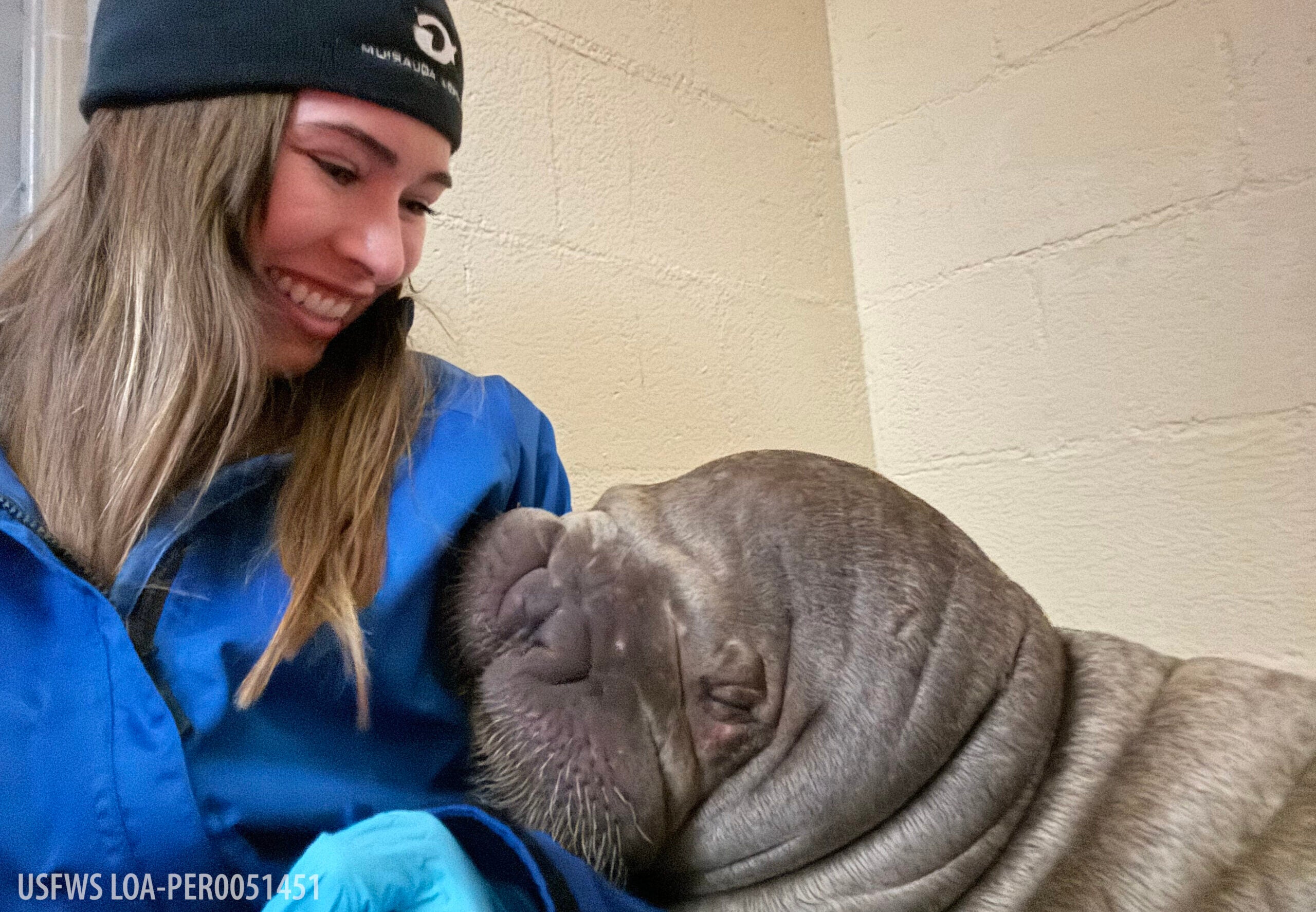
“Uki is such an incredible walrus and serves as an important ambassador for her counterparts,” said Jaclyn Andrews, assistant trainer at Georgia Aquarium. “My favorite part about helping with Uki’s intensive, round-the-clock rehabilitation would be acting as her surrogate, preparing and feeding her bottles, and building a relationship with her. Seeing her seek me out for physical comfort (walrus snuggles) was a rewarding experience. I am forever grateful to be a part of her amazing story.”

This type of collaboration is critical in the world of wildlife rehabilitation. Sharing knowledge and support can have a huge impact on animal welfare in current and future rehabilitation.

Georgia Aquarium Lends a Helping Hand in Walrus Rehabilitation Efforts 4What’s Next for the Walrus Calf?
After weeks of intensive care, the walrus calf showed remarkable signs of improvement. 

A nationwide group of walrus and marine mammal experts from AZA’s Marine Mammal Taxon Advisory Group (TAG) determined that SeaWorld Orlando was the best setting for the calf, officially named Ukiaq -“Uki” (pronounced oo-kee) for short. Her name, “Ukiaq,” translates to “autumn” in the language of the Iñupiaq people who live in the area of northern Alaska where she was first found. This consensus decision prioritized her social needs, ensuring she joins a diverse social group of walruses, including an adult female walrus who has experience with walrus calves and could be a potential surrogate mother for Uki. 

She recently moved to her permanent home at SeaWorld Orlando, where she will continue to receive support as needed and ensure every opportunity to grow and recover.

ASLC Animal Care Specialist Halley and a veterinarian were with Uki for her entire journey to Orlando and stayed with her for a few days to make the transition as smooth as possible. Halley reported that Uki is settling in well and already loves her new pool and enrichment toys.

We are excited to see Uki continue to be an incredible ambassador for her species. The ASLC will continue to be involved with Uki’s journey and care, but the majority of her updates will come from her new caretakers at SeaWorld Orlando. 


A Shared Commitment to Conservation

The efforts surrounding Uki underscore the importance of partnerships between marine conservation organizations. With each successful rescue and rehabilitation, institutions like Georgia Aquarium and the Alaska SeaLife Center move one step closer to securing a better future for marine wildlife.

Check out Georgia Aquarium’s ongoing efforts to protect marine wildlife on our Newsroom

For the latest updates on Uki, follow SeaWorld Orlando on social.

Hawaii’s Oceanic Institute and Georgia Aquarium Successfully Produce Squarespot Anthias in Collaborative Partnership

Oceanic Institute and Georgia Aquarium have partnered in order to successfully produce Squarespot Anthias (Pseudanthias pleurotaenia) through aquaculture!

Squarespot Anthias (Pseudanthias pleurotaenia) are a beautiful marine fish species found throughout the Pacific Ocean. They are sequential hermaphrodites that start off life as yellow to orange-colored females. The dominant individual will change to male displaying deep pink coloration with a square shaped spot on their side, hence their name. Harems of this species are popular in public aquariums for their beautiful colors and interesting social dynamics. At Georgia Aquarium, these colorful fish can be seen at the Indo-Pacific Barrier Reef exhibit in its Tropical Diver gallery.

When brought in from the wild, these fish can often have parasites or bacterial infections that are difficult to treat. Aqua cultured fish often have fewer disease issues and are hardier than their wild counterparts, being more suited for aquarium settings. So far, 9 anthias species are known to have been reproduced using aquaculture techniques.

In a first for Oceanic Institute, in partnership with Georgia Aquarium, the Institute has successfully raised this species!

Georgia Aquarium obtained broodstock squarespot anthias (the adult individuals from which the eggs and offspring come from) and went through the vigorous process of quarantining, caring for, and conditioning those individuals. The adults were then shipped all the way across the ocean to Oahu, Hawaii. They were received and cared for by the Finfish department at Oceanic Institute of Hawaii Pacific University (OI). In less than one month the broodstock spawned viable eggs!

These eggs were stocked into the Finfish hatchery and soon  baby squarespot anthias hatched. Using a combination of protocols developed by Oceanic Institute, as well as published protocols on another anthias species, the team at OI was able to successfully raise that very first batch of eggs, and at 30 days after hatching, the larval anthias had settled into juveniles.

After growing for a few weeks, the juvenile anthias made the journey to Georgia where they arrived safely and will continue to grow with the help of the incredible care team at Georgia Aquarium before they are ready for display. This collaborative and important partnership between OI and Georgia Aquarium is to hopefully expand the Aquarium’s scope of work with tropical fish through aquaculture and to create a more sustainable future.

Georgia Aquarium’s Commitment to Manatee Research & Conservation

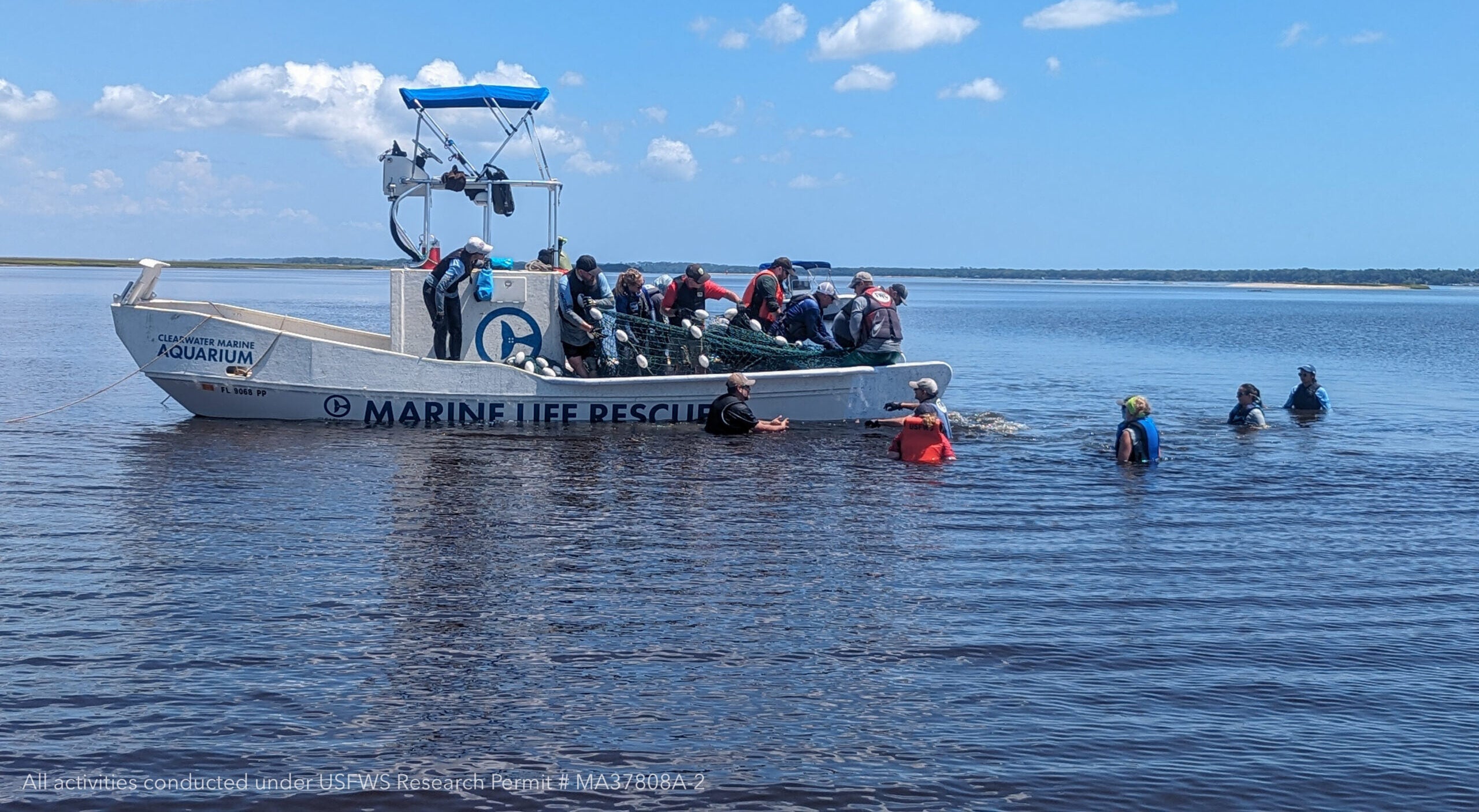
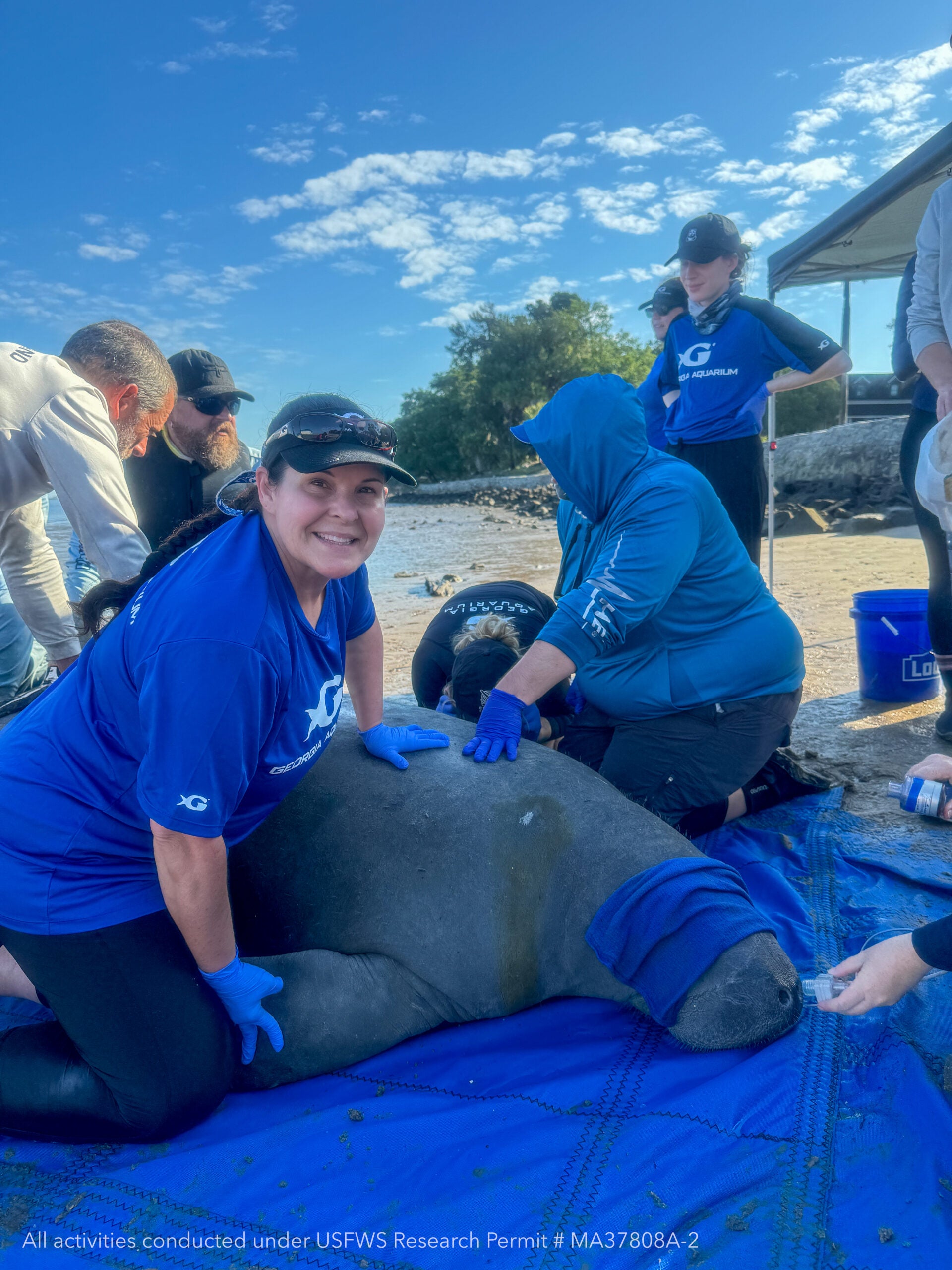
At Georgia Aquarium, we are dedicated to the conservation of marine life. Our ongoing research and conservation efforts for manatees are a testament to this commitment. Manatees are gentle giants of the water, but they face serious health stressors such as boat strikes and cold stress. To ensure their survival and better understand their needs, Georgia Aquarium and other Manatee Rescue & Rehabilitation partners participate in annual research trips, assessing the health and habitat usage of manatee populations off the coast of Georgia.

Annual Health Assessments

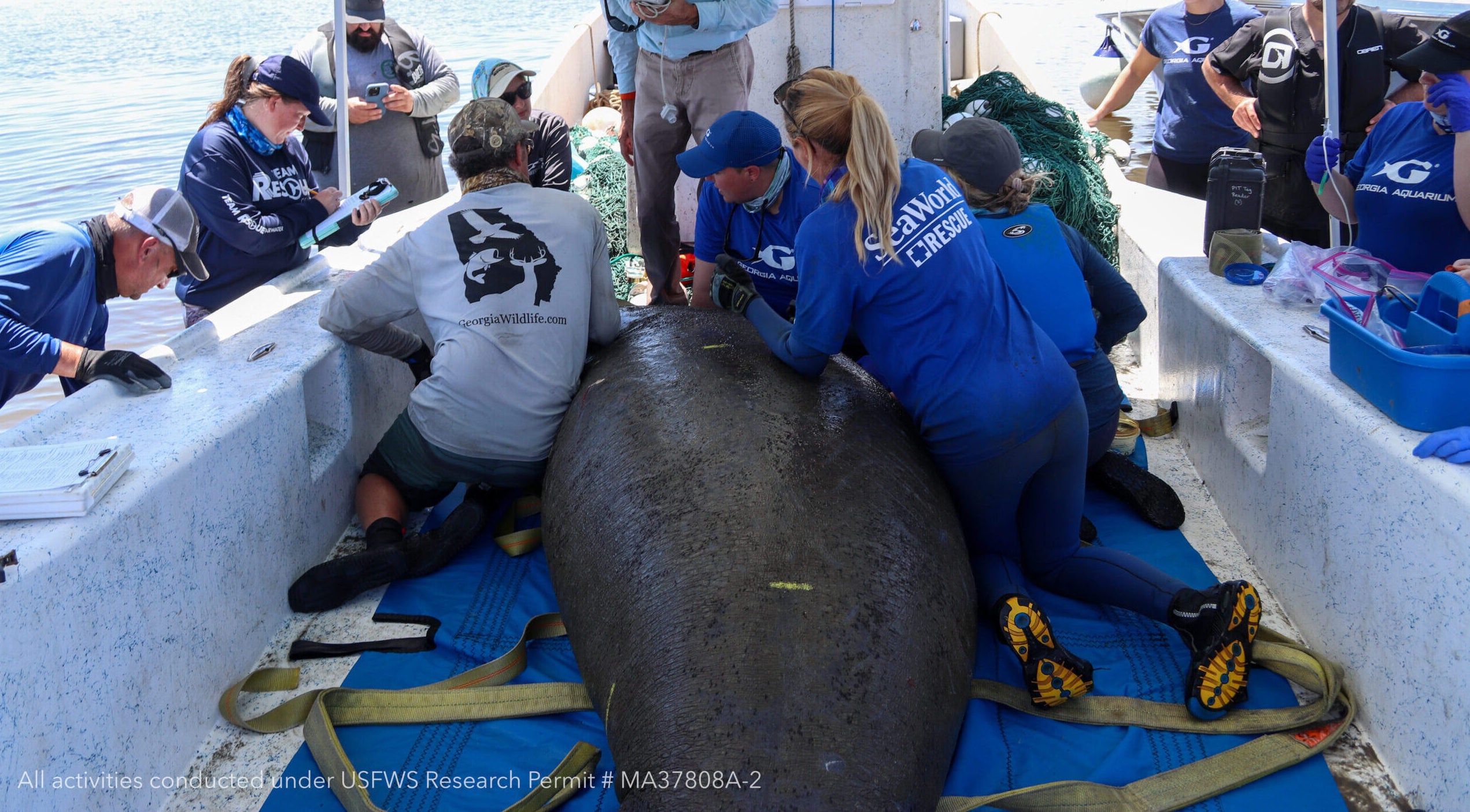
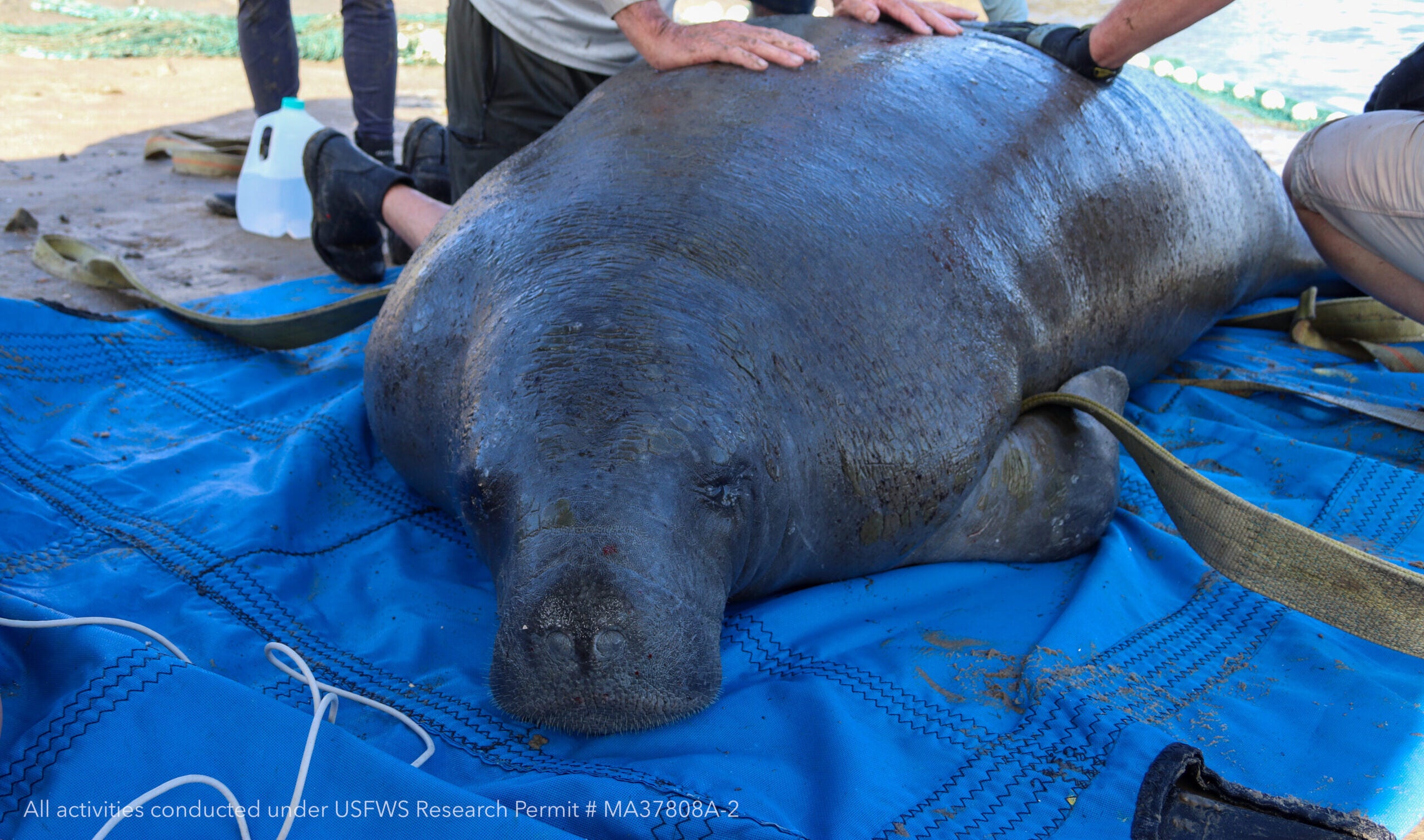
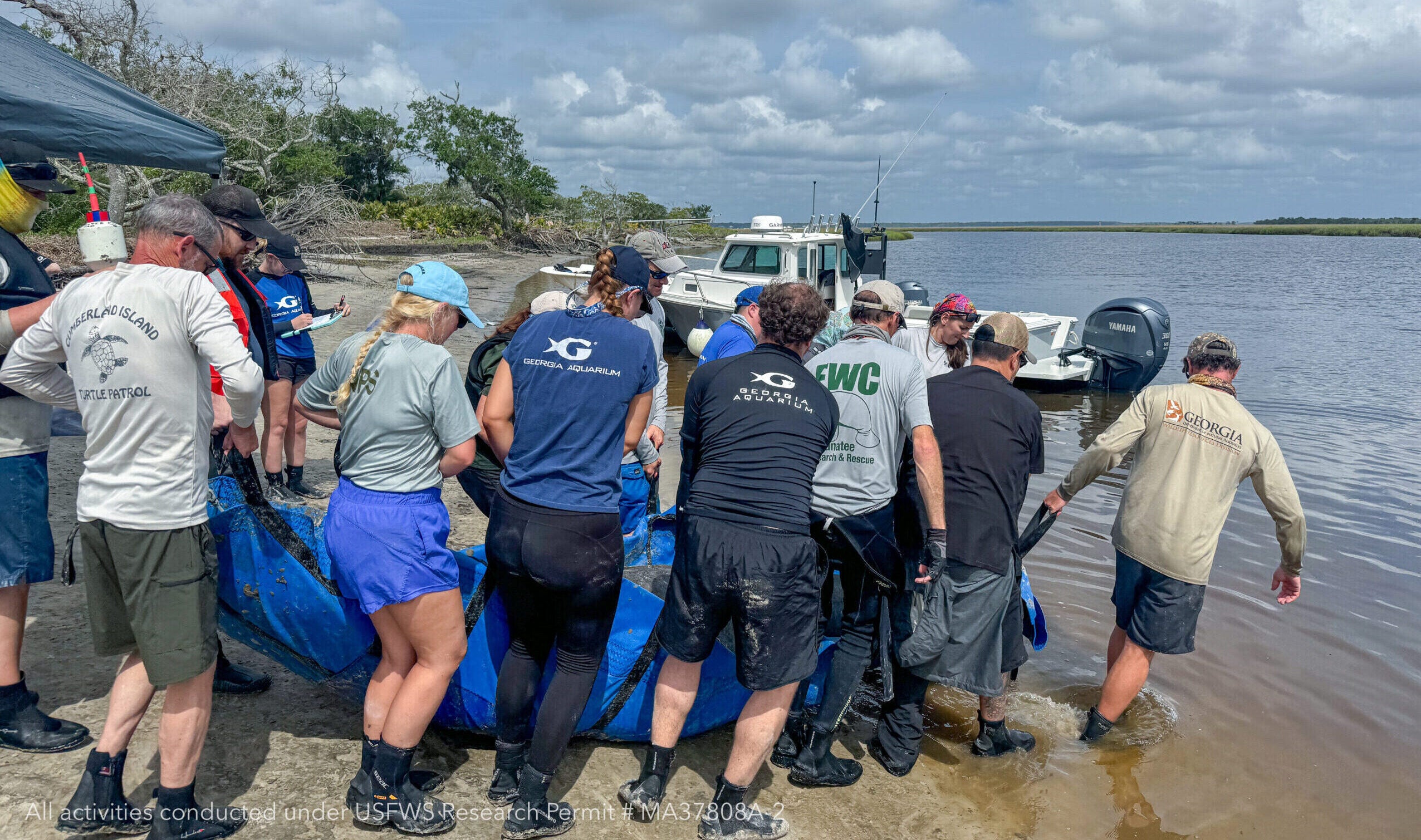
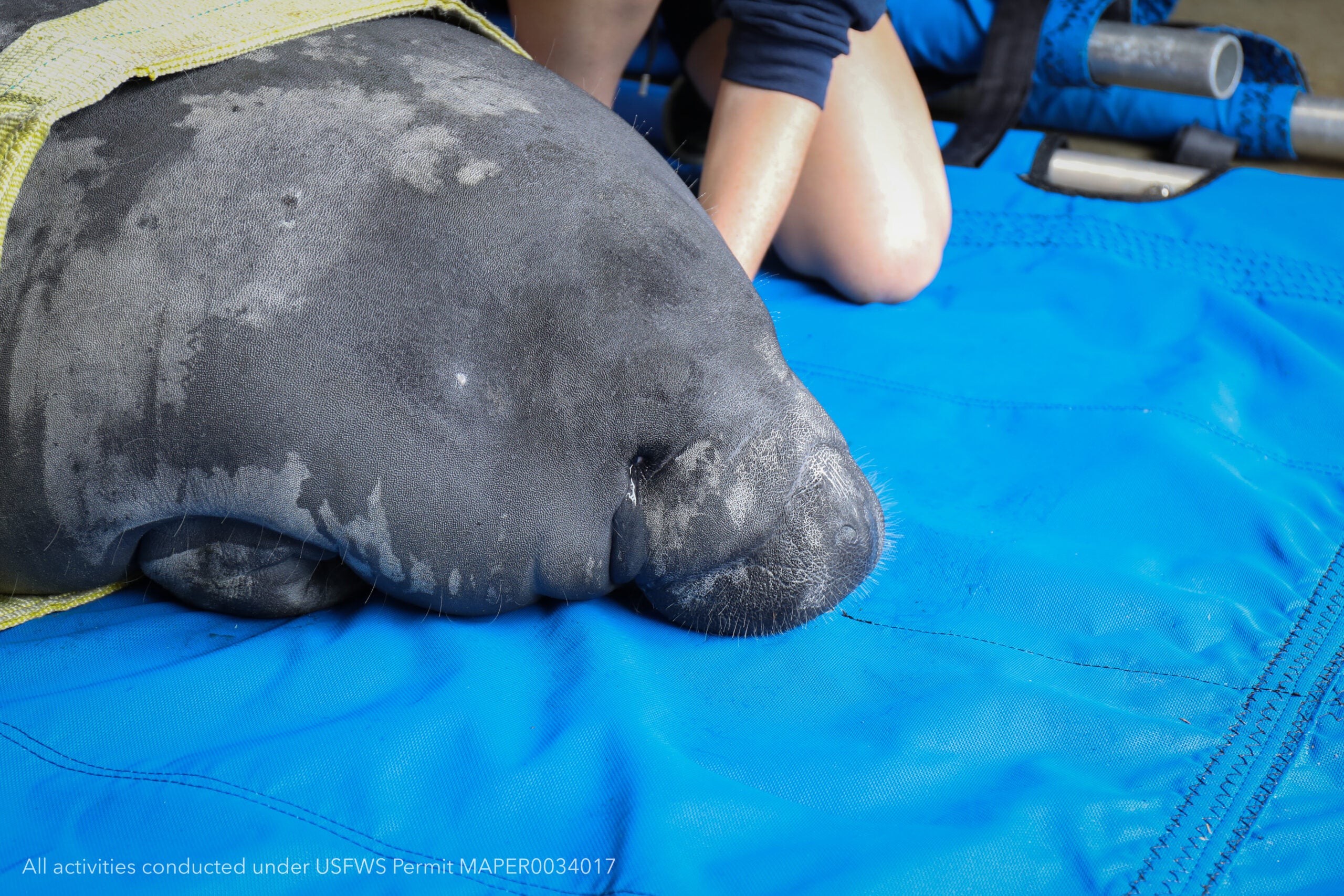
Since 2015, our team, along with the Manatee Rescue & Rehabilitation Partners, Georgia Department of Natural Resources, U.S. Fish and Wildlife, Clearwater Marine Aquarium Research Institute, and many other institutions, have collaborated to carry out health assessments on manatees near Cumberland Island and Savannah. These health assessments involve thorough physical examinations and measuring physiological parameters such as temperature, respiration, average heart rate, and backfat thickness using ultrasound. 

Biological samples, including blood, feces, urine, and microbiome swabs, are also collected. These samples provide insights into the manatees’ current health status, helping us identify potential health issues and monitor their overall well-being. Animals are also tagged with tracking devices if they do not already have one.

The Purpose of Our Research

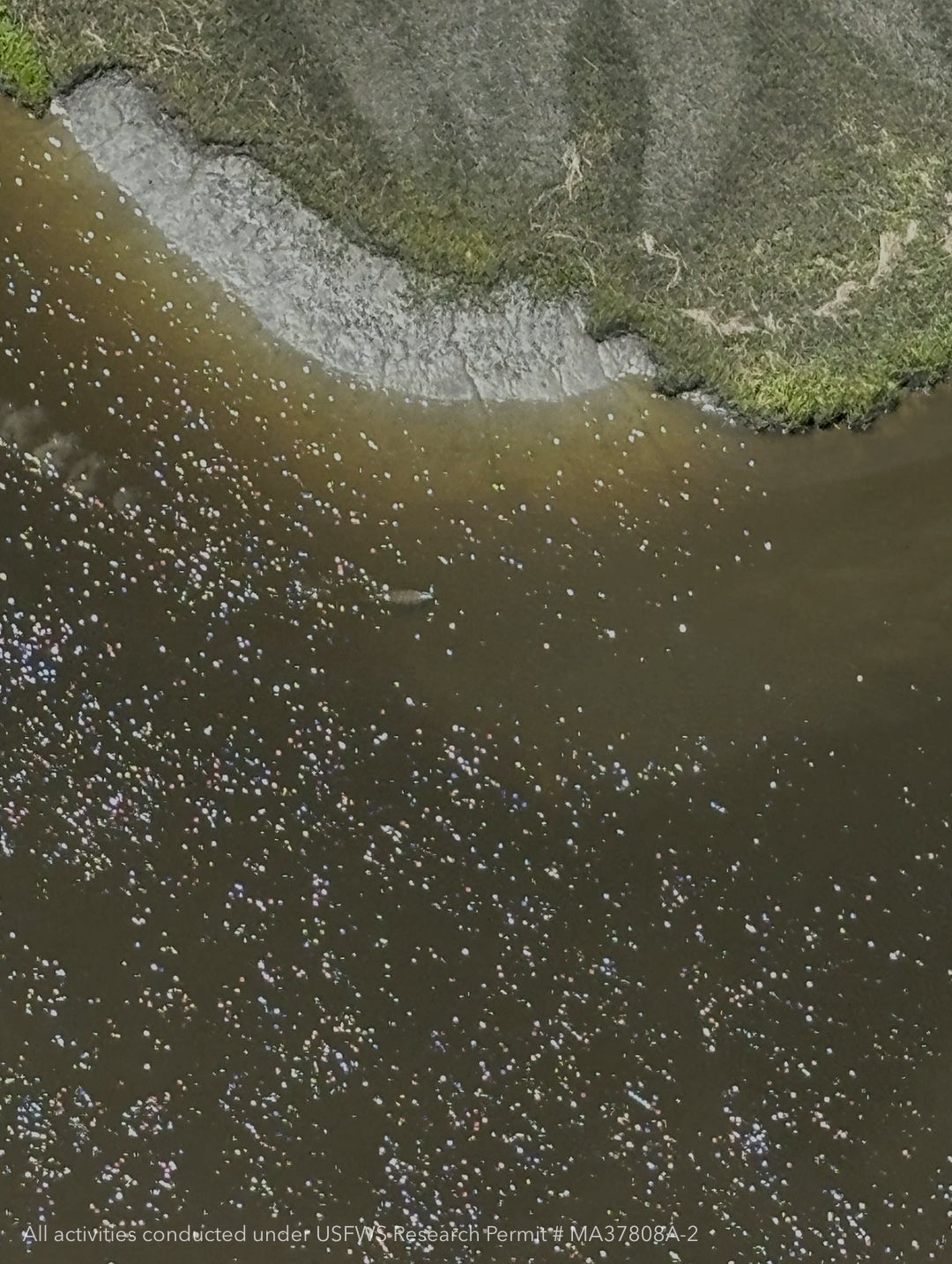
Our primary goal is to assess the current health of manatees and better understand their habitat usage. Our teams can gather valuable data on their movements and health status by examining animals tagged on previous trips. This information is crucial, especially considering the current unusual mortality event (UME) affecting manatees. Understanding the factors contributing to these mortalities helps guide our future conservation efforts.

Key Findings and Their Significance

During our most recent assessments, we examined ten manatees, eight of which were first-time captures, while two were recaptures. Recapturing previously tagged manatees is particularly valuable, as it allows us to track their progress and confirm their survival and thriving status since their last assessment. This longitudinal data is instrumental in understanding manatee health trends and the effectiveness of our conservation strategies.

The data collected from tagged animals also offers a glimpse into their habitat usage. Tracking these movements helps us compare the health of manatees in different regions and environmental conditions, providing a comprehensive picture of their well-being.

Participation in the Manatee Rescue & Rehabilitation Partnership (MRP)

In addition to our research efforts, Georgia Aquarium plays a vital role in the Manatee Rescue & Rehabilitation Partnership (MRP) as a holding facility for injured or abandoned manatees. This partnership is crucial for rehabilitating and eventually releasing manatees back into the ocean.

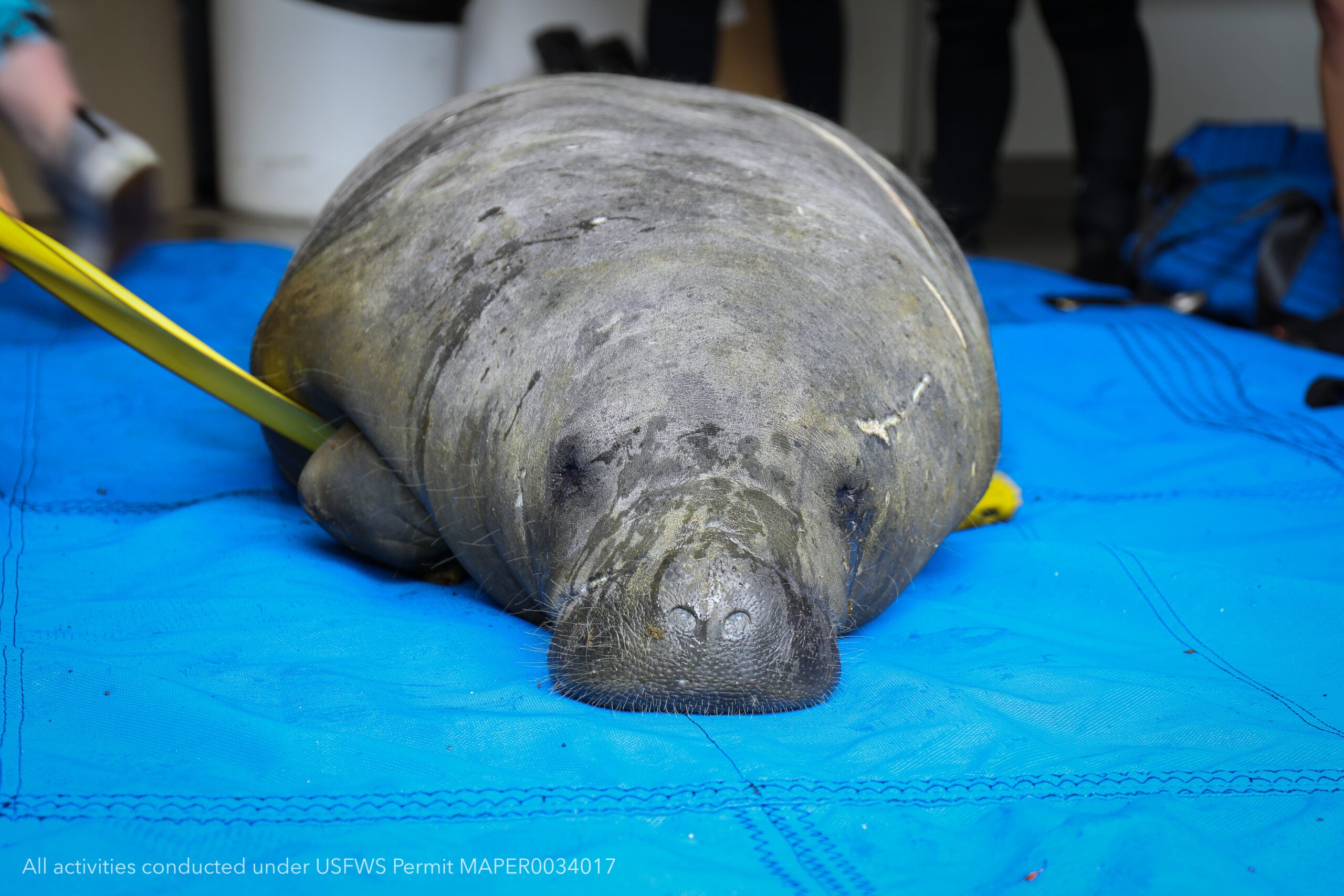
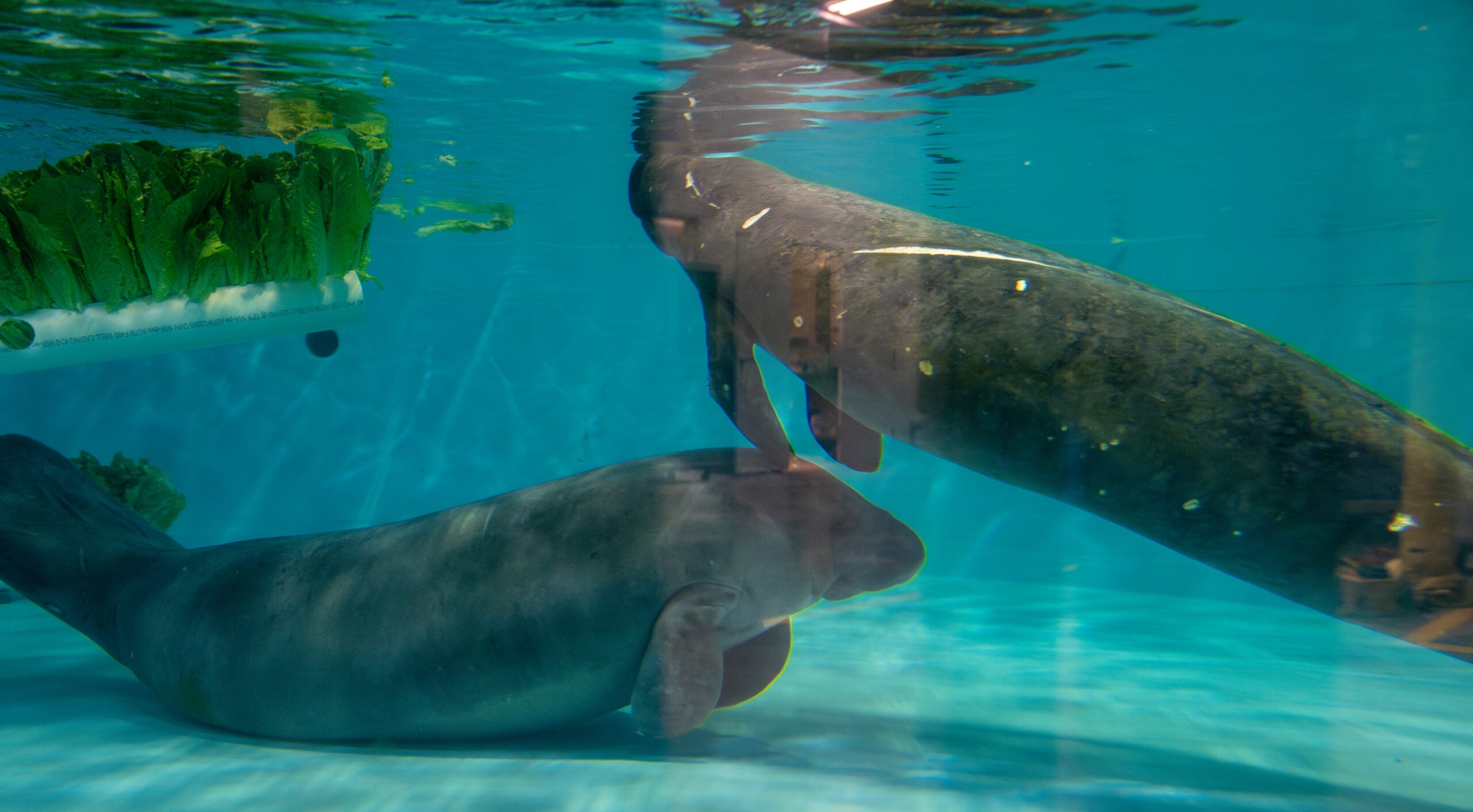
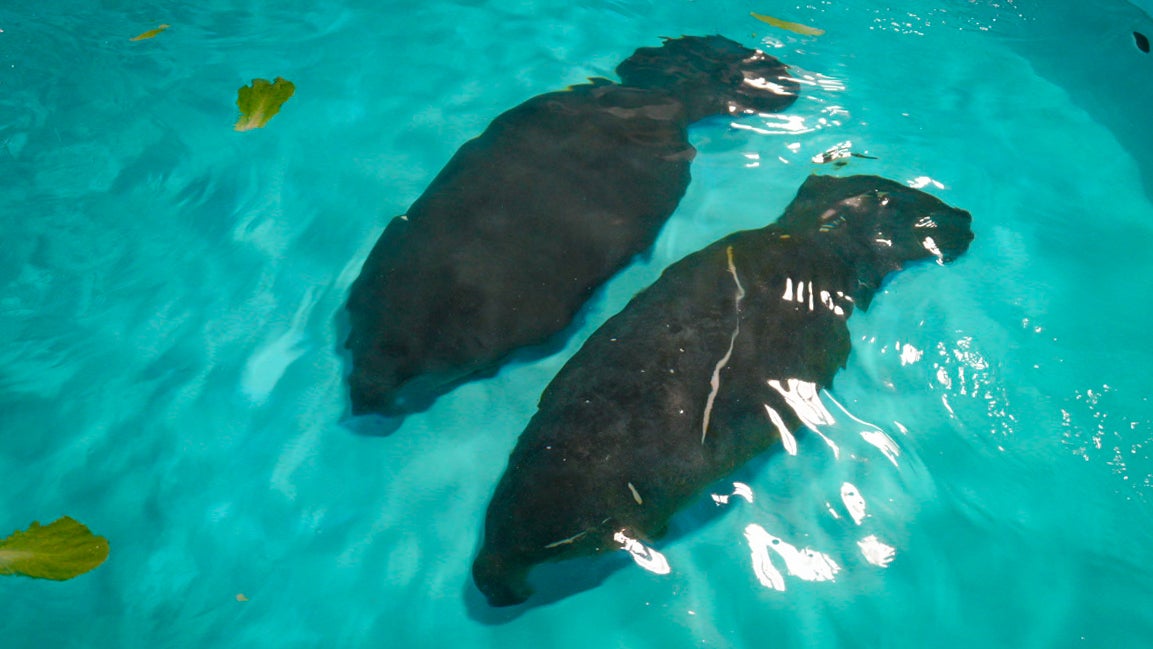
Recently, we welcomed two new manatee calves, TayTay and Cider, to our offsite facility. Both animals came to us after being found abandoned and suffering from cold stress. TayTay also needed treatment for a boat strike injury. They are both currently doing well in our care. Both manatees will be in our care until next year, when they become eligible for release after they gain the necessary weight.

Our primary contribution to the MRP involves providing holding space for manatees that need time to gain weight, allowing other facilities to focus on more critical cases. We also support the partnership by providing staff to assist with transports, rescues, and releases. This collaborative effort ensures that manatees receive the best possible care and have the highest chance of successful rehabilitation and reintegration into their natural habitat.

The Road Ahead for Manatee Conservation

Our ongoing research efforts are vital in addressing the challenges faced by manatees. By continually monitoring their health and habitat usage, we can adapt our conservation strategies to better protect these vulnerable animals. The collaboration of multiple institutions and the dedication of volunteers play a crucial role in the success of these efforts.

As we continue our work, we remain committed to ensuring the conservation of manatees in Georgia’s coastal waters. Through comprehensive health assessments and detailed habitat analysis, we are building a foundation for informed conservation decisions that will benefit manatees for generations to come.

Stay tuned for more updates on our manatee research and conservation efforts by subscribing to our newsletter

Join us in our efforts to protect this unique species by becoming an Aquarium member today.