
New research at Georgia Aquarium helps conserve endangered beluga whales in Alaska

Metabolic and caloric measurements show belugas have big caloric needs to maintain their cold-water lifestyle.

New data provided by studying the beluga whales at Georgia Aquarium helps close a key information gap about how much food these whales need to thrive. The information will inform important management decisions for their counterparts in Alaska’s Cook Inlet, which are protected under the U.S. Endangered Species Act (ESA).

A new study released in the Journal of Experimental Biology, led by Terrie M. Williams, Director of the Integrative Carnivore EcoPhysiology Lab, with her graduate student Jason John at the University of California-Santa Cruz in partnership with Georgia Aquarium, reveals that the whales’ unique metabolism and elevated caloric needs may limit their ability to escape from potential human disturbances.
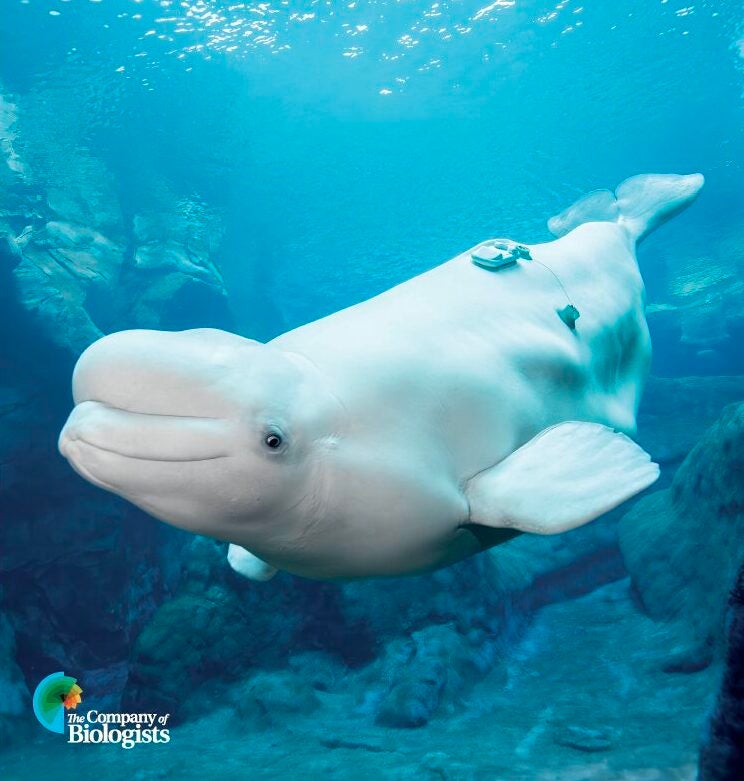
beluga research

The Cook Inlet beluga population was listed as endangered in 2008 due to a decline from over-harvesting by Alaska’s native hunters. But despite a cessation in whaling and other efforts to help the population recover, their numbers have not increased, and it is unknown why.


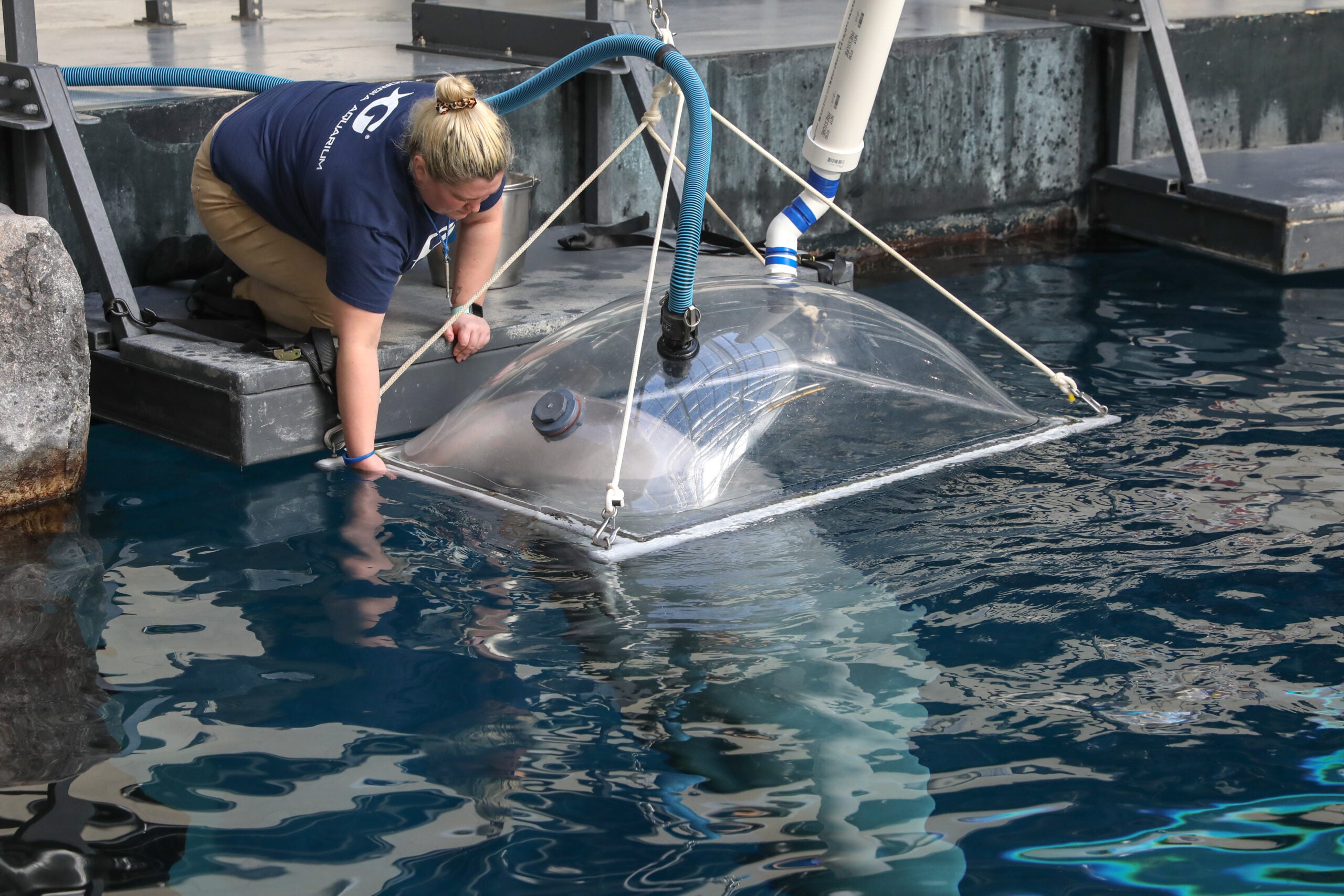
Difficulty collecting this type of data on belugas in the wild has made it hard for scientists to identify why they have failed to recover from excessive harvest. This study, which started in 2018, was a collaboration between U.C. Santa Cruz and Georgia Aquarium with the Alaska Region of NOAA Fisheries, which has management authority for Cook Inlet belugas. Scientists collected data about energy output from the aquarium’s one adult male and two adult female belugas while resting in metabolic domes, during submerged swimming, and when diving for food.


“We are losing large wild species all over the world,” said Williams. “One way that we might be able to prevent wholesale extinctions is to do the basic science that allows us to predict what these animals need to live in this crazy, changing world.”


“This study is one element we can do here to create a better understanding of how these animals take in and use energy,” said Dennis Christen, Georgia Aquarium’s Senior Director, Mammals and Birds. “That’s a measurement that’s nearly impossible to get in the wild. By understanding their metabolism, we can get an understanding of what they have to feed on in the wild and whether it is enough.”


“Taking these baseline measurements – which are the gold standard for conservation modeling – helps us to understand how these whales are built,” Williams explained. “There aren’t many facilities like Georgia Aquarium that have the capabilities and research mindset to conduct this type of research.”


Georgia Aquarium scientists prepared the belugas for the study over a six-month period, using positive reinforcement and operant conditioning techniques to measure their resting and active metabolic rates in different states. Open flow respirometry was used to measure oxygen consumption using a plexiglass dome for the animals to breathe in, and accelerometers were used to measure movement and swim stroke rates in the water.
New research at Georgia Aquarium helps conserve endangered  beluga whales in Alaska 2

Data gleaned from this research will help create predictive energy models to evaluate the potential impact of human activities on beluga whales, and a close relative, Arctic narwhals.


The metabolic study conducted by this collaboration is helping to inform measures to ensure Cook Inlet belugas have adequate resources to fuel their caloric needs. Under the ESA, any action that is funded or permitted by the federal government that has the potential to impact a threatened or endangered species must be reviewed. This includes activities like oil and gas exploration and development, marine construction, and commercial fishing. This review includes mitigations to reduce impacts on ESA species. Obtaining a baseline on the calorie needs of Cook Inlet belugas will help inform these mitigations to reduce the effects of these activities on Cook Inlet belugas.


“Wild belugas typically use the calories from ingesting fish to fuel growth, activity, maintaining their health and reproducing,” said Williams. “With increased human disturbance, calories will have to be diverted to respond to perceived threats. Such energy imbalance cannot be sustained for long periods without negative consequences.”


“The whales at Georgia Aquarium are ambassadors for their species. Getting the opportunity to participate in a research study like this one means a lot,” said Katie Flammer, associate curator, Mammals and Birds. “These animals, and our training team, are helping beluga whales globally.”


To learn more about Georgia Aquarium’s conservation work, click here.

Shark Liver Oil Study

Could cosmetics and health supplements drive sharks to extinction? A new study in the journal Science raises alarm.

Overfishing of deepwater sharks and rays to harvest their liver oil for use in consumer health and beauty products is driving these species rapidly toward extinction, and immediate trade and fishing regulations are essential to prevent irreversible damage, according to researchers of a new study slated to publish in the journal Science on March 8. The study was led by Dr. Brittany Finucci from the National Institute of Water and Atmospheric Research in Wellington, New Zealand, and included the research of dozens of scientific partners globally, including Georgia Aquarium.

Squalene, an organic compound derived from shark liver oil, has become a popular ingredient in skincare products, supplements, and vaccine compounds. It’s especially buzzy with skincare enthusiasts ranging from tweens to those seeking anti-aging solutions for its moisturizing, antioxidant, and immune-boosting properties. Consumer demand is driving overfishing of these species to dangerous levels, and their numbers are in steep decline, the researchers suggest.

“One-third of the endangered species in this group are specifically hunted, and half of those targeted for liver oil are at risk of extinction.”
- said Katelyn Herman, a co-author of the paper and the Manager of Conservation Programs at Georgia Aquarium.
“On top of that, deepwater sharks and rays grow and reproduce very slowly and tend to have long lifespans. For example, on average, maximum population growth rates are half that of coastal sharks,” she noted. “This means steep population declines cannot be easily reversed.”

Despite the existence of plant-based and synthetic alternatives, shark-derived squalene remains in high demand. However, using shark liver oil for medical purposes is controversial not only due to conservation concerns but also due to potential health risks to people since deepwater sharks accumulate heavy metals and other contaminants in their bodies, which can reach unsafe levels.

The study calculated threats to these deepwater predators by comparing them to other exploited marine vertebrae to gauge how they’re affected by environmental changes and threats. It also looked at how the numbers of these sharks and rays have been changing, using assessments on the International Union for Conservation of Nature Red List of Threatened Species Categories and Criteria. The authors then identified the conservation benefits of stricter trade regulations and limitations on fishing activities.

Because fisheries are extracting resources that are not renewable, their business is not sustainable, the study noted. “To prevent the loss of these species and to help their numbers recover, there is an urgent need for stricter trade and fishing regulations,” Herman said. “Enforcing depth and spatial limits to fishing alongside catch regulations and trade rules is imperative to preventing irreversible loss and promoting recovery.”

Five Manatees Return to Florida Waters After Several Years of Rehabilitation

The Manatee Rescue & Rehabilitation Partnership, in collaboration with SeaWorld Orlando and six other zoological and manatee care organizations, achieved a successful release.

DOWNLOAD HIGH-RES IMAGES HERE. Photo credits are contained in the file name.  

Five Rehabilitated Manatees Return to Florida Waters After Several Years of Rehabilitation

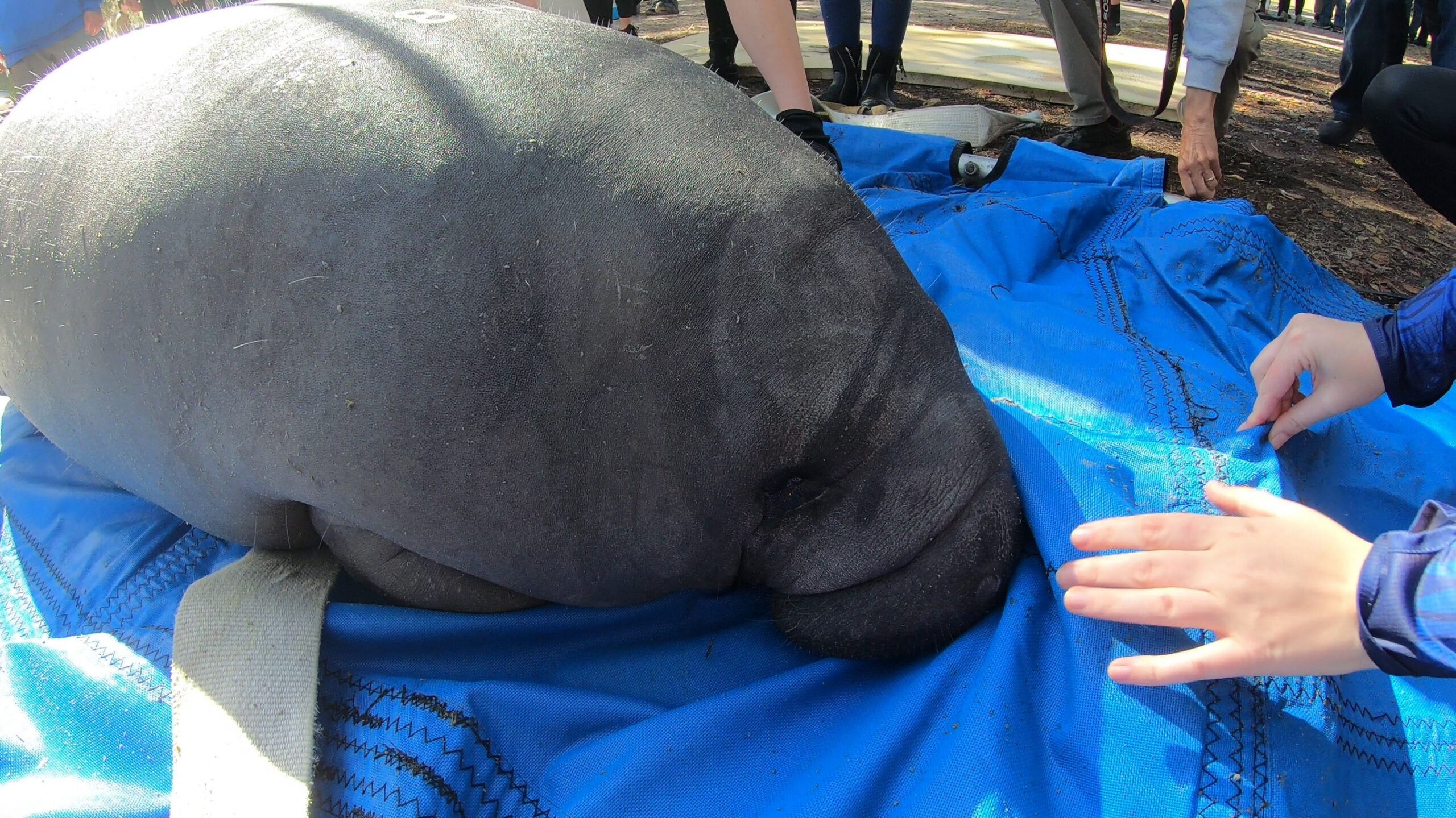
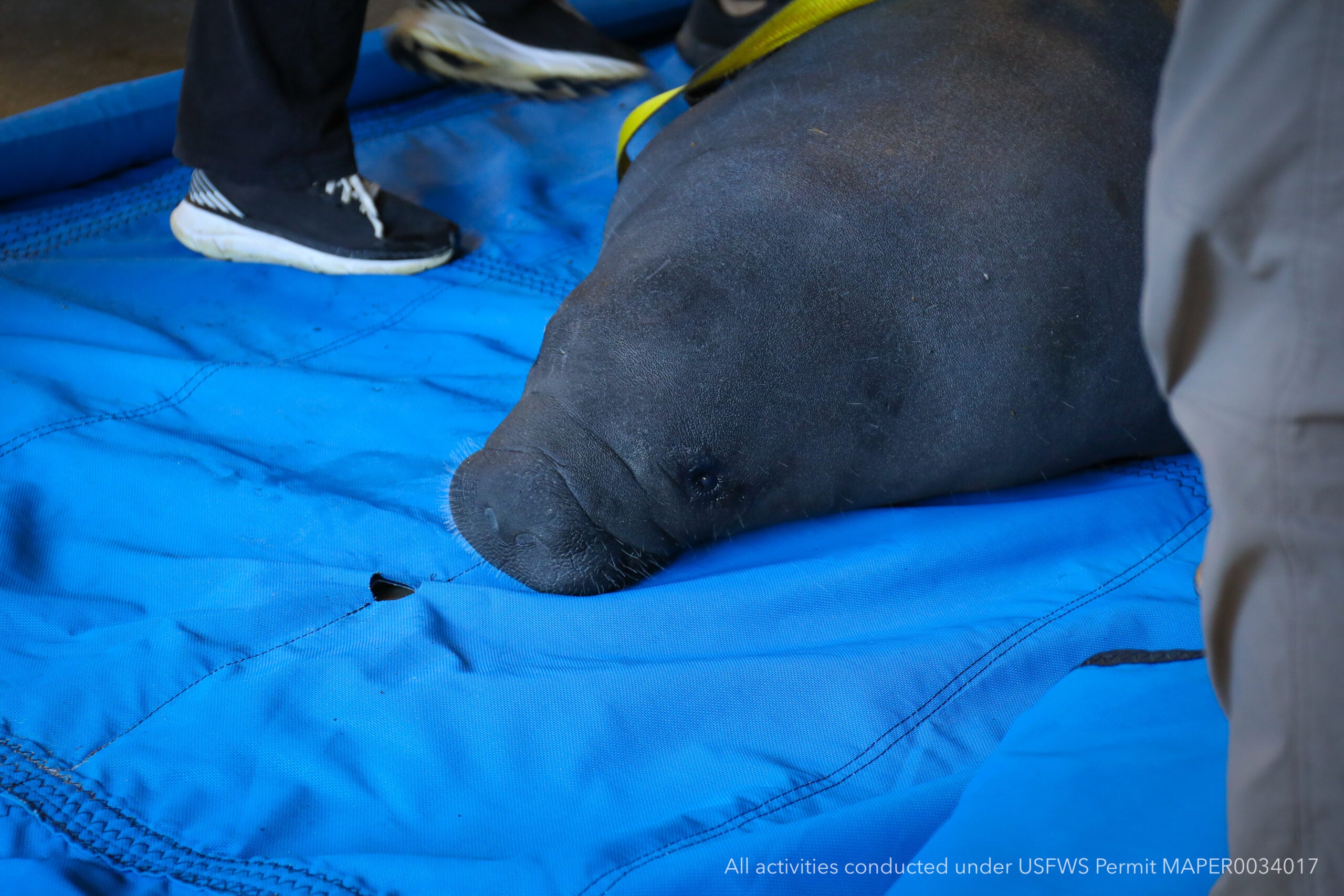
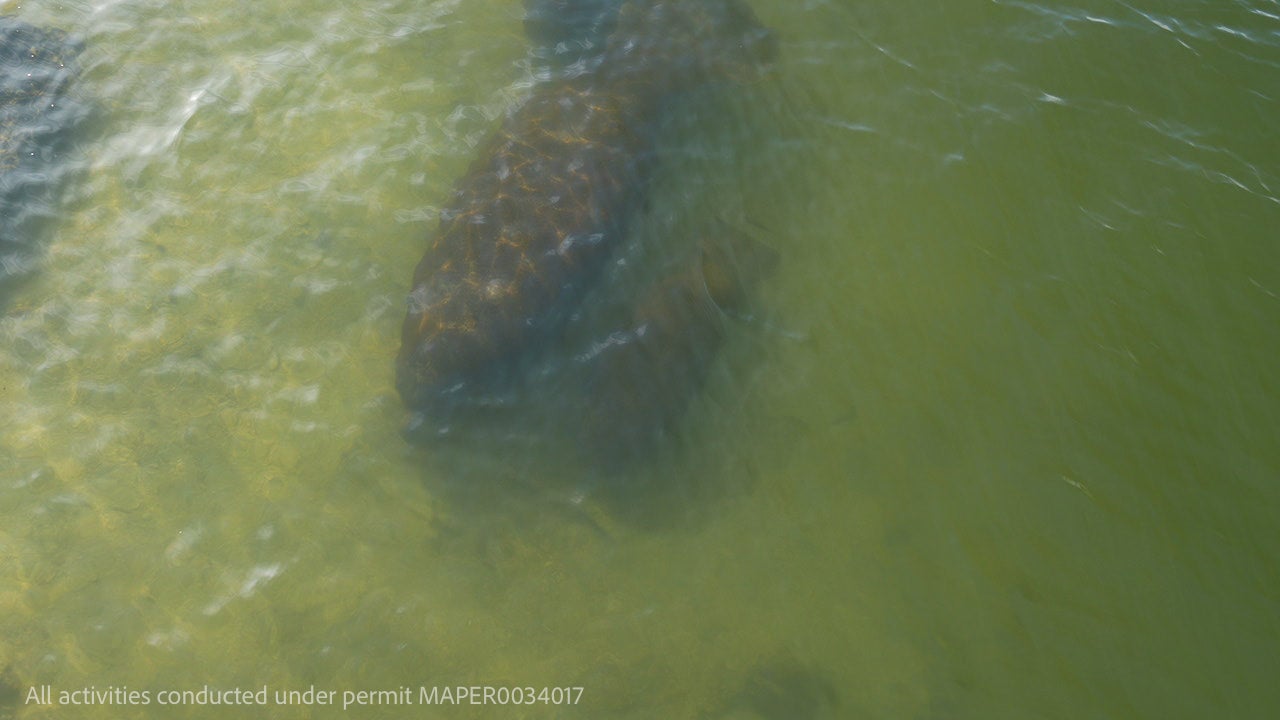
Yesterday, the Manatee Rescue & Rehabilitation Partnership (MRP), a cooperative group of non-profit, private, state, and federal entities who work together to rescue, rehabilitate, release, and monitor sick and injured manatees successfully released five orphaned manatees to Blue Spring State Park in Florida after a years’ long journey of rehabilitation by multiple members of the partnership.

The manatees were originally rescued by the Florida Fish and Wildlife Conservation Commission (FWC) and MRP Partners between 2020 and 2021. SeaWorld Orlando, The Columbus Zoo and Aquarium, Brevard Zoo, Georgia Aquarium, Clearwater Marine Aquarium Research Institute, U.S. Fish and Wildlife Service, and Save the Manatee Club, partnered closely for several years to provide treatment to fully rehabilitate these orphaned calves. In a complex release operation that took all day to complete, the sea cows are now safely home in Florida waters.

“Over the past several years, we have been called upon to rescue an increasing number of injured, sick, and orphaned manatees,” said Virginia Edmonds, President of the Manatee Rescue and Rehabilitation Partnership. “We are grateful to our partners for stepping up to the plate to not only rescue animals in need but to commit countless hours to the collective rehabilitation of these animals, which enabled the releases today. But our work doesn’t stop here.

Every animal returned today will be fitted with a GPS tracking device that will allow researchers the ability to monitor their movements and ensure their acclimation to their natural habitat for the next year. These releases come at a critical time for the species as Florida manatees are at high risk from natural and human-caused threats.

“We pride ourselves on our nearly 50-year legacy to the rescue, rehabilitation, and return of manatees to save these beloved Florida icons who play a critical role in our ecosystem,” said Dr. Joseph Gaspard, Vice President of Zoological Operations at SeaWorld Orlando & Vice Chairman of the MRP. “While we are thrilled to lead this effort, it would not be made possible without close collaboration with our partners in the Manatee Rescue & Rehabilitation Partnership. This was truly a team effort among the zoological community to ensure the best care was provided to return these manatees back to their natural habitat.”

Manatees that were transferred back to Florida waters:

Manatee

Rescued

Today

Squirrel

Rehabilitated at SeaWorld Orlando, Miami Seaquarium and Columbus Zoo and Aquarium
Transported by Ideal Lease

May 2020 in Tavernier, Fla.

Weight when found: 66 pounds

Weight when moved to Columbus Zoo: 116 pounds

Weight: 960 pounds

Lizzie

Rehabilitated at SeaWorld Orlando and Columbus Zooand Aquarium
Transported by Florida Fish and Wildlife Conservation Commission

July 2020 in Palm Coast, Fla.

Weight: 63 pounds

Weight: 855 pounds

MaryKate

Rehabilitated at SeaWorld Orlando and Columbus Zooand Aquarium
Transported by Florida Fish and Wildlife Conservation Commission

Found swimming alone in January 2021 in Blue SpringState Park, Fla.

Weight: 107 pounds

Weight: 815 pounds

Clank

Rehabilitated at SeaWorld Orlando and Georgia Aquarium
Transported by SeaWorld

December 2021 in Port St. John, Fla.

Weight: 128 pounds

Weight: 725 pounds

TinkTink

Rehabilitated at SeaWorld Orlando and Georgia Aquarium
Transported by SeaWorld

December 2021 in Blue Spring State Park, Fla.

Weight: 124 pounds

Weight: 840 pounds


From Rescue to Release

Georgia Aquarium and Zoo Tampa Unite to Release Rehabilitated Manatees

As part of the Manatee Rescue & Rehabilitation Partnership, Georgia Aquarium and Zoo Tampa collaborate to release two rehabilitated manatees to their natural habitat after a journey of care and recovery. 

The story of these majestic sea creatures unfolds as they are released back into the ocean waters:

Where it all started:

Their journey began when the Zoo Tampa team rescued these young, stranded manatees after being found stranded, cold-stunned, and emaciated. They provided initial health assessments and care for several weeks. However, due to their fragile state, it was deemed necessary for the manatees to gain additional weight and vitality before being released back into their natural habitat.

As part of the Manatee Rescue & Rehabilitation Partnership, Georgia Aquarium staff stepped in to help provide a haven for these marine mammals while nurturing them back to health at our off-site facility.


See their journey from Zoo Tampa to Georgia Aquarium:

From Rescue to Release


Turning a new (lettuce) leaf: 

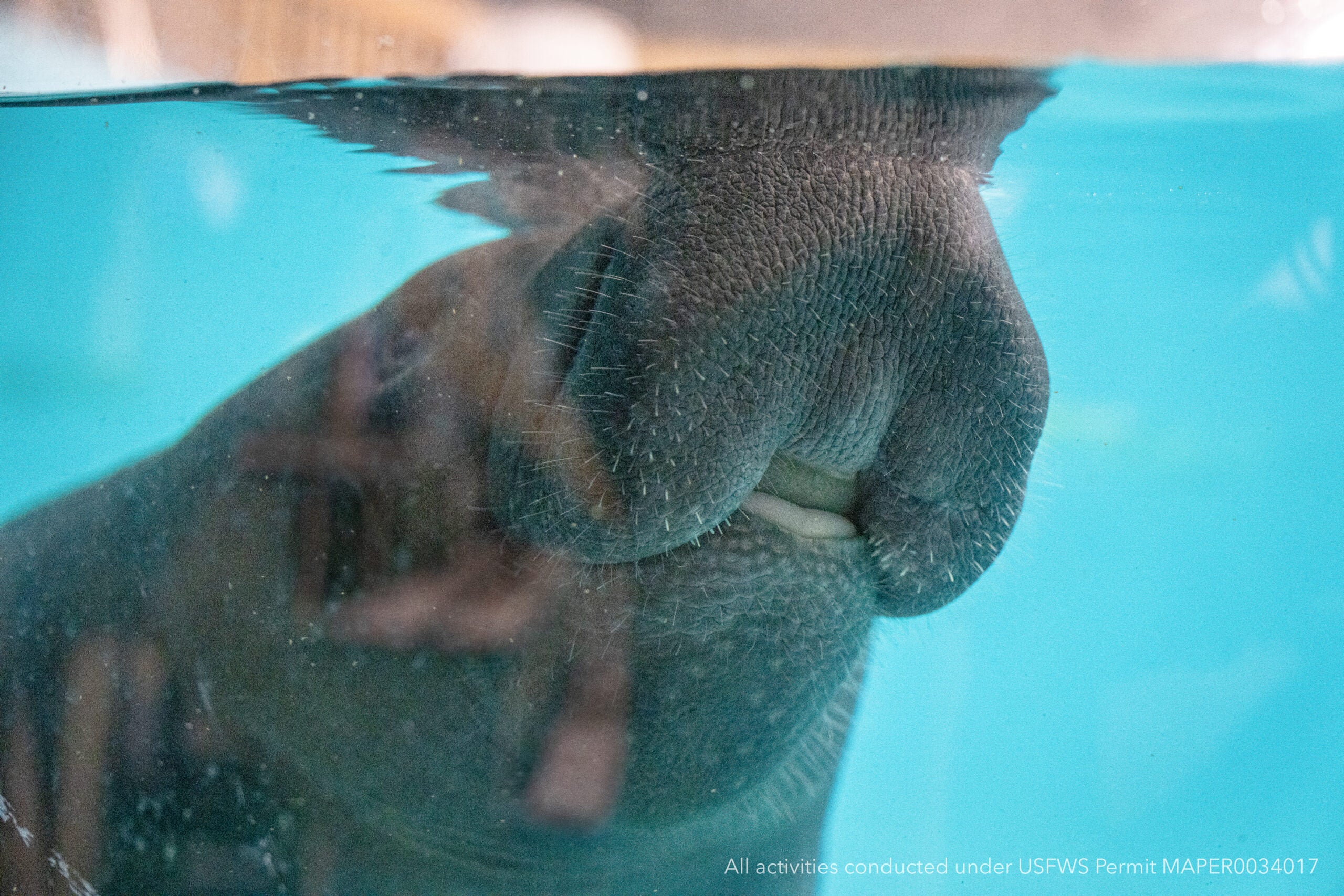
Under the watchful eye of Georgia Aquarium staff, the manatees underwent an attentive rehabilitation process to ensure they were ready to return to the ocean. Over the past several months, the dedicated care and attention of the Aquarium team paid off. The manatees gained substantial weight and strength. 

Before being officially approved for release, the manatees underwent thorough health assessments to ensure they were in peak condition. These assessments, combined with the unwavering care from the Zoo Tampa and Georgia Aquarium teams, ensure that these manatees have the best possible chance for survival.

Check in with our manatees before their release:

From Rescue to Release 2

A manatee-tale ending: 

The time has finally come!

Reuniting with the team at Zoo Tampa, this story comes full circle. On January 30, the Georgia Aquarium team traveled to the coast of Tampa, FL. Joining Zoo Tampa staff and other partners in releasing these two manatees back into their home waters. 

The successful rehabilitation and release of these two manatees symbolizes a beacon of hope for the ongoing efforts to protect and preserve marine life. Its also a reminder of the impact that collaborative initiatives and compassionate care can have on the lives of these and other species, contributing to a healthier and more vibrant marine ecosystem.

Take a look at their heartwarming release (get the tissues ready):

From Rescue to Release 1


This story is not only a testament to the successful collaboration between two renowned institutions, but also a celebration of the Manatee Rescue & Rehabilitation Partnership’s mission to provide a safe haven for manatees in need. Georgia Aquarium takes pride in being a valuable member of this partnership, contributing to the conservation and well-being of these incredible marine mammals.

Georgia Aquarium Partners with Southern Conservation Trust on Box Turtle Nesting Research

A collaborative conservation effort between Georgia Aquarium staff and the Southern Conservation Trust resulted in a record box turtle nesting season at The Ridge Nature Preserve.

This extraordinary partnership set out to protect the delicate box turtle nests within The Ridge Nature Preserve and gather data to better understand the substantial box turtle population in the area. The results have been nothing short of spectacular. With a total of 23 box turtle nests safeguarded throughout the nesting season. The success of this collaboration demonstrates the power of teamwork and a shared commitment to preserving this remarkable species.

The highlight of this year’s endeavor is the remarkable success in hatching. More than 40 hatchlings have resulted from this collaborative effort, marking a significant increase in the box turtle population within the region. Nesting season for box turtles generally starts in the spring and concludes with hatching in the fall. Last year, 12 nests were protected in The Ridge Nature Area, with nine hatchlings. The dense population of box turtles in one area is significant. The data collected from this population will provide insight into the local environment’s health and aid researchers in determining practices to help conserve this species in other areas.

Box turtles benefit greatly from protected areas – which maintain natural habitats and protect them from predators, visitors, and vehicles. However, habitat loss, traffic incidents, and collection for the pet trade are all factors that can contribute to species decline. Georgia prohibits Eastern Box Turtles from being taken as pets because they are considered vulnerable on the IUCN red list.

If you come across a box turtle, do not disturb them unless removing them from the road. Box turtles have a homing instinct which gives them the ability to navigate to a “home base” despite being in an unfamiliar area. Box Turtles will wander continuously until they reach their home base if they become separated from it.

The partners hope to continue this success in the coming years. The success of the 2023 box turtle nesting season is not only a testament to the hard work and dedication of the individuals involved but also a celebration of the vibrant and diverse ecosystem that The Ridge Nature Area sustains.


For more information on this exciting project, view our video.

Georgia Aquarium’s Manta Rays Test New Technology to Help Their Oceanic Counterparts

Tech nerds always want in on beta testing of the hottest new advances. They’d be envious of the manta rays at Georgia Aquarium, who recently got to try out new IMU (Inertial Measurement Unit) tags designed to track the migration patterns and seasonality of giant oceanic manta rays that live in the waters near Canaveral Shoals, Florida.

Jake Levenson, a marine biologist with the Bureau of Ocean Energy Management (BOEM)  said, “tapping the unique skills and resources of the experts at Georgia Aquarium was crucial to the development, design and testing of the IMU tags in a controlled environment before BOEM uses them in the wild.” One of BOEM’s functions is to oversee dredging ocean sand for beach nourishment, shore protection and wetland restoration. The tagging giant ocean mantas will help BOEM understand their habits to avoid disturbing these endangered fish during dredging operations.

with the collaboration between BOEM and Georgia Aquarium focused on innovative techniques to track manta rays. After a series of obstacles to gathering migratory information due to inclement weather, the COVID-19 pandemic, and difficulty both applying IMU tags and getting them to adhere to the manta rays, the team focused their attention fully to inventing open-access techniques and technologies to study manta rays. Georgia Aquarium is the only aquarium in the United States that provides care for manta rays, and the mantas living at the aquarium helped test their prototypes.

“Testing the IMU tags at Georgia Aquarium provided a controlled environment that allowed the engineers to improve on the tag and attachment design with each deployment to hopefully one day result in success in the field,” said Katelyn Herman, manager of conservation programs at Georgia Aquarium and a researcher on the project.  In-house trials with the Aquarium’s manta rays led to a series of improvements to address floatation, orientation and improved hydrodynamic flow.

When suction using compressed air failed to adhere the tags, the team turned to Vaseline, Manuka honey, and finally peanut butter(!) to improve retention times. “Peanut butter gave us the best results by far, enabling retention for up to four hours,” Herman said.

The open-source IMU tag design will provide a resource for future research to understand this elusive and important endangered species, Herman said. “Georgia Aquarium’s manta rays played a big part in assisting the ongoing conservation efforts of their species.”

To learn more about Georgia Aquarium’s conservation work, click here.