
In a Warming Arctic, Walruses Face a New Toxin Risk

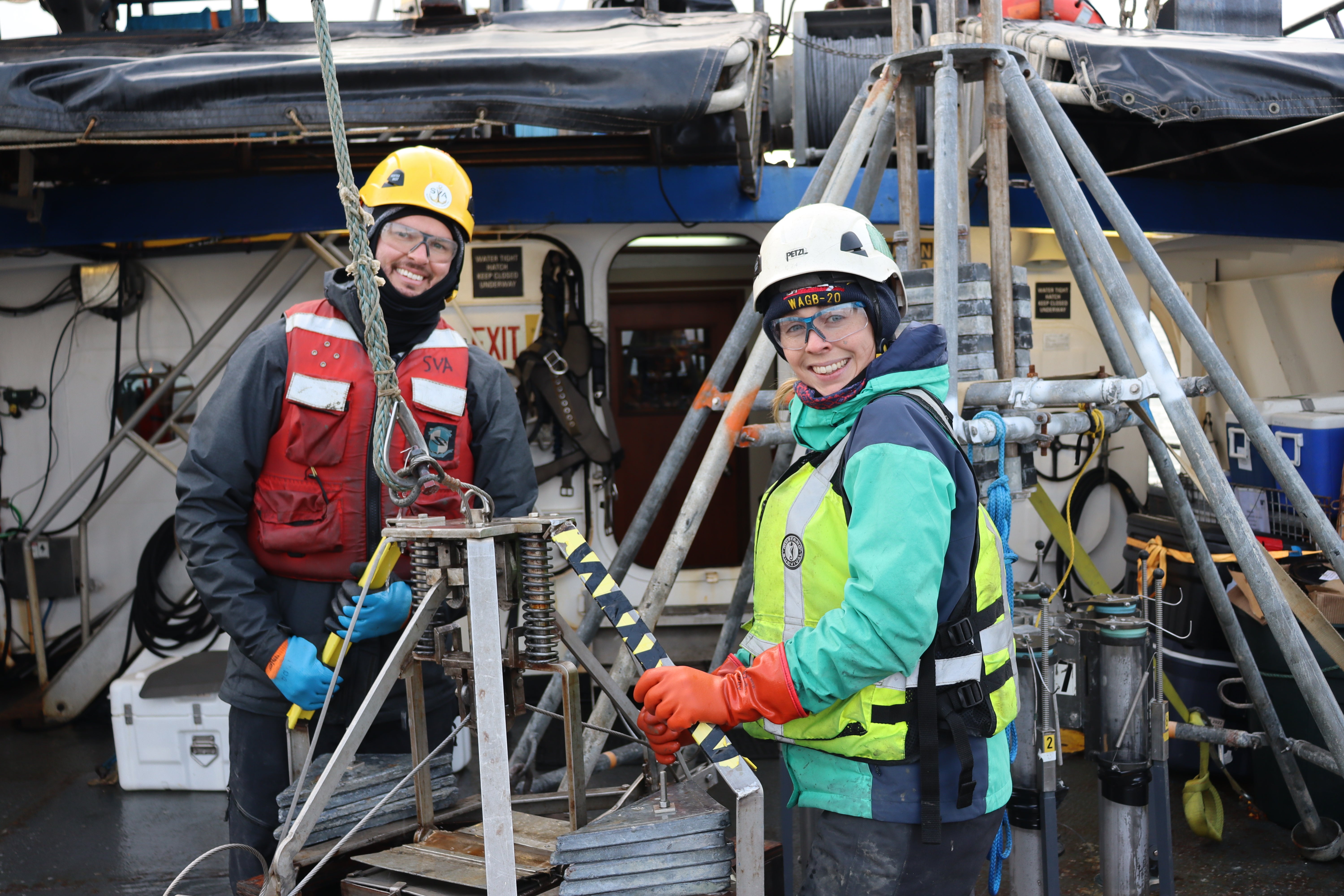
Dr. Patrick Charapata, a research scientist at Georgia Aquarium, led a study that was just published in the journal Harmful Algae investigating the implications of harmful algal blooms in the Arctic, and what that means for the health of walrus who consume the nerve toxins while eating shellfish. This wasn’t an issue of concern decades ago, but as waters warm and harmful algae move into Arctic waters, researchers are working to uncover what this means for the health of wildlife, and also the food system that Indigenous people depend upon.
In a Warming Arctic, Walruses Face a New Toxin Risk 1

Why Ocean Warming Matters for Walruses

As Arctic waters warm, harmful algal blooms are appearing more often and in new places. Some algae—such as Alexandrium catenella—produce paralytic shellfish toxins (PSTs), a powerful nerve toxin. Think of the toxin’s path like a relay: tiny algae make it, clams and worms on the seafloor eat the algae and can hold onto it, and when walruses eat those invertebrates, they may take in the toxin along with their meal. Dr. Charapata spent three years building an easy-to-use way to estimate how much toxin could reach walruses during a bloom and where exposure might be higher depending on where walruses eat/forage.

How the Study Worked and What it Revealed

Using data from two confirmed Arctic bloom years (2019 and 2022), researchers modeled a typical day of feeding for a walrus. This approach produced estimates of daily toxin ingestion and mapped places and times where exposure was likely to be elevated.

Results indicate that during bloom periods, walruses are likely to ingest enough toxin to potentially affect their health. One important caveat remains: the exact dose that harms walruses has not yet been established, so these findings characterize exposure rather than a confirmed health threshold.

“These models give us our clearest picture yet of how a microscopic algae can become a potential macro-level health threat for walruses,” said Dr. Charapata. “They help us identify where risks may spike as Arctic conditions shift and where monitoring can protect both wildlife and the food-security and food-safety of people.”

For People and Communities: What Comes Next

This work reflects a One Health perspective, where animal, human, and environmental health are connected. The same modeling framework can help assess toxin risks for marine subsistence foods important to Native Alaskan communities and can support more informed decisions during future blooms.

Researchers plan to refine estimates as new toxicity data become available, especially walrus-specific thresholds, and to apply the approach to additional bloom scenarios so partners can use it for planning and early warning.
Georgia Aquarium partners with ReBokeh to provide free assistive tech for visitors and staff

Partnership will empower low vision visitors to explore the largest aquarium in the Western Hemisphere using their own eyesight.


Georgia Aquarium is launching an accessibility partnership with Baltimore-based ReBokeh Vision Technologies to offer free access to ReBokeh’s empowerment-driven assistive technology software for people with low vision. The partnership provides all Aquarium guests and staff with free, automatic, and unlimited access to ReBokeh, a mobile-app based assistive tech software which helps people with low vision to adjust the appearance of the world around them in order to fit their specific needs. The partnership makes Georgia Aquarium the first aquarium in the US to offer ReBokeh’s sole-source technology.

Home to more than five hundred species and thousands of animals, Georgia Aquarium is the largest aquarium in the Western Hemisphere, having hosted more than 42 million guests since opening its doors in 2005. This partnership will expand the Aquarium’s offerings even further, empowering the 90% of low vision individuals who retain functional vision to experience the wide range of animals and exhibits using their own vision, rather than defaulting to tactile or audio descriptions. This empowerment-driven approach creates a more accessible and enjoyable experience for visitors, since many low vision individuals struggle to capture information through sight-replacing options, like audio or tactile only options. It also provides visitors of any visual ability the option to customize their viewing experience in unique and creative ways.

“Our key mission is to unlock the ocean for all; that includes providing features and opportunities like ReBokeh’s technology for guests so they can experience our larger-than-life animals and the wonder they invoke. This partnership with ReBokeh is integral to our continued commitment to accessibility for all,” said Sam Herman, Director of Guest Programs at Georgia Aquarium. 

ReBokeh’s technology works by allowing users to leverage the live camera feed from their mobile devices with overlayed, customized filters that adjust aspects like contrast, color hue, zoom, and lighting to meet the needs of low vision users. ReBokeh AI, a new feature, also offers the opportunity for lengthened interactions with ReBokeh’s custom-built AI tool. Users can ask ReBokeh AI personalized questions about what’s around them and what they’re seeing. ReBokeh AI also works in multiple languages and will default to whichever language is selected in the user’s general mobile device settings, allowing ReBokeh AI to work as a translation tool for signage, information, and visual surroundings.

By leveraging ReBokeh at the Aquarium, visitors can improve their experience in terms of enjoyment and  accessibility; low vision individuals can use the software to see the animals in each exhibit more clearly, or to read navigational signs, information plaques, cafe menus, and much more

“A day at the Aquarium is an opportunity to see the magic of our oceans and the incredible variety of wildlife that call the sea home,” said Rebecca Rosenberg, the low vision founder of ReBokeh. “Being able to see and interact with each exhibit using your own eyesight can be an incredibly powerful experience for people with low vision. We couldn’t be more excited to partner with Georgia Aquarium to make them the first aquarium on the planet to create these new and immersive experiences for the low vision community.”

ReBokeh is extending this partnership opportunity to other museums, zoos, and public spaces in an effort to make low vision accessibility the rule rather than the exception. Organizations who are interested in partnering with ReBokeh can contact the team at partnerships@rebokeh.com.

A New Manta Ray Species Discovered with Help from Georgia Aquarium

In a remarkable milestone for marine science, a new, third species of manta ray – Mobula yarae – has been discovered, and officially recognized by science, and Georgia Aquarium played a key role in the discovery.

For more than a decade, scientists suspected that a mysterious group of manta rays swimming in the Atlantic Ocean didn’t quite match the two known species. Now, thanks to a collaborative global research effort and data gathered from animals cared for at Georgia Aquarium, Mobula yarae has been officially recognized as its own species.

“This discovery is a powerful reminder of how much we still have to learn about the ocean,” said Dr. Cameron Perry, a co-author of the paper and Research Scientist at Georgia Aquarium. “Sometimes, what seems like a small detail can lead to big revelations. These kinds of breakthroughs are only possible when we’re curious enough to look more closely.”

Two manta rays at Georgia Aquarium, Tallulah and Blue, were part of that closer look. Morphological data and imagery from these animals helped define the physical characteristics of Mobula yarae, and Aquarium scientists also contributed to broader genetic and anatomical analyses that confirmed the species’ distinct identity.

The newly described species gets its name from Yara, a mythical water spirit in Brazilian folklore known as the “mother of the waters.” It’s a fitting tribute since Mobula yarae have been observed throughout the Atlantic Ocean, from Brazil to the southeastern United States, favoring both coastal and open-ocean environments.

Like other members of the mobulidae family, Mobula yarae faces growing threats from entanglement, bycatch, pollution, and habitat degradation. As one of the world’s largest public aquariums, and home to several individual animals now identified as this species, Georgia Aquarium is uniquely positioned to contribute to its protection through research, education, and conservation.

“The individual animals living at the Aquarium are ambassadors for their wild counterparts,” said Dr. Lisa Hoopes, a co-author of the paper and Senior Director of Research and Conservation at Georgia Aquarium. “This is a vivid example of how aquarium-based research can support science that drives global understanding and conservation of vulnerable species.”

The study was published in the journal Environmental Biology of Fishes and contributes to a growing body of evidence that ocean biodiversity is far from fully documented. In a rapidly changing world, each discovery brings new urgency and new hope for understanding and protecting marine life, one species at a time.

Uncovering a Hidden Threat in Arctic Waters

Meet Dr. Patrick Charapata: Georgia Aquarium’s Scientist Tracking Marine Toxins in a Warming Arctic

The impacts of climate change on the Arctic go beyond the loss of sea ice. This week, a newly published study in the prestigious scientific journal Nature reveals a disturbing link between warming Arctic waters and rising levels of toxic algal blooms, following a nearly 20-year study of bowhead whales. This study is one of many recent studies that Georgia Aquarium has contributed to, digging into the emerging threat of toxic algae on Arctic wildlife and food systems that Indigenous communities depend upon.


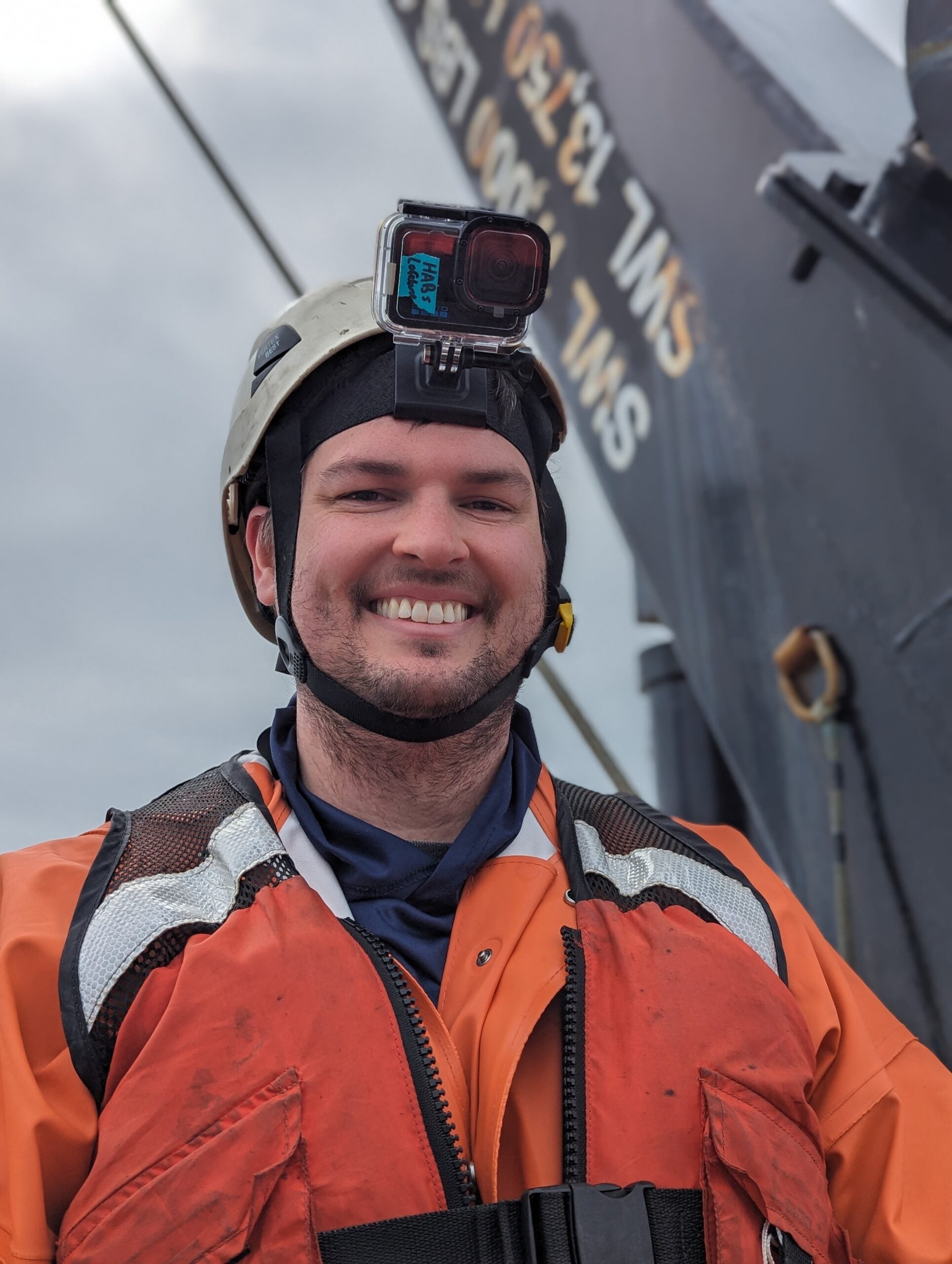
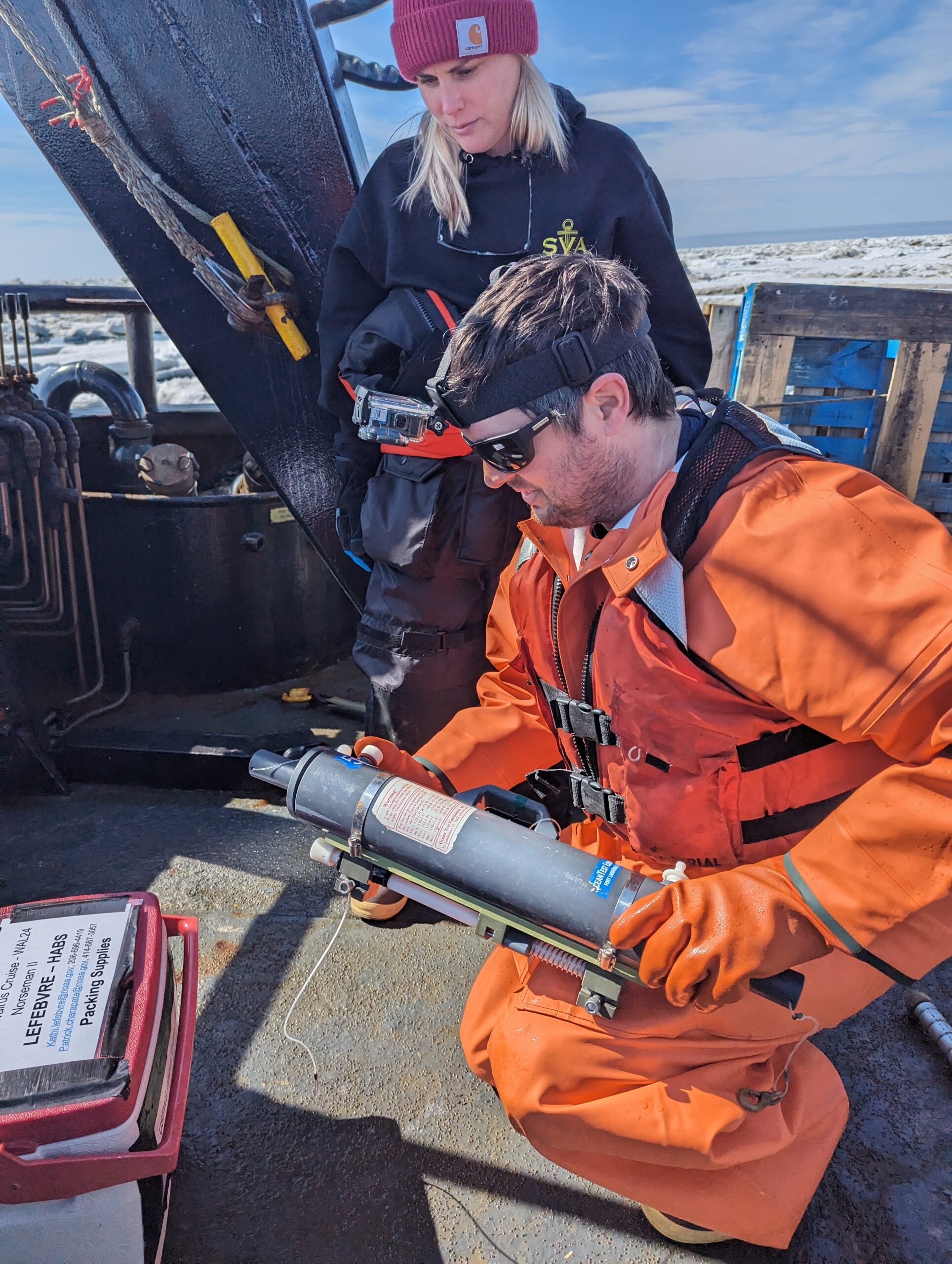
Georgia Aquarium’s newest research scientist, Dr. Patrick Charapata, is part of a broader scientific effort working to understand how warming waters are allowing toxic algae to spread into the Arctic—regions once thought too cold to support them. These changes introduce harmful toxins into fragile ecosystems, sickening marine life and posing new risks for people who rely on healthy oceans for survival.


Dr. Charapata joined Georgia Aquarium in late 2024, bringing years of experience working with the National Oceanic and Atmospheric Administration and has a specialty in marine toxin research. His work spans polar region species like leopard seals, northern fur seals, walrus, whales, and clams – organisms at the center of fragile food webs that are now being disrupted by warming waters and toxic algae.

Algal Blooms Are Moving North

In Southern waters, algal bloom threats are intensifying, and researchers are now seeing more evidence that harmful algal blooms are pushing into the Arctic. These blooms can release potent toxins like saxitoxin and domoic acid, accumulating in fish, clams, and other species. The impacts are increasingly hard to ignore as these toxins work their way up the food chain—affecting everything from plankton to whales, as demonstrated in the recent bowhead whale study.

Another new study co-authored by Dr. Charapata documents a large-scale mortality event involving northern fur seals on St. Paul Island, Alaska. Dozens of seals were found dead alongside fish on the shoreline. Tests confirmed high levels of saxitoxin in seal tissues and in nearly all local fish, clams, and zooplankton—a clear link to an algal bloom driven by shifting ocean conditions.

“The Arctic is changing fast,” says Dr. Charapata. “And toxic algae are moving into waters where they’ve rarely been seen. That creates new risks for animals and for the people who rely on them.”

Understanding Toxins in the Food Web

In a related study published earlier this year, Dr. Charapata examined how paralytic shellfish toxins are affecting Arctic clams, an essential food source for walrus, seabirds, and humans. Using two different detection methods, he and co-authors found that more than half of the sampled clams had toxin levels above what’s considered safe for consumption. These findings provide new and important information that will inform monitoring systems for the Arctic food web to protect marine life and people.

This study lays the groundwork for future research already underway, including a follow-up study focusing on toxic accumulation in walruses.

Beyond animal health, these studies have clear implications for people. Many Indigenous communities in Alaska depend on subsistence hunting and fishing. As marine toxins become more common, food security and public health are increasingly at risk.

Georgia Aquarium’s Role & Looking Ahead

Georgia Aquarium is committed to advancing marine science and conservation, especially in under-researched areas like the Arctic. Dr. Charapata’s work strengthens that mission, adding expertise in a field that’s gaining global attention.

Together with new insights emerging from other research teams—including those behind the recent bowhead whale findings—his work helps paint a clearer picture of how climate-driven ocean changes are impacting marine ecosystems from the bottom of the food chain to the top.

Tracking the Gentle Giants: Georgia Aquarium’s Role in Mapping the Ocean’s Hidden Highways

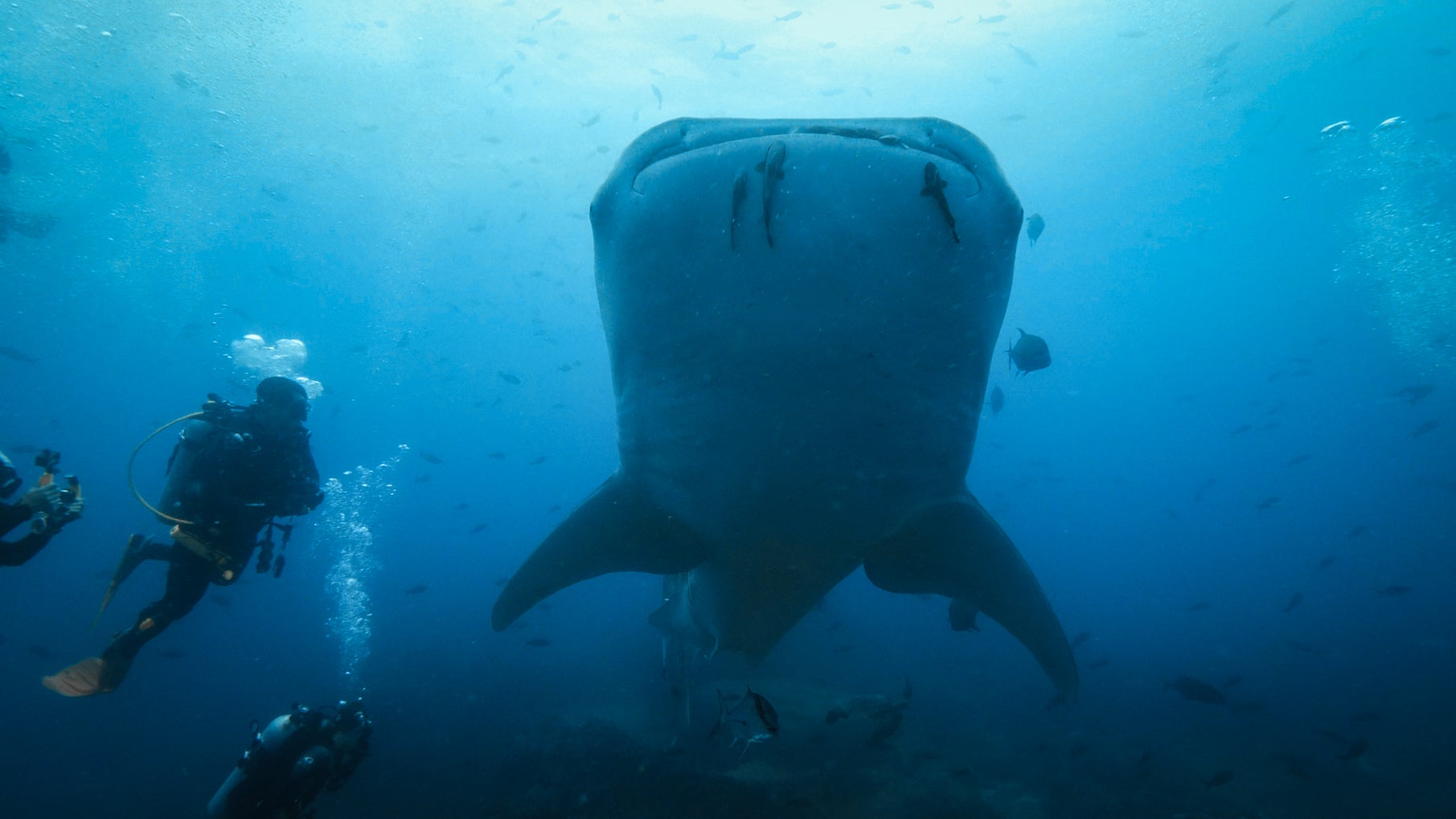
A newly published global study in Science has charted a groundbreaking path for the conservation of the ocean’s largest fish and marine mammals (known as marine megafauna) — and Georgia Aquarium is proud to have contributed vital data and expertise, particularly on the world’s largest fish: the whale shark.

Tracking the Gentle Giants: Georgia Aquarium’s Role in Mapping the Ocean’s Hidden Highways 4

The research, part of the MegaMove project, represents the efforts of nearly 400 scientists from over 50 countries who analyzed the movements of more than 13,000 individual animals across over 100 species of marine megafauna, including sharks, whales, turtles, and seals. By compiling three decades of satellite tracking data, the project has created the most comprehensive map to date of critical ocean areas used by these animals for migration, foraging, breeding, and resting.

Georgia Aquarium’s contributions centered on whale sharks, a species the Aquarium is committed to researching and conserving. Working with international partners, Georgia Aquarium has tracked whale sharks in the Caribbean, Atlantic and Indian Ocean to better understand how these gentle giants navigate vast ocean spaces — often crossing multiple countries’ waters and spending significant time in unprotected high seas.

“Whale sharks are a sentinel species,” said Dr. Lisa Hoopes, Georgia Aquarium’s Senior Director of Research & Conservation. “Their movement patterns offer insight into the overall health of our ocean and how interconnected marine ecosystems really are. By contributing long-term satellite tracking data to the MegaMove study, we’re helping inform international conservation decisions grounded in real science.”

The study found that many of the areas most used by marine megafauna are outside existing marine protected areas (MPAs). While the UN’s High Seas Treaty aims to increase protection to 30% of the ocean by 2030, the research shows that even if those targets are met, additional strategies are still needed. Migratory species like whale sharks face overlapping threats from fishing gear, vessel strikes, plastic pollution, and warming seas — risks that transcend any single jurisdiction.

“What’s clear from this research is that protecting migratory species like the whale shark requires a truly global perspective,” added Dr. Hoopes. “We are committed to working with partners worldwide to ensure that conservation efforts match the scale and movement of the species we aim to protect.”

Georgia Aquarium will continue advancing whale shark science, contributing to collaborative efforts like MegaMove that offer a blueprint for protecting the ocean’s most iconic travelers.

Loggerhead Sea Turtles Return Home After Rehabilitation Journey

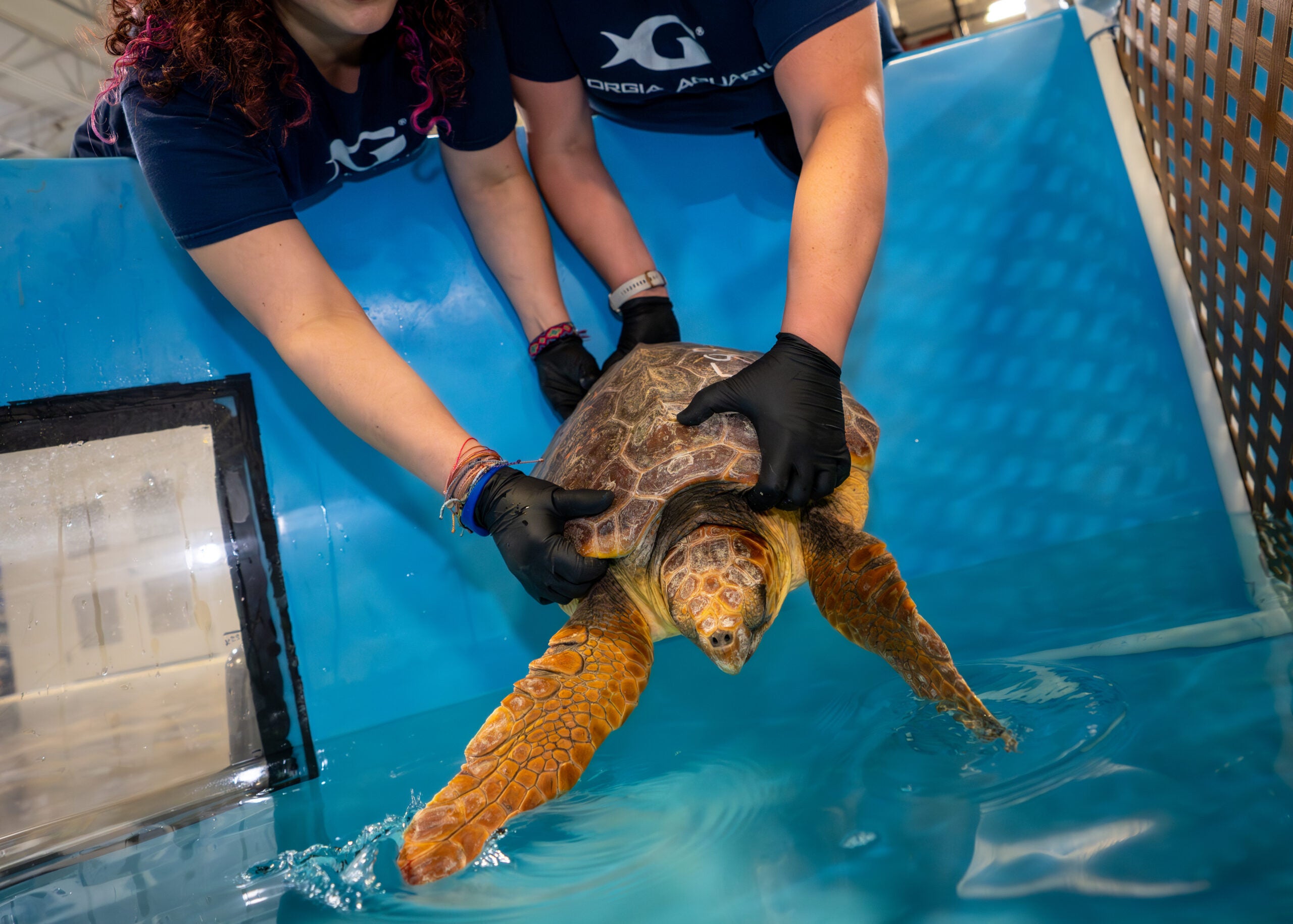
This spring, Georgia Aquarium celebrated a milestone in sea turtle conservation – the release of eight rehabilitated loggerhead sea turtles into the Atlantic Ocean, just off the shores of Jekyll Island.

These turtles’ journey began in early December 2024, when they were found cold-stunned in the icy waters off Cape Cod. Like all sea turtle species, loggerheads are cold-blooded and rely on warm ocean temperatures. When the water drops too quickly, they can become hypothermic, weak, and unable to swim – a life-threatening condition called cold-stunning.

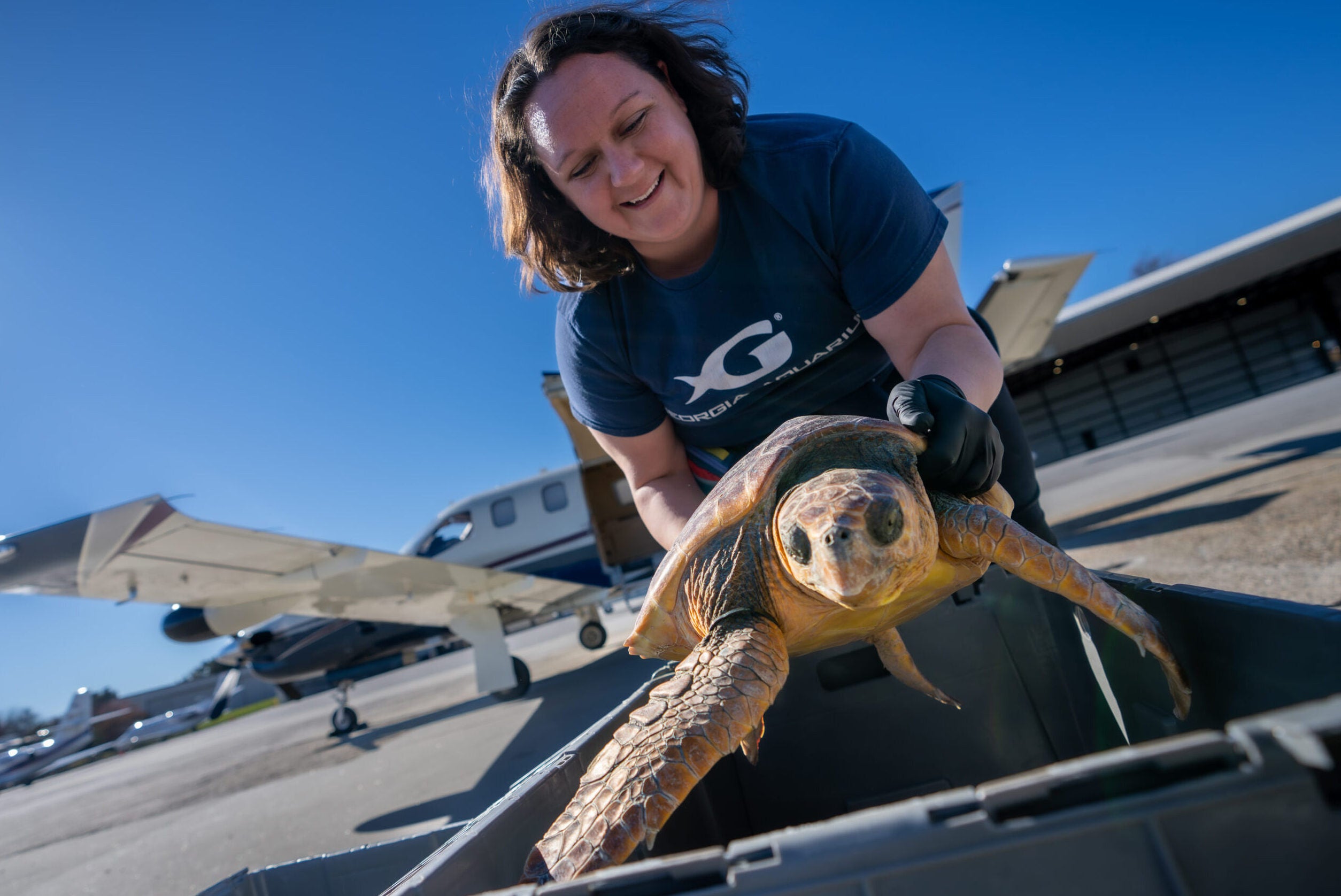
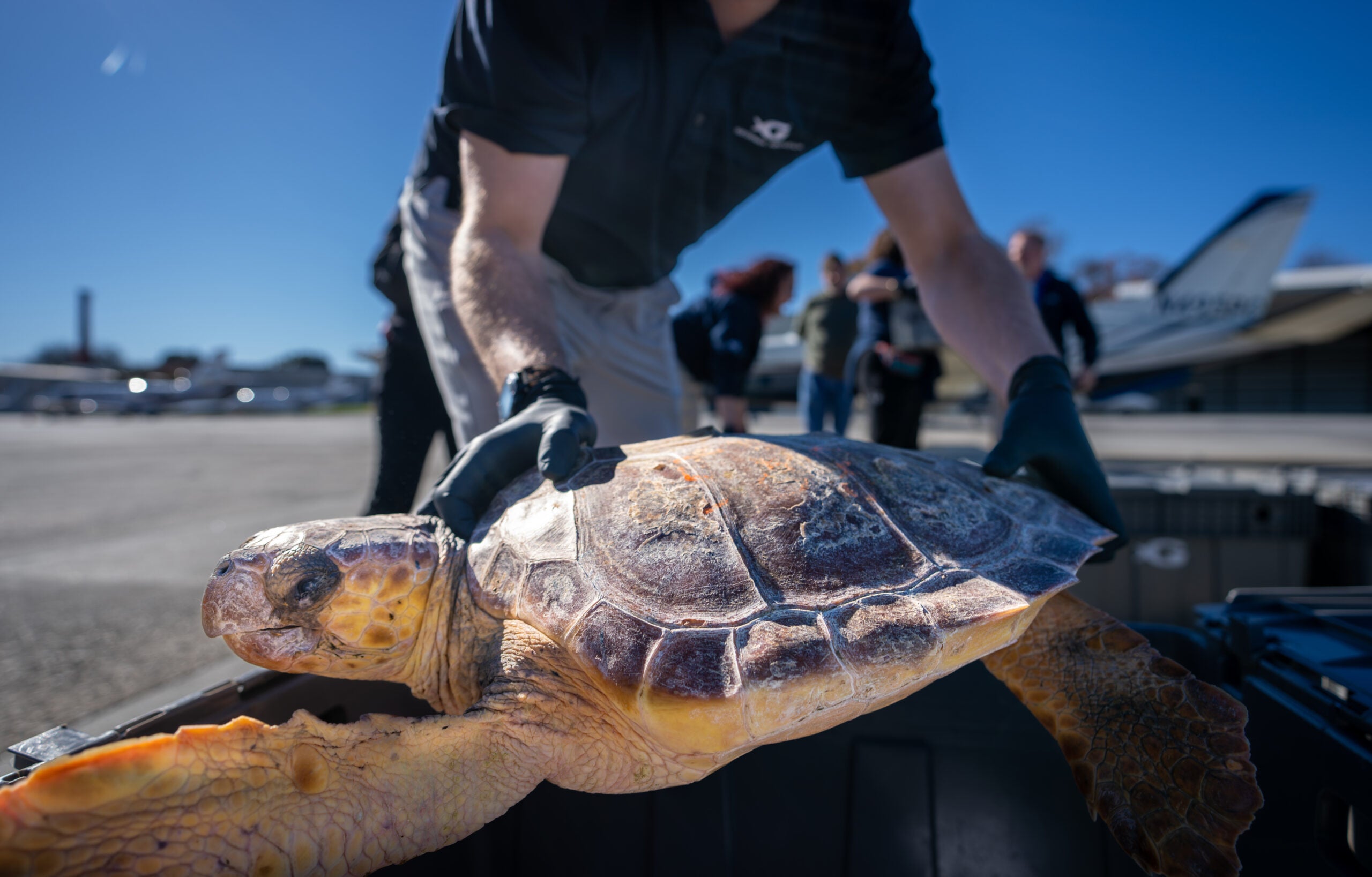
The turtles received the initial round of life-saving care at the New England Aquarium (NEAQ) before being transported to Georgia Aquarium’s off-site animal care facility in mid-December. Their cross-country trip was made possible thanks to the incredible volunteer pilots from Turtles Fly Too, who routinely transport sea turtles to warmer waters and second-stage care facilities nationwide. The trip itself is a remarkable story of teamwork and just the beginning of their road to recovery.

Why Loggerheads? Why Georgia Aquarium?

Loggerhead sea turtles are one of the largest species of sea turtle. Because of their size and strength, not every facility can accommodate them. Georgia Aquarium’s off-site animal care facility is one of only a few U.S. facilities with the specialized space and expertise to care for these endangered giants. The facility is uniquely equipped to give them the room, warmth, and expert veterinary attention needed to heal. The Aquarium’s aquatic sustainability team cared for them with feedings, monitoring their health, and additional animal care support for the entirety of their stay at the off-site facility.

Over the past five years, Georgia Aquarium has taken in a total of 44 cold-stunned sea turtles – each one a step toward protecting this species, which is endangered in the United States.

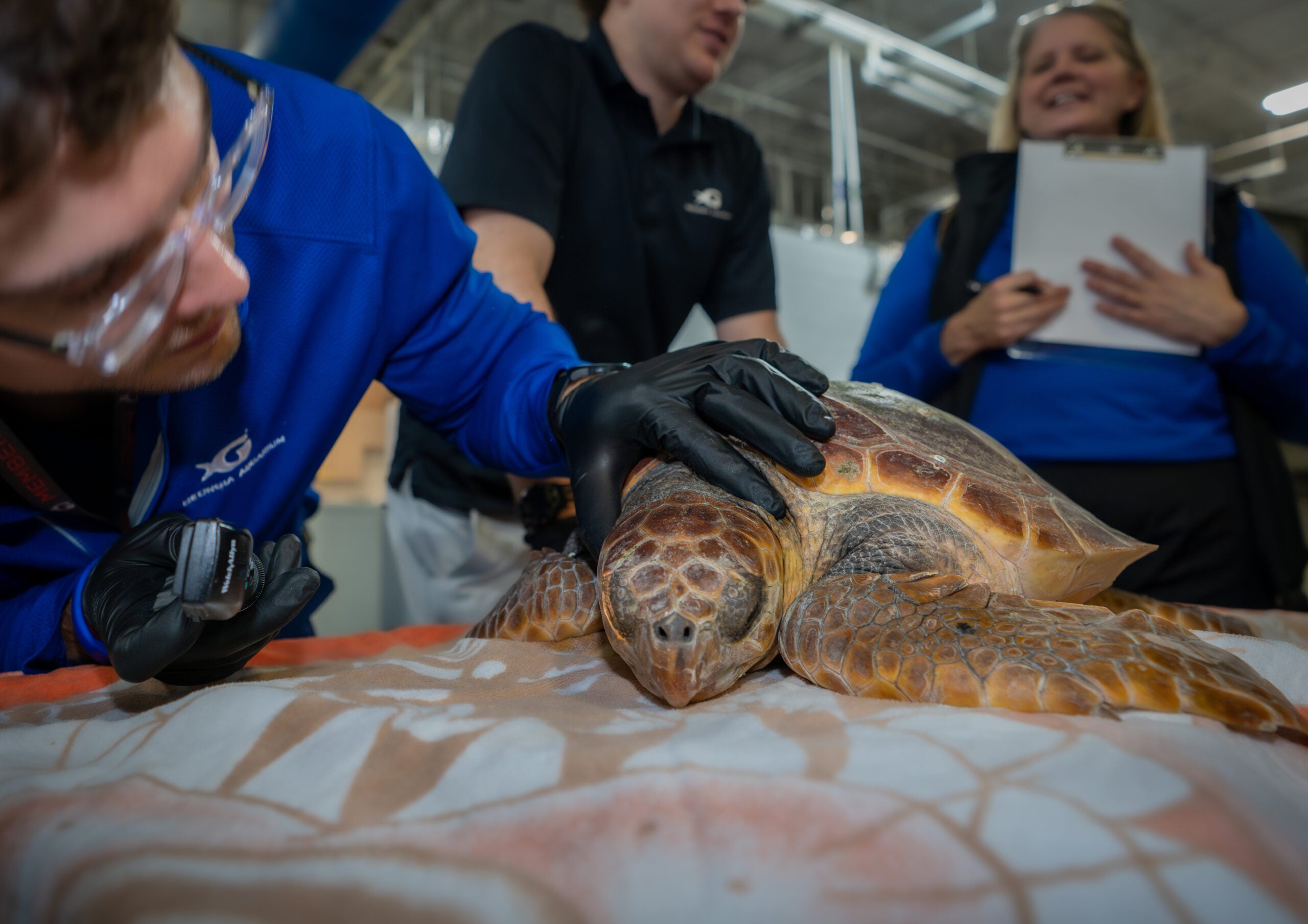
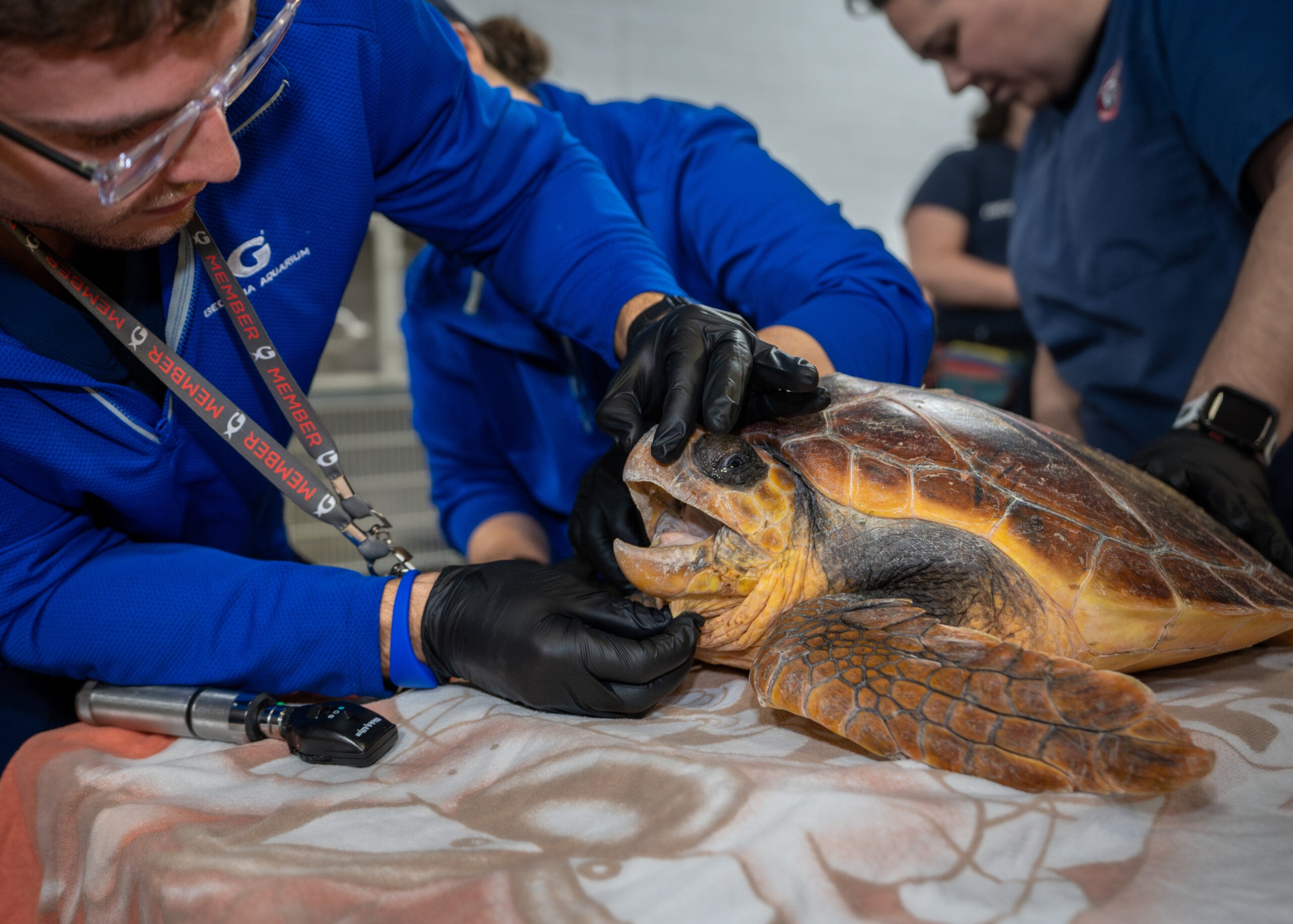
Upon arrival, the turtles were carefully assessed and treated for various cold-stunning complications, including pneumonia. Each turtle responded quickly to care, regained strength, and began eating well – signs of a hopeful outcome. While each loggerhead had its own story, their resilience was a common thread.

Ready to be Released

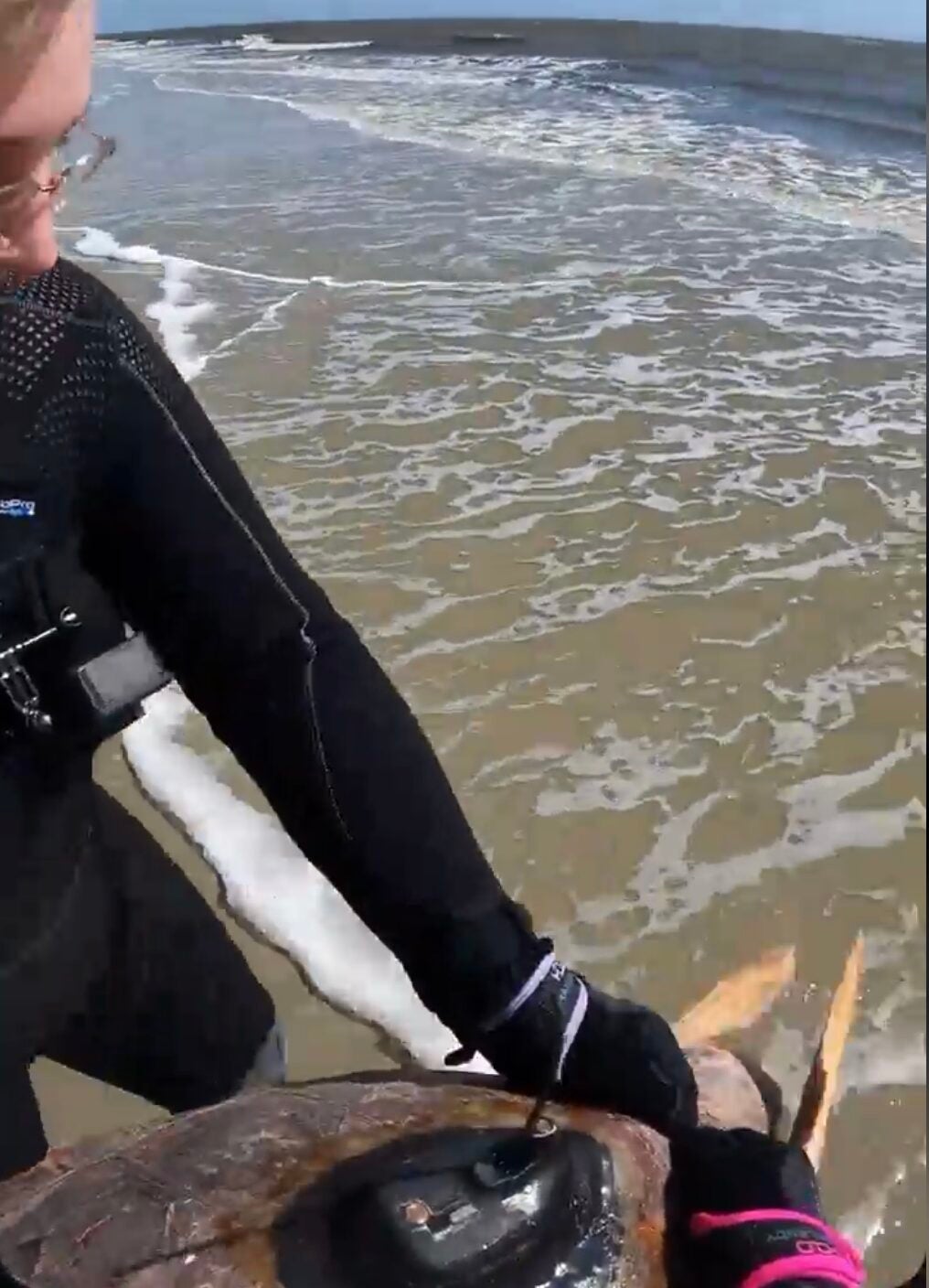
After being cleared by our veterinary staff, the turtles were prepped for release. Before their big return to the ocean, all eight were fitted with flipper tags to help identify them if they are reencountered. Two turtles, affectionately named Poblano and Bell, were also equipped with satellite tracking devices. These tags will provide valuable data on their movements and help scientists better understand the migratory patterns of this species.

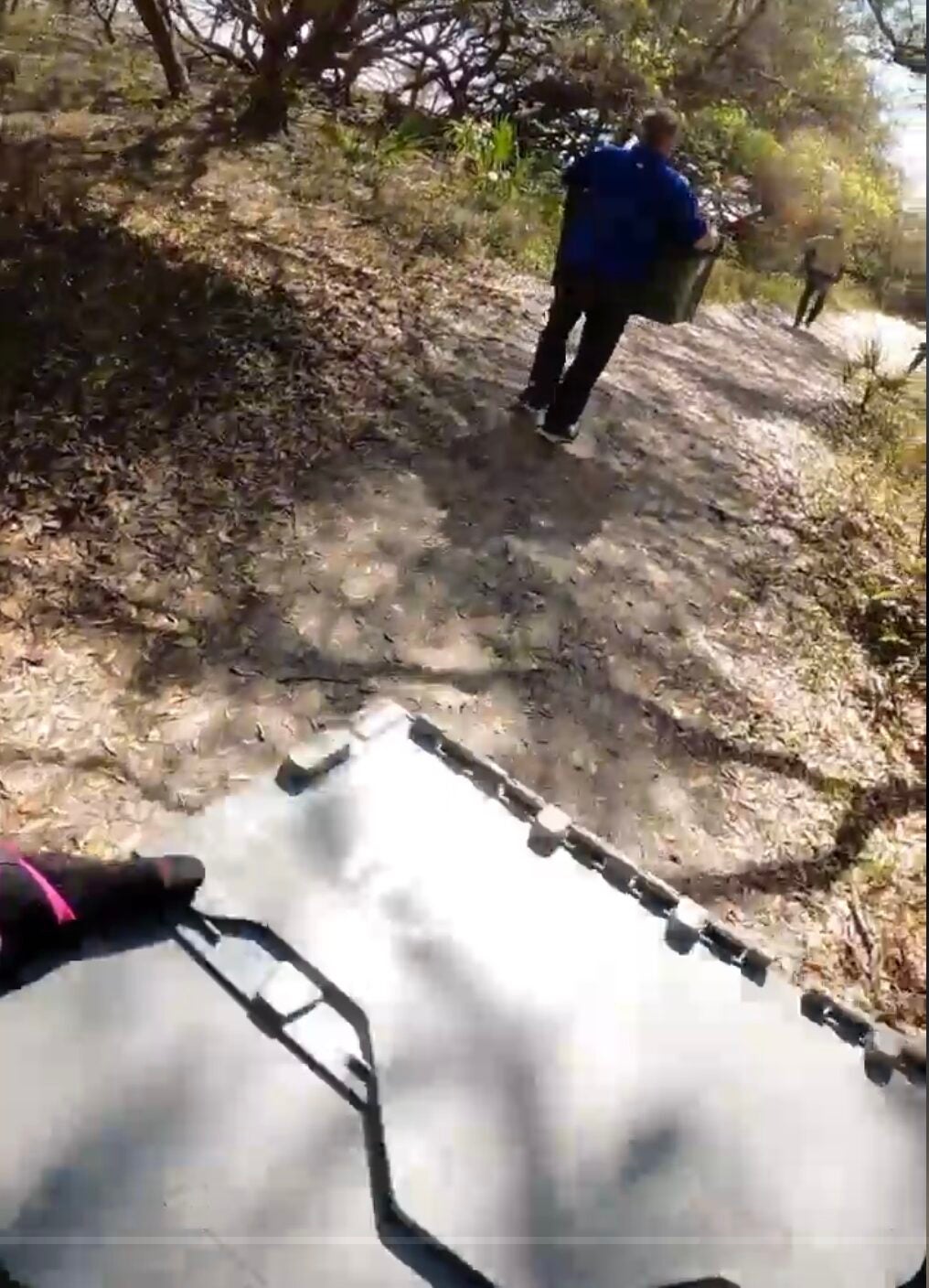
At the end of March, with the support of our longtime partners at the Georgia Department of Natural Resources (DNR), our aquatic sustainability team – including Mark Olsen, Polly Strott, and Stephanie Salter – traveled to Great Dunes Beach on Jekyll Island to witness the turtles’ long-awaited return to the Atlantic.

The day of the release brought clear skies and a brisk ocean breeze. While the windy conditions meant the team couldn’t release from the boat, it made for a beautiful, shoreline send-off. “Watching them swim away never gets old,” shared Mark Olsen, associate curator of aquatic sustainability at Georgia Aquarium. “It’s a reminder of why we do this work and how far these animals have come.”

How You Can Help

Like many sea turtle species, loggerhead sea turtles face numerous threats in the wild, from climate change to habitat loss and marine debris. Each turtle we rescue and release plays a role in restoring balance to our marine ecosystems, and every success story is a testament to what we can achieve together.

Fortunately, the U.S. has a strong network of government agencies, organizations, and volunteers that work together during cold-stunning events. This network not only plans for these emergencies in advance but also uses alert systems to mobilize people to search for and assist stranded turtles.

You can help protect sea turtles year-round:

  • Reduce, reuse, and recycle.
  • Join a beach cleanup in your area.
  • Visit the Georgia Sea Turtle Center or Georgia Aquarium to learn more about ongoing research and conservation efforts.
  • Spread the word! Share what you’ve learned and encourage others to get involved.

Learn more about how you can contribute to Georgia Aquarium’s conservation mission at georgiaaquarium.org.