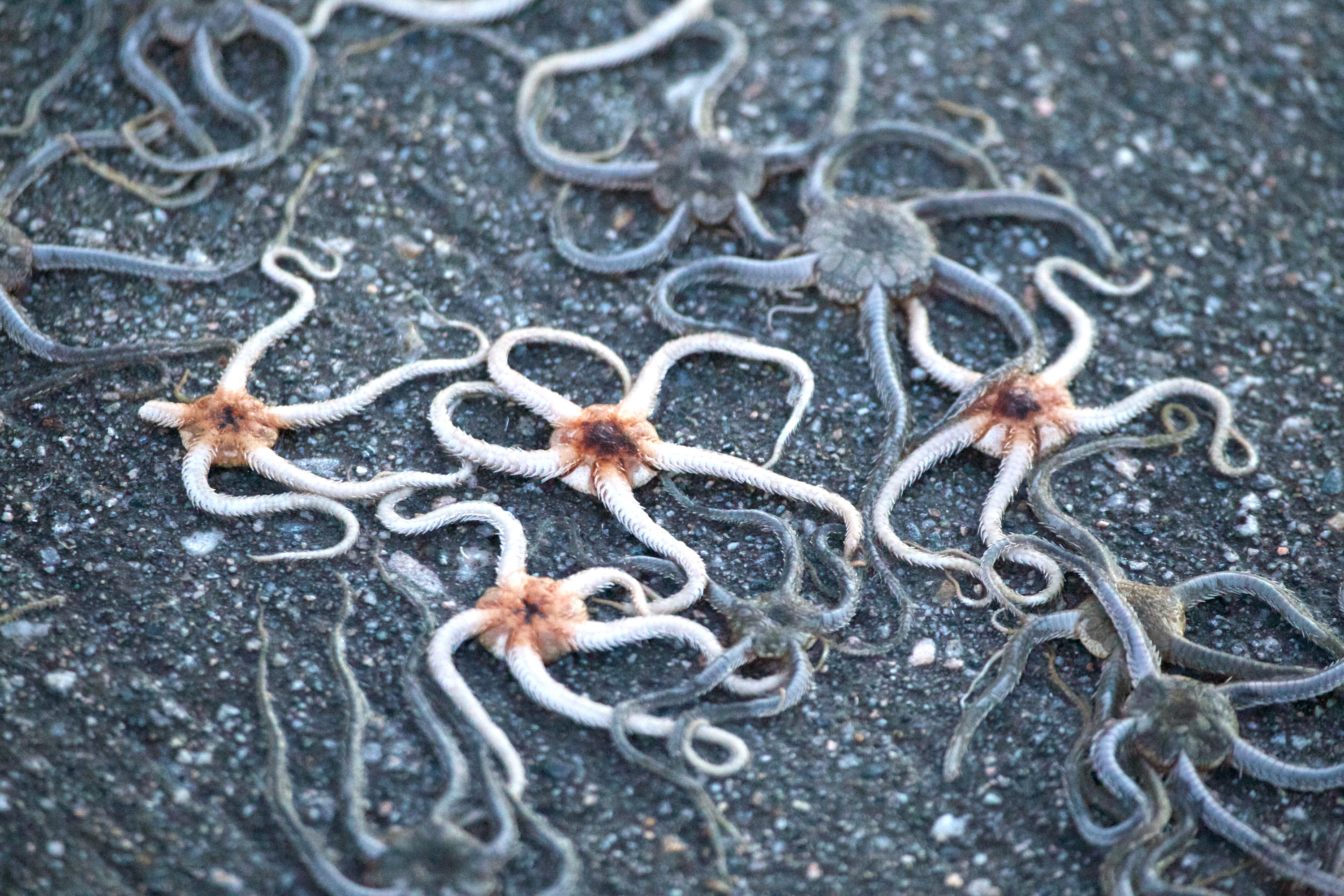
Could cosmetics and health supplements drive sharks to extinction? A new study in the journal Science raises alarm.
Overfishing of deepwater sharks and rays to harvest their liver oil for use in consumer health and beauty products is driving these species rapidly toward extinction, and immediate trade and fishing regulations are essential to prevent irreversible damage, according to researchers of a new study slated to publish in the journal Science on March 8. The study was led by Dr. Brittany Finucci from the National Institute of Water and Atmospheric Research in Wellington, New Zealand, and included the research of dozens of scientific partners globally, including Georgia Aquarium.
Squalene, an organic compound derived from shark liver oil, has become a popular ingredient in skincare products, supplements, and vaccine compounds. It’s especially buzzy with skincare enthusiasts ranging from tweens to those seeking anti-aging solutions for its moisturizing, antioxidant, and immune-boosting properties. Consumer demand is driving overfishing of these species to dangerous levels, and their numbers are in steep decline, the researchers suggest.
“One-third of the endangered species in this group are specifically hunted, and half of those targeted for liver oil are at risk of extinction.”
- said Katelyn Herman, a co-author of the paper and the Manager of Conservation Programs at Georgia Aquarium.
“On top of that, deepwater sharks and rays grow and reproduce very slowly and tend to have long lifespans. For example, on average, maximum population growth rates are half that of coastal sharks,” she noted. “This means steep population declines cannot be easily reversed.”
Despite the existence of plant-based and synthetic alternatives, shark-derived squalene remains in high demand. However, using shark liver oil for medical purposes is controversial not only due to conservation concerns but also due to potential health risks to people since deepwater sharks accumulate heavy metals and other contaminants in their bodies, which can reach unsafe levels.
The study calculated threats to these deepwater predators by comparing them to other exploited marine vertebrae to gauge how they’re affected by environmental changes and threats. It also looked at how the numbers of these sharks and rays have been changing, using assessments on the International Union for Conservation of Nature Red List of Threatened Species Categories and Criteria. The authors then identified the conservation benefits of stricter trade regulations and limitations on fishing activities.
Because fisheries are extracting resources that are not renewable, their business is not sustainable, the study noted. “To prevent the loss of these species and to help their numbers recover, there is an urgent need for stricter trade and fishing regulations,” Herman said. “Enforcing depth and spatial limits to fishing alongside catch regulations and trade rules is imperative to preventing irreversible loss and promoting recovery.”
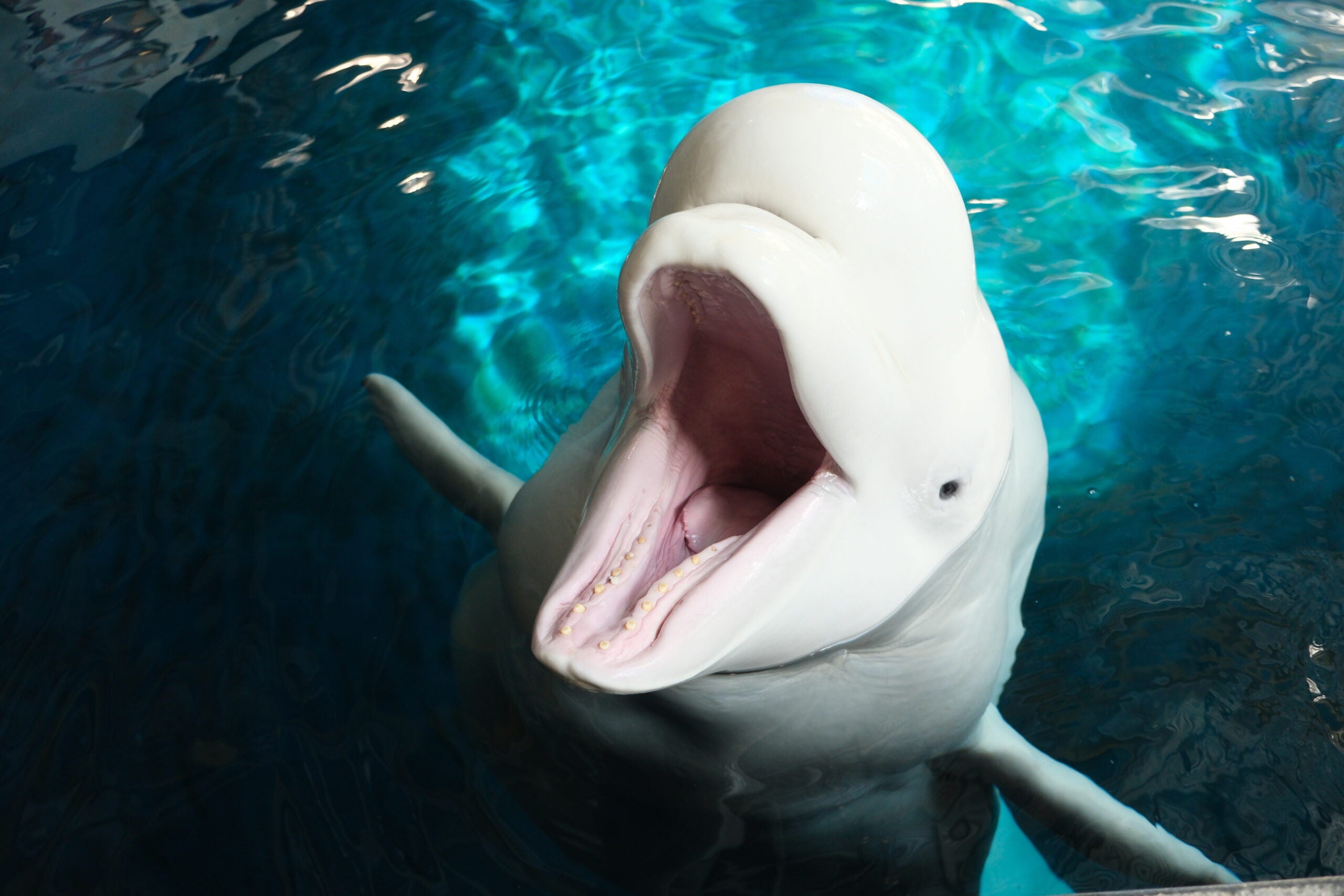
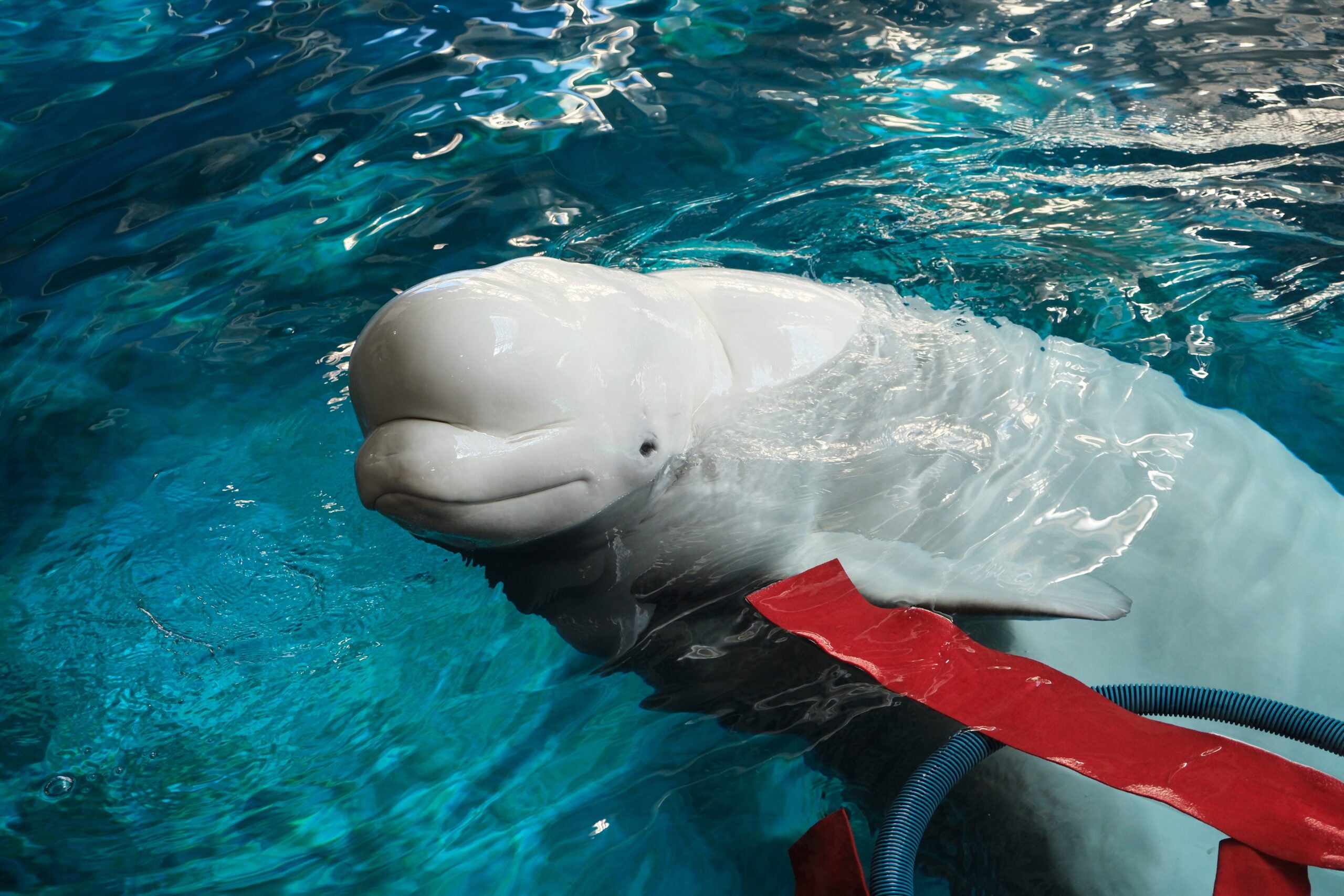
On February 25, the Aquarium welcomed Nunavik (Noon-ah-vick) to Atlanta from SeaWorld Orlando as part of a decades-long collaboration with several other aquariums that care for beluga whales. Nunavik is settling in comfortably at Georgia Aquarium with female beluga whales Maple, Shila, Qinu, and Whisper and three harbor seals in the Aquarium’s arctic-themed Cold Water Quest gallery.
Less than 32 beluga whales are cared for in accredited North American aquariums, making it crucial to collaboratively sustain the population so there are opportunities for research and the ability to connect millions of people with these incredible animals. The Association of Zoos and Aquariums (AZA) is dedicated to continuing the population efforts within aquariums. As part of that guiding principle, participating AZA facilities work together to ensure optimal well-being through varying appropriate social pods and natural breeding behaviors.
Nunavik is 14 years old and weighs in at 2488 pounds; he will now be the largest whale at Georgia Aquarium. He will add a male presence to the strong female group, providing new opportunities for social interactions and possible courtship behaviors. The trainers and animal care staff, many of whom formed a relationship with Nunavik when he was at Georgia Aquarium previously, will be incorporating him into training sessions, enrichment, and routine healthcare sessions.
Beluga whales in their native ranges are impacted by a rapidly changing environment and other human impacts. The research and education that is done at aquariums is vital to the overall understanding of those changes. Georgia Aquarium’s experts’ partner with government agencies, conservation groups, and other aquariums to assist in critical research programs that will have a direct impact on wild beluga whale populations. Nunavik will join an ongoing research project in the coming months. The Aquarium partnered with NOAA and the University of Santa Cruz on a multi-year study that began in 2018 and helped determine how much energy beluga whales expend when they are swimming, resting, and diving. The data can be collected and used to help make crucial decisions on activities that may negatively impact wild beluga whales’ health and their environments.
Beluga whales are typically found in arctic waters near Alaska, Canada, Norway, and the west coast of Greenland. Researchers estimate there are more than 136,000 beluga whales worldwide. Some subpopulations of beluga whales are experiencing heightened pressures and more rapid declines, like belugas in Alaska’s Cook Inlet, which are considered ‘Endangered”.
Pressures facing wild belugas are numerous and varied, including increased noise from shipping and drilling, increased pollution in their environments, contaminated and diminished food supply, and rising ocean temperatures. The future of this species is in jeopardy, threatening not just belugas, but the arctic ecosystems in which they play a pivotal role.
By working collaboratively, accredited aquariums caring for beluga whales can partner on international research and conservation efforts, gather data and knowledge that can be used to make critical decisions that impact beluga whales’ native areas and ignite an interest and connection for millions of people across the continent. The expert collaborative has been tapped for rescue efforts and as a resource for both the science community and government officials on many occasions Through these efforts and more, beluga whales will hopefully continue to thrive both in aquariums and in the ocean.
The Manatee Rescue & Rehabilitation Partnership, in collaboration with SeaWorld Orlando and six other zoological and manatee care organizations, achieved a successful release.
DOWNLOAD HIGH-RES IMAGES HERE. Photo credits are contained in the file name.
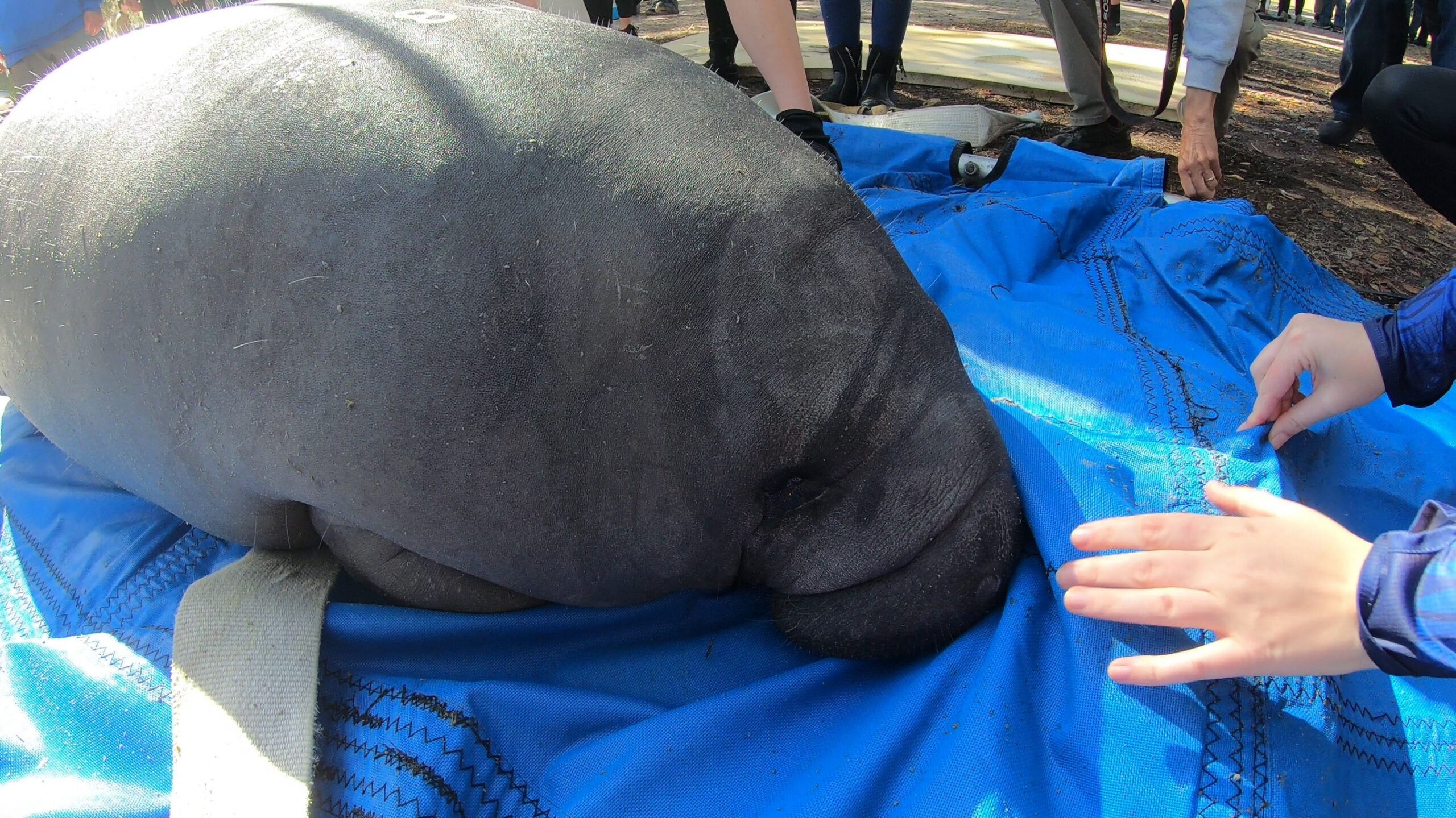
Yesterday,the Manatee Rescue & Rehabilitation Partnership (MRP), a cooperative group of non-profit, private, state, and federal entities who work together to rescue, rehabilitate, release, and monitorsick and injured manatees–successfully released five orphanedmanatees to Blue Spring State Park in Florida after a years’ long journey of rehabilitationby multiple members of the partnership.
The manatees were originally rescued by the Florida Fish and Wildlife Conservation Commission (FWC) and MRP Partners between 2020 and 2021. SeaWorld Orlando,The Columbus Zoo and Aquarium,Brevard Zoo, Georgia Aquarium, Clearwater Marine Aquarium Research Institute, U.S. Fish and Wildlife Service, and Save the Manatee Club, partnered closely for several years to provide treatment to fully rehabilitate these orphaned calves.In a complex release operation that took all day to complete, the sea cows are now safely home in Florida waters.
“Over the past several years, we have been called upon to rescue an increasing number of injured, sick, and orphaned manatees,” said Virginia Edmonds, President of the Manatee Rescue and Rehabilitation Partnership. “We are grateful to our partners for stepping up to the plate to not only rescue animals in need but to commit countless hours to the collective rehabilitationof these animals,which enabled the releases today. But our work doesn’t stop here.
Every animal returned today will be fitted with a GPS tracking device that will allow researchers the ability to monitor their movements and ensure their acclimation to their natural habitat for the next year. Thesereleases come at a critical time for the species as Florida manatees are at high risk from natural and human-caused threats.
“We pride ourselves on our nearly 50-year legacy to the rescue, rehabilitation, and return of manatees to save these beloved Florida icons who play a critical role in our ecosystem,” said Dr. Joseph Gaspard, Vice President of Zoological Operations at SeaWorld Orlando & Vice Chairman of the MRP. “While we are thrilled to lead this effort, it would not be made possible without close collaboration with our partners in the Manatee Rescue & Rehabilitation Partnership. This was truly a team effort among the zoological community to ensure the best care was provided to return these manatees back to their natural habitat.”
Manatees that were transferred back to Florida waters:
Manatee
Rescued
Today
Squirrel
• Rehabilitated at SeaWorld Orlando, Miami Seaquarium and Columbus Zoo and Aquarium
• Transported by Ideal Lease
May 2020 in Tavernier, Fla.
Weight when found: 66 pounds
Weight when moved to Columbus Zoo: 116 pounds
Weight: 960 pounds
Lizzie
• Rehabilitated at SeaWorld Orlando and Columbus Zooand Aquarium
• Transported by Florida Fish and Wildlife Conservation Commission
July 2020 in Palm Coast, Fla.
Weight: 63 pounds
Weight: 855 pounds
MaryKate
• Rehabilitated at SeaWorld Orlando and Columbus Zooand Aquarium
• Transported by Florida Fish and Wildlife Conservation Commission
Found swimming alone in January 2021 in Blue SpringState Park, Fla.
Weight: 107 pounds
Weight: 815 pounds
Clank
• Rehabilitated at SeaWorld Orlando and Georgia Aquarium
• Transported by SeaWorld
December 2021 in Port St. John, Fla.
Weight: 128 pounds
Weight: 725 pounds
TinkTink
• Rehabilitated at SeaWorld Orlando and Georgia Aquarium
Georgia Aquarium, renowned as the largest aquarium in the United States and a premier attraction in Atlanta, is set to captivate visitors with a new hands-on experience opening this summer. The new Explorers Cove promises an interactive experience that combines expansive touch pools and immersive technology that will give guests an opportunity to be up close with some animals like never before.
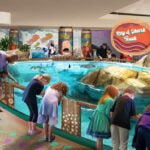
Opening this summer, the all-new experience will feature two interactive touch pools where guests can respectfully engage with sharks, rays, guitarfish, and sturgeon. Then, young explorers can take a journey through a marsh environment and experience the wetland ecosystem up close. In addition, guests can create their own species by drawing a digital animal and watch as it swims and interacts on a giant video wall with other newly created animals.
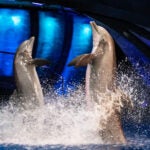
Also debuting this summer will be a new dolphin presentation promising a spectacular and awe-inspiring experience for audiences of all ages. Destination: Dolphin will explore the vast world of the bottlenose dolphin and the pivotal role it plays in understanding the health of our planet’s shared ecosystem. The 1,800-person theater will come alive with upbeat music, lighting, and effects – and a very immersive experience for those who dare to sit in the soak zone.
“As we dive into the new year, we are thrilled to unveil several new experiences to elevate everyone’s visit,” said Georgia Aquarium’s chief marketing and experience officer, Dan Dipiazzo. “Georgia Aquarium is always changing, and if you haven’t been here in a while, this is definitely the year to visit.”
The Aquarium’s freshwater gallery, River Scout, is in the final stages of renovation and will debut African tigerfish. Guests can immerse themselves with other unique animals from various freshwater regions like Asian small-clawed otters, giant African puffer, piranhas, as well as a group of peculiar eel-like species called Ropefish. The rainforest meets river experience will complete its renovation in early spring.
Additionally, the Aquarium is elevating the visitor experience with the recent opening of a two-story café. The new Coastline Café includes spacious seating areas next to large windows overlooking downtown Atlanta. The café features a digital ordering system with an updated menu including grain bowls, sandwiches, pizza, desserts, and more. The Aquarium experience continues in the café with a cutting-edge projection mapping experience featuring sea creatures swimming besides guests as they dine.
Visitors are encouraged to take advantage of Georgia Aquarium’s best ticket deal of the year, the Resident Pass, on sale until January 31, 2024. A Resident Pass gives guests all-year access to every gallery and seasonal activities like the Sound Waves Music Series, Haunted Seas, and Holidays at Georgia Aquarium—all for the price of a single general admission ticket. The Resident Pass is now available to guests that reside outside of the state of Georgia and is perfect for residents of neighboring states like Alabama, Florida, Tennessee, North Carolina, and South Carolina. This deal ends soon, but the benefits extend all year.
Stay tuned to Georgia Aquarium’s social media and website for updates on all these exciting new offerings coming this summer.
Tech nerds always want in on beta testing of the hottest new advances. They’d be envious of the manta rays at Georgia Aquarium, who recently got to try out new IMU (Inertial Measurement Unit) tags designed to track the migration patterns and seasonality of giant oceanic manta rays that live in the waters near Canaveral Shoals, Florida.
Jake Levenson, a marine biologist with the Bureau of Ocean Energy Management (BOEM) said, “tapping the unique skills and resources of the experts at Georgia Aquarium was crucial to the development, design and testing of the IMU tags in a controlled environment before BOEM uses them in the wild.” One of BOEM’s functions is to oversee dredging ocean sand for beach nourishment, shore protection and wetland restoration. The tagging giant ocean mantas will help BOEM understand their habits to avoid disturbing these endangered fish during dredging operations.
with the collaboration between BOEM and Georgia Aquarium focused on innovative techniques to track manta rays. After a series of obstacles to gathering migratory information due to inclement weather, the COVID-19 pandemic, and difficulty both applying IMU tags and getting them to adhere to the manta rays, the team focused their attention fully to inventing open-access techniques and technologies to study manta rays. Georgia Aquarium is the only aquarium in the United States that provides care for manta rays, and the mantas living at the aquarium helped test their prototypes.
“Testing the IMU tags at Georgia Aquarium provided a controlled environment that allowed the engineers to improve on the tag and attachment design with each deployment to hopefully one day result in success in the field,” said Katelyn Herman, manager of conservation programs at Georgia Aquarium and a researcher on the project. In-house trials with the Aquarium’s manta rays led to a series of improvements to address floatation, orientation and improved hydrodynamic flow.
When suction using compressed air failed to adhere the tags, the team turned to Vaseline, Manuka honey, and finally peanut butter(!) to improve retention times. “Peanut butter gave us the best results by far, enabling retention for up to four hours,” Herman said.
The open-source IMU tag design will provide a resource for future research to understand this elusive and important endangered species, Herman said. “Georgia Aquarium’s manta rays played a big part in assisting the ongoing conservation efforts of their species.”
To learn more about Georgia Aquarium’s conservation work, click here.
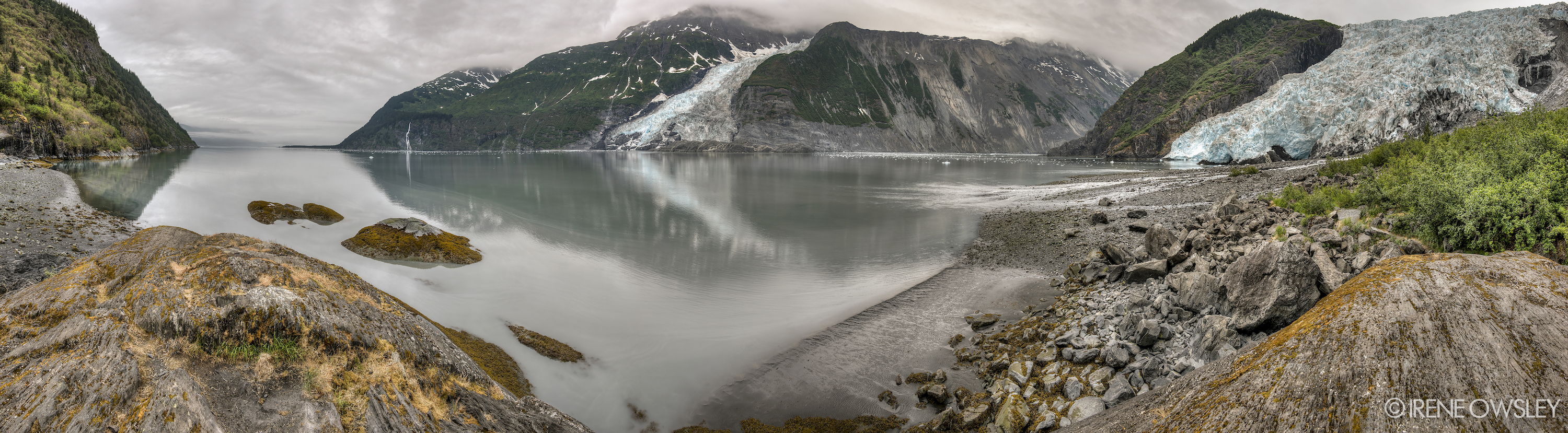
Prince William Sound lies in the heart of the southcentral Alaska coastline, encompassing 3,500 miles of intricate coastline. With a dramatic landscape of fjords, islands, and over 150 glaciers, Prince William Sound is home to a vibrant diversity of wildlife. Over 220 species of birds share the Sound with brown and black bears (Ursus arctos, U. americanus) and an array of marine mammals including orca (Orcinus orca), minke (Balaenoptera acutorostrata) and humpback whales (Megaptera novaeangliae).
Prince William Sound is a resilient ecosystem and holds significant historical, cultural and spiritual value. Past impacts include logging and mining activities, whaling and sea otter trades, the 1964 earthquake, and notably, the 1989 Exxon Valdez Oil Spill, from which recreation and wilderness values as well as some seabird and marine mammal populations are still recovering. Prince William Sound faces current challenges with accelerating climate change, warming ocean temperatures, threats from invasive species, persistent marine debris, and balancing increased tourism with sustainability. In the face of these challenges, Alaska Native communities continue their ancient traditions today, relying on subsistence hunting from both land and sea.
International marine conservation non-profit Mission Blue has named Prince William Sound as a Hope Spot in honor of its resilience, innovation, and community.
Dr. Sylvia Earle, founder of Mission Blue, says “Prince William Sound is a place of tremendous resilience and the first Hope Spot in Alaska. Through education, awareness, citizen science and volunteer projects, the champions and partners of this Hope Spot are working to protect the resources of Prince William Sound. They encourage users to be good stewards of the environment and help safeguard it for now and for future generations.”
Dr. Charla Hughes, Executive Director of the Prince William Sound Stewardship Foundation (PWSSF) and Dr. Dayne Buddo, Director of Global Policy at Georgia Aquarium are recognized as the Hope Spot Champions.
“We are honored and delighted for Prince William Sound to join the esteemed network of Mission Blue Hope Spots as the first one in the State of Alaska. We hope this designation will encourage stewardship as well as even greater community engagement across the Sound,” said Dr. Charla Hughes, Executive Director of the Prince William Sound Stewardship Foundation. “PWSSF looks forward to celebrating the Sound’s incredible cultural, historical, and scientific significance at our sixth annual PWS Natural History Symposium in May and to working with our growing community of partners and volunteers on hands-on stewardship projects.”
The Prince William Sound Stewardship Foundation and Georgia Aquarium are working to conserve, restore, and encourage responsible stewardship of Prince William Sound. With public education, citizen science, and restoration projects focused on marine debris, invasive species, trail maintenance and campsite restoration, these organizations are positively impacting the future of Prince William Sound.
“Prince William Sound is a vital ecosystem that supports diverse marine species, its connected waterways, and human life, especially in Native communities throughout the Sound. As the first Alaskan Hope Spot, we hope to continue preservation and restoration efforts alongside our partners through research, conservation, education and policy, to ensure that this iconic landscape can be protected for generations to come,” said Dr. Dayne Buddo, Director of Global Ocean Policy at Georgia Aquarium.
The Prince William Sound Hope Spot is bordered by the Chugach Mountains to the north and east, the Kenai Peninsula to the west, and the Gulf of Alaska to the south. Like a vast inland sea, the Sound serves as a connector between rivers and bays and the Gulf of Alaska and, consequently, the North Pacific Ocean.
The glacial waters of Prince William Sound are rich in marine nutrients, supporting five species of salmon, migrating populations of humpback whales, resident and transient pods of killer whales, and much more. In order to make the arduous journeys from the ocean back to their natal rivers, salmon build their strength feeding in the rich waters of the Sound, and humpback whales feed here to build strength for the migration to Hawaiian waters for birthing. Kelp forests comprised of bull, ribbon and sugar kelp also contribute to the marine ecosystem by providing habitat and nutrients for marine species, and acting as carbon sinks.
Prince William Sound is easily accessible from Anchorage, Alaska’s largest city. Several economic drivers including recreation, ecotourism and commercial fishing provide opportunities for the area’s residents and visitors. Kelp is also a growing economic driver for Prince William Sound, as kelp grows in popularity as a superfood and for other applications.
“Imagine a place where the mountains shoot up from the ocean, glaciers you can walk on that touch the ocean’s tides, and a place full of life from the sky to the rocks in the water. With over 6 million acres (about the size of New Jersey) of land and over 5,000 miles of coastline, this is Chugach, where over 1,500 Alutiiq/Sugpiat and dAXunhyuu (Eyak) people call home. On the west side of the Chugach region is the Nellie Juan-College Fjord. Chugach Natives have called Chugach home for 10,000 years since our glaciers have receded and our mountaintops emerged from the ice. As stewards of the region, we have had an intricate, respectful, and protective relationship with our land and its resources,” said Willow Hetrick, Executive Director of Chugach Regional Resources Commission. “This is a timely and appropriate step to ensuring the continued resilience of inhabitants and visitors to PWS alike.”
“The Chugach National Forest welcomes the work by Mission Blue and the PWS Stewardship Foundation bringing positive attention to Prince William Sound. Mission Blue strives to protect places that ‘are scientifically identified as critical to the health of the ocean’ which could not be more true for the Chugach National Forest lands of the Prince William Sound,” said Chris Stewart, District Ranger on the Glacier Ranger District of the Chugach National Forest.
“The scientists at the U.S. Geological Survey Landslide Hazards Program were very pleased to hear that Prince William Sound was selected as a Mission Blue Hope Spot. Given our research focus, we spend much of our time directed towards better understanding the region’s natural hazards. Yet, each day we get to spend working in and reflecting upon Prince William Sound is a privilege,” said Dennis Staley, Research Physical Scientist at the Alaska Volcano Observatory.
On the 35th anniversary of the Exxon Valdez Oil Spill, Prince William Sound stands as a symbol of resilience. The long-term work of world-class oil response personnel working alongside community-based organizations has supported the area’s continued recovery and bright future.
Learn more about Prince William Sound by watching the video below:
About Prince William Sound Stewardship Foundation
The Prince William Sound Stewardship Foundation (PWSSF) is a local 501(c)(3) nonprofit dedicated to keeping Prince William Sound healthy, clean, and wild for all to enjoy. PWSSF supports its mission through public education events, marine debris cleanups, trail work, campsite restoration, invasive species mitigation, and more.
About Georgia Aquarium
Georgia Aquarium is a leading 501(c)(3) non-profit organization located in Atlanta, Ga. that is Humane Certified by American Humane and accredited by the Alliance of Marine Mammal Parks and Aquariums and the Association of Zoos and Aquariums. Georgia Aquarium is committed to working on behalf of all marine life through education, preservation, exceptional animal care, and research across the globe. Georgia Aquarium continues its mission each day to inspire, educate, and entertain its millions of guests about the aquatic biodiversity throughout the world through its engaging exhibits and tens of thousands of animals across its eight major galleries.
Let's Stay in Touch
Stay up-to-date on news, events, and discounts at Georgia Aquarium