Southern Company River Scout is currently closed for scheduled maintenance.


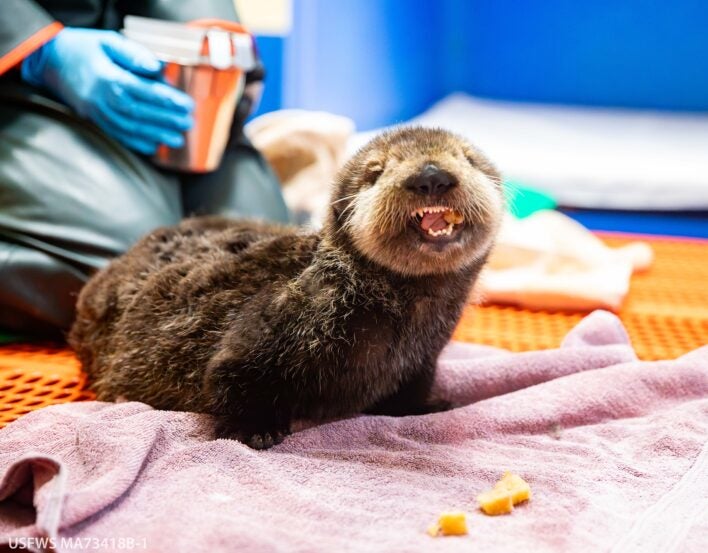
ATLANTA (January 21, 2026) – When a sea otter pup is found alone, time is critical – and so is capacity. This fall, Alaska SeaLife Center (ASLC) in Seward, Alaska, responded to two reports of orphaned northern sea otter pups within a two-week span. Both animals required urgent veterinary attention and intensive, round-the-clock support. To help meet those demands, Georgia Aquarium joined a coast-to-coast network that supported ASLC’s rehabilitative care for the pups alongside other partners, including Minnesota Zoo.
This kind of collaboration helps wildlife rehabilitation teams expand hands-on care during the most demanding phases of recovery, especially when young marine mammals need frequent feedings, constant monitoring and developmentally appropriate enrichment.
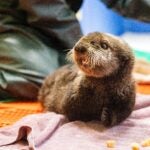
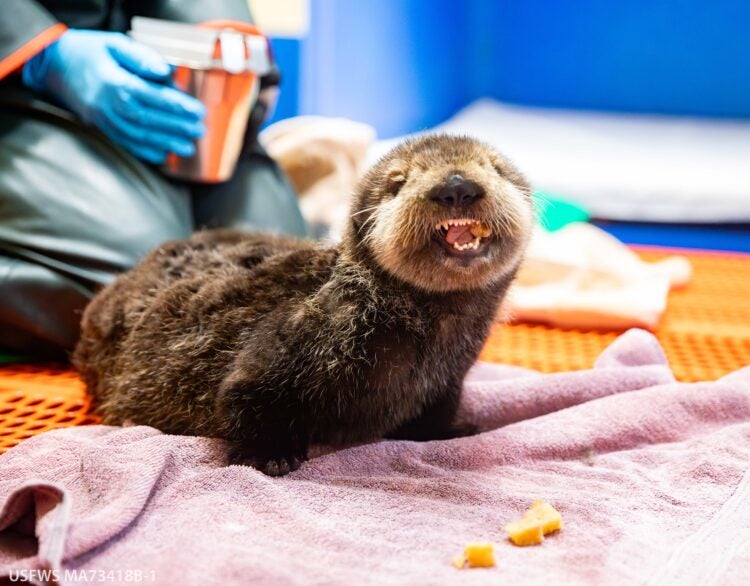
The first pup, a female estimated to be less than two months old, was found alone on the beach in severely malnourished condition. Ten days later, a male pup estimated to be 4–6 months old was reported in the same region after a fall storm moved through the area. He was also alone and in poor condition.
In both cases, reports came through ASLC’s 24-hour Stranded Marine Animal Hotline. ASLC staff and volunteers responded quickly and observed each pup closely to confirm no adult otters were caring for them. When no adults were seen, the pups were transported to Seward for urgent veterinary care.
Sea otter pups depend on their mothers for warmth, nourishment and protection, especially early in life. When a pup is orphaned or separated, rehabilitation becomes complex and time-intensive. Care teams may need to provide bottle feedings every few hours — including overnight — while also monitoring hydration, weight gain, behavior and stress levels.
For one of these pups, that meant 24/7 care and feeding throughout the night. That level of attention requires experienced staff, specialized protocols, and the ability to maintain consistency over weeks and months.
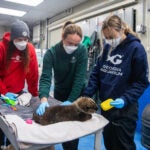
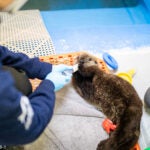
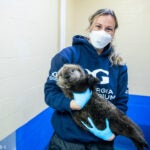
Georgia Aquarium is a longtime partner of ASLC and has supported rehabilitative care for marine mammals over the years, including a stranded beluga calf, and walrus, in addition to this recent sea otter rescue. During this rehabilitation effort, Georgia Aquarium staff helped support day-to-day care, adding capacity so ASLC’s team could maintain the intensive schedule required for young animals in recovery.
That support reflects a shared mission with ASLC: to inspire connection and care while preserving ocean health and aquatic life worldwide.
“Helping care for stranded animals reflects our commitment to ocean conservation and animal welfare. Supporting Alaska SeaLife Center’s experts with additional animal care assistance is one way we can strengthen a larger network of responders working on behalf of wildlife,” said Jason Jones, Sr. Curator of Animal Wellbeing & Zoological Compliance Curator at Georgia Aquarium.
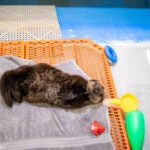
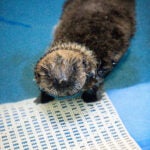
Both pups have continued to make encouraging progress. They are eating well, gaining weight, and engaging with enrichment that supports development and appropriate behaviors. Those are meaningful signs in rehabilitation, because they indicate stability, curiosity and growing strength.
The younger pup is still receiving intensive support with a frequent feeding schedule, including overnight feeds. As she continues to grow, her care plan will gradually evolve to allow more time between meals, while the team also begins introducing solid foods alongside continued nutritional support.
If you ever encounter wildlife in distress, the most important thing you can do is give the animal space and contact local authorities or trained responders. Approaching, feeding, or attempting to move wildlife can be dangerous for both people and animals, and can unintentionally worsen the situation.
You can also support the organizations doing this work by following updates, sharing educational resources, and contributing to wildlife rescue and rehabilitation programs when possible.
Otter rehabilitation activities at the ASLC permitted by USFWS MA73418B-1.
###
Georgia Aquarium is one of the largest aquariums in the world with more than 11 million gallons of water and tens of thousands of animals. Located in Atlanta, Ga., it is a premier animal care and research facility that is accredited by the Association of Zoos and Aquarium, the Alliance of Marine Mammal Parks and Attractions, Humane Certified by American Humane, and a Class R research institution certified by the USDA. By providing guests with unparalleled opportunities to learn about marine life, Georgia Aquarium is dedicated to unlocking the ocean’s wonder for all, providing transformative experiences that inspire a shared responsibility for conserving our aquatic ecosystems.