Portions of Southern Company River Scout are currently closed for scheduled maintenance.


ATLANTA (March 30, 2026) – A conservation scientist and aquarium leader focused on connecting science, education and partnerships into measurable outcomes for aquatic life.
Georgia Aquarium’s mission reaches far beyond Atlanta. Through world-class research, conservation and education, our teams work to better understand and protect aquatic life and the habitats they depend on. From participating in expeditions and studying marine animals to reintroducing species and tracking sharks, manta rays and other rare animals, we are advancing knowledge that can help protect their underwater world. At the same time, we create engaging learning experiences that connect guests of all ages to aquatic life, inspire curiosity, and empower people to care for our ocean and freshwater ecosystems. Together with partners around the world, we are working to create a healthier future for aquatic life.
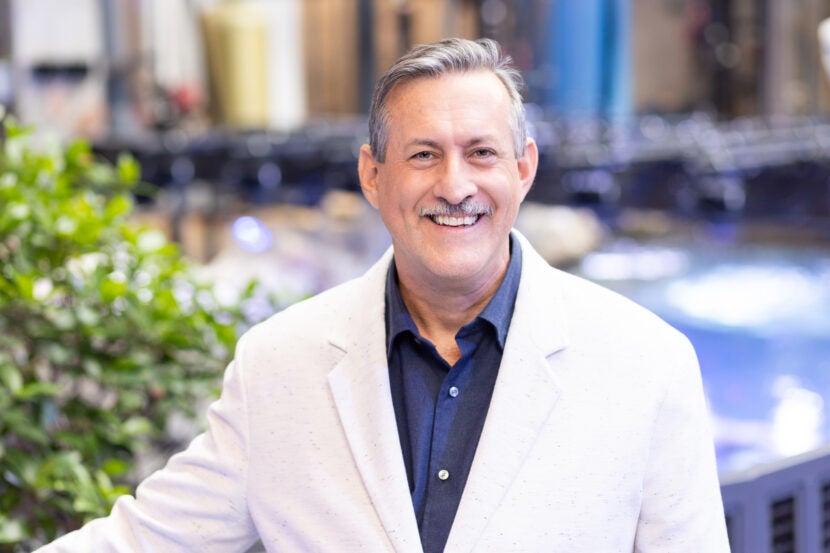
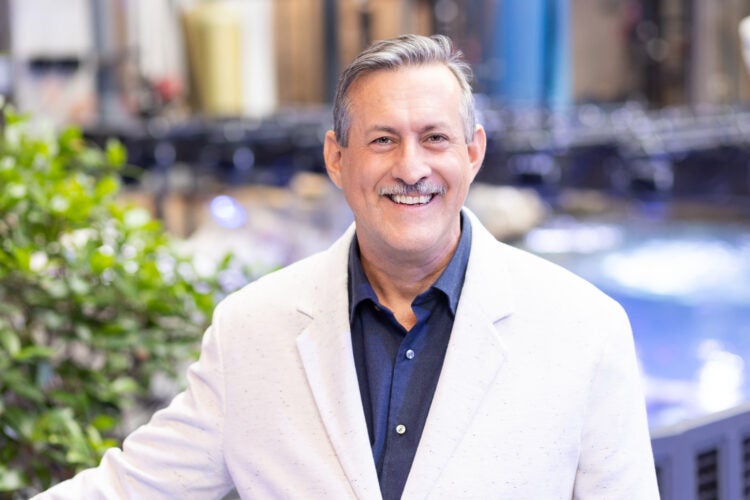
We’re excited to welcome Dr. Paul Anderson to our team as Georgia Aquarium’s Vice President of Research, Conservation and Education. His goal is to make sure these efforts align to conserve aquatic life and habitats. He will also empower his teams to build partnerships with universities, nonprofits, agencies, schools, and community groups to advance Georgia Aquarium’s mission in Atlanta and around the world.
With more than 25 years of experience, Dr. Anderson brings a strong background in animal care, conservation, science and education. His career in public aquariums began with a strong foundation in conservation education, and that perspective continues to shape his approach to leadership. Throughout his career, he has focused on finding practical ways to protect aquatic animals and engage the people and communities connected to them.
“Georgia Aquarium has an incredible opportunity to integrate science, learning, and environmental stewardship in ways that empower people to conserve aquatic habitats near and far,” said Dr. Paul Anderson. “I’m excited to join a team deeply committed to advancing the state of the science of animal care while engaging with people and animals together to conserve our ocean and freshwater ecosystems for the future.”
Helping improve how aquarium fish are sourced and raised
One important area of Dr. Anderson’s work has focused on aquarium fish and where they come from. In simple terms, that means developing thoughtful practices around supplying fish for aquariums through a two-pronged approach: supporting responsible collection of wild fish and advancing aquaculture, which is the raising of aquatic animals in aquariums. When done well, both approaches can help reduce pressure on wild populations and support healthier aquatic ecosystems.
This work matters beyond large aquariums like Georgia Aquarium. It also relates to the broader aquarium trade, including fish kept in home aquariums. By improving sourcing practices and encouraging responsible care, this work can help create better outcomes for animals, habitats, and the people whose livelihoods depend on these ecosystems.
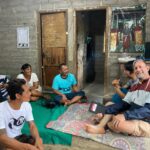
Dr. Anderson has led projects in Indonesia that engaged local fishing communities in learning, data collection, and co-management to support reef health and encourage sustainable practices. That work showed how protecting aquatic habitats can go hand in hand with supporting people who rely on the ocean in their daily lives. Some of those same ideas are also being applied in Florida, where responsible management and fisher education can help protect coastal ecosystems and the species and fishers that live there.
Experience across research, animal care, conservation, and education
Earlier in his career, Dr. Anderson worked at The Florida Aquarium, where he supported programs involving marine mammal response, sea turtle rehabilitation, coral restoration, and applied research. His academic background in fish behavior and physiology informs conservation initiatives that prioritize aquatic animal welfare and advance standards of care.
He also brings a longstanding belief in the unique role public aquariums can play in inspiring people to care about and help protect aquatic habitats. That perspective has remained an important part of his work across research, conservation, and public engagement.
At Georgia Aquarium, Dr. Anderson will empower teams and partners to turn knowledge into action — from driving conservation programs to expanding learning opportunities for guests and communities near and far.
As Georgia Aquarium’s impact continues to scale, Dr. Anderson’s leadership will help strengthen the connection between animal care, scientific discovery, conservation action, and public engagement — all with the goal of creating a healthier future for aquatic life.

###
Georgia Aquarium is one of the largest aquariums in the world with more than 11 million gallons of water and tens of thousands of animals. Located in Atlanta, Ga., it is a premier animal care and research facility that is accredited by the Association of Zoos and Aquarium, the Alliance of Marine Mammal Parks and Attractions, Humane Certified by American Humane, and a Class R research institution certified by the USDA. By providing guests with unparalleled opportunities to learn about marine life, Georgia Aquarium is dedicated to unlocking the ocean’s wonder for all, providing transformative experiences that inspire a shared responsibility for conserving our aquatic ecosystems.