
-
Size
4 inches (10 cm) -
Diet
Small planktonic prey including larvae, eggs and very small crustaceans -
Range
Western Atlantic -
Habitat
Lagoons, estuaries, often near coral and rocky reef systems
Physical Characteristics
- Maximum size of 7 inches (18 cm), but lengths closer to 4 inches (10 cm) are more common.
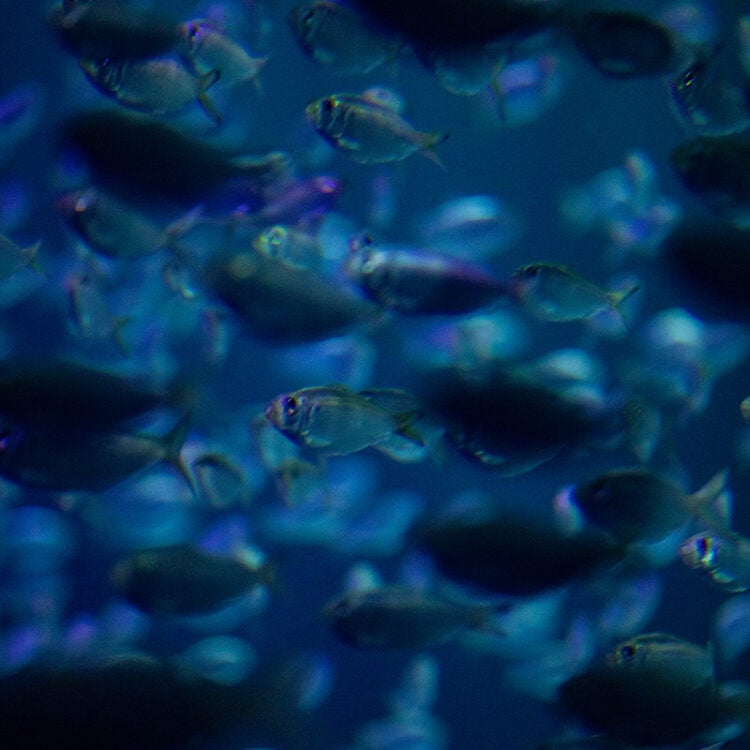
- Small, bright, reflective silver fish with large eyes. The dorsal surface displays a dark or dull greenish tinge. The face is blunt, with a large, forward facing mouth with a width equal to 20-33% of total body length. Many pelagic species like herring are filter feeders in the open ocean and require a large mouth to funnel plankton into the mouth, which are then filtered from the water by the gill rakers and then consumed.
- This species displays a small black dot behind the top corner of operculum (gill cover).
Diet / Feeding
- Feeds on small planktonic prey including larvae, eggs and very small crustaceans.
Range / Habitat
- Occurs in the Western Atlantic from southeastern Florida and the Gulf of Mexico to Brazil as well as throughout the Bahamas and Caribbean.
- Found in marine and even brackish waters, in lagoons and estuaries, often near coral and rocky reef systems.
- Usually found at depths up to about 164 feet (50 m).
Reproduction & Growth
- Oviparous species- females lay eggs that are hatched outside the body.
- The adults head for the open sea to feed and reproduce, while the juveniles often stay in coastal waters such as estuaries, mangrove swamps, lagoons, island coral reefs and seagrass beds.
Conservation Status
- Listed as “Least Concern” on the IUCN Red List.
Additional Information
- Also referred to as false pilchard.
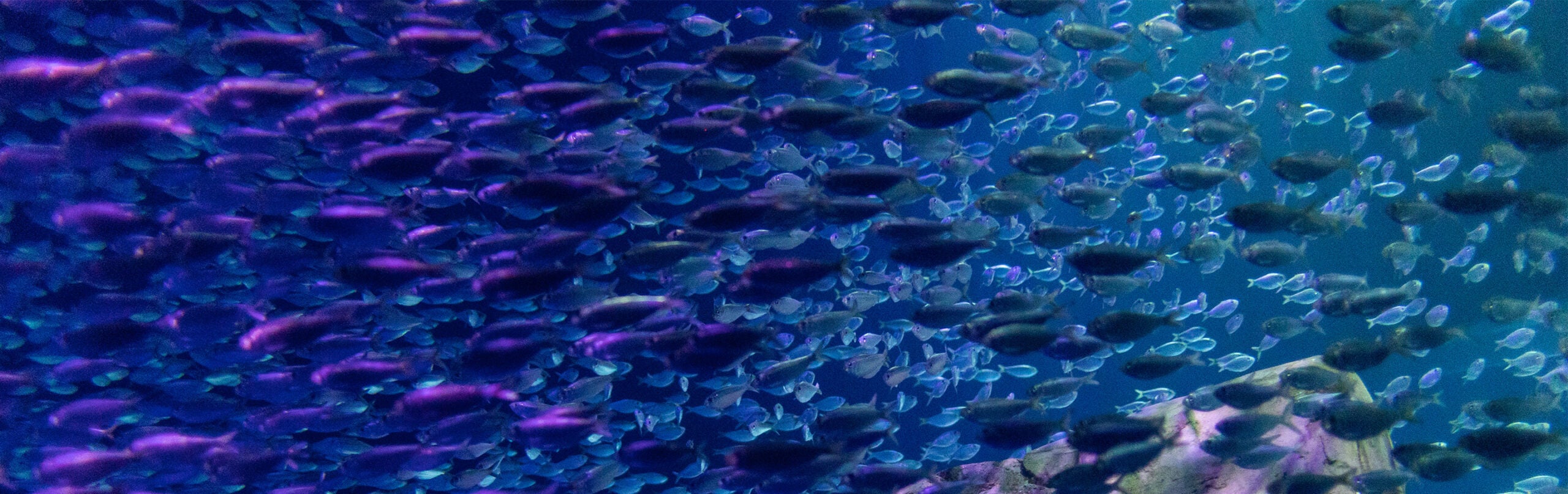
- This species is often encountered in large schools that can move very rapidly and condense to form tight clusters to avoid predators. Schooling behavior reduces the probability of being singled out as prey and can be used to confuse a predator, preventing them from singling out an individual target when hunting.
- Common predators include barracuda, jacks, various shark species and fish-eating seabirds.
- Can comfortably tolerate a range of salinities, sometimes ranging far into estuaries and salt marsh systems.
Sources
Smithsonian Marine Station at Fort Pierce https://naturalhistory2.si.edu/smsfp/irlspec/Hareng_clupeo.htm
Smithsonian Tropical Research Institute – https://biogeodb.stri.si.edu/caribbean/en/thefishes/species/2919
www.IUCNredlist.org