Southern Company River Scout is currently closed for scheduled maintenance.


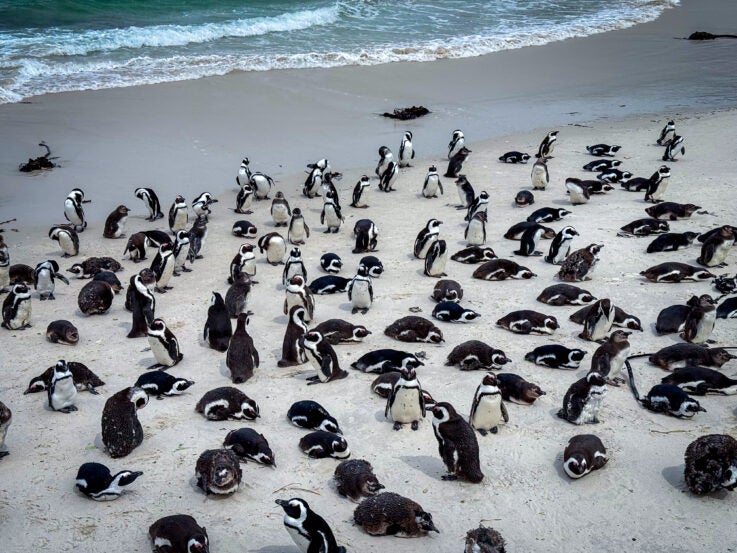
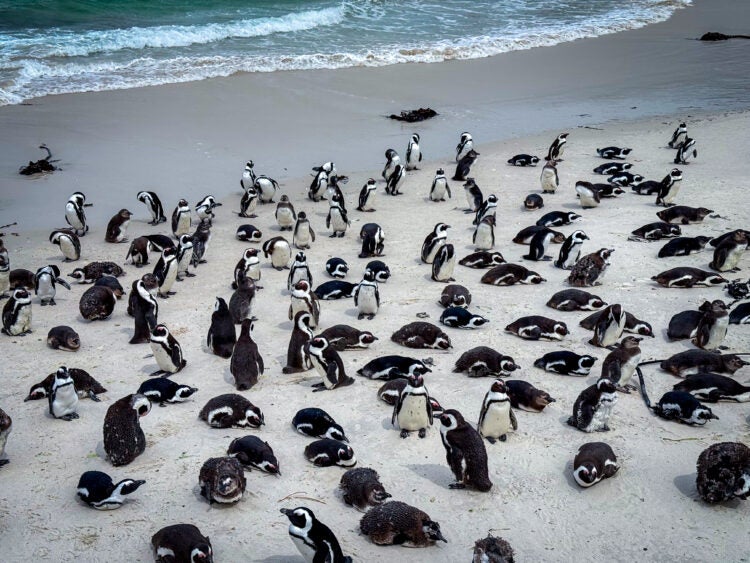
African penguins are a small but unmistakable species found along the rocky coastlines of southwestern Africa, where they nest, forage, and raise their young close to shore. While their playful personalities make them easy to love, their struggle for survival is increasingly urgent. These charismatic penguins are facing serious challenges. Georgia Aquarium is deeply committed to supporting research, rescue, and conservation efforts aimed at protecting the future of this critically endangered species through partnerships and long-term conservation initiatives.
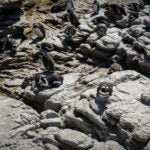
African penguins are the only penguin species found on the African continent.
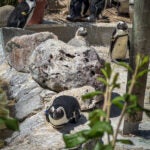
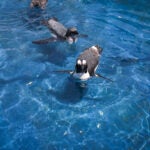
African penguins are the only penguins native to Africa. These small but mighty birds stand 18–25 inches tall and weigh 6–7 pounds. Adapted to warmer climates, they live along temperate coastlines where water temperatures range from 40 to 70 degrees. Their diet consists mainly of fish and squid, and they hunt by swimming as far as nine miles from shore. At the Aquarium, guests can see these behaviors up close and learn about the penguins’ biology, social structure, and care.
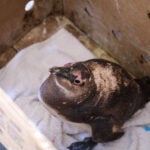
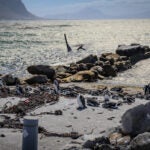
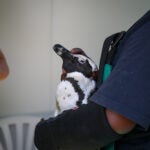
Wild African penguin populations have declined by more than 90% over the last century, with only 8,300 breeding pairs remaining.
African penguins are currently listed as Critically Endangered on the IUCN Red List, with wild populations declining rapidly over the last century. The species faces a combination of human-driven threats, including overfishing, habitat loss, oil spills, and warming ocean waters, which reduce their food supply.
They also face challenges at their nesting sites. The historical collection of guano—nutrient-rich bird droppings—has long been harvested from penguin nesting areas and sold globally as fertilizer. This practice degrades critical breeding habitats, leaving eggs and chicks more vulnerable to predators and harsh weather conditions.
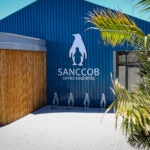
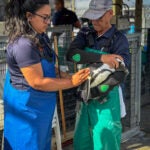
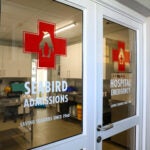
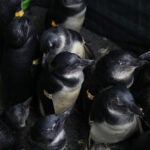
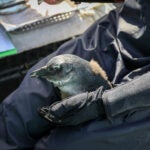
Georgia Aquarium has partnered with the Southern African Foundation for the Conservation of Coastal Birds (SANCCOB) to support ongoing rescue and rehabilitation efforts.
Conservation organizations and governments have taken important steps to protect African penguins and their breeding grounds. Many nesting sites are now designated as national parks or nature reserves, with restrictions or bans on egg and guano collection in critical areas. Additionally, marine protected zones have been established to limit fishing near vital foraging grounds.
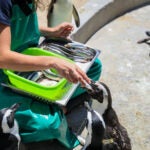
The Southern African Foundation for the Conservation of Coastal Birds (SANCCOB) is an organization dedicated to rescuing, rehabilitating, and releasing seabirds affected by oil spills, injuries, and food shortages. Georgia Aquarium proudly partners with SANCCOB to provide support, collaboration, and shared expertise, advancing SANCCOB’s critical work in the field.
Fact:
African penguins are listed as Critically Endangered on the IUCN Red List.
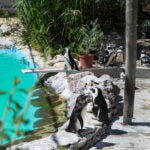
African penguins may be small, but protecting their future is a global responsibility. Despite significant challenges, collaborative conservation efforts are making a real difference. Georgia Aquarium is dedicated to inspiring action through education, research, and partnerships that safeguard this critically endangered species.
By learning about African penguins and supporting conservation initiatives, we can all play a role in helping secure a future for these remarkable birds.
Learn more about African penguins and our conservation initiatives at georgiaaquarium.org. Or explore how SANCCOB is making a direct impact through rescue and rehabilitation work at sanccob.co.za. Together, we can help ensure African penguins continue to thrive in the wild for generations to come.