Southern Company River Scout is currently closed for scheduled maintenance.


ATLANTA (March 9, 2026) –
Georgia Aquarium supports SANCCOB’s Seabird Rangers in South Africa, protecting African penguins and rescuing vulnerable seabirds at key colonies.
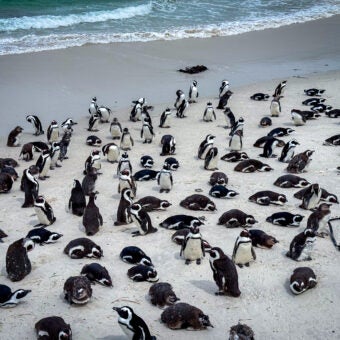
Along South Africa’s coastline, African penguins draw visitors from around the world. But behind the memorable waddle and tuxedo markings is a hard truth. The African penguin is now listed as Critically Endangered, reflecting an extremely rapid population decline.
Protecting a species in crisis takes more than awareness. It takes consistent, on the ground action at key breeding colonies, every day. That is the purpose of SANCCOB’s Seabird Ranger Program, which places trained rangers at five vital seabird colonies in South Africa.
SANCCOB, the Southern African Foundation for the Conservation of Coastal Birds, works in partnership with conservation authorities to protect African penguins and other seabirds. Through the Seabird Ranger Program, rangers are stationed at important colonies to provide practical, daily conservation support. Their work includes:
This kind of daily, local protection is especially important at public sites, where penguins and seabirds are more likely to encounter human impacts.
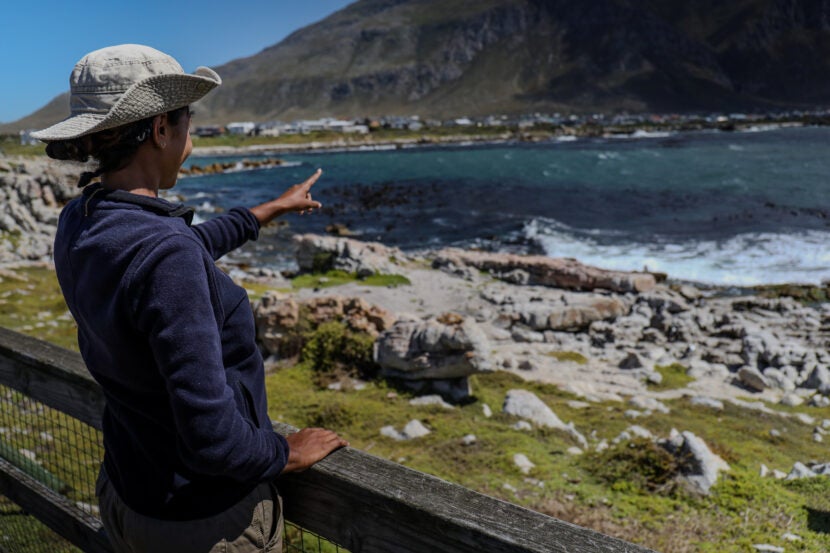
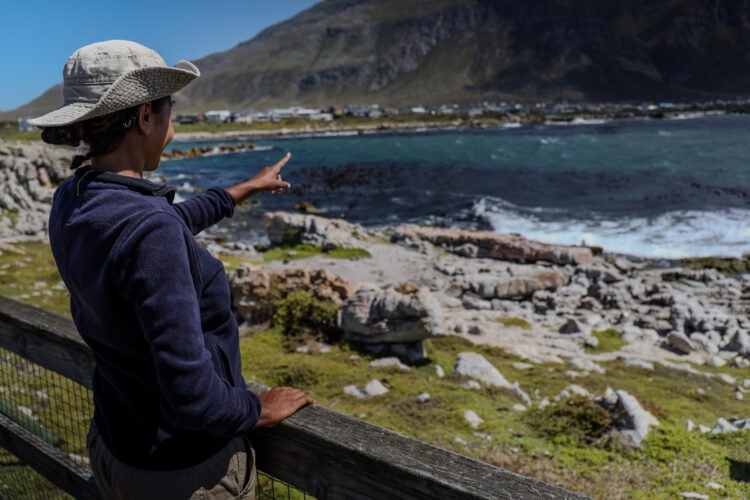
Georgia Aquarium is proud to support this work by fully funding one Seabird Ranger position at Stony Point in Betty’s Bay. That support covers salary, uniforms and essential field resources, helping ensure there is a trained conservation professional on site every day.
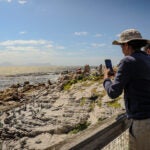
The ranger role funded by Georgia Aquarium is held by Adrienne Johnson Europa, who joined the Stony Point team in 2025 as the second ranger at the colony. In this role, Adrienne helps protect African penguins, cormorants, and other seabirds in a high visibility public setting where consistent monitoring and quick response can make a meaningful difference.
“African penguins are running out of time, and some of the most important conservation happens on the ground every single day,” said Dr. Lisa Hoopes, senior director of research and conservation at Georgia Aquarium. “By funding Adrienne’s ranger role at Stony Point, we are helping ensure there is a trained professional on site to protect the colony and respond quickly when seabirds need help.”
When Georgia Aquarium team members visited Stony Point at the end of 2025, the rangers responded to immediate needs on the ground, bringing in three injured or malnourished birds that were transported back to SANCCOB for care.
Georgia Aquarium has partnered with SANCCOB since 2009, supporting the first health assessment of penguin populations found naturally on South African islands. And when SANCCOB faced an unprecedented crisis at the end of 2010, with 483 abandoned penguin chicks in need of intensive care, Georgia Aquarium responded by sending veterinary staff to provide emergency assistance. That effort supported an 80 percent or higher success rate for releasing orphaned chicks.
Today, the collaboration continues through ongoing research into the diseases and environmental conditions affecting penguin populations, all with the goal of strengthening rescue and rehabilitation responses.
Saving African penguins requires support across their lifetime, from field protection in South Africa to long-term conservation collaboration and research. By funding Adrienne’s ranger role at Stony Point, Georgia Aquarium helps ensure there is trained, daily protection at a key colony where immediate response can make a lifesaving difference.
###
Georgia Aquarium is one of the largest aquariums in the world with more than 11 million gallons of water and tens of thousands of animals. Located in Atlanta, Ga., it is a premier animal care and research facility that is accredited by the Association of Zoos and Aquarium, the Alliance of Marine Mammal Parks and Attractions, Humane Certified by American Humane, and a Class R research institution certified by the USDA. By providing guests with unparalleled opportunities to learn about marine life, Georgia Aquarium is dedicated to unlocking the ocean’s wonder for all, providing transformative experiences that inspire a shared responsibility for conserving our aquatic ecosystems.