

-
Size
3 inches (7.6 cm) -
Diet
Worms, insects, and other small invertebrates. -
Range
Congo River drainage -
Habitat
Inland rivers with floating vegetation
Physical Characteristics
- Common length of 3 inches (7.62 cm).
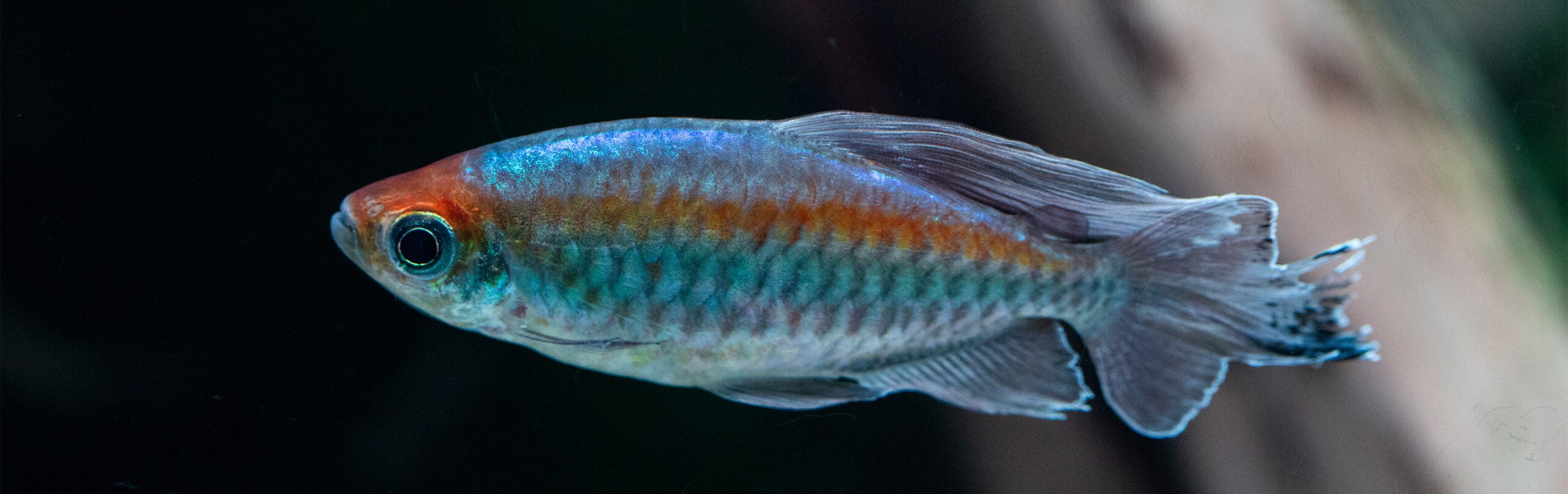
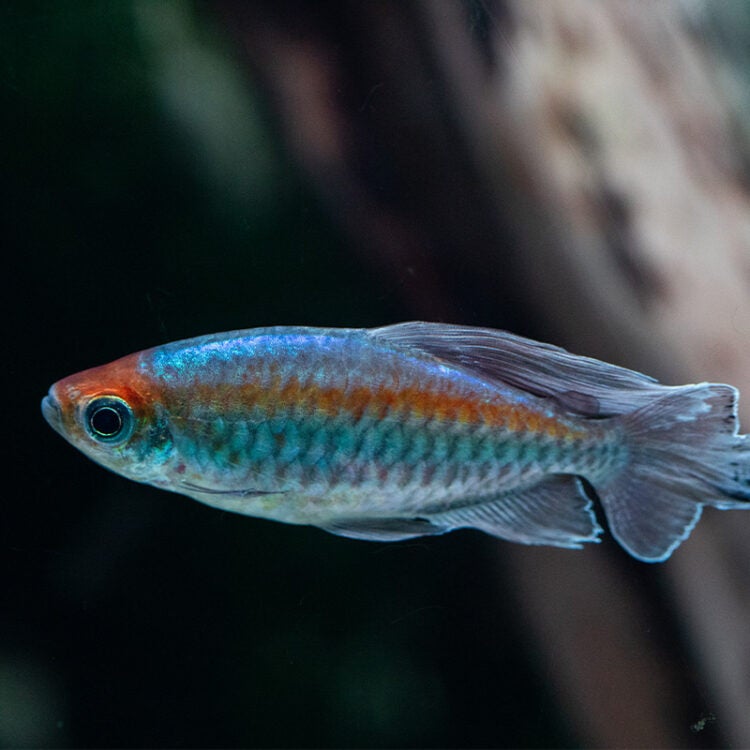
- Body is slim and torpedo-shaped with extended, bright red fins.
- Coloration is bright red to ruby with a ruby sheen and a dark lateral line.
- Males and females are sexually dimorphic – the males are often larger than females, and display more iridescence and orange-red coloration
Animal Fun Fact
The Congo tetras's coloration is bright red to ruby with a ruby sheen and a dark lateral line.
Diet / Feeding
- Omnivorous opportunistic feeder.
- Diet consists of worms, insects, and other small invertebrates.
Range / Habitat
- Occurs in the Congo River drainage.
- Inhabits tropical inland rivers with large amounts of benthic and floating vegetation as well as driftwood logs and branches.
Reproduction & Growth
- Females lay about 300 eggs, sometimes more, which sink to the bottom and hatch after about 6 days.
Conservation Status
- “Least Concern” on the IUCN Red List.
Additional Information
- Generally considered a peaceful species, they shoal in small groups in the middle of the water column
- When females lay their eggs, they lay about 300 at a time. The eggs then sink to the bottom and hatch after six days.
- Larger individuals, especially males, can grow long, flowing fins.
- Congo tetras have small, sharp teeth.
- Most tetras, including the Congo tetra, have a small extra fin just above their tail called an adipose fin that helps them detect which way the water is flowing.
Sources
- www.fishbase.org
- iucnredlist.org
- www.wetspottropicalfish.com