

Georgia Aquarium’s Commitment to Manatee Research & Conservation

At Georgia Aquarium, we are dedicated to the conservation of marine life. Our ongoing research and conservation efforts for manatees are a testament to this commitment. Manatees are gentle giants of the water, but they face serious health stressors such as boat strikes and cold stress. To ensure their survival and better understand their needs, Georgia Aquarium and other Manatee Rescue & Rehabilitation partners participate in annual research trips, assessing the health and habitat usage of manatee populations off the coast of Georgia.

Annual Health Assessments

Since 2015, our team, along with the Manatee Rescue & Rehabilitation Partners, Georgia Department of Natural Resources, U.S. Fish and Wildlife, Clearwater Marine Aquarium Research Institute, and many other institutions, have collaborated to carry out health assessments on manatees near Cumberland Island and Savannah. These health assessments involve thorough physical examinations and measuring physiological parameters such as temperature, respiration, average heart rate, and backfat thickness using ultrasound. 

Biological samples, including blood, feces, urine, and microbiome swabs, are also collected. These samples provide insights into the manatees’ current health status, helping us identify potential health issues and monitor their overall well-being. Animals are also tagged with tracking devices if they do not already have one.

The Purpose of Our Research

Our primary goal is to assess the current health of manatees and better understand their habitat usage. Our teams can gather valuable data on their movements and health status by examining animals tagged on previous trips. This information is crucial, especially considering the current unusual mortality event (UME) affecting manatees. Understanding the factors contributing to these mortalities helps guide our future conservation efforts.

Key Findings and Their Significance

During our most recent assessments, we examined ten manatees, eight of which were first-time captures, while two were recaptures. Recapturing previously tagged manatees is particularly valuable, as it allows us to track their progress and confirm their survival and thriving status since their last assessment. This longitudinal data is instrumental in understanding manatee health trends and the effectiveness of our conservation strategies.

The data collected from tagged animals also offers a glimpse into their habitat usage. Tracking these movements helps us compare the health of manatees in different regions and environmental conditions, providing a comprehensive picture of their well-being.

Participation in the Manatee Rescue & Rehabilitation Partnership (MRP)

In addition to our research efforts, Georgia Aquarium plays a vital role in the Manatee Rescue & Rehabilitation Partnership (MRP) as a holding facility for injured or abandoned manatees. This partnership is crucial for rehabilitating and eventually releasing manatees back into the ocean.

Recently, we welcomed two new manatee calves, TayTay and Cider, to our offsite facility. Both animals came to us after being found abandoned and suffering from cold stress. TayTay also needed treatment for a boat strike injury. They are both currently doing well in our care. Both manatees will be in our care until next year, when they become eligible for release after they gain the necessary weight.

Our primary contribution to the MRP involves providing holding space for manatees that need time to gain weight, allowing other facilities to focus on more critical cases. We also support the partnership by providing staff to assist with transports, rescues, and releases. This collaborative effort ensures that manatees receive the best possible care and have the highest chance of successful rehabilitation and reintegration into their natural habitat.

The Road Ahead for Manatee Conservation

Our ongoing research efforts are vital in addressing the challenges faced by manatees. By continually monitoring their health and habitat usage, we can adapt our conservation strategies to better protect these vulnerable animals. The collaboration of multiple institutions and the dedication of volunteers play a crucial role in the success of these efforts.

As we continue our work, we remain committed to ensuring the conservation of manatees in Georgia’s coastal waters. Through comprehensive health assessments and detailed habitat analysis, we are building a foundation for informed conservation decisions that will benefit manatees for generations to come.

Stay tuned for more updates on our manatee research and conservation efforts by subscribing to our newsletter

Join us in our efforts to protect this unique species by becoming an Aquarium member today.

Animals After Dark

Come check out what our animals are up to in the evenings! 

The animal kingdom is as active at night as it is during the day. As the sun dips below the horizon, the oceanic world transforms. Bioluminescent creatures come alive, lighting up the dark waters. Nighttime hunters, such as sharks and eels, emerge from the depths, taking advantage of the cover of darkness to ambush their prey. The bustling daytime ecosystem of coral reefs gives way to a different cast of nocturnal inhabitants, including shrimps and crabs, all navigating the shadows in search of food.

Meanwhile, the silent glide of stingrays and the rhythmic movements of schools of fish display a dynamic underwater world that flourishes in the cover of night. Life continues its relentless, captivating dance in these darkened waters, reminding us of the ocean’s boundless wonders. Witness the enchanting evening routines of our aquatic residents and relish a more intimate atmosphere. 

Check out some species that are more active at night:
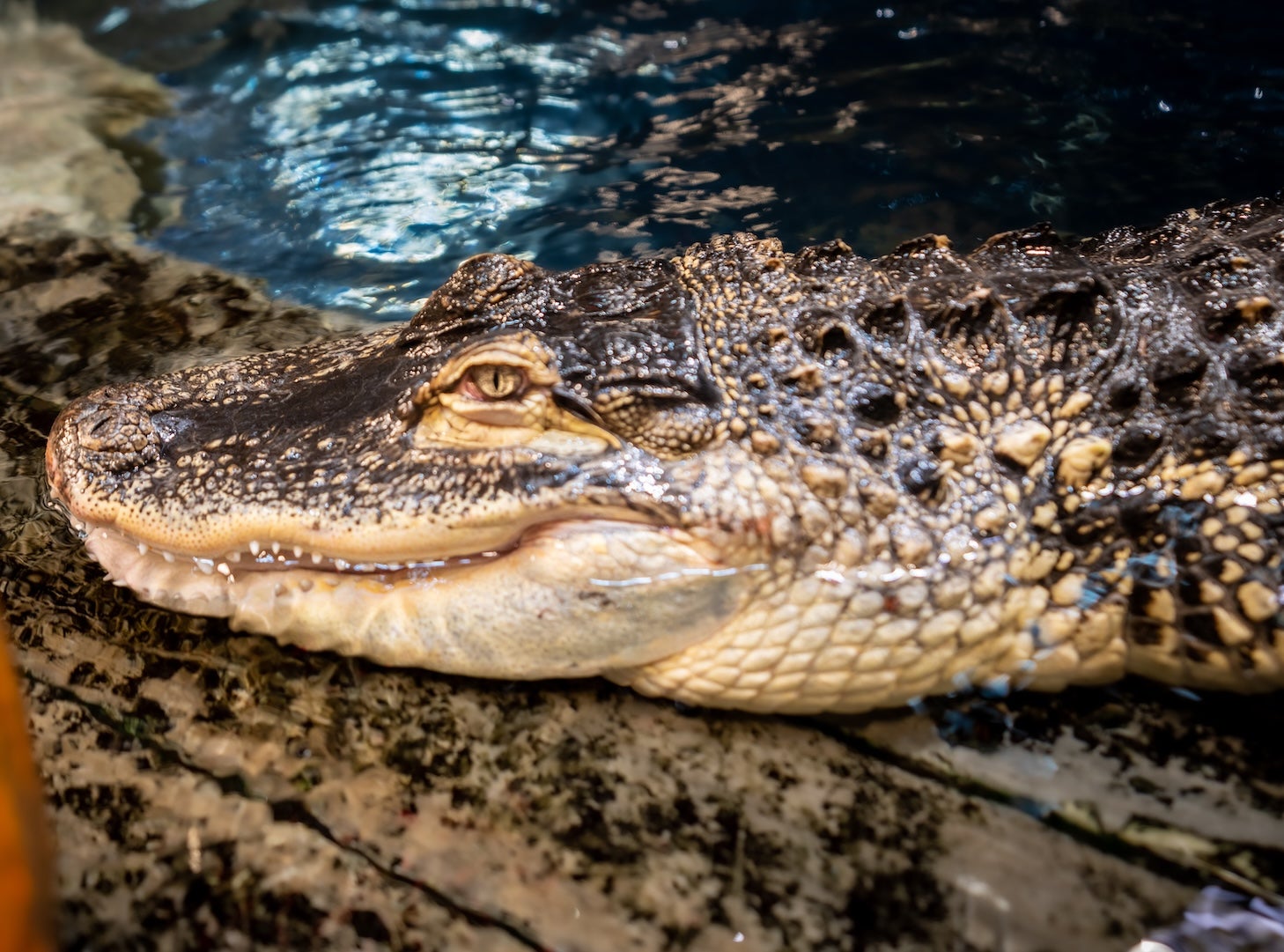
Animals After DarkAmerican Alligators

American alligators are diurnal and nocturnal, meaning they are active both day and night. They hunt predominantly at night, but they are also commonly seen basking in the sunlight during the spring and summer. 
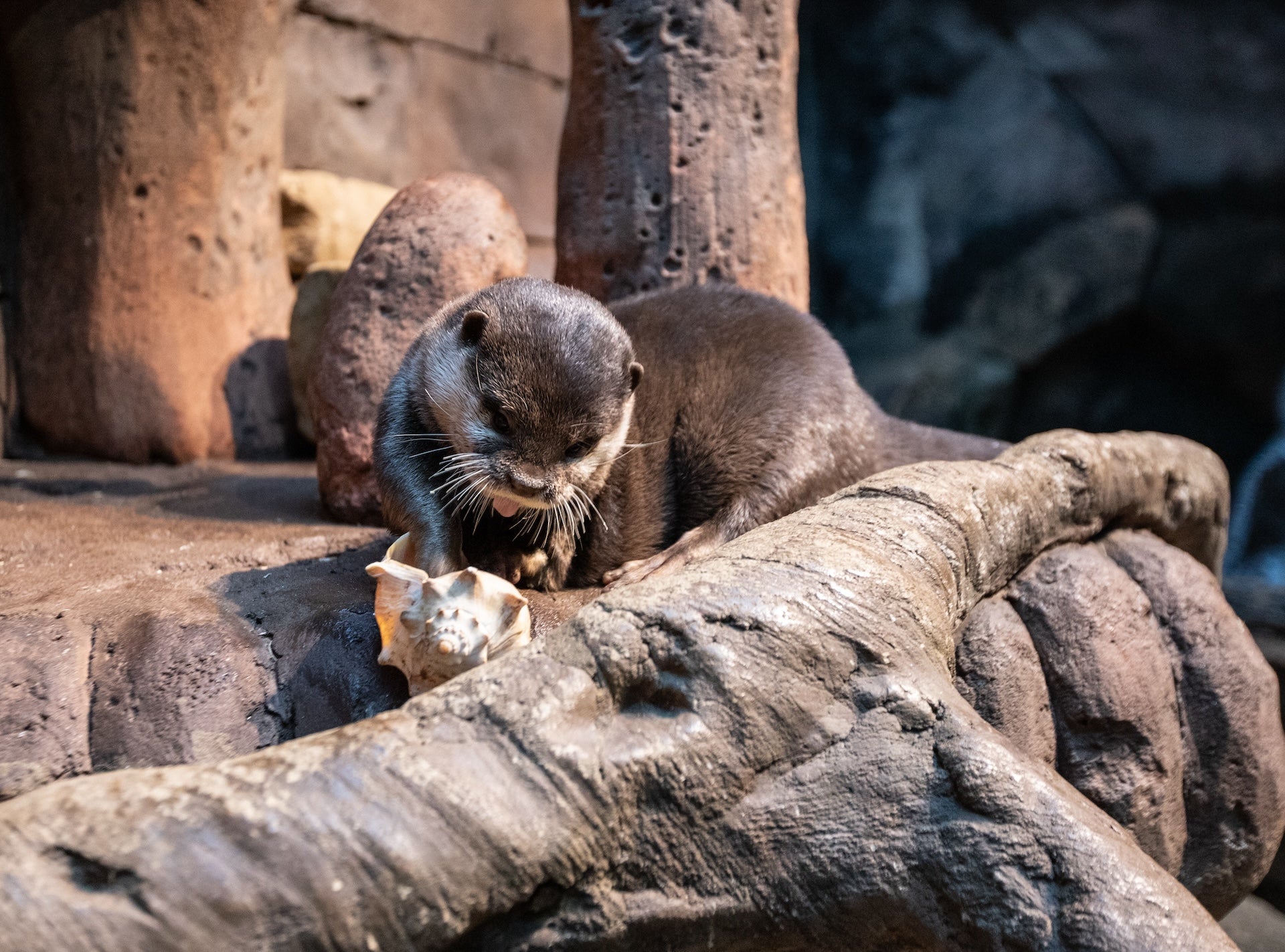
Animals After Dark 1Asian Smalled Clawed Otter

Asian small-clawed otters are active during the day but are primarily nocturnal animals. Our otters often nap throughout the day, but if you visit in the evening, you might catch them playing in the water or with their enrichment items! 
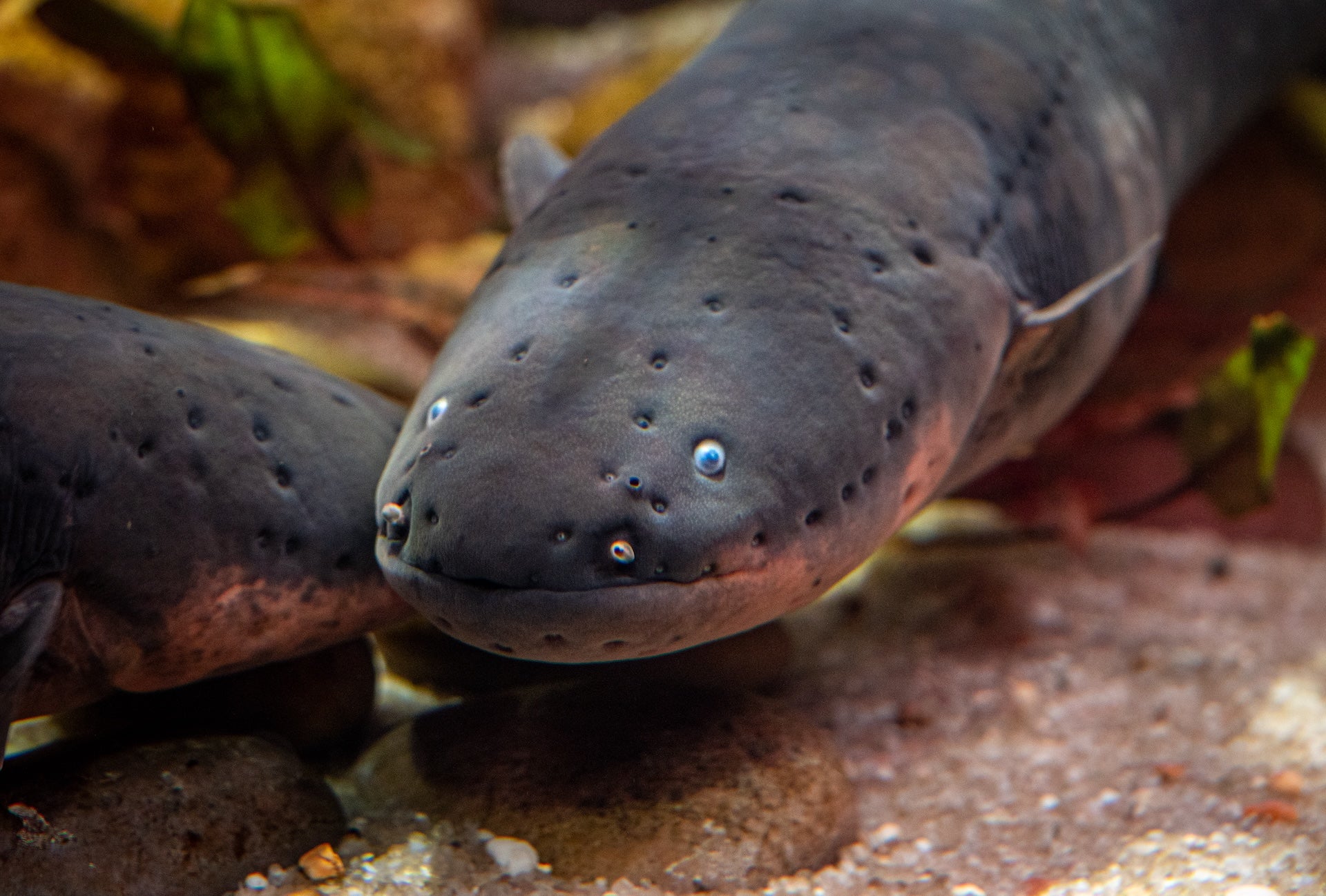
Animals After Dark 5Electric Eel

The electric eel is a nocturnal species, hiding under shelter or in holes during the day and hunting for prey at night. Because they have poor eyesight, they emit a weak electric signal, which they use like radar to navigate, find a mate, and find prey.
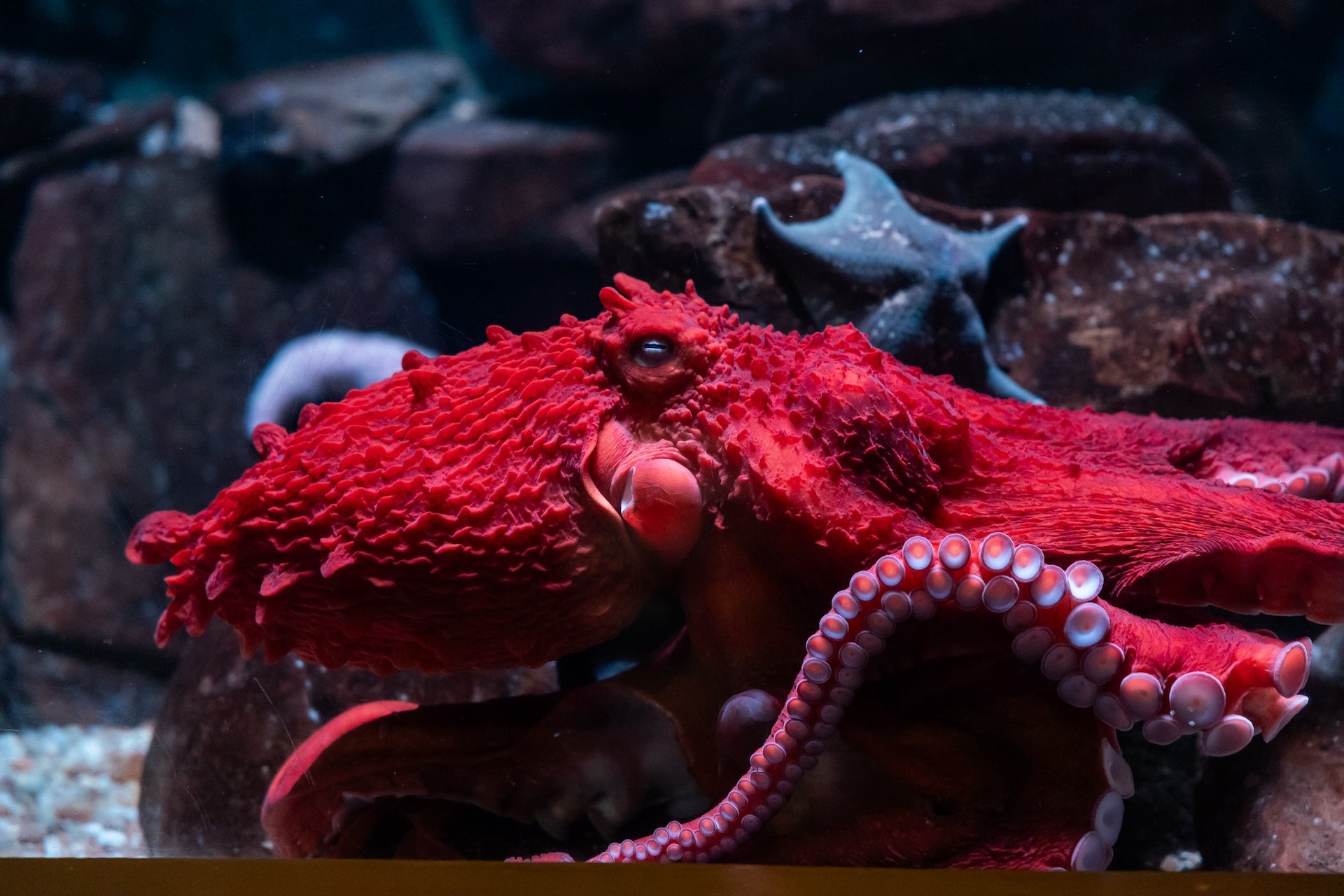
Animals After Dark 9Giant Pacific Octopus

Generally nocturnal, giant Pacific octopuses move about and do their hunting at night. They use their arms, each covered with approximately 200 suckers, to find and hold their prey.
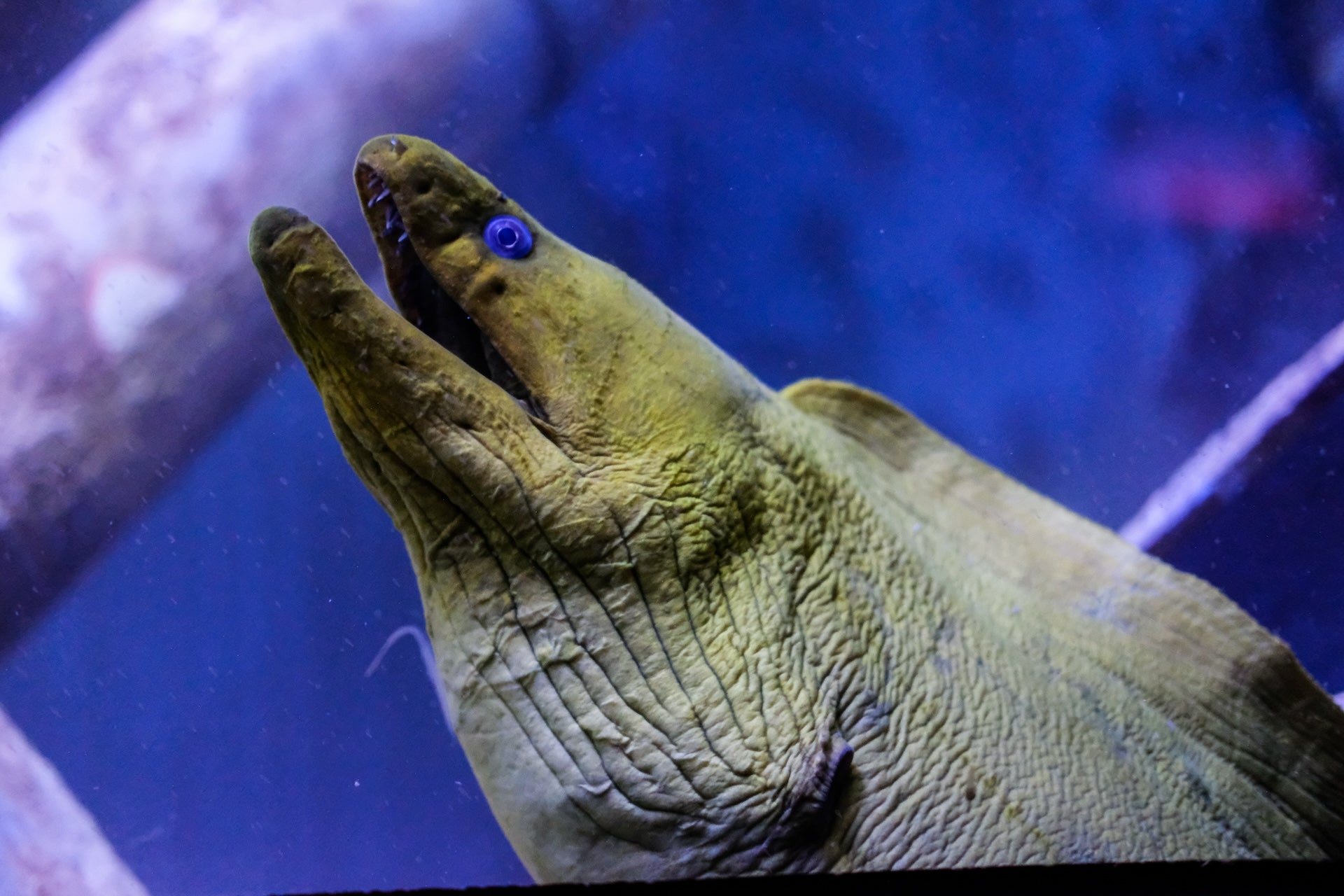
Animals After Dark 2Green Moray Eel

The green moray eel is a nocturnal predator.  During the day, it hides in a hole in the rocks.  It uses its sense of smell to find its prey because moray eels have poor vision.  It does not go hunting for its prey; instead, it sits and waits for the prey to cross its path.
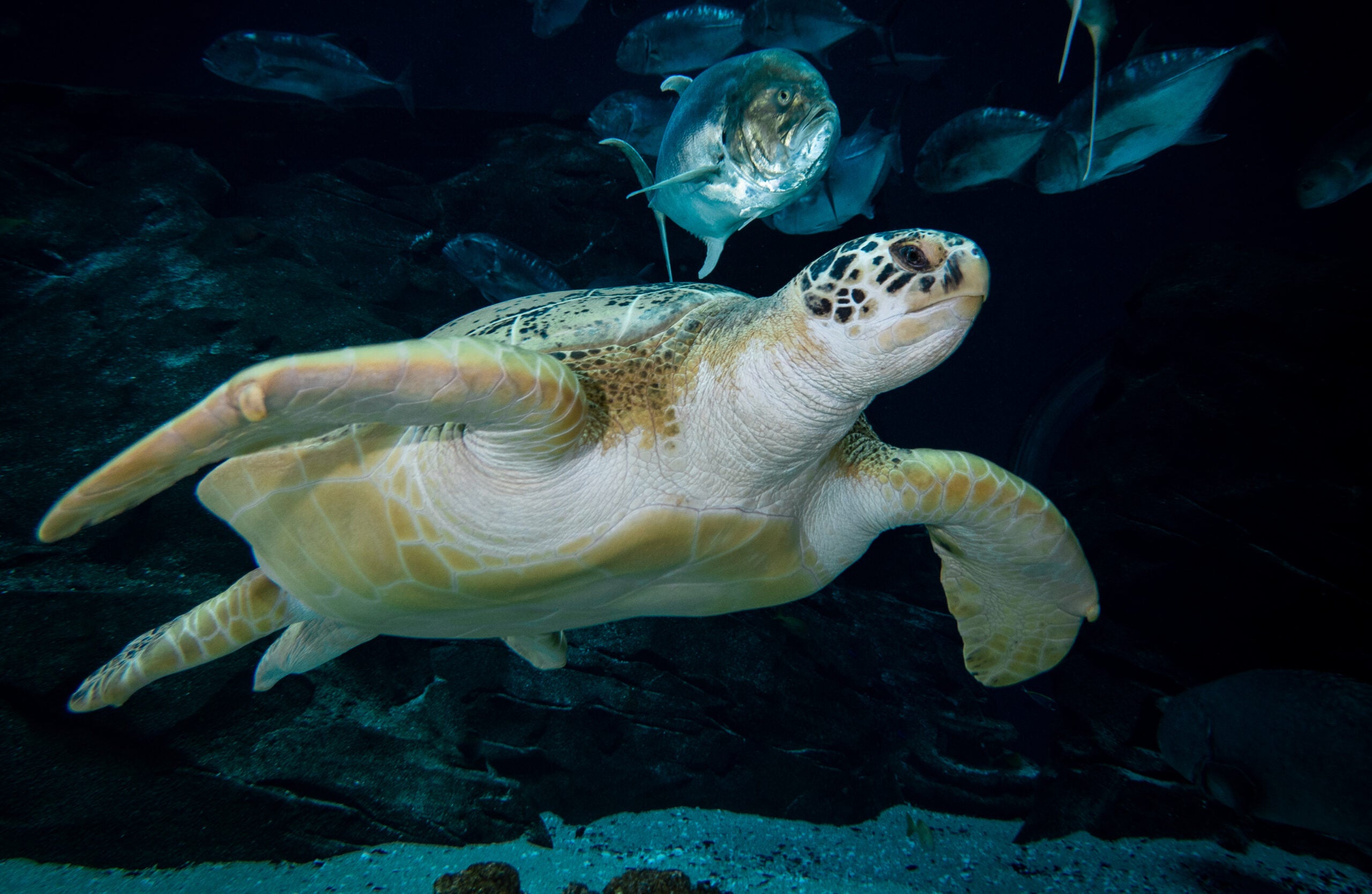
Animals After Dark 10Green Sea Turtle

Green sea turtles (Chelonia mydas) are typically diurnal but can also exhibit nocturnal activity, including feeding, nesting, and breeding.
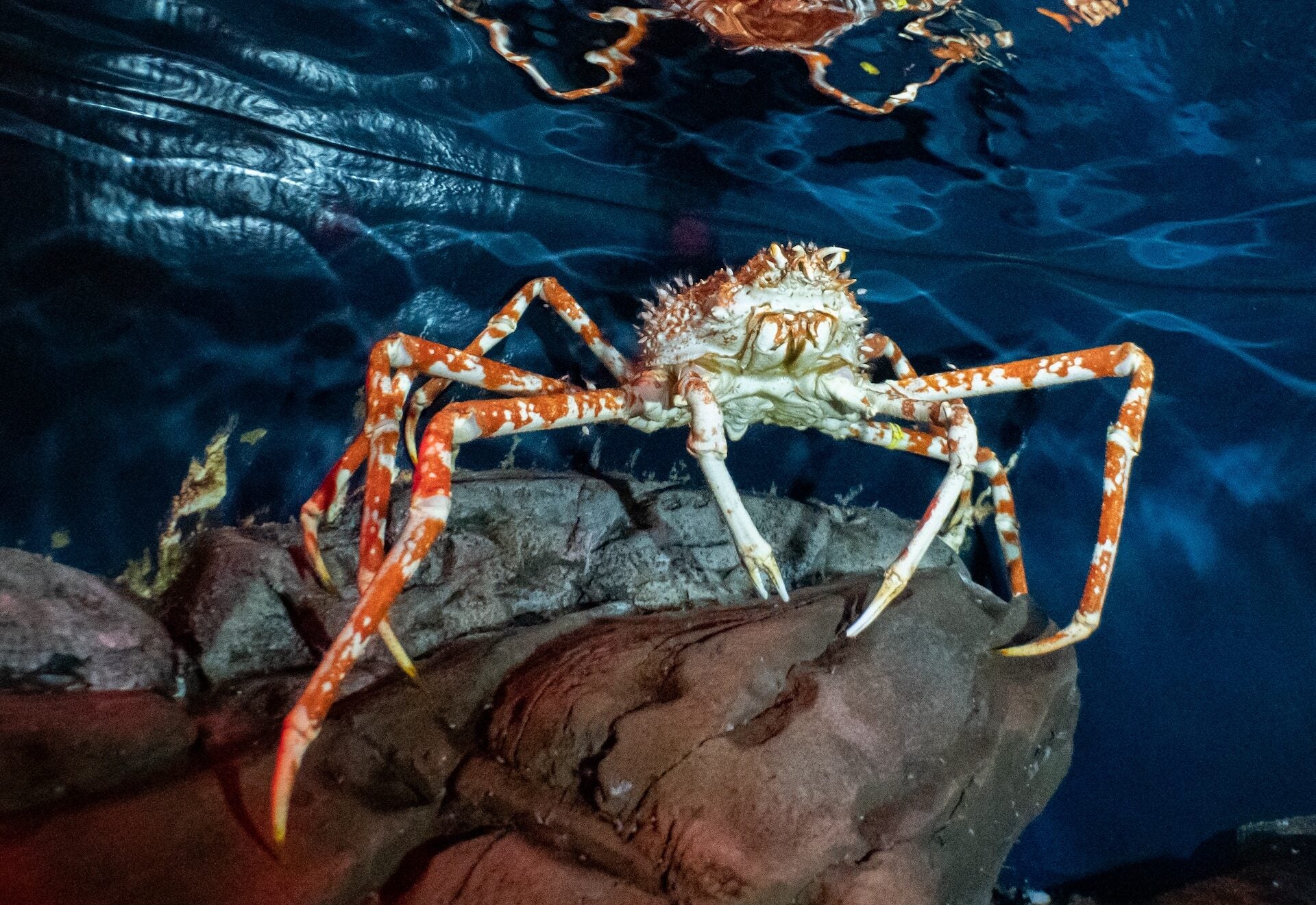
Animals After Dark 8Japanese Spider Crabs

Japanese spider crabs are active at night to avoid predators rather than to camouflage themselves when hunting prey. They live on the ocean floor along Japan’s Pacific coast, primarily on the sandy and rocky continental shelf and slope. 
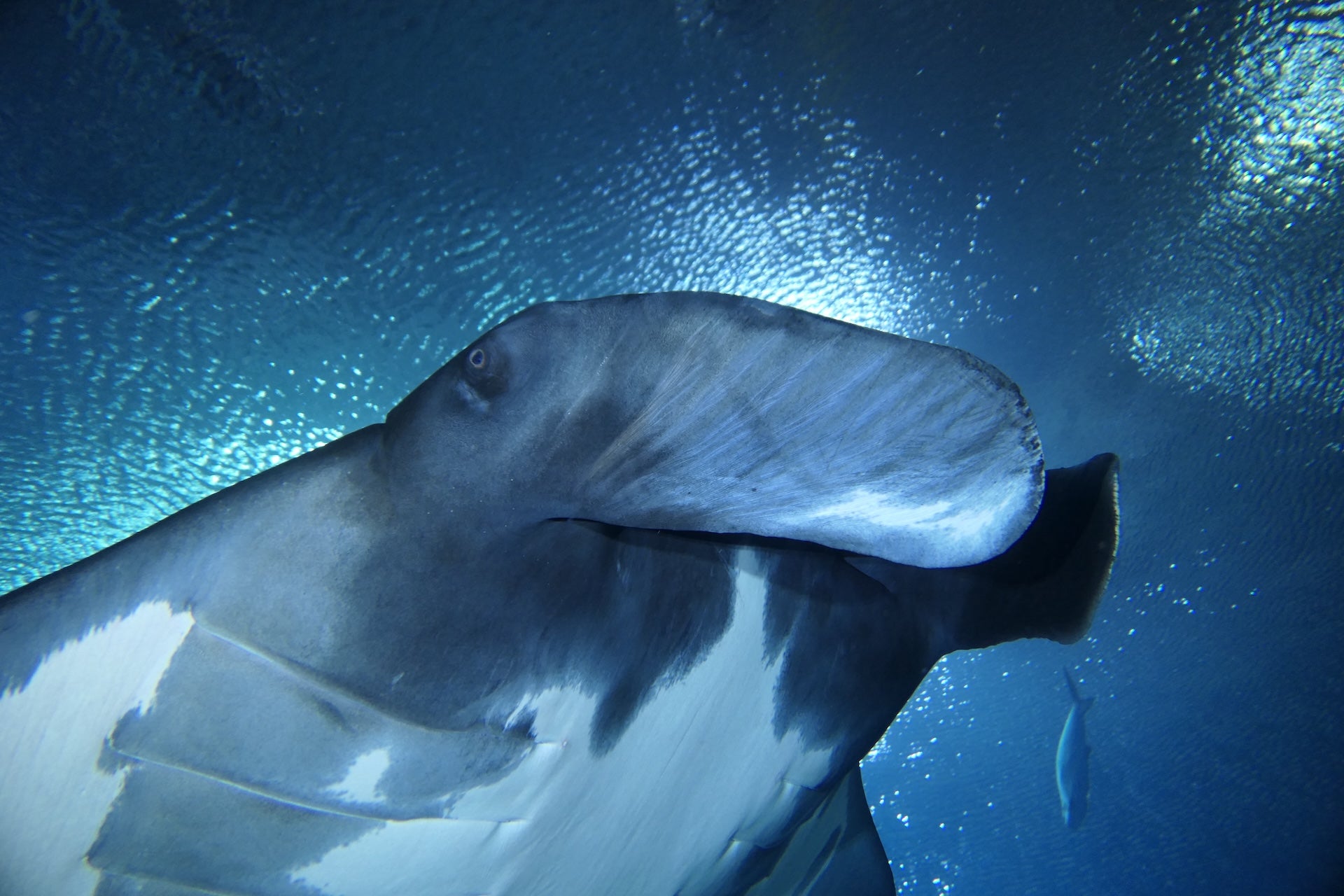
Animals After Dark 7Manta Rays

Manta rays are filter feeders and are most active at night when they feed. Some say the best time to see manta rays up close in the ocean is at night when they come together in large numbers to feed. 
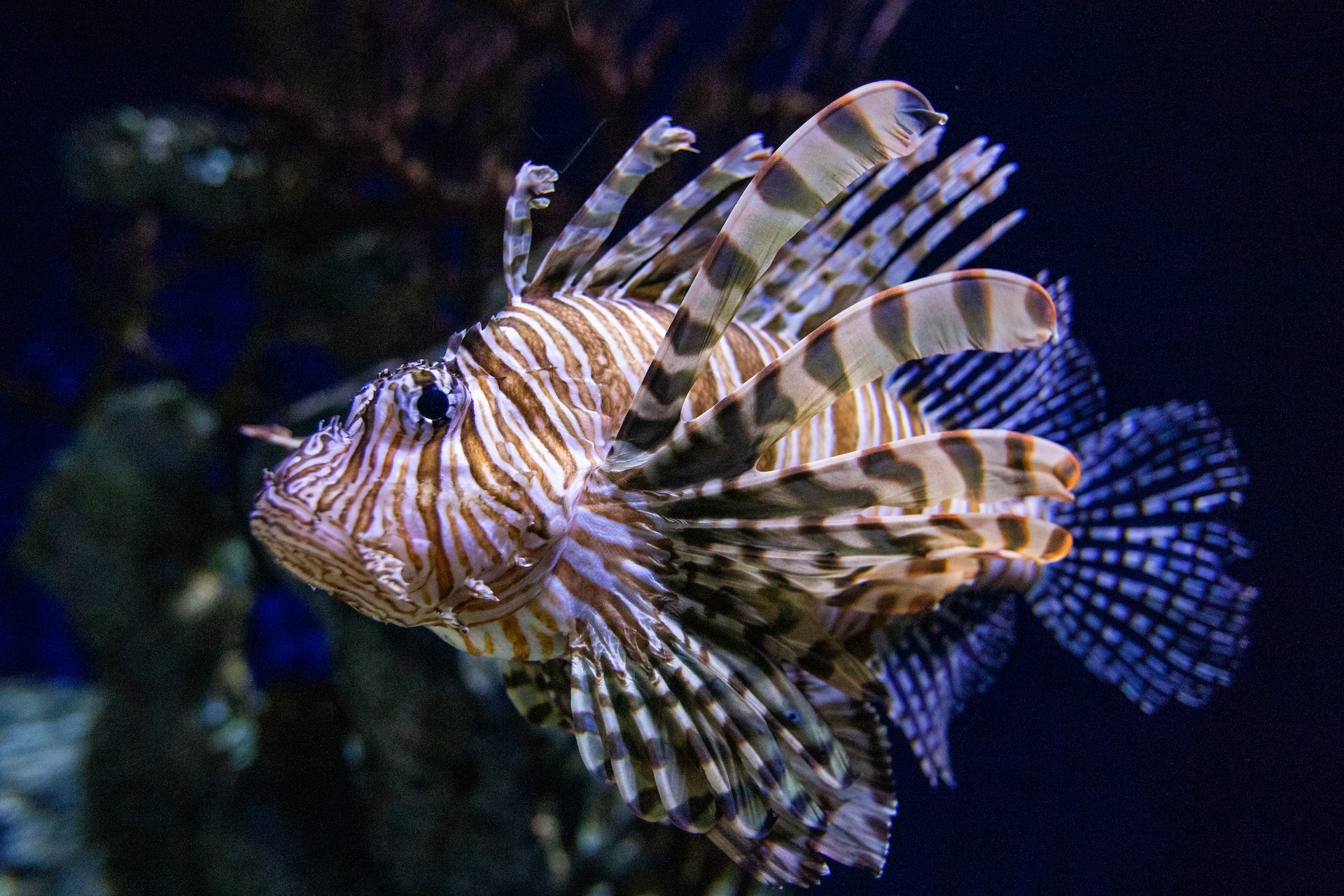
Animals After Dark 4Red Lion Fish

This species is a solitary, nocturnal hunter that stalks its prey and corners it using outstretched and expanded pectoral fins.
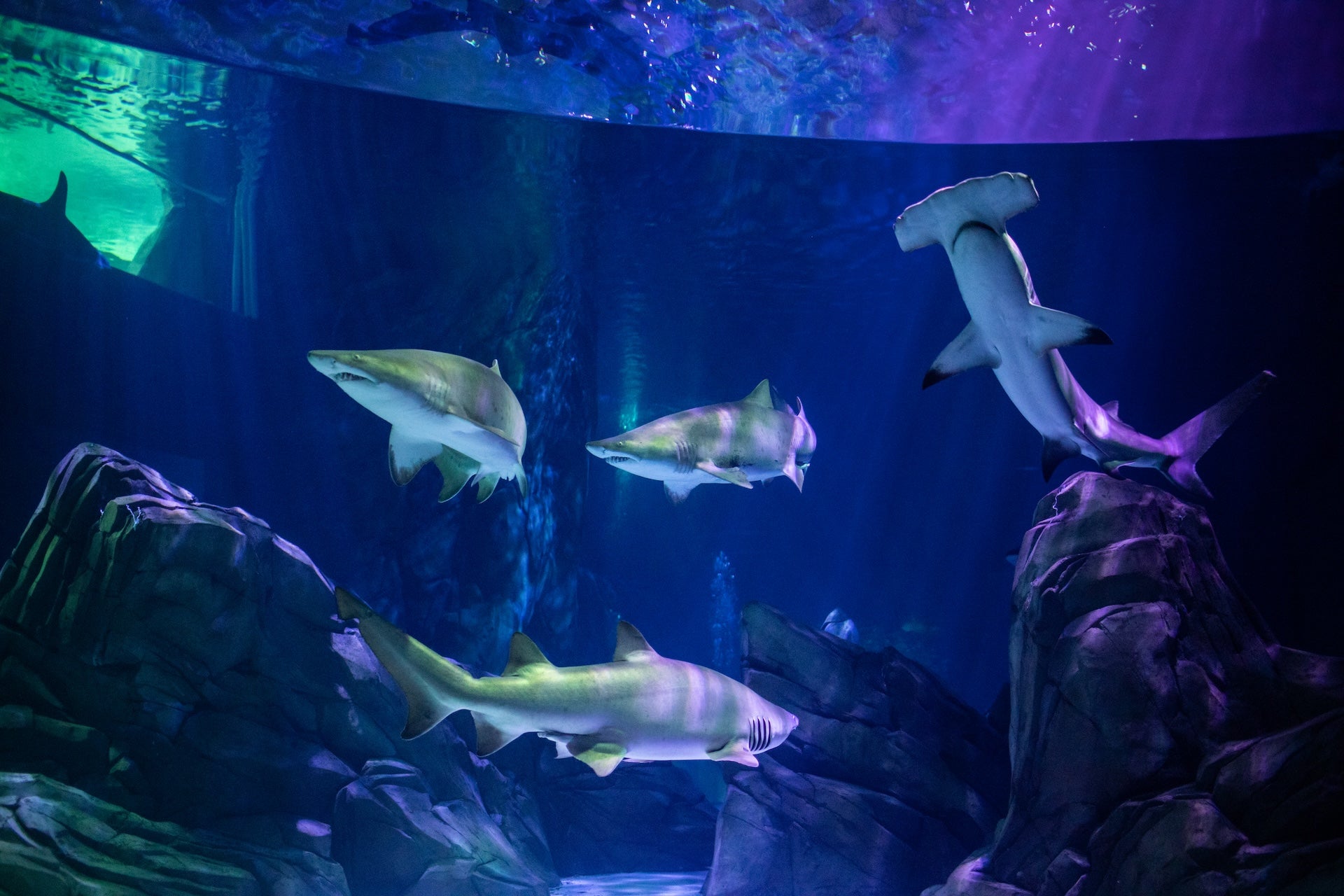
Animals After Dark 3Sharks

Many sharks are active and feed during low light hours (dawn or dusk) and at night.
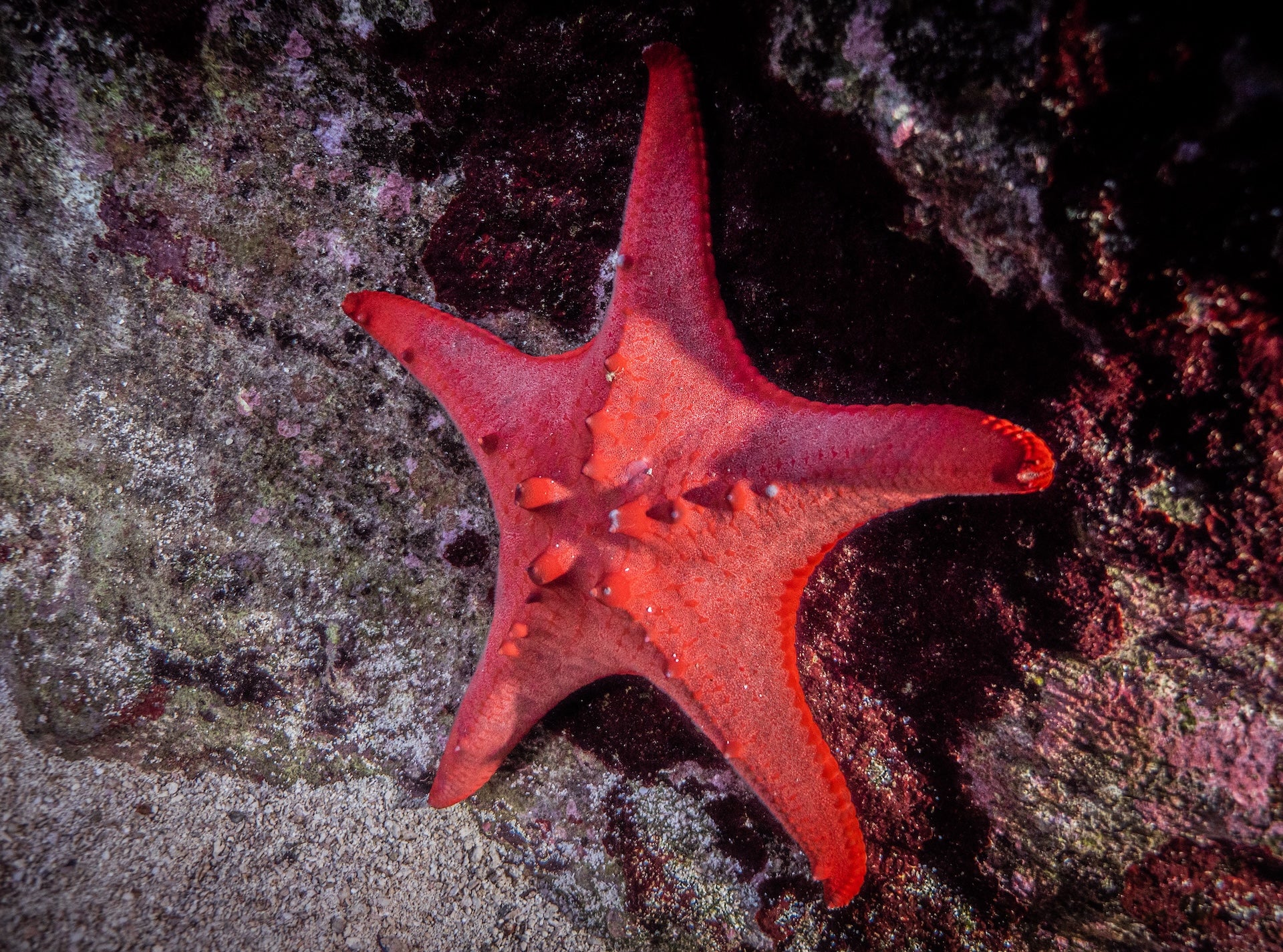
Animals After Dark 6Starfish

Some species of starfish are nocturnal and become more active at night. Recent research published in the journal Proceedings of the Royal Society B highlighted that starfish have eyes and can even see in the dark. 


Georgia Aquarium is home to all of these unique and spectacular species and many more! It’s the perfect opportunity to explore the ocean’s depths without the usual daytime bustle. Take advantage of this unique, serene adventure and make your summer nights unforgettable!