
Georgia Aquarium’s Commitment to Manatee Research & Conservation

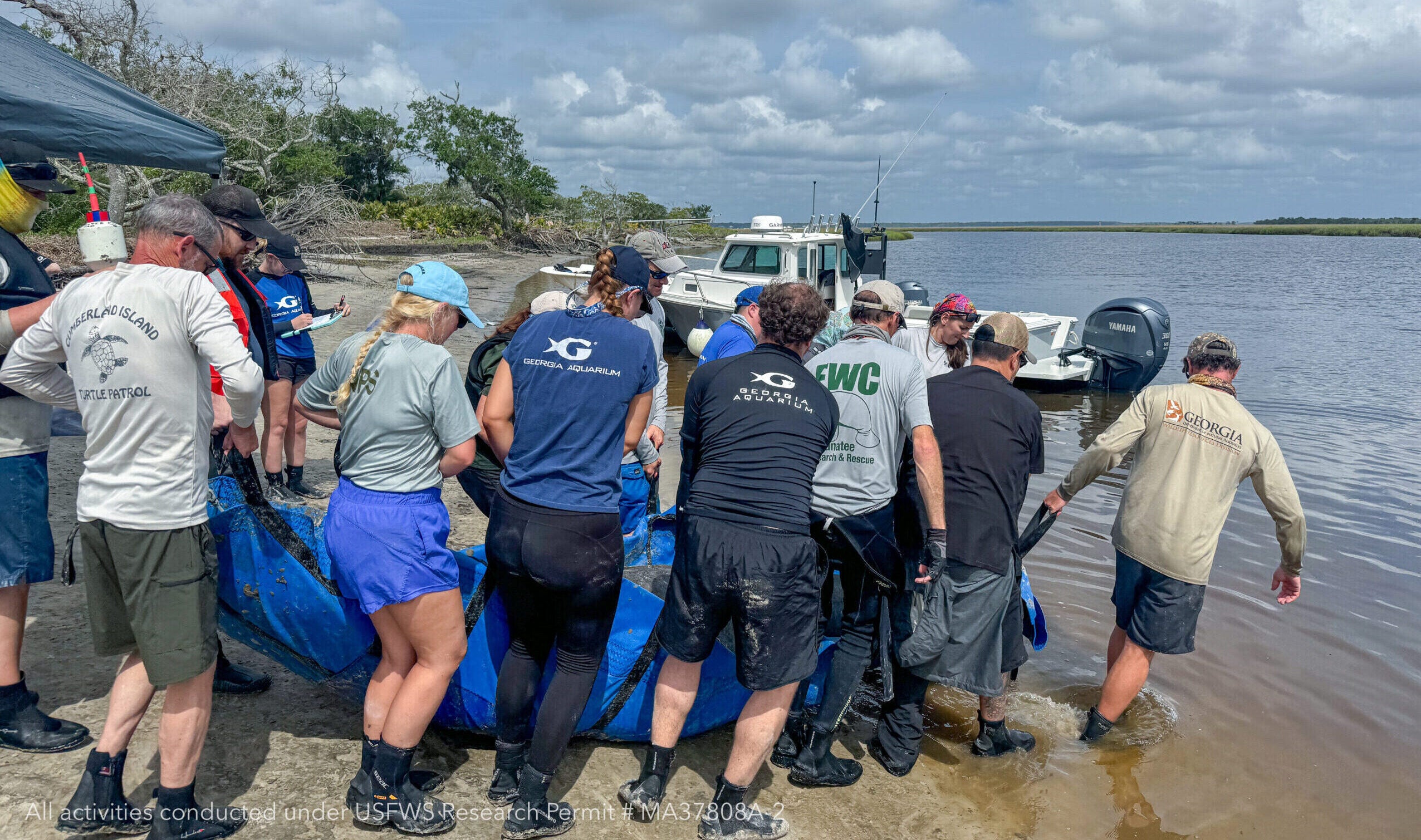
At Georgia Aquarium, we are dedicated to the conservation of marine life. Our ongoing research and conservation efforts for manatees are a testament to this commitment. Manatees are gentle giants of the water, but they face serious health stressors such as boat strikes and cold stress. To ensure their survival and better understand their needs, Georgia Aquarium and other Manatee Rescue & Rehabilitation partners participate in annual research trips, assessing the health and habitat usage of manatee populations off the coast of Georgia.

Annual Health Assessments
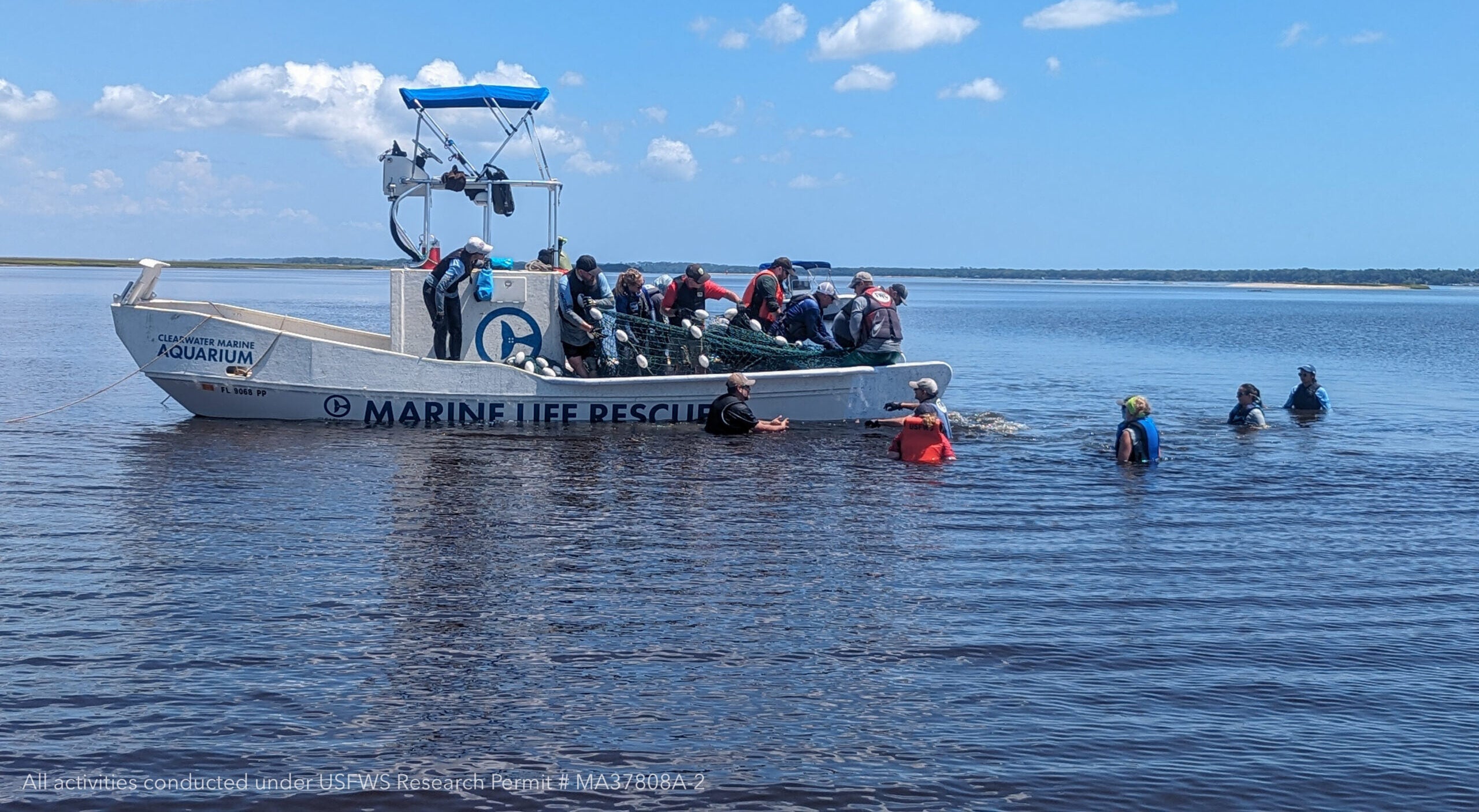
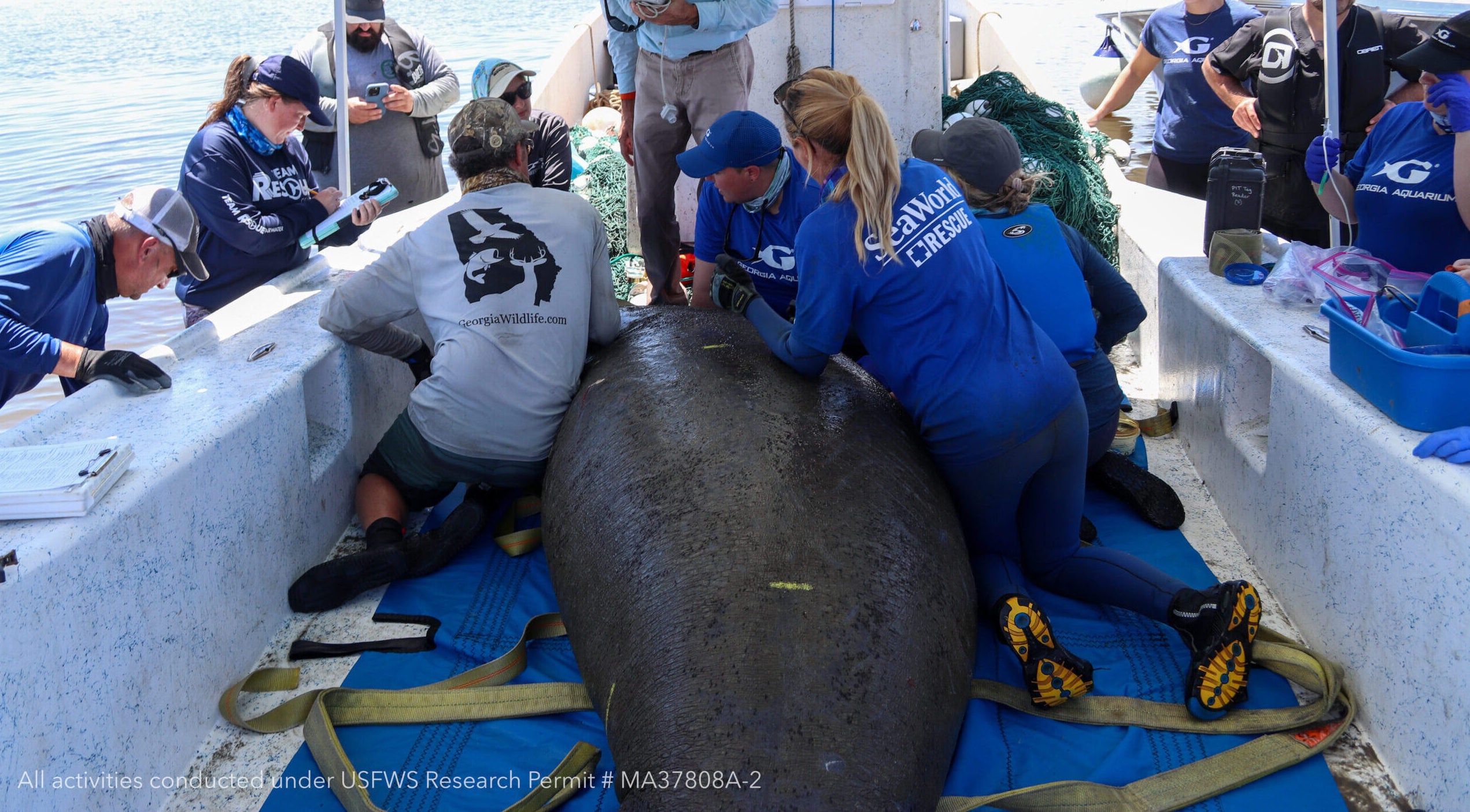
Since 2015, our team, along with the Manatee Rescue & Rehabilitation Partners, Georgia Department of Natural Resources, U.S. Fish and Wildlife, Clearwater Marine Aquarium Research Institute, and many other institutions, have collaborated to carry out health assessments on manatees near Cumberland Island and Savannah. These health assessments involve thorough physical examinations and measuring physiological parameters such as temperature, respiration, average heart rate, and backfat thickness using ultrasound. 

Biological samples, including blood, feces, urine, and microbiome swabs, are also collected. These samples provide insights into the manatees’ current health status, helping us identify potential health issues and monitor their overall well-being. Animals are also tagged with tracking devices if they do not already have one.

The Purpose of Our Research
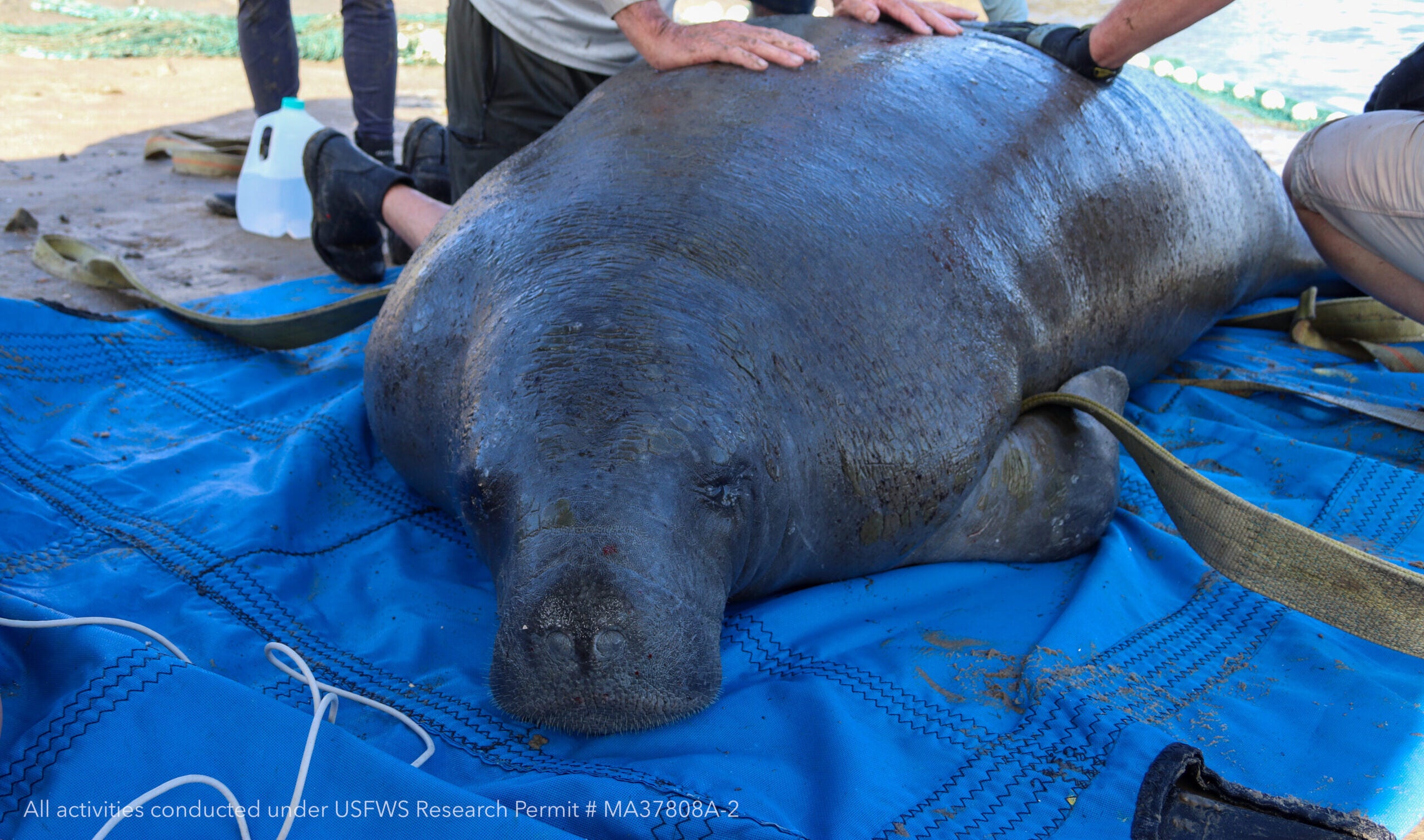
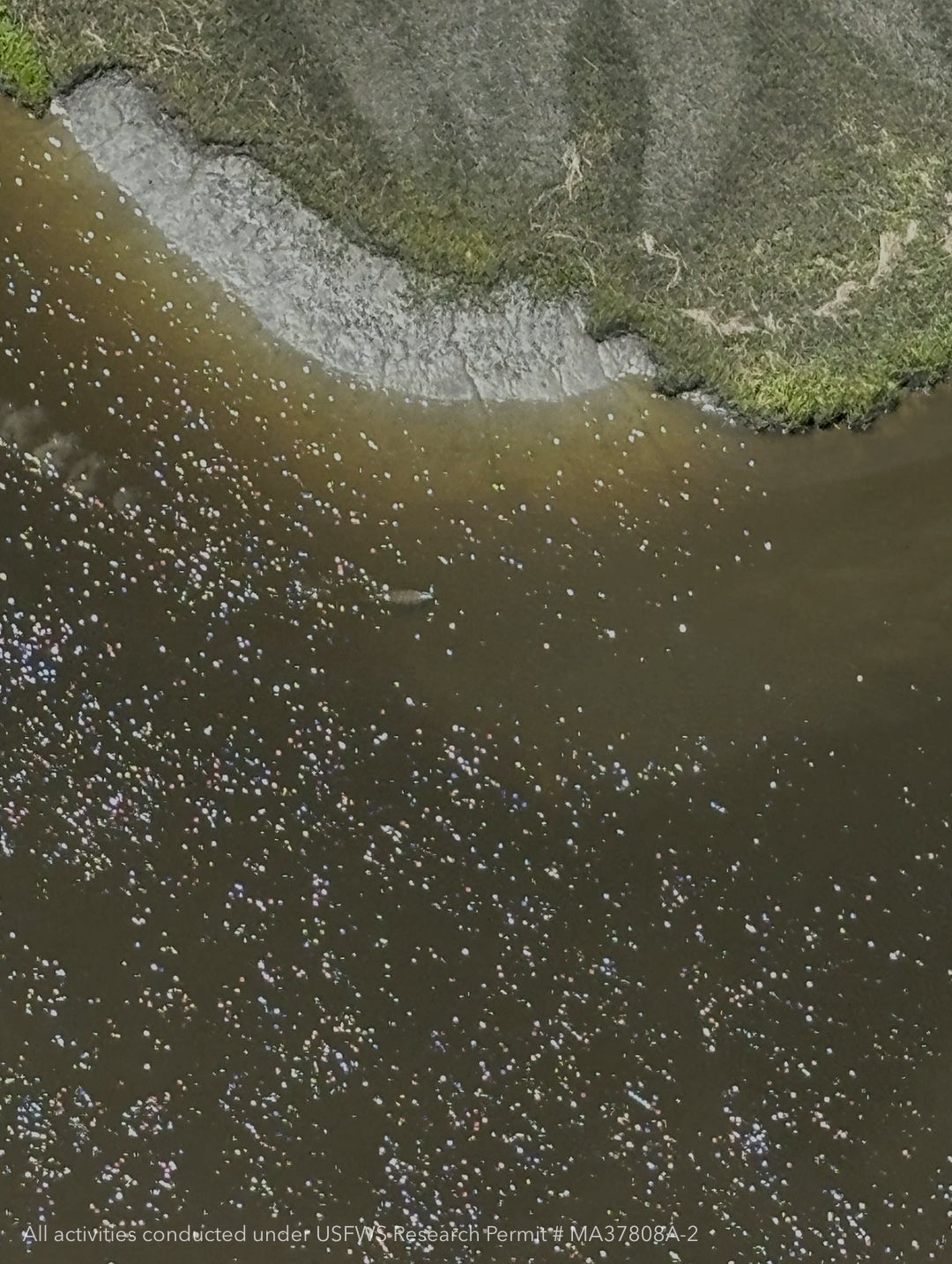
Our primary goal is to assess the current health of manatees and better understand their habitat usage. Our teams can gather valuable data on their movements and health status by examining animals tagged on previous trips. This information is crucial, especially considering the current unusual mortality event (UME) affecting manatees. Understanding the factors contributing to these mortalities helps guide our future conservation efforts.

Key Findings and Their Significance
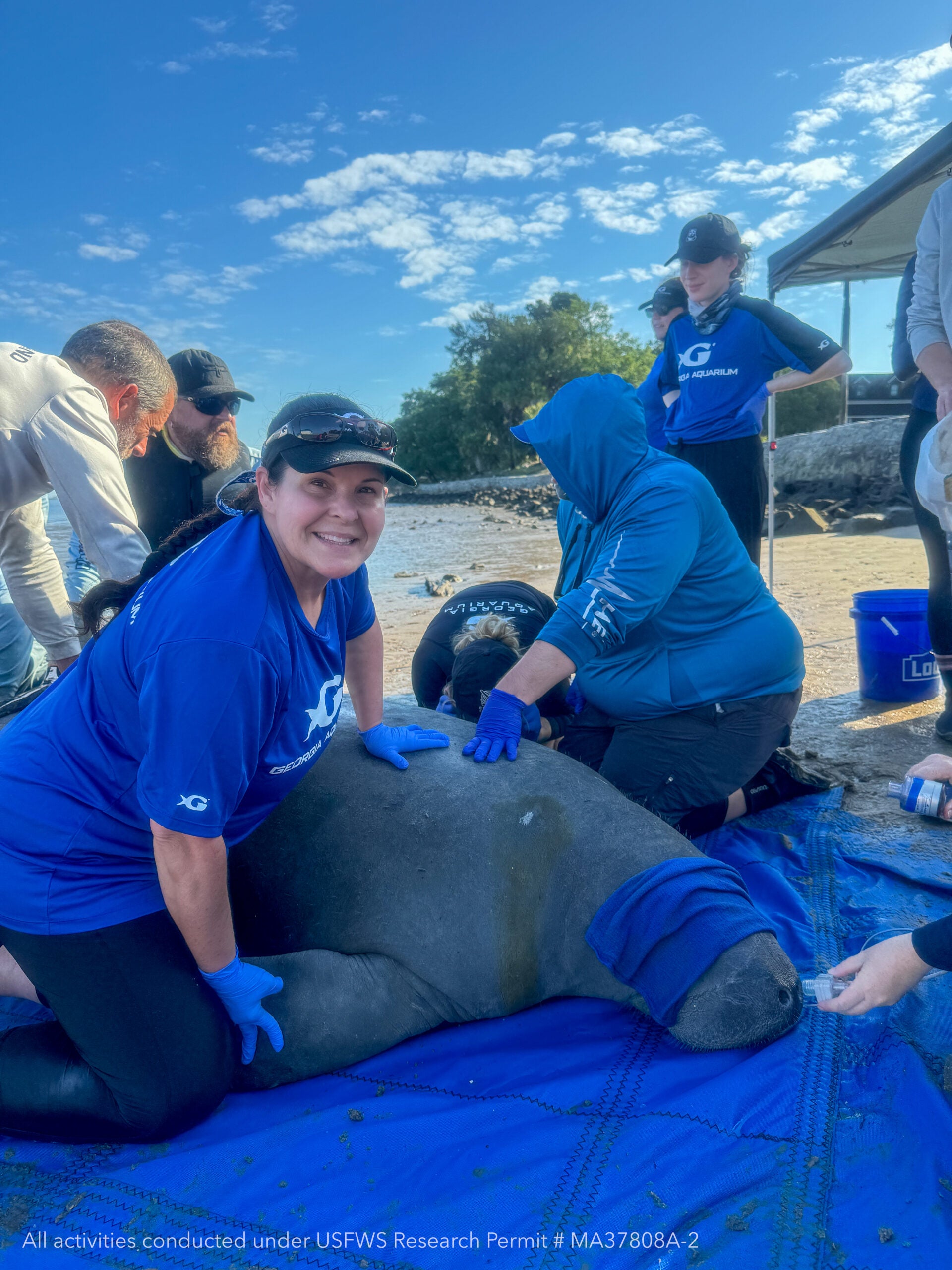
During our most recent assessments, we examined ten manatees, eight of which were first-time captures, while two were recaptures. Recapturing previously tagged manatees is particularly valuable, as it allows us to track their progress and confirm their survival and thriving status since their last assessment. This longitudinal data is instrumental in understanding manatee health trends and the effectiveness of our conservation strategies.

The data collected from tagged animals also offers a glimpse into their habitat usage. Tracking these movements helps us compare the health of manatees in different regions and environmental conditions, providing a comprehensive picture of their well-being.

Participation in the Manatee Rescue & Rehabilitation Partnership (MRP)
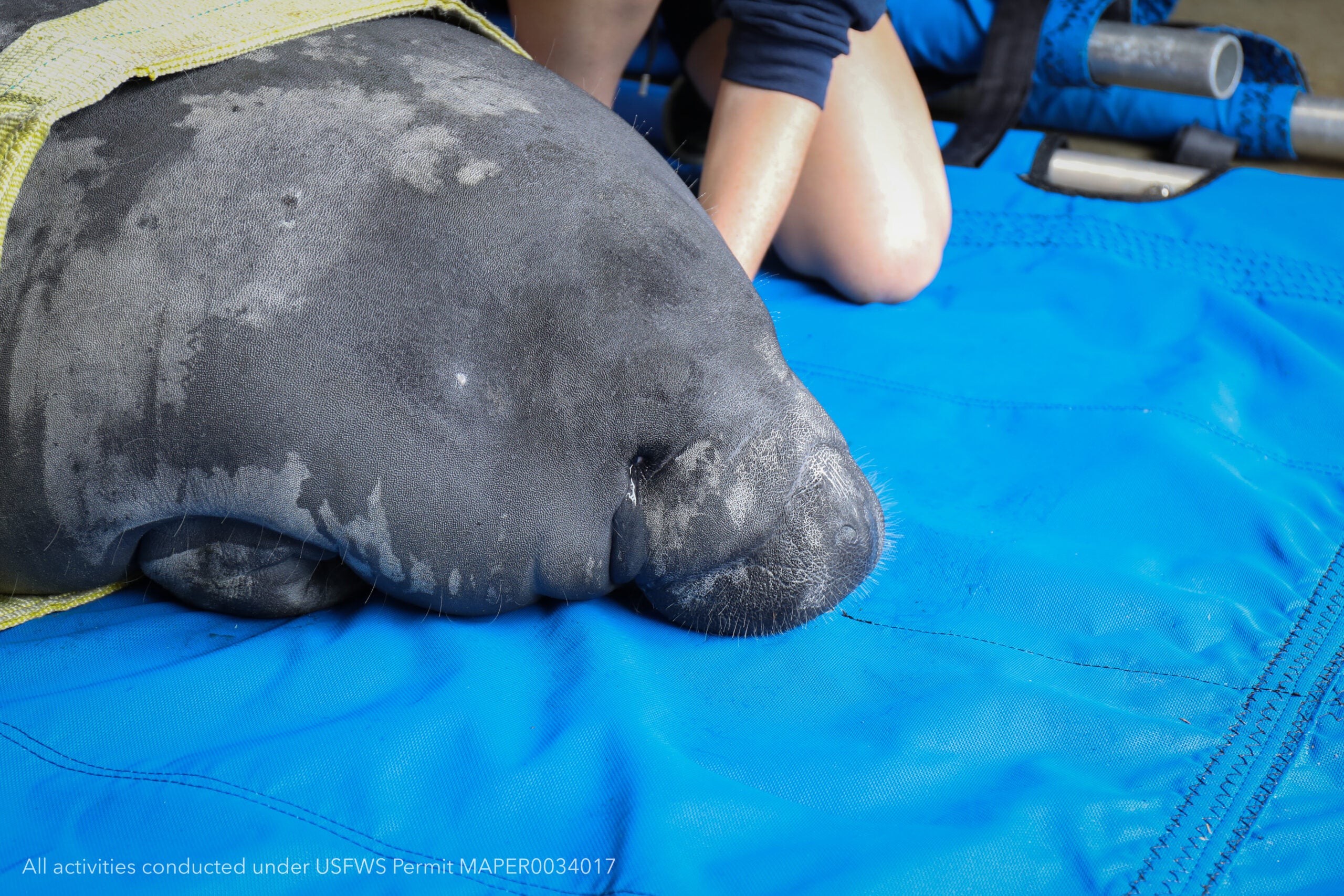
In addition to our research efforts, Georgia Aquarium plays a vital role in the Manatee Rescue & Rehabilitation Partnership (MRP) as a holding facility for injured or abandoned manatees. This partnership is crucial for rehabilitating and eventually releasing manatees back into the ocean.
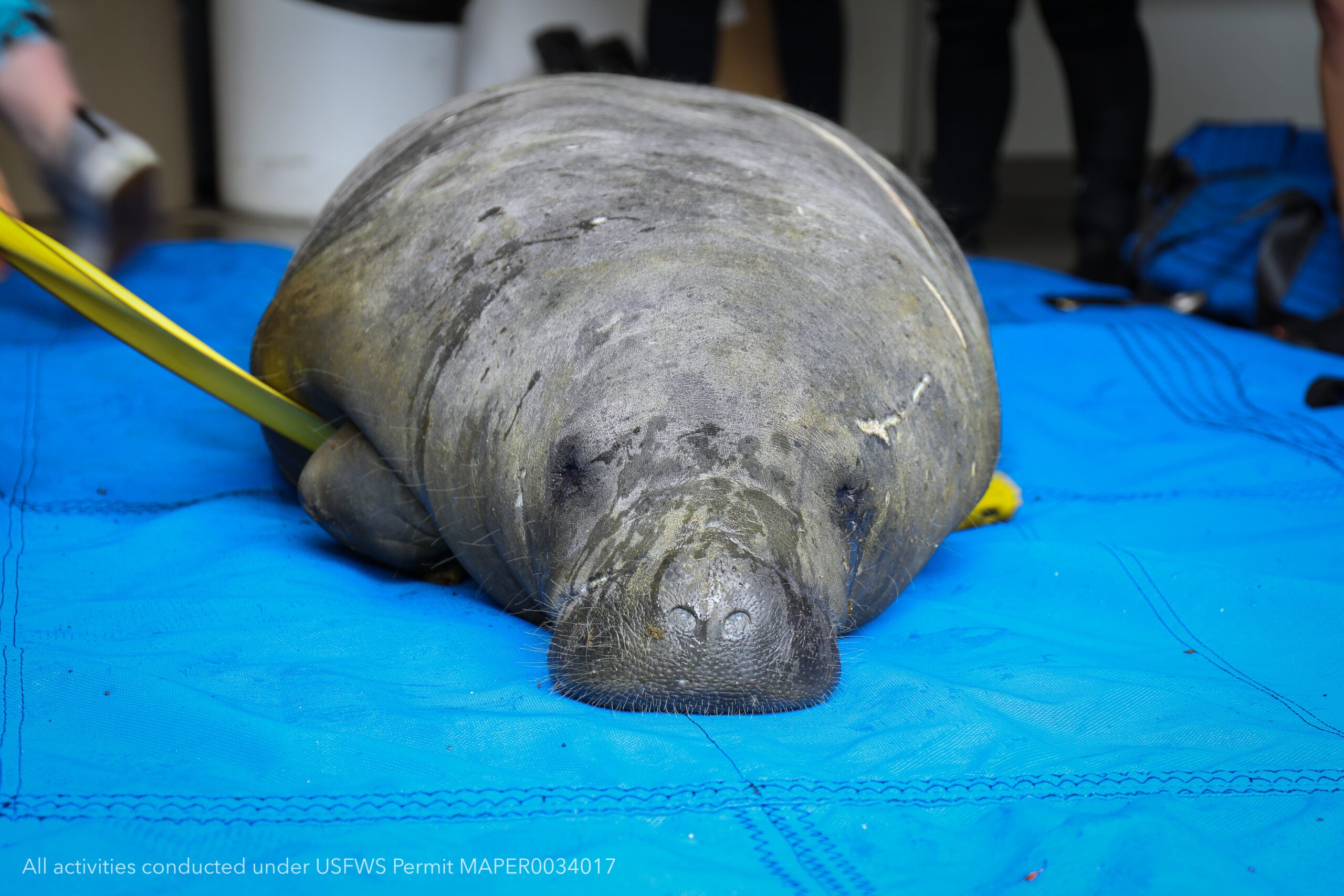
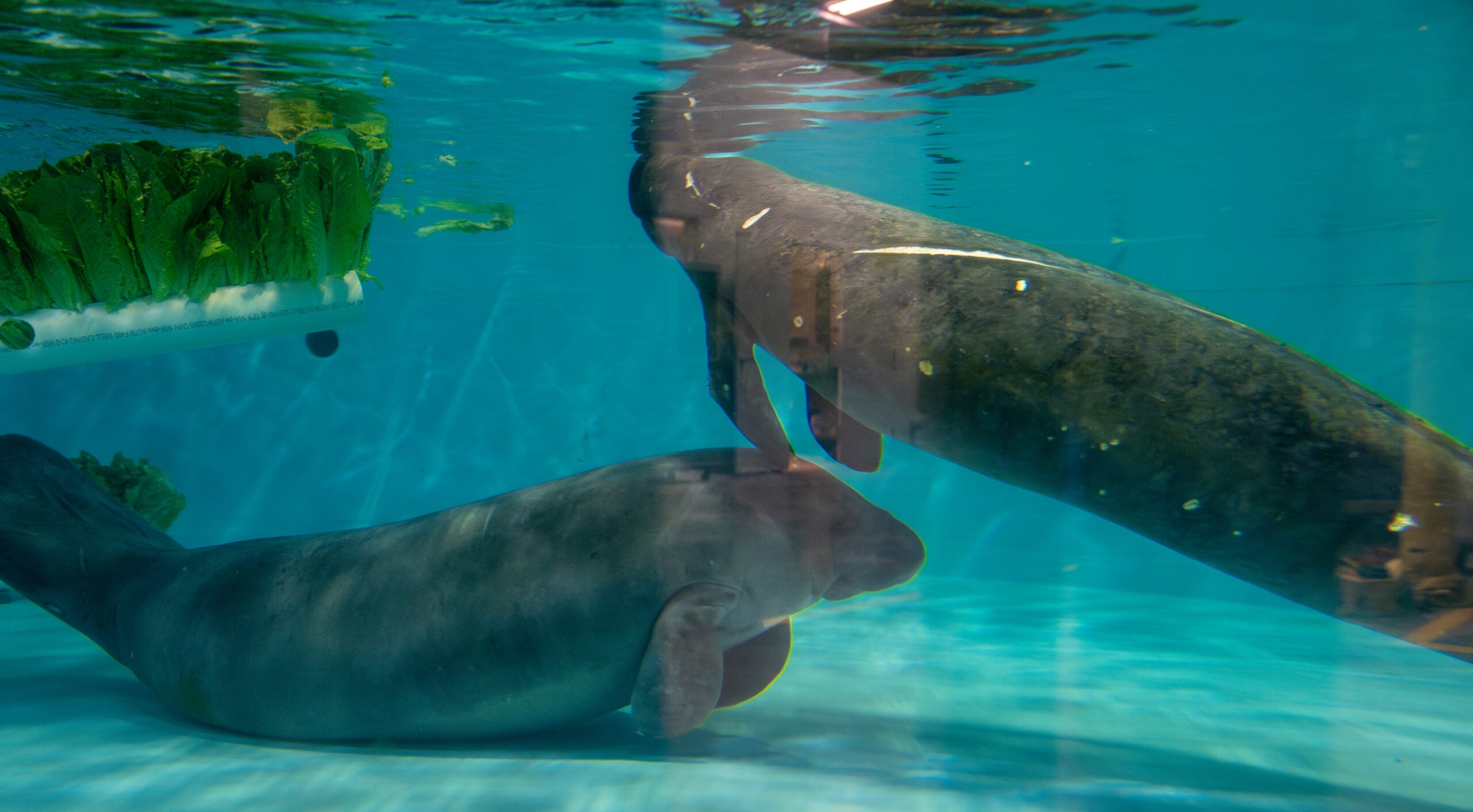
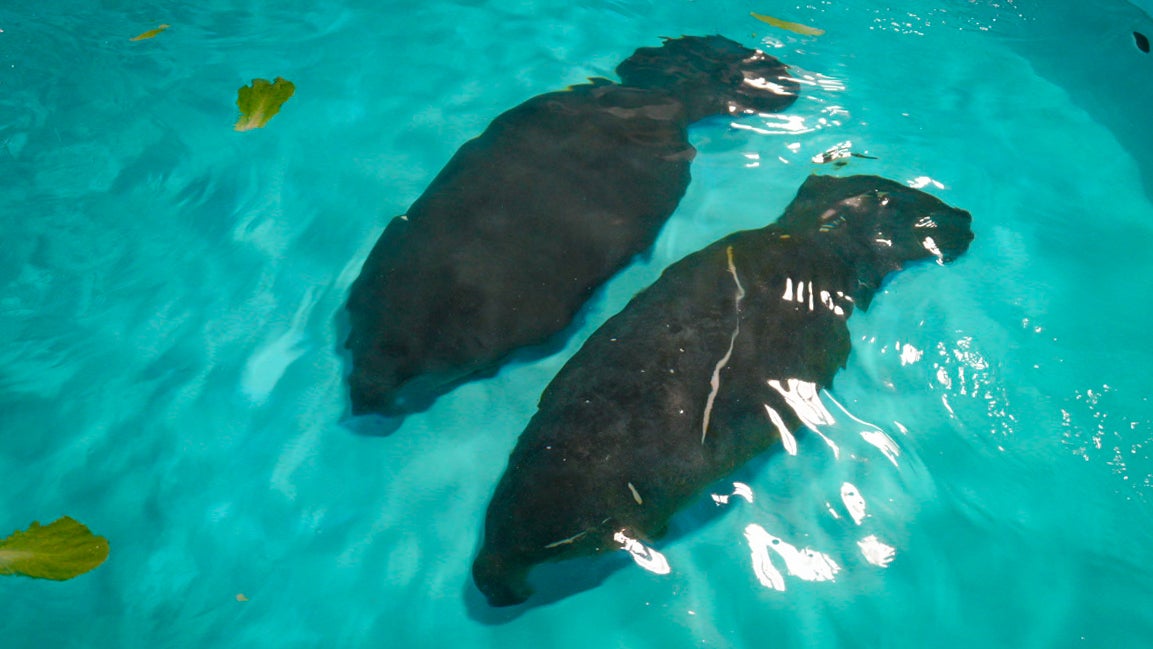
Recently, we welcomed two new manatee calves, TayTay and Cider, to our offsite facility. Both animals came to us after being found abandoned and suffering from cold stress. TayTay also needed treatment for a boat strike injury. They are both currently doing well in our care. Both manatees will be in our care until next year, when they become eligible for release after they gain the necessary weight.

Our primary contribution to the MRP involves providing holding space for manatees that need time to gain weight, allowing other facilities to focus on more critical cases. We also support the partnership by providing staff to assist with transports, rescues, and releases. This collaborative effort ensures that manatees receive the best possible care and have the highest chance of successful rehabilitation and reintegration into their natural habitat.

The Road Ahead for Manatee Conservation
Our ongoing research efforts are vital in addressing the challenges faced by manatees. By continually monitoring their health and habitat usage, we can adapt our conservation strategies to better protect these vulnerable animals. The collaboration of multiple institutions and the dedication of volunteers play a crucial role in the success of these efforts.

As we continue our work, we remain committed to ensuring the conservation of manatees in Georgia’s coastal waters. Through comprehensive health assessments and detailed habitat analysis, we are building a foundation for informed conservation decisions that will benefit manatees for generations to come.

Stay tuned for more updates on our manatee research and conservation efforts by subscribing to our newsletter

Join us in our efforts to protect this unique species by becoming an Aquarium member today.
Silent Auction Donors

AMB Sports + Entertainment
The American Hotel
Andretti Indoor Karting & Games
ASW Distillery
Atlanta Ballet
Atlanta Falcons
Atlanta History Center
Atlanta Symphony Orchestra
Atlanta United FC
Barking Hound Village
Benihana
Bulldog Tours
Chattanooga Zoo
Chick-fil-A Peach Bowl
College Football Hall of Fame
Creative Discovery Museum
Dad’s Garage
Dancing Goats by Kaldi’s Coffee
Fernbank Museum of Natural History
The Fox Theatre
Great Wolf Lodge
High Museum of Art
Hotel Clermont
Jacksonville Zoo and Gardens
Steve Koonin – Atlanta Hawks & State Farm Arena
Mae’s Bakery
Marlow’s Tavern
Michael C. Carlos Museum
Nashville Zoo
Omni Atlanta Hotel at Centennial Park
Orlando Science Center
Photovation Elite
Reynolds Lake Oconee
Sand Cloud
South Carolina Aquarium
Speedway Children’s Charities
SweetWater Brewing Company
Tellus Science Museum
Total Wine & More
Varuni Napoli
Yonder Yoga

Explorers Cove: Georgia Aquarium’s New Coastal Biome Exhibit!

Welcome, explorers! Prepare to embark on an unforgettable eco-tour in Georgia Aquarium’s newest exhibit: Explorers Cove. Opening this summer, Explorers Cove will transport you through three vibrant coastal biomes – the estuary, salt marsh, and coastal ocean – all connected by an artisanal floor pattern and an immersive interpretive storyline. Each biome has its own unique color scheme and educational content, creating a journey that’s as visually stunning as it is informative.Explorer's Cove: Georgia Aquarium's New Coastal Biome Exhibit!

Explore the Estuary

Estuaries are where rivers meet the sea, creating a unique environment brimming with life. Here, you’ll find a fascinating sturgeon fish touch pool, where you can gently interact with these ancient creatures. Snap a selfie with these prehistoric wonders and create memories that will last a lifetime.

Escape to the Saltmarsh

This saltmarsh biome features an exciting water play area perfect for kids (and kids at heart!). Watch as motion-responsive projection animals come to life and react to your movements, making every step an interactive adventure. The space is a haven for fun and discovery, inviting you to engage with nature.

Dive into the Coastal Ocean

Here, you’ll find a touch pool teeming with graceful cownose rays. Offering a hands-on experience that brings you face-to-fin with these captivating creatures. And don’t miss the innovative ‘paint-a-fish’ virtual reef projection, where your artistic creations come to life on a digital reef. Showcasing the beauty and diversity of ocean life in a truly unique way.

The journey through Explorers Cove is more than just a series of exhibits; it’s an adventure – telling the story of these interconnected coastal environments. Engaging and hands-on experiences ensure visitors of all ages will leave with a deeper understanding and appreciation of our planet’s aquatic ecosystems.

So, mark your calendars and get ready to dive into adventure at Explorers Cove! Whether you’re a budding marine biologist, a curious explorer, or just looking for a fun day out with the family, this new exhibit at Georgia Aquarium promises an unforgettable journey through some of Earth’s most fascinating and vital ecosystems. See you there!

Please see the links below for assets of our new Explorers Cove:
Photos
Broll

Operation Beluga: Rescuing Whales from Ukraine

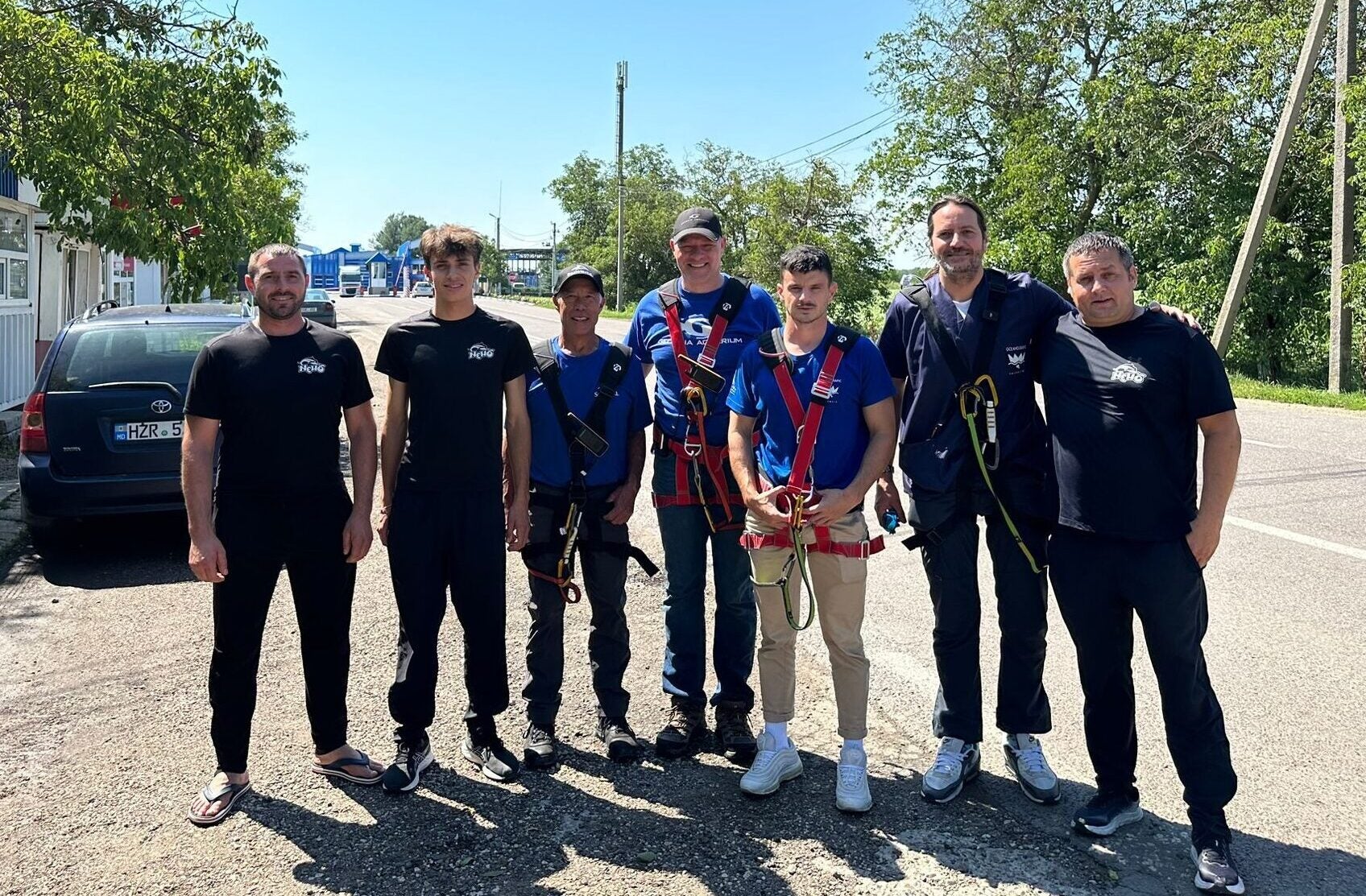
On June 17 &18, 2024, marine mammal specialists from Georgia Aquarium, Oceanogràfic de Valencia, and SeaWorld assisted the NEMO Dolphinarium in rescuing two beluga whales from the war-torn region of Kharkiv, Ukraine. Dennis Christen, senior director of animal wellbeing and behavior at Georgia Aquarium, recounts the details of this momentous event below:

Introduction

Recently, a team of experts, including myself, had the unique opportunity to assist in transporting two beluga whales, Plombir and Miranda. Moving beluga whales across international borders is no small feat. It requires precise planning, extensive coordination, and unwavering dedication from a team of professionals. Here’s a detailed account of this extraordinary mission.

Preparing for the Move

The preparation phase for this transport was a mammoth task involving numerous stakeholders and extensive communication. I worked closely with Daniel Garcia, Robert Gojceta, Keith Yip, and several others to ensure every detail was meticulously planned. Our communication spanned countless emails, Zoom calls, and WhatsApp messages.

One of the primary challenges we faced was setting up contact with a logistics company in Moldova to assist with importing transport gear from Spain and supporting our team on the ground. We coordinated meetings with customs agents and airport authorities in Moldova to streamline the process. Using transport plans and equipment lists from our beluga transports at Georgia Aquarium, we ensured all necessary supplies, including ice and potable water, were ready for the journey. This preparation phase was crucial in laying the foundation for a successful move.

Moving Day

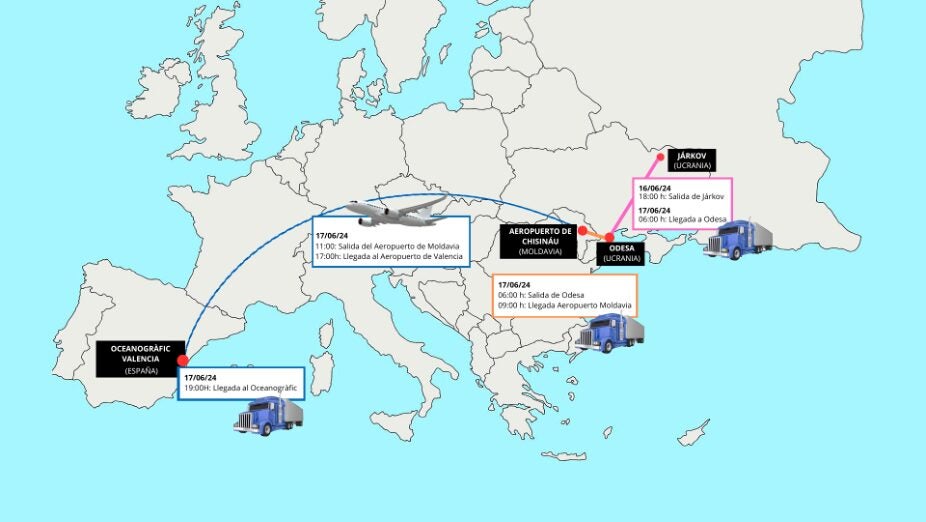
Move day was a whirlwind of activity and emotions. It began on Monday with a series of critical meetings at Chisinau airport to align all stakeholders on the transport logistics. The day’s agenda was scheduled down to the hour, including the final setup of transport crates and coordinating a police escort for the transport truck from Kharkiv. 

Our colleague, Olga Shpak, was vital in ensuring timely communications and on-ground updates. Her efforts were invaluable, especially given the communication delays we faced. The transport left Kharkiv in the evening, and we received regular updates through the night as the convoy made its way to Moldova.

Upon arrival at the Moldova-Ukraine border, we encountered several challenges, including unexpected delays at customs and passport control. At the airport, we faced further complications. The plane was parked far from the loading zone, and we had to navigate multiple customs and security checks. Despite these setbacks, our team persevered, successfully loading the belugas onto the cargo plane. 

Meeting the Ukrainian Team

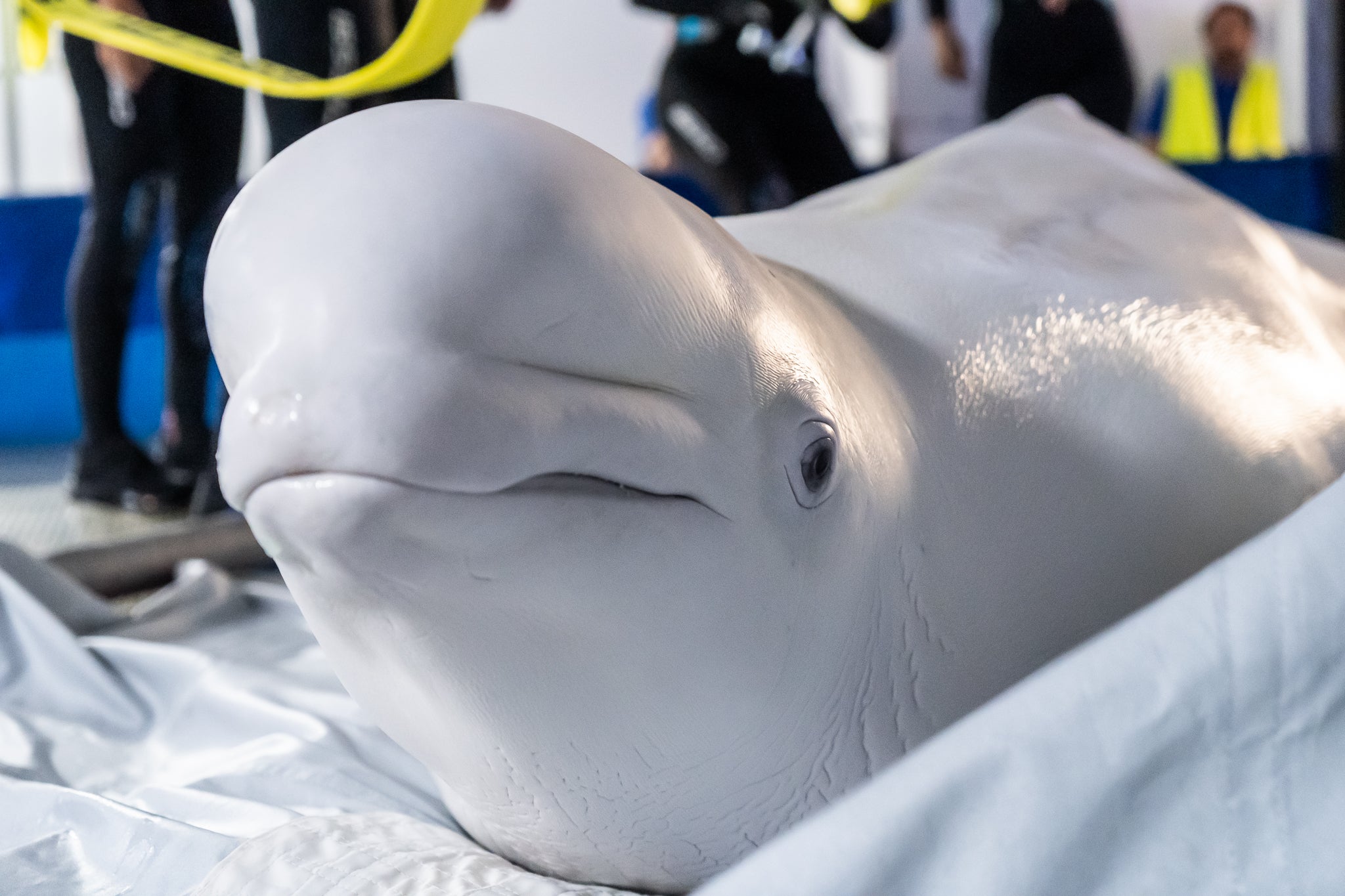
Seeing the animals and meeting the Ukrainian team for the first time was an emotional moment. The Ukrainian veterinary attendants were visibly emotional, reflecting the toll the journey had taken. Despite the language barrier, we communicated our gratitude and ensured they felt supported. The belugas were remarkably calm, a testament to their resilience and the care they received throughout the journey.

The physical demands of the move were immense. The long duration of the transport, coupled with the stress of navigating logistical challenges, tested our endurance. The loading process at the airport was particularly strenuous, involving a lot of physical activity in high-stress conditions. Despite the exhaustion, our team maintained a calm and collected demeanor, ensuring the safety and wellbeing of the belugas.

Arrival at Oceanografic

Throughout the move, both belugas remained surprisingly calm. I accompanied Plombir and Miranda at various stages, and their behavior was a reassuring indicator of their wellbeing. The flight to Valencia was smooth, and the low-frequency vibrations of the plane seemed to have a calming effect on the whales.

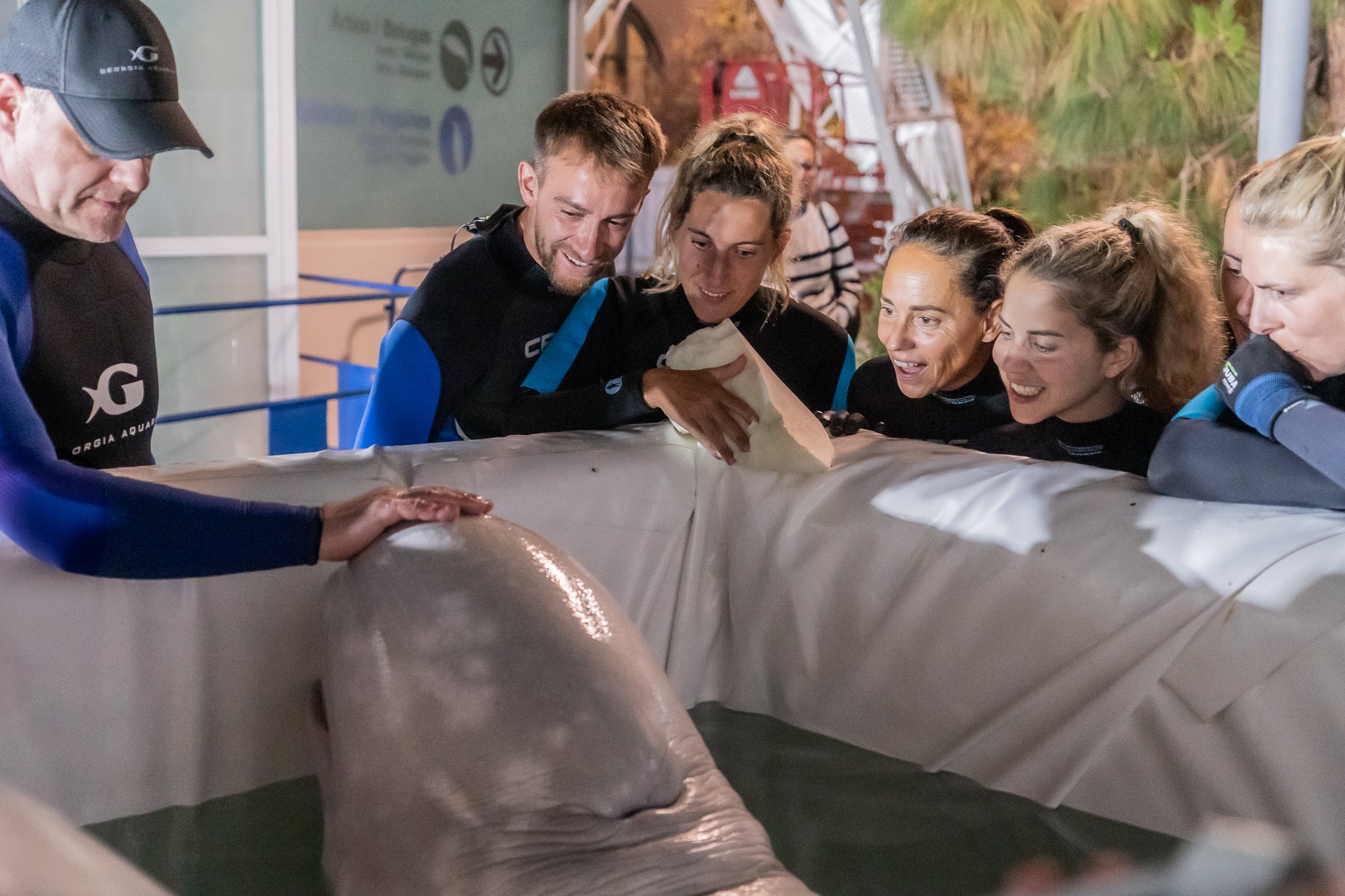
Arriving at Oceanografic in Valencia was a triumphant moment. The warm welcome from the staff and the successful transfer of Plombir and Miranda to their new home marked the culmination of our efforts. The Oceanografic team’s expertise and enthusiasm were evident as they seamlessly took over the care of the belugas.

Media Frenzy and the Importance of this Story

The media attention surrounding this story highlights the broader significance of our mission. It underscores the resilience of the Ukrainian animal caretakers and the vital role of zoos and aquariums in animal rescue and conservation. Sharing this story brings awareness to the challenges faced by both humans and animals in conflict zones and the incredible efforts made to protect and care for them.

Plombir and Miranda’s journey also emphasizes the importance of international cooperation in animal welfare. It demonstrates how various organizations and individuals can come together to overcome significant challenges and achieve a common goal. This mission has captivated the public’s imagination, offering a glimpse into the often unseen world of animal rescue and the dedication of those involved.

Conclusion: Collaboration is Borderless

This mission was not just about transporting belugas; it was a testament to the power of collaboration. Working alongside dedicated professionals like Keith, Daniel, and Robert was a rewarding experience. Daniel’s leadership and Robert’s extensive knowledge were particularly impressive, and the camaraderie we developed during this mission will undoubtedly lead to lifelong friendships.

The successful transport of Plombir and Miranda was a monumental achievement, made possible by the dedication and collaboration of a diverse team of professionals. This mission highlighted the logistical complexities of moving beluga whales across borders and underscored the deep compassion and resilience of all those involved. The collaboration between Oceanogràfic de Valencia, SeaWorld, NEMO Dolphinarium, Shedd Aquarium, and the Association of Zoos and Aquariums was instrumental in the meticulous planning and successful execution of this transport. It was an honor to be part of this incredible journey. I look forward to the continued care and wellbeing of Plombir and Miranda in their new home. 


For the official press release, click here.

Two beluga whales rescued from Ukrainian aquarium evacuated to Spain

Oceanografic de Valencia, Georgia Aquarium and SeaWorld collaborate with Ukraine’s NEMO Dolphinarium on heroic evacuation from Kharkiv.

Marine mammal care specialists from Oceanogràfic de Valencia, Georgia Aquarium and SeaWorld assisted the NEMO Dolphinarium in Ukraine on June 17-18 with a heroic rescue of two beluga whales from the war-ravaged region of Kharkiv. The city is facing increasing threat from artillery fire, which has intensified in recent weeks, with bombs dropping within a few hundred meters of the aquarium.

Two beluga whales rescued from Ukrainian aquarium evacuated to Spain 3The high-risk, complex rescue operation presented numerous challenges and required multi-national collaboration. The belugas, a 15-year-old male named Plombir and a 14-year-old female named Miranda, arrived in Valencia in delicate health on the evening of June 18, following a grueling journey across the war zone. Their evacuation included a dangerous 12-hour drive from Kharkiv to Odesa. From there the Ukrainian caregivers met the international team from Oceanogràfic, Georgia Aquarium and SeaWorld who quickly conducted health checks and continued onward to Moldova border where the European Anti-Fraud Office, part of the European Commission, served a crucial role in speeding up the border crossing. A six-seater chartered plane awaited the rescue team in Chisinau to fly onward to Valencia where the General Director of Natural and Animal Environment of Valencia, Raúl Mérida, met the rescue team at the Valencia airport.

The president of the Valencia region Generalitat Valenciana, Carlos Mazón, said, “This courageous rescue constitutes a historic milestone worldwide in terms of animal protection. It is an honor that the Oceanogràfic has rescued these two belugas from the horror of the war in Ukraine. They have experienced a difficult situation in recent months, and the experts at Oceanogràfic will be working intensely to help them recover.”

Oceanogràfic Valencia is the largest aquarium in Europe and the only one on the continent that has belugas in its facilities. In addition, it is the closest marine conservation center to Ukraine and is accredited by the most rigorous international organizations in animal welfare.

“The war has caused food, energy and medicine shortages, reducing access to other basic necessities for animal care as well as technical supplies necessary for the logistics of such a sensitive rescue,” said Dr. Daniel Garcia-Párraga, director of zoological operations at Oceanografic.  “The belugas have a suboptimal body condition to undertake this type of trip, but if they had continued in Kharkiv, their chances of survival would have been very slim.”

Since the war began in 2022, the dolphinarium has been bravely evacuating animals, including seals, sea lions and dolphins, as quickly as it could, but moving belugas is an extremely complex logistical operation due to their size and specific needs. It required months of preparations and the participation of international experts.

“It is yet another example of how accredited aquariums and zoos respond when animals are in danger bringing the specialized expertise and trusted skills developed by caring for wildlife every day,” said Dan Ashe, President and CEO of the Association of Zoos and Aquariums (AZA).  “It’s not just what we do. It’s who we are. I applaud AZA members Oceanografic, Georgia Aquarium and SeaWorld, for convening the world’s most elite team of marine mammal experts to work with the Ukrainian aquarium on what is likely the most complex marine mammal rescue ever undertaken.”

Two beluga whales rescued from Ukrainian aquarium evacuated to Spain 4“The complexities of this evacuation were immense, and we have been working for weeks to prepare for it. I’m humbled to have been trusted to provide the belugas care and protection during their long journey to their new home. My heart is with the Ukrainian caregivers and the people of Kharkiv who had to say goodbye to Miranda and Plombir. It’s not an easy thing to do, but it was best for them. I’m proud to have played a role in helping them,” said Dennis Christen, senior director of animal wellbeing & behavior, Georgia Aquarium.

“The belugas’ health and safety was our top priority, and these were challenging conditions, including rough roads, rising temperatures and the inherent risks of being in an active war zone,” said Keith Yip, Animal Care Specialist, SeaWorld. “The Ukrainian caregivers were very brave, and the whole team involved did everything possible to provide the belugas comfort and safety during the evacuation to Valencia. I’m proud to have been able to share the specialized expertise needed to support the complex logistics for this collaborative rescue operation.”

The belugas are being provided with a specialized team of medical, nutritional and behavioral experts at Oceanografic to assist in recovery from the traumas they have endured. Two Ukrainian caregivers are staying with them for the first couple weeks to help with their transition and care.

“The belugas are being cared for in separate areas that are not accessible or viewable by the public while they undergo recovery and acclimation,” said Garcia. “We will be providing updates on their health and well-being as things evolve. We are extremely grateful to everyone who assisted in this rescue.”


VISUALS:  https://drive.google.com/drive/folders/1nv9_96tHfB9Kj1FqenmOxQftrno-GFxX?usp=drive_link


To learn more about Oceanografic, click here.

Two beluga whales rescued from Ukrainian aquarium evacuated to Spain

MEDIA CONTACTS:

Oceanografic: Jose Serra, jserra@oceanografic.org

Georgia Aquarium: Jessica Wood,  jwood@georgiaaquarium.org

SeaWorld: Nicole Bott, nicole.bott@unitedparks.com