
Things to Do Around Atlanta This Fall

Fall has arrived in Atlanta, and there are plenty of things to do with the whole family this season! At Georgia Aquarium’s Haunted Seas, families can dive into Halloween fun with spooky décor, themed animal presentations, and special treats. But the Aquarium isn’t the only place to get into the spirit — the city and surrounding areas are full of ways to celebrate, from family-friendly outings to spooky strolls and colorful cultural traditions. Here are some of the top things to do in and around Atlanta this fall:

🍂 Family-Friendly Events

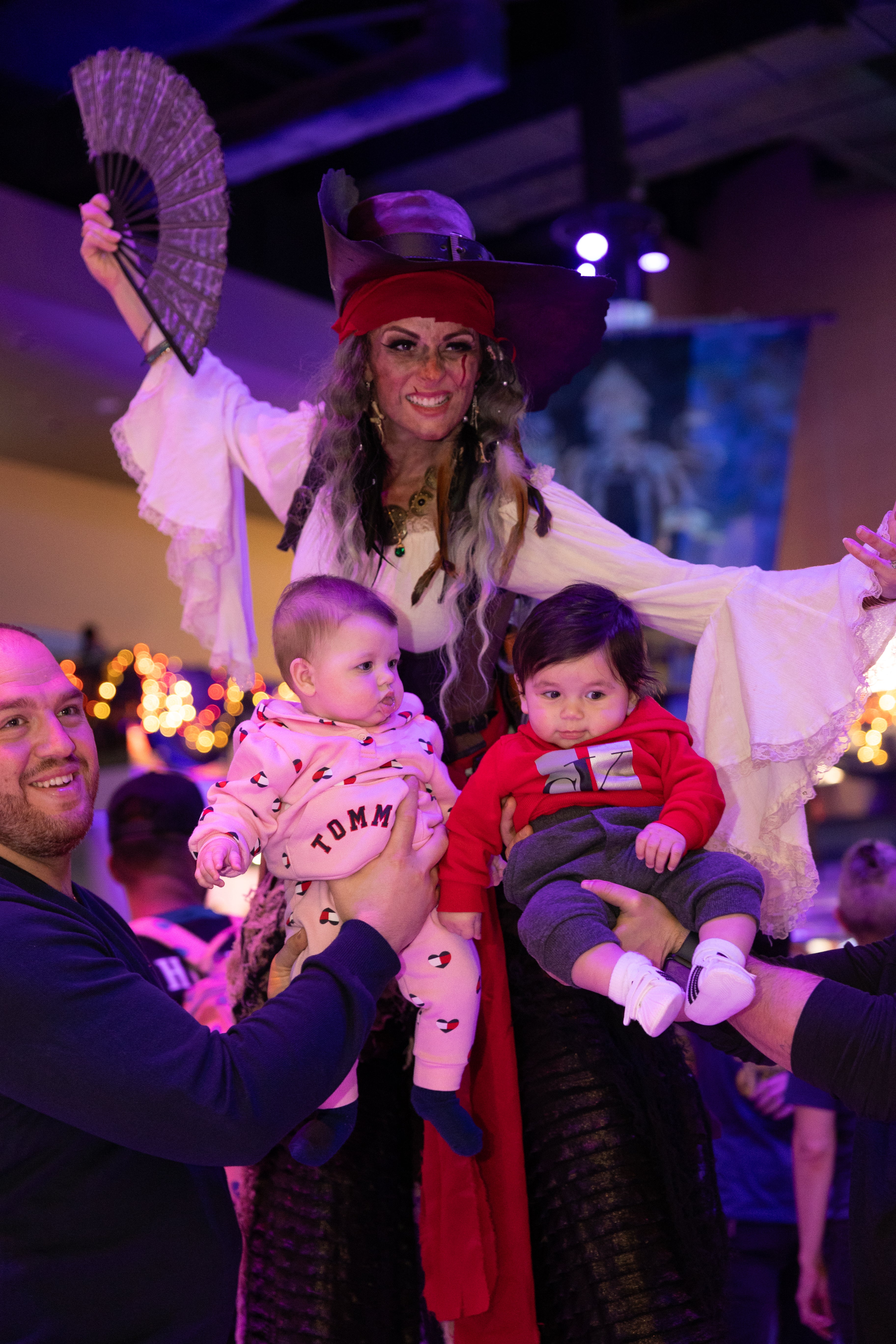
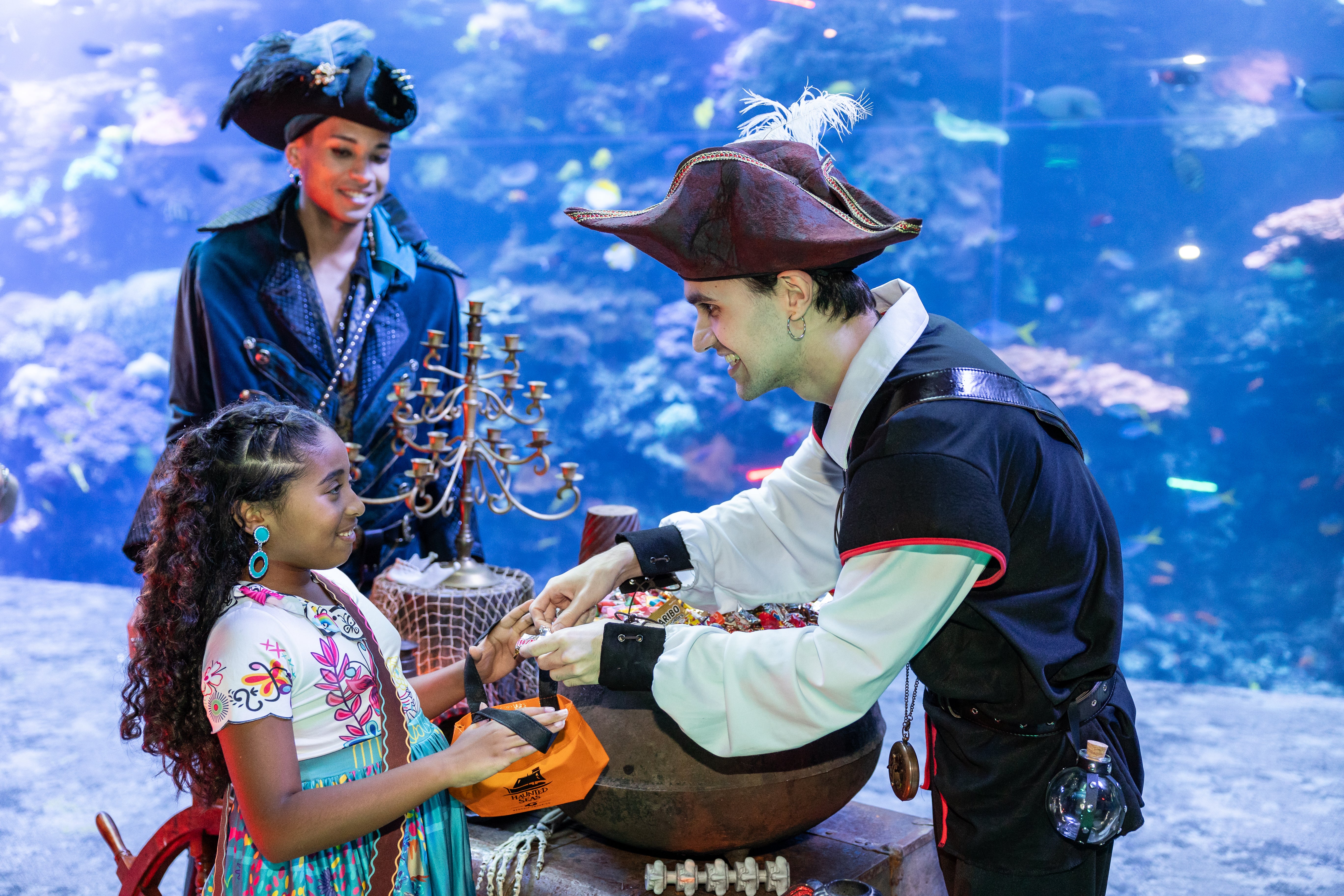
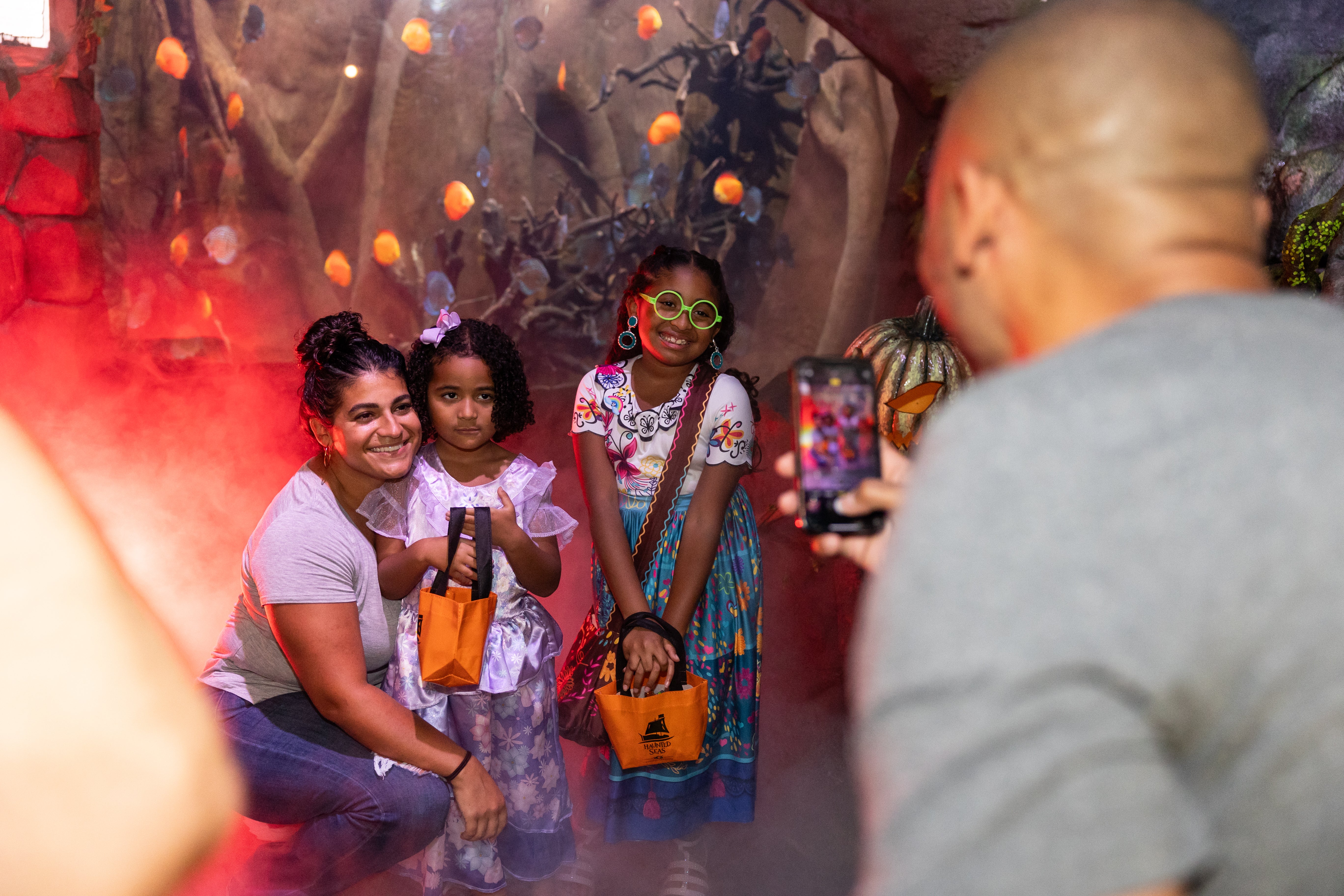
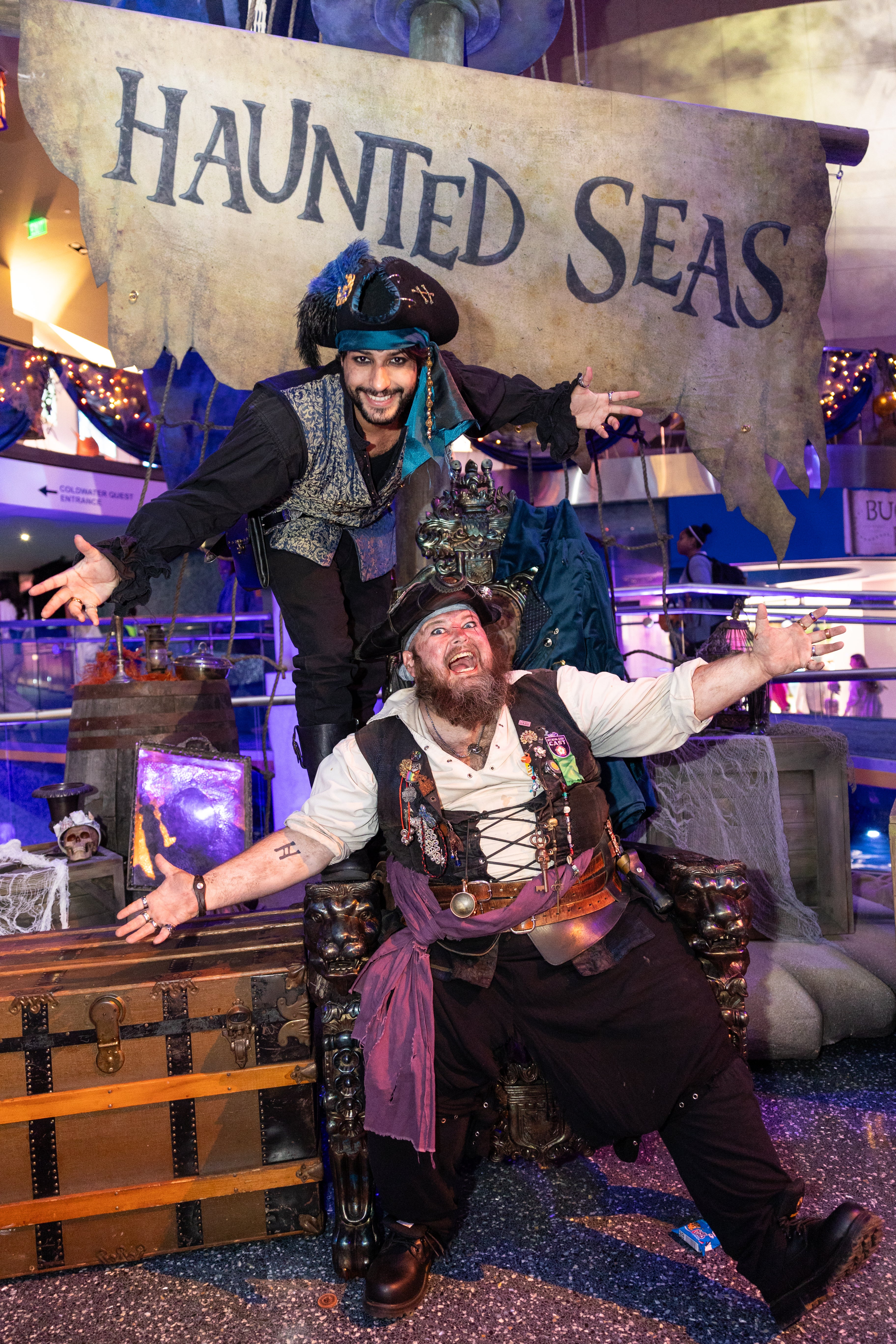
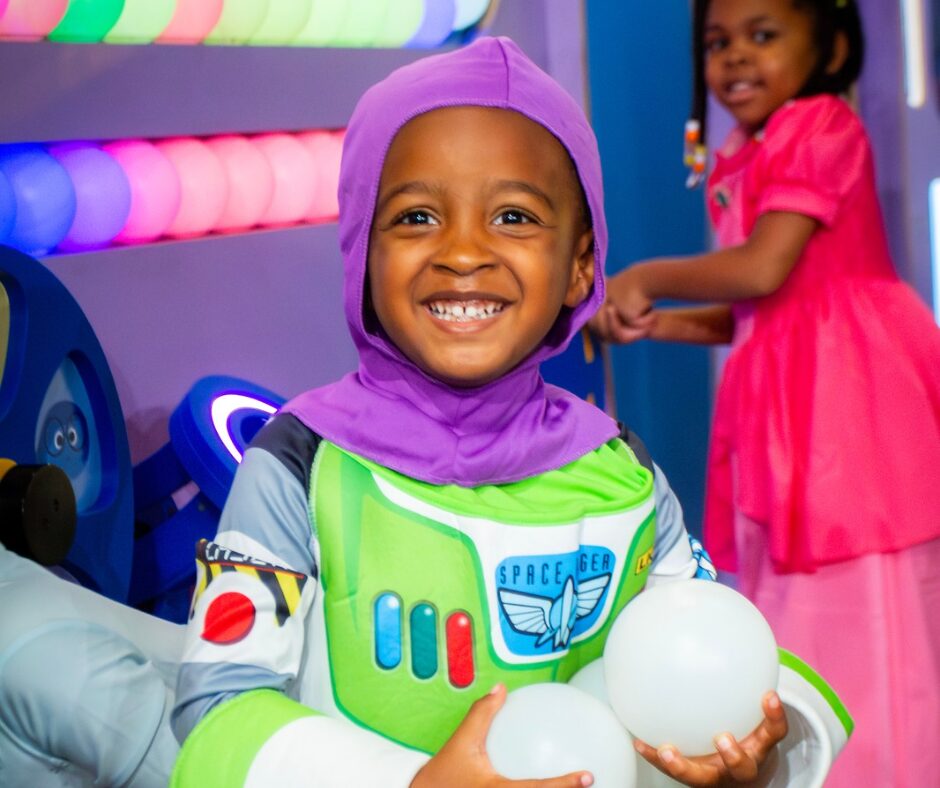
Families have no shortage of options to enjoy the season, and Haunted Seas at Georgia Aquarium is at the heart of it all. Guests can enjoy trick-or-treating throughout the Aquarium, themed animal presentations, and seasonal scavenger hunts—all surrounded by incredible marine life. It’s the perfect way to celebrate Halloween while exploring the underwater world. Just steps away, the city offers even more family-friendly frights, like Scarecrows in the Garden at Atlanta Botanical Garden, where creative, handcrafted scarecrows fill the paths. Or check out Brick-or-Treat Monster Party at LEGO Discovery Center Atlanta, where kids can join Halloween-themed builds and activities.

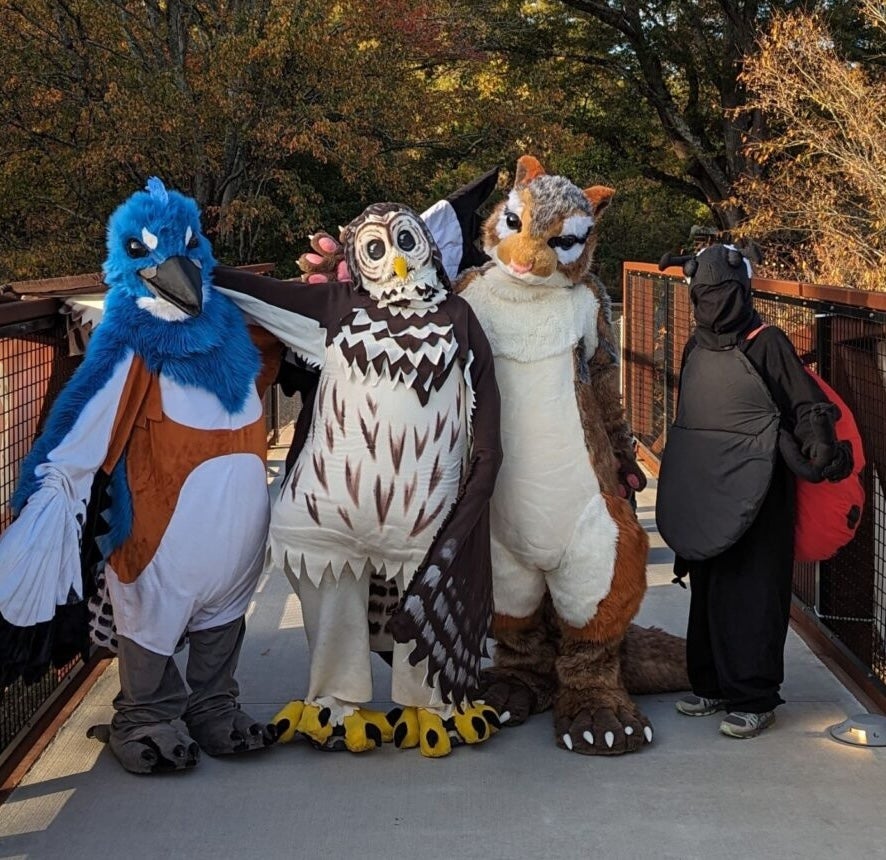
Families can also venture to Fernbank Museum’s Dinosaur Trick-or-Treat to collect candy alongside life-size prehistoric giants. You don’t want to miss Boo at the Zoo at Zoo Atlanta for costumed fun, treat stations, and animal encounters. For younger explorers, the Children’s Museum of Atlanta’s Trick-or-Treat offers an interactive space to celebrate the spooky season. Outdoors, families can experience Halloween Hikes at the Chattahoochee Nature Center, a guided trail adventure with costumed characters teaching about local wildlife. With Haunted Seas as your starting point, there’s no shortage of spooky, spirited experiences to enjoy in Atlanta this fall.


👻 Adult / Spookier Fun

Looking for more frightful fun? This season’s best parties start at Georgia Aquarium’s Sips Under the Sea: Halloween Party. This adults-only (18+) evening lets guests enjoy spooky signature cocktails, an enchanted dance floor, and a handful of Halloween surprises—all set against the otherworldly backdrop of the Aquarium’s galleries. It’s sure to be a ghostly good time – costumes are encouraged. 

Just down the road, the Center for Puppetry Arts presents The Ghastly Dreadfuls, a mix of music, puppetry, and darkly funny ghost stories. For thrill-seekers, Netherworld Haunted House delivers heart-racing scares with elaborate sets and creatures lurking around every corner. While those who prefer a historical chill can explore Atlanta’s past on Haunted History ToursGhost Tours at the Fox Theatre.

One of Atlanta’s most iconic Halloween experiences is the Capturing the Spirit of Oakland Tours. Hosted at historic Oakland Cemetery, these after-dark tours share the stories of the city’s notable and notorious residents, all against the atmospheric backdrop of Victorian gardens and monuments.The Little 5 Points Boo-ze Ghost Tour adds a spirited twist, pairing pub stops with eerie neighborhood tales. For a more refined celebration, Halloween Afternoon Tea at The St. Regis Atlanta offers themed treats and seasonal sips in a luxurious setting. 

From high-energy parties to spine-tingling tours and elegant gatherings, Atlanta offers adults countless ways to celebrate Halloween in style.


☀️ Día de los Muertos / Cultural Events

October and early November also bring opportunities to celebrate Día de los Muertos (Day of the Dead), a tradition that honors and remembers loved ones through food, music, and vibrant cultural expression. Oakland Cemetery’s Día de Muertos Festival celebrates with an afternoon of live music, traditional foods, and colorful community altars. A costume contest adds festive flair for both kids and adults.

Additional celebrations take place across metro Atlanta and beyond, including festivals like the Norcross Día de los Muertos Festival and the  Woodstock Arts Festival Series. Families can also enjoy special performances by the Atlanta Symphony Orchestra, highlighting the rich history and artistry of the holiday through music and storytelling. 

These events offer meaningful ways to connect with the cultural heritage of Día de los Muertos while enjoying community spirit across metro Atlanta. 


✅ Tips for Planning

Check schedules & tickets — Some events require advance purchase and may sell out.

Arrive early — Popular events can get crowded, especially on the weekends.

Respect traditions — Día de los Muertos is a cultural celebration of remembrance; take time to learn and appreciate its traditions.


Whether you’re looking for haunted thrills, glowing pumpkins, or meaningful cultural traditions, Atlanta offers endless ways to make October unforgettable. So grab the family and start making memories!
A Smarter Way to Play: How Georgia Aquarium is Advancing Sea Otter Enrichment

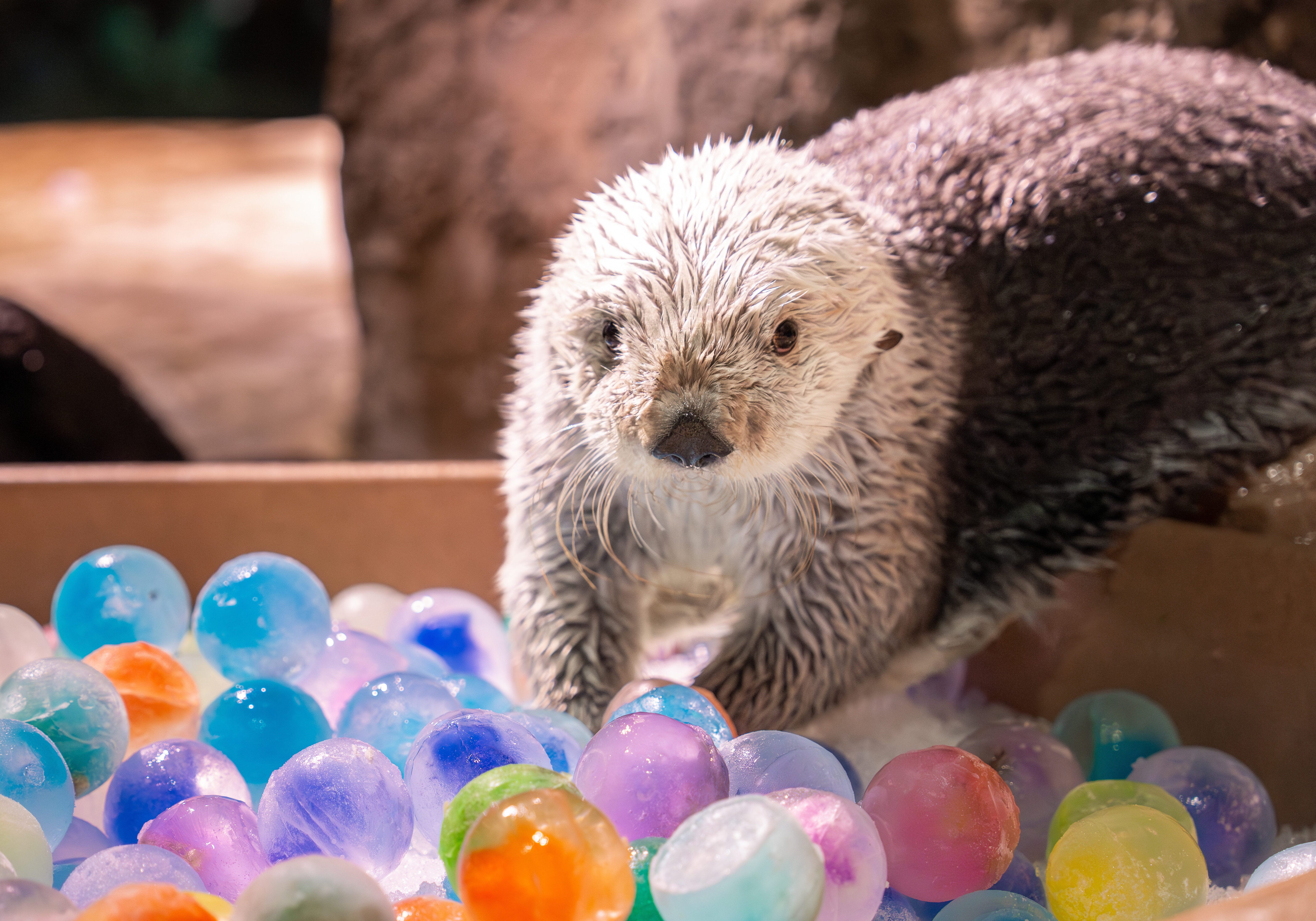
At Georgia Aquarium, enrichment is more than just fun and games. It’s an essential part of exceptional animal care. For our spirited sea otters, activities that challenge their minds and encourage natural behaviors are key to their health and well-being. This Sea Otter Awareness Week, we are spotlighting an innovative research collaboration that blends science, technology and play to better understand how our otters engage with the world around them.

Working alongside researchers from Georgia Tech, our animal care team tested a new approach using instrumented enrichment devices. These highly specialized and purpose-created items are embedded with motion sensors to track how otters interact, learn and adapt over time. The pilot study was conducted at Georgia Aquarium with five sea otters (Enhydra lutris).

The goal was to explore whether custom-designed, species-specific enrichment devices could provide new insights to support the Aquarium’s already robust enrichment program. By collecting valuable behavioral data, researchers aimed to help further fine-tune enrichment strategies and identify subtle changes that might signal shifts in an animal’s health or well-being.

Putting Play to the Test

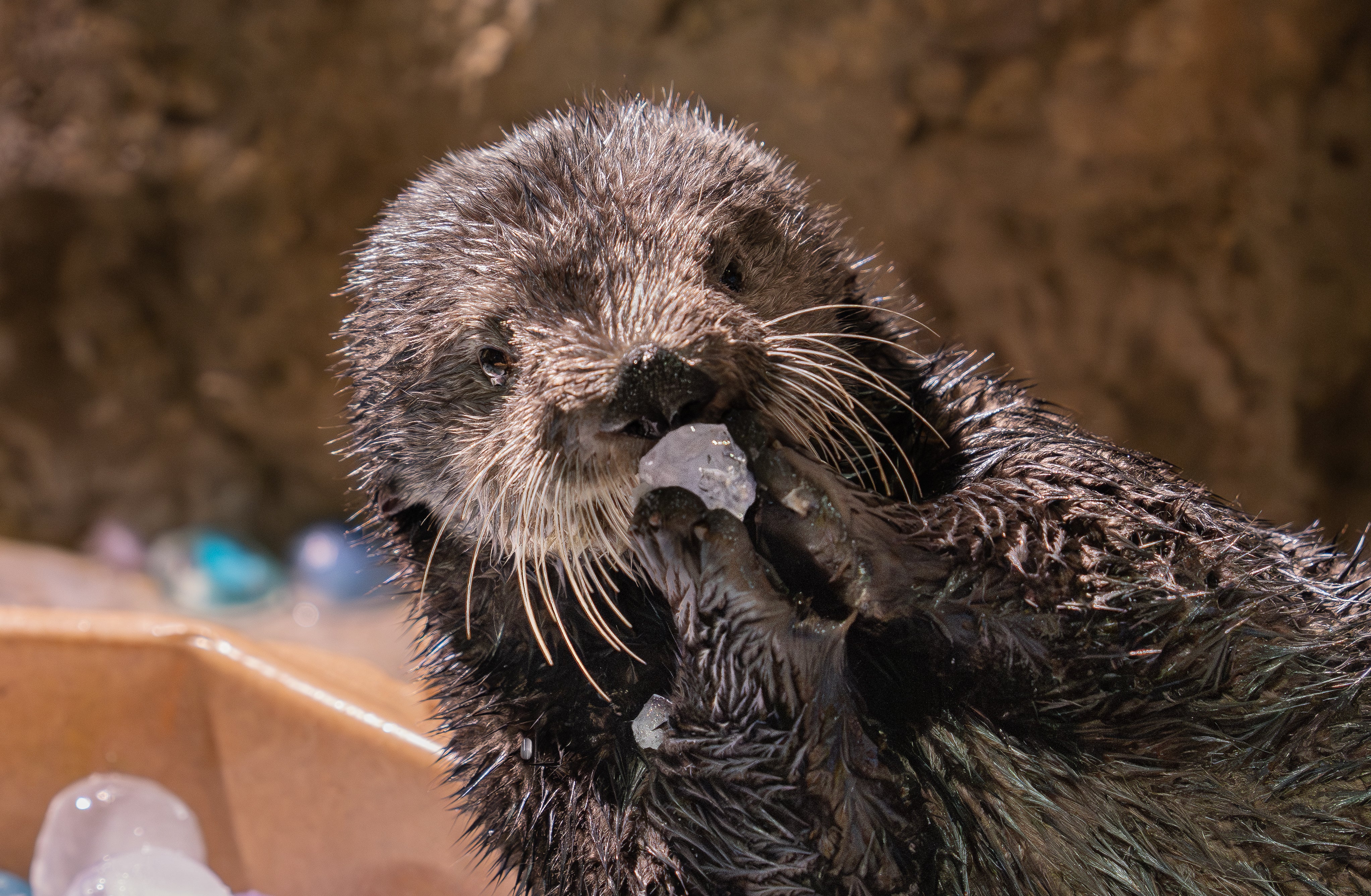
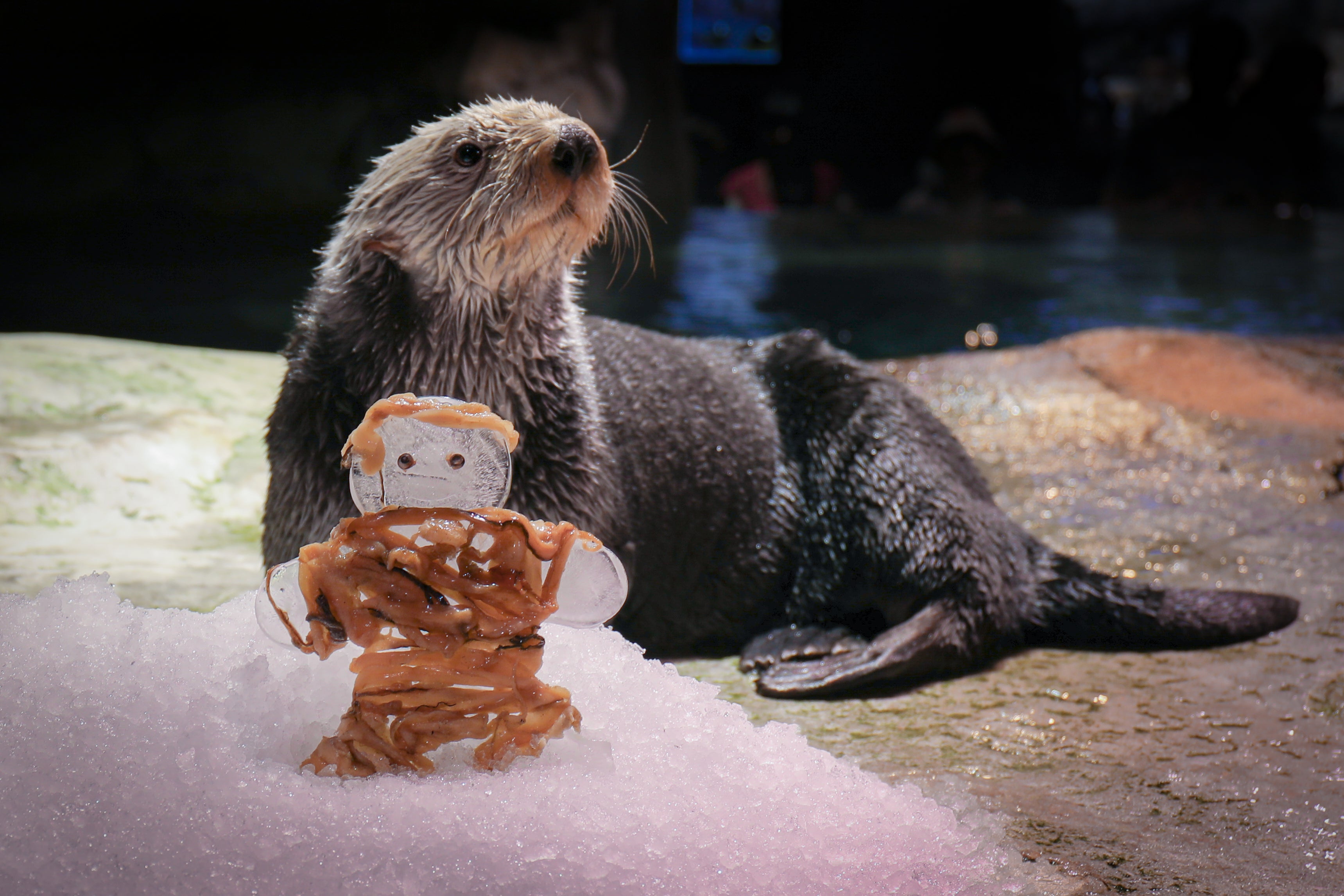
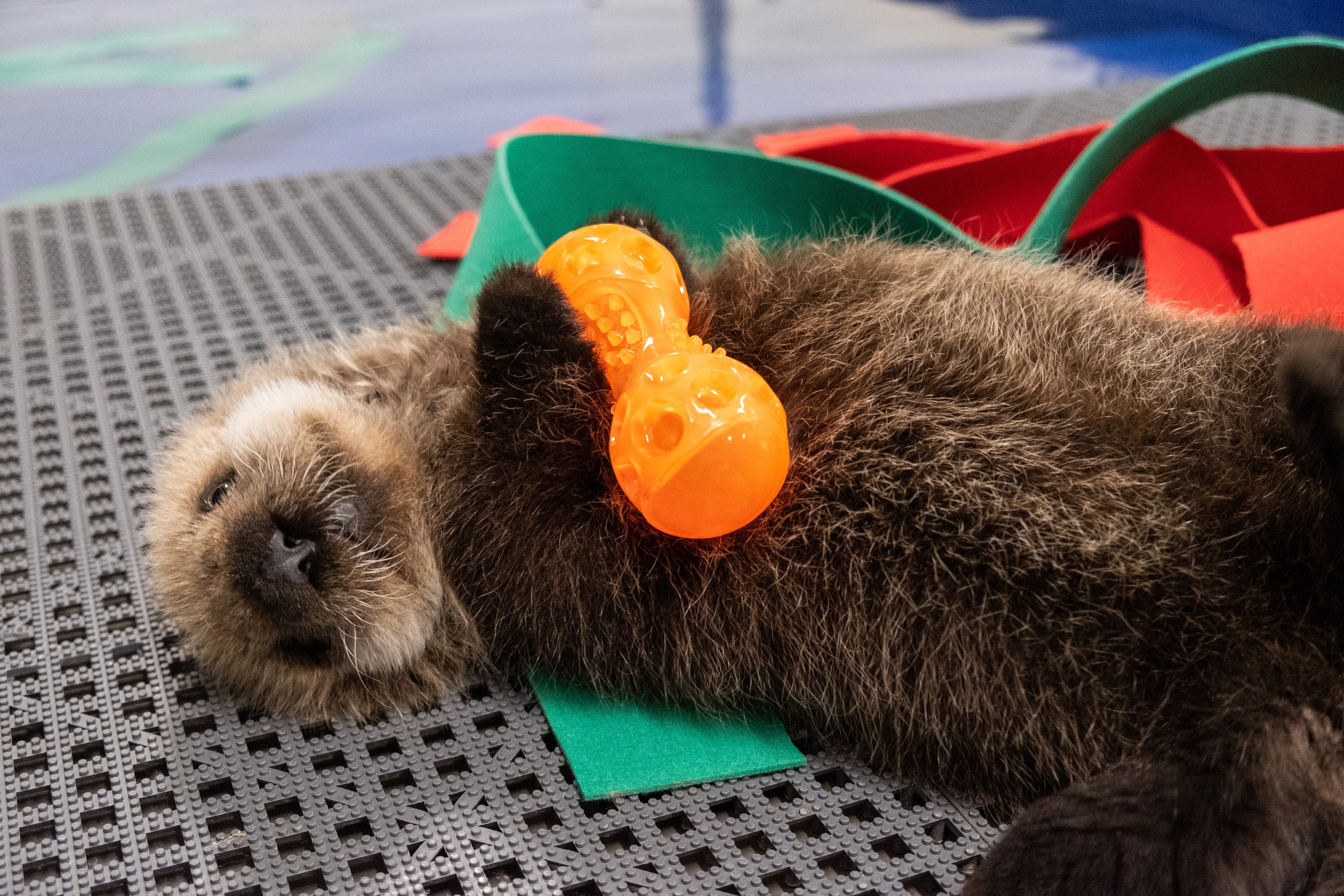
During the study, each otter received two types of enrichment items. The first was a familiar favorite, a food-dispensing KONG Genius Leo dog enrichment tool that our sea otters have used before. The second was a brand-new challenge, a custom-built scallop-shaped device created specifically for the study.

Both were fitted with motion sensors to measure interaction time and intensity. Food rewards were weighed before and after play to determine how efficiently each otter accessed them. Our team also used video to capture the unique strategies and personalities on display.

The results were fascinating. On average, the otters took longer to get less food from the scallop-shaped device, suggesting a learning curve with new enrichment. One otter, Bixby, even decided to skip the scallop entirely. “Otters, much like people, each have their own personalities, perspectives, and preferences,” said Jason Jones, Curator of Mammals & Birds. “They interact with other otters, their trainers, and their environment in unique ways. In this study, for example, we noticed that Bixby shows little interest in some of the newer enrichment items and instead tends to favor more familiar ones. Getting to know the individuals and recognizing their distinct traits and behavior is part of what makes our work so engaging, fun, and rewarding.”

Why This Matters

While the study confirmed that embedded sensors can capture reliable, real-world behavioral data, the groundbreaking aspect was using motion-sensor technology within enrichment devices. This allowed the team to measure interaction patterns with precision, turning playful activities into a potential early-warning system for changes in behavior that might reflect shifts in health or well-being. It’s an added layer of insight that builds on the Aquarium’s existing expertise in species-specific enrichment, offering new opportunities to refine care through technology.

As an accredited member of the Association of Zoos and Aquariums (AZA), Georgia Aquarium follows strict enrichment standards. This research could help refine those guidelines, ensuring they are backed by measurable, data-driven insights.

Our collaboration with Georgia Tech is just the beginning. Future studies will track how otter interactions evolve over weeks or months, helping us design enrichment that adapts alongside the animals themselves. It is a perfect example of how technology can enhance animal welfare while deepening our understanding of these charismatic marine mammals.

Join Us in Celebrating Sea Otter Awareness Week

Sea Otter Awareness Week is a time to honor the resilience and charm of these endangered animals and to commit to their protection in the wild. By blending innovation with expert care, Georgia Aquarium is working to give our sea otters the best possible quality of life while inspiring guests to protect their ocean home.

In the Field: A Week in Thailand

By Leah Neal, Curator of Fish and Invertebrates at Georgia Aquarium

In the Field: A Week in Thailand

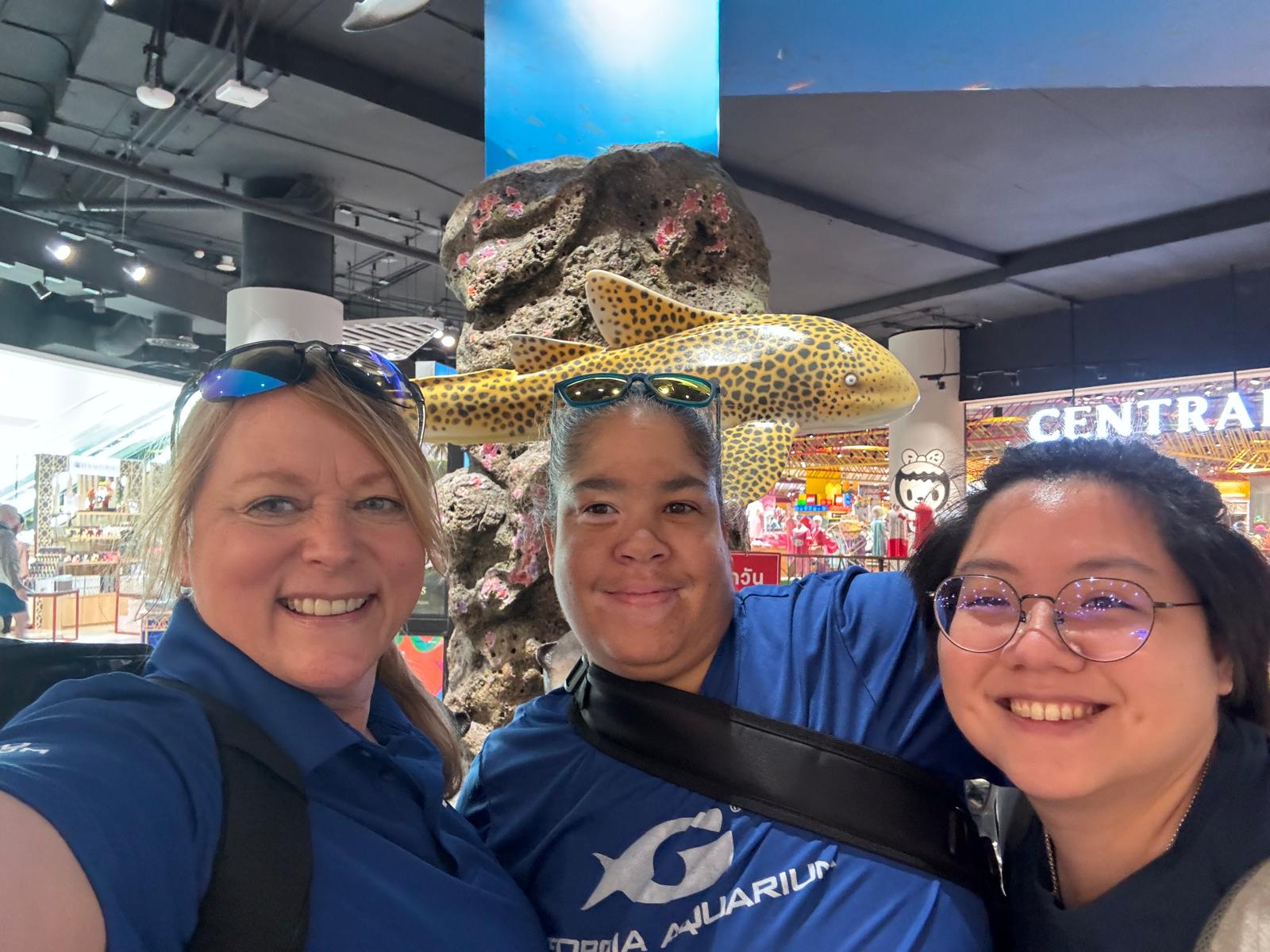
I recently had the incredible opportunity to spend a week in Thailand working alongside dedicated conservation professionals as part of the ongoing ReShark StaR (Stegostoma tigrinum Augmentation and Recovery) Project—a global, collaborative initiative to restore zebra shark populations in their native Indo-Pacific habitats.

Georgia Aquarium is a proud partner of the project, and I’ve been fortunate to be involved from the beginning. From contributing zebra shark eggs to sharing our expertise in husbandry and research, our role spans from the lab to the field. This trip to Thailand was an important step forward for the StaR Project’s expansion.

Setting Standards for Global Conservation

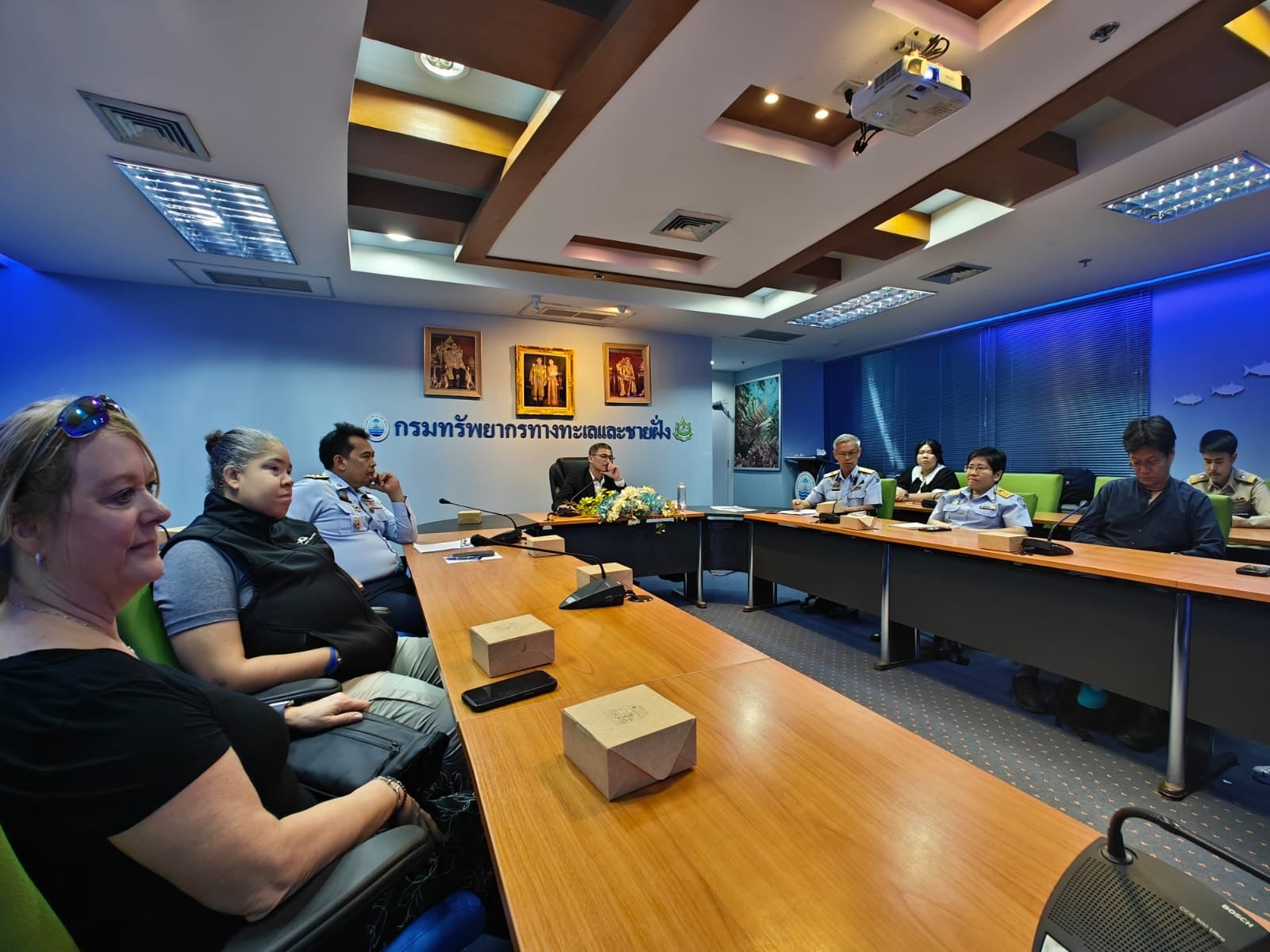
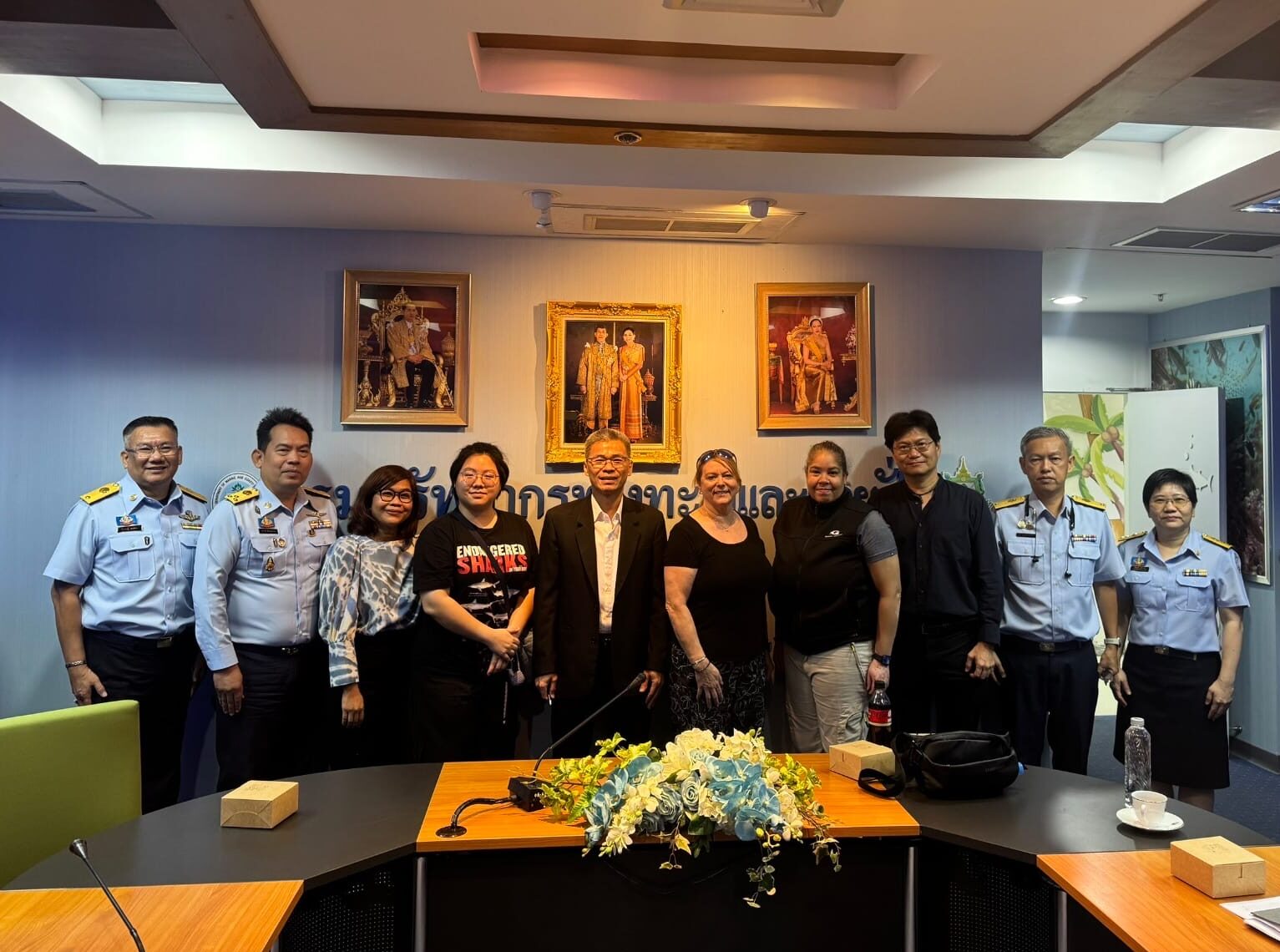
One of my main goals on this trip was to assist in the inspection of an aquarium in Southeast Asia being considered as a potential new egg donor facility. Unlike facilities accredited by the Association of Zoos and Aquariums (AZA) in the United States, many aquariums in Southeast Asia don’t have an accrediting body. That means it falls to us and our partners to ensure they meet the rigorous animal care, safety, and welfare standards necessary for participation.

After thoroughly reviewing husbandry protocols, environmental conditions, and staff practices, I’m pleased to say the facility was approved. This exciting development will help expand genetic diversity for future releases.

Knowledge Sharing in Action

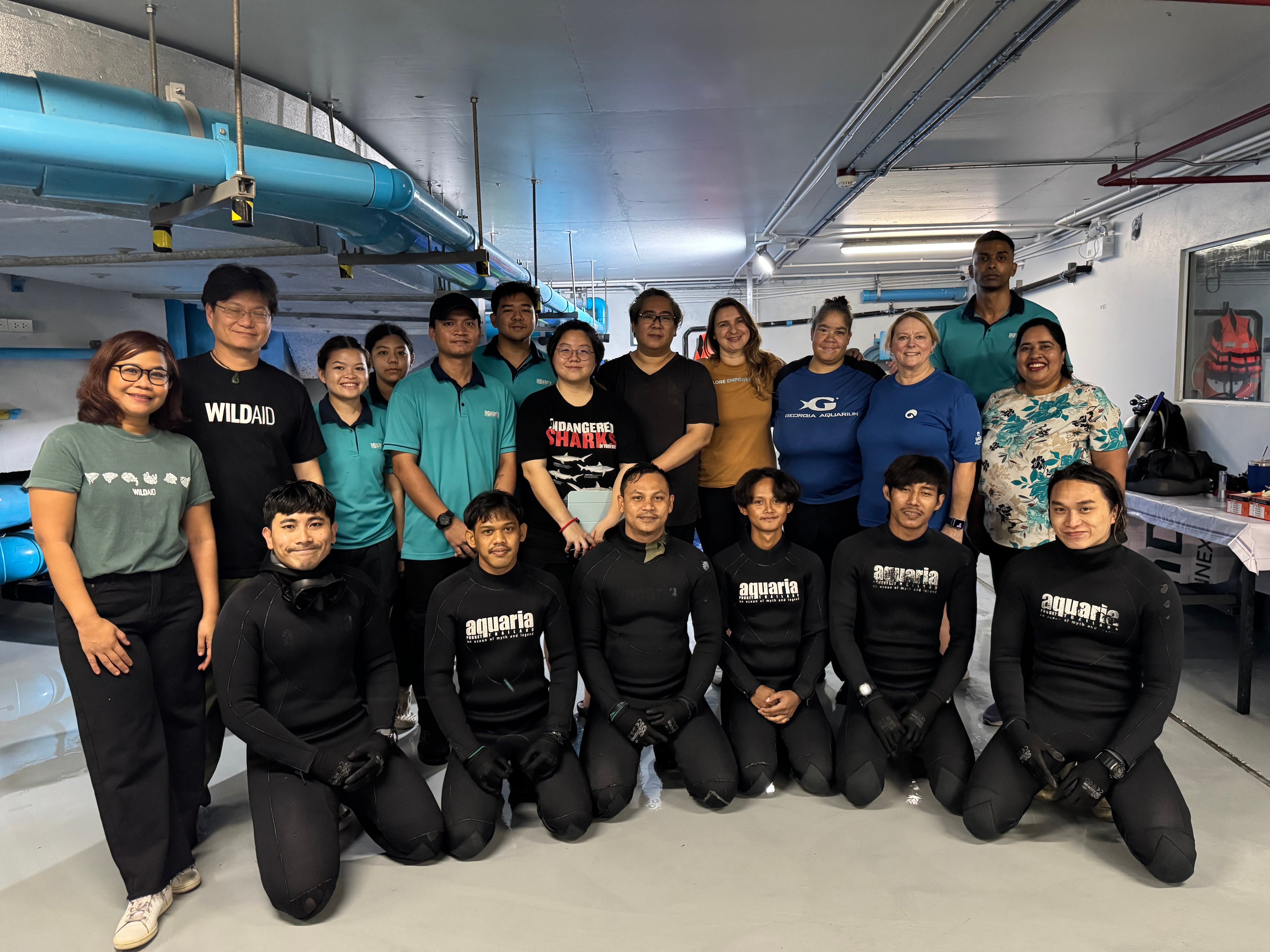
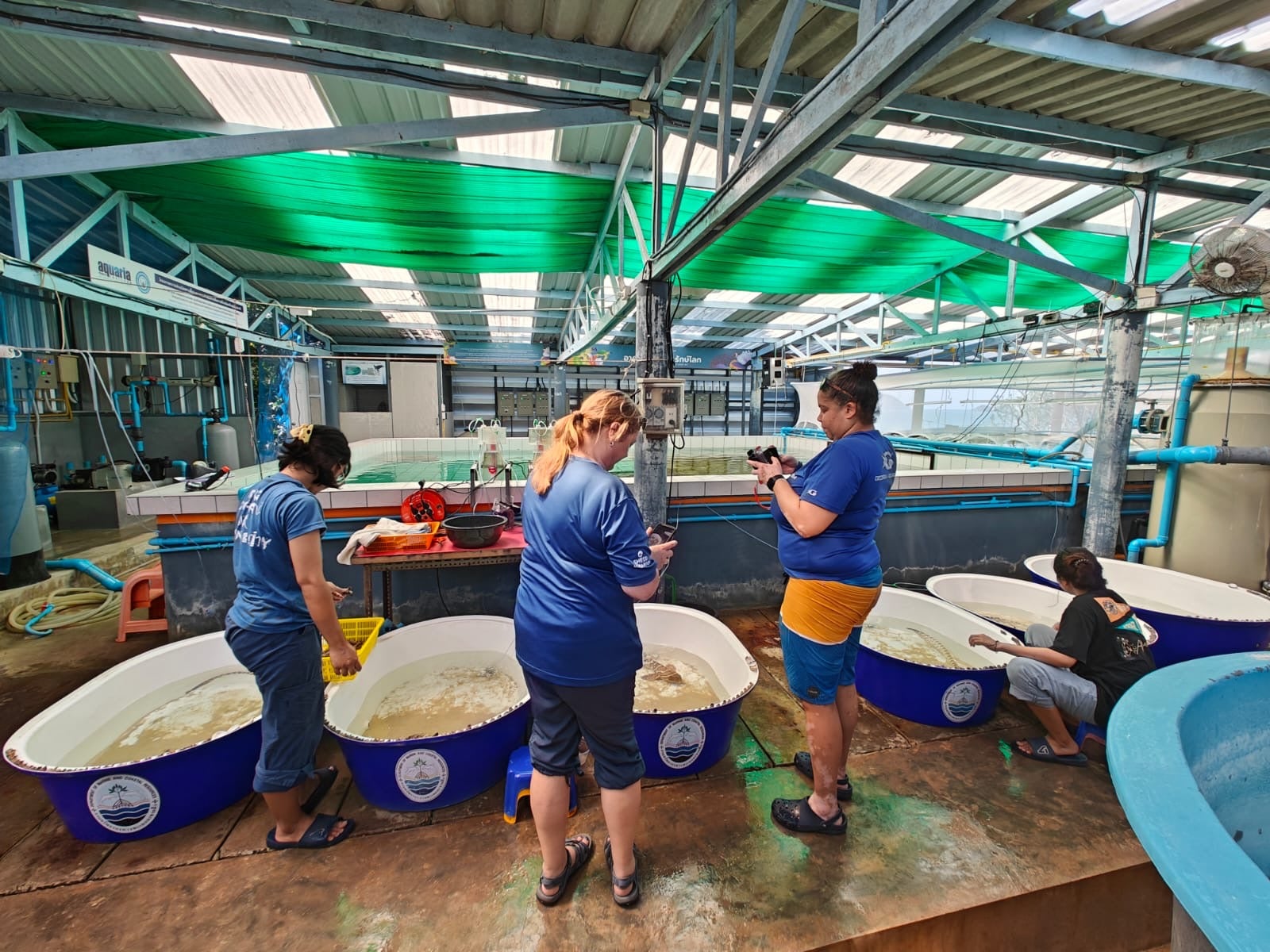
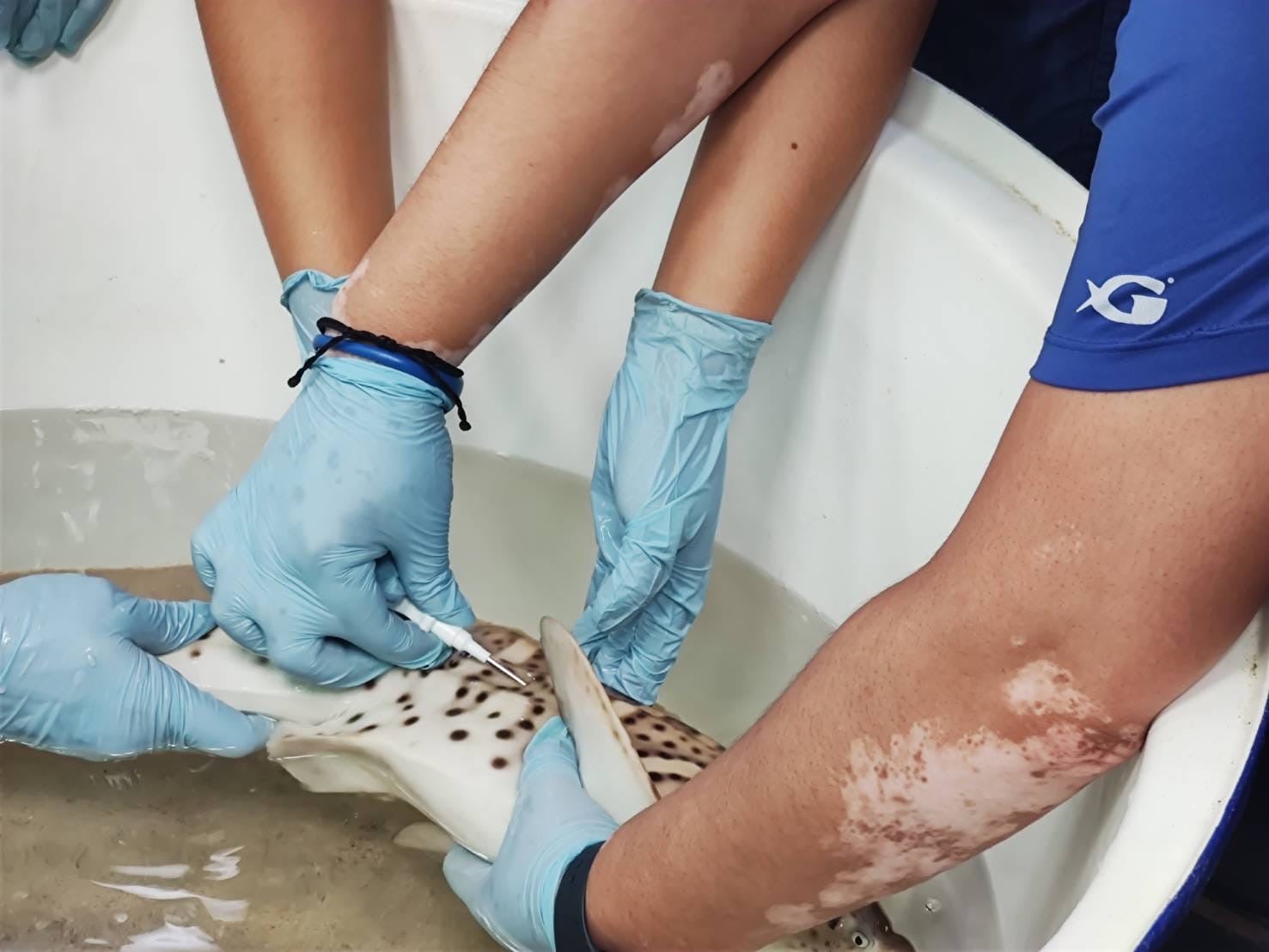
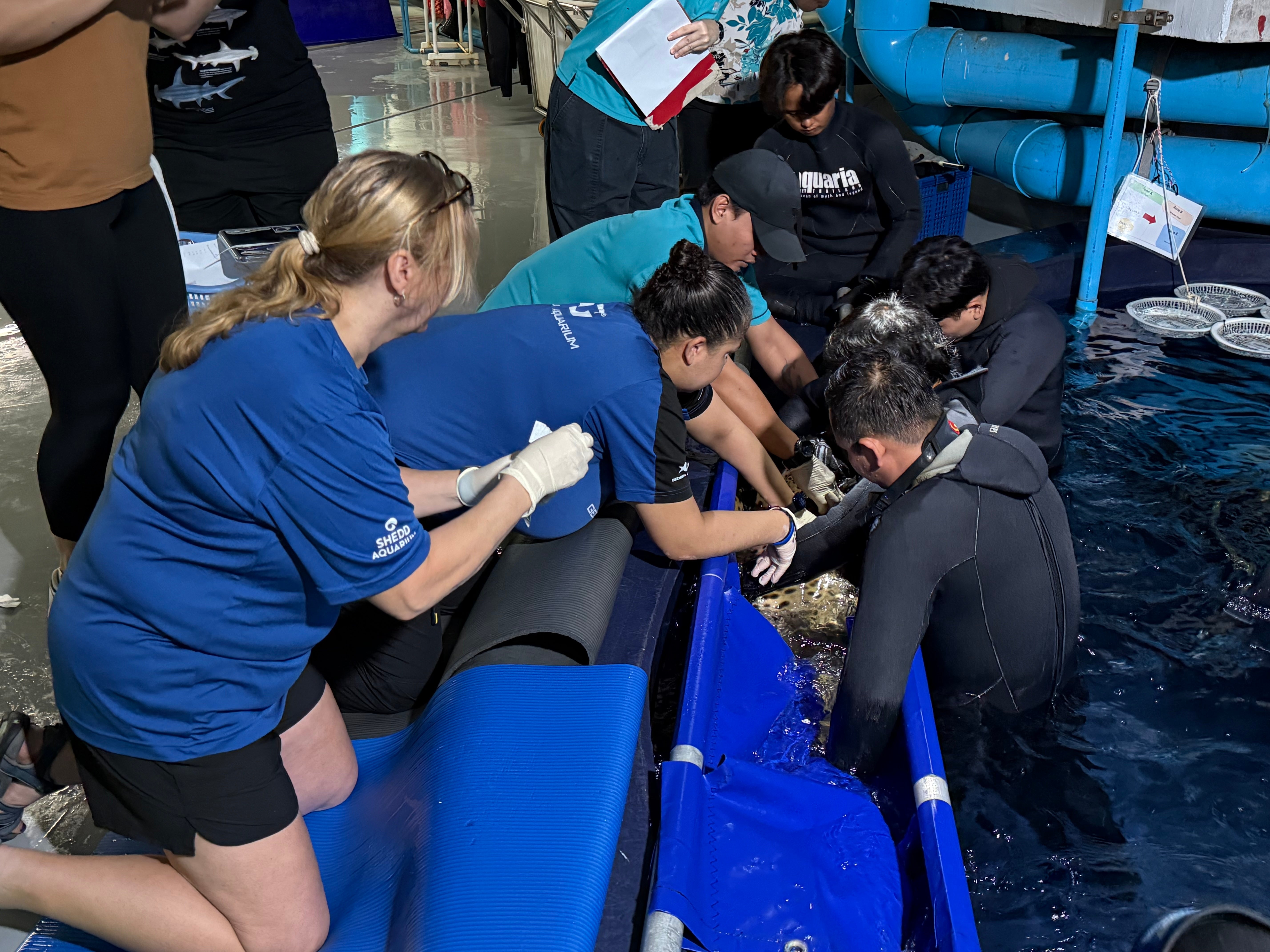
Equally important was the opportunity to work hands-on with staff at both the donor facility and the Phuket Marine Biological Center (PMBC)—a potential future holding site for zebra shark pups. I assisted with training sessions on essential practices like zebra shark blood collection, microchipping, and general animal handling. Many of the staff at PMBC were hired specifically for the StaR Project. It was incredibly rewarding to help them build the skills and confidence needed to care for these animals.

Training and collaboration are vital components of any long-term conservation effort. By sharing best practices, we ensure a consistent approach to shark care and data collection, no matter where in the world it’s happening.

Diving Into the Future

My final stop was Mai Ton Island, a private island off the coast of Phuket. Our team evaluated a site for a future sea pen—an enclosed, ocean-based holding area that serves as an intermediate step for zebra sharks before their full release. After diving the site, I helped assess the environmental conditions and suitability for animal care. I’m happy to share that the sea pen was approved and is now successfully housing zebra sharks.

Looking ahead, we’re now exploring the possibility of building a hatchery near the sea pen. This would allow for even greater on-site care and monitoring before transfer or release.

What’s Next

Later this year, I plan to return to Indonesia, where the StaR Project began, to assist with the release of zebra sharks. Seeing these animals swim free in their native waters after years of careful planning, collaboration, and care is the ultimate goal. It is also an unforgettable moment for everyone involved.

At Georgia Aquarium, we’re deeply committed to the success of this project. Conservation doesn’t happen in isolation—it happens through partnership, knowledge-sharing, and a global commitment to restoration. I’m proud and grateful for the opportunity to help bring zebra sharks back to their native reefs.

To learn more about the ReShark StaR Project and Georgia Aquarium’s role in global shark conservation, visit reshark.org/star-project.

Protecting Dolphins and Our Ocean

Protecting Dolphins and Our Ocean: Georgia Aquarium’s Legacy Dolphin Health Research Program

At Georgia Aquarium, we believe caring for the ocean begins with understanding it. For over a decade, our scientists and veterinarians led one of the most important dolphin health studies ever undertaken, the Health and Environmental Risk Assessment (HERA) project. This groundbreaking work not only deepened our knowledge of dolphins but also revealed powerful connections between the health of marine animals, their ecosystems, and the people who share those waters.

What Is HERA?

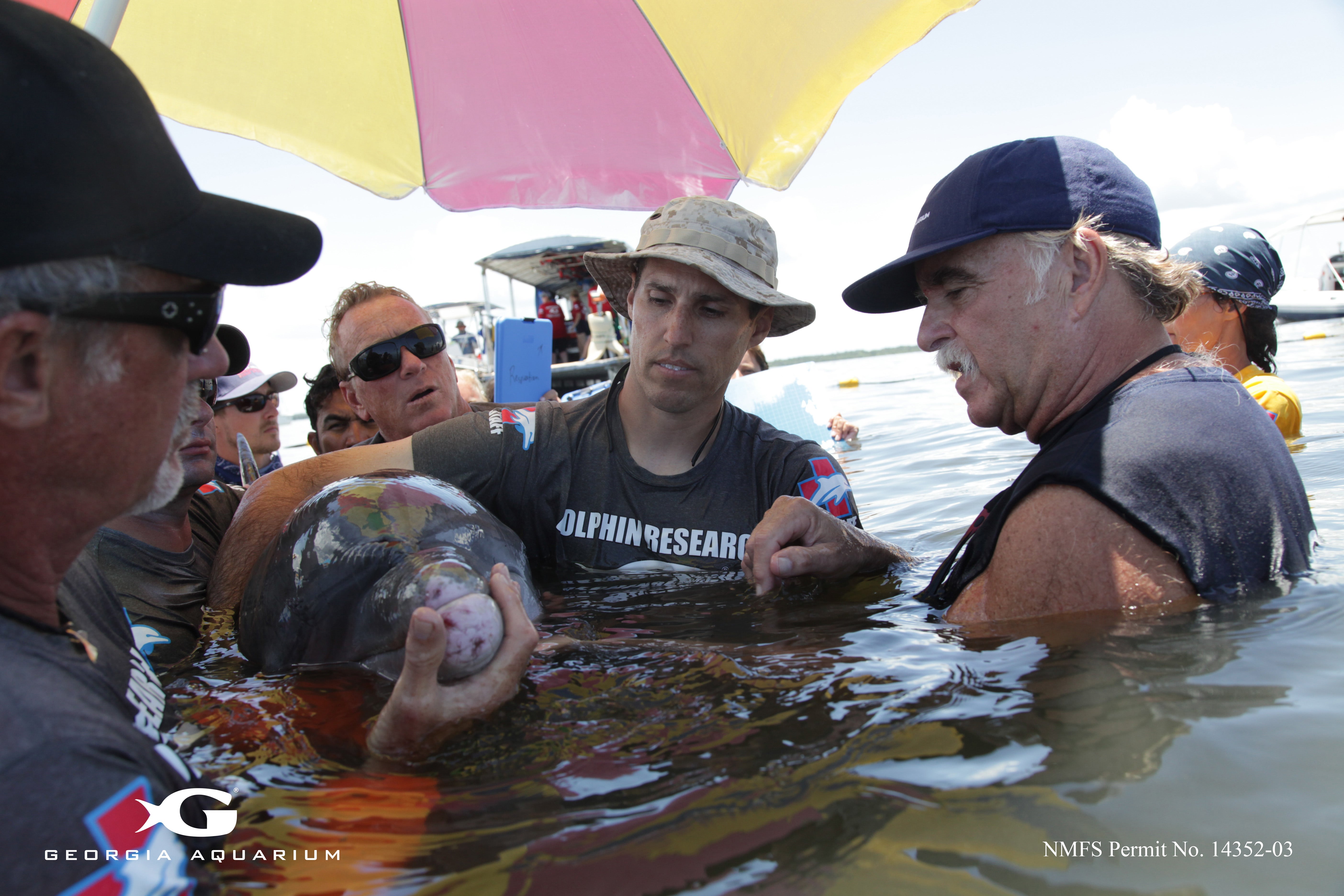
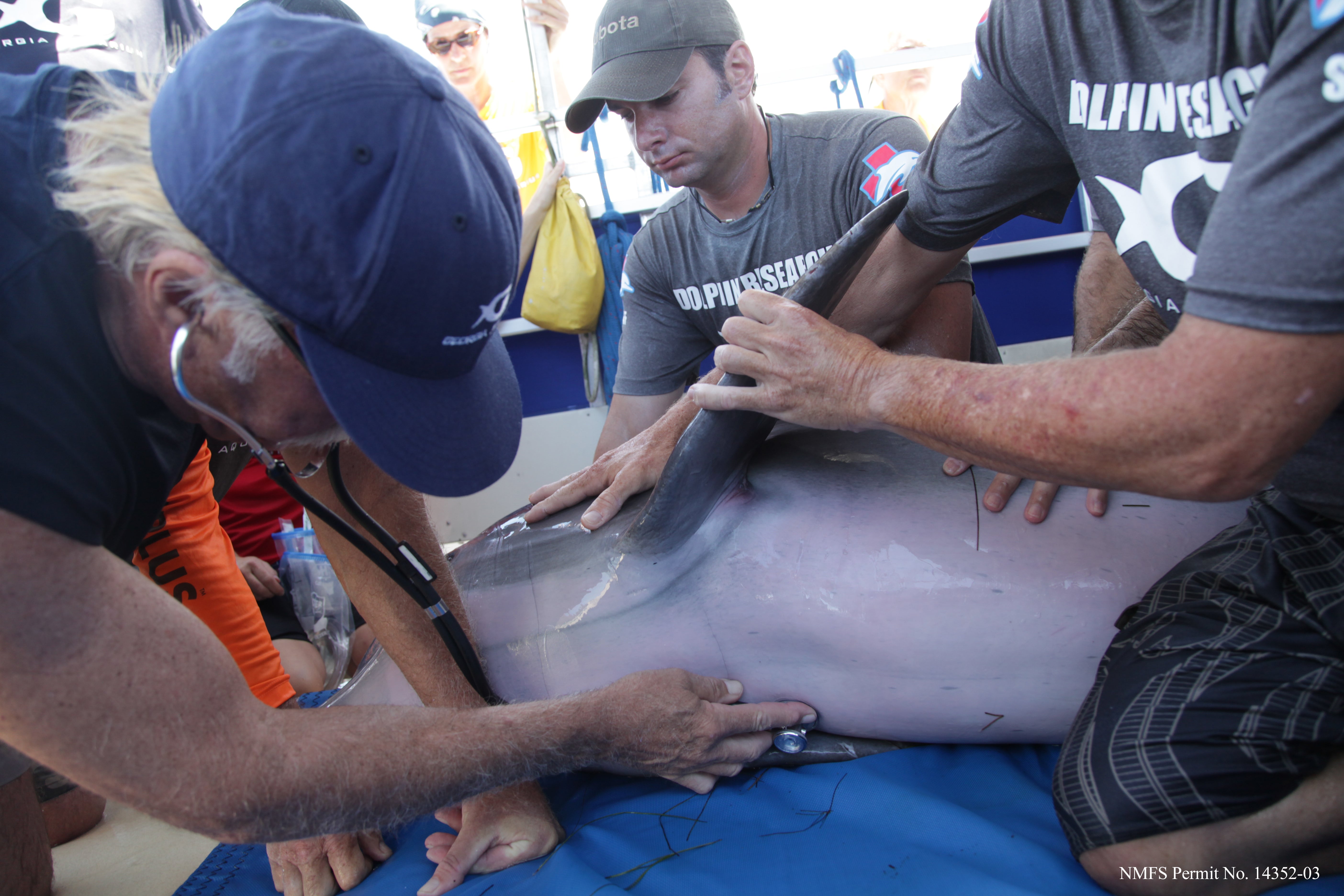
Beginning in 2003, Georgia Aquarium and its partners launched HERA, a first-of-its-kind research program studying wild bottlenose dolphins in Florida’s Indian River Lagoon and South Carolina’s Charleston Harbor. Over the years, experts examined several hundred dolphins, gathering vital information about their health, exposure to pollutants, and resilience in the face of environmental change.

Every dolphin was carefully examined and then returned safely to its home waters, helping scientists collaborating from dozens of scientific research organizations build a living picture of how these animals, and the ecosystems they represent, are faring.

Why It Matters

HERA proved what many scientists had long believed: dolphin health offers early warnings about the health of our ocean and the communities that depend on it. The project uncovered:

  • High levels of pollutants such as mercury and long-banned toxic chemicals, raising concerns for both dolphins and people who rely on local seafood.
  • Signs of immune challenges and disease, including antibiotic-resistant bacteria and exposure to viruses that can spread quickly through wild populations.
  • First detection of triclosan, an anti-bacterial compound, in dolphins at levels similar to those reported for humans, adding evidence on the persistence of these antimicrobials. This finding contributed in part to an FDA rule removing these chemicals from over-the-counter antibacterial soaps.
  • Connections between dolphin health and human health, reminding us that a healthy ocean is essential for all life.

The data collected continues to guide conservation and public health decisions today, long after the last dolphin exam was completed.

A Visionary Leader: Dr. Gregory Bossart

At the heart of HERA was the leadership of Dr. Gregory Bossart, Georgia Aquarium’s Senior Vice President and Chief Veterinary Officer. Dr. Bossart was more than a brilliant scientist; he was a visionary who believed in the “One Health” approach, which is the idea that the health of people, animals, and the environment is deeply connected.

Through his leadership, Georgia Aquarium became a world leader in conservation medicine. He inspired countless colleagues and students with his belief that caring for dolphins and protecting the ocean are inseparable from caring for one another.

Though Dr. Bossart passed away in 2019, his legacy lives on. To celebrate his life and continue his mission, Georgia Aquarium created the Dr. Gregory Bossart Memorial Scholarship. This scholarship supports students in veterinary and marine sciences who share a passion for wildlife conservation and the health of our planet. New scholars carry Dr. Bossart’s vision forward each year, ensuring that the spirit of HERA continues to inspire and protect for generations to come.

Carrying the Work Forward

The lessons of HERA remain as relevant today as when the first dolphin was examined. Georgia Aquarium is proud to honor Dr. Bossart’s extraordinary leadership and to continue his life’s work: protecting animals, conserving nature, and inspiring hope for a healthier ocean.

Georgia Aquarium’s Haunted Seas Returns This October!

Get ready to dive into a sea of spine-tingling fun—Haunted Seas returns at Georgia Aquarium from October 3 through November 2, 2025! This fang-tastic seasonal takeover transforms the Aquarium into a hauntingly immersive undersea adventure for guests of all ages.

Georgia Aquarium’s Haunted Seas Returns! 13What’s Under the Haunted Waves: Event Highlights

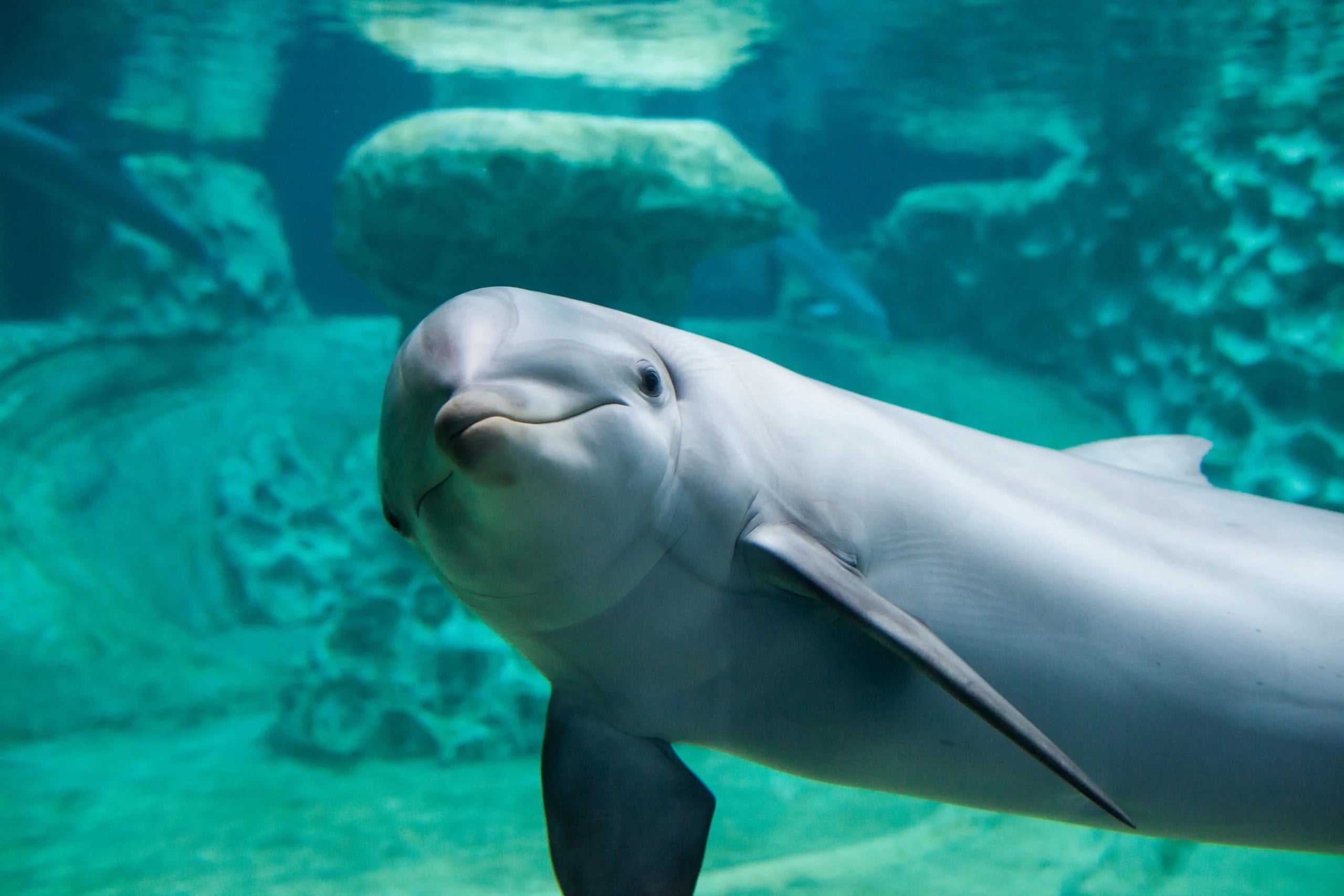
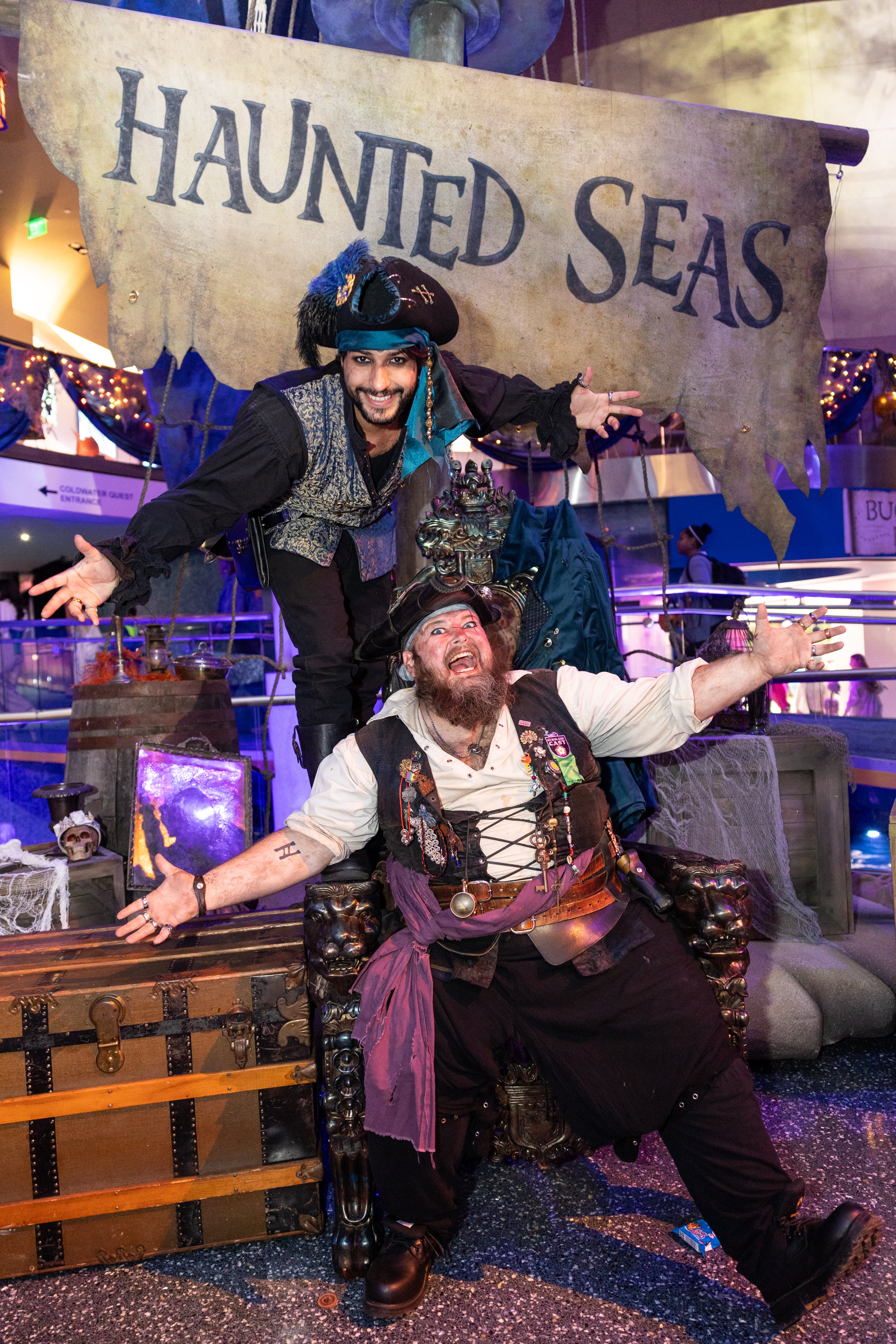
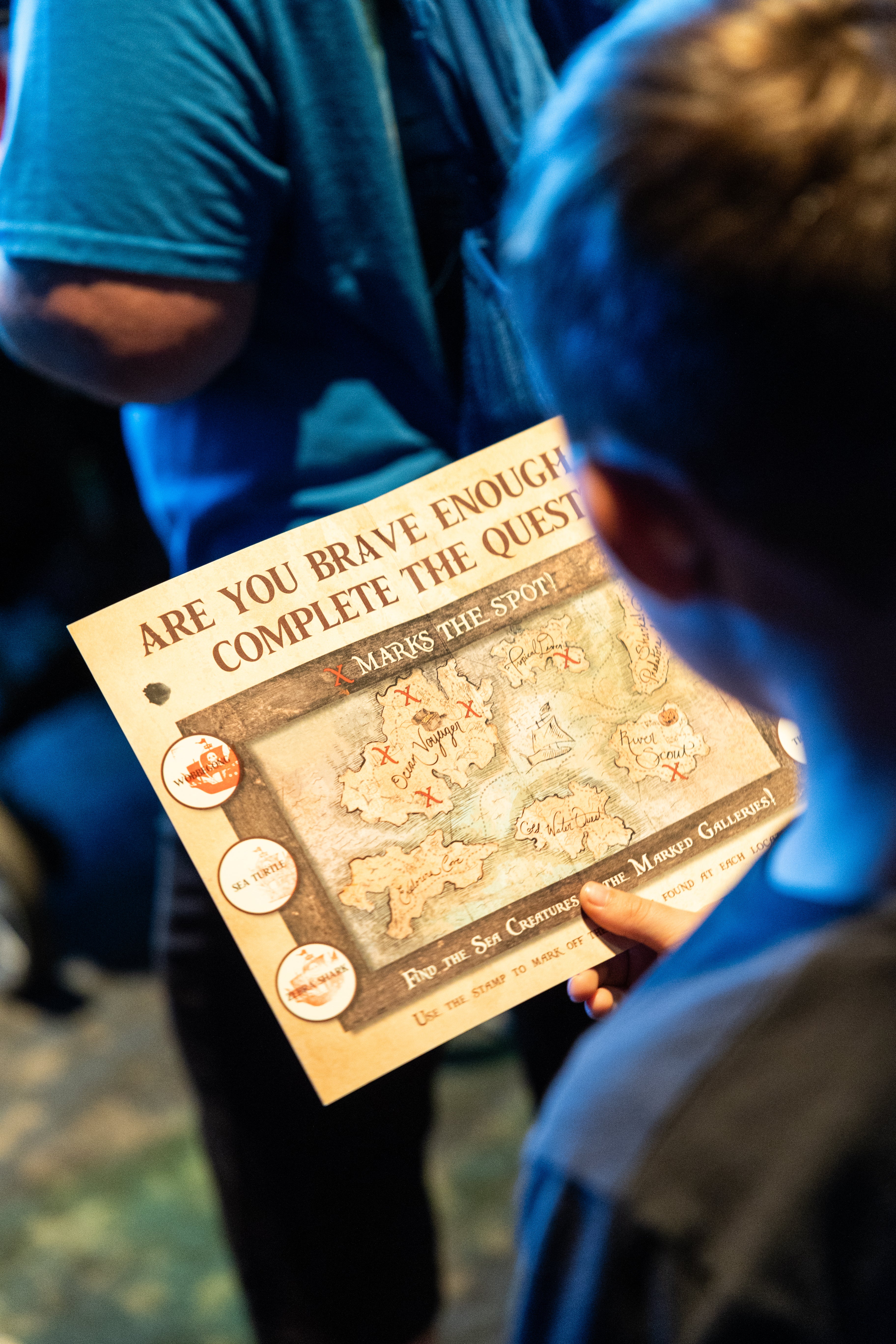
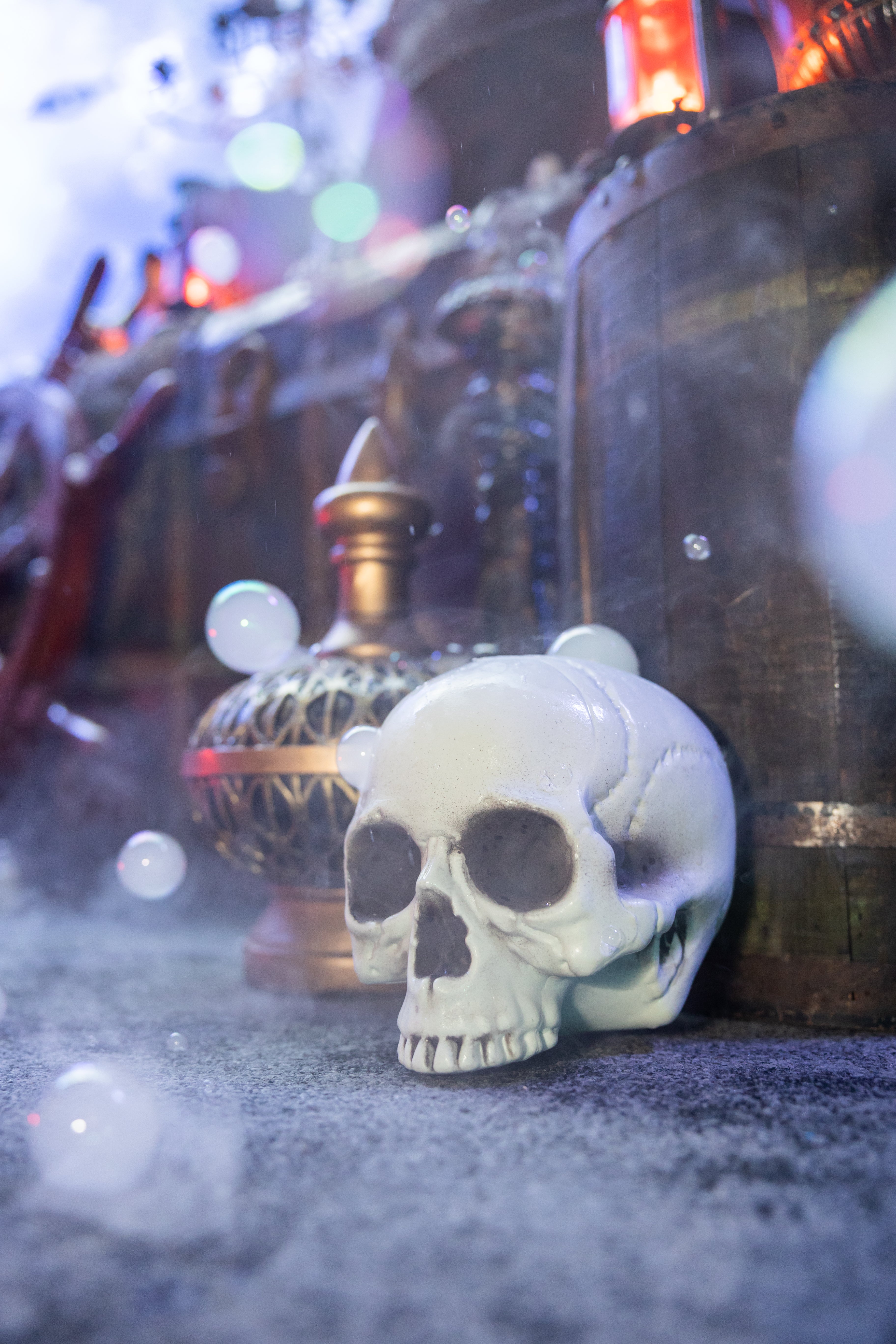
Throughout the month, our galleries will be reimagined with eerie décor and hauntingly fun surprises. Families can explore a pirate-haunted shipwreck in Ocean Voyager, encounter the mystical Mermaids Grotto inside Tropical Diver, and wander through the Haunted Jungle Cruise at River Scout. Adding to the excitement, dolphins and sea lions will take the stage for Halloween-themed presentations filled with spooky effects. On weekends, families can enjoy seasonal crafts, scavenger hunts with haunting prizes, and trick-or-treating featuring whimsical characters.

For guests 18 and older, prepare your costumes for a one-of-a-kind Halloween night celebration: Sips Under the Sea: Halloween Party! On October 31, we invite guests to enjoy signature cocktails, mocktails, a live DJ, and terrifying décor throughout the Aquarium. Explore after dark, dance beneath the waves, and celebrate the season in a truly unforgettable after-hours experience.

Why Haunted Seas Is Not to Be Missed

👻 Family-Friendly Frights

With a month full of playful scares, interactive activities, and themed shows, it will surely be a memorable Halloween outing for all ages.

🎃 New and Expanded Experiences

With expanded décor, more galleries transformed, and new seasonal activities, Haunted Seas 2025 promises the most immersive iteration yet.

🎟️ Included with General Admission

No separate purchase needed—Haunted Seas is included with your General Admissions ticket!

🦇 Aqua Pass Perks

Holders of the 2025 Aqua Pass enjoy *unlimited general admission through December 31, 2025, including access to Haunted Seas and other seasonal events.

*Some blackout dates apply; see our Aqua Pass page for more details and to purchase.

Planning Tips for A Spook-tacular Visit

Plan Your Weekends Ahead

Don’t miss our trick-or-treating, crafts, and scavenger hunt! Only offered on Saturdays and Sundays, October 4 through November 2nd.


Reserve Early for Presentations

We highly recommend making reservations for our Dolphin and Sea Lion Presentations. Presentations are included with your admission ticket, but seating is limited, and a reservation is required. Make your seat reservation here at no additional cost.


Go for the Aqua Pass if You Can

Get the best value with unlimited access to Georgia Aquarium’s signature seasonal celebrations—Haunted Seas and Holidays at Georgia Aquarium. Two unforgettable experiences you won’t want to miss!


Ready to Dive In?

Unlock a Halloween adventure like no other—where the ocean meets the macabre, and fun lurks beneath every wave.

For more details, be sure to explore Haunted Seas 2025 directly on Georgia Aquarium’s official site:

Discover Haunted Seas 2025 at Georgia Aquarium


20 Years of Wonder: Georgia Aquarium’s Global Impact on Whale Shark Conservation and Discovery

When Georgia Aquarium opened its doors in 2005, it introduced the United States to an awe-inspiring marvel of the natural world: the whale shark. At the time, this gentle giant — the largest fish in the sea — was one of the least understood species in marine biology. Fast-forward 20 years, and whale sharks are now beloved ocean ambassadors, captivating millions of guests and inspiring a generation of conservationists, researchers and advocates.

As we approach a milestone anniversary, we’re not just reflecting on two decades of pioneering research and extraordinary scientific partnerships but also celebrating our unwavering dedication to protecting an endangered species that still holds many mysteries.

A First in the World—and Still the Only One in the U.S.

Georgia Aquarium made history as the first aquarium outside of Asia to care for whale sharks and remains the only place in the United States where people can see these incredible fish up close. From that moment, public awareness and fascination with whale sharks skyrocketed, helping to shift the species from obscure to iconic.

But Georgia Aquarium’s role extends far beyond public engagement. It is a leader in conservation science that has helped shape what the world knows about whale sharks today.

From Curiosity to Conservation Science

In the early 2000s, whale sharks were largely a mystery. Although they were known to be the world’s largest fish, very little was understood about their biology, behavior, or even how many existed in the ocean. Since then, Georgia Aquarium has led and contributed to some of the world’s most important whale shark research.

Among the most significant achievements was the creation of the first-ever complete shark genome, accomplished through a groundbreaking collaboration with Georgia Institute of Technology and Emory University. This achievement was built on earlier work by Georgia Aquarium’s veterinary and animal health teams, who developed safe and sophisticated techniques for collecting and analyzing blood and tissue samples from whale sharks in their care—methods that are now also used to assess the health of wild populations.

These health assessments provide a critical window into whale shark biology, revealing insights into nutrition, pollutant exposure, immune function and overall well-being. Today, this knowledge informs care standards for whale sharks and strengthens conservation strategies for wild populations.

Tracking Giants Across the Globe

Understanding where whale sharks go and why has been a focus of Georgia Aquarium’s conservation efforts. Working with international partners, the Aquarium has deployed satellite tags to track whale shark movements in far-reaching locations including St. Helena, Mexico, the Galápagos, Indonesia, Australia, Taiwan and Oman. These efforts have provided a clearer picture of the species’ migratory patterns and ecological needs, revealing how these sharks travel vast distances and depend on multiple international waters to survive.

One of the most pressing conservation concerns uncovered through this research is the risk of ship strikes. In 2024, Georgia Aquarium co-authored a pivotal study that mapped whale shark aggregation sites against global shipping lanes, identifying high-risk areas where deadly collisions are most likely. This work offers critical data to policymakers and marine traffic planners working to reduce threats to whale sharks in vulnerable regions.

Discoveries Still to Come

Over the past two decades, researchers have identified up to 30 major aggregation sites (places where whale sharks gather seasonally to feed). These discoveries have vastly improved our ability to study the species in the wild. Yet, challenges remain: most sharks observed at these sites are juvenile males. Adult females remain elusive, and no one knows exactly where they give birth.

Earlier this year, Georgia Aquarium researchers contributed to the discovery of a new aggregation site in the Coral Sea. This exciting development expands the map of where these animals travel and congregate. Every new discovery brings us one step closer to unlocking the full life history of the whale shark and, ultimately, how to protect it.

Inspiring the Next Generation

Beyond the research labs and fieldwork expeditions, Georgia Aquarium’s impact can be seen in the faces of the millions of guests who have stood in awe before a whale shark for the first time. Public curiosity has evolved into care—and care into action. Through hands-on learning, immersive exhibits, educational programming, and advocacy, the Aquarium is shaping tomorrow’s conservation leaders.

As we approach 20 years of leadership in whale shark conservation, Georgia Aquarium remains as committed as ever to exploring the unknown, advocating for solutions, and inspiring people everywhere to care for the ocean’s largest fish. There is still so much to learn—and so much to protect. Here’s to the next 20 years of discovery, innovation, and stewardship.