
Aquatic Athletes: The Ocean’s Olympic Champions

The aquatic animal world is teeming with species that exhibit Olympic-worthy attributes like strength, speed, agility, and precision. Let’s compare some of these aquatic champions to their Olympian counterparts and see where you can find them at Georgia Aquarium. 

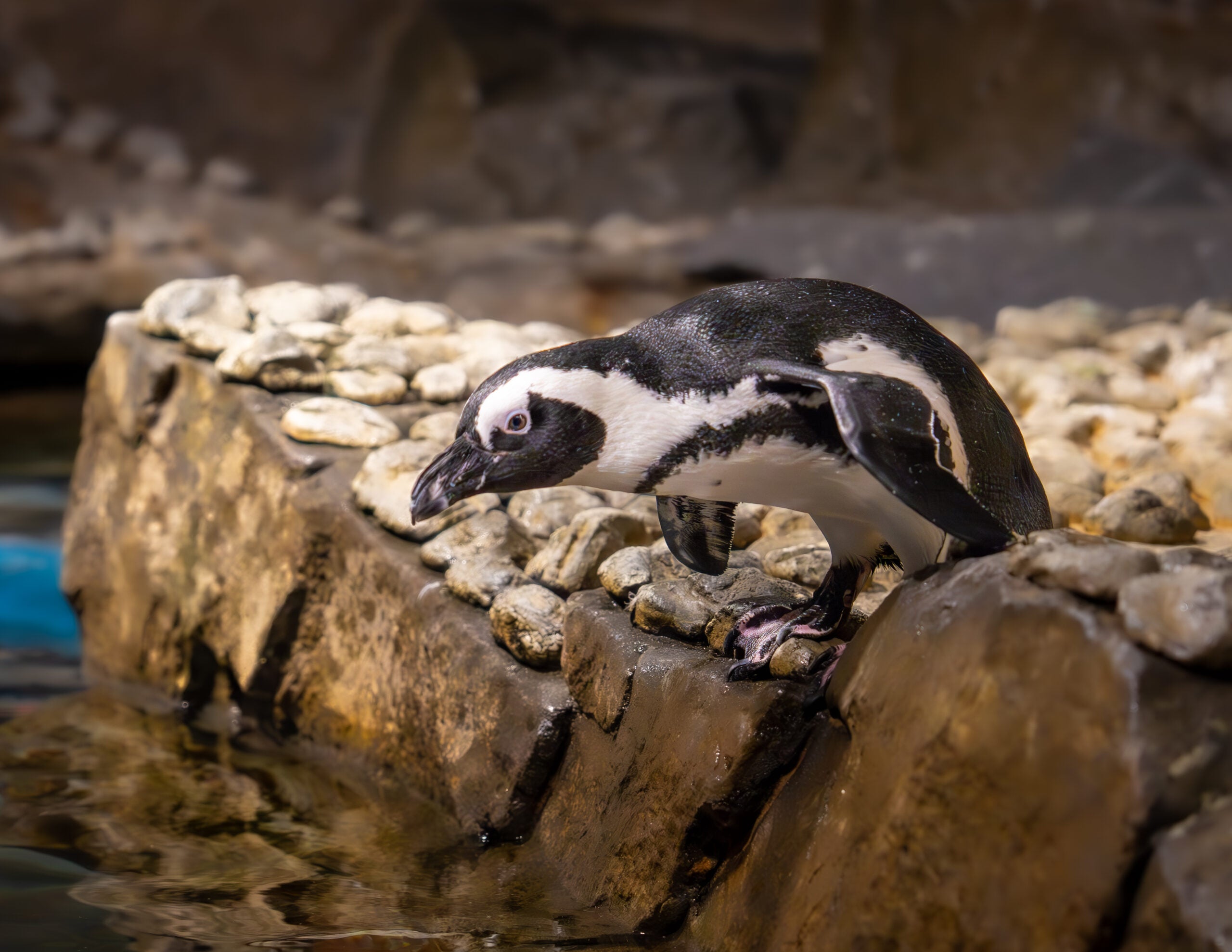
Penguins: Swimmers of the Sea
Aquatic Athletes: The Ocean’s Olympic Champions

Olympic Event: Speed Swimming

Penguins may waddle awkwardly on land, but once they dive into the water, they become torpedoes of speed. Emperor penguins, for instance, can reach speeds of up to 9 miles per hour underwater, using their flippers to propel themselves with remarkable agility.

In comparison, Michael Phelps, the most decorated Olympian in history, averaged a swim speed of 4.7 miles per hour. 


You can find these sleek swimmers training for the 2024 Paris games in our Cold Water Quest gallery.

Sea Lions: The Gymnasts of the Ocean
Aquatic Athletes: The Ocean’s Olympic Champions 2

Olympic Event: Gymnastics

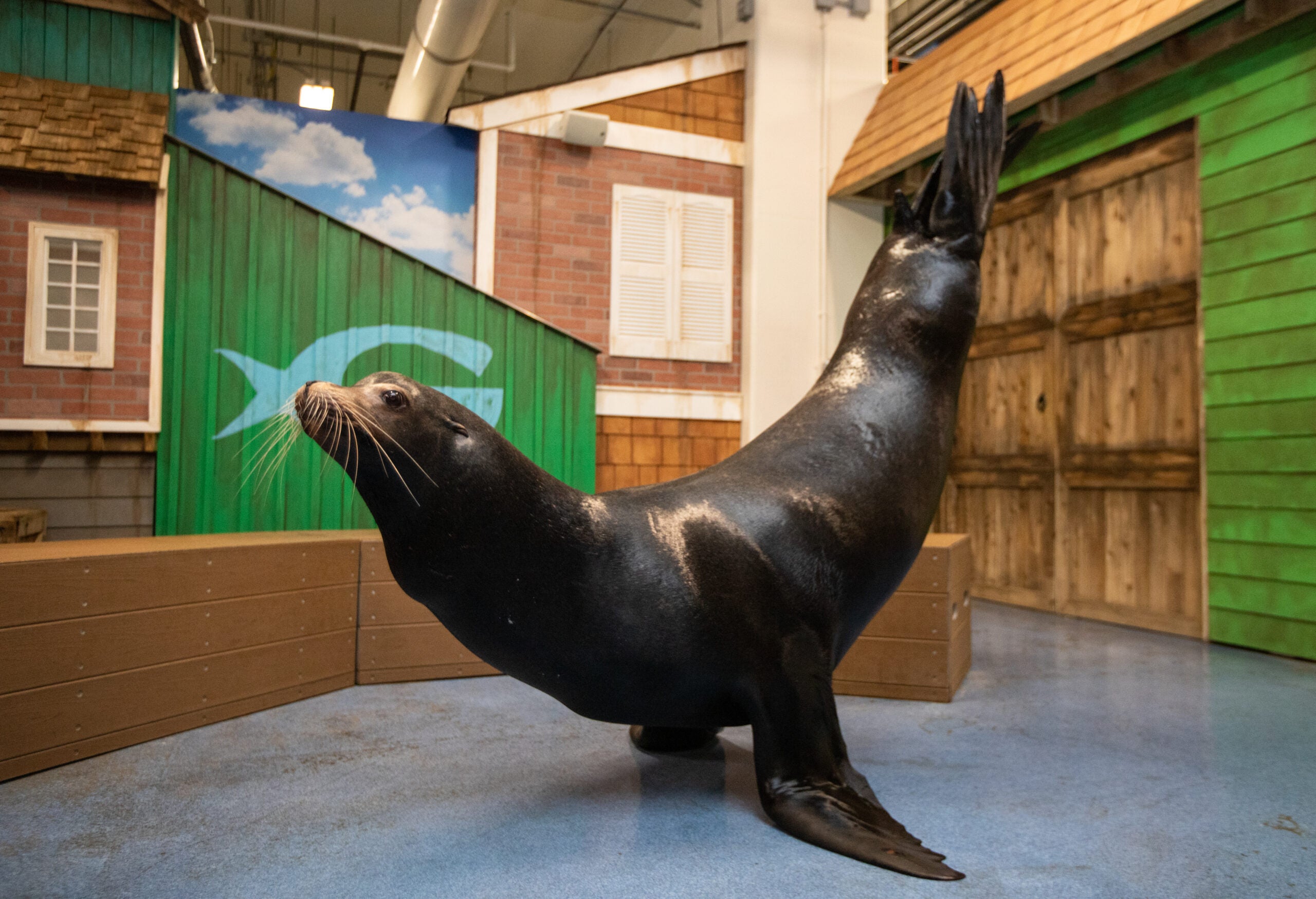
Sea lions are known for their playful and agile nature. They can showcase a variety of spins and flips, highlighting their incredible flexibility and control. Their strength is nearly unmatched. Sea lions are able to hold their entire body weight on their powerful front flippers—similar to a gymnast’s handstand.

Simone Biles’s extraordinary balance, strength, and coordination mirror the acrobatic abilities of sea lions. 

You can catch a glimpse of our sea lions and their impressive moves at Pier 225 or in our Sea Lion Presentation.

Archerfish: The Marksmen of the Water
Aquatic Athletes: The Ocean’s Olympic Champions 3

Olympic Event: Archery

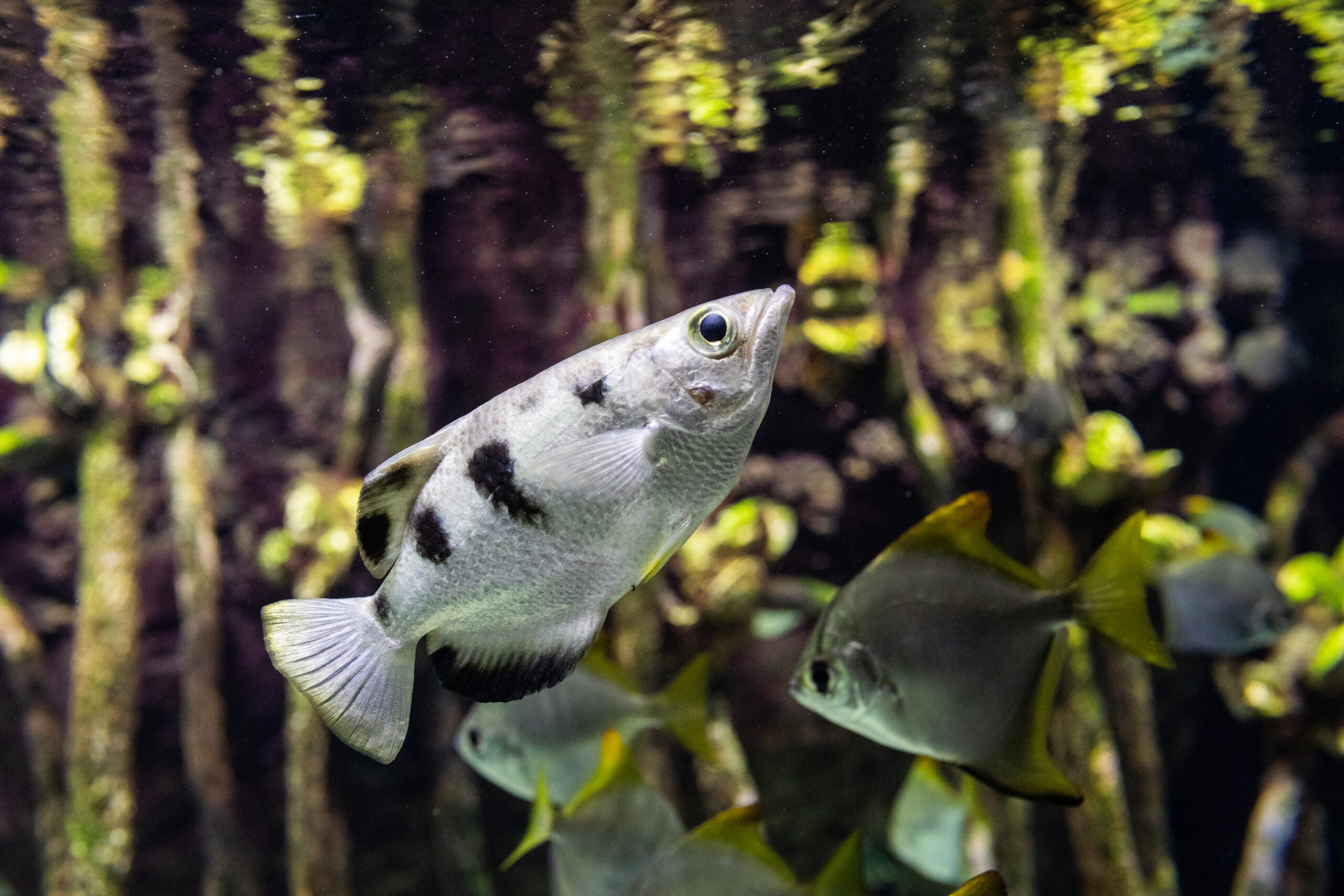
Archerfish have a unique hunting method that involves shooting jets of water to knock their insect prey off branches. They can accurately hit targets up to several feet away, displaying remarkable precision and control. Akin to the calculated accuracy required in Olympic archery.

Brady Ellison, a skilled archer, embodies the precision and focus seen in archerfish.

These impressive marksmen can be found showing off their skills in our Behind the Seas Tour on top of our Tropical Diver gallery.

Discus Fish: The Divers of the Depths
Aquatic Athletes: The Ocean’s Olympic Champions 4

Olympic Event: Discus

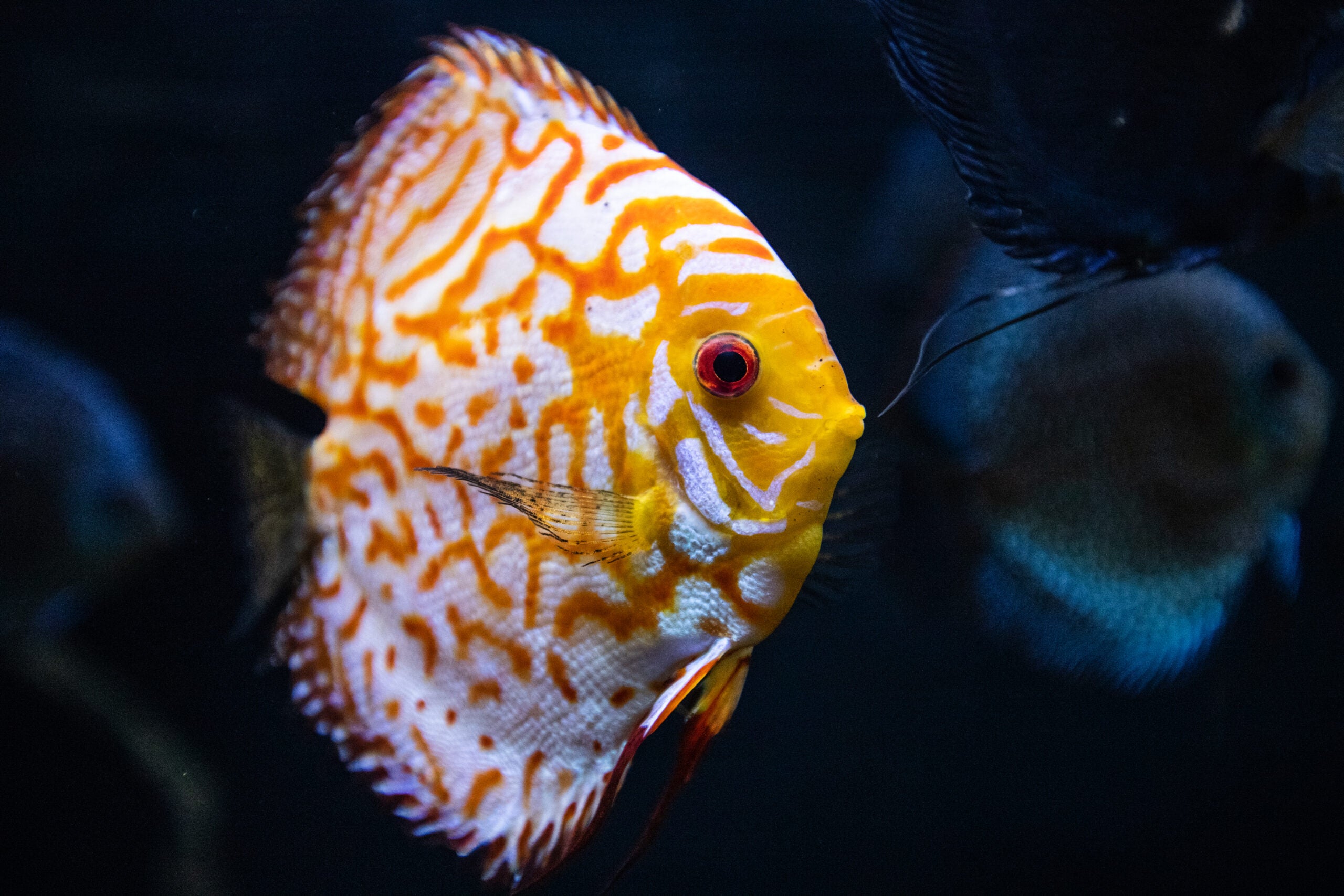
Discus fish, known for their disc-shaped bodies and vibrant colors – named after the Olympic discus throw. These unique fish can navigate tight spaces with ease and display graceful movements. Possessing impressive coordination and flexibility.

One of the top Olympic discus throwers, Al Oerter, displayed that precise coordination is essential for a successful throw. Maintaining balance and control is important for generating power while flexibility is needed to achieve full range of motion.

Check out these delightful discus in our newly renovated River Scout gallery.


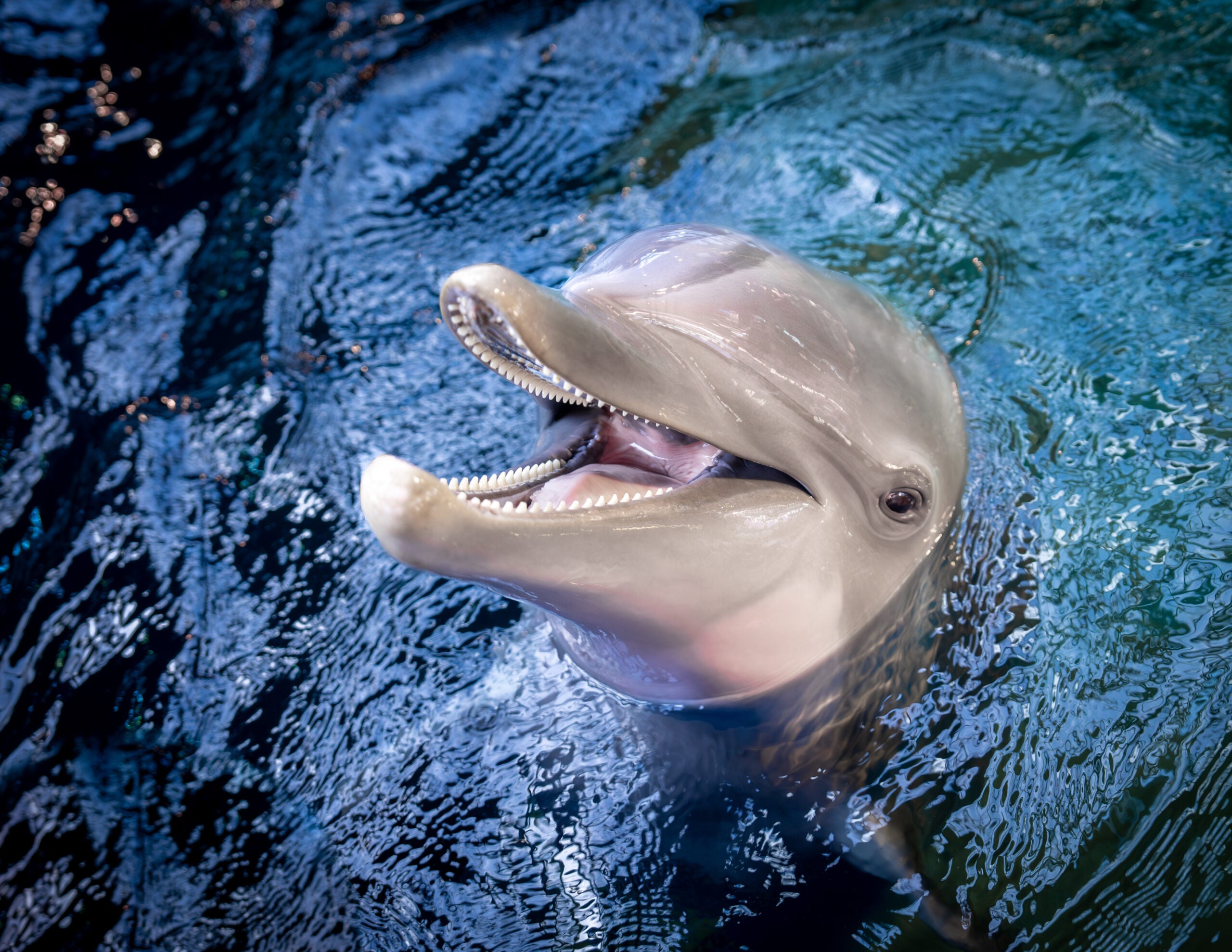
Dolphins: The Olympians of the Animal Kingdom
Aquatic Athletes: The Ocean’s Olympic Champions 1

Olympic Event: Swimming, Gymnastics, Diving, Sprinting

With their remarkable agility, speed, and strength dolphins take home the gold as the Olympic athletes of the ocean. Their streamlined bodies and powerful tails, are akin to Olympic swimmers, capable of reaching speeds up to 37 mph. Their agility and ability to perform acrobatic leaps several feet out of the water resemble the skills of gymnasts, showcasing strength, flexibility, and precision. And dolphins’ diving capabilities, reaching depths of up to nearly 900 feet and holding their breath for up to 15 minutes, parallel the endurance and breath control seen in elite divers and underwater sports athletes.

Beyond physical ability, both dolphins and Olympic athletes exhibit advanced cognitive skills and social coordination. Dolphins’ ability to work together in groups to herd fish mirrors the teamwork seen in sports like basketball or soccer, where strategic coordination is key to success. In essence, both dolphins and Olympic athletes epitomize a blend of physical excellence, strategic intelligence, and adaptive prowess, making them outstanding in their respective worlds.

Cheer on these elite athletes during a Dolphin Presentation.

Conclusion

The aquatic world is filled with incredible creatures that rival the abilities of Olympic athletes. From the speed and agility of dolphins and penguins to the precision of archerfish and the acrobatics of sea lions, these underwater champions demonstrate that athleticism knows no bounds. As we celebrate human achievements in sports, let’s also take a moment to appreciate the natural Olympians that grace our oceans and inspire us with their remarkable feats.Be sure to check out these animals and their skills during your next visit to Georgia Aquarium!

Published on Jul 12, 2024.
Understanding Shark Attacks: Myths, Realities, and Conservation

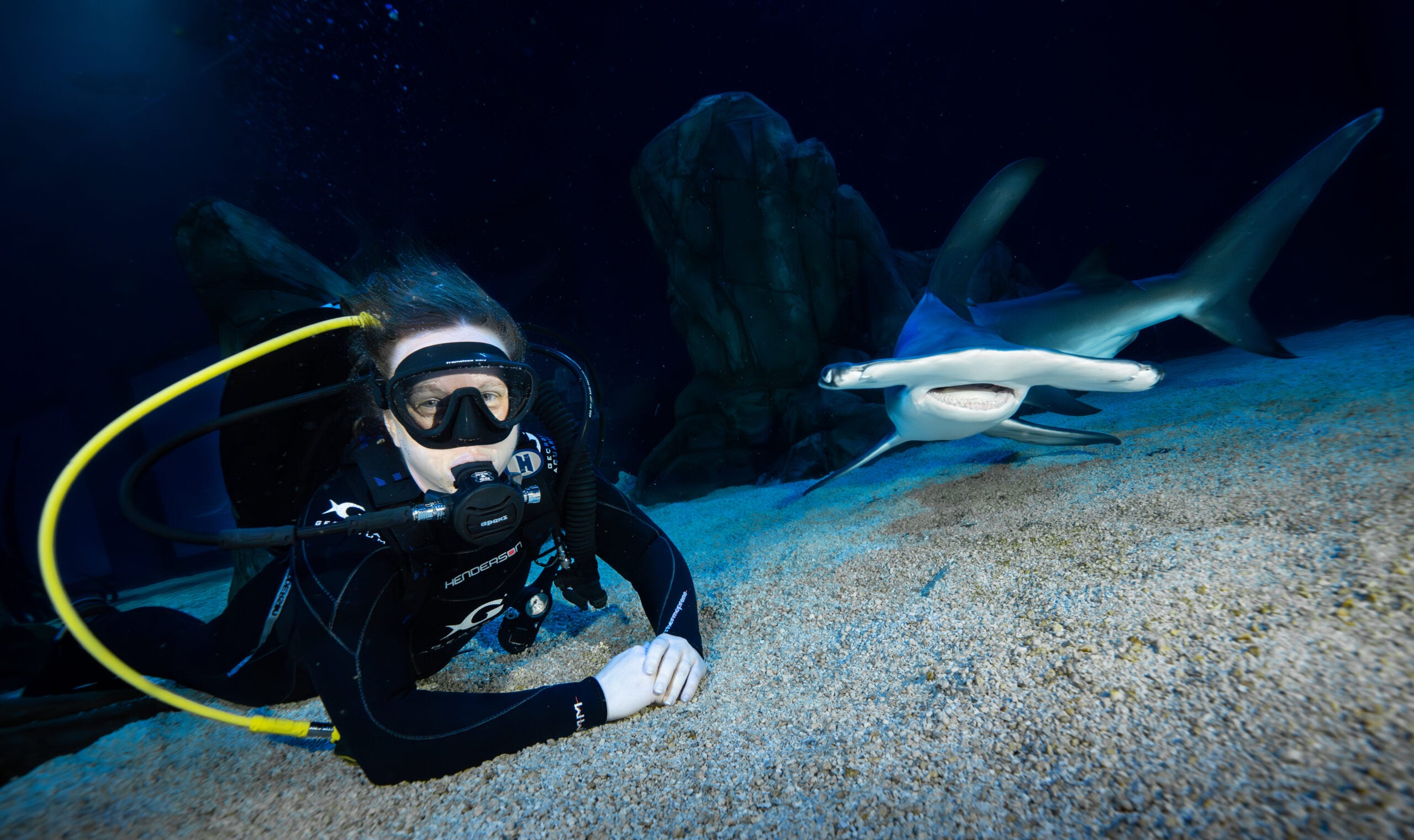
Sharks are a unique species that tend to evoke fear and fascination in equal measure. But how dangerous are they to humans? Let’s dive deeper to understand the reality of shark attacks, the reasons behind them, and the conservation efforts in place to protect these magnificent creatures. Kelly Link, associate curator of fish & invertebrates at Georgia Aquarium, answers the most asked shark questions below: 

Understanding Shark Attacks: Myths, Realities, and Conservation 1

Are Sharks Dangerous to Humans?

Sharks are one of the ocean’s top apex predators and can be dangerous. Negative encounters do happen, but the likelihood is extremely low. In fact, you are more likely to win an Olympic medal, be struck by lightning, or be killed by a falling coconut. Sharks are not naturally interested in humans and do not see us as prey. Most interactions occur due to mistaken identity or curiosity rather than a predatory drive.

Why Do Sharks Attack Humans?

Human-related shark attacks are primarily cases of mistaken identity or exploratory behavior. For example, a shark might mistake a person on a surfboard for a sea turtle, or a swimmer for a sea otter. Since sharks lack hands, they use their mouths to investigate objects, which can sometimes result in a bite.

How Common Are Shark Attacks?

Shark attacks are incredibly rare. On average, there are about 60-65 unprovoked shark bites each year worldwide. Unprovoked bites occur without any human action that might incite the shark. Unlike provoked bites, where humans harass or attempt to feed sharks then, causing a shark to react. Of these bites, only about six a year are fatal. Considering the millions of people who enter the oceans every summer, the chances of encountering a shark are minimal. Statistically, a person is more likely to be hit by an asteroid than killed by a shark.

When Are Shark Attacks Most Likely to Happen?

While sharks can be active at any time of day, most attacks occur early in the morning or near sunset. To further reduce the chances of a shark encounter, avoid swimming during these times.

Which Shark Species Are Most Dangerous?

The great white shark, tiger shark, and bull shark are all considered the most dangerous to humans. Great whites and tiger sharks can grow quite large and are equipped with impressively powerful jaws. However, bull sharks can swim in both fresh and saltwater and are known to swim up rivers, increasing the chances of coming into contact with people.

Where Do Most Shark Attacks Occur?

Sharks follow their food, so they go where the fish go. Therefore, most shark encounters happen in inshore or near-shore waters, near sandbars, or steep drop-offs where sharks follow their prey. 

How Can Shark Attacks Be Prevented?

To minimize the risk of a shark encounter, consider the following tips:

– Be aware of your surroundings and stay close to shore.

– Swim in groups and avoid areas where people are fishing.

– Steer clear of murky water or waters with signs of bait fish.

– Avoid excessive splashing, which can attract sharks.

What Should You Do If You See a Shark While Swimming?

If you see a shark, stay calm and keep an eye on it while slowly and calmly moving away. Do not panic or splash excessively. Exit the water when it is safe to do so.

What Should You Do If You Get Attacked by a Shark?

In the unlikely event of a shark attack, aim to hit the shark in its sensitive areas, like the eyes or gills. Be aggressive in your efforts to free yourself and exit the water as quickly as possible once released.

Common Myths and Misconceptions About Sharks

Myth: Sharks are mindless man-eaters.

Reality: Sharks can actually be pretty picky about what they eat. They have varied diets, including mammals, fish, and invertebrates, but humans are not on their menu. Far from mindless, many sharks actually have fairly large brains—they are smart and curious with complex social behaviors.

Myth: All sharks are the same.

Reality: There are over 500 species of sharks, ranging from the tiny dwarf lantern shark, which is no more than 6 inches in length, to the massive whale shark, which can reach up to 60 feet in length.

Myth: Sharks can smell a single drop of blood from across the ocean.

Reality: While sharks have excellent olfactory systems, a single drop of blood will not attract them from far away.

Myth: Sharks must keep swimming, or they will drown.

Reality: Some sharks, like the white shark, need to keep swimming to breathe. This is because they are ram-ventilating, which means they need to swim continuously to push water over their gills. In contrast, buccal-pumping sharks, like the zebra shark, can actively pump water over their gills with their mouths. These sharks are able to lay on the bottom of the ocean.

What Role Do Sharks Play in the Ocean Ecosystem?

Sharks are apex predators, crucial for maintaining the balance in marine ecosystems. By regulating prey populations, they help prevent the overgrowth of algae on coral reefs and ensure the health of the ocean environment. The ecosystem is a delicate balance that can be easily thrown off when one piece is removed.

Do Sharks Have Natural Predators?

Yes, many sharks are both predators and prey. Larger sharks can prey on smaller ones, and young sharks can fall prey to larger fish like groupers or jacks. Even apex predators like great whites can be hunted by orcas. However, humans are considered to be the biggest predators on the planet and pose a much greater threat to sharks than they do to us. 

The Status of Shark Populations

Shark populations are in decline, with over 100 million sharks killed each year, primarily for their fins. Overfishing has led to a 70% reduction in shark populations globally, with around one-third of shark species threatened with extinction.

Conservation Efforts for Sharks

Efforts to protect sharks range from personal actions to international collaboration:

Personal Level: Consuming sustainable seafood, avoiding shark fin products, reducing  

carbon footprints, and educating others about sharks.

Government Actions: Creating Marine Protected Areas and Shark Sanctuaries, banning 

shark finning, and regulating shark trade.

International Cooperation: The Convention on International Trade in Endangered 

Species (CITES) and the UN High Seas Treaty aim to protect sharks across borders and 

international waters.

Studying Sharks and Their Behavior

Scientists study sharks using various methods, including tagging and tracking, underwater recordings, aerial surveys, and environmental DNA analysis. Facilities like Georgia Aquarium contribute to this research by observing shark behaviors and facilitating conservation projects:

Georgia Aquarium’s sharks can help expand the knowledge about shark species in many ways.  Our whale sharks were part of a project to sequence the full genome of the whale shark, the first project of its kind on sharks.  We can observe feeding and mating behaviors that might be difficult to see in the ocean.  We can also track morphometric changes over time to understand how quickly shark species grow and mature. Along with gestational data to help understand the duration and challenges of pregnancies. Our sharks and rays can also help researchers prepare for work in the field. One of our manta rays allowed researchers to test a suction cup tag that could be deployed on wild mantas. Blood draw techniques learned from our whale sharks allowed our team to get blood from wild whale sharks in Indonesia. Georgia Aquarium and many other partners are part of the StAR project in Indonesia.  The aim of this ambitious project is to repopulate the reefs in Raja Ampat, Indonesia, with zebra sharks bred from animals in aquariums around the world.  The goal is to raise and release 100 sharks per year to establish a self-sustaining population of zebra sharks.

In conclusion, while sharks can be dangerous, the risk they pose to humans is minimal. By understanding and respecting these incredible creatures, we can coexist with them while ensuring their conservation for future generations.

Published on Jul 8, 2024.

Operation Beluga: Rescuing Whales from Ukraine

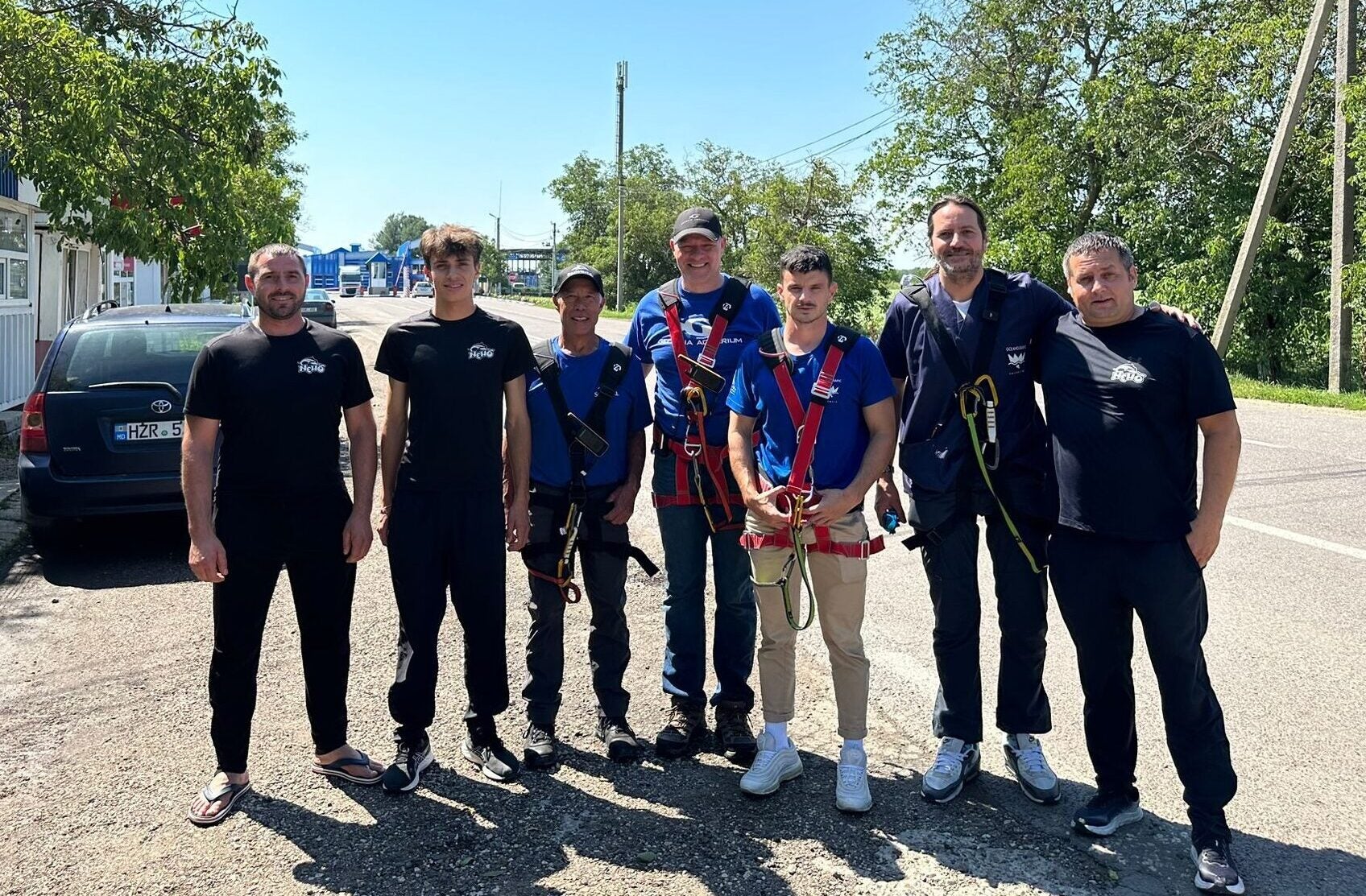
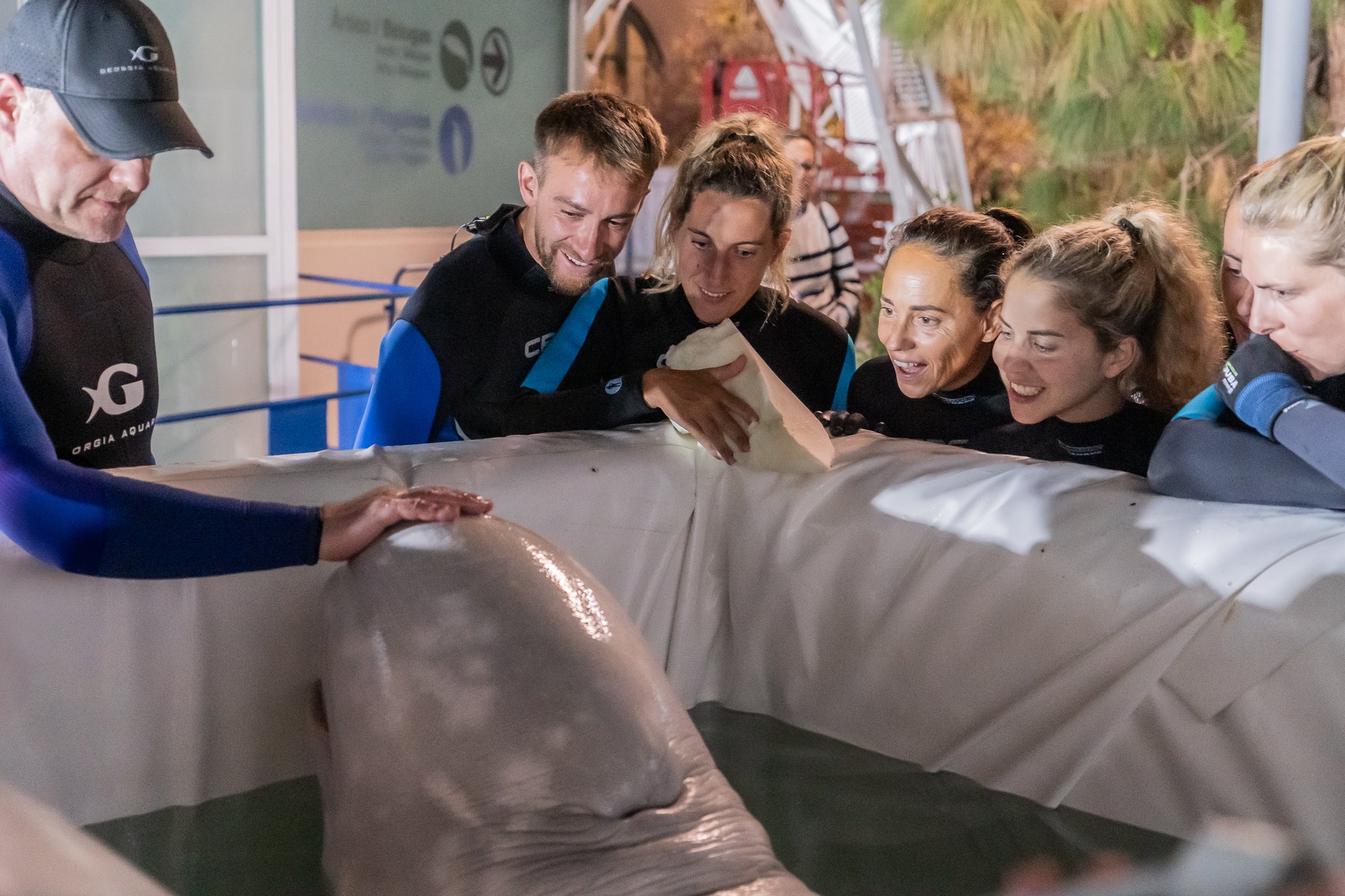
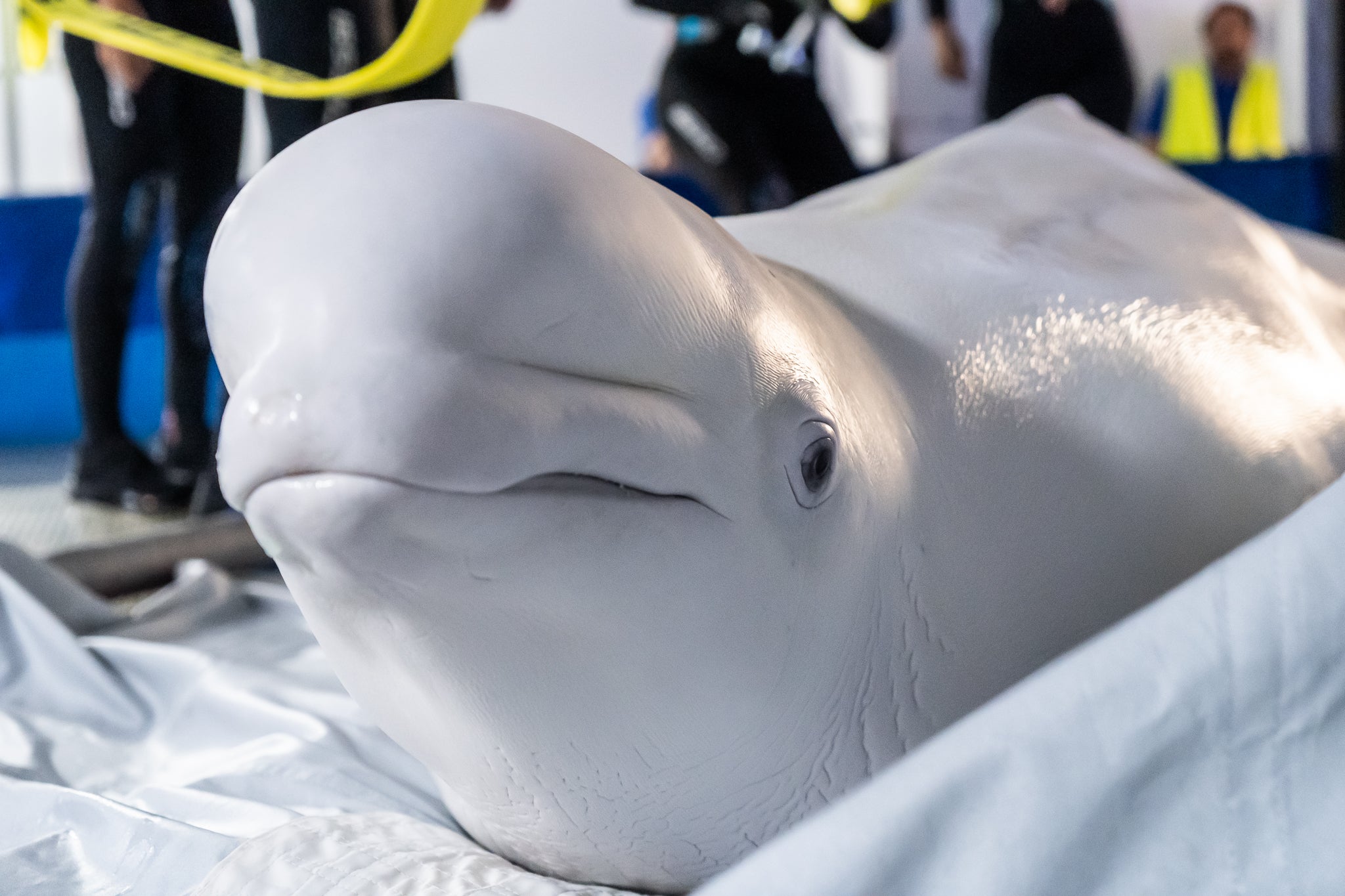
On June 17 &18, 2024, marine mammal specialists from Georgia Aquarium, Oceanogràfic de Valencia, and SeaWorld assisted the NEMO Dolphinarium in rescuing two beluga whales from the war-torn region of Kharkiv, Ukraine. Dennis Christen, senior director of animal wellbeing and behavior at Georgia Aquarium, recounts the details of this momentous event below:

Introduction

Recently, a team of experts, including myself, had the unique opportunity to assist in transporting two beluga whales, Plombir and Miranda. Moving beluga whales across international borders is no small feat. It requires precise planning, extensive coordination, and unwavering dedication from a team of professionals. Here’s a detailed account of this extraordinary mission.

Preparing for the Move

The preparation phase for this transport was a mammoth task involving numerous stakeholders and extensive communication. I worked closely with Daniel Garcia, Robert Gojceta, Keith Yip, and several others to ensure every detail was meticulously planned. Our communication spanned countless emails, Zoom calls, and WhatsApp messages.

One of the primary challenges we faced was setting up contact with a logistics company in Moldova to assist with importing transport gear from Spain and supporting our team on the ground. We coordinated meetings with customs agents and airport authorities in Moldova to streamline the process. Using transport plans and equipment lists from our beluga transports at Georgia Aquarium, we ensured all necessary supplies, including ice and potable water, were ready for the journey. This preparation phase was crucial in laying the foundation for a successful move.

Moving Day

Move day was a whirlwind of activity and emotions. It began on Monday with a series of critical meetings at Chisinau airport to align all stakeholders on the transport logistics. The day’s agenda was scheduled down to the hour, including the final setup of transport crates and coordinating a police escort for the transport truck from Kharkiv. 

Our colleague, Olga Shpak, was vital in ensuring timely communications and on-ground updates. Her efforts were invaluable, especially given the communication delays we faced. The transport left Kharkiv in the evening, and we received regular updates through the night as the convoy made its way to Moldova.

Upon arrival at the Moldova-Ukraine border, we encountered several challenges, including unexpected delays at customs and passport control. At the airport, we faced further complications. The plane was parked far from the loading zone, and we had to navigate multiple customs and security checks. Despite these setbacks, our team persevered, successfully loading the belugas onto the cargo plane. 

Meeting the Ukrainian Team

Seeing the animals and meeting the Ukrainian team for the first time was an emotional moment. The Ukrainian veterinary attendants were visibly emotional, reflecting the toll the journey had taken. Despite the language barrier, we communicated our gratitude and ensured they felt supported. The belugas were remarkably calm, a testament to their resilience and the care they received throughout the journey.

The physical demands of the move were immense. The long duration of the transport, coupled with the stress of navigating logistical challenges, tested our endurance. The loading process at the airport was particularly strenuous, involving a lot of physical activity in high-stress conditions. Despite the exhaustion, our team maintained a calm and collected demeanor, ensuring the safety and wellbeing of the belugas.

Arrival at Oceanografic

Throughout the move, both belugas remained surprisingly calm. I accompanied Plombir and Miranda at various stages, and their behavior was a reassuring indicator of their wellbeing. The flight to Valencia was smooth, and the low-frequency vibrations of the plane seemed to have a calming effect on the whales.

Arriving at Oceanografic in Valencia was a triumphant moment. The warm welcome from the staff and the successful transfer of Plombir and Miranda to their new home marked the culmination of our efforts. The Oceanografic team’s expertise and enthusiasm were evident as they seamlessly took over the care of the belugas.

Media Frenzy and the Importance of this Story

The media attention surrounding this story highlights the broader significance of our mission. It underscores the resilience of the Ukrainian animal caretakers and the vital role of zoos and aquariums in animal rescue and conservation. Sharing this story brings awareness to the challenges faced by both humans and animals in conflict zones and the incredible efforts made to protect and care for them.

Plombir and Miranda’s journey also emphasizes the importance of international cooperation in animal welfare. It demonstrates how various organizations and individuals can come together to overcome significant challenges and achieve a common goal. This mission has captivated the public’s imagination, offering a glimpse into the often unseen world of animal rescue and the dedication of those involved.

Conclusion: Collaboration is Borderless

This mission was not just about transporting belugas; it was a testament to the power of collaboration. Working alongside dedicated professionals like Keith, Daniel, and Robert was a rewarding experience. Daniel’s leadership and Robert’s extensive knowledge were particularly impressive, and the camaraderie we developed during this mission will undoubtedly lead to lifelong friendships.

The successful transport of Plombir and Miranda was a monumental achievement, made possible by the dedication and collaboration of a diverse team of professionals. This mission highlighted the logistical complexities of moving beluga whales across borders and underscored the deep compassion and resilience of all those involved. The collaboration between Oceanogràfic de Valencia, SeaWorld, NEMO Dolphinarium, Shedd Aquarium, and the Association of Zoos and Aquariums was instrumental in the meticulous planning and successful execution of this transport. It was an honor to be part of this incredible journey. I look forward to the continued care and wellbeing of Plombir and Miranda in their new home. 


For the official press release, click  here.

Published on Jun 24, 2024.

Animals After Dark

Come check out what our animals are up to in the evenings! 

The animal kingdom is as active at night as it is during the day. As the sun dips below the horizon, the oceanic world transforms. Bioluminescent creatures come alive, lighting up the dark waters. Nighttime hunters, such as sharks and eels, emerge from the depths, taking advantage of the cover of darkness to ambush their prey. The bustling daytime ecosystem of coral reefs gives way to a different cast of nocturnal inhabitants, including shrimps and crabs, all navigating the shadows in search of food.

Meanwhile, the silent glide of stingrays and the rhythmic movements of schools of fish display a dynamic underwater world that flourishes in the cover of night. Life continues its relentless, captivating dance in these darkened waters, reminding us of the ocean’s boundless wonders. Witness the enchanting evening routines of our aquatic residents and relish a more intimate atmosphere. 

Check out some species that are more active at night:

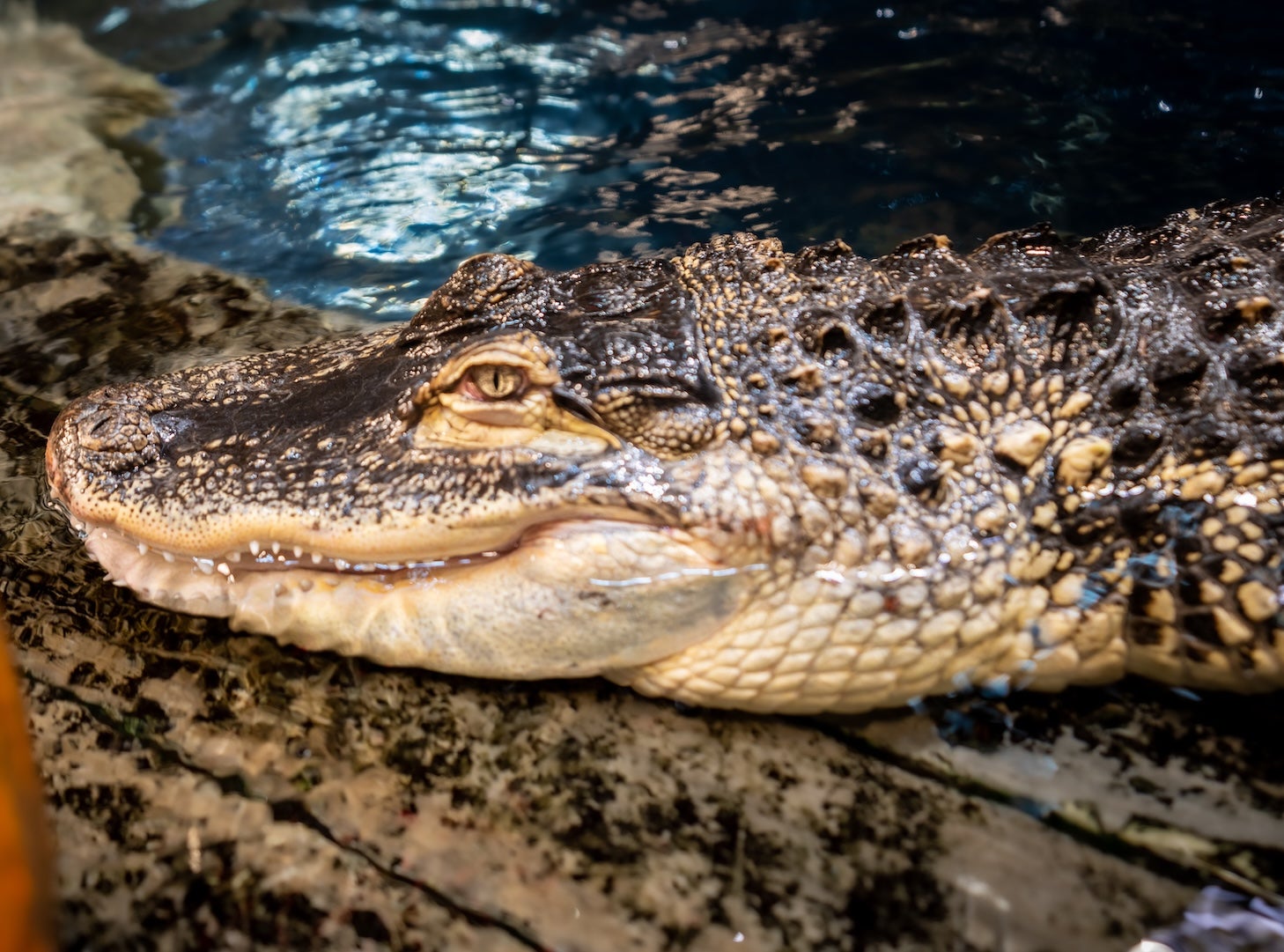
Animals After DarkAmerican Alligators

American alligators are diurnal and nocturnal, meaning they are active both day and night. They hunt predominantly at night, but they are also commonly seen basking in the sunlight during the spring and summer. 

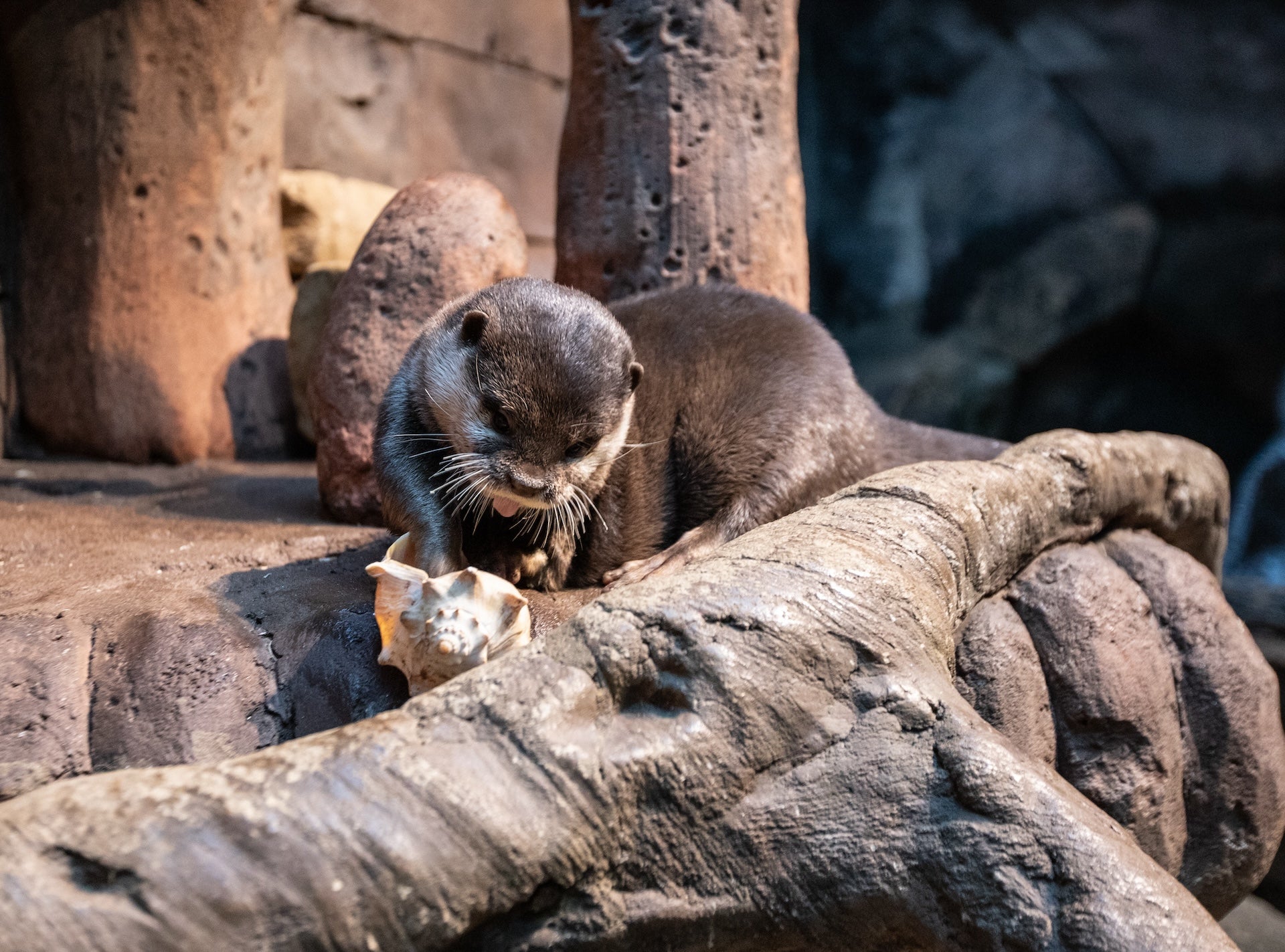
Animals After Dark 1Asian Smalled Clawed Otter

Asian small-clawed otters are active during the day but are primarily nocturnal animals. Our otters often nap throughout the day, but if you visit in the evening, you might catch them playing in the water or with their enrichment items! 

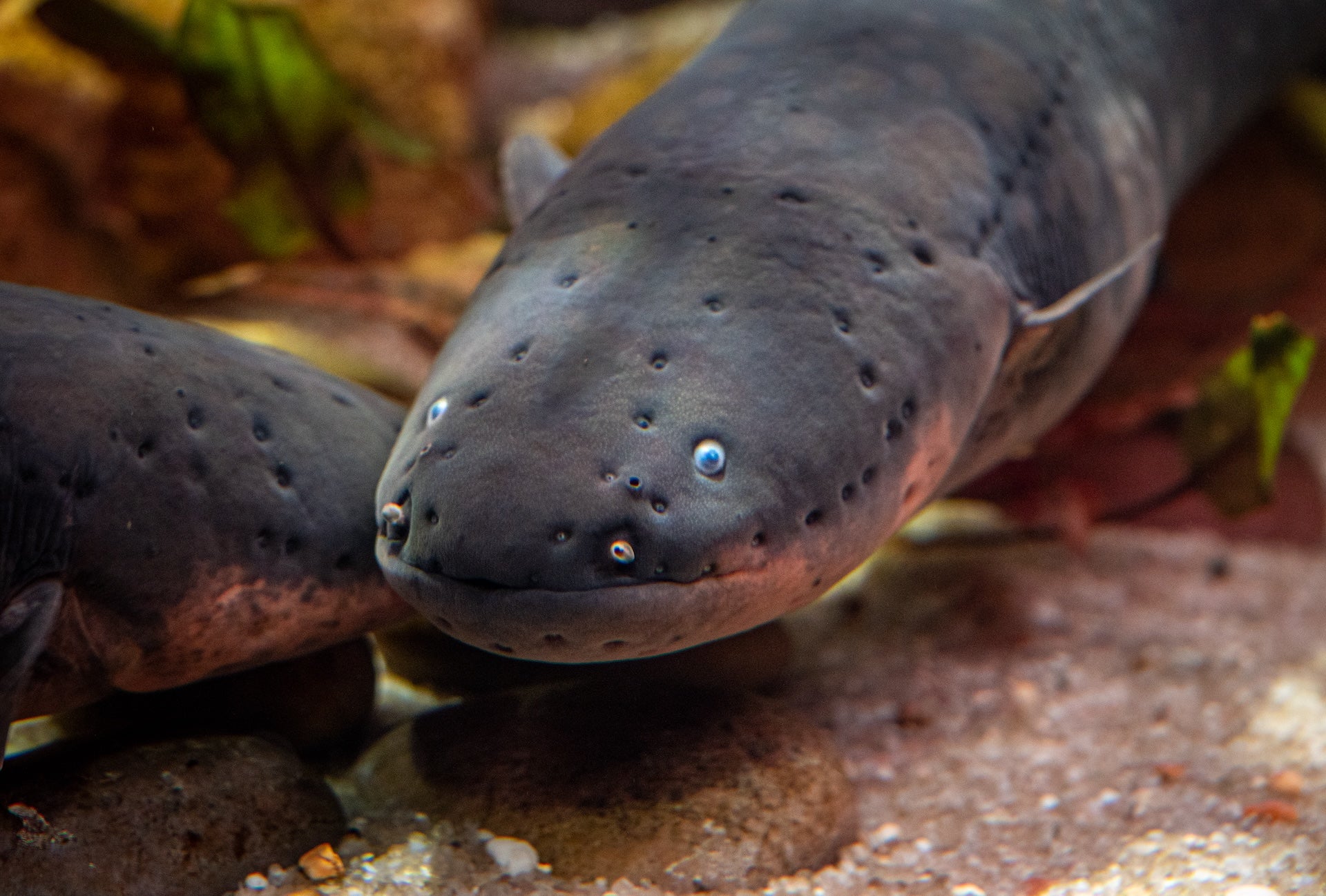
Animals After Dark 5Electric Eel

The electric eel is a nocturnal species, hiding under shelter or in holes during the day and hunting for prey at night. Because they have poor eyesight, they emit a weak electric signal, which they use like radar to navigate, find a mate, and find prey.

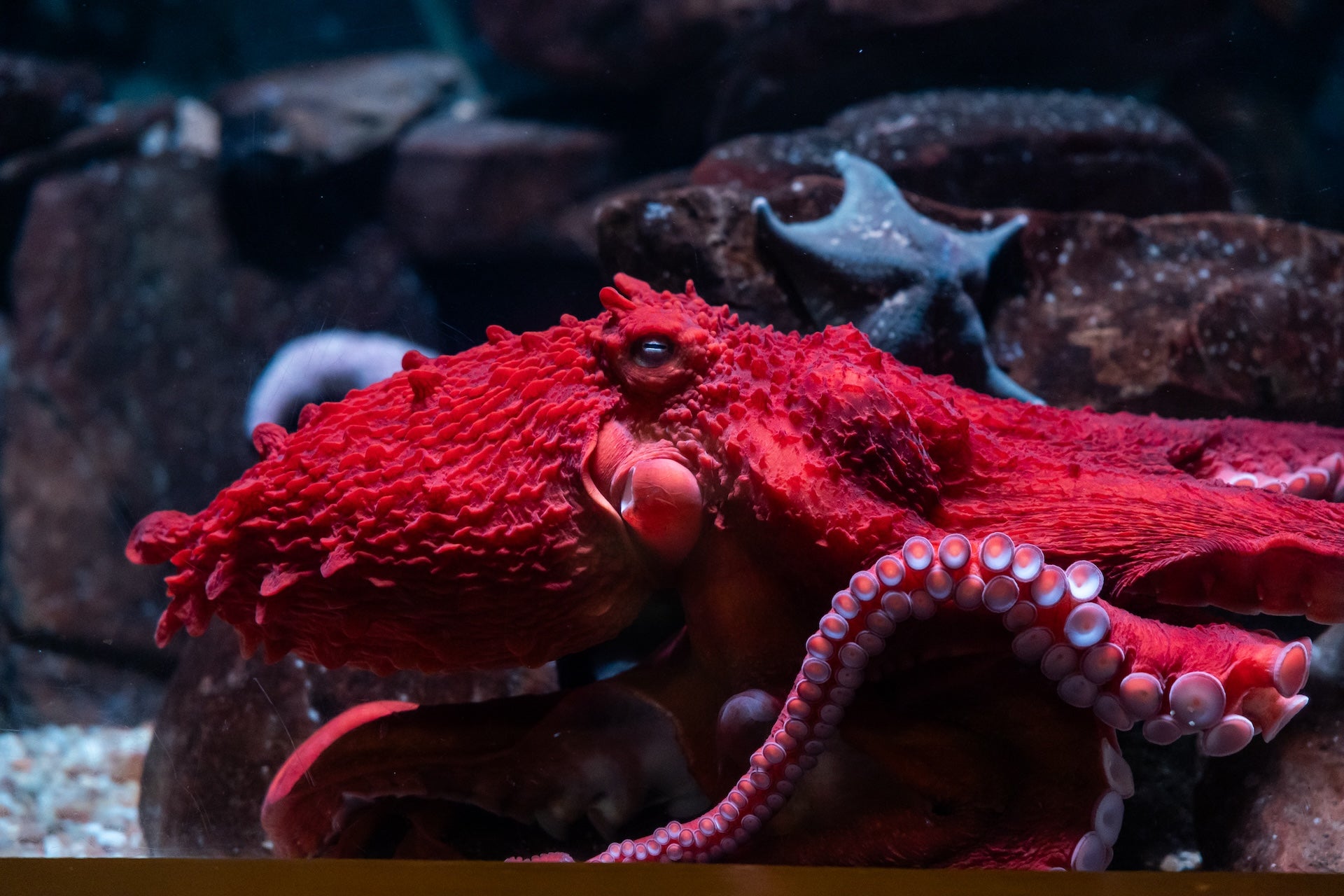
Animals After Dark 9Giant Pacific Octopus

Generally nocturnal, giant Pacific octopuses move about and do their hunting at night. They use their arms, each covered with approximately 200 suckers, to find and hold their prey.

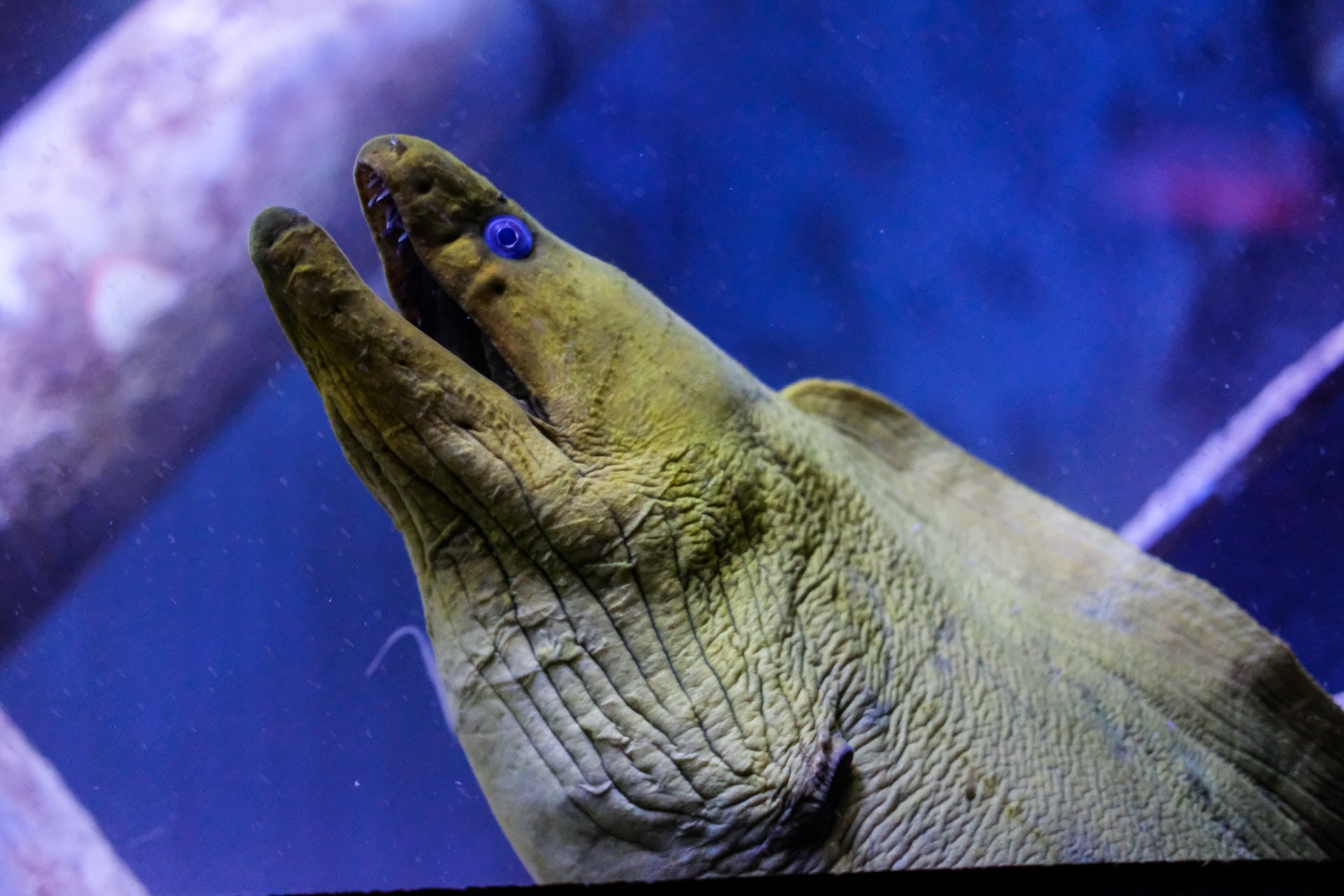
Animals After Dark 2Green Moray Eel

The green moray eel is a nocturnal predator.  During the day, it hides in a hole in the rocks.  It uses its sense of smell to find its prey because moray eels have poor vision.  It does not go hunting for its prey; instead, it sits and waits for the prey to cross its path.

Animals After Dark 10Green Sea Turtle

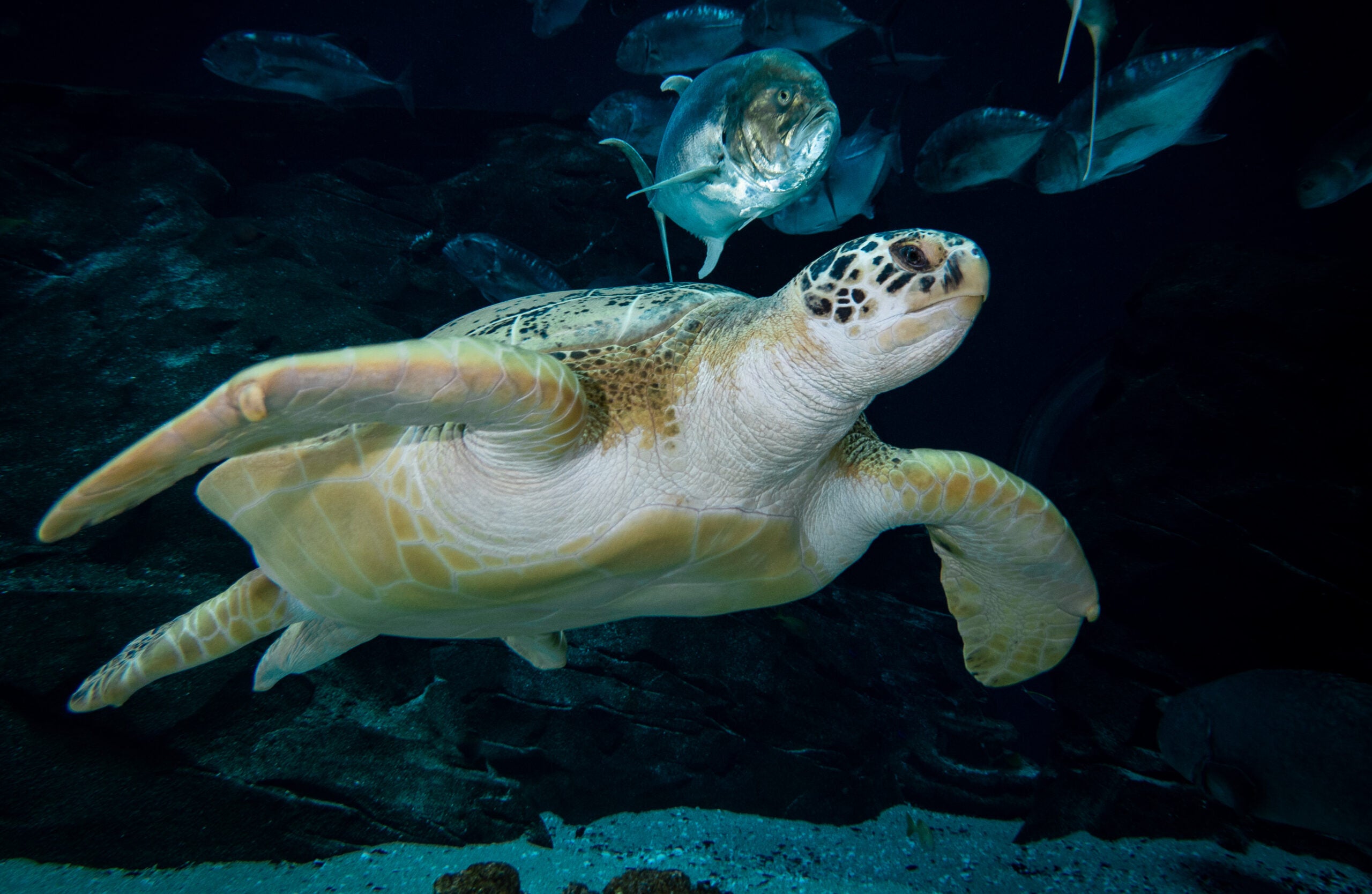
Green sea turtles (Chelonia mydas) are typically diurnal but can also exhibit nocturnal activity, including feeding, nesting, and breeding.

Animals After Dark 8Japanese Spider Crabs

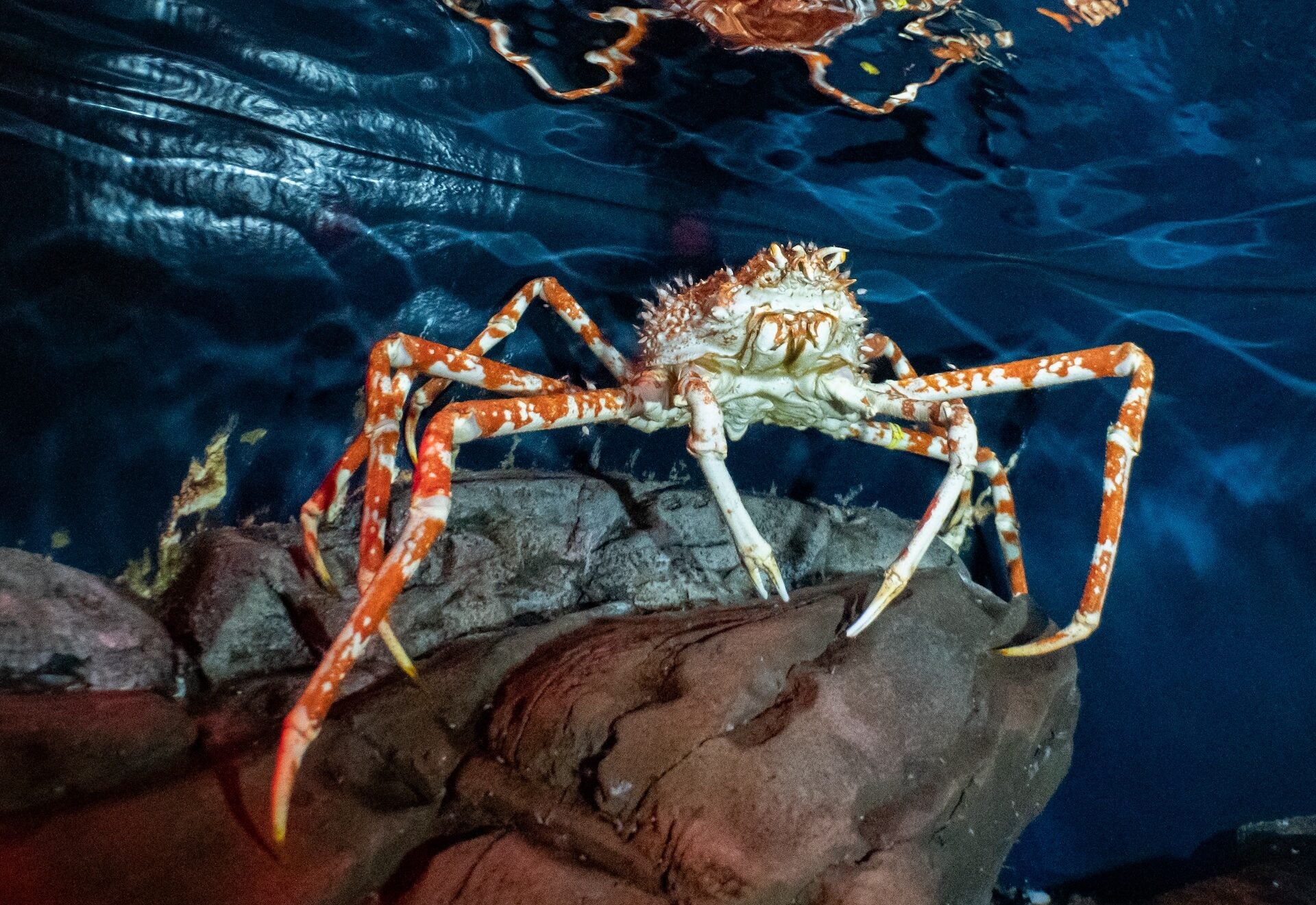
Japanese spider crabs are active at night to avoid predators rather than to camouflage themselves when hunting prey. They live on the ocean floor along Japan’s Pacific coast, primarily on the sandy and rocky continental shelf and slope. 

Animals After Dark 7Manta Rays

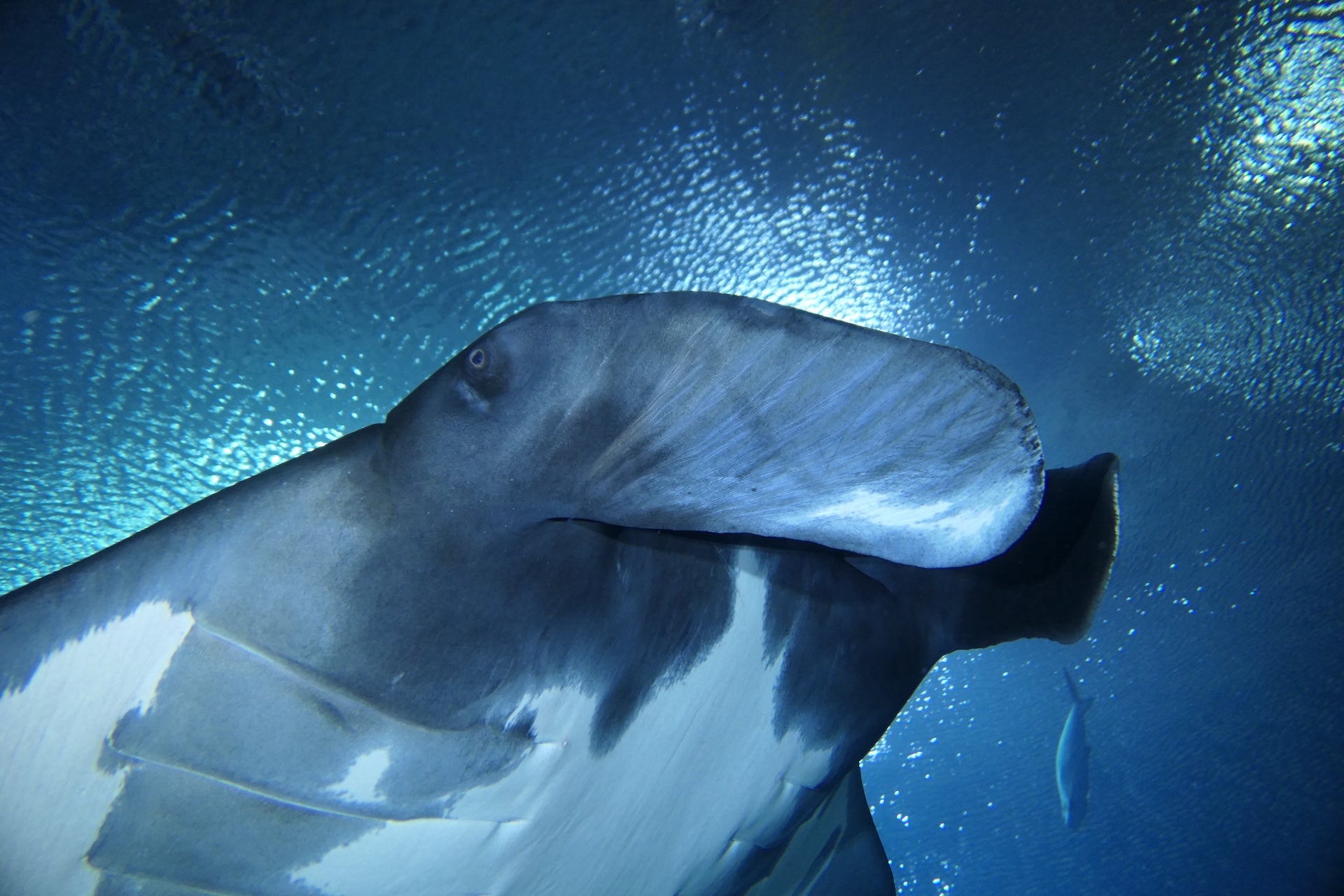
Manta rays are filter feeders and are most active at night when they feed. Some say the best time to see manta rays up close in the ocean is at night when they come together in large numbers to feed. 

Animals After Dark 4Red Lion Fish

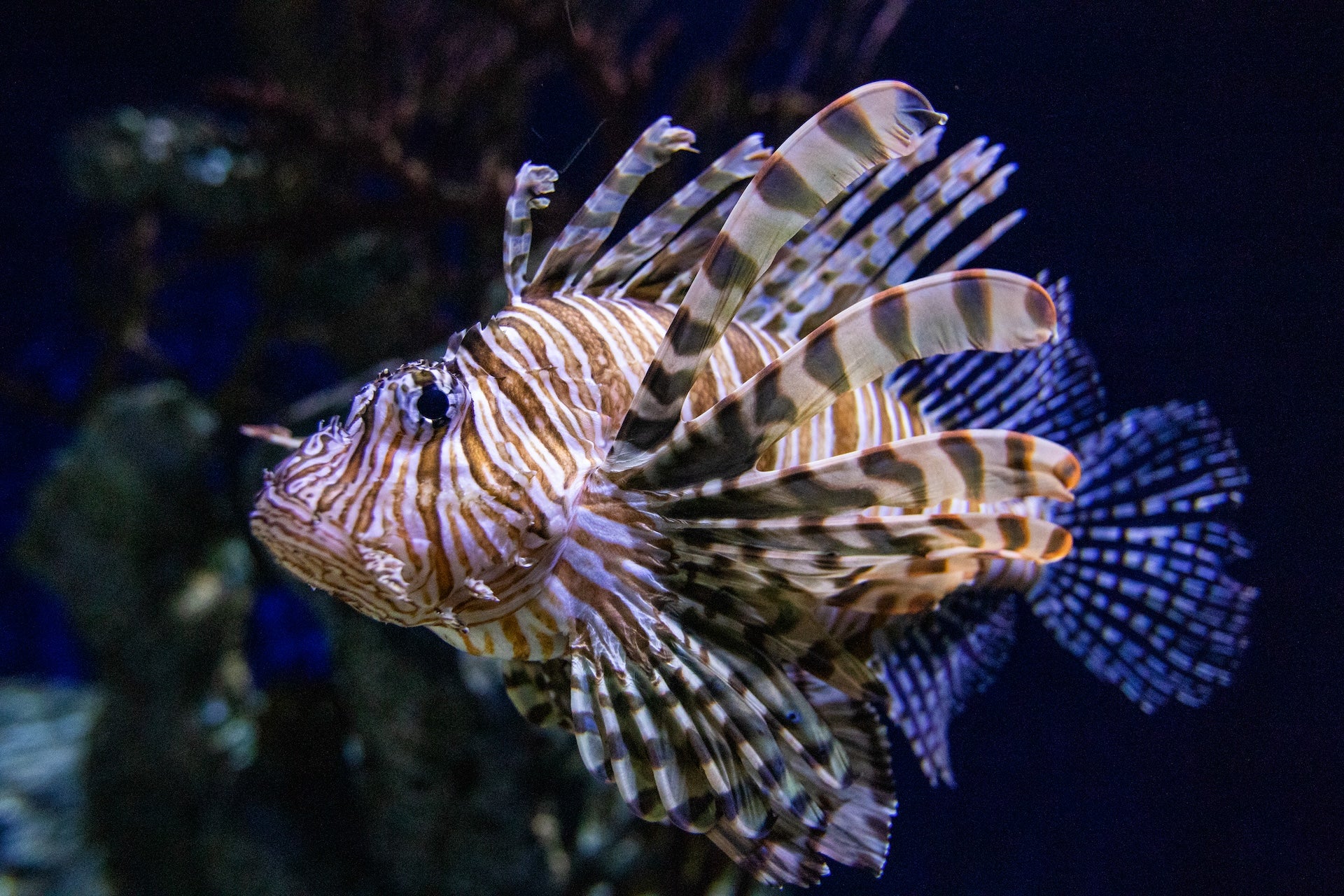
This species is a solitary, nocturnal hunter that stalks its prey and corners it using outstretched and expanded pectoral fins.

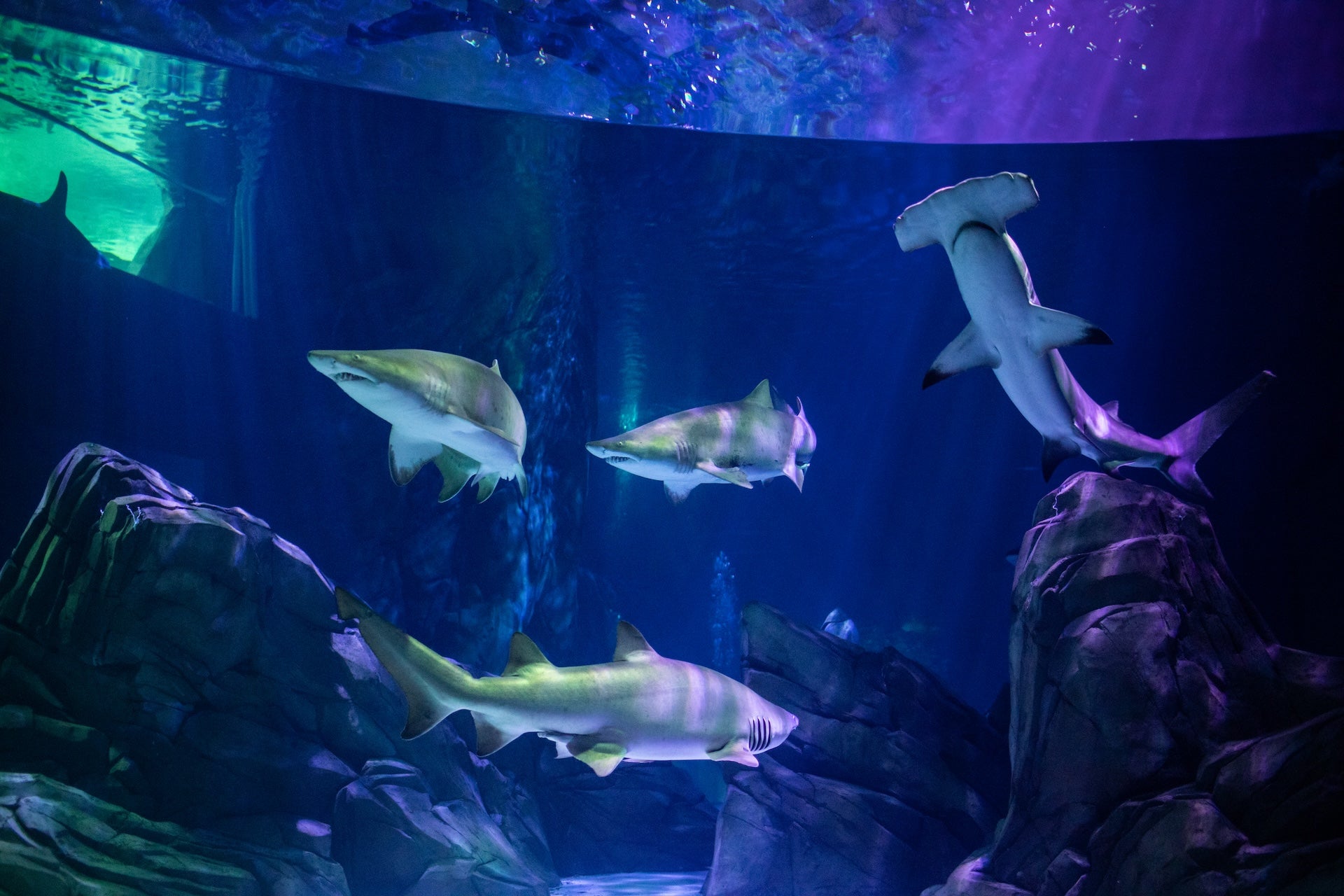
Animals After Dark 3Sharks

Many sharks are active and feed during low light hours (dawn or dusk) and at night.

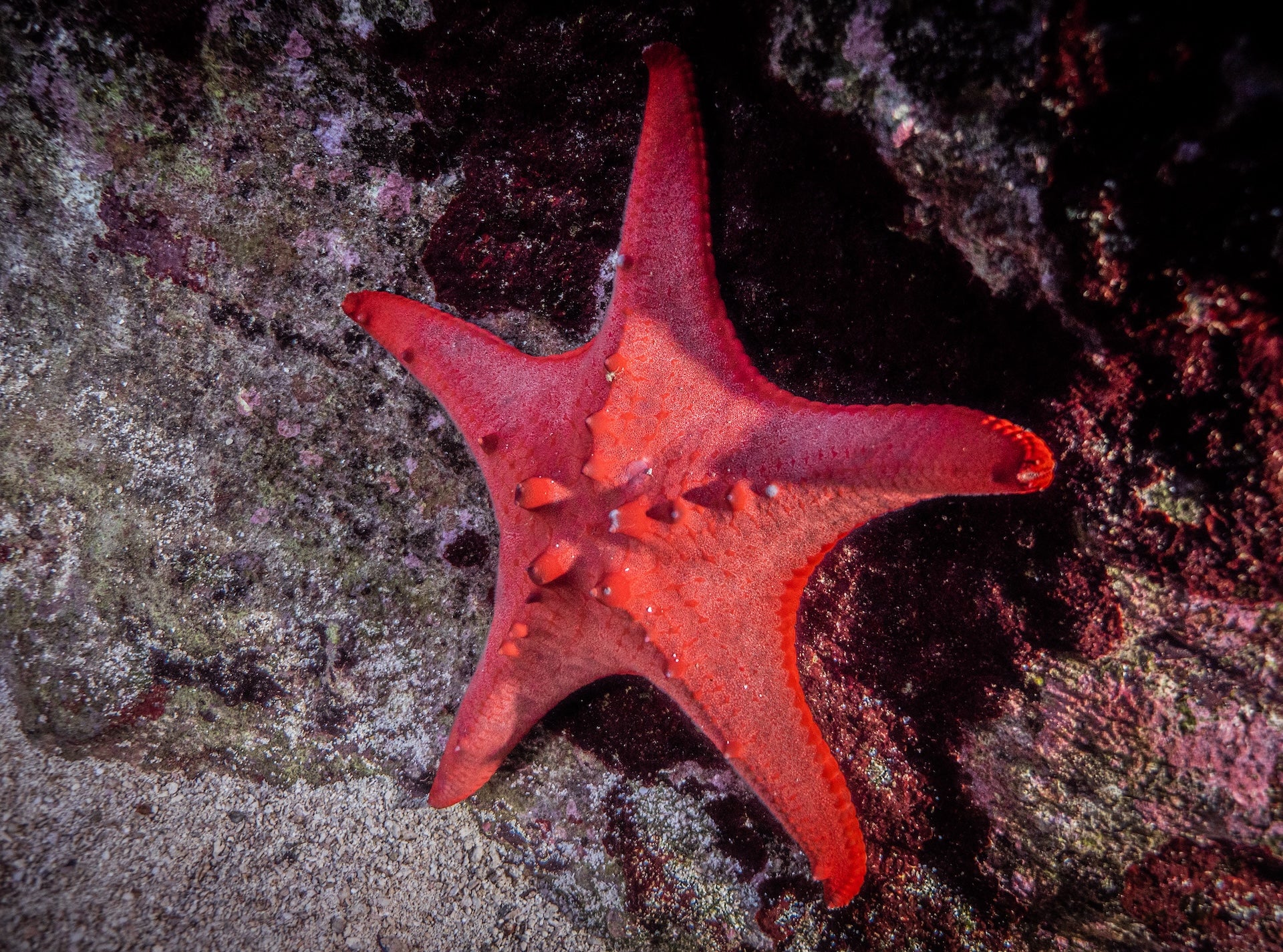
Animals After Dark 6Starfish

Some species of starfish are nocturnal and become more active at night. Recent research published in the journal Proceedings of the Royal Society B highlighted that starfish have eyes and can even see in the dark. 


Georgia Aquarium is home to all of these unique and spectacular species and many more! It’s the perfect opportunity to explore the ocean’s depths without the usual daytime bustle. Take advantage of this unique, serene adventure and make your summer nights unforgettable!

Published on Jun 17, 2024.

St. Helena Diary: Marine Awareness Week

By Kim Stone – Director of Fishes and Invertebrates

St. Helena is a Mission Blue recognized Hope Spot in honor of the island’s ongoing initiatives to manage and monitor its marine environment as well as to grow a sustainable economy. Georgia Aquarium works with the St. Helena National Trust and Marine Conservation Section promoting conservation and education on the island and contributing to ongoing marine research.

Day 1 – Island Tour

March 10, 2024

Today commenced an unforgettable journey on St. Helena. We started our week-long adventure touring the island from dawn to dusk with a local guide. Throughout the tour, I was enthralled by the island’s rich culture, history, and biodiversity. Spanning 47 square miles, St. Helena offers a striking contrast between its two sides. One resembles a barren planet, vast and desolate – while the other is a lush paradise teeming with wildlife and vegetation. It was like witnessing two worlds within a single island half the size of Atlanta. 

Throughout the day, I absorbed every detail shared by our guide, learning about the history and becoming immersed in the lives of its native people.

Day 2 – Marine Plastics Research

March 11, 2024

Today was an incredibly fulfilling day spent with the St. Helena National Trust team. We joined the group at ‘Sandy Bay,’ to assist with their ongoing research project involving collecting and studying plastic particles that wash up on the beach with the outgoing tides. It was disheartening to witness the impact of human activity on such a picturesque coastline.

By analyzing the properties of these plastics, we aim to identify their quantity and source of origin. This will give us a better look at the overall and long-term effects they have on the surrounding waters. This valuable data will contribute to global microplastic studies, informing policies and practices worldwide. 

As we diligently collected the debris, I couldn’t help but feel a sense of purpose, knowing that our efforts were part of a larger initiative to understand and combat the scourge of plastic pollution. Our actions today will have ripple effects beyond just this beach. It’s moments like these that remind me of the importance of environmental stewardship and the power of collective action in preserving our planet’s precious ecosystems.

Day 3 – Setting Sail

March 12, 2024

Today’s boat ride with members of the Marine Conservation Section and National Trust, along with government diplomats, was both exciting and educational. While we only managed to spot one whale shark from a distance, the discussions about oceanic conservation efforts were truly enlightening. It was inspiring to hear about the ongoing work to protect the marine ecosystems in St. Helena.

Despite the limited sightings, I was grateful for the opportunity to share insights into shark conservation, particularly regarding the care of whale sharks. Every conversation and interaction brings us closer to understanding and safeguarding these magnificent creatures. Here’s hoping for more fruitful encounters and meaningful discussions as our journey continues.

Day 4 – A Day on the Shorebird Survey

March 13, 2024

Today, I embarked on a captivating journey alongside two members of the St. Helena Nation Trust for their biweekly shorebird survey. Our expedition led us along the undulating coastline of St. Helena, where we ventured for miles, encountering the nests of the island’s resident masked boobies perched atop the coastal cliffs. These birds hold a special significance, serving as focal points for our conservation efforts to understand their migratory patterns and populations.

Witnessing the unique bond between the masked boobies, highlighted by their ritual of gift-giving with pebbles, was truly remarkable. Each return to the nest brought forth a symbol of affection, meticulously arranged in a circle pattern, echoing the enduring commitment of these avian parents.

After a day filled with exploration and insights into the island’s rich biodiversity, we joined the local community for their weekly fish fry. Amongst the aroma of freshly cooked fish and the sounds of laughter, we shared tales of our adventures, reaffirming the deep sense of connection that unites us all on this island paradise.

Day 5 – Whale Shark Wonder

March 14, 2024

Today, I joined a boat ride with the National Trust team, hoping to spot whale sharks before our departure. Luck favored us, and we encountered two of these gentle giants, allowing us to gather valuable data for ongoing research. It was a fitting end to our expedition, reinforcing the importance of marine conservation and leaving us with lasting memories of St. Helena’s beauty.

The evening was dedicated to advocating for the conservation of our oceans and the creatures within, with a particular focus on sharks. Through public talks, we shared our passion for protecting and preserving marine life, highlighting the vital research and care efforts underway at Georgia Aquarium. By offering firsthand insights into our daily interactions with sharks, we aimed to transform fear into respect and fascination among our audience, fostering a desire to safeguard these creatures for future generations.

Day 6 – Fare(whale) St. Helena

March 15, 2024

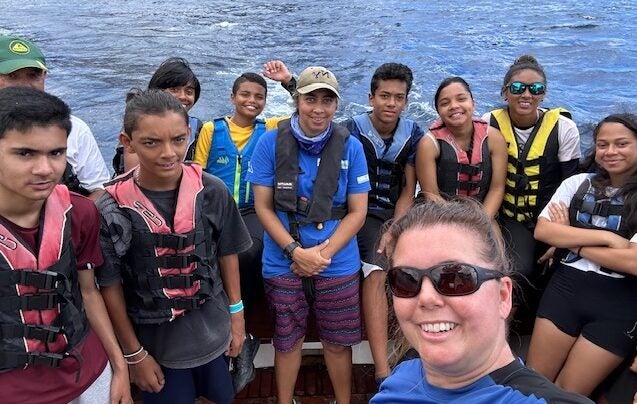
Today marked our final day on St. Helena island; a mix of excitement and sadness filled the air. I joined a boat ride with the Marine Center team and with local students to kick start their Marine Awareness Week. It felt very fitting that our journey began with a similar sense of purpose as when it began – setting out to explore the wonders of the ocean that surrounds this remote island. Marine Awareness Week on St. Helena Island aims to educate and inspire the next generation of ocean stewards. I was honored to be a part of this initiative, which steams back to Georgia Aquarium’s mission of inspiring awareness & preservation of our ocean and aquatic animals worldwide.

As we bid farewell to this remarkable island, I’m grateful for the experiences and lessons learned here. This trip serves as a reminder of the vital importance of protecting our oceans and their inhabitants. 

Final Thoughts:

This trip has been an unforgettable blend of discovery and purpose. From immersing myself in the island’s native culture to marveling at its incredible wildlife, every moment has left a lasting impression. The timing couldn’t have been more perfect as our visit coincided with the island’s Marine Awareness Week. 

Throughout the week, we engaged with locals, spreading knowledge and fostering appreciation for the marine life that graces these waters. Partnering with the St. Helena National Trust and Marine Conservation Section, we worked towards advocating for policies that protect these precious species and their habitats. It’s been a successful journey filled with hope and inspiration for the future of conservation efforts on this island. As we head back to Atlanta, I carry a renewed commitment to continue making a difference in preserving our oceans. 

Until we meet again, St. Helena, you’ll hold a special place in my heart.

Published on May 8, 2024.

A Guide to Building Your Date (Day to Night) Itinerary

A carefully curated guide sure to make your next downtown Atlanta date unforgettable.


Begin with Brunch

What better way to kickstart your date than with everyone’s favorite meal: brunch! Whether you’re craving classic comfort food or something with a twist, downtown Atlanta has you covered. From the iconic Breakfast At Barney’s to the classic ABC Chicken and Waffles-Nitro Coffee Counter, there’s a brunch spot to satisfy every craving. Feeling adventurous? Don your chef’s hat and whip up some French toast together! Fuel up for a day packed with excitement and unforgettable moments.

Elevate Your Date with Art & Illusions

Did you know Atlanta is home to over 46 museums and exhibitions? Step into a world of wonder or learn the history behind this ever-growing city. Captivating rooms, mind-bending installations, and mesmerizing images await at the Museum of Illusions. Alternatively, embrace the intersection of culture and community at the renowned High Museum of Art. Whether you’re seeking enchantment or cultural enrichment, Atlanta’s museums offer the perfect backdrop for a memorable date filled with discovery and connection.

Get a Bird’s Eye View of the City Skyline

Looking for a date idea that will leave you on top of the world? Look no further than SkyView Atlanta, where romance meets breathtaking views. Perched nearly 20 stories above Centennial Park, the SkyView Ferris wheel offers an unforgettable experience. With its 42 climate-controlled gondolas, take in panoramic vistas of downtown Atlanta. For an extra touch of luxury, opt for the VIP gondola complete with Ferrari-style seats, a glass floor, and extended flight time. Conveniently located near many of Atlanta’s top attractions, SkyView Atlanta is the perfect addition to your downtown adventure. Soar to new heights and create memories that will last a lifetime with your special someone!


Sip, Sea, and Sway at Sound Waves

Start the night off right at Georgia Aquarium’s exhilarating Sound Waves Music Series! Every Friday evening, through May 31, join us for an unforgettable fusion of live music and aquatic atmosphere. Immerse yourself in the vibrant sounds of Atlanta’s local musicians, set against the backdrop of our stunning atrium enhanced with dynamic lighting and atmospheric elements. Plus, this series is included with general admission, so you’ll have access to explore the Aquarium’s captivating galleries, making it the ultimate date night destination. Don’t miss out on free parking and check out the full band line-up. 

Pro Tip:
Did you know you can purchase alcoholic beverages at the Aquarium? We offer a variety of beers, wine, and cocktails. Must be 21+ with valid ID to purchase.

Have a Romantic Dinner for Two

Keep the romantic vibes going! Look no further than the city’s iconic rooftop destinations, offering breathtaking views and unforgettable experiences. Start your evening at SkyLounge, with its contemporary city vibe and Southern charm, SkyLounge promises spectacular cityscape views in a chic bar and lounge setting. Recently featured in Forbes Travel Guide and ABC.com, it’s the perfect spot to enjoy a romantic meal and soak in the skyline.

Alternatively, indulge in Atlanta’s culinary scene at The Sun Dial Restaurant, Bar & View, located atop the renowned Westin Peachtree Plaza. This tri-level complex boasts an upscale restaurant, cocktail lounge, and observatory level, all offering unparalleled views of the city from 723 feet above.

For a laid-back, tropical vibe, channel your inner Jimmy Buffett at Margaritaville Atlanta. Turn your date night into a staycation with island-inspired cuisine, refreshing cocktails, and live music. Whichever destination you choose, these Atlanta hotspots promise to make your date night truly unforgettable.


Catch a Concert at State Farm Arena

Looking to add some excitement to your night? State Farm Arena is the place to be, where the stage is set for unforgettable performances! From legendary artists like Anita Baker to chart-topping sensations like Bad Bunny and Megan Thee Stallion, there’s a lineup that caters to every taste. Whether you’re into soulful melodies, infectious beats, or side-splitting comedy, the arena has something special in store for you. So grab your tickets, grab your date, and get ready for a night of entertainment you won’t forget.

Score a Second Date at Mercedez Benz Stadium

Need a winning idea to score a second date? Look no further than the electrifying atmosphere of Atlanta United matches at Atlanta’s renowned stadium – Mercedez Benz. Kick off your evening with and experience the excitement in the air as you and your date immerse yourselves in the world of soccer excellence. With thrilling matches and passionate fans, this event promises to be an unforgettable date night. So, lace up your sneakers and get ready to cheer on your favorite team while creating memories that will last a lifetime!

Posted May 1, 2024