Southern Company River Scout is currently closed for scheduled maintenance.


ATLANTA (December 17, 2025) – By Katelyn Herman, Manager of Conservation Programs, Georgia Aquarium
When most people think of Georgia Aquarium, they picture an inland ocean with a whale shark and manta rays gliding overhead. That big, blue marine world is core to who we are, but increasingly, our focus is expanding to include freshwater. Here in the Southeast, our rivers and streams quietly support some of the richest freshwater biodiversity on Earth, especially mussels, with the region home to about 91% of U.S. mussel diversity.
Freshwater mussels tend to be inconspicuous, and to the unknowing eye, you may even think they are a rock. But freshwater mussels are incredibly diverse and play a significant role in maintaining river health. They act as natural water filters, food sources, and create habitats for other species. Mussels are also excellent bioindicators. When mussel communities are healthy and diverse, it is a strong sign that the broader freshwater system is in good shape. When they decline, the river is sending a warning signal.
In fact, mussels are so reliable and effective, some cities like Minneapolis, Minnesota and Warsaw, Poland use mussels as natural water quality testers to help ensure a safe drinking water supply. This type of biomonitoring can help alert authorities to contaminants in the water, such as heavy metals.
In Southwest Georgia, the lower Flint River supports an impressive variety of mussel species, including five species that are threatened or endangered. Because freshwater mussels are great indicators of river health, the mussels in the lower Flint are regularly surveyed and the data used to support federal habitat conservation planning. The habitat conservation plan aims to balance water needs for wildlife, agriculture, and communities.
The Flint starts under the Atlanta airport before flowing through SW Georgia, and what happens in metro Atlanta does not stay in metro Atlanta. The quality and quantity of water upstream are directly tied to the health of rivers and mussel populations downstream in the lower Flint. That connectivity is at the heart of our growing freshwater work.
Georgia Aquarium is joining a community of conservation leaders that have been working in the freshwater space for a long time. In 2025, we began a collaboration with the Georgia Water Planning and Policy Center at Albany State University and The Jones Center at Ichauway – two key organizations in the Flint River Basin.
These partners bring decades of experience in water science, policy and ecology. For more than twenty years, researchers at The Jones Center have conducted mussel surveys in the lower Flint, often by snorkel, which limited access to deeper parts of the river. The Georgia Water Planning and Policy Center has been deeply involved in understanding how water use, drought and policy decisions affect both people and aquatic ecosystems.
Through collaboration, Georgia Aquarium is adding capacity where it is most useful, for example, by supporting the surveys with our dive team and helping amplify the story of freshwater conservation for a wider public audience.
One of the most tangible pieces of our partnership is a series of freshwater mussel surveys in the lower Flint River. These surveys are a true team effort. A typical survey looks something like this:
This approach gives us detailed information about the diversity of species present, their overall condition, and the size and dynamics of the population while minimizing disturbance to the animals and their habitat.
In 2025, we completed two surveys, one in July and one in October. Across those efforts, we documented nearly 3,300 individual mussels representing 13 species, including rare species such as the Winged Spike and Southern Elktoe. Those numbers help us understand where sensitive species are still persisting, how communities change over time, and where conservation actions may have the most impact.
The early success of these joint surveys is only the beginning.
Every guest who visits Georgia Aquarium plays a role in making this work possible. Your support helps fund:
Freshwater conservation may not have been the first thing people associated with Georgia Aquarium in the past. In the years ahead, we hope that when you think of our work, you picture not only whale sharks and manta rays, but also the clear flow of a Georgia river, mussels resting in their beds, and the communities, human and wild, that depend on both.
Together, we can help protect the freshwater systems that sustain life in Georgia and beyond.
This work is also strengthened by a growing network of partners who came together for a recent freshwater workshop focused on the Flint River. Participating institutions included The Jones Center at Ichauway, the Georgia Water Planning and Policy Center, Georgia Conservancy Inc., the Georgia Department of Natural Resources, Georgia Tech, Georgia State University, the University of Georgia, Flint Riverkeeper, Chattahoochee Riverkeeper, the City of Atlanta Department of Watershed Management, American Rivers, The Nature Conservancy, Tennessee Aquarium, Georgia Gwinnett College, the Turner Foundation Inc., Atlanta Botanical Garden, Green South Foundation and Tim Richardson Consulting.
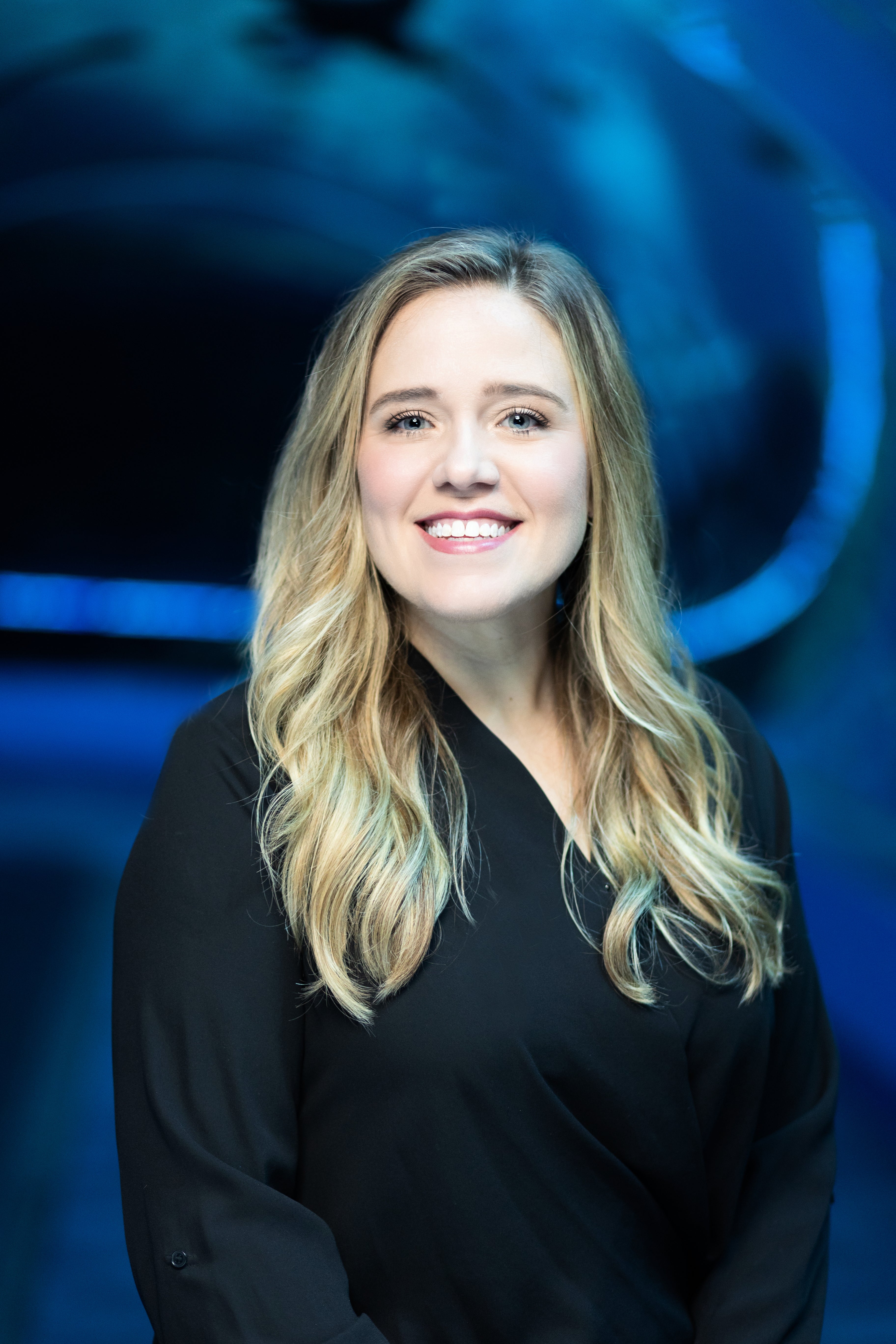
Katelyn Herman is Manager of Conservation Programs at Georgia Aquarium, where she oversees marine and freshwater conservation initiatives. A trained facilitator and Red List Officer with the IUCN, she also oversees the Aquarium’s onsite manta ray research. She holds a B.S. in Biology from the University of Georgia and an M.A. in Marine Conservation and Policy from Stony Brook University.
###
Georgia Aquarium is one of the largest aquariums in the world with more than 11 million gallons of water and tens of thousands of animals. Located in Atlanta, Ga., it is a premier animal care and research facility that is accredited by the Association of Zoos and Aquarium, the Alliance of Marine Mammal Parks and Attractions, Humane Certified by American Humane, and a Class R research institution certified by the USDA. By providing guests with unparalleled opportunities to learn about marine life, Georgia Aquarium is dedicated to unlocking the ocean’s wonder for all, providing transformative experiences that inspire a shared responsibility for conserving our aquatic ecosystems.