
Tracking the Gentle Giants: Georgia Aquarium’s Role in Mapping the Ocean’s Hidden Highways

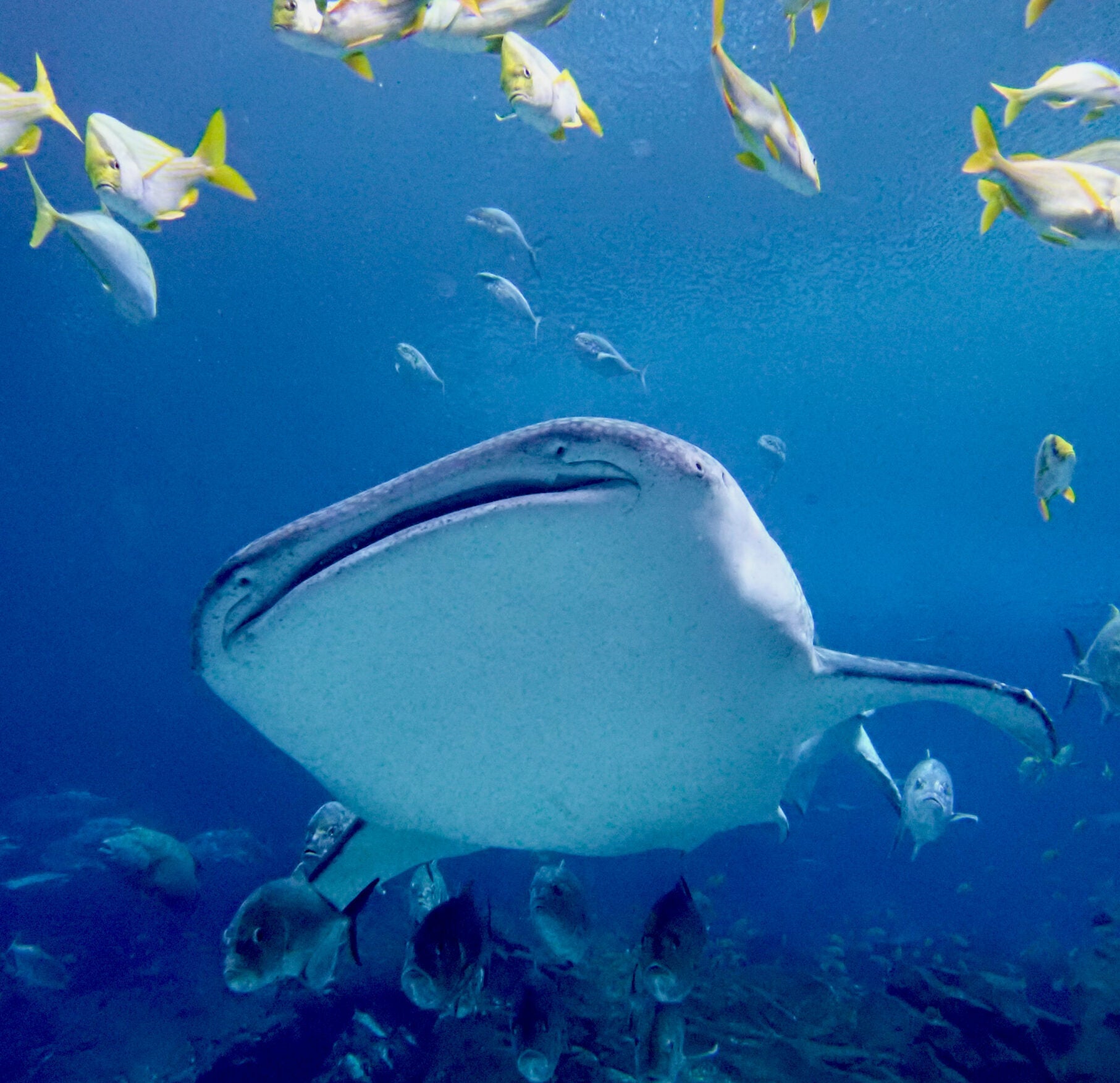
A newly published global study in Science has charted a groundbreaking path for the conservation of the ocean’s largest fish and marine mammals (known as marine megafauna) — and Georgia Aquarium is proud to have contributed vital data and expertise, particularly on the world’s largest fish: the whale shark.
Tracking the Gentle Giants: Georgia Aquarium’s Role in Mapping the Ocean’s Hidden Highways 4

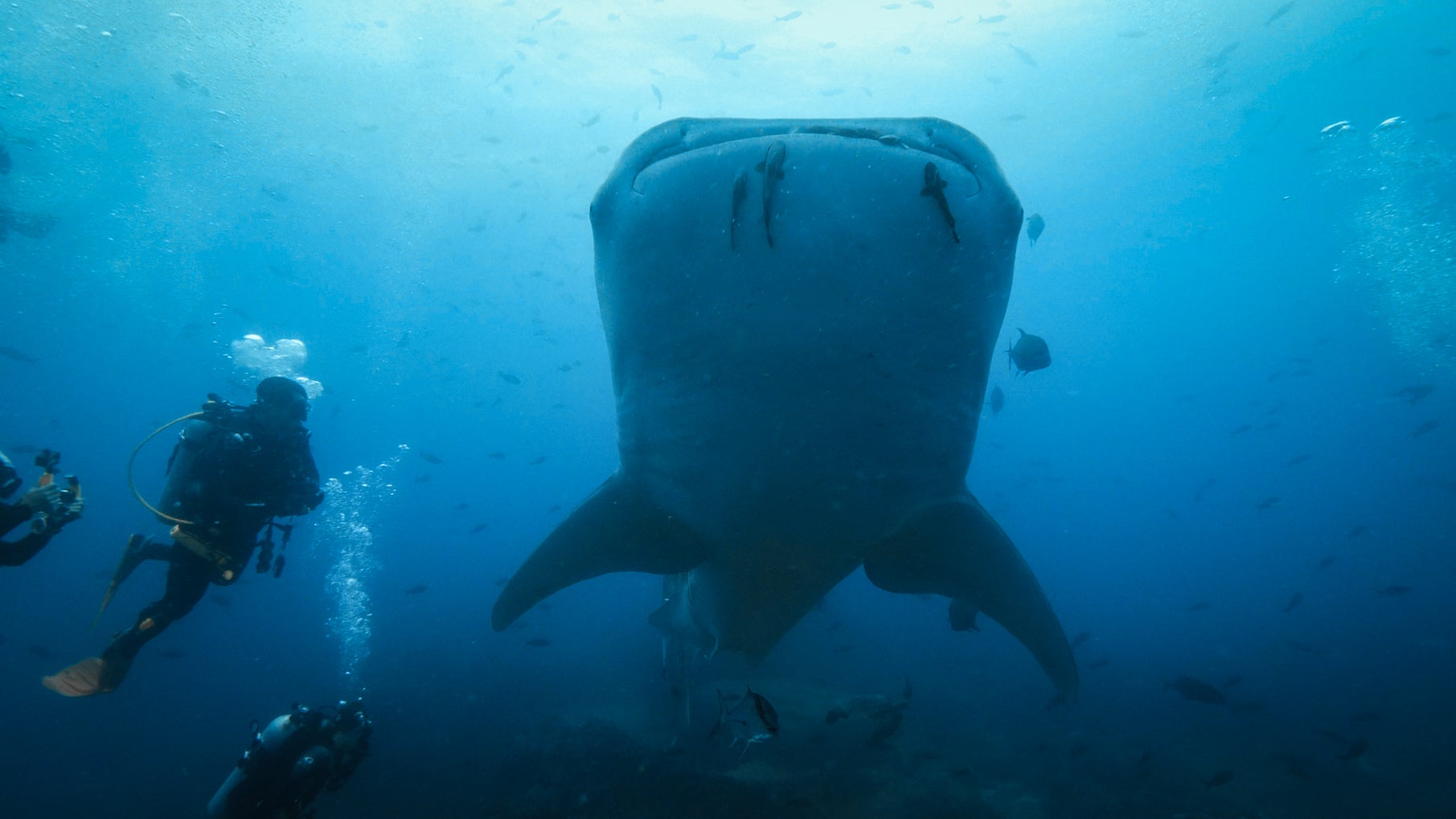
The research, part of the MegaMove project, represents the efforts of nearly 400 scientists from over 50 countries who analyzed the movements of more than 13,000 individual animals across over 100 species of marine megafauna, including sharks, whales, turtles, and seals. By compiling three decades of satellite tracking data, the project has created the most comprehensive map to date of critical ocean areas used by these animals for migration, foraging, breeding, and resting.

Georgia Aquarium’s contributions centered on whale sharks, a species the Aquarium is committed to researching and conserving. Working with international partners, Georgia Aquarium has tracked whale sharks in the Caribbean, Atlantic and Indian Ocean to better understand how these gentle giants navigate vast ocean spaces — often crossing multiple countries’ waters and spending significant time in unprotected high seas.

“Whale sharks are a sentinel species,” said Dr. Lisa Hoopes, Georgia Aquarium’s Senior Director of Research & Conservation. “Their movement patterns offer insight into the overall health of our ocean and how interconnected marine ecosystems really are. By contributing long-term satellite tracking data to the MegaMove study, we’re helping inform international conservation decisions grounded in real science.”

The study found that many of the areas most used by marine megafauna are outside existing marine protected areas (MPAs). While the UN’s High Seas Treaty aims to increase protection to 30% of the ocean by 2030, the research shows that even if those targets are met, additional strategies are still needed. Migratory species like whale sharks face overlapping threats from fishing gear, vessel strikes, plastic pollution, and warming seas — risks that transcend any single jurisdiction.

“What’s clear from this research is that protecting migratory species like the whale shark requires a truly global perspective,” added Dr. Hoopes. “We are committed to working with partners worldwide to ensure that conservation efforts match the scale and movement of the species we aim to protect.”

Georgia Aquarium will continue advancing whale shark science, contributing to collaborative efforts like MegaMove that offer a blueprint for protecting the ocean’s most iconic travelers.
Celebrating Two Decades of Babies at Georgia Aquarium

From Fluffy Chicks to Playful Calves—Meet Our Youngest Stars

Over the past twenty years, Georgia Aquarium has proudly welcomed a growing family of baby animals, each one a symbol of care, conservation, and scientific achievement. These births mark milestones not just for the Aquarium but also for global aquatic animal research and preservation efforts.

Celebrating Two Decades of Babies at Georgia Aquarium 6

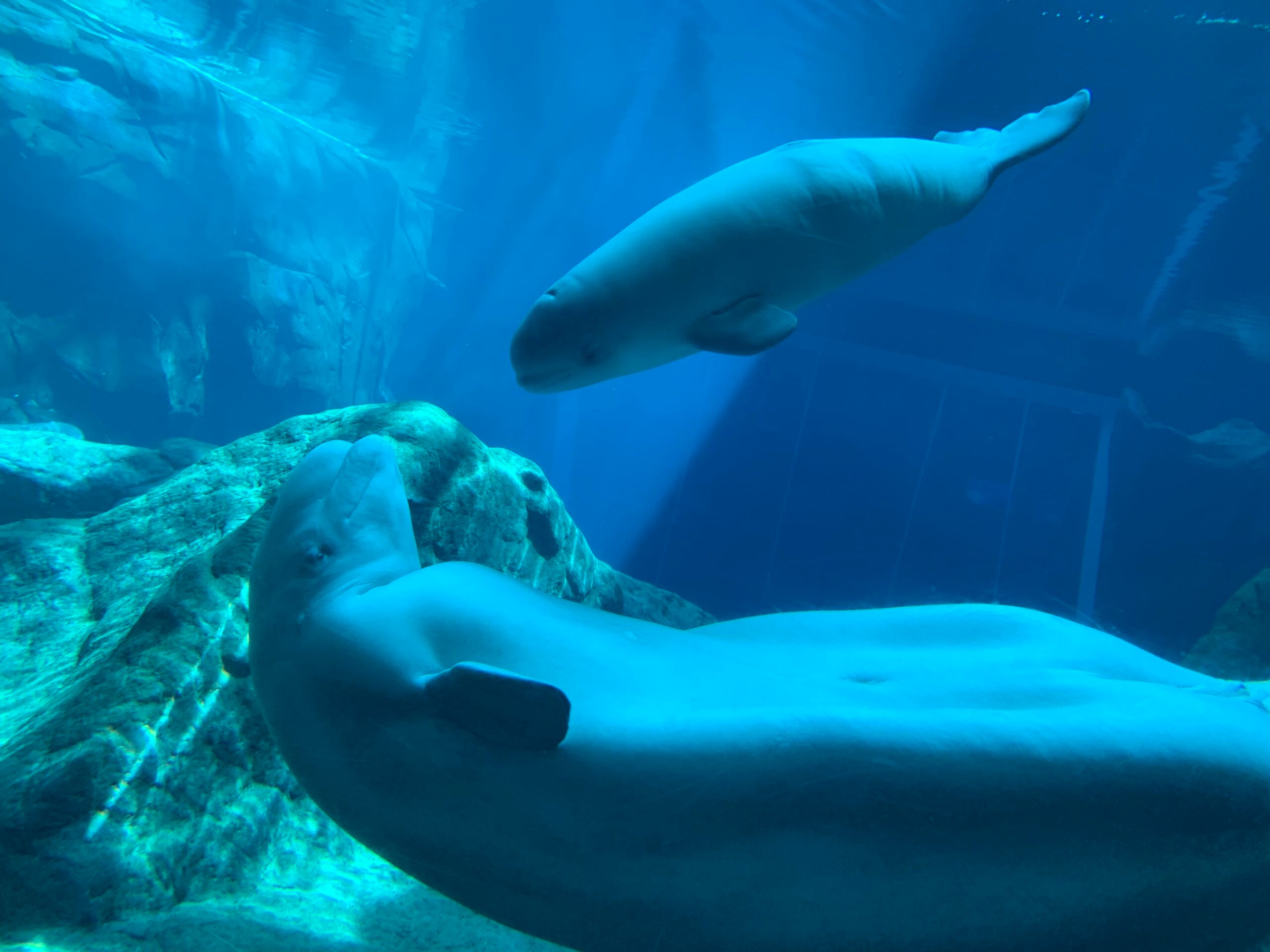
🐋 Shila – Beluga Whale Calf

On May 17, 2020, Shila, the beloved beluga whale calf, made her grand entrance into the world. Born to beluga whale Whisper, Shila weighed 174 pounds and measured 5 feet 4 inches long at birth. She now weighs 1,052 pounds and is 10 feet 6 inches long. Both mother and calf have since been thriving under the watchful care of our animal health and husbandry teams. You can watch her incredible journey here.

Baby Animals

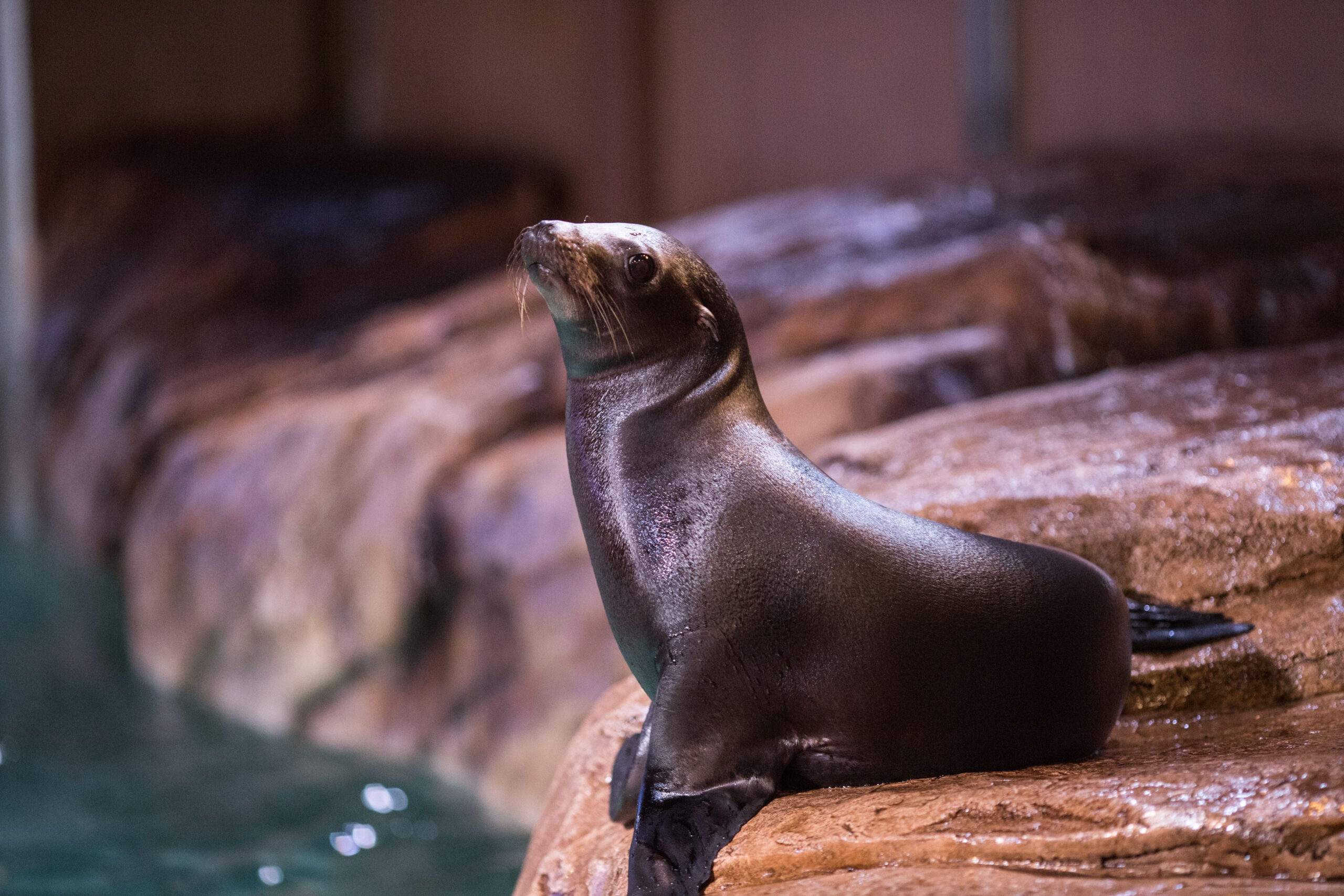
🦭 Scarlet – California Sea Lion Pup

Scarlet, an energetic California sea lion pup, was born on October 30, 2017. She was the first sea lion born at Georgia Aquarium and holds a special place in our hearts. Follow along with her story on our YouTube channel.


🐣 Puffin Chicks

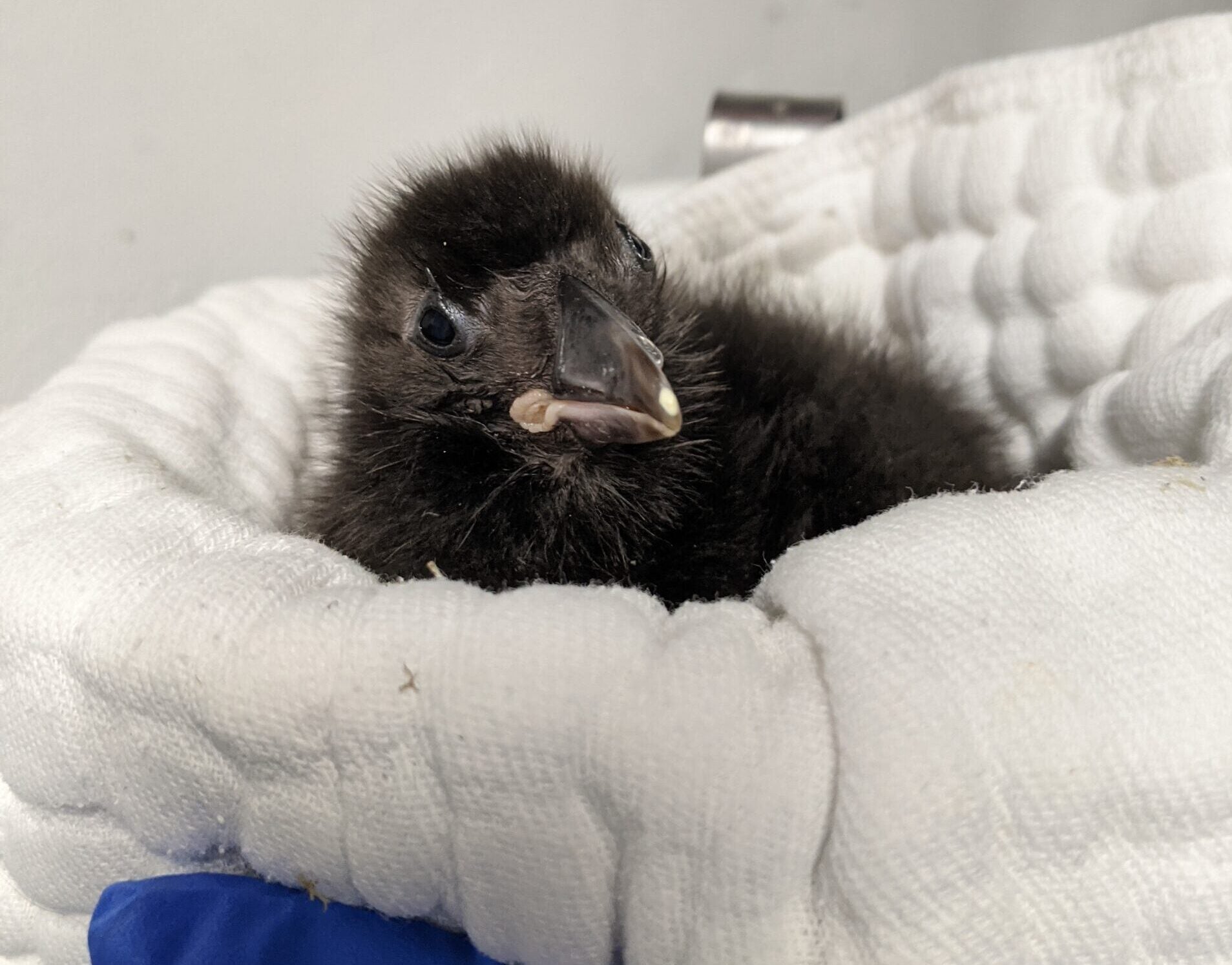
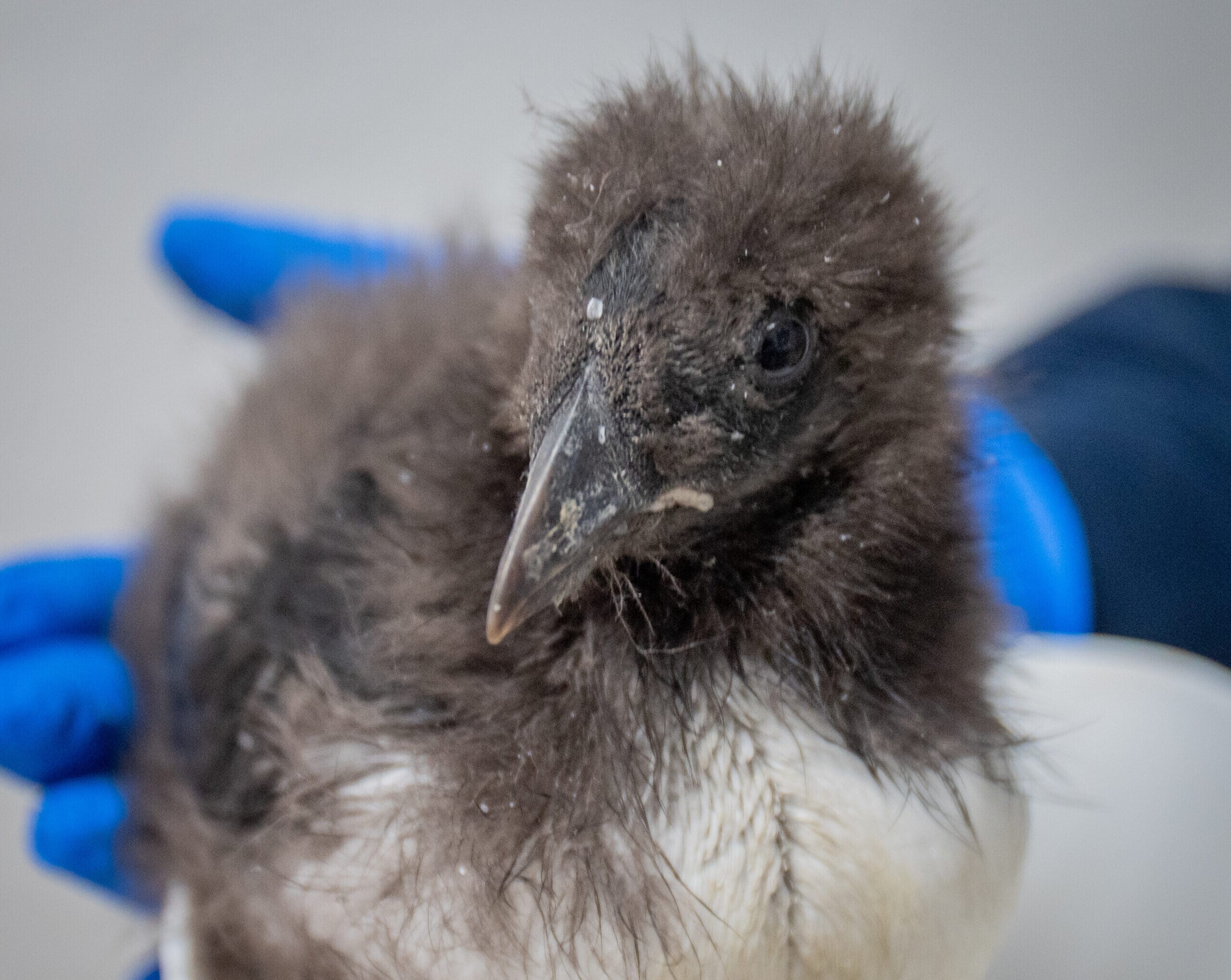
Since 2018, 12 puffin chicks have hatched at the Aquarium. Our first chick, Fern, hatched on July 21, 2018, and our most recent, Gale, was born on July 26, 2024. Each chick plays a critical role in understanding African penguin behavior and breeding, aiding in the efforts to restore this endangered species. You can learn more about some of our chicks here.

🐧 African Penguin Chicks

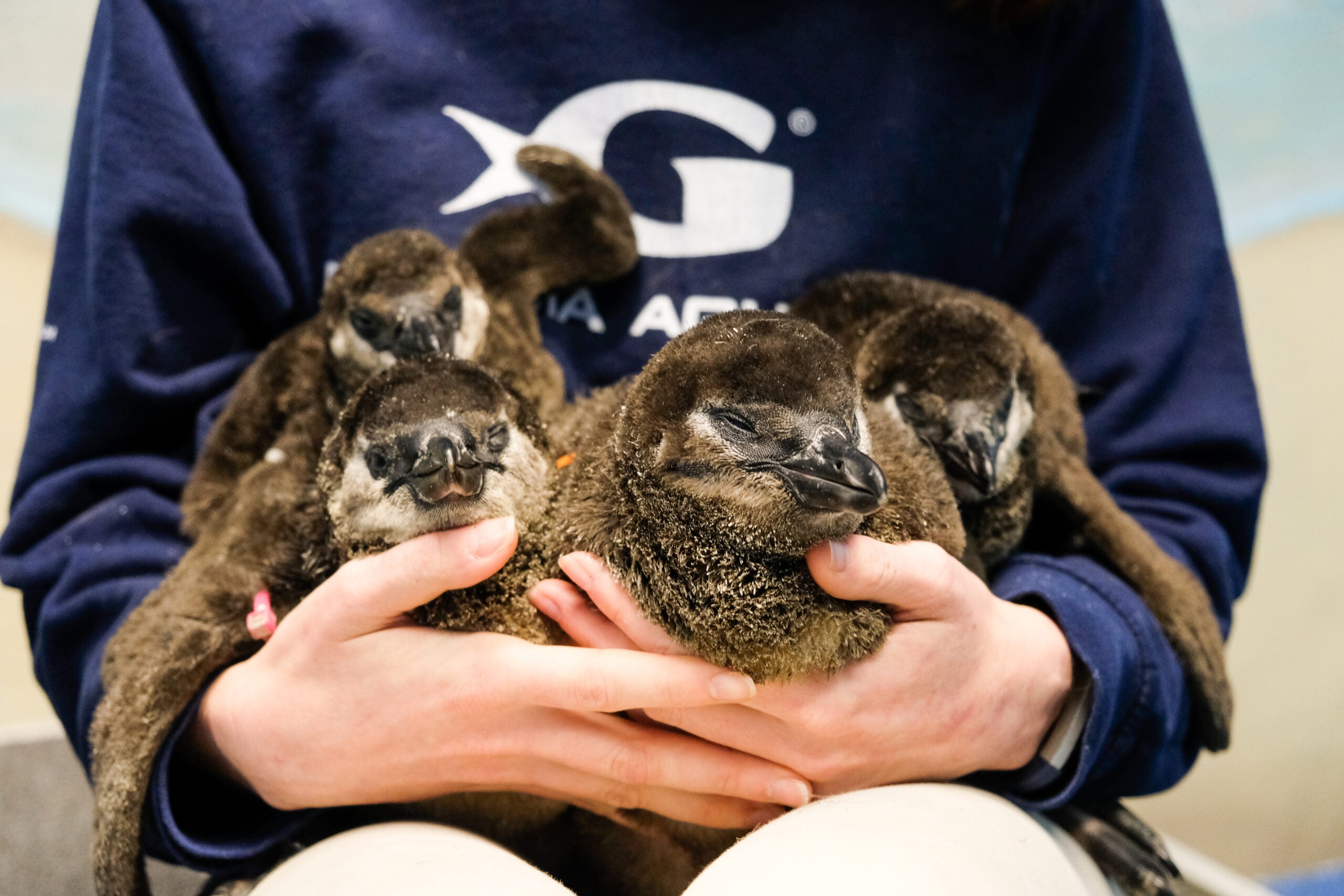
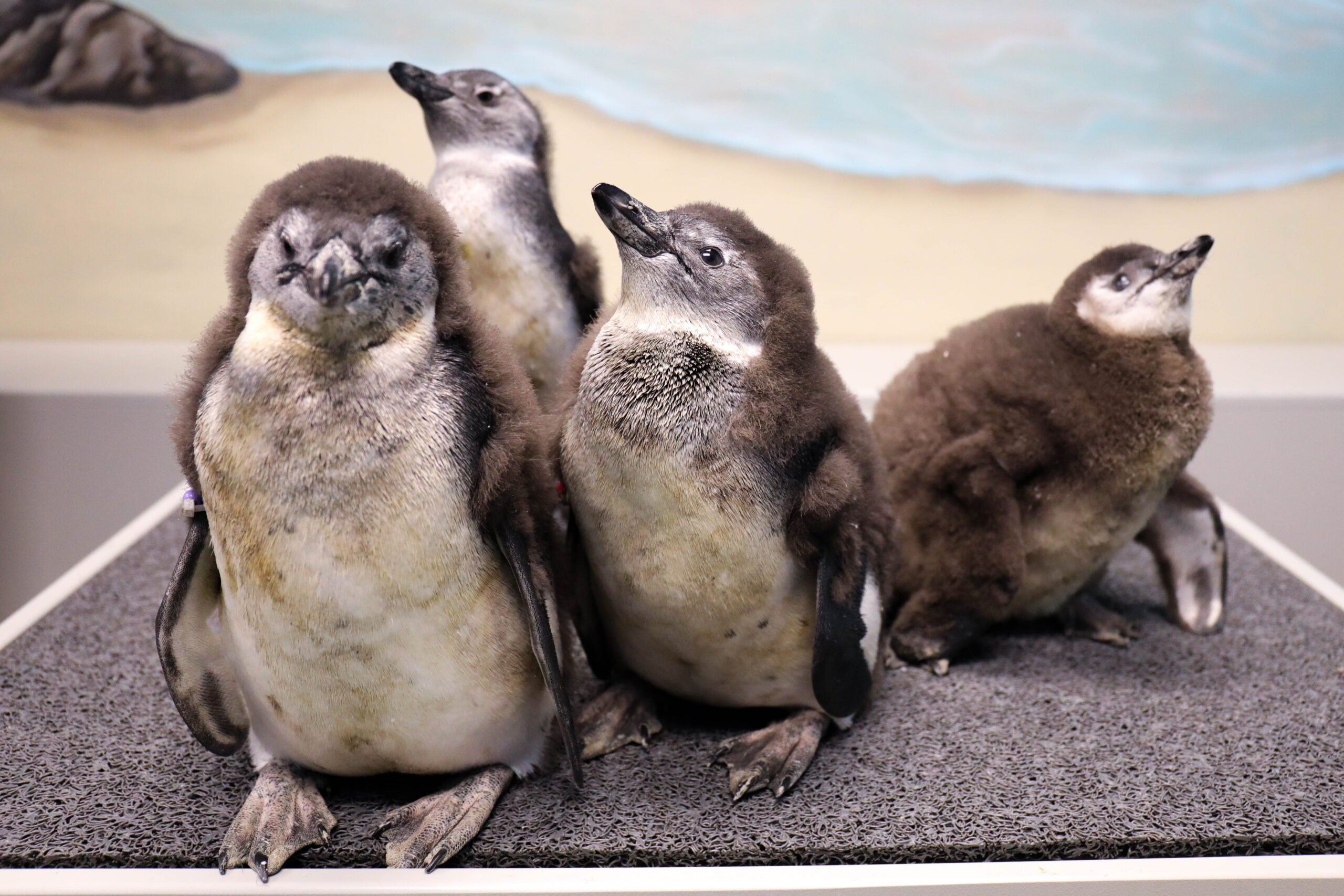
Meanwhile, our African penguin colony has flourished. Since 2012, we’ve welcomed 49 penguin chicks. Our very first chick was Amara, a female, who hatched on January 9, 2012. Most recently, Ishirini joined the Aquarium family on February 1, 2025—her name means “twenty” in Swahili, which correlates perfectly with the 20th anniversary of Georgia Aquarium. Check out our latest video highlighting our latest chicks here.

Each of these births represents our mission in action: advancing research, enriching habitats, and inspiring the public to protect our ocean’s wildlife. As we celebrate two decades of care and conservation, we look forward to many more heartwarming arrivals in the years to come

.

Buy a Fish, Save a Tree: Georgia Aquarium Explores the Amazon Basin in Support of Sustainable Tetra Fisheries

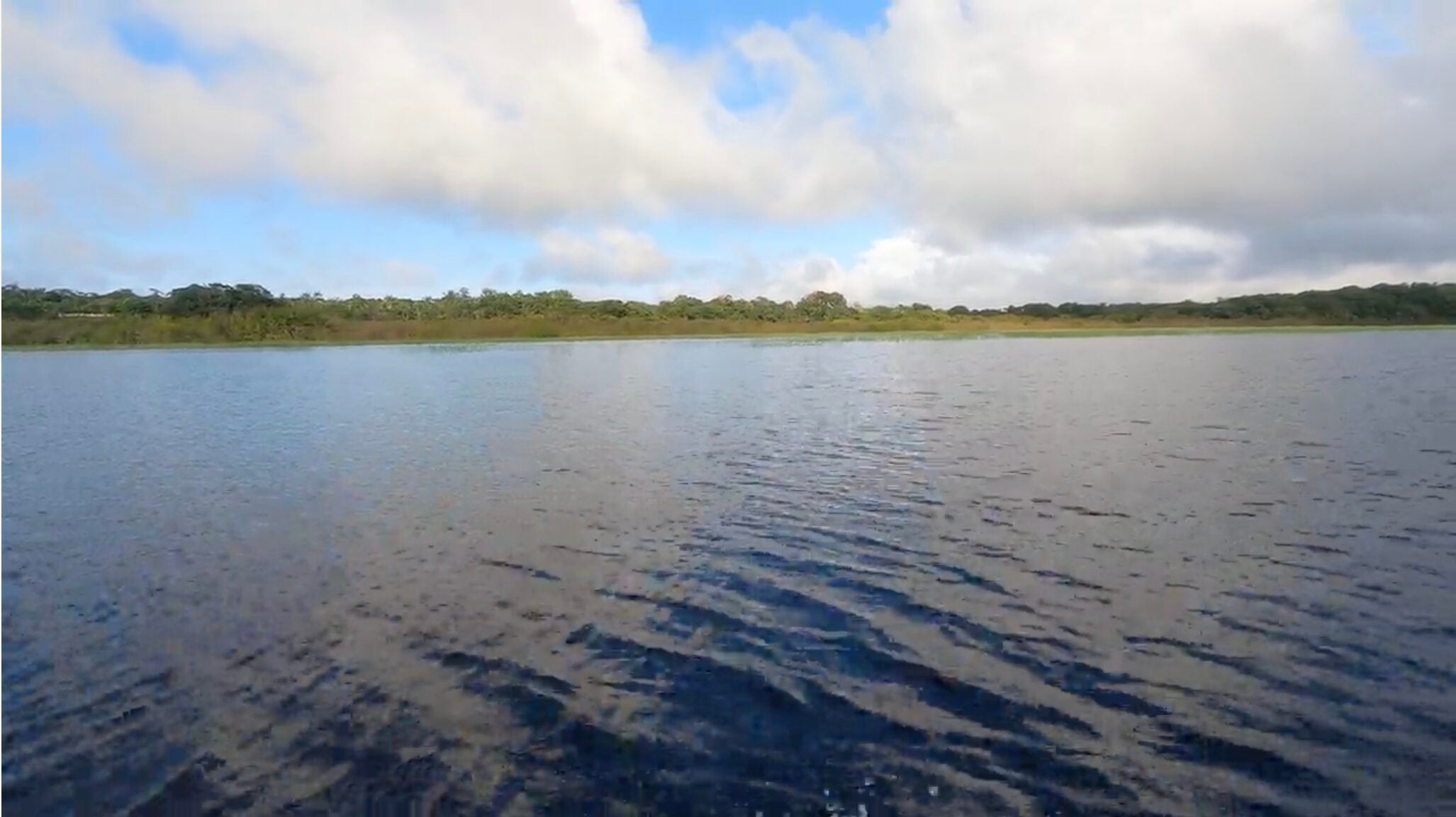
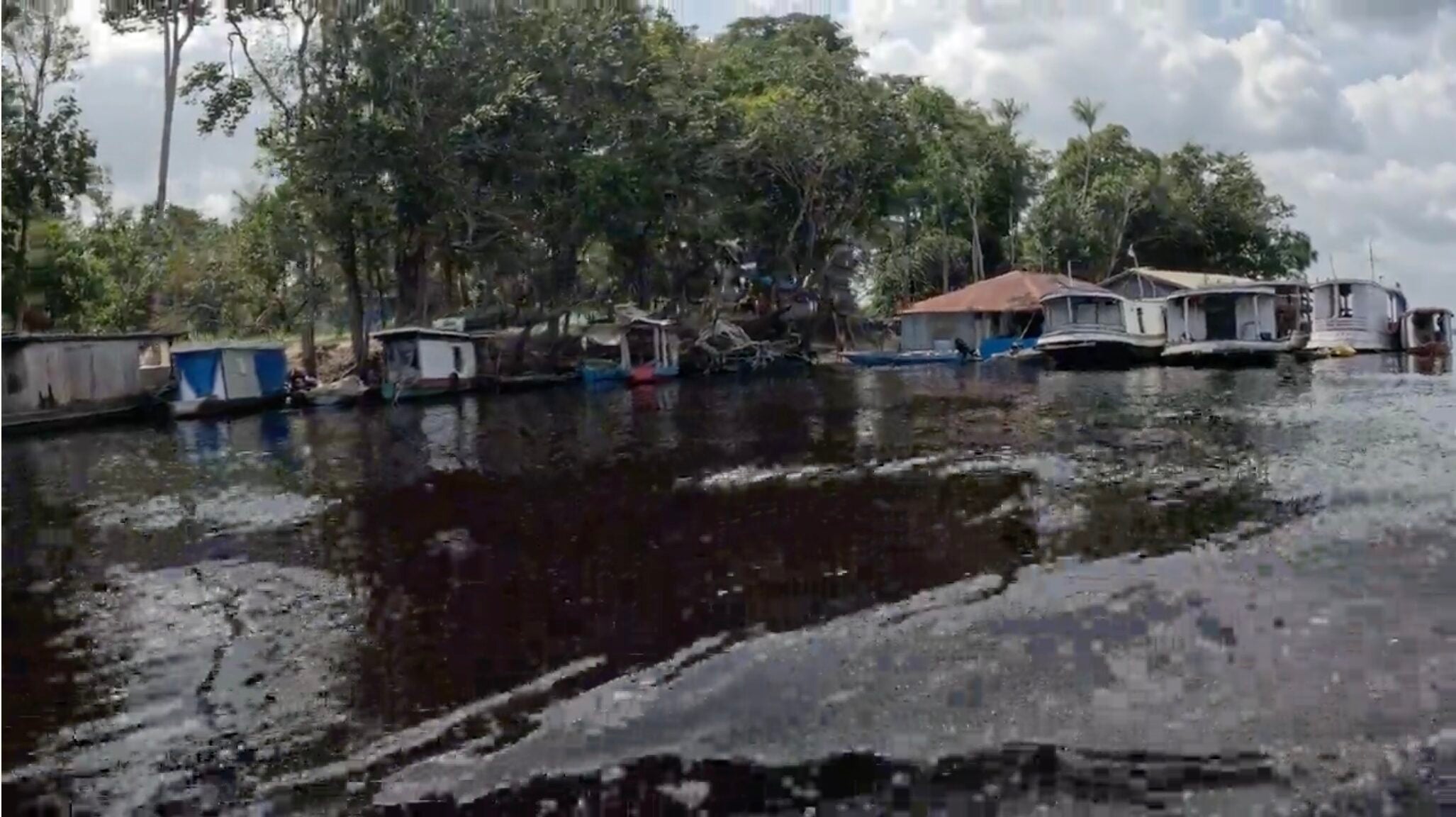
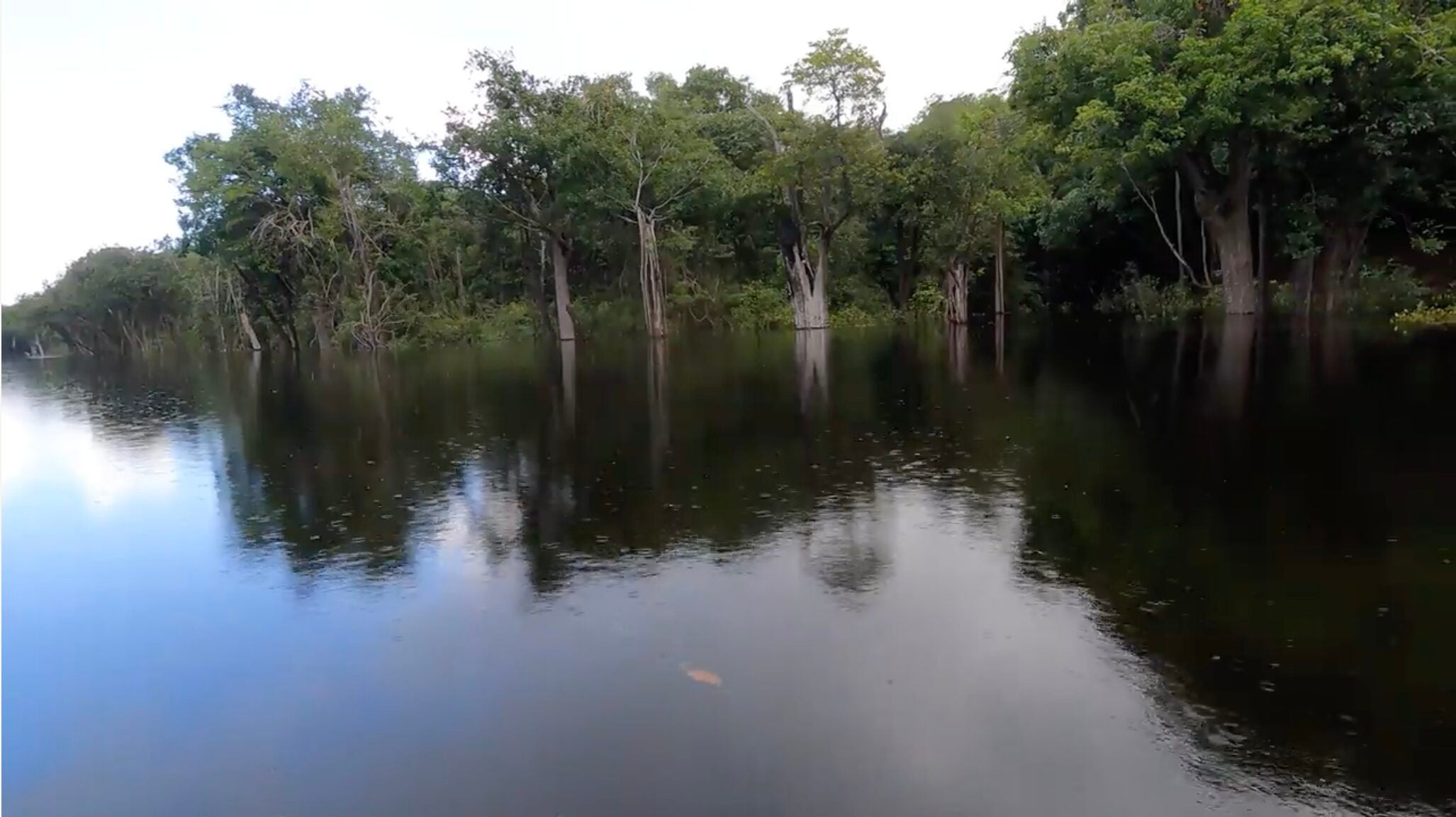
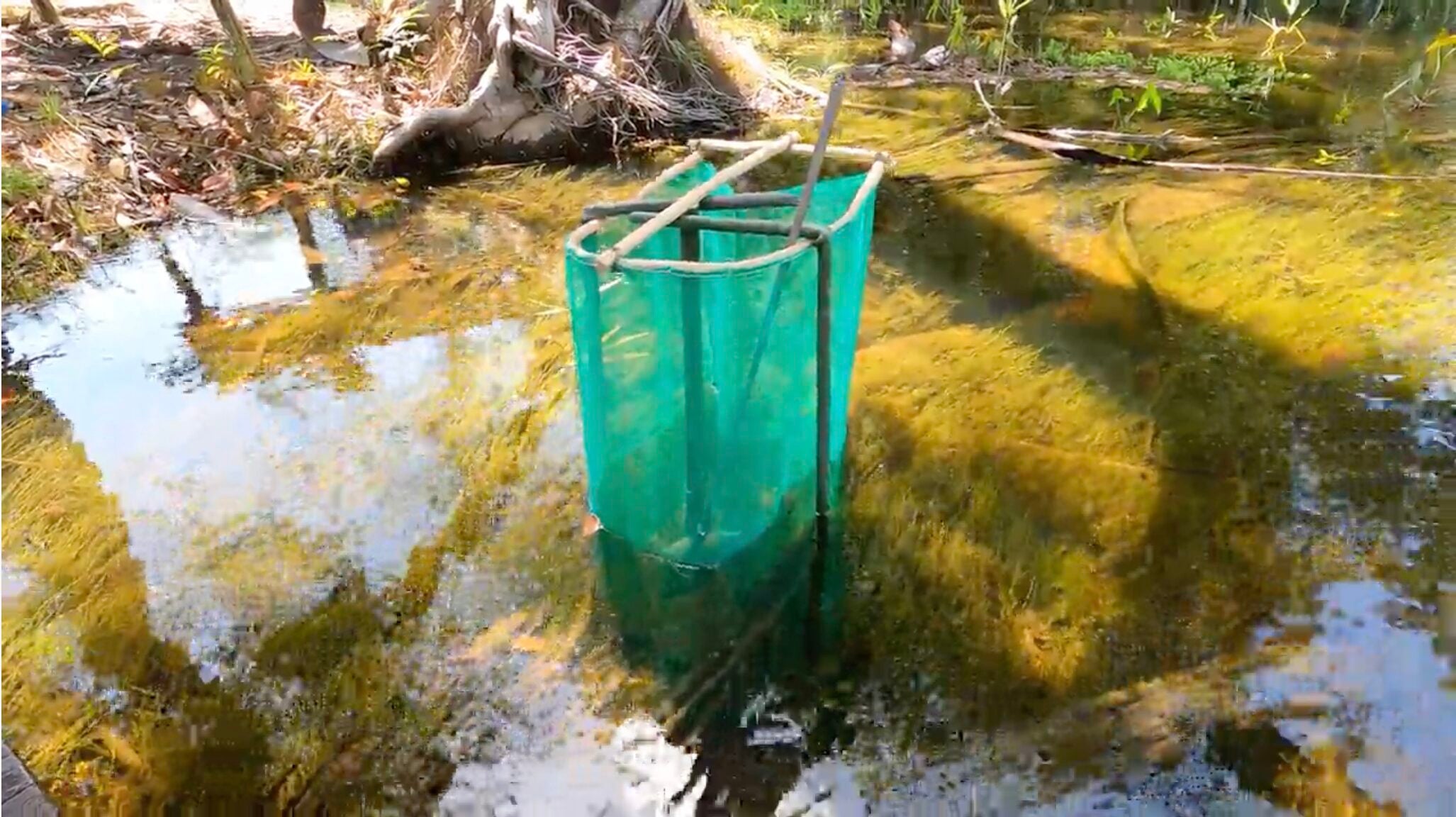
Two members of our Fish and Invertebrates team — Nathan Farnau and Zelie Wooten — recently traveled deep into South America’s Amazon Basin, along the Rio Negro, to participate in a decades-long conservation initiative known as Project Piaba, supporting sustainable fisheries in the area.

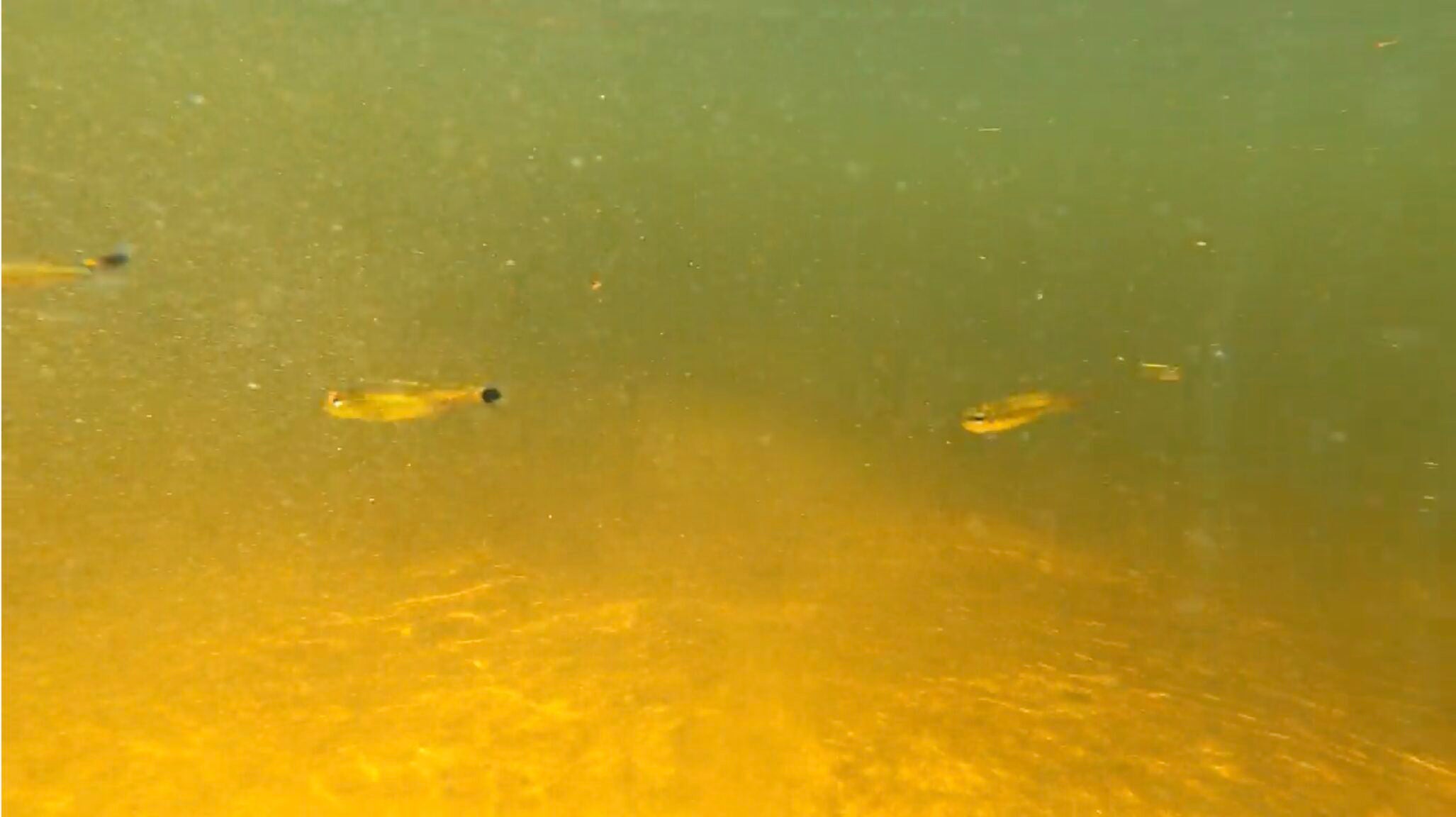
This groundbreaking project, started over 30 years ago, focuses on the tiny but mighty tetra — a popular freshwater fish beloved by home aquarists worldwide. Since the 1950s and ’60s, demand for these shimmering swimmers has supported a sustainable livelihood for local fishers. In a rare twist in global aquaculture, this fish trade has become a surprising ally in rainforest protection.
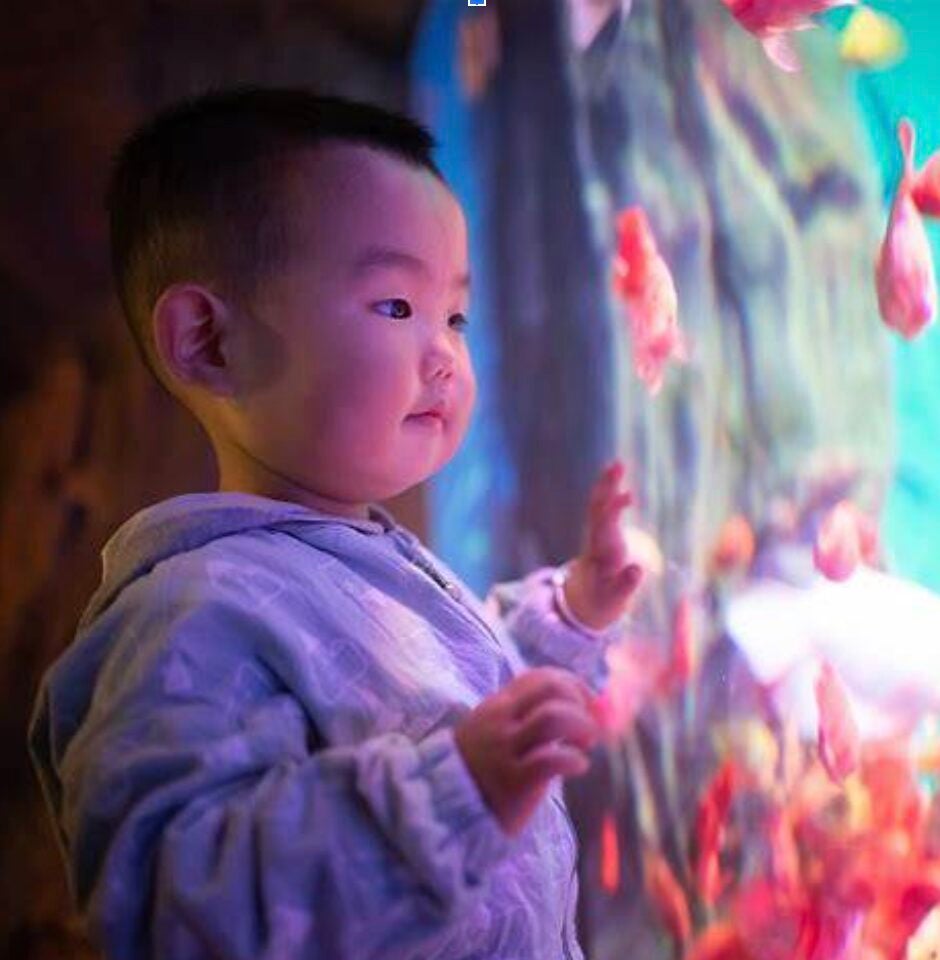
Instead of turning to agriculture or logging to survive, communities along the Rio Negro have created a niche economy centered around catching wild tetras. Not only does this reduce pressure on the rainforest, but it actively incentivizes its preservation. One of Project Piaba’s core messages states: Buy a fish, save a tree.”

A Living Lab in the Amazon

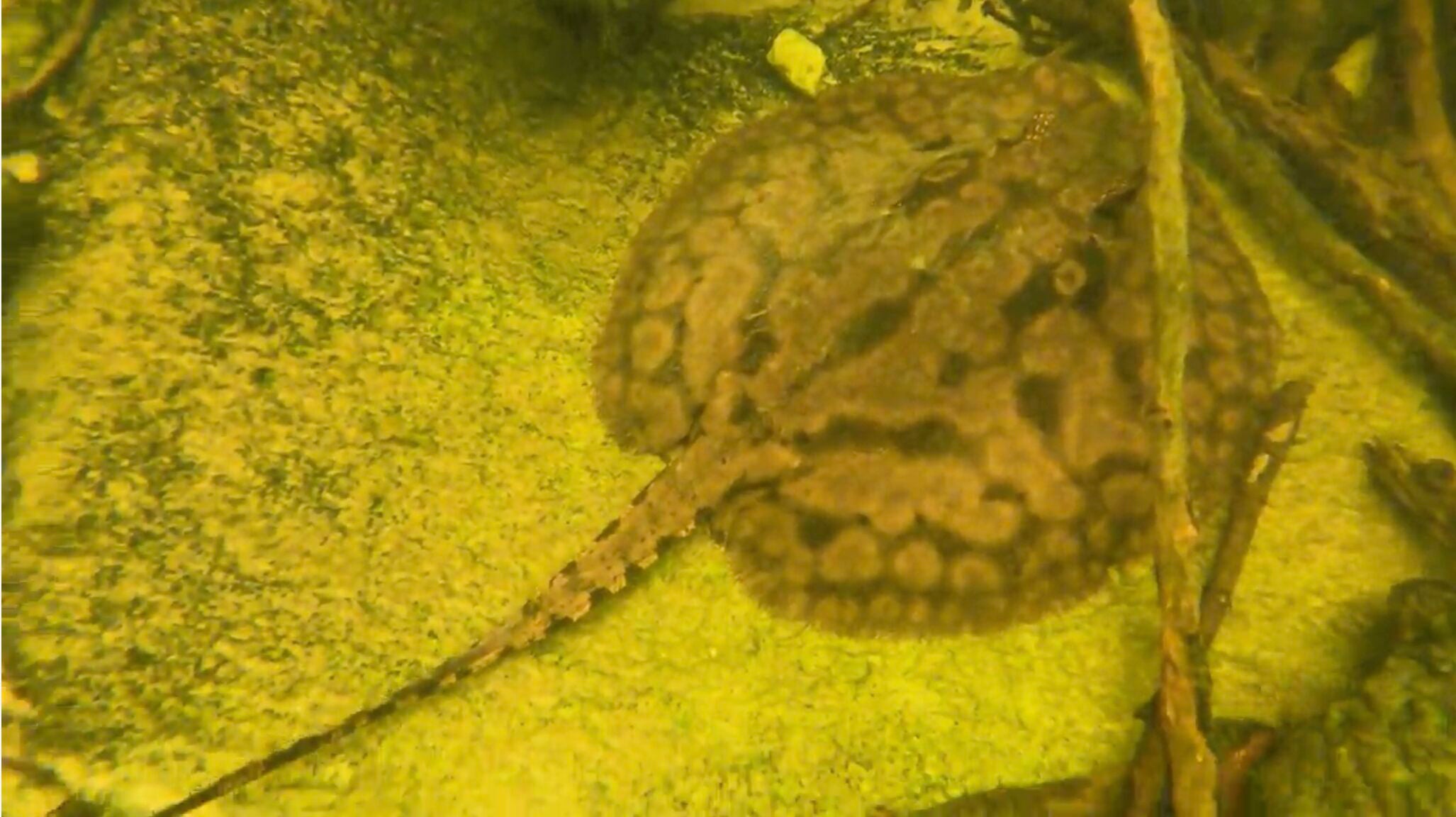
Nathan and Zelie spent two weeks aboard a liveaboard research vessel, navigating the winding waterways and immersing themselves in the region’s diverse ecosystems. From canoeing through narrow tributaries to snorkeling in murky waters, they encountered the remarkable wildlife of the Amazon—pink river dolphins, rays, caiman, vibrant bird species, and, of course, an abundance of freshwater fish.

During their travels, they had the chance to visit fishing communities and witness firsthand the importance of sustainable fish harvesting practices. The trip aligned perfectly with the annual Fish Festival, where local traditions shine through songs, dances, and dress inspired by native fish species. It’s a vivid reminder of how deeply intertwined the people and the river truly are.

Innovation That Sustains

By working with local fishers and exporters, they’re helping implement more sustainable practices in transport, handling, and fish care. One such initiative is a 30-day conditioning period for tetras. During this time, the fish acclimate to new water conditions, receive immune-boosting nutrients, and are carefully monitored to optimize their health throughout transport.

Another exciting advancement is the introduction of a traceability study. Each container of fish is tagged with a unique barcode and scanned at every step in the supply chain — from the moment it leaves the river to when it reaches a retailer. This transparency not only ensures higher fish welfare standards but also adds value for consumers who can now learn the story behind each fish they purchase.

A Fragile Future, A Powerful Message

Despite Project Piaba’s long-running success, the region faces new challenges. Prolonged droughts and the influx of commercially farmed tetras from Southeast Asia have threatened the environment and the livelihoods of the communities that depend on this delicate ecosystem. Supporting sustainable wild-caught fish might be the key to ensuring rainforest preservation remains a viable economic model.

Looking ahead, Georgia Aquarium is excited to support a major PR initiative this September, designed to raise awareness about the project and encourage consumers to buy from these eco-conscious sources.

Rethinking Conservation

This trip served as a powerful reminder that conservation isn’t one-size-fits-all. In this case, responsible extraction, when done with care and community, helps both people and nature thrive.

In a world where aquaculture often gets a bad reputation, this is an inspiring exception. This fishery is not only sustainable, it’s essential to livelihoods, biodiversity, and the rainforest itself.

So next time you’re looking to add a new member to your home aquarium, remember:
Buy a fish, save a tree.

Loggerhead Sea Turtles Return Home After Rehabilitation Journey

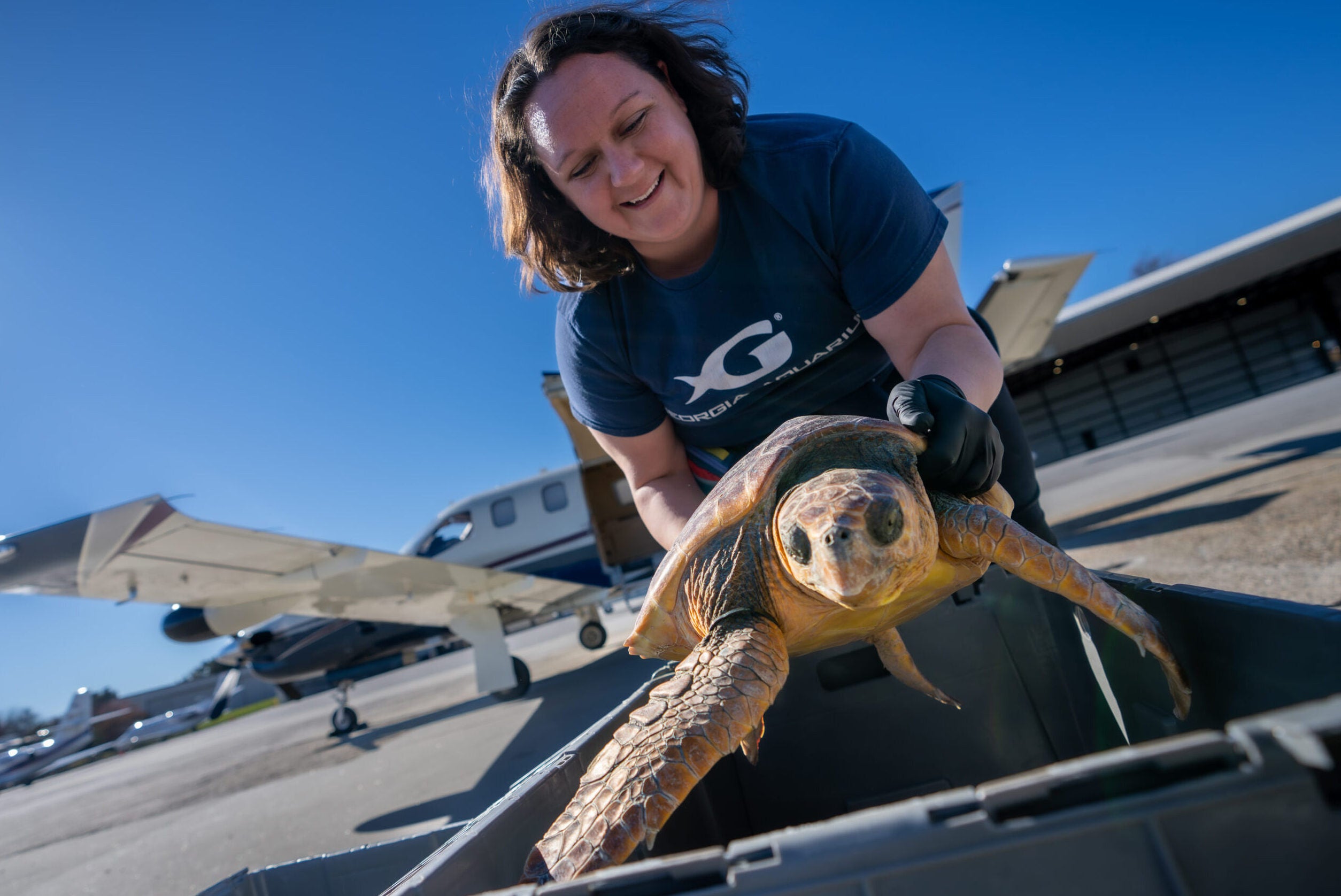
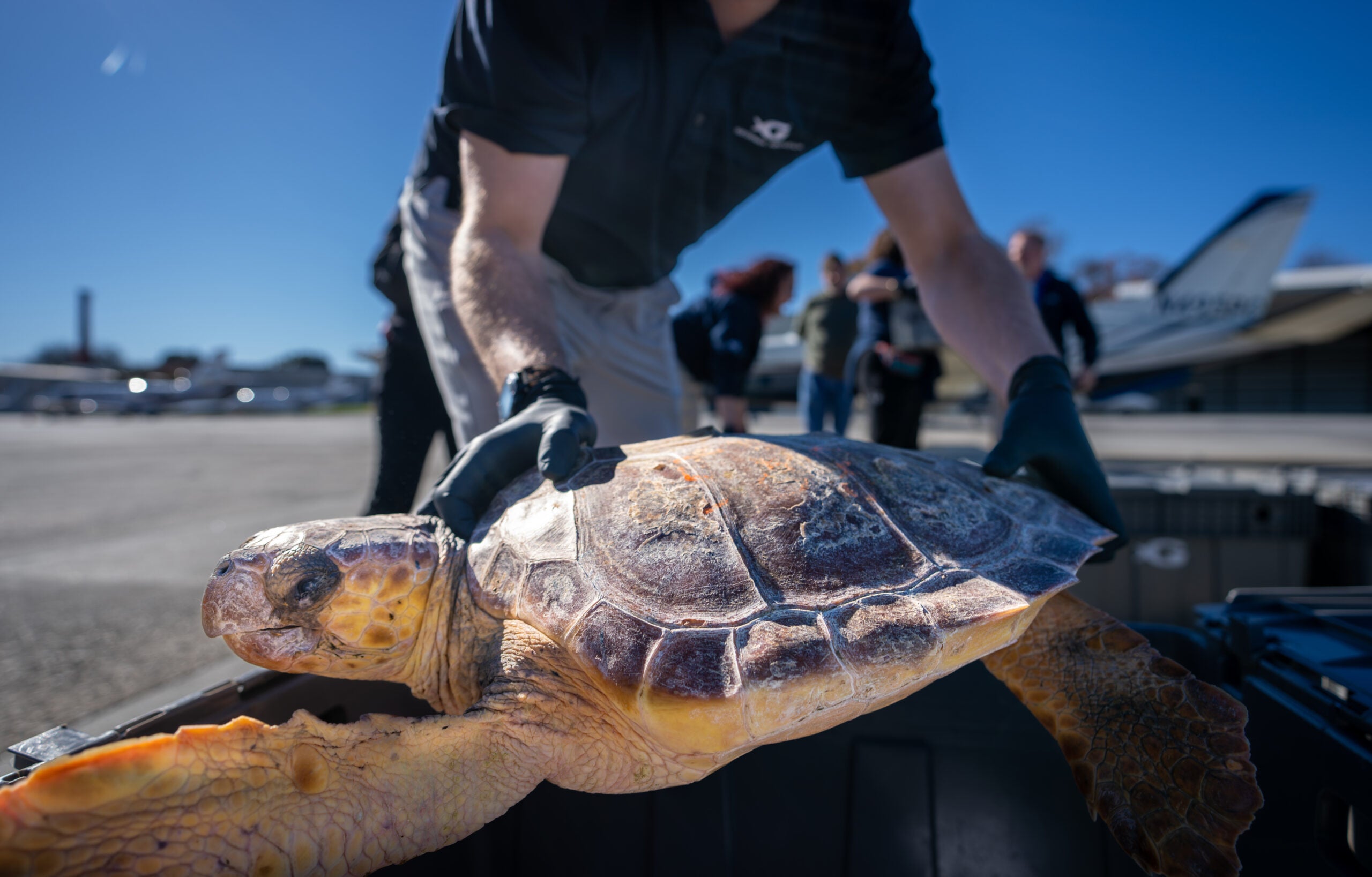
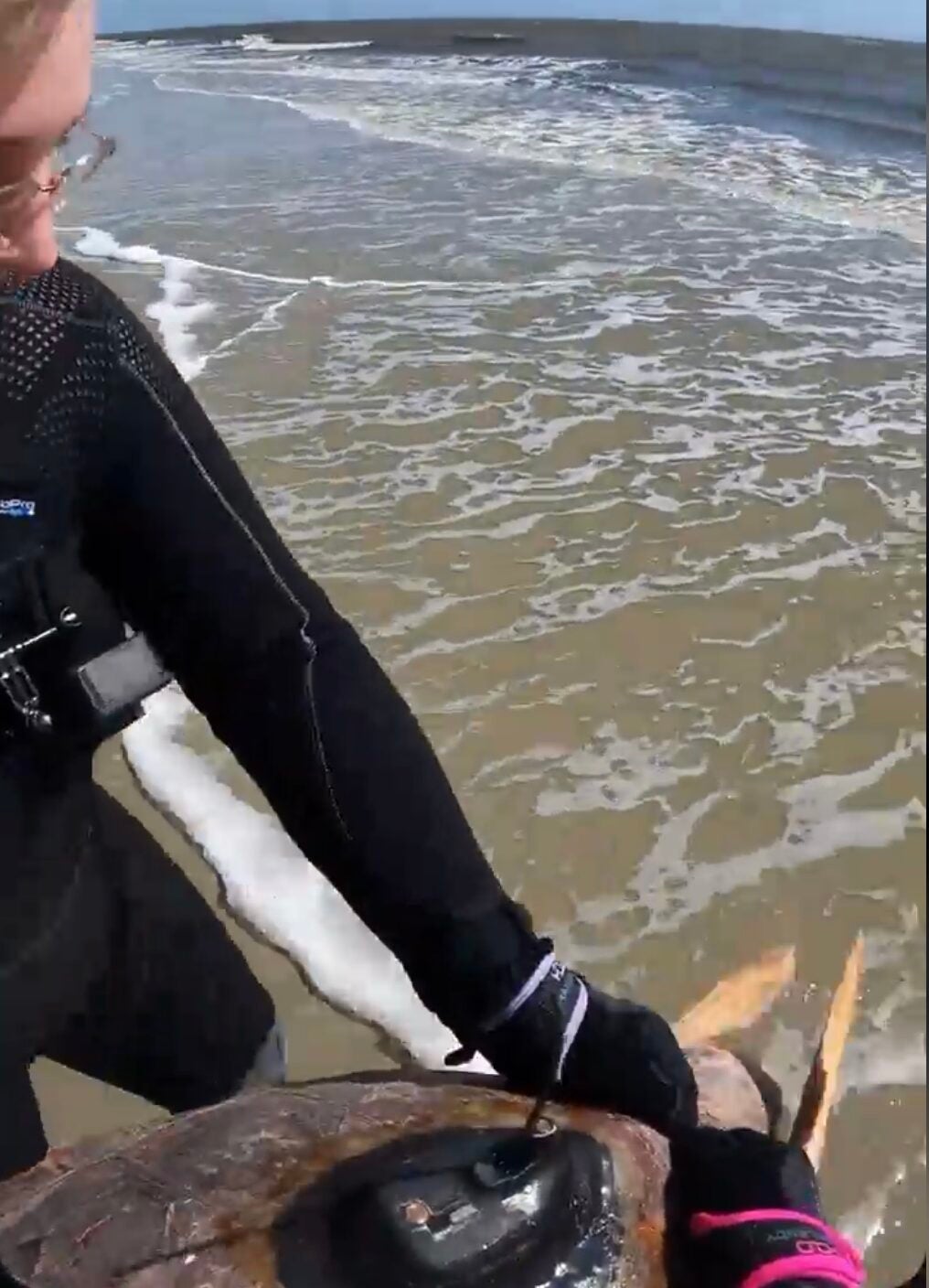
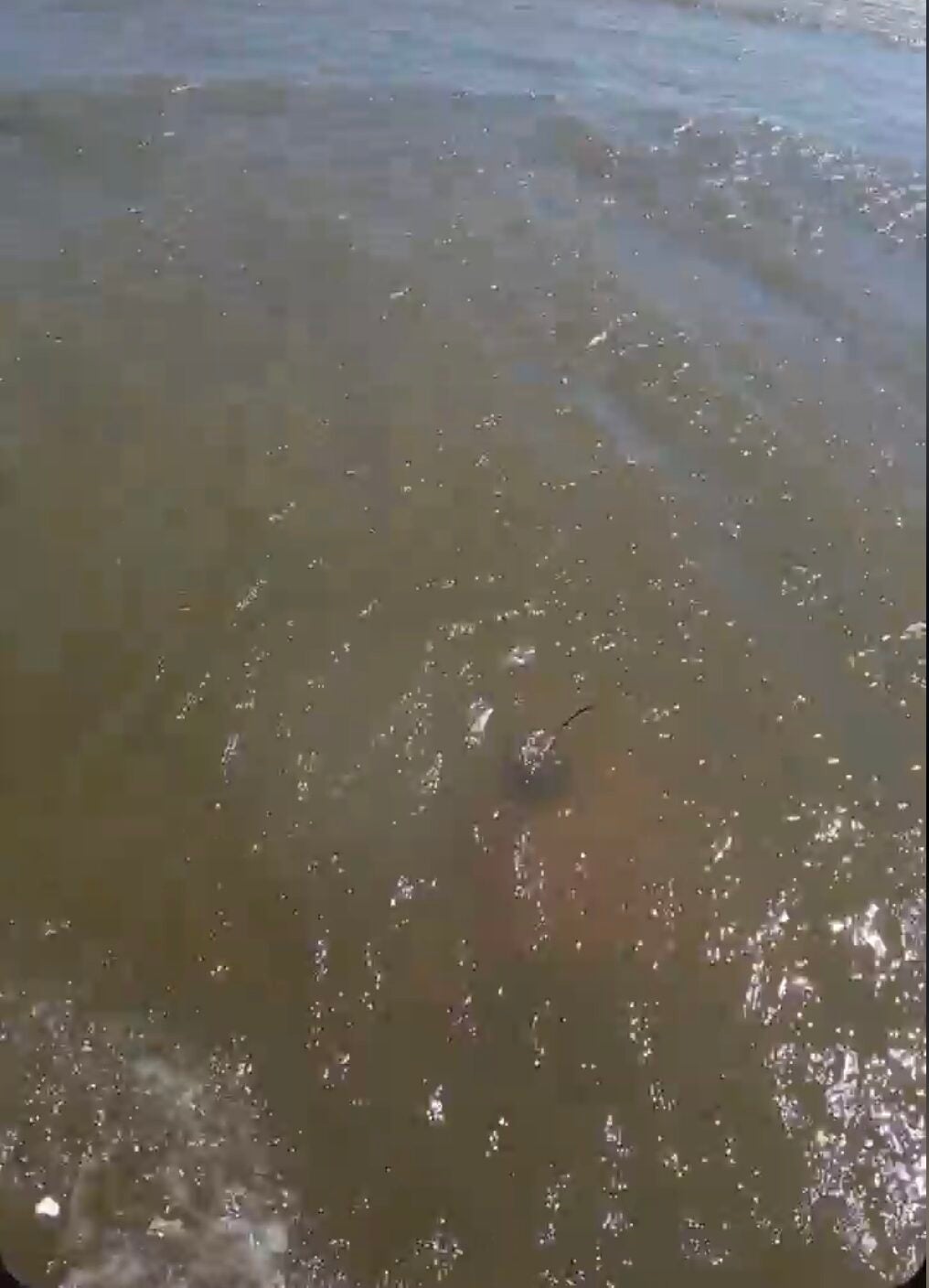
This spring, Georgia Aquarium celebrated a milestone in sea turtle conservation – the release of eight rehabilitated loggerhead sea turtles into the Atlantic Ocean, just off the shores of Jekyll Island.

These turtles’ journey began in early December 2024, when they were found cold-stunned in the icy waters off Cape Cod. Like all sea turtle species, loggerheads are cold-blooded and rely on warm ocean temperatures. When the water drops too quickly, they can become hypothermic, weak, and unable to swim – a life-threatening condition called cold-stunning.

The turtles received the initial round of life-saving care at the New England Aquarium (NEAQ) before being transported to Georgia Aquarium’s off-site animal care facility in mid-December. Their cross-country trip was made possible thanks to the incredible volunteer pilots from Turtles Fly Too, who routinely transport sea turtles to warmer waters and second-stage care facilities nationwide. The trip itself is a remarkable story of teamwork and just the beginning of their road to recovery.

Why Loggerheads? Why Georgia Aquarium?

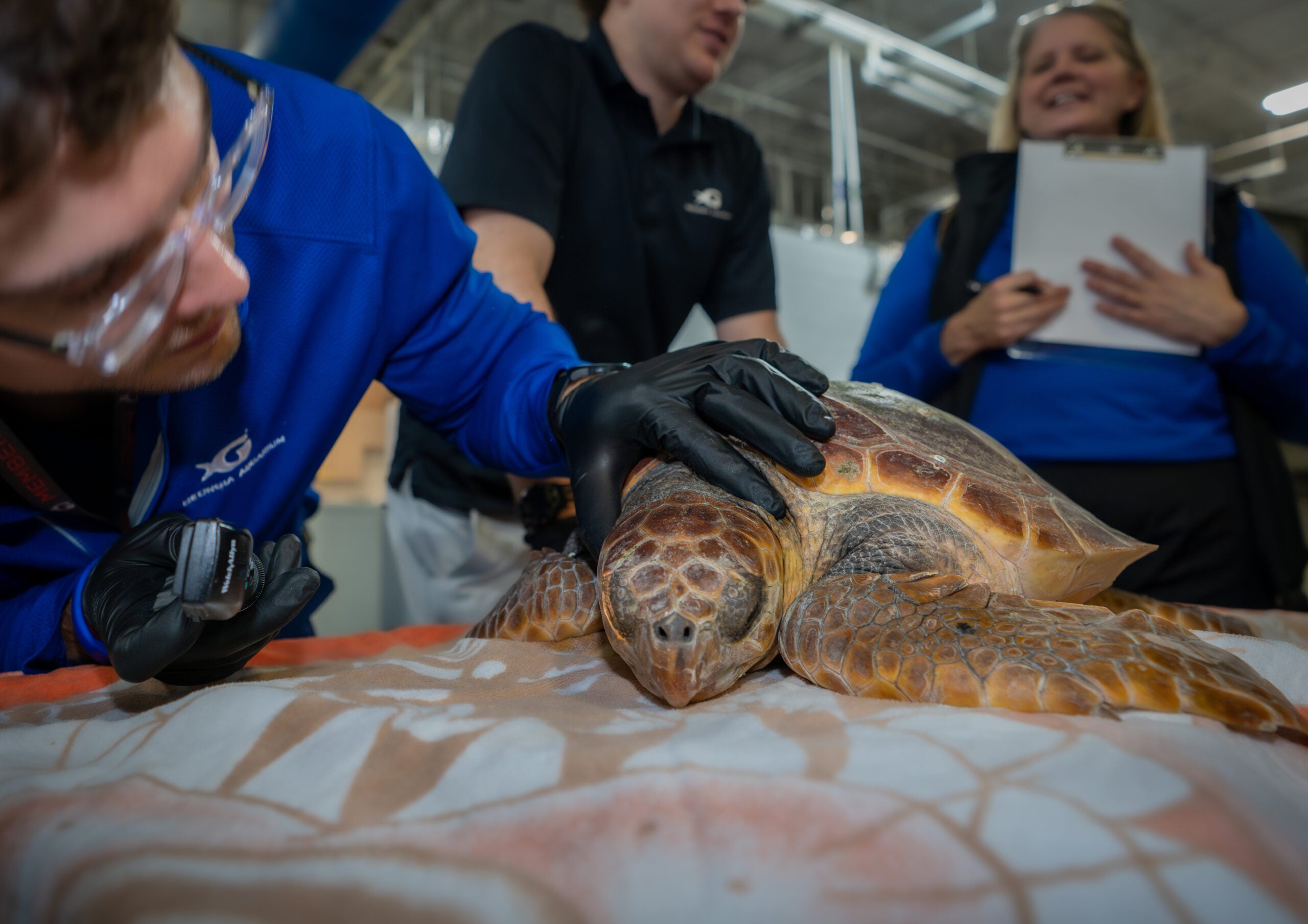
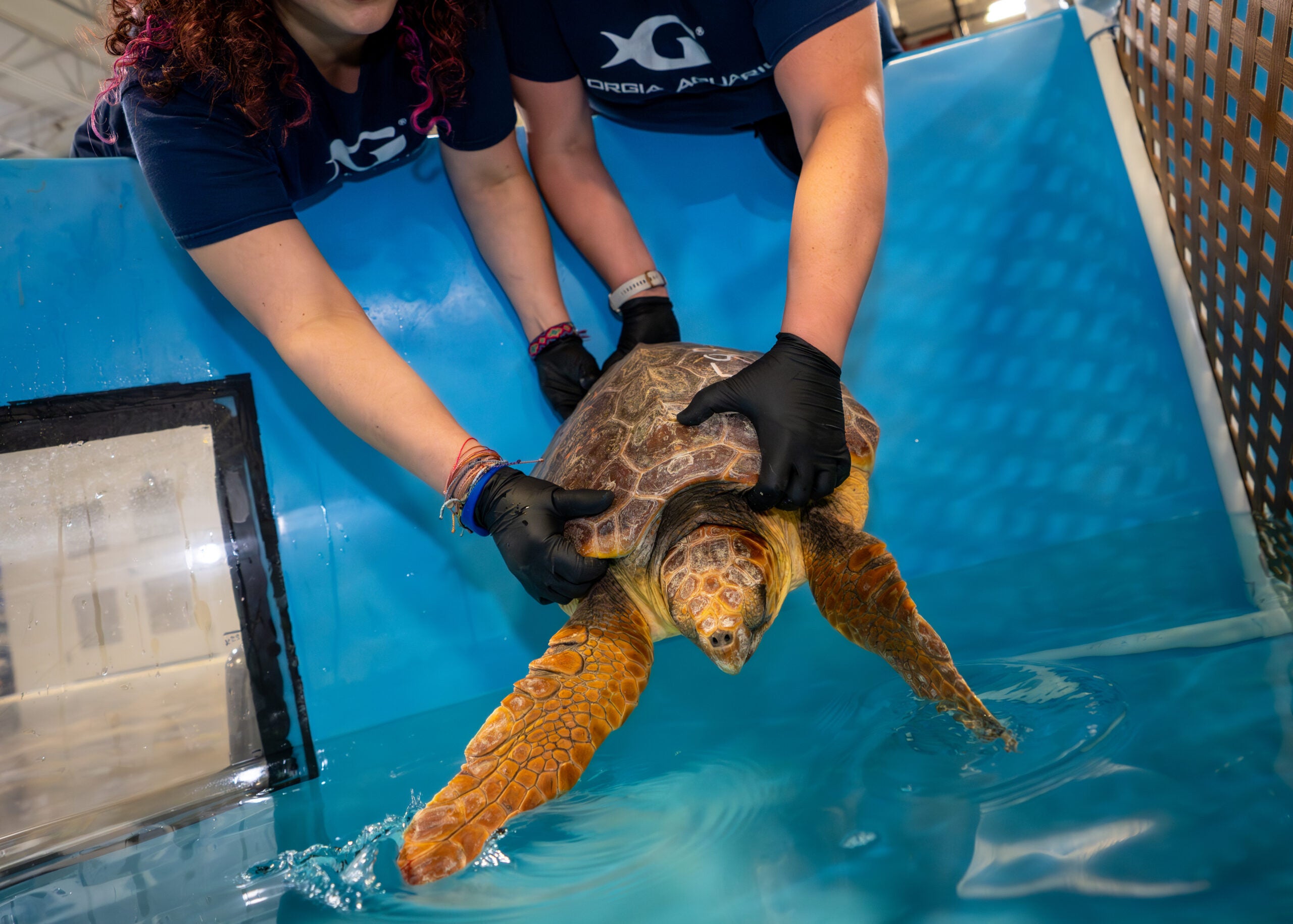
Loggerhead sea turtles are one of the largest species of sea turtle. Because of their size and strength, not every facility can accommodate them. Georgia Aquarium’s off-site animal care facility is one of only a few U.S. facilities with the specialized space and expertise to care for these endangered giants. The facility is uniquely equipped to give them the room, warmth, and expert veterinary attention needed to heal. The Aquarium’s aquatic sustainability team cared for them with feedings, monitoring their health, and additional animal care support for the entirety of their stay at the off-site facility.

Over the past five years, Georgia Aquarium has taken in a total of 44 cold-stunned sea turtles – each one a step toward protecting this species, which is endangered in the United States.

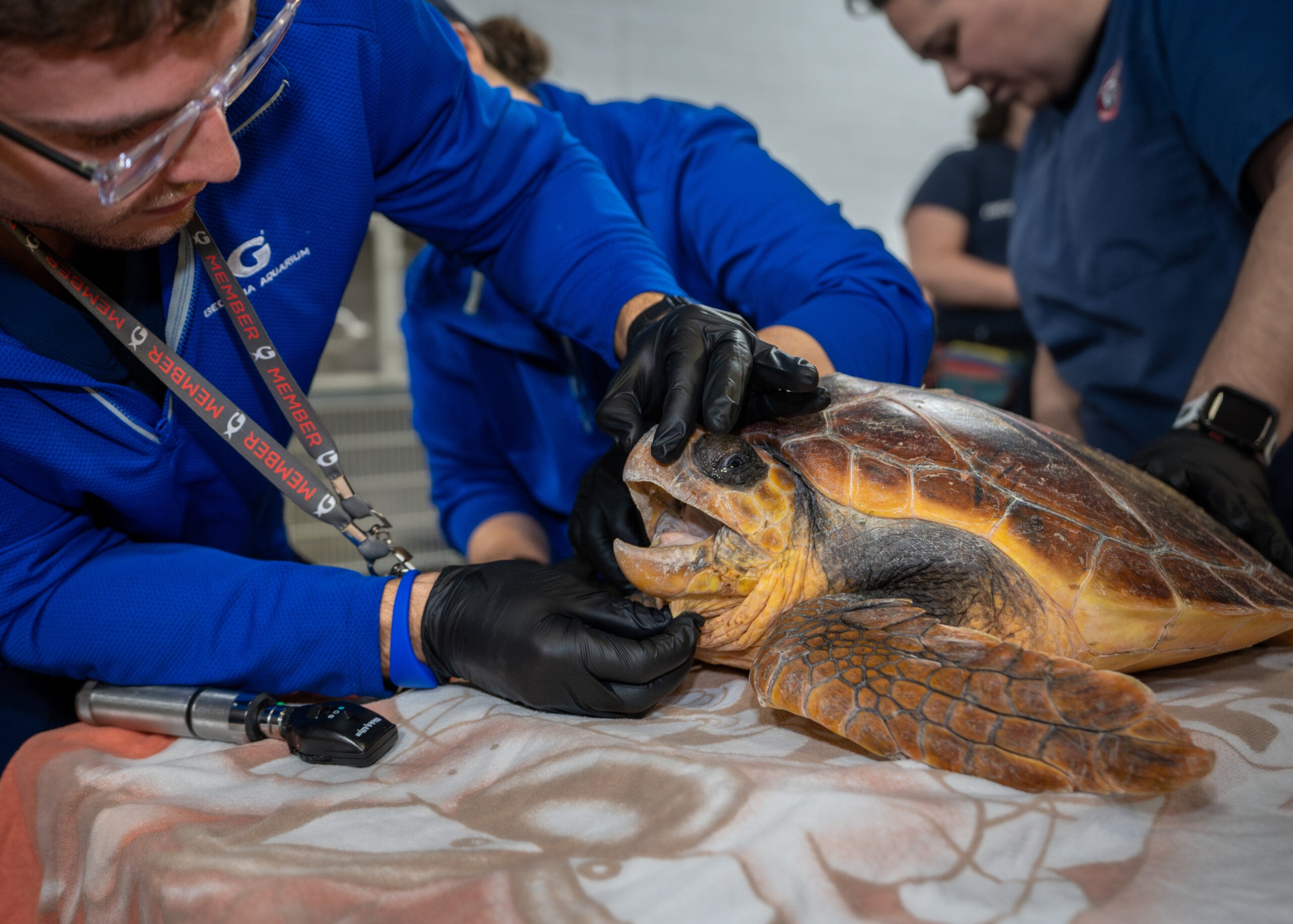
Upon arrival, the turtles were carefully assessed and treated for various cold-stunning complications, including pneumonia. Each turtle responded quickly to care, regained strength, and began eating well – signs of a hopeful outcome. While each loggerhead had its own story, their resilience was a common thread.

Ready to be Released

After being cleared by our veterinary staff, the turtles were prepped for release. Before their big return to the ocean, all eight were fitted with flipper tags to help identify them if they are reencountered. Two turtles, affectionately named Poblano and Bell, were also equipped with satellite tracking devices. These tags will provide valuable data on their movements and help scientists better understand the migratory patterns of this species.

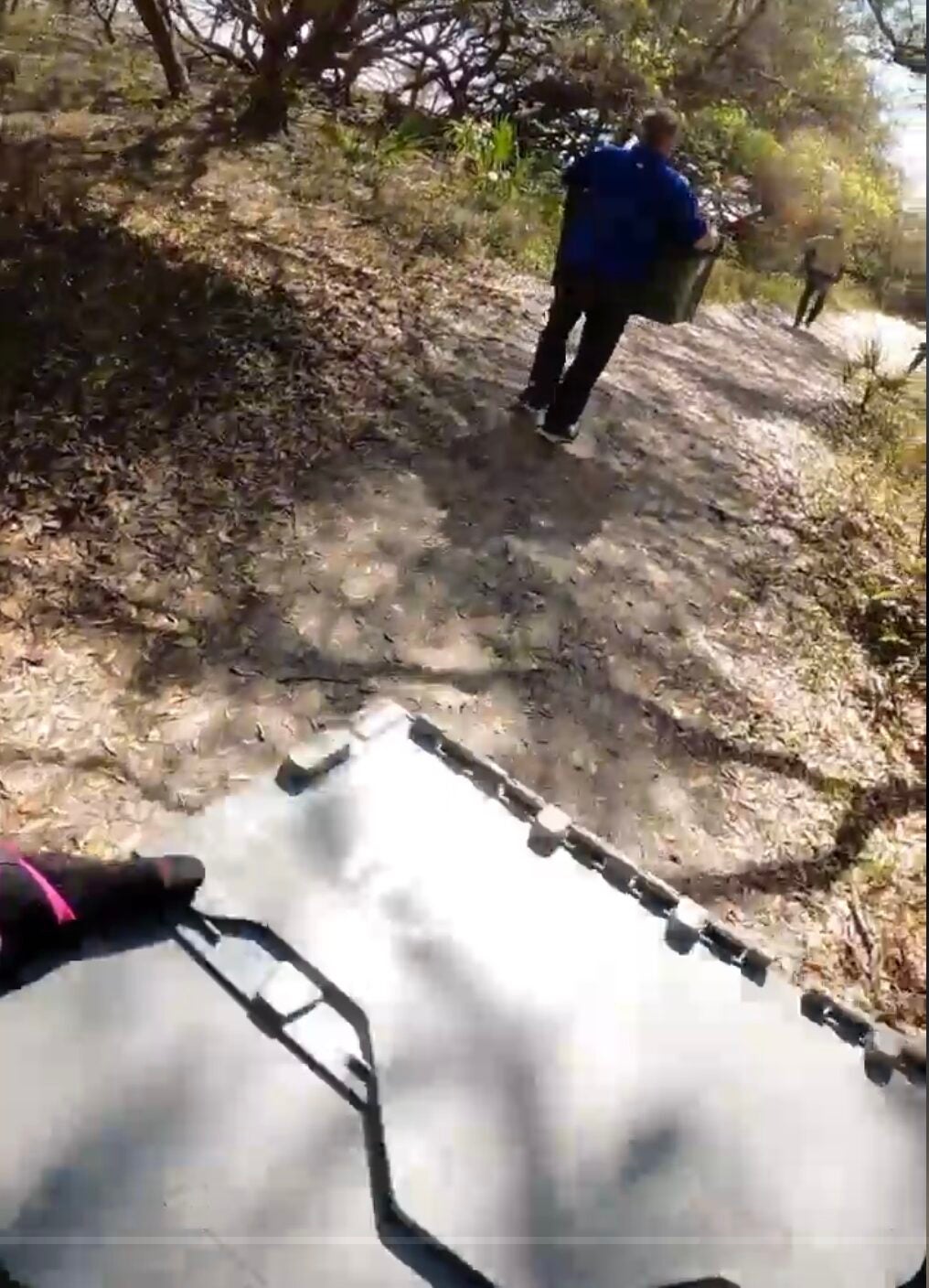
At the end of March, with the support of our longtime partners at the Georgia Department of Natural Resources (DNR), our aquatic sustainability team – including Mark Olsen, Polly Strott, and Stephanie Salter – traveled to Great Dunes Beach on Jekyll Island to witness the turtles’ long-awaited return to the Atlantic.

The day of the release brought clear skies and a brisk ocean breeze. While the windy conditions meant the team couldn’t release from the boat, it made for a beautiful, shoreline send-off. “Watching them swim away never gets old,” shared Mark Olsen, associate curator of aquatic sustainability at Georgia Aquarium. “It’s a reminder of why we do this work and how far these animals have come.”

How You Can Help

Like many sea turtle species, loggerhead sea turtles face numerous threats in the wild, from climate change to habitat loss and marine debris. Each turtle we rescue and release plays a role in restoring balance to our marine ecosystems, and every success story is a testament to what we can achieve together.

Fortunately, the U.S. has a strong network of government agencies, organizations, and volunteers that work together during cold-stunning events. This network not only plans for these emergencies in advance but also uses alert systems to mobilize people to search for and assist stranded turtles.

You can help protect sea turtles year-round:

  • Reduce, reuse, and recycle.
  • Join a beach cleanup in your area.
  • Visit the Georgia Sea Turtle Center or Georgia Aquarium to learn more about ongoing research and conservation efforts.
  • Spread the word! Share what you’ve learned and encourage others to get involved.

Learn more about how you can contribute to Georgia Aquarium’s conservation mission at georgiaaquarium.org.

Celebrating Earth Day and 20 Years of Conservation: Georgia Aquarium Gives Back

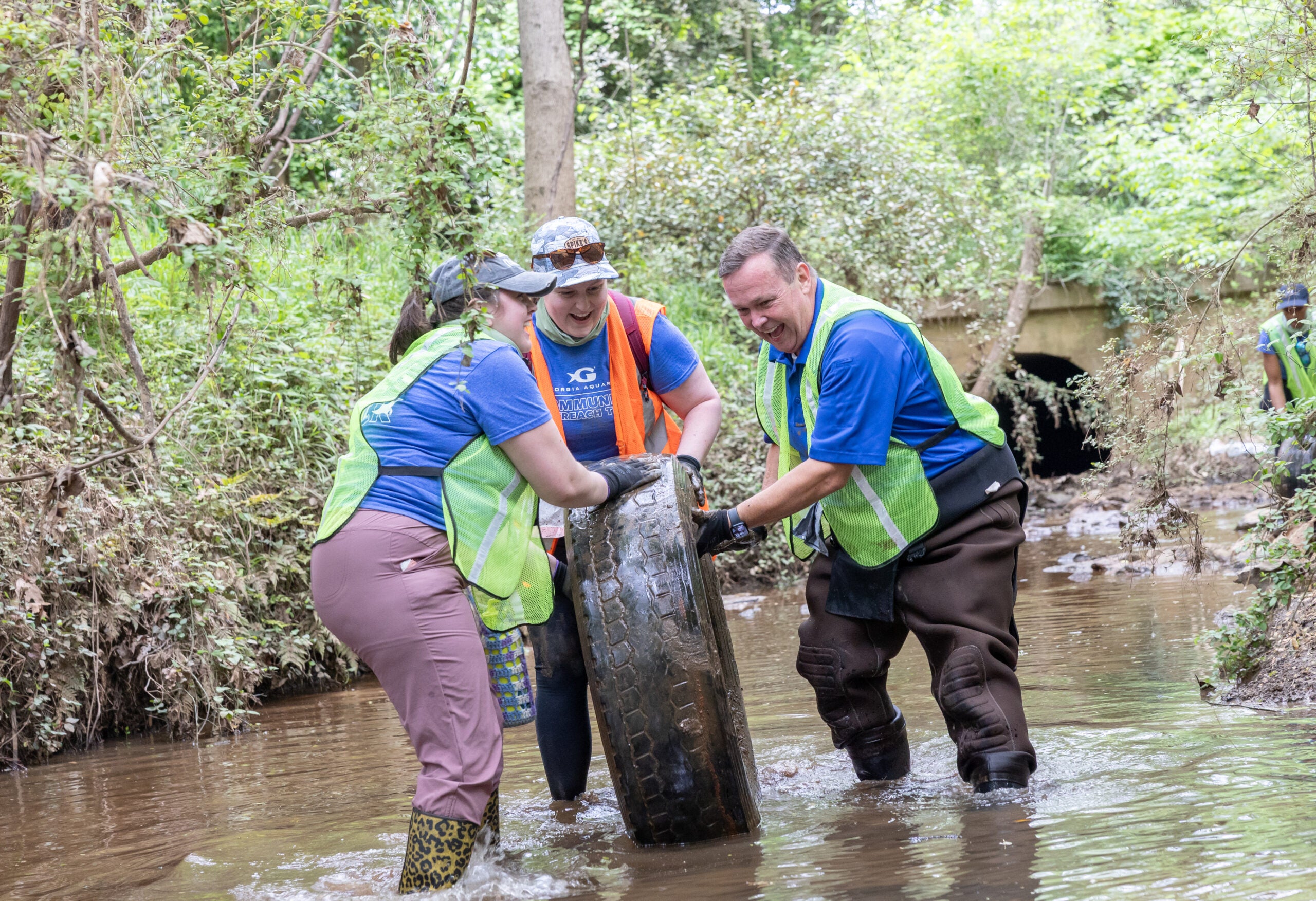
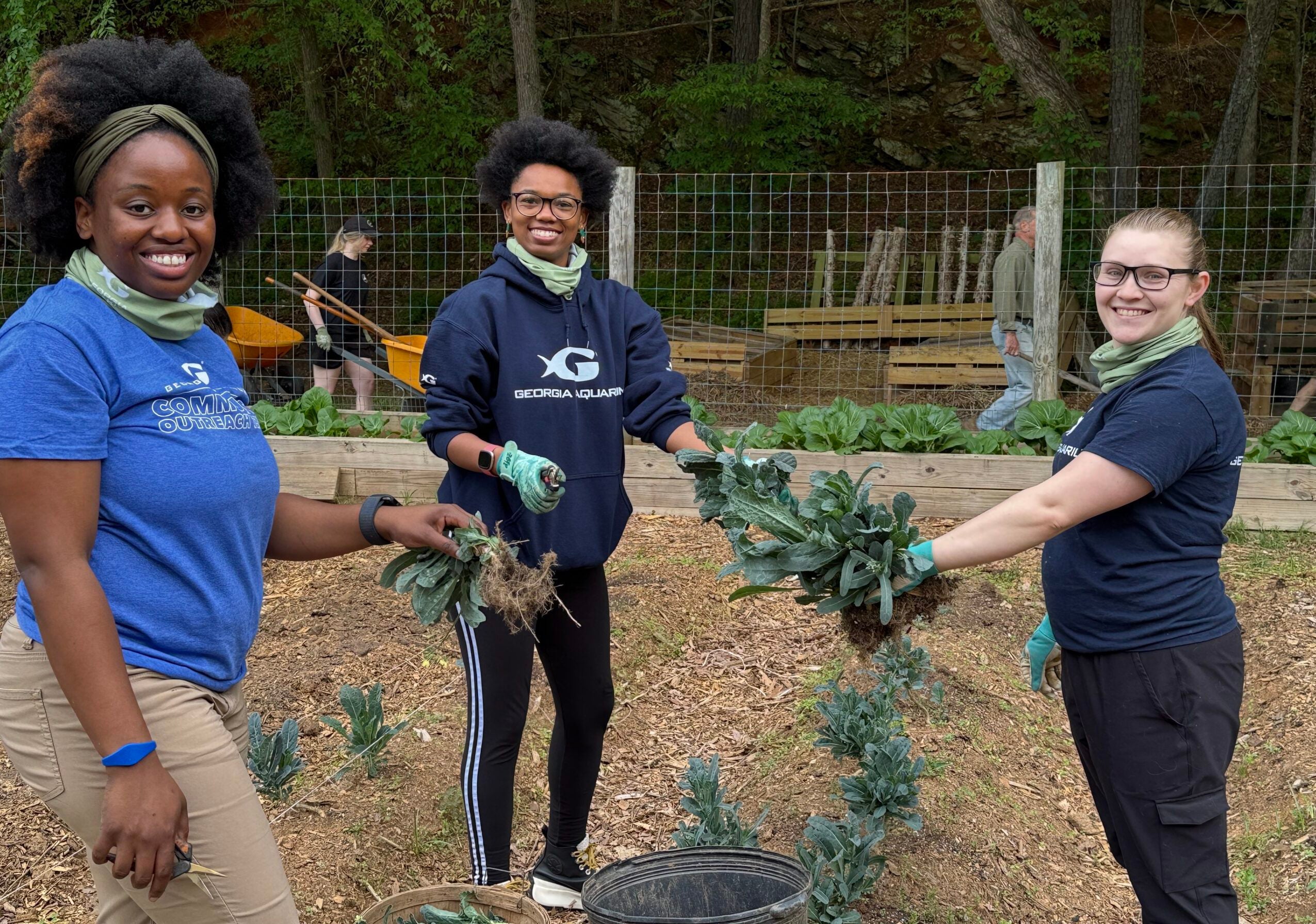
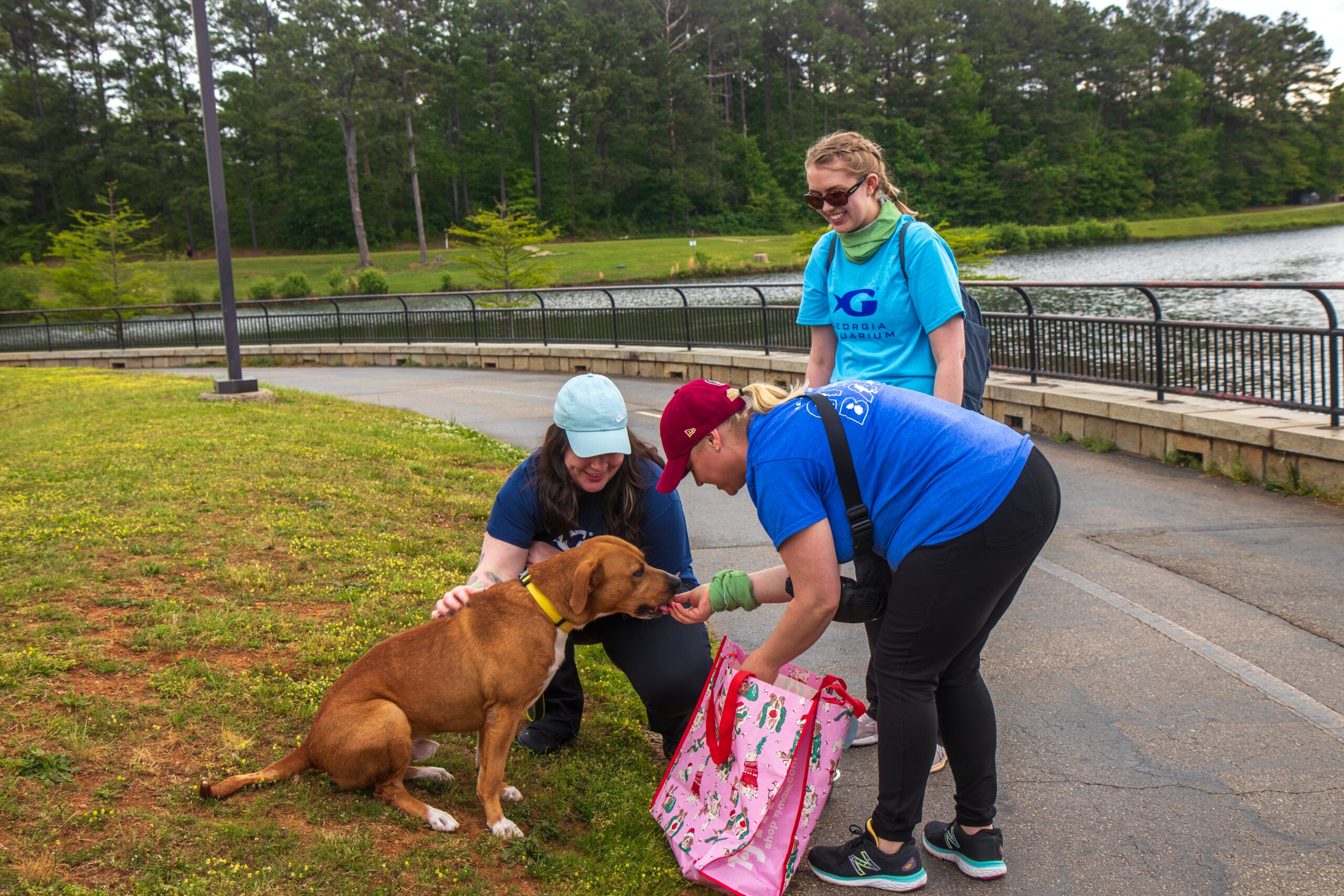
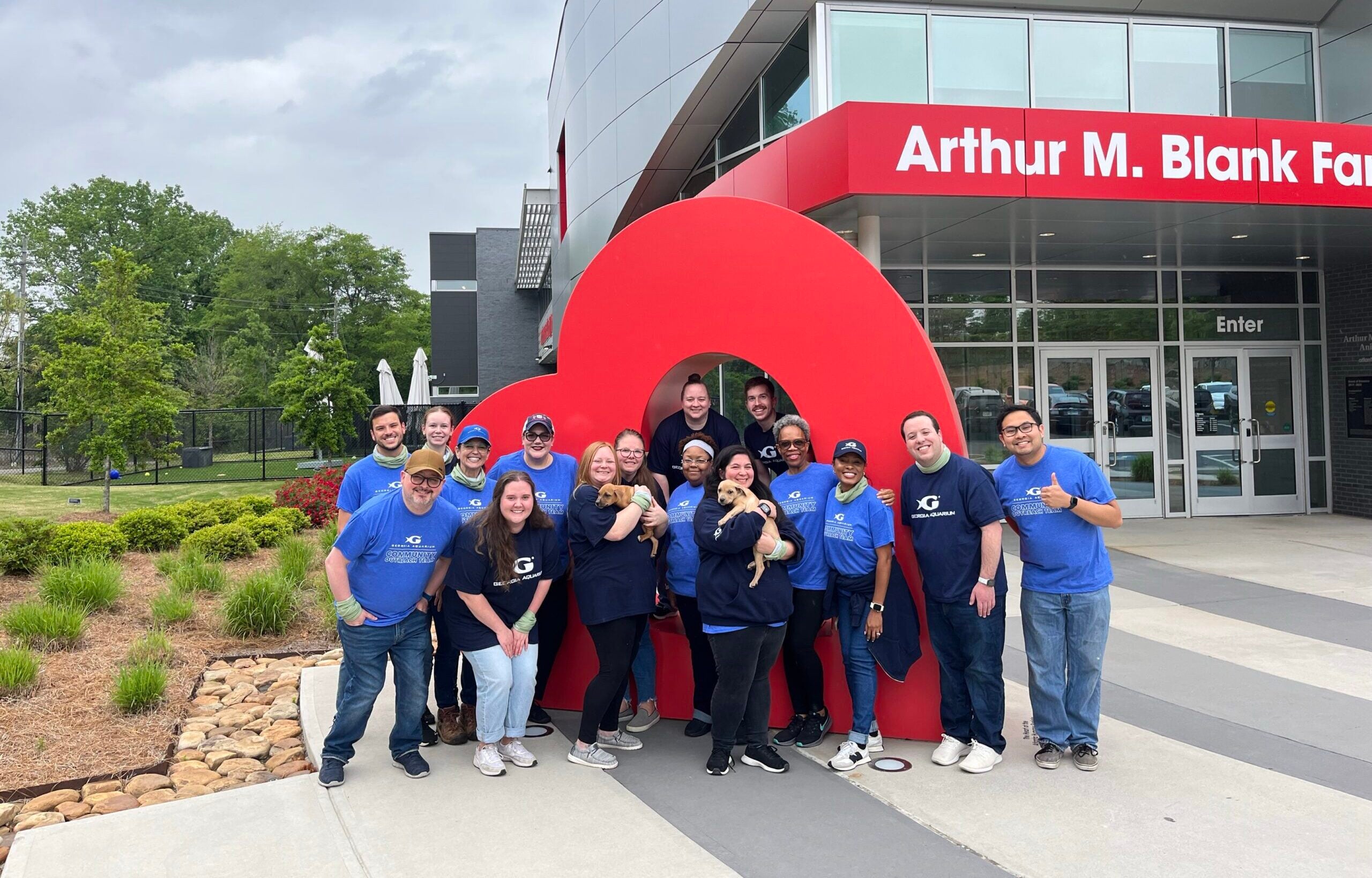
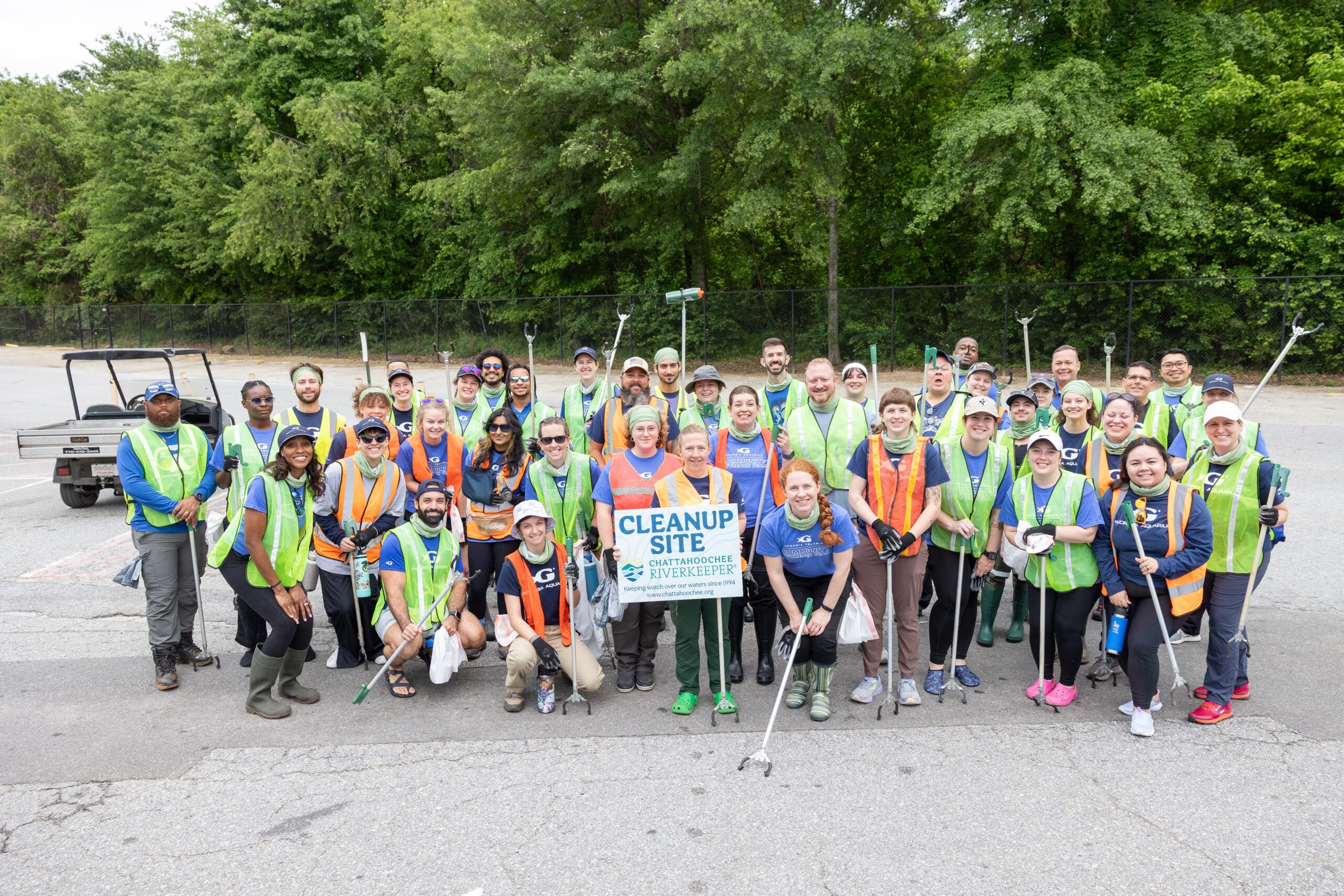
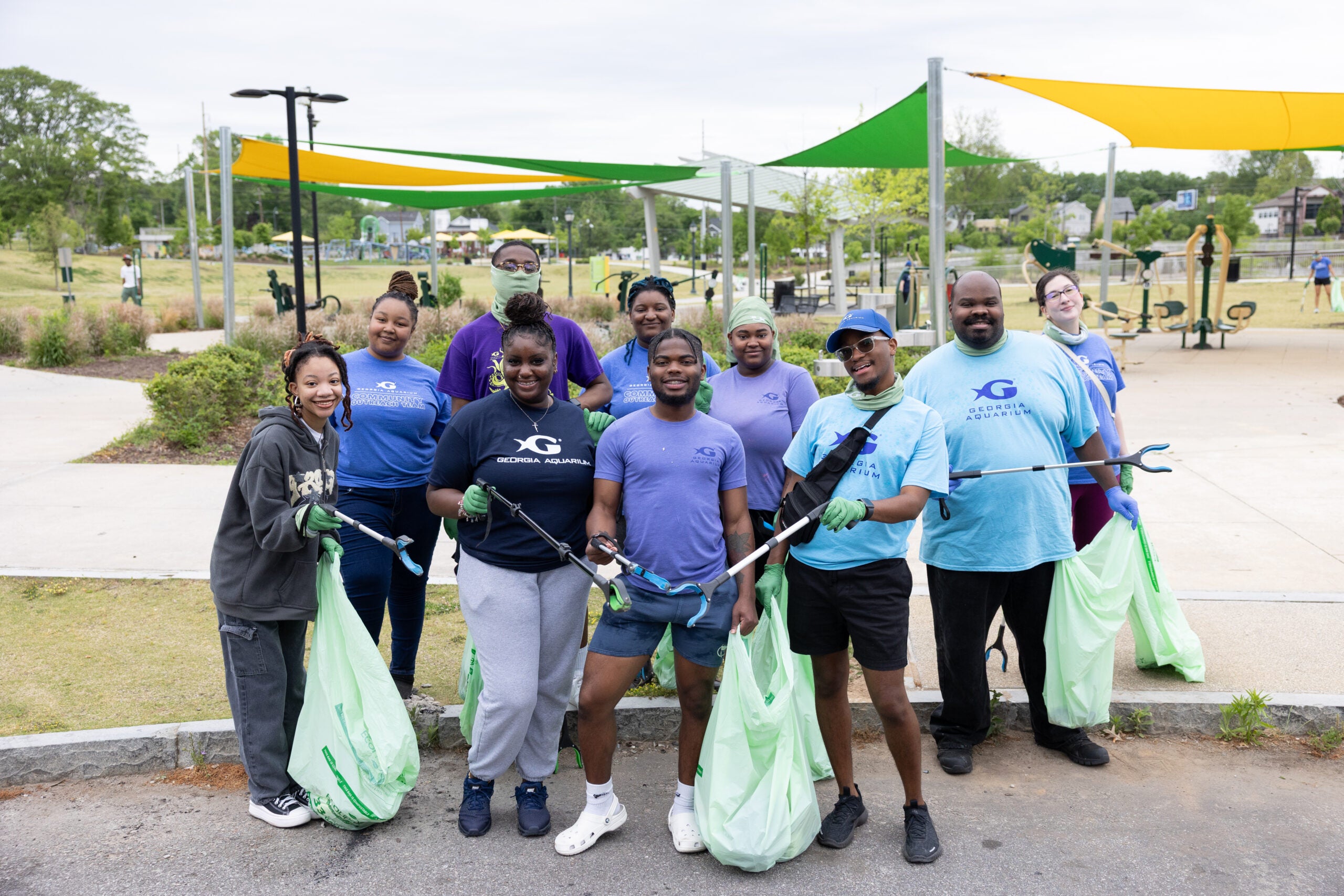
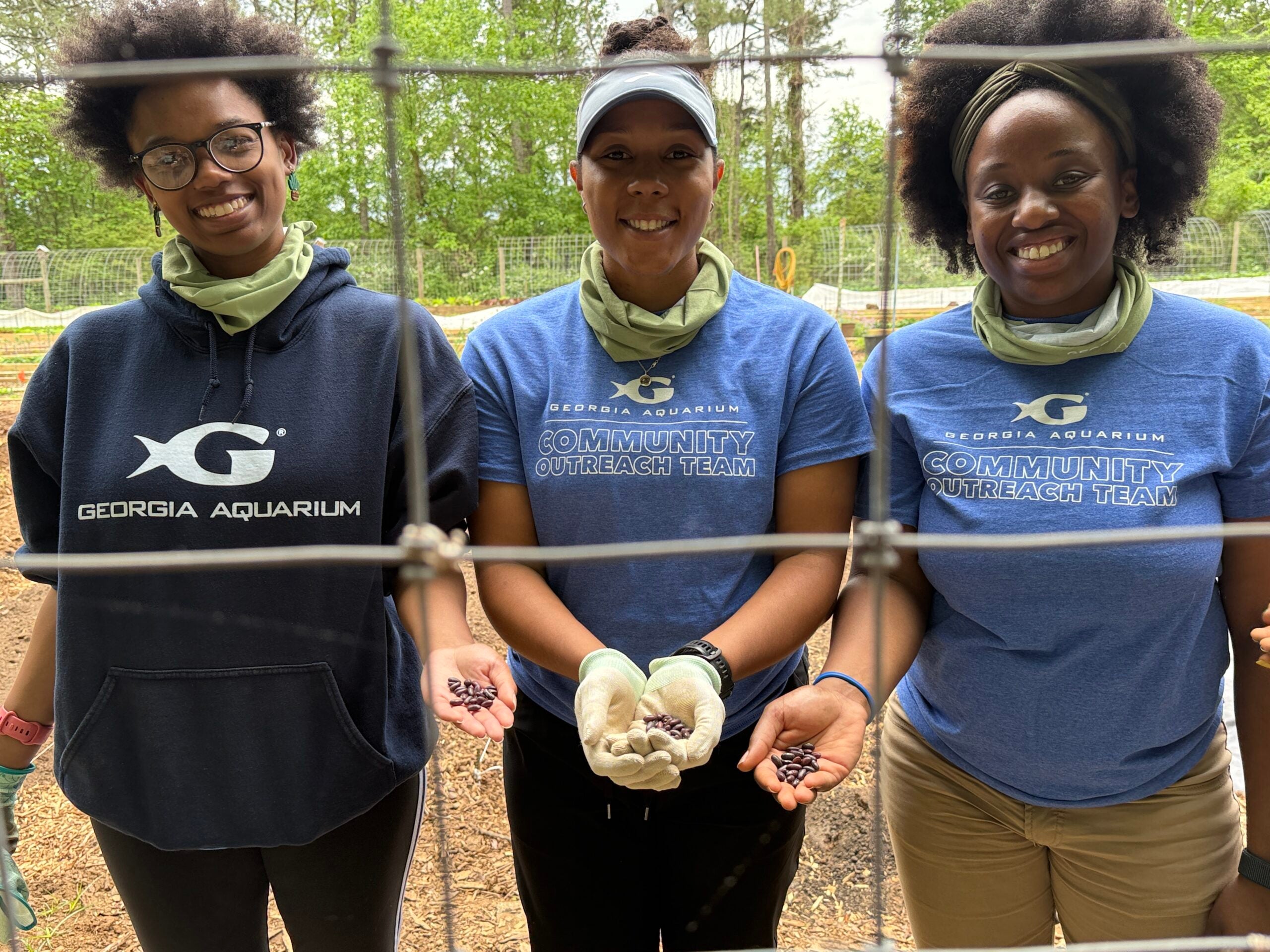
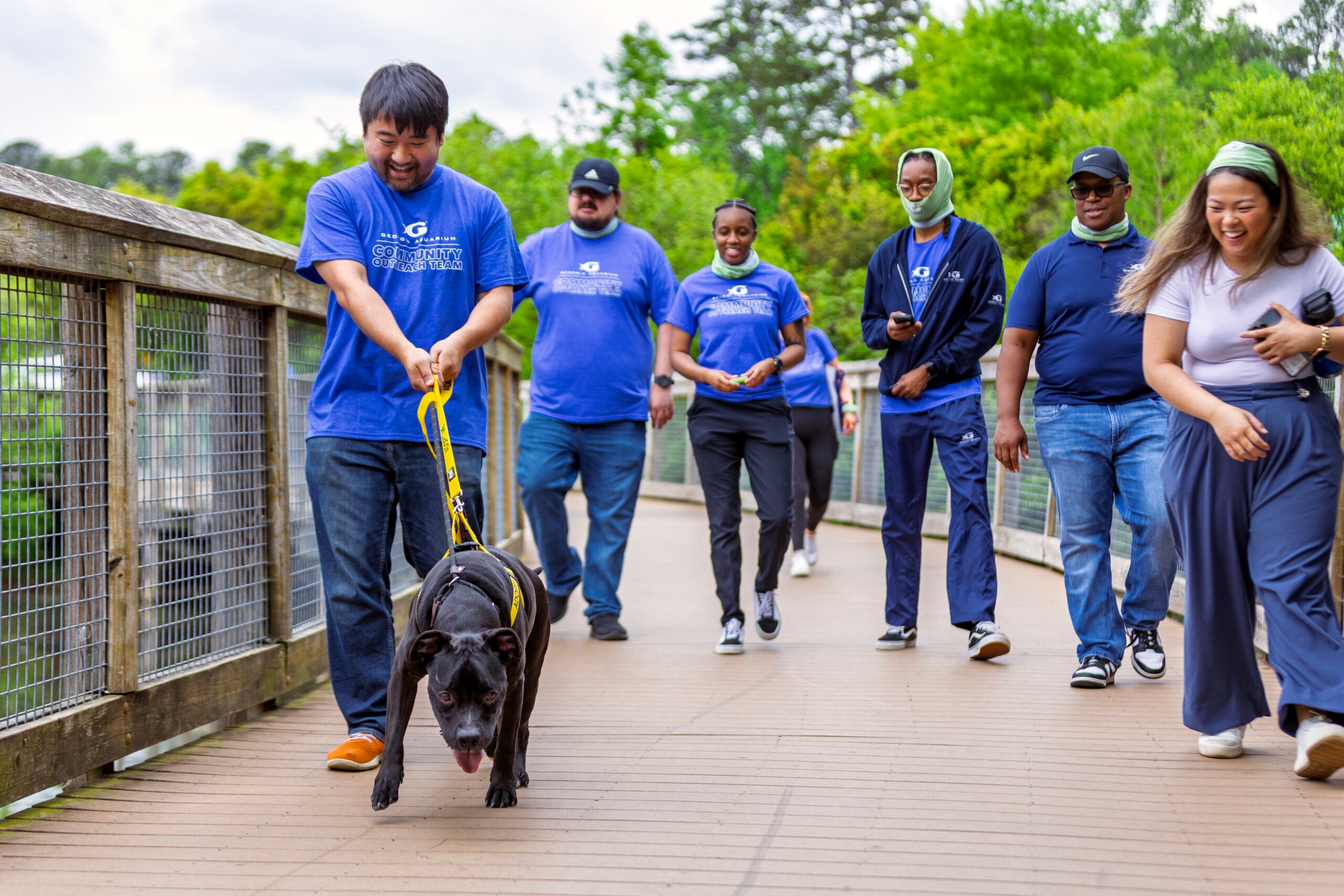
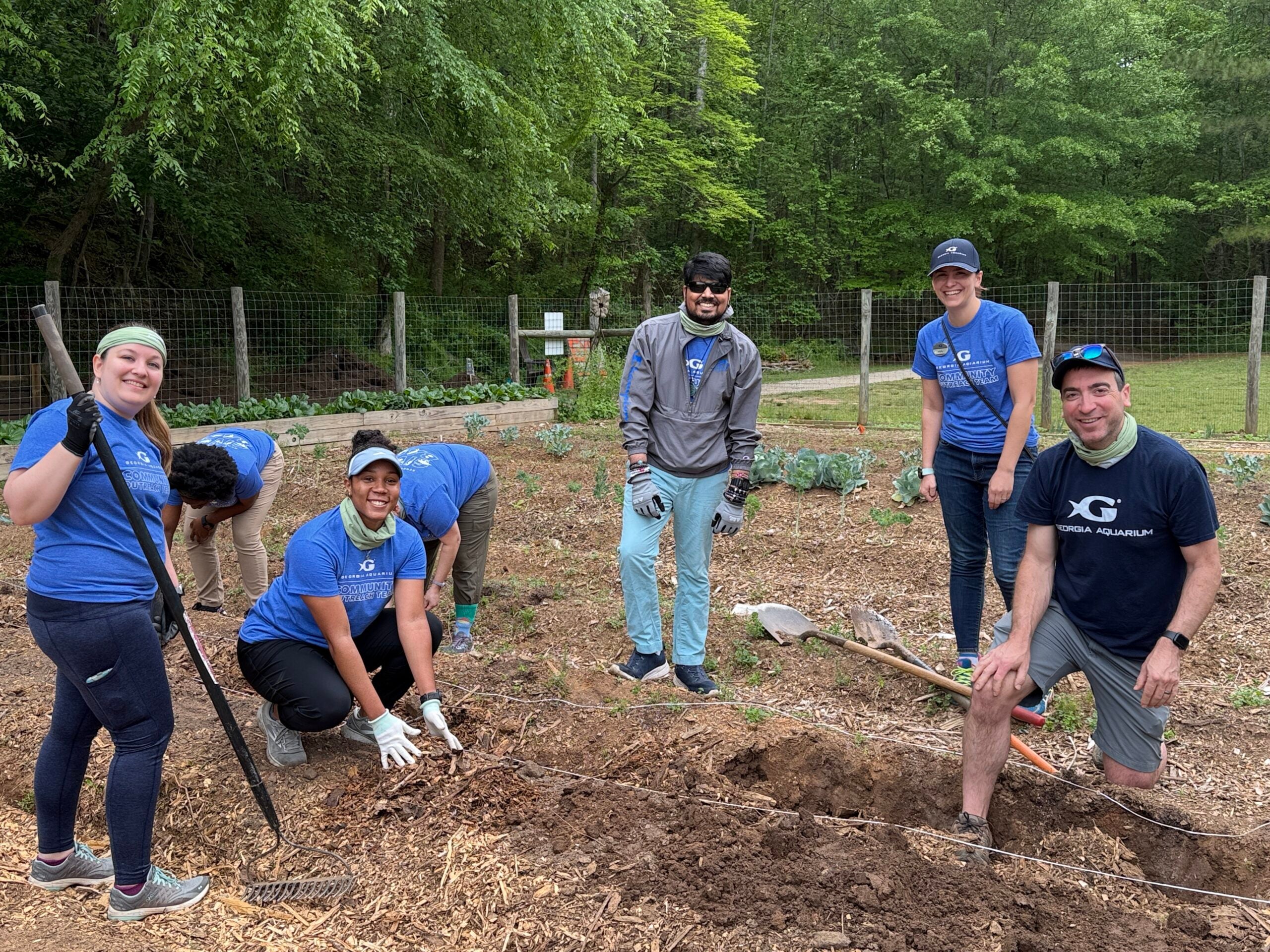
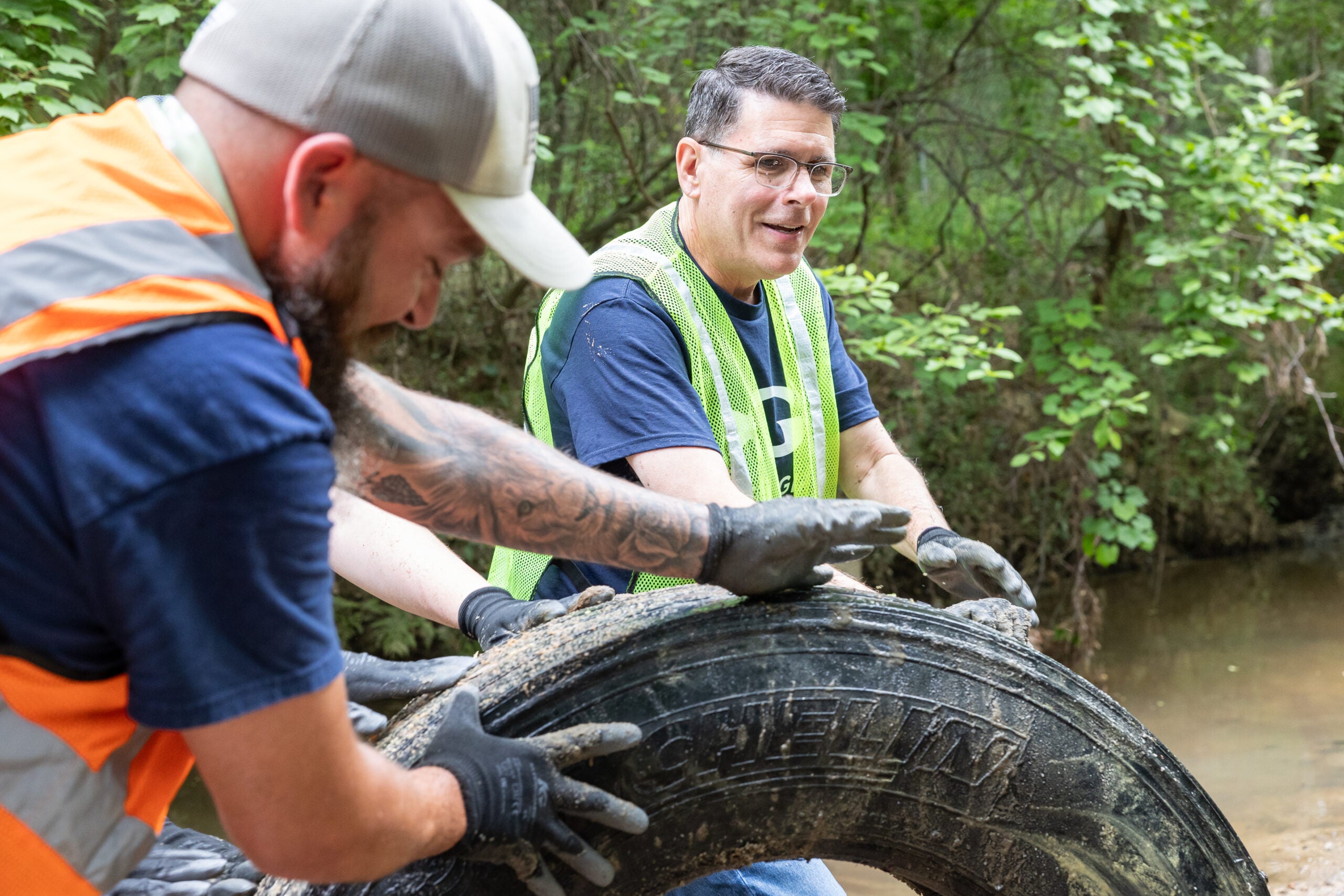
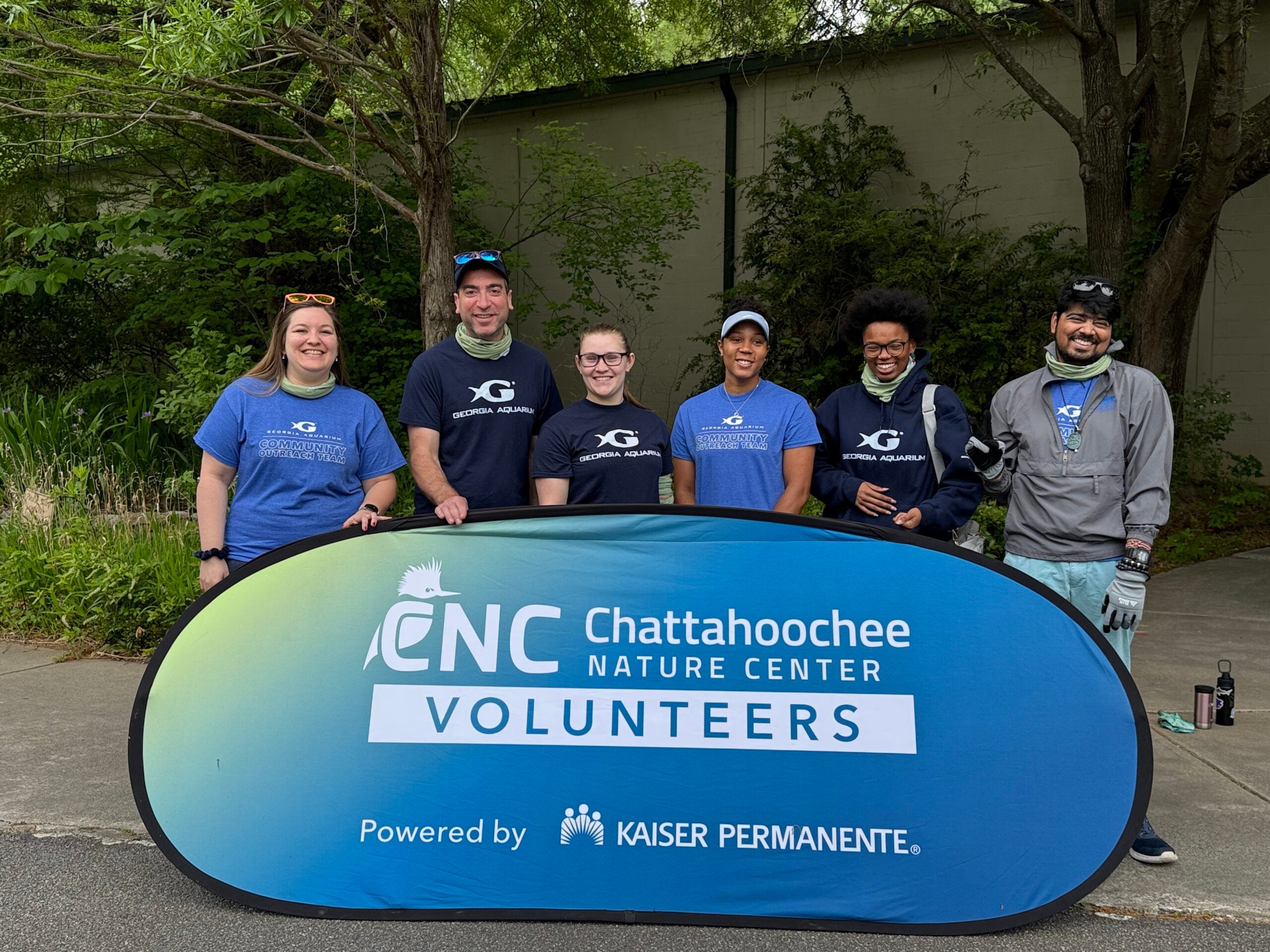
On April 22, 2025, Georgia Aquarium was closed to the public in honor of Earth Day. Our incredible staff volunteered with local organizations in support of a healthier planet and as a nod to our 20 years of global conservation. 

Aquarium staff members volunteered across Georgia, participating in environmental cleanups, animal shelter support, and local restoration projects. Together, we’re building a legacy that protects not just our oceans but our shared home.

Earth Day has never been just one day for the Aquarium. It’s woven into everything we do—from marine conservation to sustainable practices behind the scenes. This year being our 20th anniversary year, we’re proud to take that commitment beyond our walls. This is more than a day of service—it’s a celebration of two decades of conservation, community, and connection. We’re so grateful to the Atlanta community for supporting us over the years, and this is one small way we can give back. 

Happy Earth Day, Atlanta—let’s keep making waves for good. 🌎💙

Georgia Aquarium Celebrates a Wave of Prestigious Nominations in 2025

Georgia Aquarium is making a splash nationwide with a series of exciting nominations that highlight its dedication to marine life, education, and unforgettable guest experiences.


🏅 Newsweek Readers’ Choice: One of the Country’s Best Aquariums

Georgia Aquarium was proudly named one of the country’s “Best Aquariums” by Newsweek readers. A testament to the world-class exhibits, engaging programs, and conservation efforts that continue to inspire millions of guests each year.
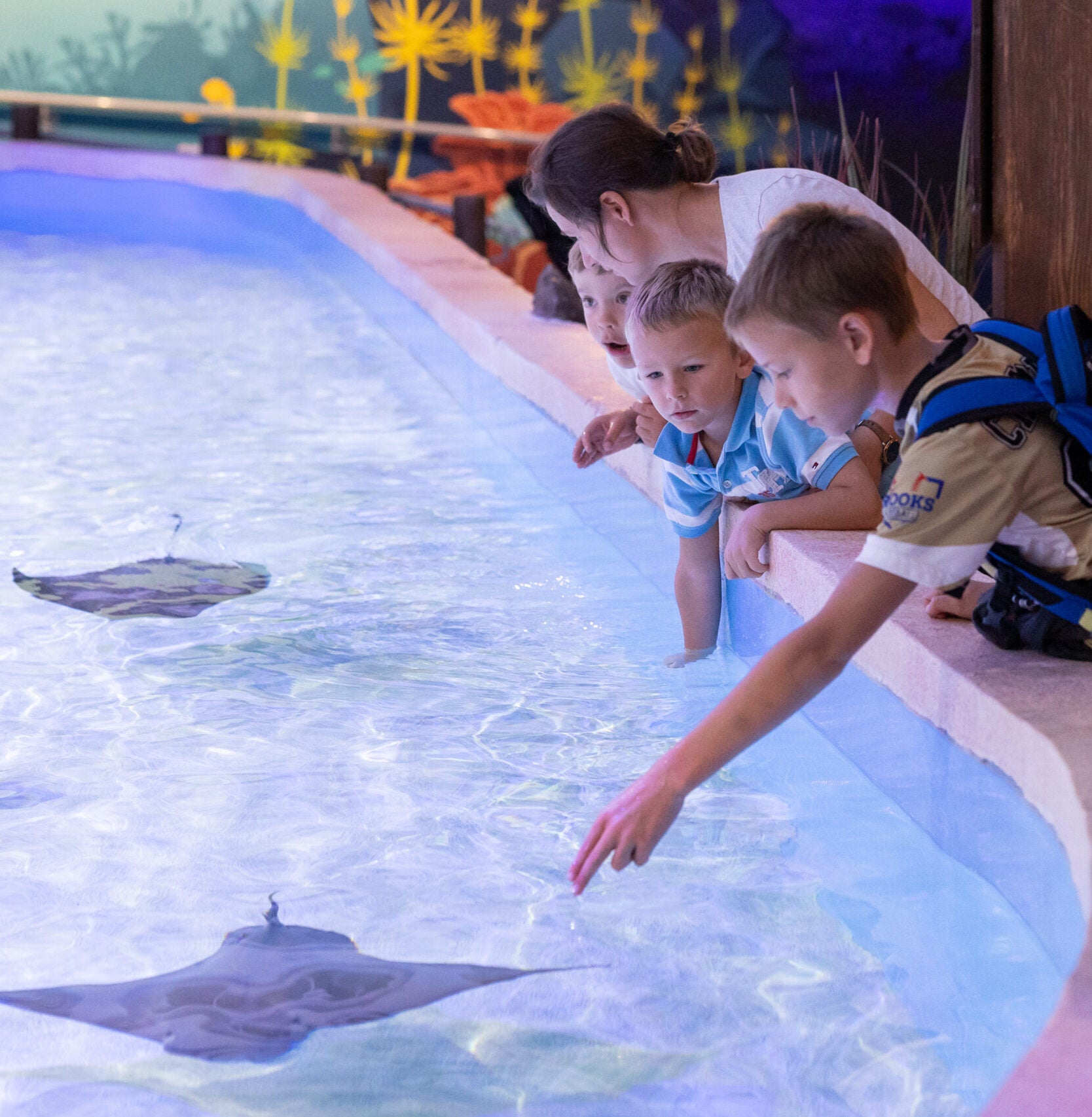
 

🌊 USA Today 10Best Readers’ Choice Awards Nominee

The Aquarium was also nominated for Best Aquarium in the USA TODAY 10Best Readers’ Choice Awards. This contest spotlights top attractions across the country. With incredible experiences like the Ocean Voyager tunnel and behind-the-scenes animal encounters, Georgia Aquarium continues to stand out as a must-visit destination. Vote for us here. Voting closes on May 10, 2025.


🎒 Camp H2O Nominated in the Best of Jewish Atlanta Times

Camp H2O, Georgia Aquarium’s beloved summer program, has been nominated for Best Day Camp in the 2025 Reader’s Choice Best of Jewish Atlanta Times. This fun, hands-on camp experience gives kids a chance to dive into marine biology and animal care in a truly unique setting. Vote for us here. Voting closes on April 30, 2025.


💙 Motherhood Loves Community Awards: Top Aquarium Winner

In the Motherhood Loves Community contest, Georgia Aquarium earned recognition as a Top Aquarium. The Aquarium was applauded for its family-friendly atmosphere and programs that create magical moments for kids and parents alike.


These nominations reflect the passion, care, and innovation that drive Georgia Aquarium every day. For more information on visiting or supporting the Aquarium, please visit georgiaaquarium.org.​