

ATLANTA (September 4, 2026) –
By Dr. Patrick Charapata, Research Scientist at Georgia Aquarium
When you spend four weeks aboard a research vessel in the Arctic, there is no typical 9-to-5 workday. The vessel operates 24 hours a day. Scientists and crew members rotate through watches, monitoring conditions and searching for walruses at all hours. There are no stops in port, and the freshwater we use is produced aboard the ship by desalinating seawater.
Our days are shaped by the weather, the ice and, most importantly, the walruses.
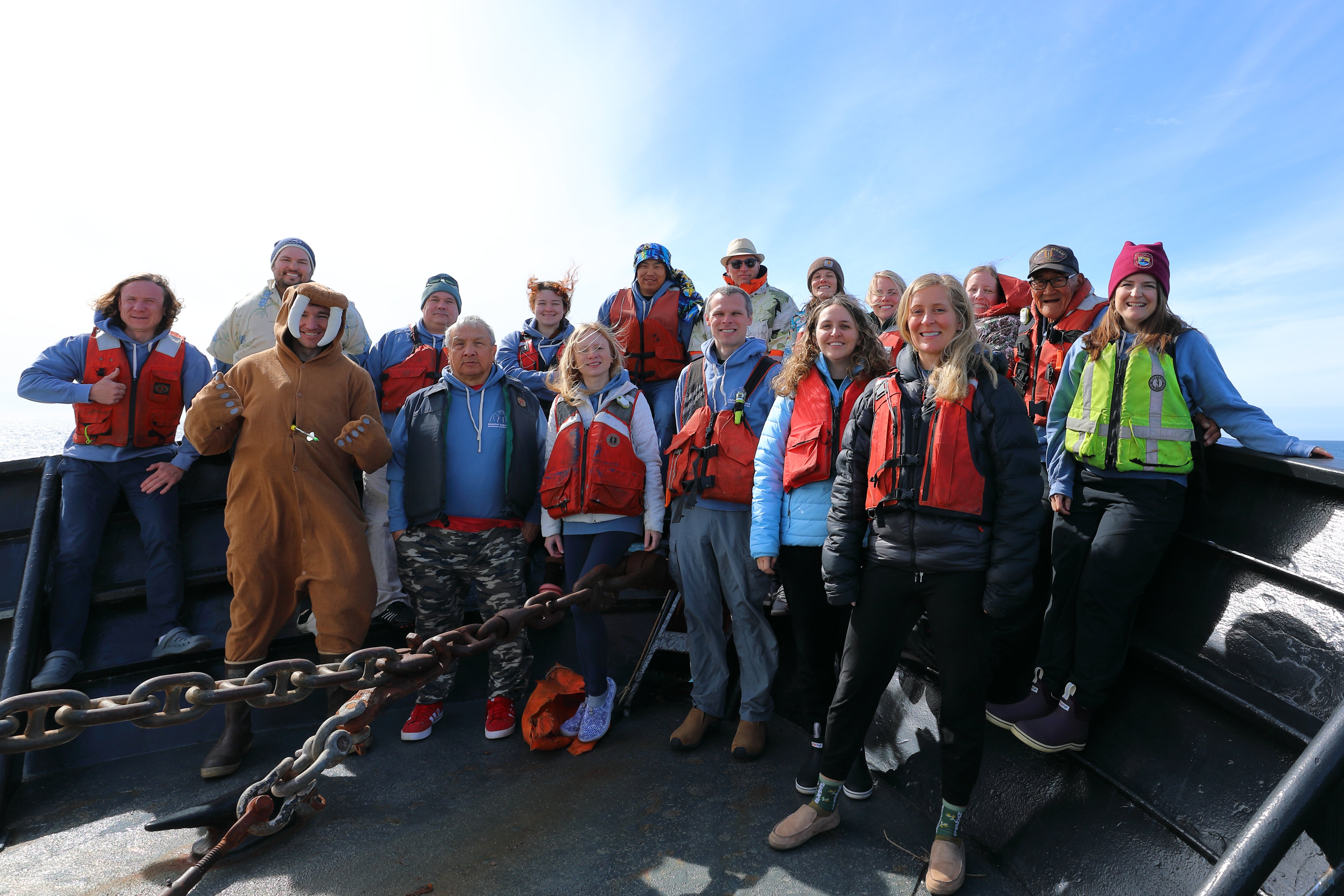
This summer, I joined a team of scientists, vessel crew members and Indigenous experts for a research expedition focused on Pacific walruses. The trip marked the third successful year of data collection for a long-term study of the animals using this remote Arctic region.
Over four weeks, our team collected observations, photographs and > 1,000 biopsy samples. A biopsy provides researchers with a small sample of skin and blubber that can be analyzed to learn more about walrus demographics and population size.
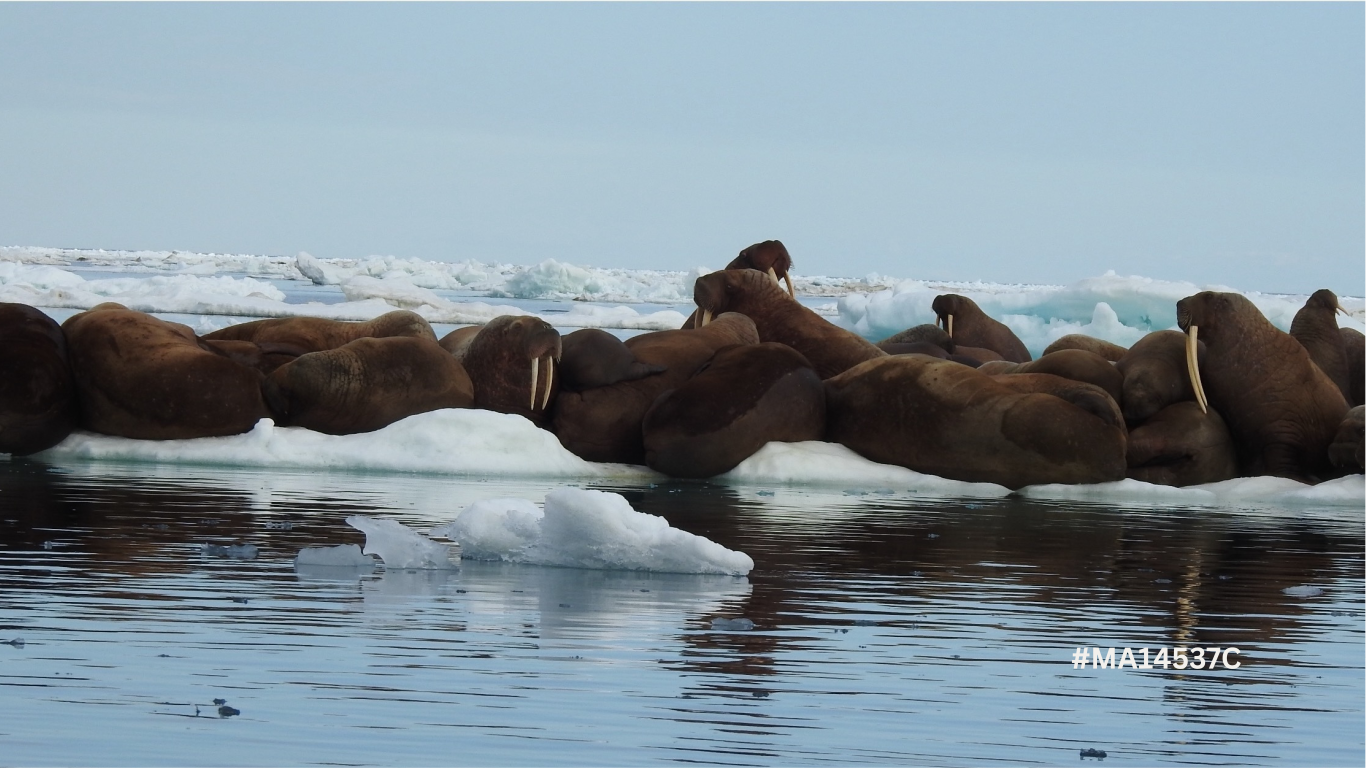
The sampling device has a small metal tip and flotation material. Researchers aim for a thick, blubbery area near the rear of the animal that has relatively low sensitivity. I often compare it to the brief finger prick a person may receive at a doctor’s office. After the sample is collected, the device falls into the water and floats so the team can retrieve it.
Every step follows established research protocols and requires careful coordination. The samples and observations gathered during the expedition will be added to the previous two years of data for analysis.
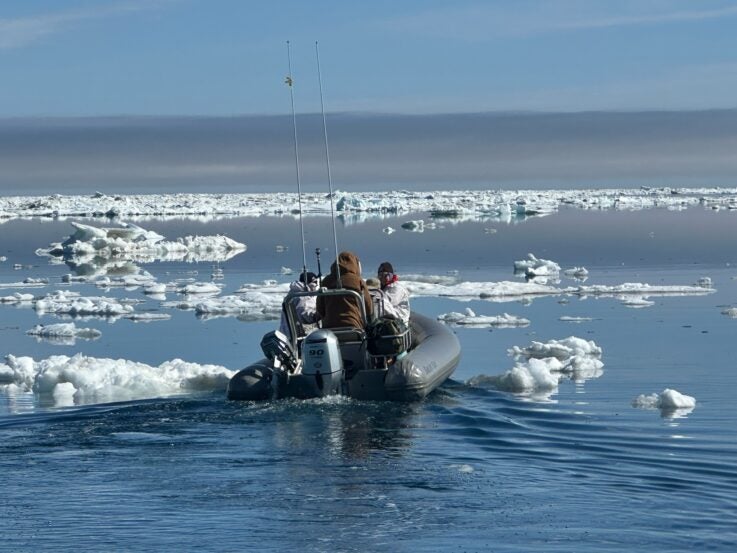
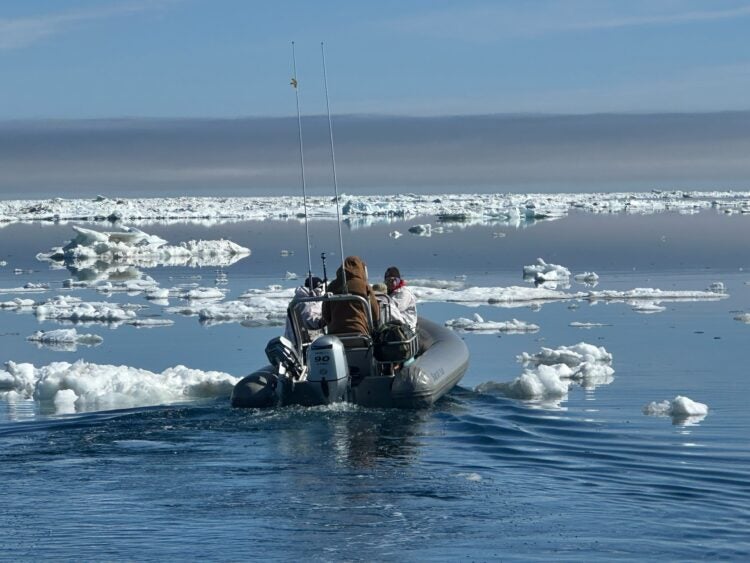
A field day can begin at any hour. Teams aboard the vessel maintain rotating watches, scanning the water and sea ice for groups of walruses. When enough animals are present and conditions are right, the biopsy crew prepares to leave the main vessel in a smaller skiff.
Our crew typically included four people: a driver, an Indigenous hunter and two researchers responsible for collecting biopsy samples. Indigenous hunters are associated with the Eskimo Walrus Commission and bring generations of knowledge about walrus behavior, walrus health,weather and sea ice conditions. Their experience helps the team travel safely and determine how to approach the animals with as little disturbance as possible.
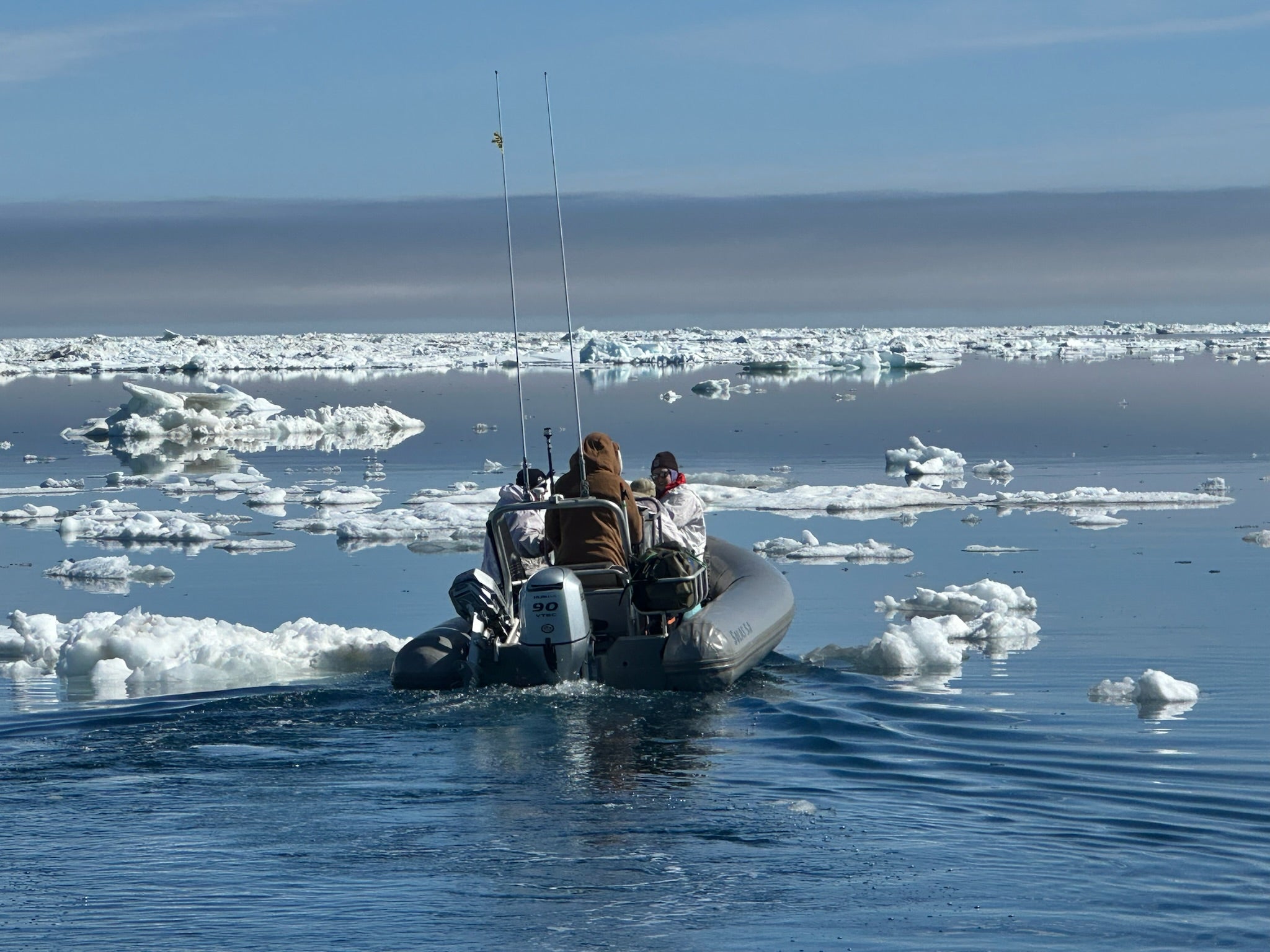
There can be hours of waiting before an opportunity to collect a sample. During the expedition, I went out with the biopsy crew seven or eight times. Once we left the main vessel, we stayed out for as long as walruses were present and conditions remained safe. My longest day in the skiff lasted about 12 hours.
Temperatures were generally in the 40s and 50s, but it felt much colder on the open water. Wind, spray and long periods of sitting still could make even a relatively mild Arctic day feel frigid. The work requires patience. Conditions can shift quickly, and the team has to be ready when a sampling opportunity arises.
Biopsy collection was only one component of the expedition. Another major objective was to document the age and sex structure of the walruses we encountered. Researchers used binoculars and photographs to record details about the animals in each group. These observations can help scientists better understand how the composition of the population may change over time. The records collected this summer will now be combined with data from the previous expeditions.
Another threat to walruses is the growing emergence of harmful algae blooms (HABs) that can produce potent neurotoxins which threaten wildlife and human health. Recently, massive blooms of algae that produce paralytic shellfish toxins (PSTs) have been documented duringmultiple summers in the Alaskan Arctic due to warming oceans. This research cruise gave me a once in a lifetime opportunity to collect HAB samples where walruses were actively traveling, foraging, and resting! So, in addition to collecting biopsies and helping with age structure data collection, I led the collection of water, sediments, benthic invertebrates (walrus food; clams, worms, and snails), and walrus scat (poop collected from sea ice) all designated for HAB analysis. These samples will let us know how much algae were in the water and sediments, while the invertebrates and walrus scat will be tested for PSTs to exposure of walruses to toxins.
Walruses were the focus of the trip, but they were not the only wildlife we encountered. Over the course of the expedition, the team recorded close to 100 polar bear sightings. We also observed ribbon seals, bearded seals, ringed seals, gray whales, puffins and other seabirds.
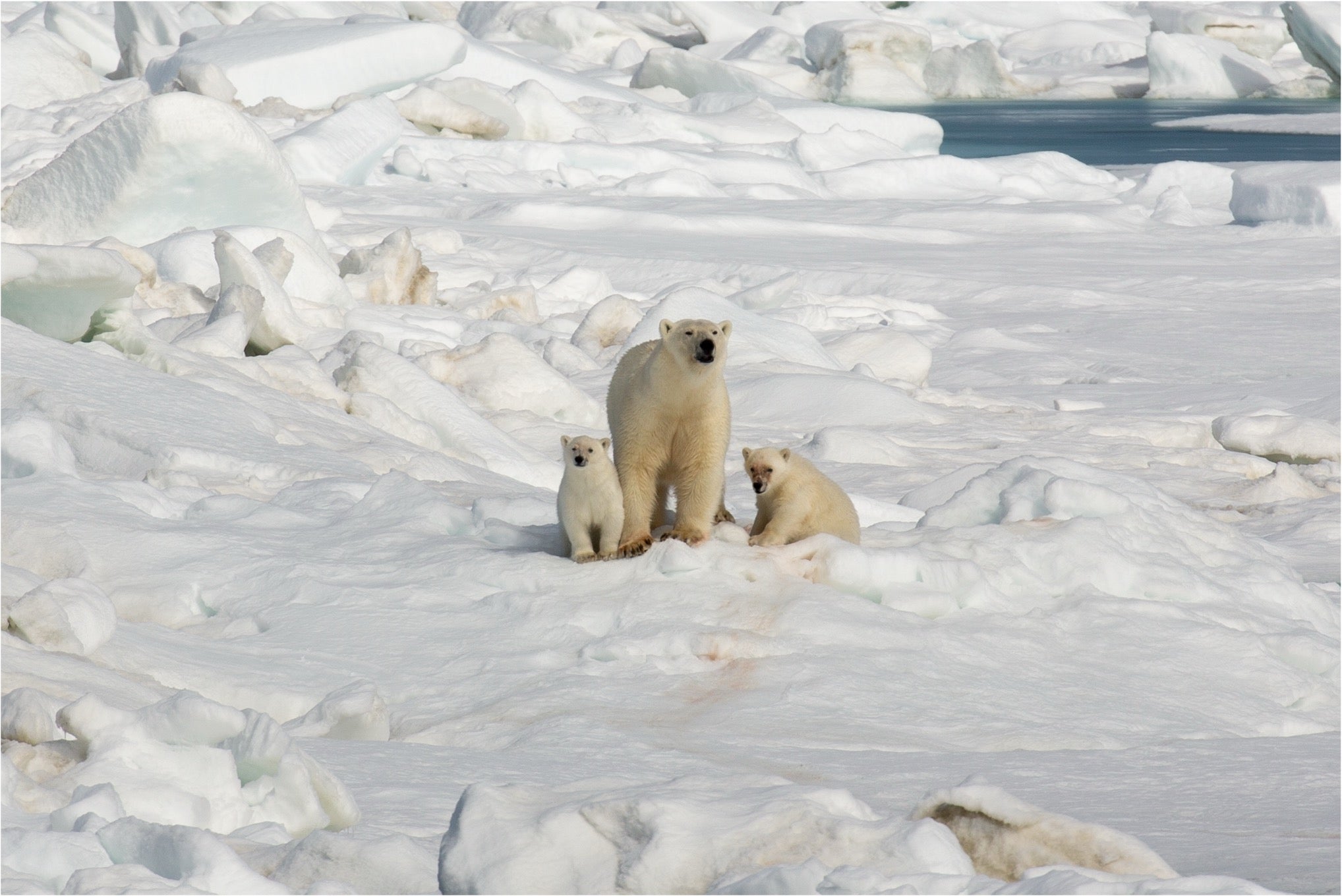
Seeing these animals in their natural environment is remarkable, but the experience also reinforces how connected the Arctic ecosystem is. Walruses are one part of a much larger food web shaped by sea ice, ocean conditions, prey availability and environmental change. The research team included 17 scientists, supported by a captain, a mate, a deckhand, an engineer and a cook. Everyone aboard had a role in keeping the vessel and the research operating around the clock.
Whether someone was navigating through patches of ice, preparing equipment, recording observations, collecting HAB samples, retrieving biopsy arrows or processing samples, the expedition depended on collaboration.
Returning from the Arctic does not mean the work is finished. The samples, photographs and observations collected during this expedition will be combined with the previous years of data. The research team will now begin analyzing that information and identifying the larger story it tells about Pacific walruses.
Spending four weeks at sea requires flexibility, endurance and a willingness to let the Arctic set the schedule. Some days bring hours of waiting. Others bring 12 hours in a small boat surrounded by walruses, sea ice and wildlife.
Each observation and each sample adds another piece to a much larger scientific puzzle. Together, they can help us better understand walruses and inform efforts to conserve the Arctic ecosystems on which they depend.
###
Georgia Aquarium is one of the largest aquariums in the world with more than 11 million gallons of water and tens of thousands of animals. Located in Atlanta, Ga., it is a premier animal care and research facility that is accredited by the Association of Zoos and Aquarium, the Alliance of Marine Mammal Parks and Attractions, Humane Certified by American Humane, and a Class R research institution certified by the USDA. By providing guests with unparalleled opportunities to learn about marine life, Georgia Aquarium is dedicated to unlocking the ocean’s wonder for all, providing transformative experiences that inspire a shared responsibility for conserving our aquatic ecosystems.