

ATLANTA (October 6, 2026) –
Conserving Georgia’s waterways takes more than one organization or area of expertise. Researchers need opportunities to learn about the wildlife living in them, while communities and water leaders must plan for the needs of people across the state. Both kinds of work depend on sustained collaboration.
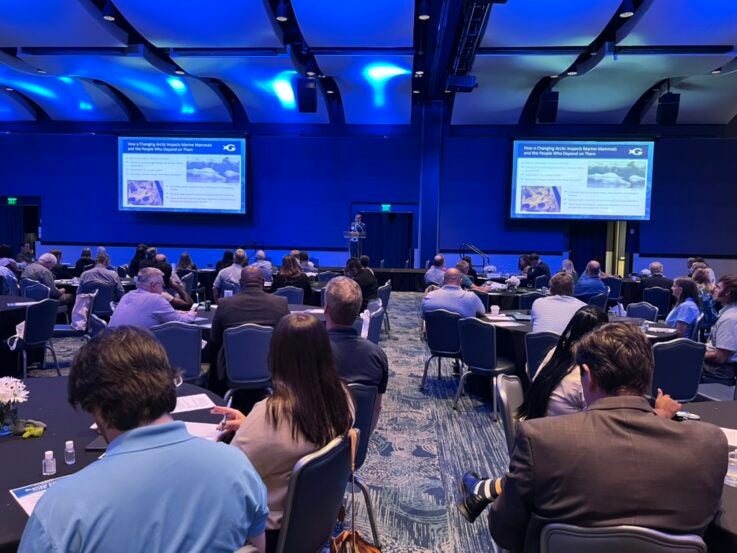
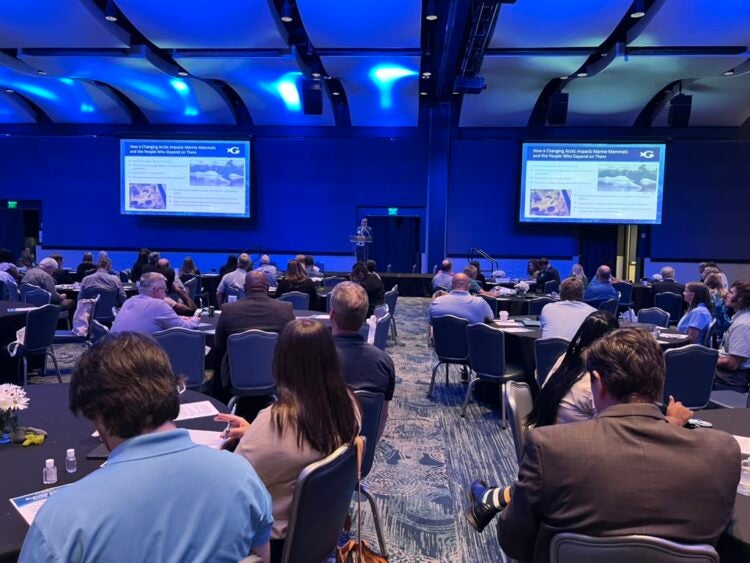
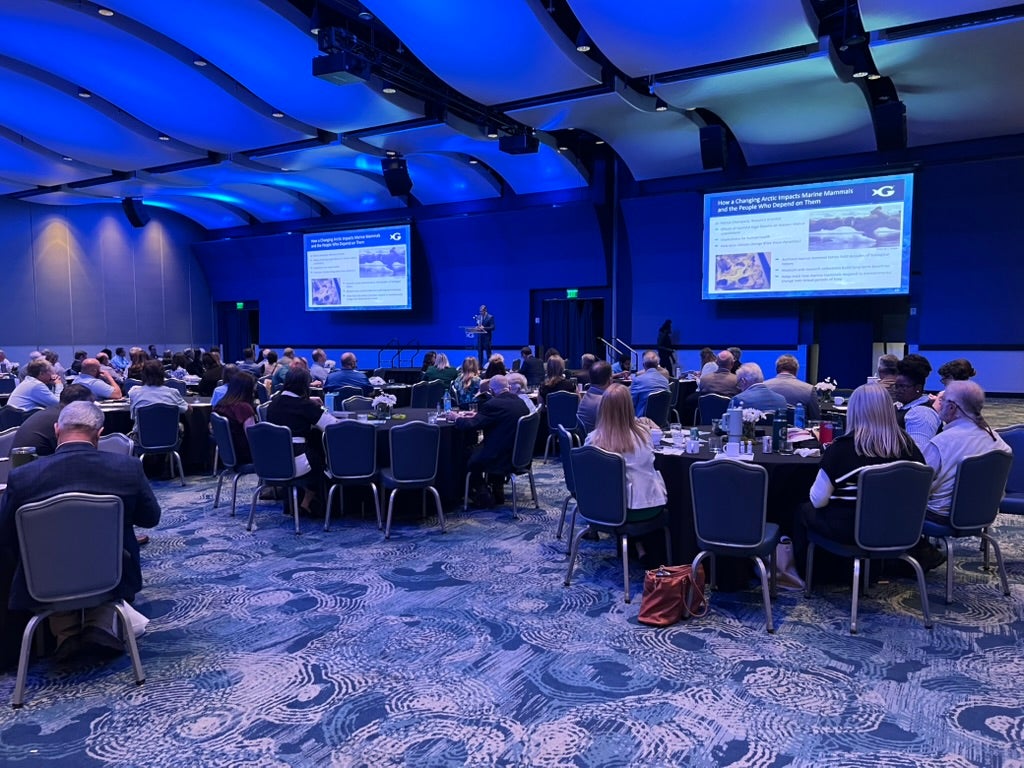
That shared commitment brought water leaders to Georgia Aquarium in September for the Georgia Waters Leadership Meeting. Co-hosted with the Georgia Water Planning & Policy Center, the gathering recognized more than 15 years of regional water planning and the people working together to shape Georgia’s water future.
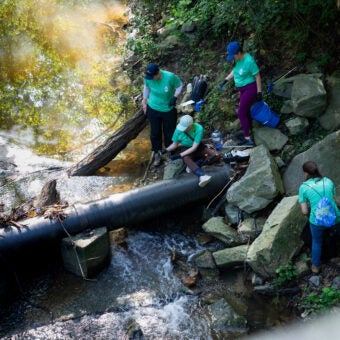
For Georgia Aquarium, collaboration is also moving freshwater conservation work forward on the Flint River. Our team has worked alongside the GA-FIT mussel biologist field team to survey stretches the team had not previously been able to access. Across six collaborative surveys, the teams have documented more than 4,000 individual mussels representing 14 species. Each survey adds to what researchers know about the mussels living in these parts of the river, information that can help guide future conservation work.
The Flint River work is part of Georgia Aquarium’s growing involvement in freshwater conservation. Last November, we helped bring together representatives from more than 20 organizations for a freshwater conservation planning workshop. We have continued building partnerships with the Jones Center at Ichauway and the Georgia Water Planning & Policy Center.
At the meeting in September, current and former Regional Water Planning Council members joined people working in research, conservation, agriculture, utilities, water policy and local communities. The councils first gathered at Georgia Aquarium for their kickoff meeting in 2009. Their return offered an opportunity to recognize the work done since then and the relationships needed to carry it forward.
Thank you to the leaders who shared their perspectives during the meeting:
We’re also grateful to the Planning Partnerships Panel and the council members and partners from across the state who joined the conversation.
###
Georgia Aquarium is one of the largest aquariums in the world with more than 11 million gallons of water and tens of thousands of animals. Located in Atlanta, Ga., it is a premier animal care and research facility that is accredited by the Association of Zoos and Aquarium, the Alliance of Marine Mammal Parks and Attractions, Humane Certified by American Humane, and a Class R research institution certified by the USDA. By providing guests with unparalleled opportunities to learn about marine life, Georgia Aquarium is dedicated to unlocking the ocean’s wonder for all, providing transformative experiences that inspire a shared responsibility for conserving our aquatic ecosystems.