
Meet the Species: African Penguins

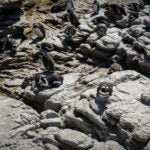
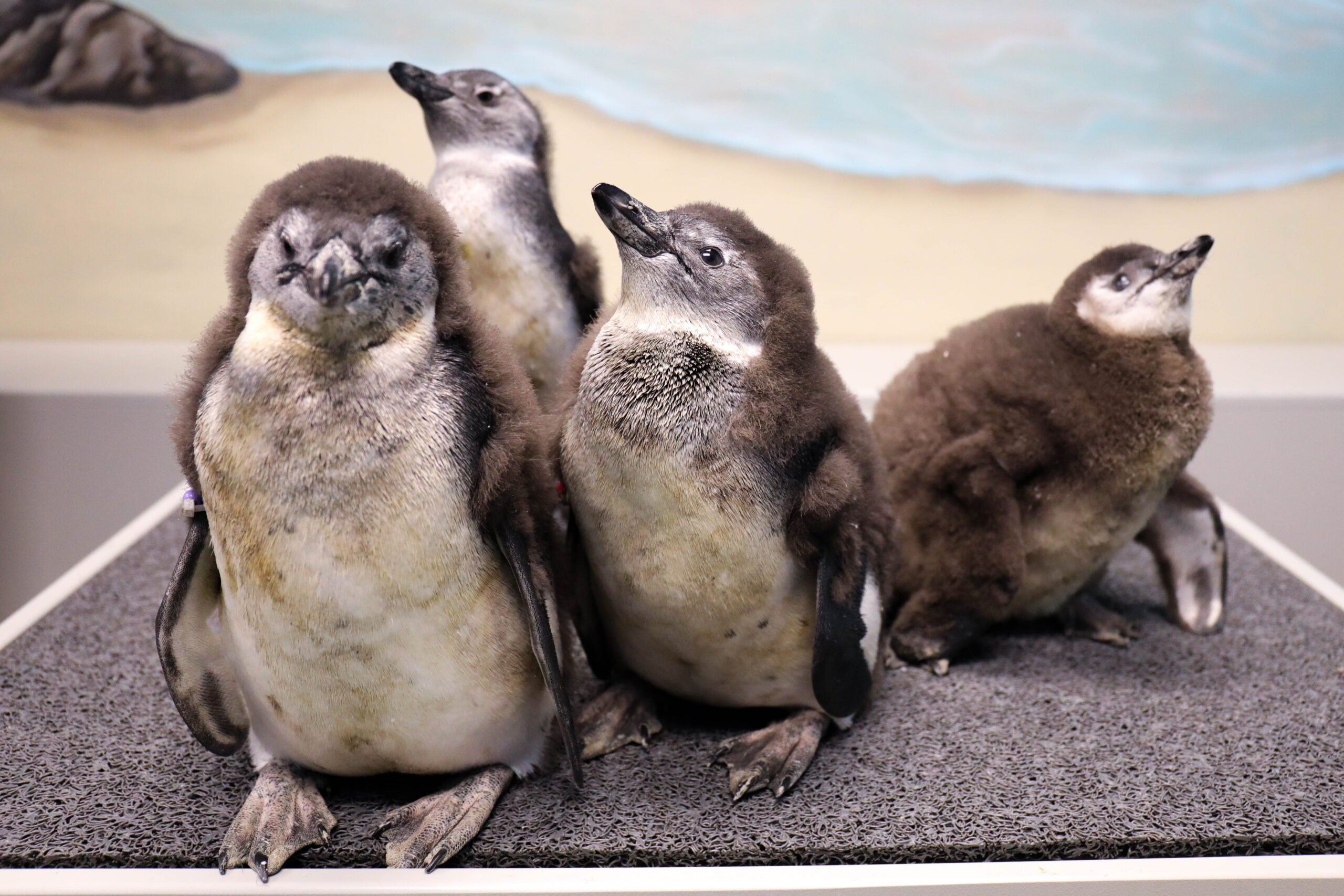
African penguins are a small but unmistakable species found along the rocky coastlines of southwestern Africa, where they nest, forage, and raise their young close to shore. While their playful personalities make them easy to love, their struggle for survival is increasingly urgent. These charismatic penguins are facing serious challenges. Georgia Aquarium is deeply committed to supporting research, rescue, and conservation efforts aimed at protecting the future of this critically endangered species through partnerships and long-term conservation initiatives.
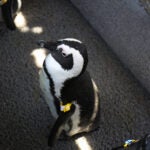
About African Penguins

Fact:
African penguins are the only penguin species found on the African continent.

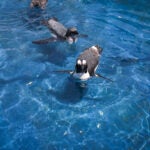
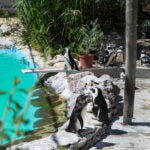
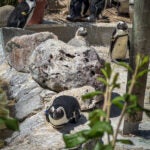
African penguins are the only penguins native to Africa. These small but mighty birds stand 18–25 inches tall and weigh 6–7 pounds. Adapted to warmer climates, they live along temperate coastlines where water temperatures range from 40 to 70 degrees. Their diet consists mainly of fish and squid, and they hunt by swimming as far as nine miles from shore. At the Aquarium, guests can see these behaviors up close and learn about the penguins’ biology, social structure, and care.
A Species in Crisis

Fact:
Wild African penguin populations have declined by more than 90% over the last century, with only 8,300 breeding pairs remaining.

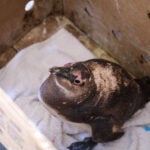
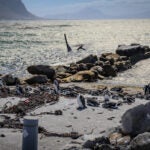
African penguins are currently listed as Critically Endangered on the IUCN Red List, with wild populations declining rapidly over the last century. The species faces a combination of human-driven threats, including overfishing, habitat loss, oil spills, and warming ocean waters, which reduce their food supply.

They also face challenges at their nesting sites. The historical collection of guano—nutrient-rich bird droppings—has long been harvested from penguin nesting areas and sold globally as fertilizer. This practice degrades critical breeding habitats, leaving eggs and chicks more vulnerable to predators and harsh weather conditions.
Conservation Efforts in Action

Fact:
Georgia Aquarium has partnered with the Southern African Foundation for the Conservation of Coastal Birds (SANCCOB) to support ongoing rescue and rehabilitation efforts.

Conservation organizations and governments have taken important steps to protect African penguins and their breeding grounds. Many nesting sites are now designated as national parks or nature reserves, with restrictions or bans on egg and guano collection in critical areas. Additionally, marine protected zones have been established to limit fishing near vital foraging grounds.

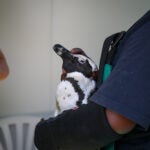
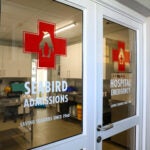
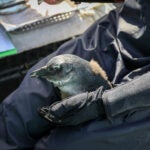
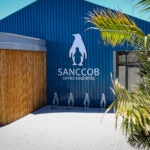
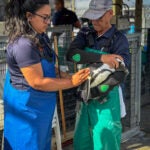
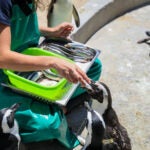
The Southern African Foundation for the Conservation of Coastal Birds (SANCCOB) is an organization dedicated to rescuing, rehabilitating, and releasing seabirds affected by oil spills, injuries, and food shortages. Georgia Aquarium proudly partners with SANCCOB to provide support, collaboration, and shared expertise, advancing SANCCOB’s critical work in the field.
Why Rehabilitation Matters

Fact:
African penguins are listed as Critically Endangered on the IUCN Red List.
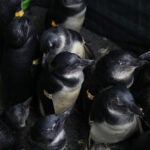
Wildlife rehabilitation plays a vital role in stabilizing and rebuilding vulnerable seabird populations. For critically endangered species such as the African penguin, each individual matters. Rescue and rehabilitation efforts not only save lives in the short term but also support long-term goals to reverse population decline and restore healthy coastal ecosystems in Africa.

Looking Ahead

African penguins may be small, but protecting their future is a global responsibility. Despite significant challenges, collaborative conservation efforts are making a real difference. Georgia Aquarium is dedicated to inspiring action through education, research, and partnerships that safeguard this critically endangered species. 

By learning about African penguins and supporting conservation initiatives, we can all play a role in helping secure a future for these remarkable birds.


Learn more about African penguins and our conservation initiatives at georgiaaquarium.org. Or explore how SANCCOB is making a direct impact through rescue and rehabilitation work at sanccob.co.za. Together, we can help ensure African penguins continue to thrive in the wild for generations to come.


Big Window to Big Screen

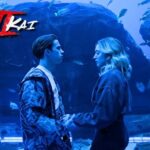
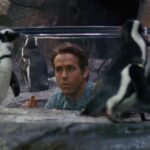
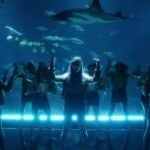
Lights, camera… whale sharks? Over the past twenty years, Georgia Aquarium has become an unexpected star on screens big and small, appearing in everything from Pitch Perfect 3 and Cobra Kai to ESPN features and even having our own show on Animal Planet. But what draws so many productions to film beneath our roof—and sometimes beneath the surface? Let’s dive into the productions that’ve chosen the Aquarium as their backdrop, exploring what it takes to capture shots underwater and revealing why the Aquarium has become one of the coolest—and most versatile—filming locations.

Big Window to Big ScreenFilming at Georgia Aquarium
What makes Georgia Aquarium such a sought-after filming location? For starters, our stars aren’t actors—they’re some of the ocean’s most extraordinary animals. Productions know they can count on us for guaranteed access to species that are nearly impossible to capture in the wild. But the magic doesn’t stop at our habitats. Behind the scenes, the Aquarium offers a maze of fascinating, camera-ready spaces. From ballroom areas to filtration rooms, even research labs—that provide authenticity and unexpected visual interest.

On the logistical side, we’re built for production. Our expansive footprint and open layout make it easy for film crews of all sizes to move equipment, stage scenes, and adjust on the fly. Most shoots take place before we open or after we close to guests, and every project is supported by our dedicated internal film and production team. Combine all that with our location in Atlanta, the “Hollywood of the South,” home to major studios like Trilith and Tyler Perry Studios, and it’s no surprise that Georgia Aquarium has become a go-to destination for film and TV. The industry’s impact on our state is immense, and we’re proud to play a role in supporting and showcasing Georgia’s booming production community.

Did You Know This Was Filmed Here?

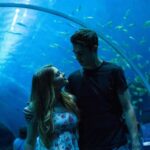
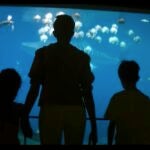
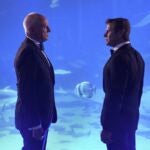
If you’ve visited the Aquarium, you’ve undoubtedly stood in front of our famous Ocean Voyager viewing window. At 23 feet tall, 61 feet wide, it’s one of the largest single viewing windows in the world—and one of the most iconic filming backdrops you’ll find anywhere. Maybe you’ve spotted it in a favorite TV show, movie, or even on your local news. Over the years, countless productions have transformed this massive window—and many other spaces throughout the Aquarium—into iconic on-screen moments. 

Here are just a few of the standout features you might recognize:

  • The Last Song
  • Alvin and the Chipmunks: Road Chip
  • The Change-Up
  • Pitch Perfect 3
  • What to Expect When You’re Expecting
  • Dynasty (TV)
  • Cobra Kai (TV)
  • After 
  • The Resident (TV)
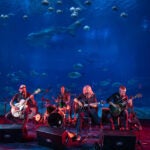
  • Mastodon – Livestream Concert
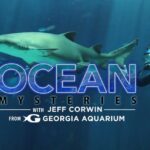
  • Ocean Mysteries with Jeff Corwin (TV)
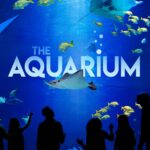
  • The Aquarium (TV)
  • Shark Week (TV)
  • ESPN – multiple filmings for college and NFL 

Just to name a few!

Catch Us On Your Screen

From prominent films to behind-the-scenes shots, every production that chooses Georgia Aquarium helps share the wonder of our animals with audiences far beyond our walls. Whether it’s capturing one of our many unique animals, highlighting our research, or using our one-of-a-kind spaces as a cinematic backdrop, we’re proud to play a role in bringing these stories to life. As Atlanta’s film industry continues to grow, we look forward to welcoming even more creators, crews, and cameras—and to showing the world why there’s truly no place to film quite like Georgia Aquarium.

A Smarter Way to Play: How Georgia Aquarium is Advancing Sea Otter Enrichment

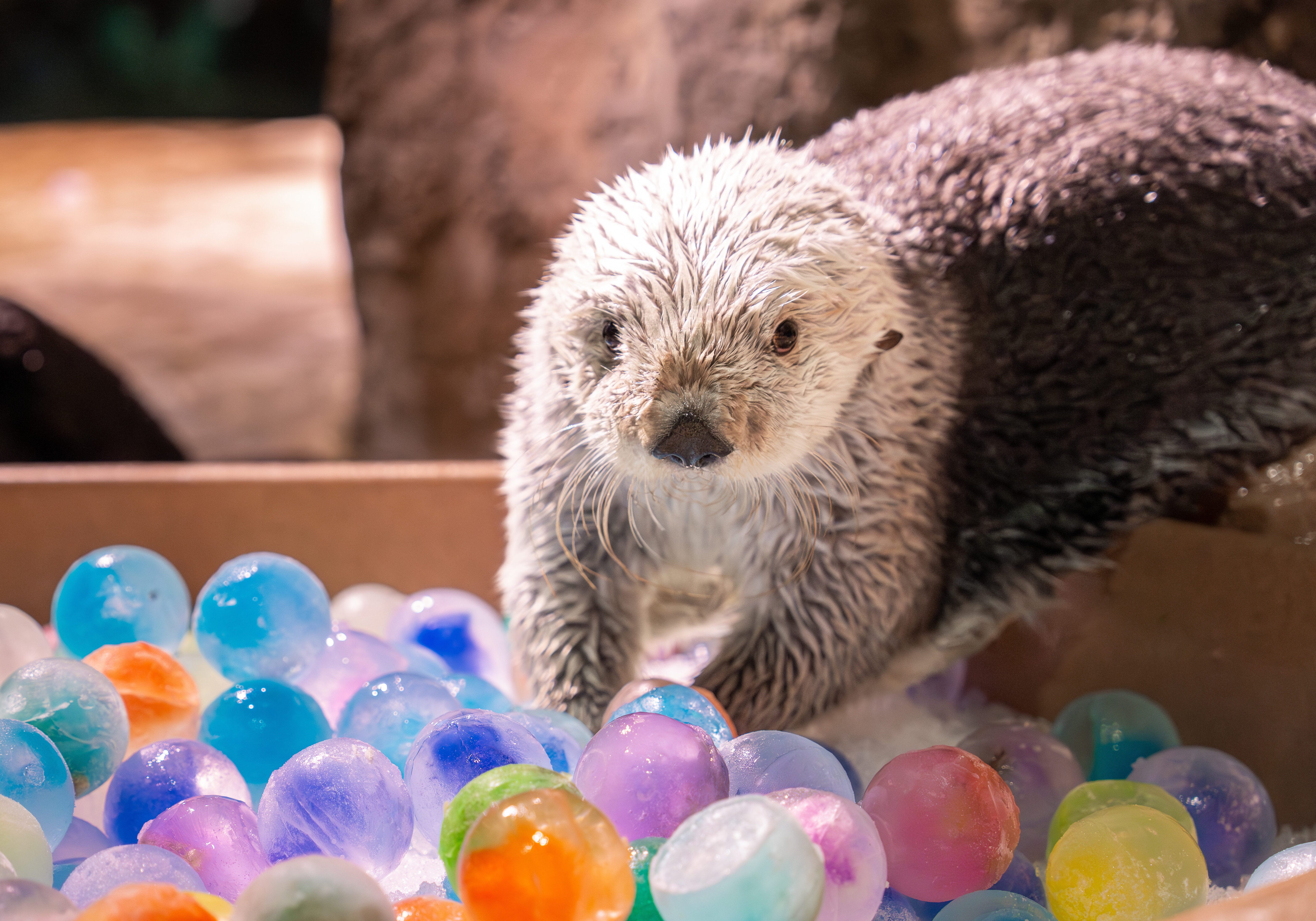
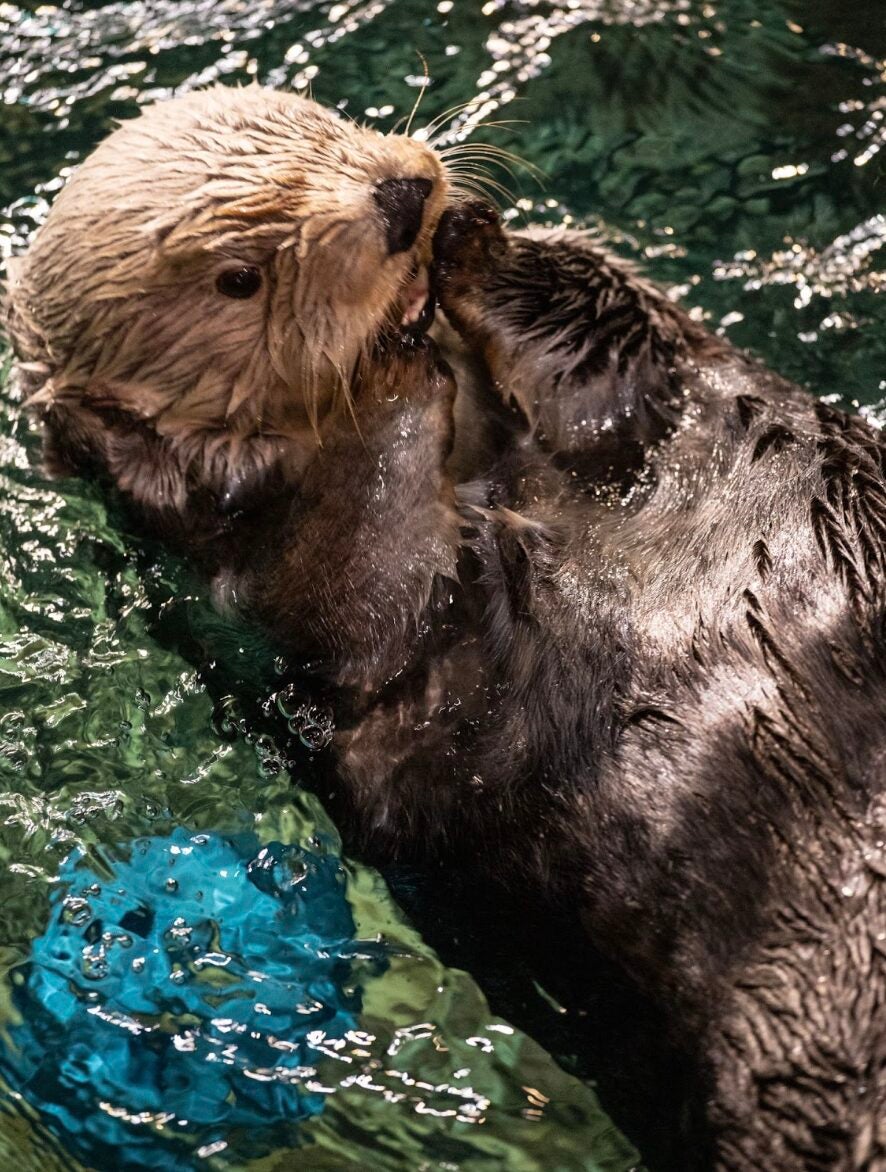
At Georgia Aquarium, enrichment is more than just fun and games. It’s an essential part of exceptional animal care. For our spirited sea otters, activities that challenge their minds and encourage natural behaviors are key to their health and well-being. This Sea Otter Awareness Week, we are spotlighting an innovative research collaboration that blends science, technology and play to better understand how our otters engage with the world around them.

Working alongside researchers from Georgia Tech, our animal care team tested a new approach using instrumented enrichment devices. These highly specialized and purpose-created items are embedded with motion sensors to track how otters interact, learn and adapt over time. The pilot study was conducted at Georgia Aquarium with five sea otters (Enhydra lutris).

The goal was to explore whether custom-designed, species-specific enrichment devices could provide new insights to support the Aquarium’s already robust enrichment program. By collecting valuable behavioral data, researchers aimed to help further fine-tune enrichment strategies and identify subtle changes that might signal shifts in an animal’s health or well-being.

Putting Play to the Test

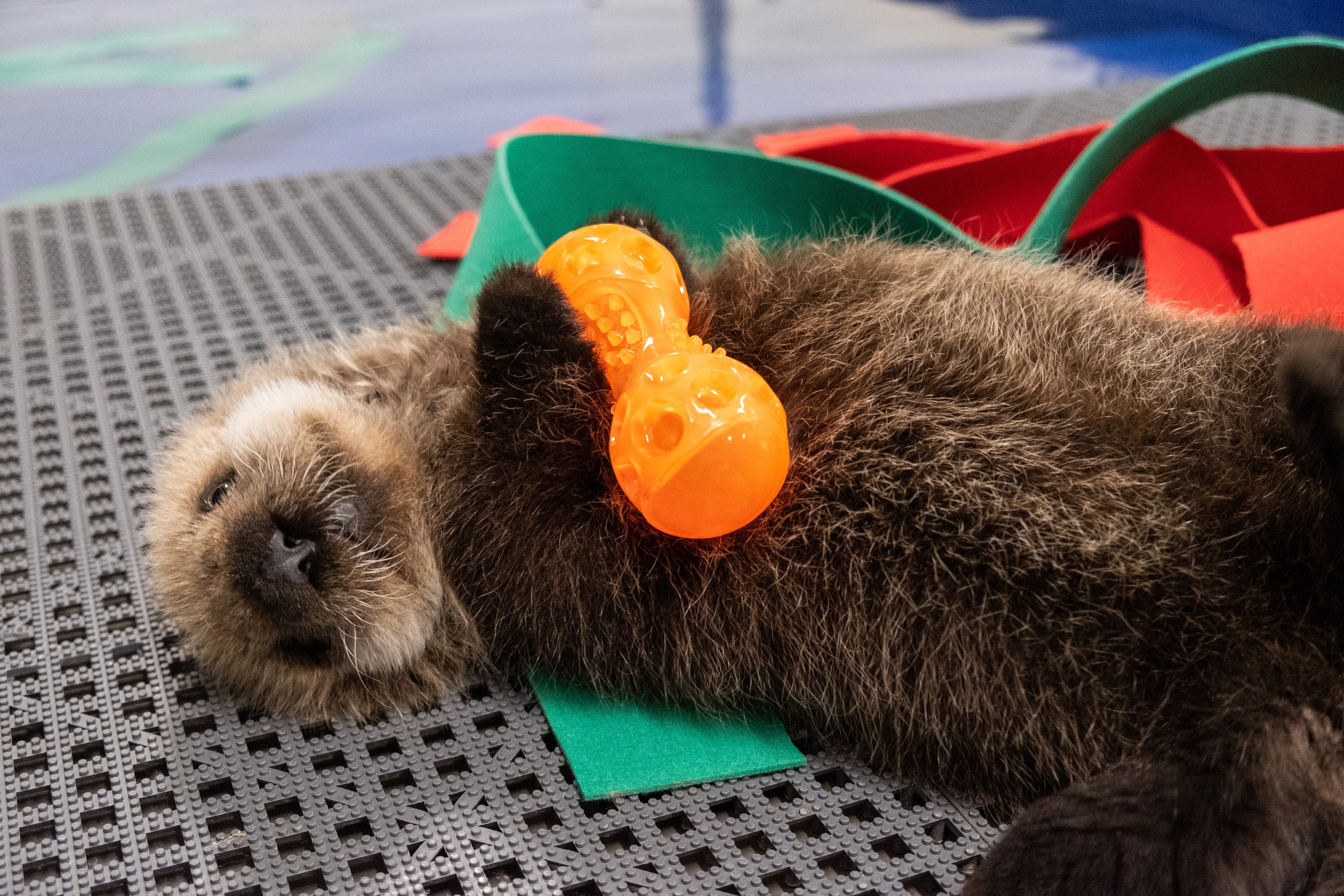
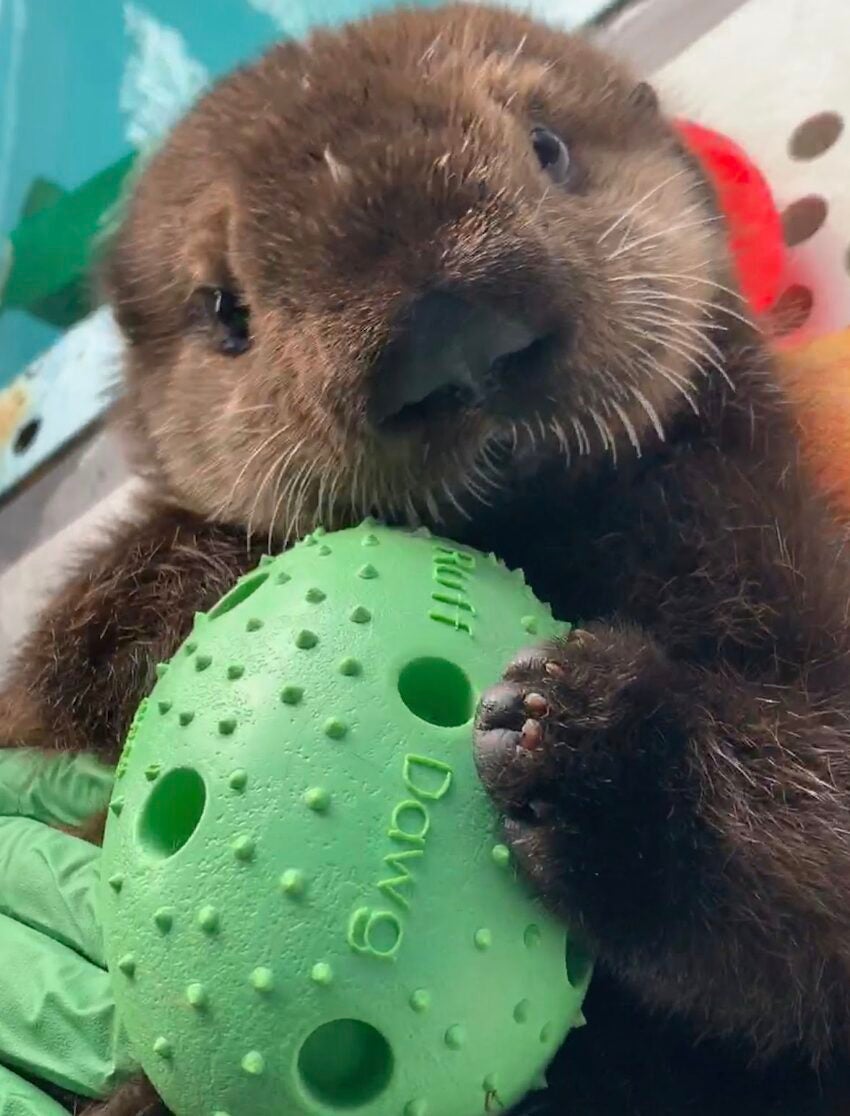
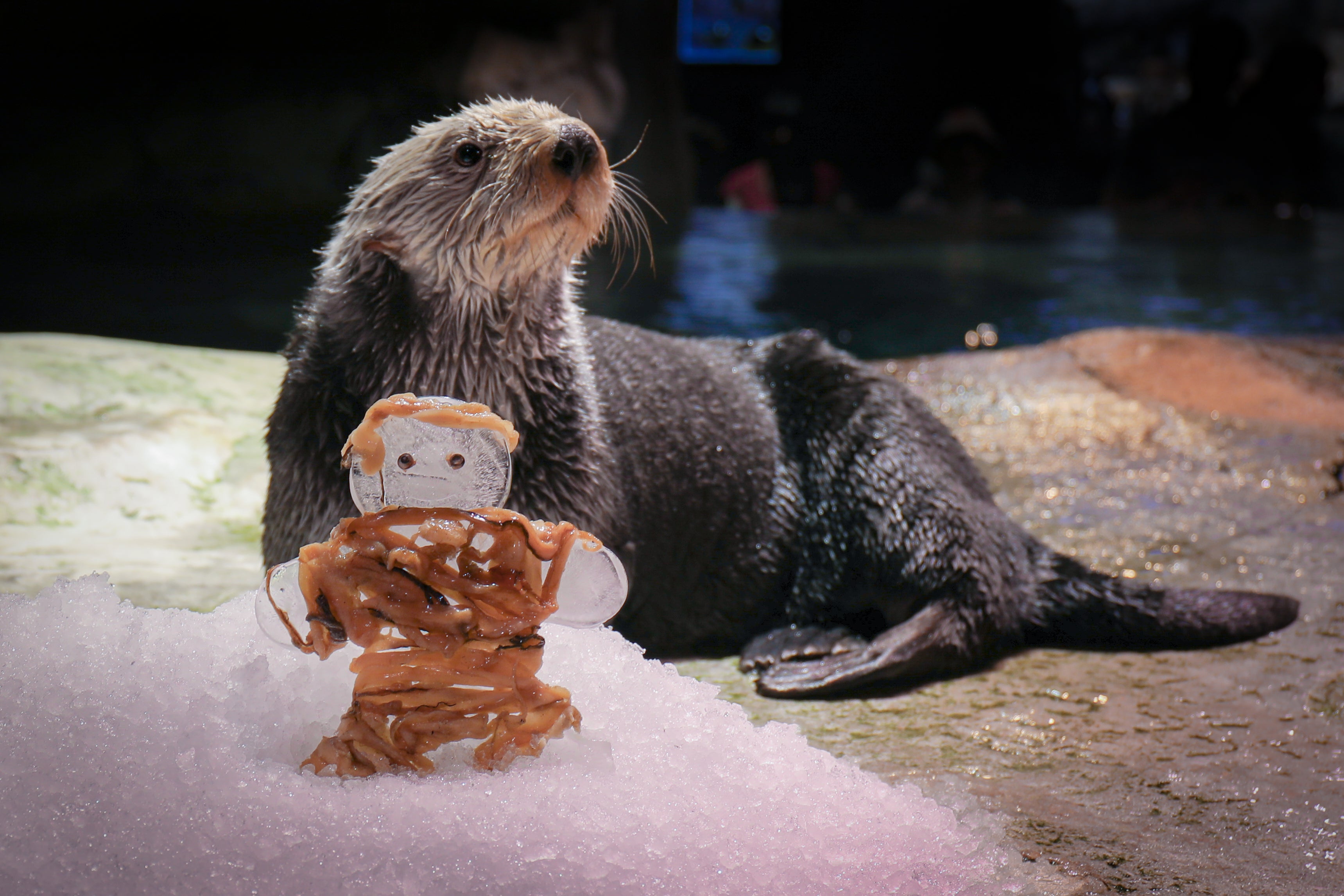
During the study, each otter received two types of enrichment items. The first was a familiar favorite, a food-dispensing KONG Genius Leo dog enrichment tool that our sea otters have used before. The second was a brand-new challenge, a custom-built scallop-shaped device created specifically for the study.

Both were fitted with motion sensors to measure interaction time and intensity. Food rewards were weighed before and after play to determine how efficiently each otter accessed them. Our team also used video to capture the unique strategies and personalities on display.

The results were fascinating. On average, the otters took longer to get less food from the scallop-shaped device, suggesting a learning curve with new enrichment. One otter, Bixby, even decided to skip the scallop entirely. “Otters, much like people, each have their own personalities, perspectives, and preferences,” said Jason Jones, Curator of Mammals & Birds. “They interact with other otters, their trainers, and their environment in unique ways. In this study, for example, we noticed that Bixby shows little interest in some of the newer enrichment items and instead tends to favor more familiar ones. Getting to know the individuals and recognizing their distinct traits and behavior is part of what makes our work so engaging, fun, and rewarding.”

Why This Matters

While the study confirmed that embedded sensors can capture reliable, real-world behavioral data, the groundbreaking aspect was using motion-sensor technology within enrichment devices. This allowed the team to measure interaction patterns with precision, turning playful activities into a potential early-warning system for changes in behavior that might reflect shifts in health or well-being. It’s an added layer of insight that builds on the Aquarium’s existing expertise in species-specific enrichment, offering new opportunities to refine care through technology.

As an accredited member of the Association of Zoos and Aquariums (AZA), Georgia Aquarium follows strict enrichment standards. This research could help refine those guidelines, ensuring they are backed by measurable, data-driven insights.

Our collaboration with Georgia Tech is just the beginning. Future studies will track how otter interactions evolve over weeks or months, helping us design enrichment that adapts alongside the animals themselves. It is a perfect example of how technology can enhance animal welfare while deepening our understanding of these charismatic marine mammals.

Join Us in Celebrating Sea Otter Awareness Week

Sea Otter Awareness Week is a time to honor the resilience and charm of these endangered animals and to commit to their protection in the wild. By blending innovation with expert care, Georgia Aquarium is working to give our sea otters the best possible quality of life while inspiring guests to protect their ocean home.

Celebrating Two Decades of Babies at Georgia Aquarium

From Fluffy Chicks to Playful Calves—Meet Our Youngest Stars

Over the past twenty years, Georgia Aquarium has proudly welcomed a growing family of baby animals, each one a symbol of care, conservation, and scientific achievement. These births mark milestones not just for the Aquarium but also for global aquatic animal research and preservation efforts.

Celebrating Two Decades of Babies at Georgia Aquarium 6

🐋 Shila – Beluga Whale Calf

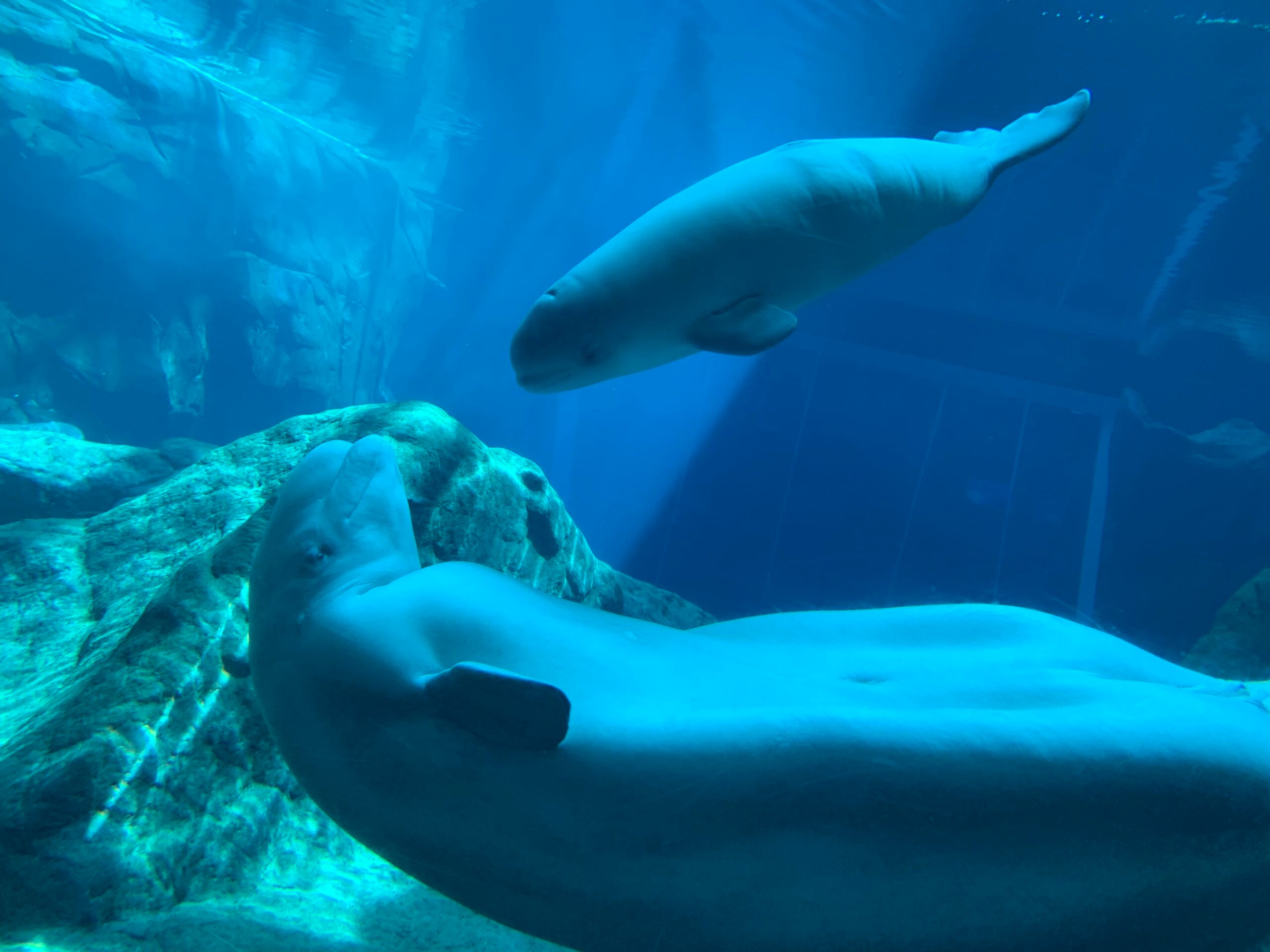
On May 17, 2020, Shila, the beloved beluga whale calf, made her grand entrance into the world. Born to beluga whale Whisper, Shila weighed 174 pounds and measured 5 feet 4 inches long at birth. She now weighs 1,052 pounds and is 10 feet 6 inches long. Both mother and calf have since been thriving under the watchful care of our animal health and husbandry teams. You can watch her incredible journey here.

Baby Animals

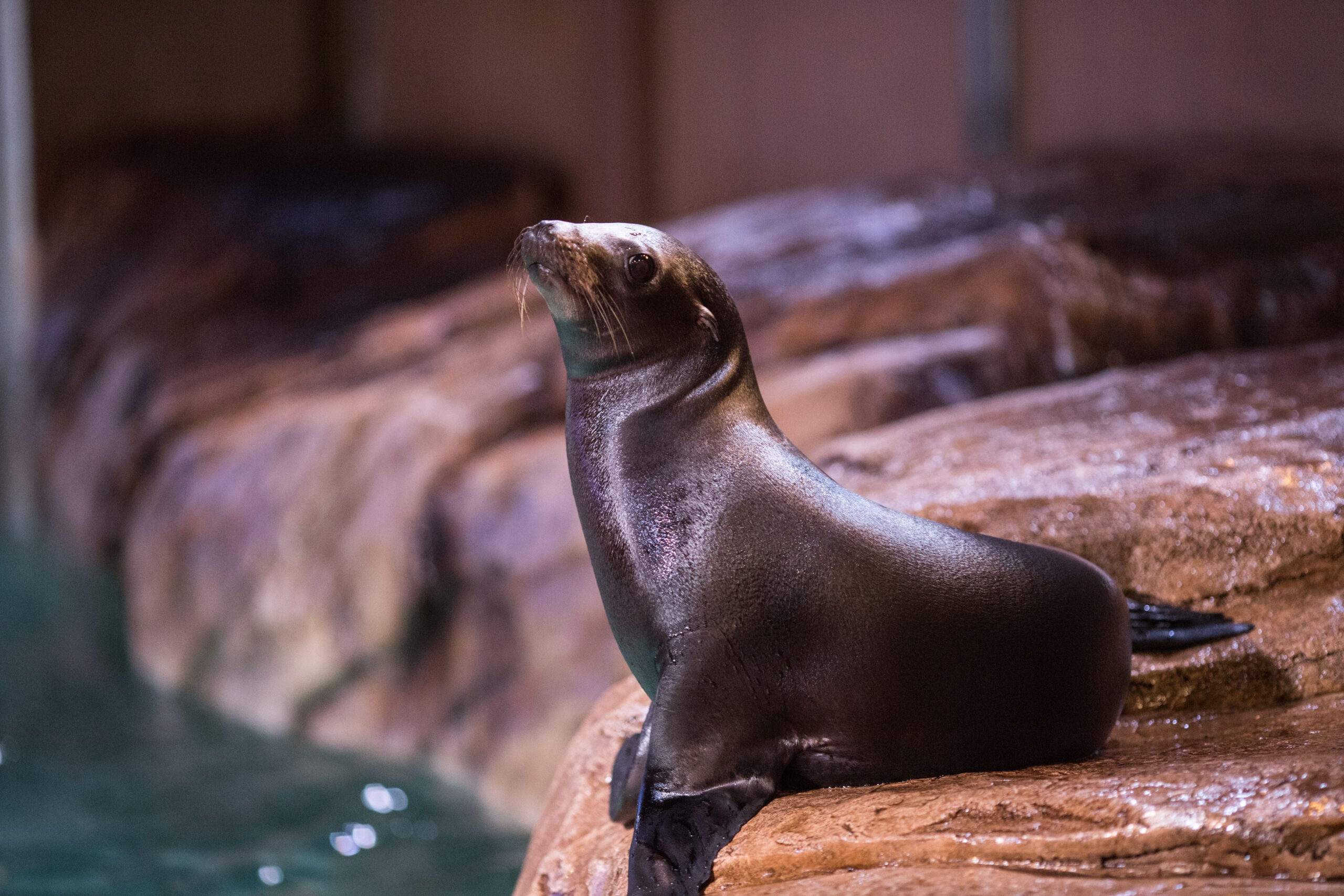
🦭 Scarlet – California Sea Lion Pup

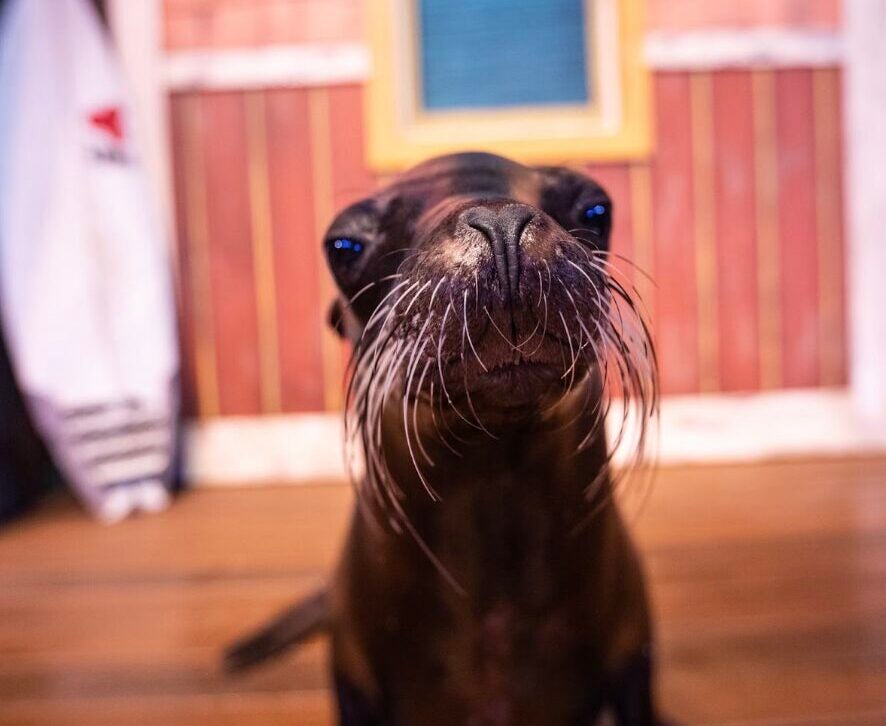
Scarlet, an energetic California sea lion pup, was born on October 30, 2017. She was the first sea lion born at Georgia Aquarium and holds a special place in our hearts. Follow along with her story on our YouTube channel.


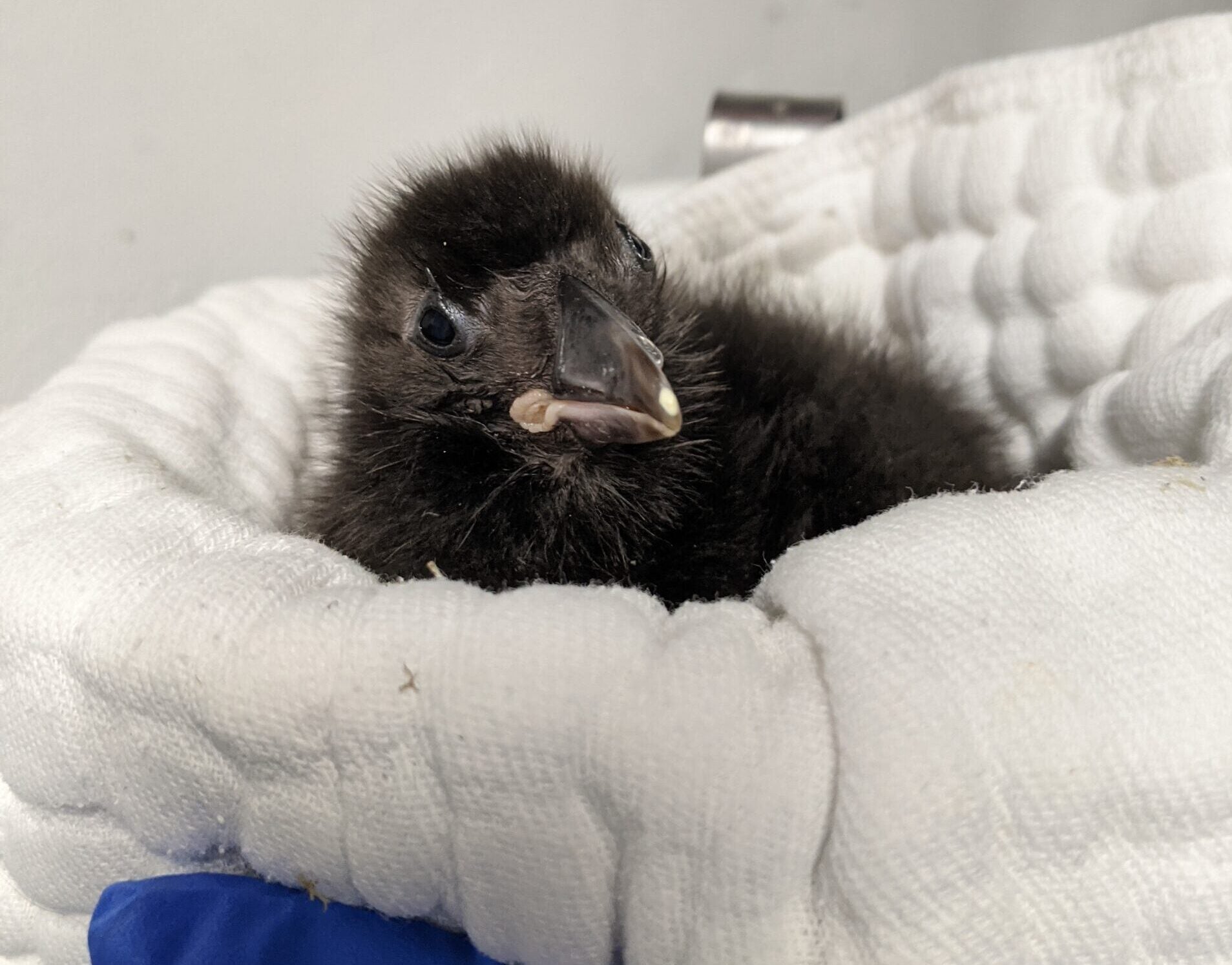
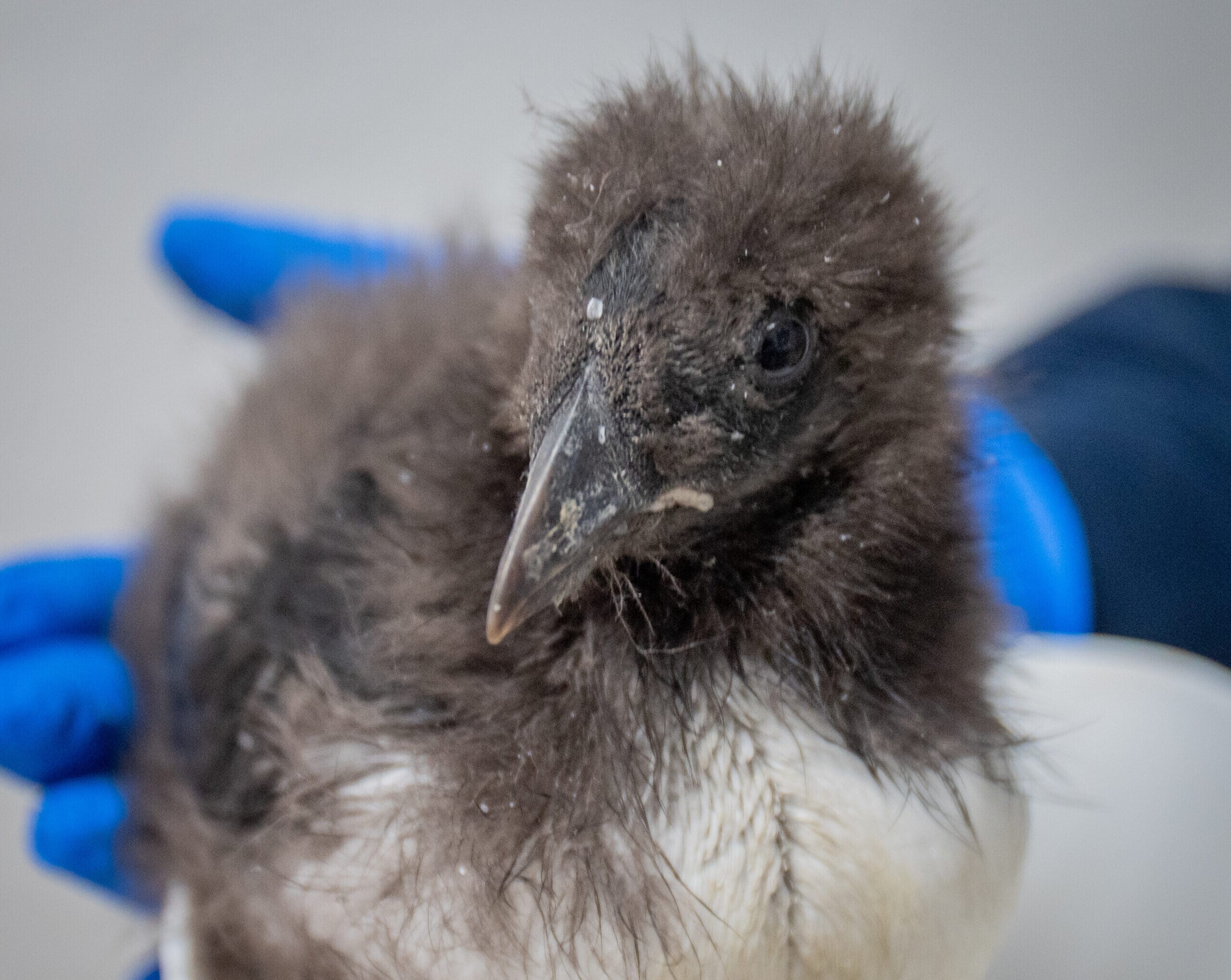
🐣 Puffin Chicks

Since 2018, 12 puffin chicks have hatched at the Aquarium. Our first chick, Fern, hatched on July 21, 2018, and our most recent, Gale, was born on July 26, 2024. Each chick plays a critical role in understanding African penguin behavior and breeding, aiding in the efforts to restore this endangered species. You can learn more about some of our chicks here.

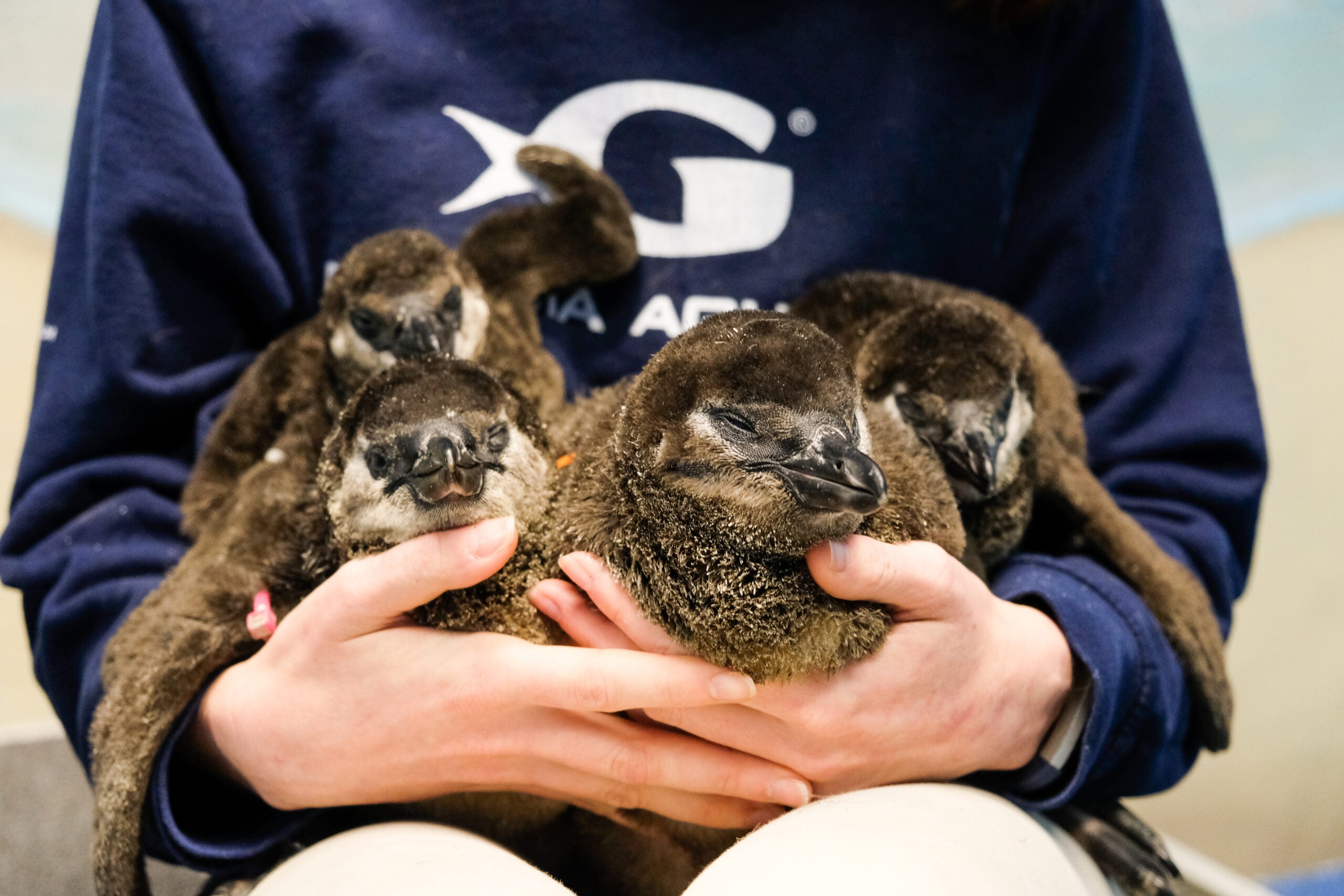
🐧 African Penguin Chicks

Meanwhile, our African penguin colony has flourished. Since 2012, we’ve welcomed 49 penguin chicks. Our very first chick was Amara, a female, who hatched on January 9, 2012. Most recently, Ishirini joined the Aquarium family on February 1, 2025—her name means “twenty” in Swahili, which correlates perfectly with the 20th anniversary of Georgia Aquarium. Check out our latest video highlighting our latest chicks here.

Each of these births represents our mission in action: advancing research, enriching habitats, and inspiring the public to protect our ocean’s wildlife. As we celebrate two decades of care and conservation, we look forward to many more heartwarming arrivals in the years to come

.

Stories of Survival: Georgia Aquarium’s Rescued Residents

At Georgia Aquarium, every animal has a story, but some have overcome incredible odds to find their forever home with us. From sea turtles to sea lions, these animals have been given a second chance thanks to dedicated rescue efforts and support from organizations like ours. Here are some of their remarkable stories:

Stories of Survival: Georgia Aquarium’s Rescued ResidentsTank the Sea Turtle

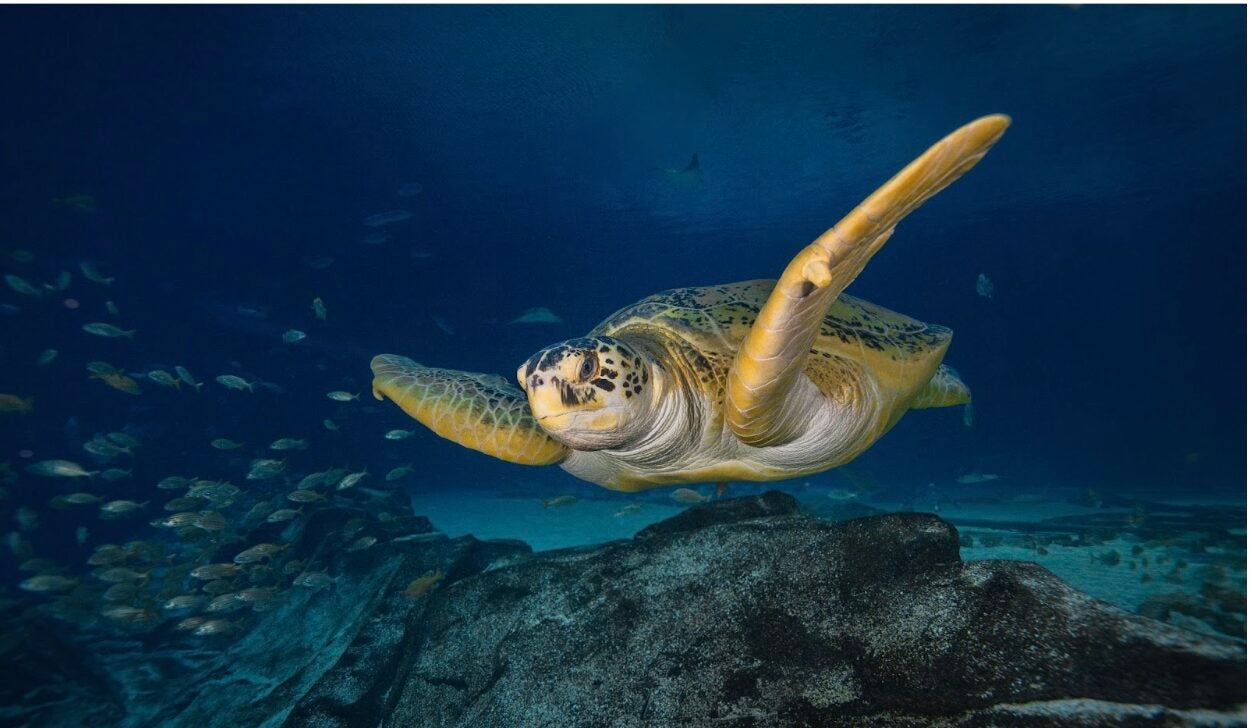
Tank’s journey began in 1990 when he was rescued after suffering a shark bite to his left rear flipper. Initially rehabilitated at the New York Aquarium, Tank spent time at several zoological facilities, including Disney’s The Seas at Epcot. He first arrived at Georgia Aquarium in 2010 before moving to Marineland Dolphin Adventure in Florida in 2014. In 2015, he returned to Georgia Aquarium, where he now resides in our Ocean Voyager exhibit. At over five feet long and weighing more than 450 pounds, Tank is a true survivor and ambassador for sea turtle conservation.

Stories of Survival: Georgia Aquarium’s Rescued Residents 1Nandi the Manta Ray

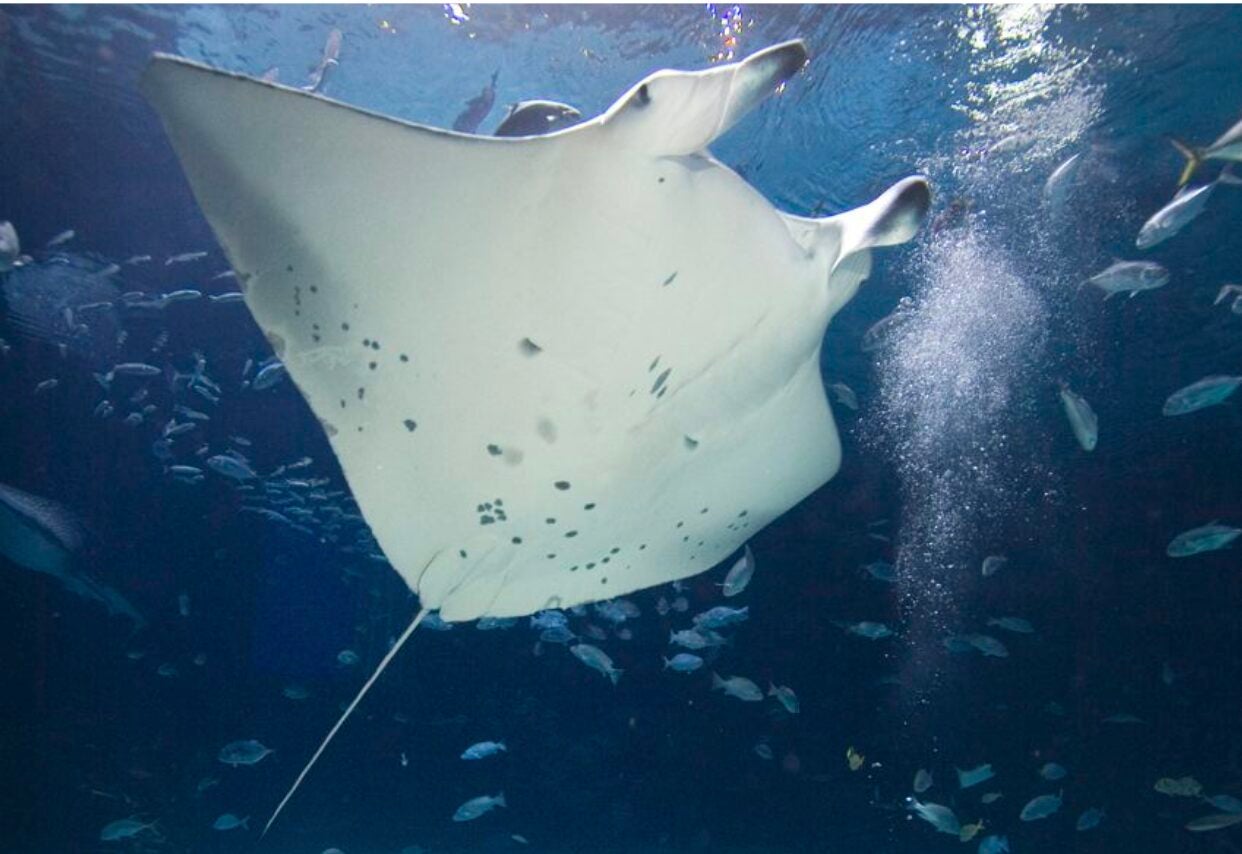
In 2007, Nandi was accidentally caught in a shark net off the coast of Durban, South Africa. She spent a year rehabilitating at uShaka Marine World, but due to her size and care needs, officials sought a permanent home for her. Georgia Aquarium stepped in, arranging a remarkable 26-hour, 9,000-mile journey via Jumbo Jet to bring her to Atlanta. Just days after her arrival, she was thriving in her new environment. Manta rays are gentle, endangered giants, and Nandi helps raise awareness about their conservation needs.

Southern Sea Otters: Brighton, Cruz, Bixby, Mara, and Gibson

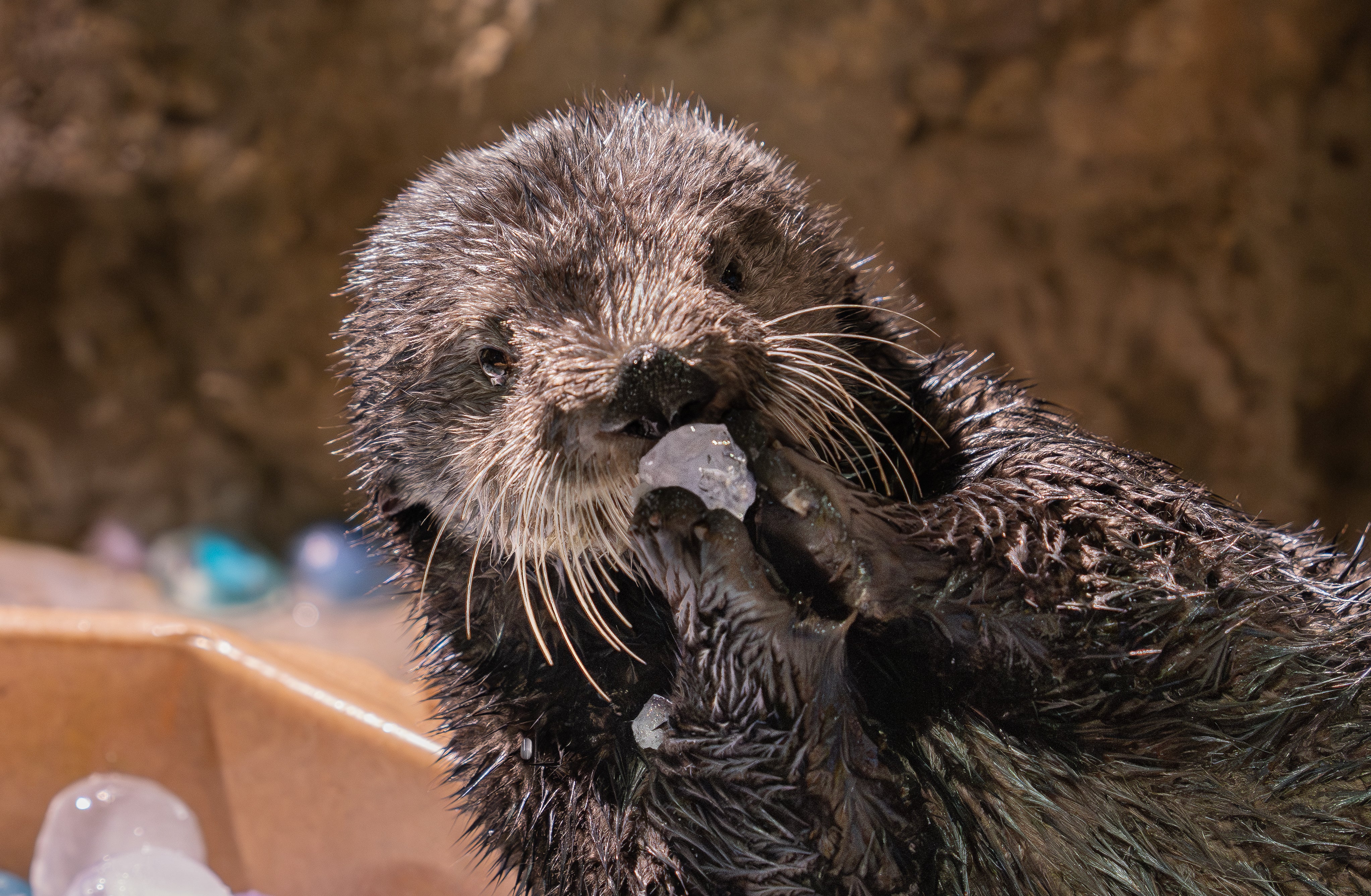
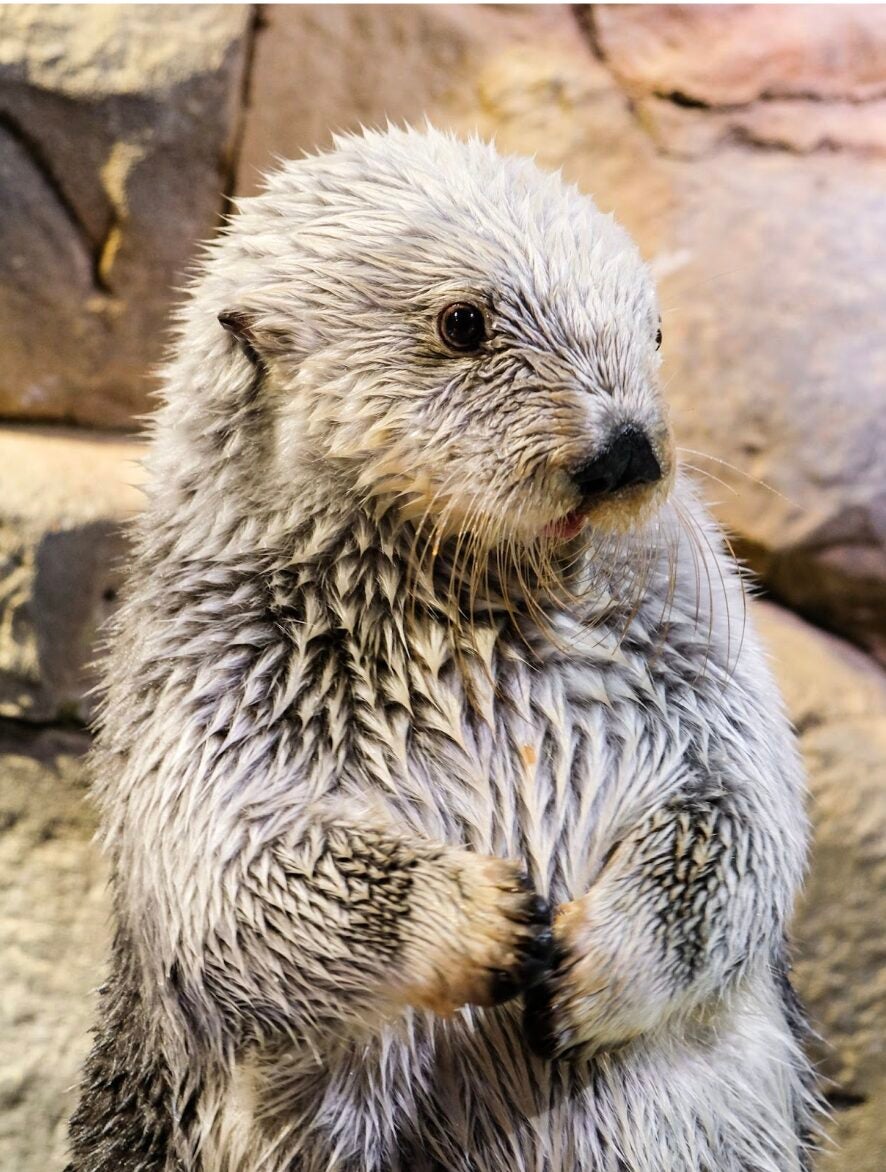
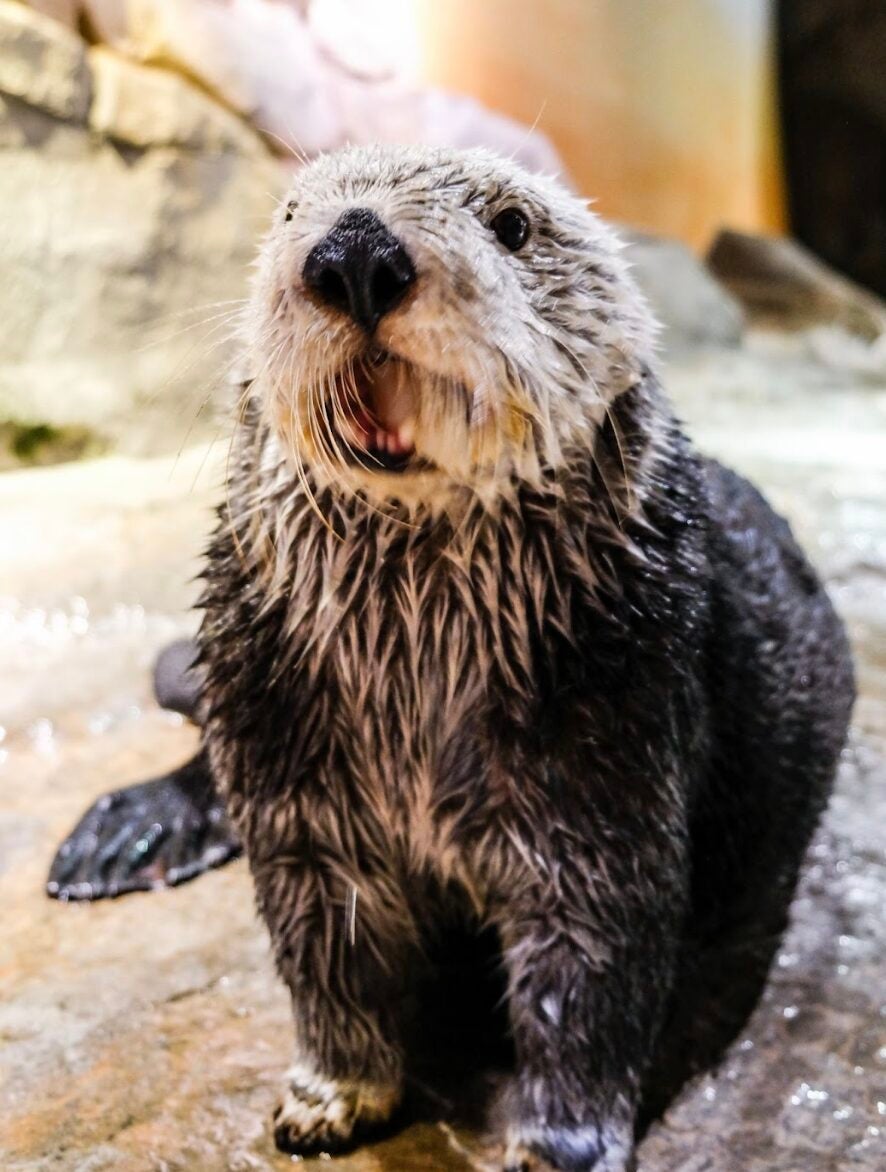
Each of these rescued sea otters was orphaned at a young age and deemed non-releasable by wildlife officials. Brighton, found in 2010, had medical issues from consuming non-typical food items. Cruz and Bixby, rescued separately the same year, lost their mothers to great white shark attacks. After receiving care at Monterey Bay Aquarium, all three arrived at Georgia Aquarium. They now serve as key figures in educating guests about the importance of marine mammal rescue and rehabilitation. 

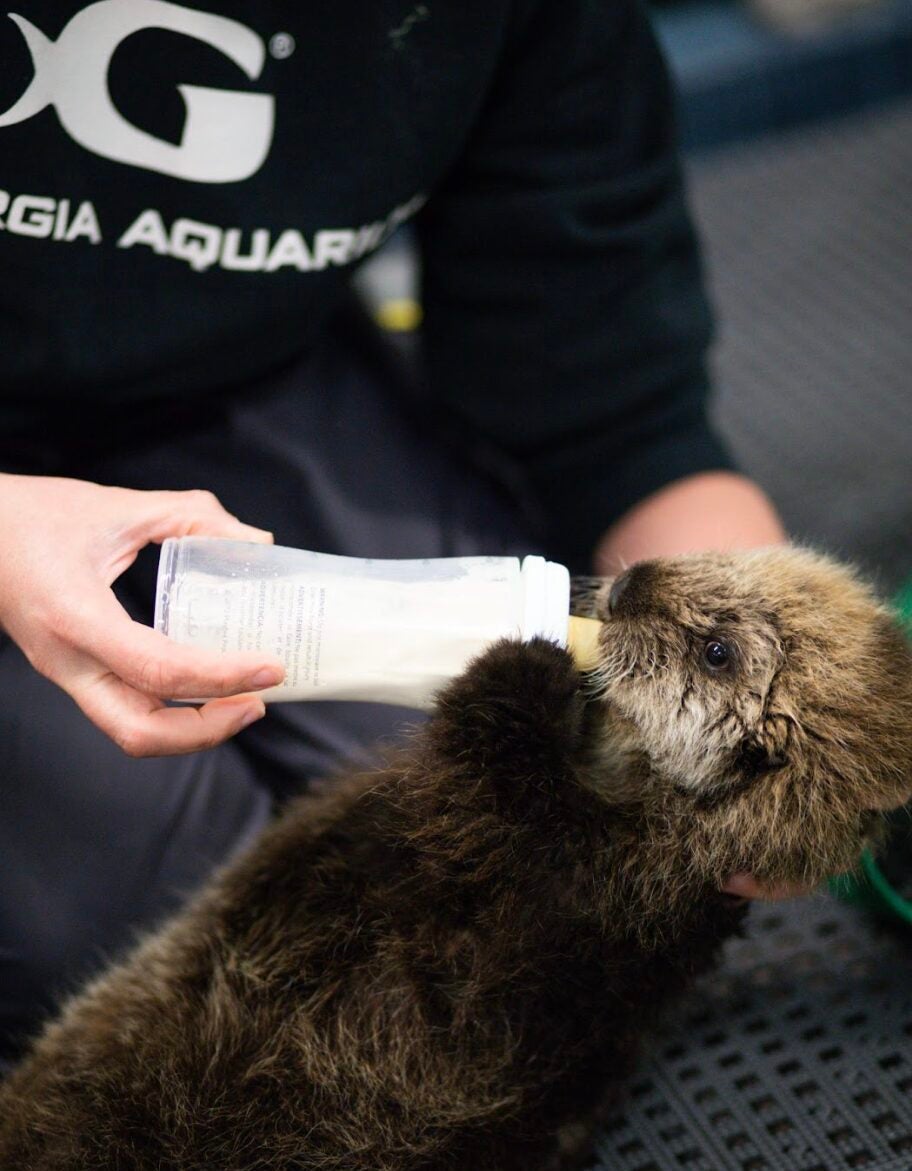
Mara and Gibson, the two newest members of the Aquarium’s sea otter family, also have inspiring stories. Mara was rescued in 2022 after being found stranded and alone as a pup. Wildlife experts determined she lacked the survival skills to be released back into the wild. Gibson, rescued as an infant in 2023, was also orphaned and needed round-the-clock care before being deemed non-releasable. Both otters have since found a safe and loving home at Georgia Aquarium, where they continue to receive expert care and help educate the public about conservation efforts for this threatened species.

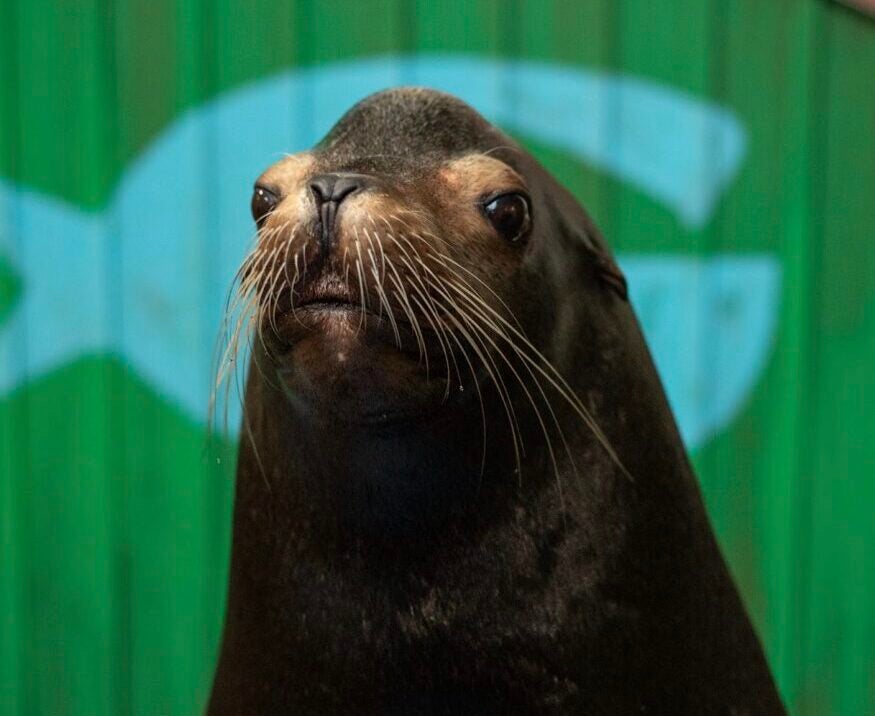
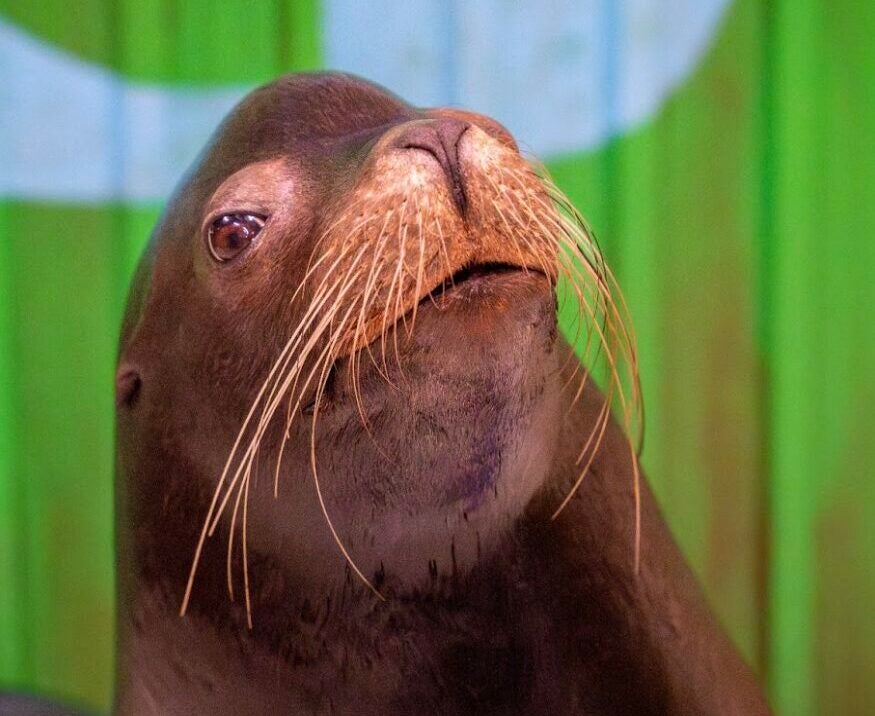
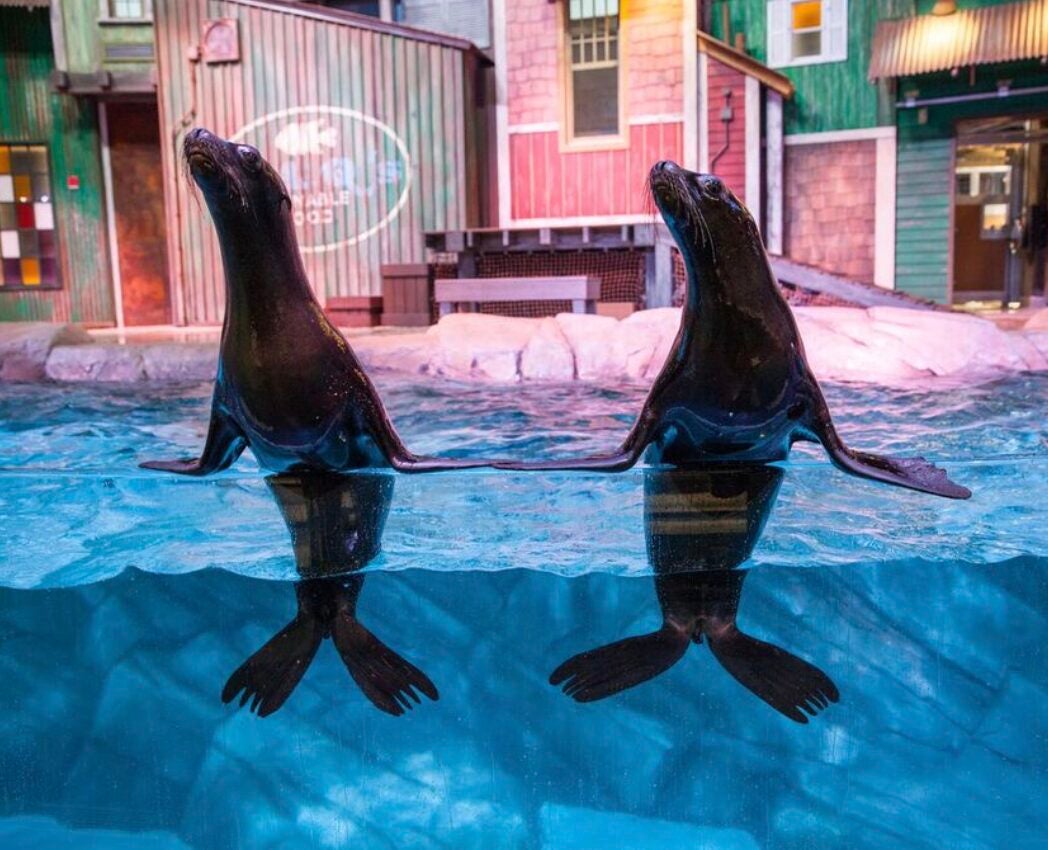
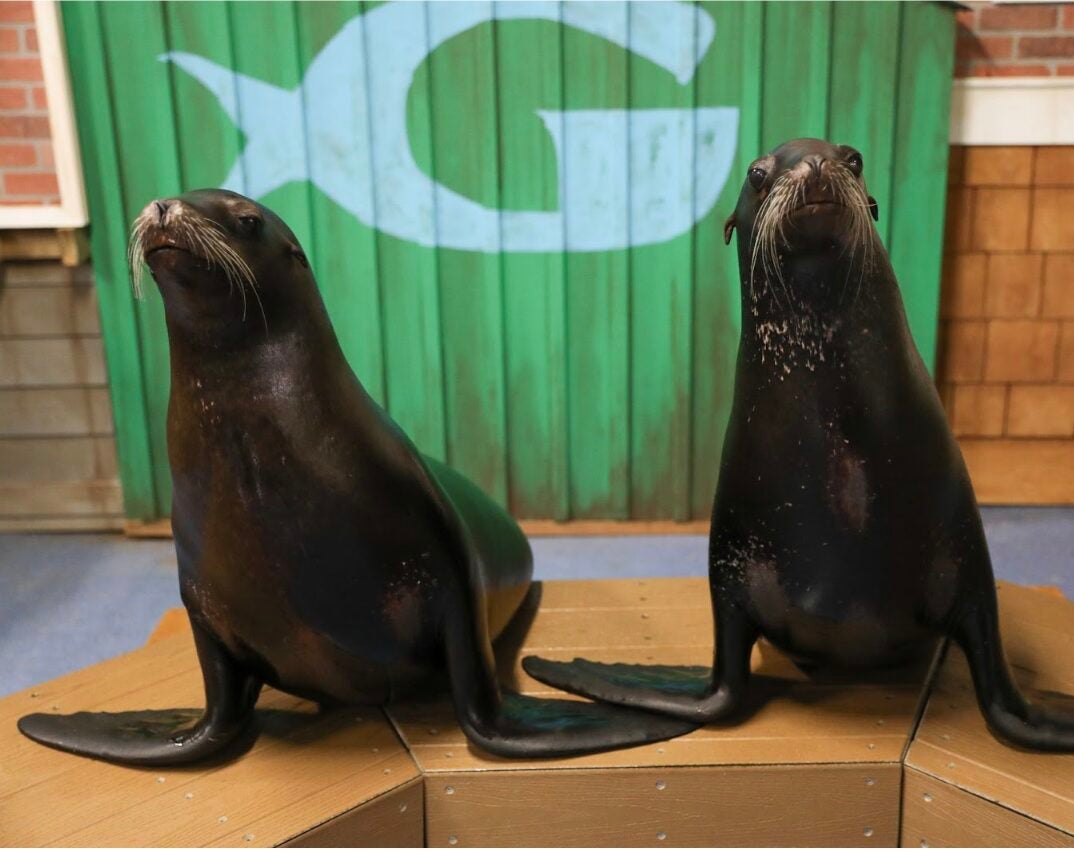
California Sea Lions: Rescued and Rehabilitated

Several of Georgia Aquarium’s sea lions have unique and heartwarming rescue stories:

  • Diego stranded three separate times in California before being deemed unreleaseable after he was found malnourished and hiding underneath a police car. Diego, now weighing up to 700lbs at his heaviest, has served as larger than life ambassador for his species since first coming to Georgia Aquarium in 2005. 
  • Scout, Beck, Jupiter, and Neptune each stranded multiple times due to malnutrition and maternal separation, making them unfit for release. They arrived at Georgia Aquarium between August and September 2015 after receiving temporary care at various marine rescue centers. Upon his arrival to the Aquarium, Neptune underwent various examinations, where x-ray results showed he had two bullet fragments in his head. 
  • Hunter stranded an astonishing four times, once even voluntarily jumping into a rescue boat! After suffering from boat propeller wounds and eye issues, he came to Georgia Aquarium in 2017, where he underwent surgery and continues to receive expert care.
  • Alex, found in 2014 with severe eye damage, was deemed non-releasable. After arriving at Georgia Aquarium in 2018, he underwent surgery to remove his left eye but continues to thrive in his new home.

Confiscated Corals & Motoro Rays

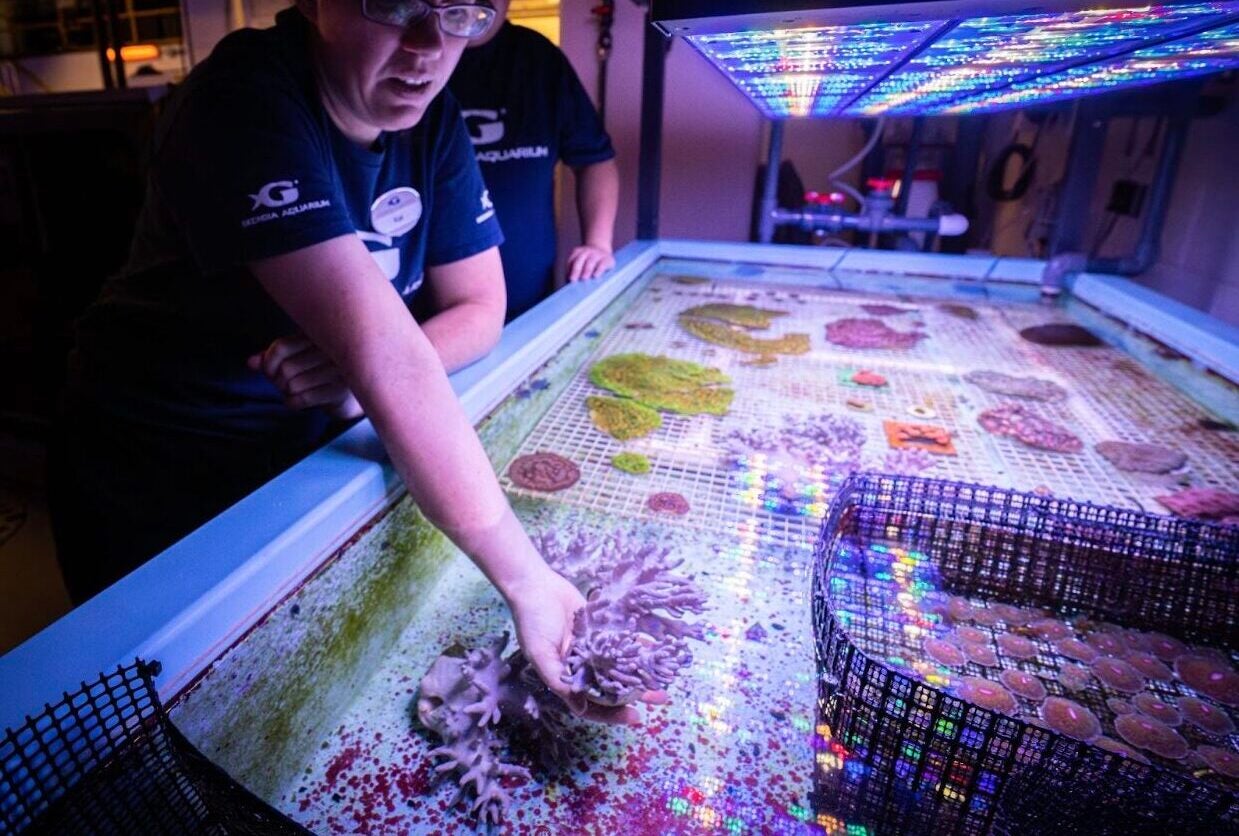
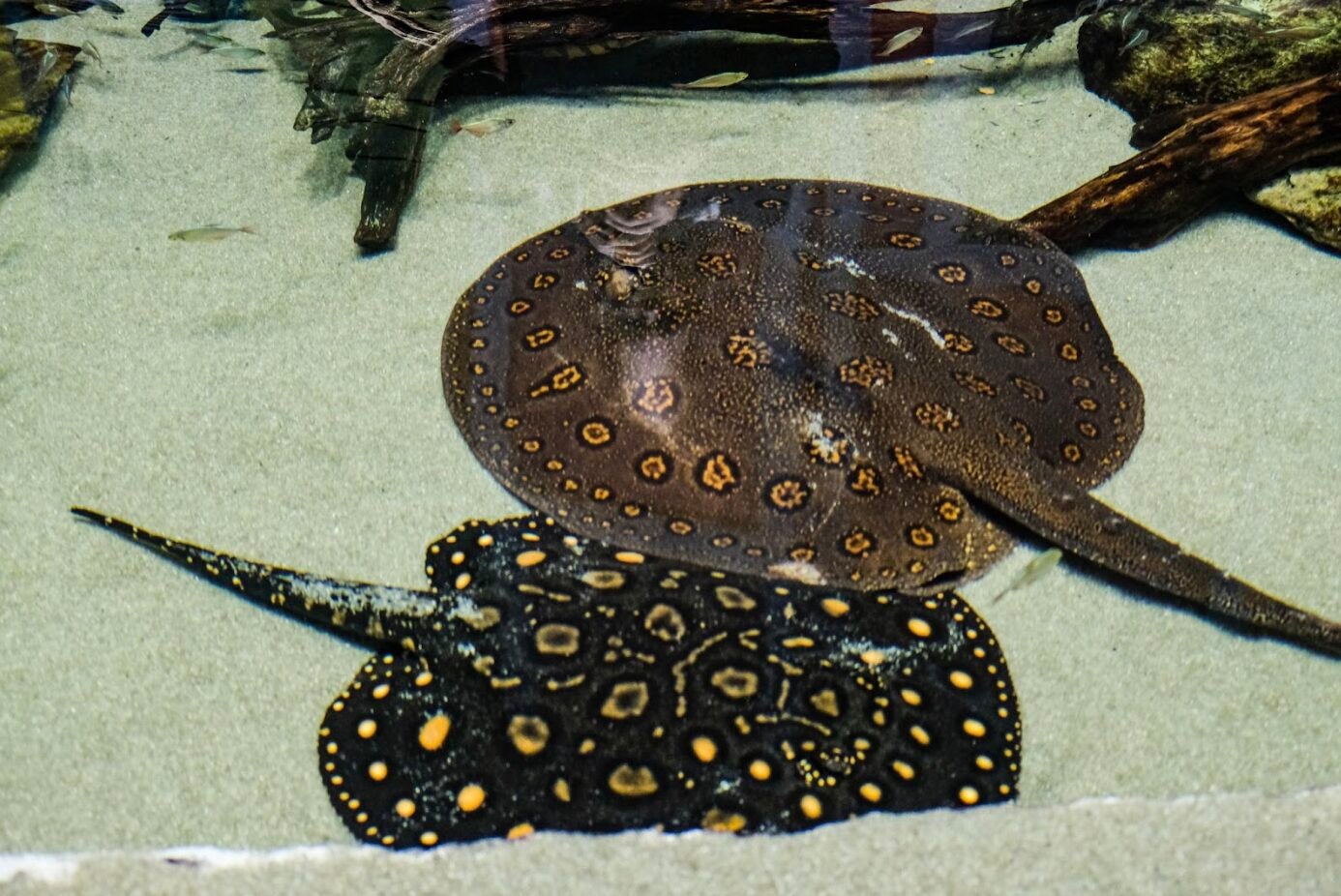
Since 2005, Georgia Aquarium has provided sanctuary for over 1,000 animals confiscated by the U.S. Fish and Wildlife Service (USFWS), including nearly 600 corals. These corals, brought into the country illegally, cannot be returned to the ocean due to genetic and ecological concerns. Georgia Aquarium has provided a forever home to nearly 300 of them, ensuring their survival and contributing to coral conservation efforts. Additionally, motoro rays and other animals have found refuge here after being intercepted in the illegal wildlife trade.

A Second Chance at Life

Each of these animals represents the incredible work done by rescue organizations, aquariums, and conservationists worldwide. At Georgia Aquarium, we are honored to provide a permanent, caring home for these rescued animals while using their stories to inspire action in marine conservation. Their journeys remind us of the impact we can have in protecting the ocean and its inhabitants.

Want to learn more about our efforts? Visit our website for more details on how you can support marine life conservation.