

Prince William Sound is Alaska’s First Hope Spot

Prince William Sound lies in the heart of the southcentral Alaska coastline, encompassing 3,500 miles of intricate coastline. With a dramatic landscape of fjords, islands, and over 150 glaciers, Prince William Sound is home to a vibrant diversity of wildlife. Over 220 species of birds share the Sound with brown and black bears (Ursus arctos, U. americanus) and an array of marine mammals including orca (Orcinus orca), minke (Balaenoptera acutorostrata) and humpback whales (Megaptera novaeangliae).

Prince William Sound is a resilient ecosystem and holds significant historical, cultural and spiritual value. Past impacts include logging and mining activities, whaling and sea otter trades, the 1964 earthquake, and notably, the 1989 Exxon Valdez Oil Spill, from which recreation and wilderness values as well as some seabird and marine mammal populations are still recovering. Prince William Sound faces current challenges with accelerating climate change, warming ocean temperatures, threats from invasive species, persistent marine debris, and balancing increased tourism with sustainability. In the face of these challenges, Alaska Native communities continue their ancient traditions today, relying on subsistence hunting from both land and sea.
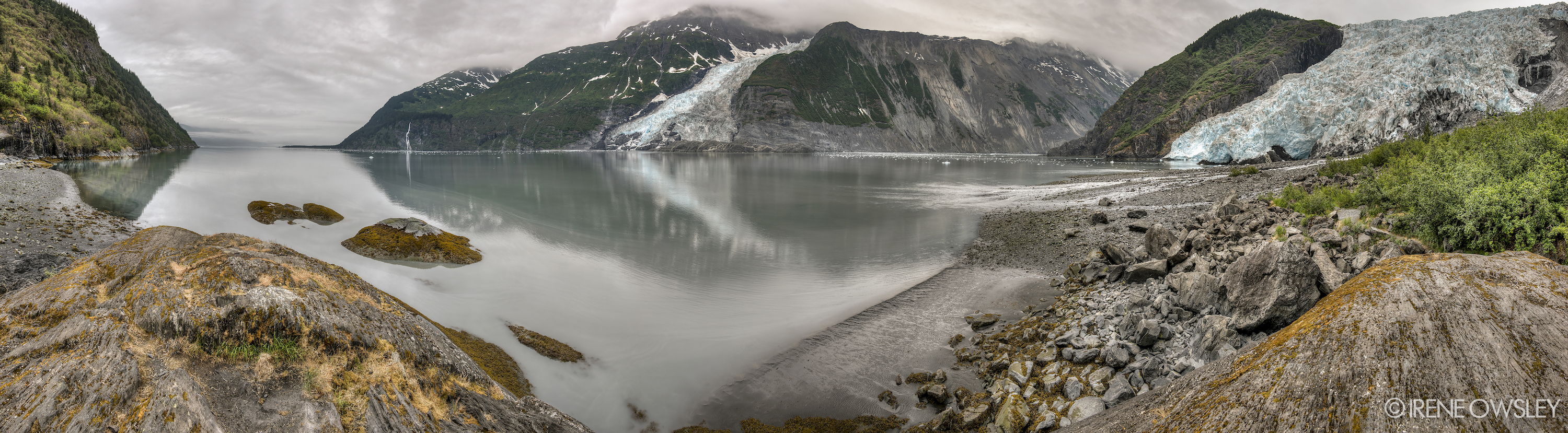
Prince William Sound

International marine conservation non-profit Mission Blue has named Prince William Sound as a Hope Spot in honor of its resilience, innovation, and community.

Dr. Sylvia Earle, founder of Mission Blue, says “Prince William Sound is a place of tremendous resilience and the first Hope Spot in Alaska. Through education, awareness, citizen science and volunteer projects, the champions and partners of this Hope Spot are working to protect the resources of Prince William Sound. They encourage users to be good stewards of the environment and help safeguard it for now and for future generations.”
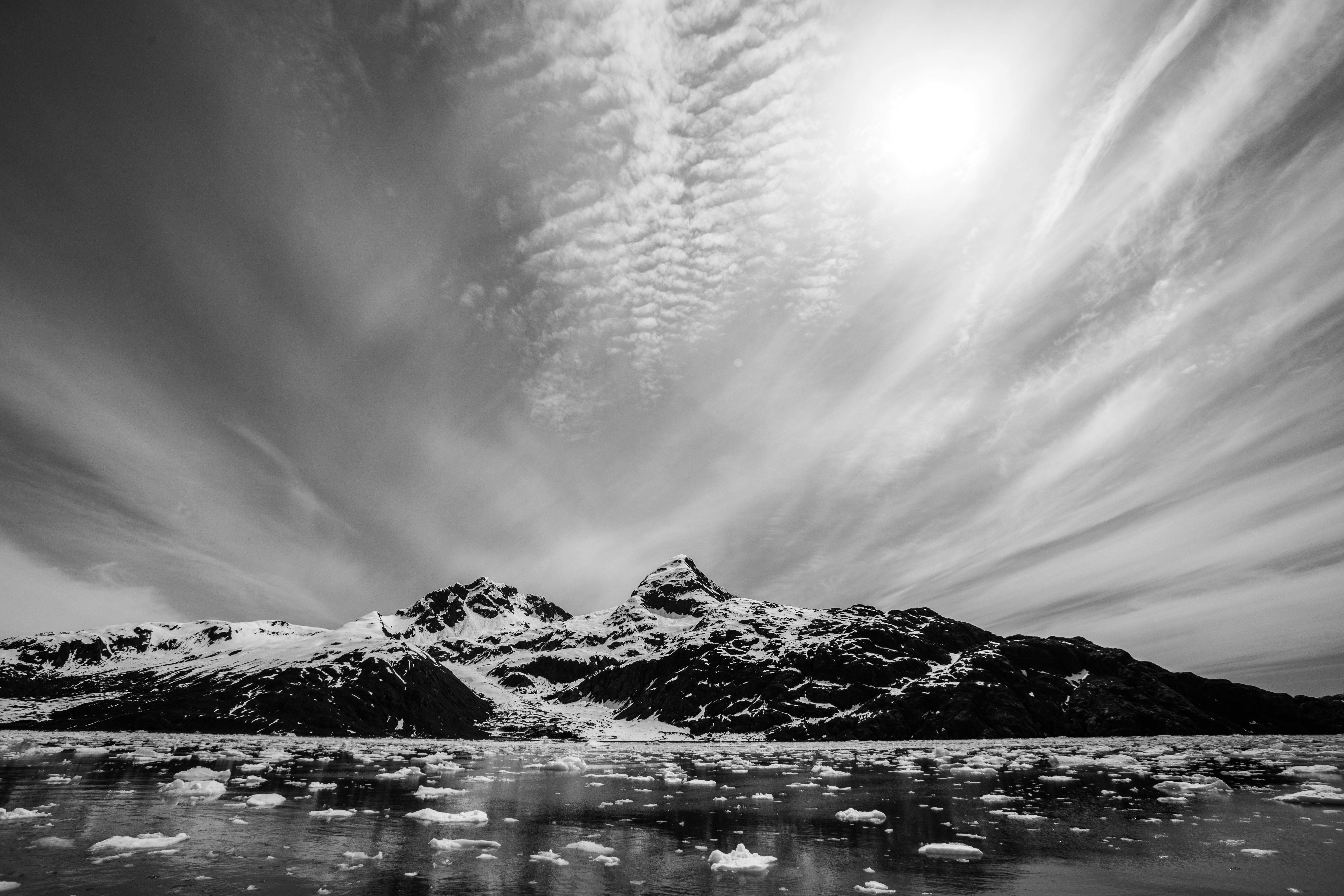
Prince William Sound

Dr. Charla Hughes, Executive Director of the Prince William Sound Stewardship Foundation (PWSSF) and Dr. Dayne Buddo, Director of Global Policy at Georgia Aquarium are recognized as the Hope Spot Champions.

“We are honored and delighted for Prince William Sound to join the esteemed network of Mission Blue Hope Spots as the first one in the State of Alaska. We hope this designation will encourage stewardship as well as even greater community engagement across the Sound,” said Dr. Charla Hughes, Executive Director of the Prince William Sound Stewardship Foundation. “PWSSF looks forward to celebrating the Sound’s incredible cultural, historical, and scientific significance at our sixth annual PWS Natural History Symposium in May and to working with our growing community of partners and volunteers on hands-on stewardship projects.”

Prince William Sound

The Prince William Sound Stewardship Foundation and Georgia Aquarium are working to conserve, restore, and encourage responsible stewardship of Prince William Sound. With public education, citizen science, and restoration projects focused on marine debris, invasive species, trail maintenance and campsite restoration, these organizations are positively impacting the future of Prince William Sound.

“Prince William Sound is a vital ecosystem that supports diverse marine species, its connected waterways, and human life, especially in Native communities throughout the Sound. As the first Alaskan Hope Spot, we hope to continue preservation and restoration efforts alongside our partners through research, conservation, education and policy, to ensure that this iconic landscape can be protected for generations to come,” said Dr. Dayne Buddo, Director of Global Ocean Policy at Georgia Aquarium.
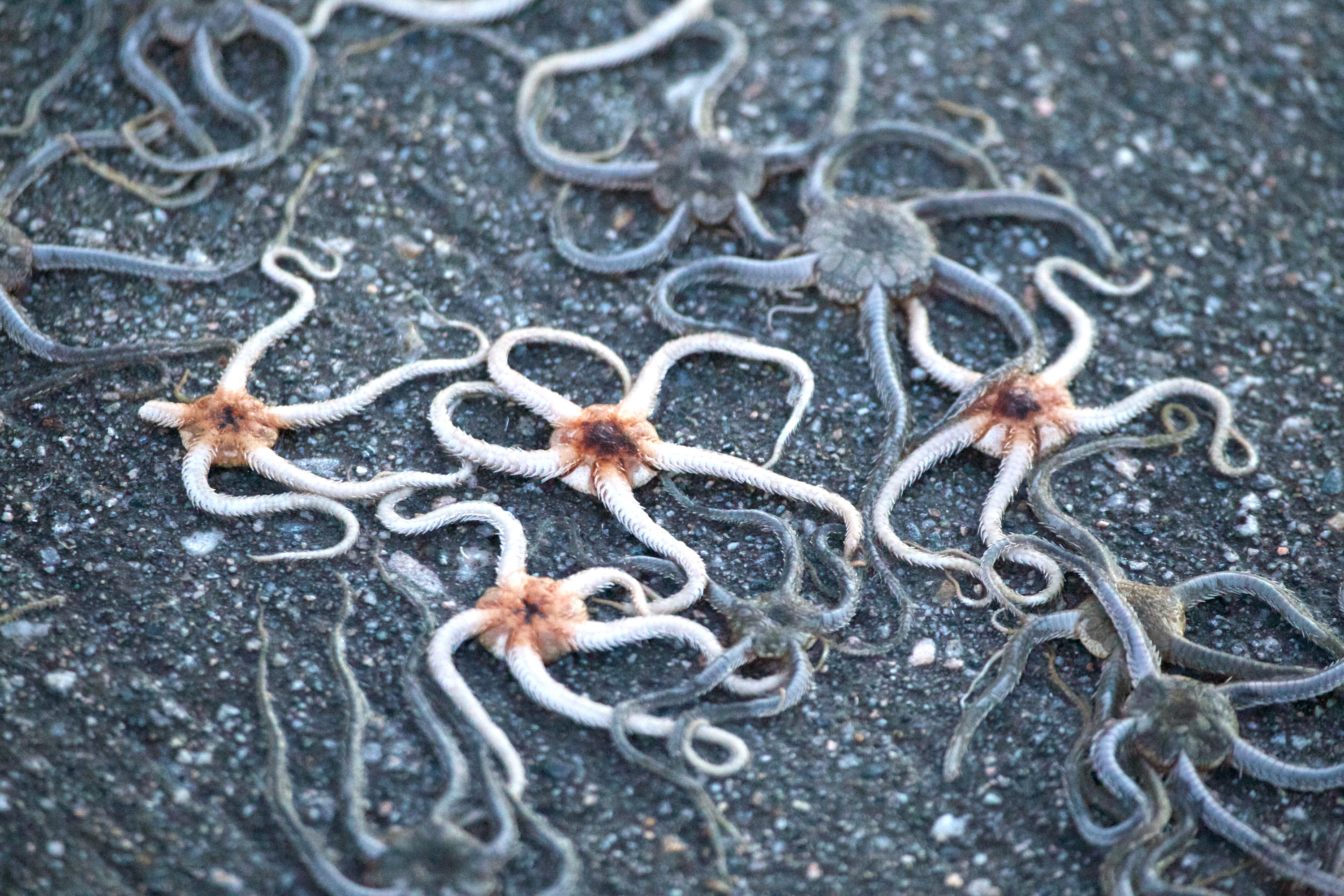
Prince William Sound

The Prince William Sound Hope Spot is bordered by the Chugach Mountains to the north and east, the Kenai Peninsula to the west, and the Gulf of Alaska to the south. Like a vast inland sea, the Sound serves as a connector between rivers and bays and the Gulf of Alaska and, consequently, the North Pacific Ocean.

The glacial waters of Prince William Sound are rich in marine nutrients, supporting five species of salmon, migrating populations of humpback whales, resident and transient pods of killer whales, and much more. In order to make the arduous journeys from the ocean back to their natal rivers, salmon build their strength feeding in the rich waters of the Sound, and humpback whales feed here to build strength for the migration to Hawaiian waters for birthing. Kelp forests comprised of bull, ribbon and sugar kelp also contribute to the marine ecosystem by providing habitat and nutrients for marine species, and acting as carbon sinks.
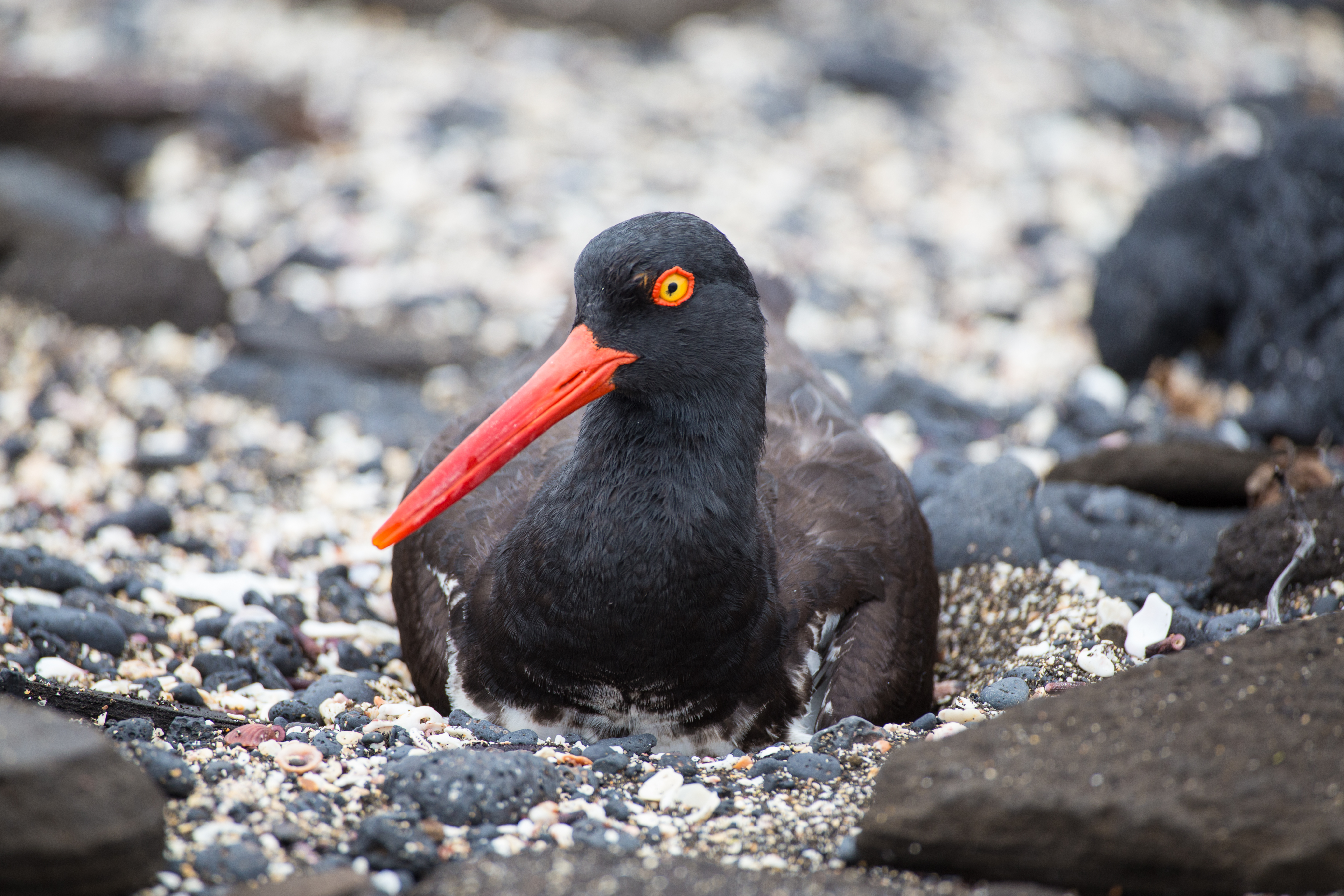
Prince William Sound is easily accessible from Anchorage, Alaska’s largest city. Several economic drivers including recreation, ecotourism and commercial fishing provide opportunities for the area’s residents and visitors. Kelp is also a growing economic driver for Prince William Sound, as kelp grows in popularity as a superfood and for other applications.

“Imagine a place where the mountains shoot up from the ocean, glaciers you can walk on that touch the ocean’s tides, and a place full of life from the sky to the rocks in the water. With over 6 million acres (about the size of New Jersey) of land and over 5,000 miles of coastline, this is Chugach, where over 1,500 Alutiiq/Sugpiat and dAXunhyuu (Eyak) people call home. On the west side of the Chugach region is the Nellie Juan-College Fjord. Chugach Natives have called Chugach home for 10,000 years since our glaciers have receded and our mountaintops emerged from the ice. As stewards of the region, we have had an intricate, respectful, and protective relationship with our land and its resources,” said Willow Hetrick, Executive Director of Chugach Regional Resources Commission. “This is a timely and appropriate step to ensuring the continued resilience of inhabitants and visitors to PWS alike.”

“The Chugach National Forest welcomes the work by Mission Blue and the PWS Stewardship Foundation bringing positive attention to Prince William Sound. Mission Blue strives to protect places that ‘are scientifically identified as critical to the health of the ocean’ which could not be more true for the Chugach National Forest lands of the Prince William Sound,” said Chris Stewart, District Ranger on the Glacier Ranger District of the Chugach National Forest.

“The scientists at the U.S. Geological Survey Landslide Hazards Program were very pleased to hear that Prince William Sound was selected as a Mission Blue Hope Spot. Given our research focus, we spend much of our time directed towards better understanding the region’s natural hazards. Yet, each day we get to spend working in and reflecting upon Prince William Sound is a privilege,” said Dennis Staley, Research Physical Scientist at the Alaska Volcano Observatory.

On the 35th anniversary of the Exxon Valdez Oil Spill, Prince William Sound stands as a symbol of resilience. The long-term work of world-class oil response personnel working alongside community-based organizations has supported the area’s continued recovery and bright future.

Learn more about Prince William Sound by watching the video below:

About Prince William Sound Stewardship Foundation
The Prince William Sound Stewardship Foundation (PWSSF) is a local 501(c)(3) nonprofit dedicated to keeping Prince William Sound healthy, clean, and wild for all to enjoy. PWSSF supports its mission through public education events, marine debris cleanups, trail work, campsite restoration, invasive species mitigation, and more.

About Georgia Aquarium
Georgia Aquarium is a leading 501(c)(3) non-profit organization located in Atlanta, Ga. that is Humane Certified by American Humane and accredited by the Alliance of Marine Mammal Parks and Aquariums and the Association of Zoos and Aquariums. Georgia Aquarium is committed to working on behalf of all marine life through education, preservation, exceptional animal care, and research across the globe. Georgia Aquarium continues its mission each day to inspire, educate, and entertain its millions of guests about the aquatic biodiversity throughout the world through its engaging exhibits and tens of thousands of animals across its eight major galleries.

St Helena Island Recognized as Mission Blue Hope Spot

In the middle of the South Atlantic Ocean between Angola and Brazil lies a remote volcanic
island of a mighty 47 square miles (121.7 square kilometers). Discovered uninhabited in 1502 by
the Portuguese, St Helena Island became a British Overseas Territory in 1659 and is now home
to 4,439 residents (2021 Census). Due to its remote geographic location and small population,
the island has not suffered the environmental degradation commonly seen in other blue places
around the world. Recognizing this, the St Helena National Trust, and local and UK governments
are working in tandem to maintain a vibrant and healthy future for both the island’s wildlife and
human inhabitants.

International marine conservation non-profit Mission Blue has named St Helena Island a Hope
Spot in honor of the island’s ongoing initiatives to manage and monitor its marine environment
as well as to grow a sustainable economy.

Dr. Sylvia Earle, founder of Mission Blue, says, “This marine protected area and new Hope Spot
of nearly half a million square miles now faces pressures largely outside its control from rapidly
changing climate, invasive species and pollution. By becoming a Hope Spot, St Helena can act as
a beacon to the rest of the world. Although geographically isolated, it is deeply ecologically
connected to many distant realms, and indeed, other Hope Spots.”

Helena Bennett, Director of the St Helena National Trust and Dr. Dayne Buddo, Director of
Global Policy of Georgia Aquarium are recognized as the Hope Spot Champions, as these
organizations have been working together with the St Helena Government for 10 years to
implement marine science and monitoring programs for the island.

“The remote island of St Helena is a very special area of marine biodiversity and represents true
hope for ocean resilience,” said Dr. Dayne Buddo, Director of Global Ocean Policy at Georgia
Aquarium in Atlanta. “With steadfast resource conservation, this area should withstand the
many issues that our ocean faces and demonstrate to the world the immense value of islands.”
“The Ocean has a way of enchanting us, capturing our imagination and intriguing us with
mysteries of the unexplored,” said Helena Bennett, Director of the St Helena National Trust.
“Our island and its surrounding waters are steeped in our culture, and traditions and have
played a massive role in our history’s timeline since our island’s discovery in 1502, evolving our
way with a sense of nostalgia and a feeling of belonging and home”.

In September 2016, the island of St Helena legally designated its entire exclusive economic zone
(EEZ), nearly 450,000 km2, as a marine protected area (MPA), safeguarding species like whale
sharks (Rhincodon typus) and green sea turtles (Chelonia mydas).

Dr. Buddo says, “This Hope Spot can provide a window to the rest of the world to see how
sustainable use of fishable resources (food security) can be accomplished.” He continues, “I
hope these stories will resonate throughout all levels of society of how local fishers, NGOs and
heads of governments can collectively work together towards achieving the ‘ocean we want’ –
an ocean that is healthy, balanced and thriving for generations to come.”

“St Helena has an extraordinary combination of endemic species, natural beauty and the only
known whale shark breeding location in the world. The Mission Blue Hope Spot designation,
combined with the dedication of the local community to marine conservation, shows how we
can save the ocean when we work together,” said Dr. Alistair Dove, Vice President of Science
and Education at Georgia Aquarium.

St Helena’s remoteness and age have resulted in the development of a unique assemblage of
marine species, creating an oasis in what would otherwise be a vast open ocean. The island’s
narrow inshore area and offshore seamounts provide a unique habitat for a wide variety of
marine species. More than 800 have been identified, 18 of which are endemic, and scientists
believe there could be many more yet to be described. Offshore seamounts provide feeding
opportunities for pelagic species and seasonally migrating megafauna including whale sharks
and humpback whales (Megaptera novaeangliae).

The St Helena Island Government has taken the lead on evidence-based scientific research,
policy, and legislation, and has just published a new Marine Management Plan (MMP) for 2023
to 2027, supported by the UK Government’s Blue Belt Programme.

The Hope Spot Champions’ and local government’s goals for the island are ambitious. Delivering
the objectives and actions of the Marine Management Plan will facilitate continuous community
engagement and capacity building to foster ocean stewardship, local ownership, and sustained
environmental consciousness across the island. According to the MMP, a key value of the
marine protected area is “Economic benefits and opportunities derived from the natural
environment [are to be] underpinned by robust evidence and strong environmental
consciousness.”

Limited human pressure on the waters around this island means this oasis of biodiversity is in
excellent condition, and the community of St Helena is rightly proud to keep watch over such a
beacon of hope to others, and one that has been attracting the attention of eco-minded
tourists. The island’s narrow continental shelf allows for whale sharks to come close to the
shore, and snorkeling to see them has become both a popular ecotourism activity and an
important economic opportunity.

While local marine tour operators have been voluntarily complying with an accreditation
scheme since 2016, new marine regulations were introduced earlier this year. Now, with the
formal licensing of all operators, and full support from local marine tour operators the island
can look forward to growing its marine tourism sector responsibly, championing the best of the
Hope Spot and inspiring visitors in the process.

The UK Foreign, Commonwealth and Development Office’s Minister for the Americas and the
Caribbean, David Rutley MP says “St Helena is home to a range of unique marine species and
habitats creating breath-taking coastal scenery and underwater environments. I’m proud to see
St Helena’s MPA designated as a ‘Hope Spot’. This speaks to the fantastic working collaborations
St Helena has with its local community, Government and NGOs in creating ocean conservation
consciousness through sustainable use”.

Craig Yon, owner of Dive St Helena says “I’m delighted that there is a structured approach to
ensure we, the tour operators, are able to showcase our marine environment in a safe and
friendly manner. Being accredited as a marine tour operator by the St Helena Government,
emphasizes the healthy working relationship earned over the years between the tour operators
and the local authorities to protect the environment for future sustainable use”.

World’s Leading Conservation Organization Advocates Critical Role of Aquariums, Zoos and Botanic Gardens for Species Survival

Center for Species Survival at Georgia Aquarium is one of just five in the United States


As sharks, rays and other wildlife populations plummet worldwide and biodiversity is lost at catastrophic rates, the world’s largest conservation organization, the International Union for Conservation of Nature’s Species Survival Commission (IUCN SSC), released a clear message globally on October 11: Aquariums, zoos and botanic gardens are critical conservation partners, and their role should not be under-valued, under-recognized, or misunderstood.


During a press conference in San Diego, IUCN SSC released a new position statement about the critical role of zoological facilities, while also announcing the most recent Center for Species Survival focused on biodiversity biobanking.


Georgia Aquarium is one of a handful of Centers for Species Survival (CSS) in the United States. Through the partnership, the Aquarium contributes extensive expertise in marine sciences to evaluate and assess marine species at greatest risk of extinction, while contributing to conservation solutions.


“Georgia Aquarium has been at the forefront of aquatic science for years. Through the CSS partnership, we contribute and collaborate globally with a goal of reversing the staggering decline in wildlife and plant diversity,” said Dr. Alistair Dove, Vice President of Science and Education at Georgia Aquarium. “IUCN’s new position statement makes clear the critical role of aquariums and zoos in global conservation and is a call to action for greater collaboration to save species from decline.”


Georgia Aquarium recently participated in the Global Shark Trends Project, a multi-year assessment of extinction risk for 1,250 species of sharks, rays and chimaeras. The startling conclusion is that these species have declined 71 percent in the last 50 years. With the current rate of extinction estimated at three species every hour, global collaboration for species survival is more urgent than ever.


“For too long species conservation efforts have been siloed and focused at the project level, often with expertise and activities segregated between wild populations and those in human care. This position statement highlights that many botanic gardens, aquariums and zoos around the world are critical partners in species survival and in connecting with communities to inspire further action,” said Kira Mileham, director of strategic partnerships, IUCN Species Survival Commission. “It is past time that we recognize the roles that leading botanic gardens, aquariums and zoos play in saving species, that we encourage those who are not yet fulfilling these roles to do so and that we work as one united species conservation community. Only then will we succeed in halting extinctions and recovering populations of plants, animals and fungi around the world to ensure a shared future for us all.”


Georgia Aquarium conducts conservation work worldwide. One current project involves the reintroduction of endangered zebra sharks to their home range in Raja Ampat, West Papua, Indonesia. Other conservation science efforts include whale shark research, coral rescue and recovery, manatee rehabilitation and more.


While Georgia Aquarium is a hub for marine ecosystems, other Centers within the United States include the Global Center for Species Survival (GCSS), based at the Indianapolis Zoo in Indiana, the CSS: New Mexico at ABQ Biopark focused on freshwater fish, pollinators and medicinal plants, CSS: Freshwater based at Shedd Aquarium in Chicago, CSS: Trees based at The Morton Arboretum near Chicago, and the newest CSS: Biodiversity Biobanking based at San Diego Zoo Wildlife Alliance. Twelve other Centers have been established around the world with more on the way.


To learn more about the Center for Species Survival at Georgia Aquarium,  visit https://www.georgiaaquarium.org/international-union-for-the-conservation-of-nature-iucn/


To review IUCN’s new position statement on zoos, aquariums and botanic gardens, click here.

Caring for the Ocean’s Gentle Giants

Georgia Aquarium is one of the few facilities in the world to house a whale shark. Learn more about what it takes to care for the ocean’s largest fish.

The whale shark is the largest fish in the world and the largest known to have lived on this planet. They can be found offshore in the tropical Atlantic, Pacific, and Indian Oceans – and at Georgia Aquarium.

Caring for the largest fish in the sea is quite a task and requires the involvement of several different teams:

Animal care, dive, life support systems, environmental health lab, commissary research, and veterinary staff all are involved in the daily care of the whale shark at Georgia Aquarium.

The dive team

Oversees the daily maintenance of the 6.3-million-gallon Ocean Voyager Exhibit the Aquarium’s whale shark’s call home. The dive team is in charge of cleaning this exhibit in its entirety; from the rocks on the exhibit floor to the nearly 20-foot-tall viewing window. All this cleaning ensures our animals have a healthy habitat to call home. This team also oversees our Swim with Gentle Giants and Dive with Gentle Giants programs. Along with our Veterans Immersion Program, helping guests and veterans get up close and personal with these incredible animals. With all these responsibilities, our dive team spends the most time in the water with our whale shark.

The Environmental Health Lab team

Monitors the water quality in all the Aquarium’s exhibits, including Ocean Voyager. Monitoring all levels (from salinity levels to air quality and lighting) to ensure the environment is properly set up and maintained to accommodate each species.

The commissary team

Is vital because they prepare and organize all food for the Aquarium’s thousands of animals. Although their mouths can be nearly four feet in length, whale sharks are filter feeders. Their esophagi are only about the size of a quarter. They are fed an assortment of shrimp, krill, and small fish several times each day, totaling nearly 40 lbs of food a day per whale shark.

The Life Support Systems (LSS) team

Is responsible for the operation, care, and upkeep of Georgia Aquarium’s aquatic exhibits. Alongside the Environmental Health Lab team, our LSS team ensures all exhibits receive the proper salinity levels. Since Georgia Aquarium is land-locked without direct access to the ocean, our LSS teams create saltwater that would mimic that of the ocean. Georgia Aquarium recycles 99% of the water throughout all exhibits, over 11 million gallons in total.

To learn more about whale sharks and Georgia Aquarium’s research and conservation efforts, please visit our website.

Since opening in 2005, the Aquarium’s research team has studied whale sharks across the globe in places like Mexico, Taiwan, and the Galapagos Islands. During this field work, our teams have been able to successfully tag whale sharks to track migratory patterns and take blood draws to analyze their current health status.  This endangered species faces numerous threats. Our teams are working both at home and in the field to help conserve these gentle giants for generations to come.


Be sure to follow us on FacebookTwitterInstagram and TikTok.

Georgia Aquarium Aids in the Conservation of Coral

Corals Need Our Help

This summer has seen rising temperatures, both on land and in the water. The rising temperature of the ocean’s waters can be damaging to many species, including coral reefs. Rising water temperatures can also lead to coral bleaching (the process where corals are stressed by changes in their environment and expel the symbiotic algae living in their tissues, causing them to turn completely white). Corals rely on these symbiotic algae for nutrition, without them they are exposed to disease and death.


Georgia Aquarium has been actively involved in coral restoration and conservation since 2010.

Partnering with organizations like the Coral Restoration Foundation to aid in their efforts to effectively grow coral fragments in an underwater nursery near Molasses Reef in the Florida Keys National Marine Sanctuary. The Aquarium recently partnered with the Coral Restoration Foundation on the creation of a “Coral Bus”. This cutting-edge system is the first of its kind and was designed to assist with the transport of nursery-raised corals to their new homes within the Florida Keys National Marine Sanctuary.


Georgia Aquarium also joined the Association of Zoos and Aquariums’ Florida Reef Tract Rescue Project in 2018.

This project is a major undertaking by zoos and aquariums across the nation. Select facilities are working with federal and state agencies to save susceptible coral species along the Florida Reef Tract. Since March 2019, nearly 2000 corals have been placed in 19 facilities managed by AZA-accredited institutions across 12 states – including Georgia Aquarium. As a part of this project, Aquarium staff have been involved in rescuing and housing coral to reintroduce back into the ocean and repopulate the reefs that have been devastated by disease and coral bleaching. It may be quite some time until the ocean is healthy enough to support these corals, but the Aquarium is dedicated to their care until that time.


Coral reefs play a huge role in our ocean’s ecosystem, supporting nearly 25% of all marine life. Coral reefs also protect our coastlines from storms and erosion, provide jobs for local communities, and support global fishing industries. Georgia Aquarium is undoubtedly dedicated to the conservation of coral. By caring for them in Atlanta, assisting organizations in Florida, and propagating existing coral from our exhibits to learn from them we continue to understand ways to protect these incredible animals.


Want to get involved? There are a few things you can do to help save our ocean’s coral:

  • Be sure to use reef-friendly sunscreen.
  • Recycle and dispose of trash properly.
  • Use less impactful modes of transportation.
  • Practice safe and responsible diving and snorkeling.
  • Save energy at home and at work; reduce your carbon emissions wherever and whenever you can.
  • Lastly – spread the word!


Remember: coral is an animal, not a plant! do not touch or remove corals if you see them in the ocean!


To learn more about Georgia Aquarium’s efforts to save coral, please visit our website.


Be sure to follow us on FacebookTwitterInstagram and TikTok.