

ATLANTA (August 27, 2026) –
A newly published paper from Georgia Aquarium Research Scientist Dr. Patrick Charapata explores how archived marine mammal bones can help scientists track changes in marine ecosystems over hundreds or even thousands of years
Archived bones may not be the first place marine biologists look for answers about climate change, conservation or ocean health. But according to Dr. Charapata’s new research, they deserve a closer look.
Published in Integrative and Comparative Biology, the paper explains how marine mammal bones preserved in museums, research collections, and other archives can serve as long-term records of biological change. These specimens paired with other climate proxies can help scientists understand how marine ecosystems have shifted over time and provide important context for conservation decisions being made today.
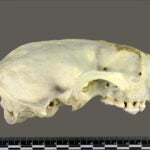
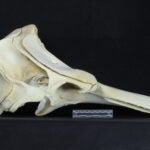
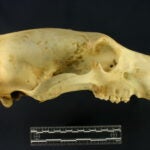
“Many modern tools for assessing animal biology in marine science rely on samples like soft tissue, breath or other tissues that provide a short-term biological signal,” said Dr. Patrick Charapata. “These methods are highly valuable, but they often capture only a moment in time. Bones offer something different.”
Because skeletal tissues can preserve biological information for long periods, archived specimens may help researchers look further into the past and build longer conservation baselines. That is especially important in a rapidly changing ocean, where warming temperatures, shifting habitats, and changing food webs can make it difficult to know what conditions were like before major disruption.
One of the paper’s most compelling points is that many of these research archives already exist. Museums and scientific collections have preserved marine mammal skeletons for decades, and in some cases, the specimens date back far beyond modern monitoring programs.
Dr. Charapata suggests that these collections are more than historical records. They are scientific resources that can help answer present-day conservation questions, when studied thoughtfully and responsibly.
Dr. Charapata has created a practical framework for using skeletal archives more effectively. He outlines the kinds of information bones may preserve, which tissues or structures may be best suited to different research questions, and how scientists can design studies that maximize insight while minimizing damage to valuable specimens.
He also highlights examples from existing research showing how skeletal materials can reveal long-term changes in ecology and diet, markers associated with physiological stress, reproduction, genetics, and pollutant exposure. Together, these insights can help scientists understand not only what has changed, but how quickly those changes may have happened.
Conservation decisions are strongest when they are grounded in context. But in many marine systems, modern datasets only go back so far.
By extending that timeline, archived bones may help researchers reconstruct earlier baselines and better understand change in the present. That perspective becomes even more valuable as climate pressures intensify and species face new environmental conditions. Understanding what populations experienced in the past may help scientists better address questions about resilience, vulnerability, and recovery in the future.
Dr. Charapata emphasizes responsible sampling.
Because museum specimens and archived skeletal materials are valuable and often irreplaceable, he outlines best practices for ethical, minimal and carefully planned sampling. The goal is not simply to gather more data, but to do so in a way that respects the long-term scientific value of the collections themselves.
At Georgia Aquarium, research is one of the many ways we work to advance understanding and protection of aquatic life. This publication highlights how innovative thinking—and a fresh look at materials already available—can open new doors for conservation science.
Sometimes, the answers to today’s questions are not only out in the field. Sometimes, they are waiting in the archive.
###
Georgia Aquarium is one of the largest aquariums in the world with more than 11 million gallons of water and tens of thousands of animals. Located in Atlanta, Ga., it is a premier animal care and research facility that is accredited by the Association of Zoos and Aquarium, the Alliance of Marine Mammal Parks and Attractions, Humane Certified by American Humane, and a Class R research institution certified by the USDA. By providing guests with unparalleled opportunities to learn about marine life, Georgia Aquarium is dedicated to unlocking the ocean’s wonder for all, providing transformative experiences that inspire a shared responsibility for conserving our aquatic ecosystems.